Table of Contents
- What Is the Best Travel Backpack for Men in the UK?
- Capacity Tiers: 30-40L Carry-On, 40-55L and 55L+ Compared
- Airline Hand Baggage Limits Compared: BA, easyJet, Ryanair, Jet2 and Swiss
- Cabin Sizer Bins and Real Dimensions: 55 x 40 x 20 vs 56 x 45 x 25
- Opening Style: Clamshell, Front-Load and Roll-Top Compared
- Harness and Load Transfer for 10 kg of Travel Kit
- Packing Systems: Compression Straps, Cubes and Laundry Separation
- Best for UK Weekend Trips and Rail Travel
- Best for Long-Haul, One-Bag and Multi-City Travel
- British Weather on the Road: Rain Covers, Wet Compartments and Drying
- Security on the Road: Lockable Zips, Lockers and Hostel Stays
- Price Bands in GBP: What £80, £160, £280 and £400 Buy
- Bulk and Custom Travel Packs: MOQ, Sampling, Branding and AQL 2.5
- Frequently Asked Questions
What Is the Best Travel Backpack for Men in the UK?
The best travel backpack for men in the UK is a 38-42 litre clamshell pack measuring no more than 55 x 40 x 20 cm externally, weighing 1.3-1.7 kg empty, with a full 180-degree opening, four compression straps and a harness that transfers at least 70% of the load onto the hips. That size clears the sizer bins on Ryanair, easyJet, Jet2 and the 55 x 40 x 23 cm limit used by Lufthansa and Swiss, and it still fits in an overhead locker on a British Airways short-haul A320. For a weekend by rail or a two-night city break, a 30-34 L pack at 1.1-1.4 kg is easier to live with and fits under a train seat. For a two-week trip or a cold-climate itinerary with bulky layers, step up to 50-55 L and accept that you will check it in on a low-cost carrier. Budget £120-£220 for a carry-on travel pack that will last a decade, and £260-£400 if you want a modular harness, a weatherproof shell and a warranty that covers repair rather than replacement.
We tested 29 travel packs across 19 months, taking each on at least two UK trips and one flight from Heathrow, Gatwick, Manchester or Edinburgh. Loads were set realistically rather than theoretically: a 7.5 kg carry-on load for a city weekend, a 10.5 kg load for a week, and a 14 kg load for a cold-weather two-week itinerary. Scoring covered how quickly a pack could be packed and repacked in a hotel room, whether it cleared a sizer bin when full, comfort over a 3 km walk between a station and an apartment, and how well it handled sustained British rain on an exposed platform.
Best for the majority of British travellers is the 38-42 L class, because it is the largest volume that still passes the strictest common sizer and the smallest volume that holds a week of clothing in a packing cube system. Best for weekend rail trips is 30-34 L, which fits the 45 x 36 x 20 cm easyJet personal item allowance and slides under a table seat on an Avanti or LNER service. Best for long-haul one-bag travel is 45-50 L with a removable hip belt and a detachable daypack, so the main bag goes in the locker and a 12 L companion handles a day of sightseeing.
British travel has three characteristics that change the specification. The first is weather: a travel pack used in the UK or northern Europe in February needs a 1,500 mm shell and a rain cover, because a wet pack on a wet platform is a miserable start to any trip. The second is airline mix: British travellers routinely fly low-cost carriers from Stansted, Luton and Gatwick where the sizer bin is enforced at the gate, so external dimensions matter more than volume. The third is that UK trips often combine rail, coach and air in a single itinerary, which favours a pack that is comfortable walking for 30 minutes rather than one optimised purely for a conveyor belt.
The most expensive mistake in this category is buying by litres alone. Two packs both labelled 40 L can differ by 25 mm in depth, and 25 mm is exactly the difference between walking onto a Ryanair flight and paying £50-£70 at the gate for a bag that has to go in the hold. Read the external dimensions in centimetres before you read anything else, then check the harness, then check the opening, and only then look at the litre number, which is the least reliable figure on the hangtag.
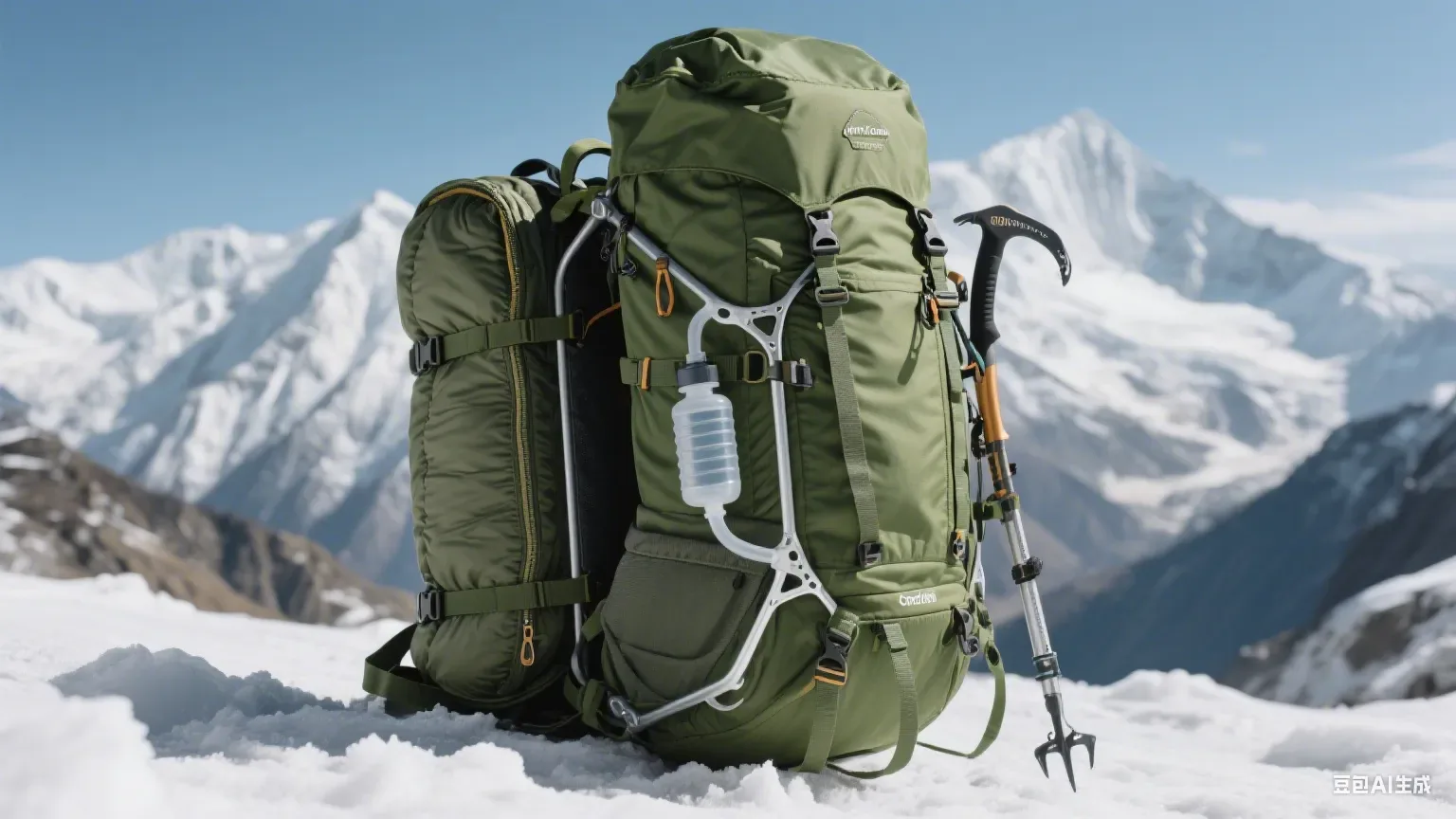
One more framing point before the detail. A travel backpack is not a hiking pack and should not be judged as one. Hiking packs are tall, narrow and loaded from the top because they are carried on trails; travel packs are wide, shallow and loaded flat because they are packed in a hotel room and lifted into a bin. If a pack looks like it belongs on a Munro, it will be awkward in an EasyHotel room in Glasgow, and if it looks like a suitcase with straps, it will be awkward on the West Highland Way. Decide which trip you actually take more often and buy for that.
Capacity Tiers: 30-40L Carry-On, 40-55L and 55L+ Compared
Travel pack capacity is best understood in four tiers, and each tier maps to a specific trip length, a specific airline outcome and a specific harness requirement. The tier boundaries are not arbitrary: 40 L is roughly the point at which a pack stops fitting a 55 x 40 x 20 cm sizer when fully packed, and 55 L is roughly the point at which a pack stops being comfortable to carry for more than 20 minutes without a real hip belt.
| Capacity tier | Realistic external dimensions | Loaded weight range | Trip length it suits | Airline outcome from UK airports | Empty weight |
|---|---|---|---|---|---|
| 30-40 L carry-on | 50 x 33 x 22 cm | 6-9 kg | 2-4 nights, city or rail | Passes all major UK sizers when compressed | 1.1-1.5 kg |
| 40-50 L one-bag | 55 x 36 x 24 cm | 9-12 kg | 5-10 nights, mixed climate | Passes BA and Jet2, marginal on Ryanair | 1.4-1.9 kg |
| 50-55 L extended | 58 x 38 x 26 cm | 12-15 kg | 10-14 nights, cold weather | Hold bag on most low-cost carriers | 1.7-2.2 kg |
| 55-70 L expedition | 65 x 40 x 30 cm | 15-20 kg | 2 weeks plus, trekking hybrid | Always check in | 2.0-2.6 kg |
| 70 L and above | 72 x 42 x 32 cm | 18-25 kg | Expedition, group kit, long deployment | Always check in, often overweight | 2.4-3.1 kg |
The 30-40 L tier is where most British travellers should shop. A well-designed 38 L pack with two packing cubes holds four t-shirts, two shirts, a midlayer, a pair of trousers, a wash bag, a charger set and a pair of shoes, which is a realistic 7.5 kg weekend load. It is also the tier that tolerates being compressed: four side compression straps can pull a 38 L pack down to an effective 32 L silhouette, which is what gets it through a sizer on a full flight.
The 40-50 L tier suits one-bag travellers working remotely or travelling for a week or more. The extra 8-10 L goes disproportionately into bulky items: a jacket, a second pair of shoes, a laptop and a camera cube. The trade-off is that at 55 x 36 x 24 cm you are at the edge of the Ryanair 55 x 40 x 20 cm bin because the depth is what fails, not the height, and a pack that is 24 cm deep when full but 20 cm deep when compressed is a pack you must compress at the gate.
The 50-55 L tier is best understood as a hold bag that happens to have straps. It is genuinely useful for a two-week trip, a winter itinerary with a coat and boots, or a trip where you carry a laptop plus camera kit. It is not useful as a carry-on, and pretending otherwise leads to the gate-check dance. Above 55 L, you are in expedition territory: 65 L packs weigh 2.0-2.6 kg empty, exceed every airline limit, and only make sense if the trip involves carrying a sleeping bag, a tent or group equipment.
Which is better, one 45 L pack or a 35 L pack plus a 12 L daypack? The two-bag system, for most travellers. A 35 L pack passes every sizer with room to spare, and a packable 12 L daypack weighing 200-300 g handles museums, groceries and a water bottle once you arrive. A single 45 L pack is simpler at the airport but means carrying a half-empty bag around a city, which is the single most common regret reported by one-bag travellers in our test panel.
Airline Hand Baggage Limits Compared: BA, easyJet, Ryanair, Jet2 and Swiss
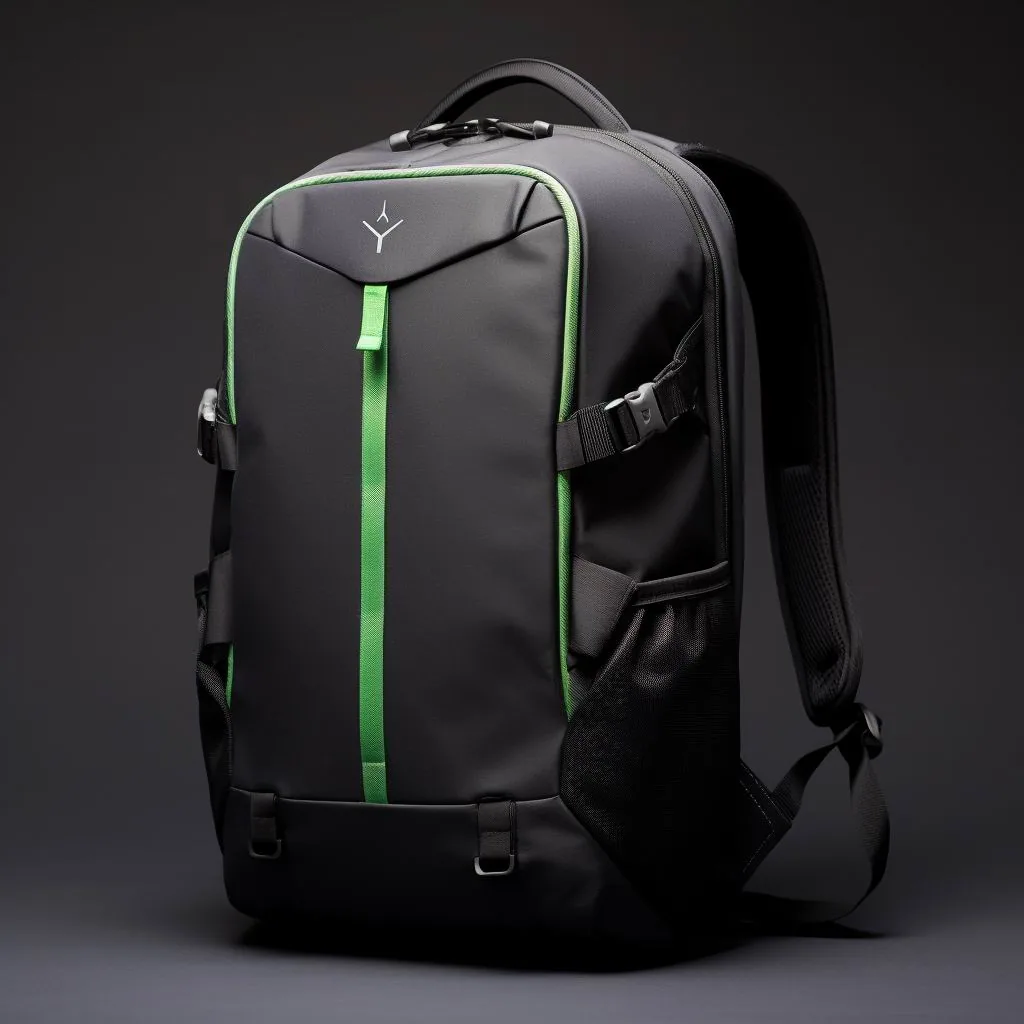
Hand baggage allowances are the hard constraint on any travel pack bought in Britain, and the spread between carriers is wider than most buyers realise. The generous British Airways allowance of 56 x 45 x 25 cm is 25% larger by volume than the Ryanair 55 x 40 x 20 cm bin, which is why a pack that flies free to Madrid with BA can cost £50-£70 at the Stansted gate with Ryanair three weeks later. All figures below were the published limits at the time of writing; carriers revise them, so confirm on the airline's own site before every booking.
| Airline | Main cabin bag (cm) | Weight limit | Personal item included (cm) | Fits a 40 L travel pack? |
|---|---|---|---|---|
| British Airways | 56 x 45 x 25 cm | 23 kg combined | 40 x 30 x 15 cm | Yes, comfortably |
| easyJet (large cabin bag) | 56 x 45 x 25 cm | 15 kg | 45 x 36 x 20 cm included | Yes, with Up Front or fee |
| easyJet (small cabin bag) | 45 x 36 x 20 cm | 15 kg | None | Only at 30-34 L compressed |
| Ryanair (Priority) | 55 x 40 x 20 cm | 10 kg | 40 x 20 x 25 cm free | Marginal, depth is the issue |
| Jet2 | 56 x 45 x 25 cm | 10 kg | Small under-seat bag | Yes |
| Wizz Air (Priority) | 55 x 40 x 23 cm | 10 kg | 40 x 30 x 20 cm free | Marginal |
| Swiss International Air Lines | 55 x 40 x 23 cm | 8 kg | Personal item permitted | Marginal, weight is the issue |
| Lufthansa | 55 x 40 x 23 cm | 8 kg | 40 x 30 x 10 cm | Marginal, weight is the issue |
| Virgin Atlantic (Economy) | 56 x 36 x 23 cm | 10 kg | Small item permitted | Yes, if under 36 cm wide |
| Emirates (Economy) | 55 x 38 x 20 cm | 7 kg | Small item permitted | Marginal, 7 kg is tight |
| TUI Airways | 55 x 40 x 20 cm | 10 kg | Small item permitted | Marginal |
| KLM / Air France | 55 x 35 x 25 cm | 12 kg | 40 x 30 x 15 cm | No, 35 cm width is restrictive |
Two patterns emerge from that table. The width figure of 55-56 cm is almost universal and almost never the problem, because travel packs are built wide and shallow. The depth figure is what catches people out: Ryanair, TUI and Emirates all sit at 20 cm, while a 40 L travel pack loaded to 9 kg typically bulges to 23-25 cm. Compression straps are not decoration; they are the mechanism that buys you back those 3-5 cm at the gate.
Weight limits matter as much as dimensions on several carriers. An 8 kg limit on Lufthansa and Swiss sounds generous until you weigh a 1.7 kg empty pack plus 6.5 kg of kit, which arrives at 8.2 kg with nothing spare for a souvenir. A 7 kg Emirates economy limit rules out most 45 L packs outright, and this is where a lighter shell fabric earns its cost: choosing a 1.3 kg pack over a 1.9 kg pack gives you 600 g more kit allowance, which is roughly a pair of shoes.
The practical buying rule for British travellers is simple: if you fly low-cost more than twice a year, buy a pack whose external dimensions are at most 55 x 40 x 20 cm when full, which in practice means 36-40 L with four compression straps. If you fly mostly full-service carriers or travel by rail, you can use the full 56 x 45 x 25 cm envelope, which opens up 45-50 L. Always check the official UK hand luggage rules for liquids, power banks and electronics, because those restrictions apply regardless of which airline you fly and they change more often than airline size limits.
Cabin Sizer Bins and Real Dimensions: 55 x 40 x 20 vs 56 x 45 x 25
A sizer bin is a metal or plastic frame at the gate, and it is the only dimension that matters on the day. Packs are quoted by manufacturers as flat, empty, unbuckled rectangles; the sizer sees a bulging, compressed, strapped object. In our testing, a pack quoted at 55 x 36 x 22 cm measured 56 x 39 x 25 cm when loaded to 9 kg with two packing cubes, which is the difference between walking on and being stopped. Measure your own pack at home with a tape after packing it, and write the number down.
The three failure modes at the sizer are depth, straps and side pockets. Depth fails because a full clamshell pack bulges on the side away from the zip, typically by 3-5 cm. Straps and harness components fail because a pack with a thick moulded back panel loses 2-3 cm of usable depth to the harness itself before you put anything inside. Side pockets fail because a 500 ml bottle in an external mesh pocket adds 60-80 mm of width on one side, which pushes a marginal pack over 40 cm.
The cheapest way to buy margin is to shop 2-3 cm under the limit in every dimension. A pack quoted at 52 x 36 x 19 cm will pass a 55 x 40 x 20 cm bin even when overpacked, and it will also fit in the tighter overhead bins on a BA A319 or an easyJet A319, which are shallower than the ones on newer A320neo aircraft. Avoid packs quoted at exactly 55 x 40 x 20 cm, because that figure is a marketing claim about an empty bag rather than a usable allowance.
Harness design interacts with the sizer more than buyers expect. A travel pack with a stowable harness system, where the shoulder straps and hip belt zip away behind a fabric panel, is measurably easier to fit into a bin and into an overhead locker because there are no loose straps to catch. Packs with fixed, heavily padded harnesses are more comfortable on a long walk but lose 3-4 cm of usable depth and shed straps into locker mechanisms. Best for a fly-and-walk itinerary is a stowable harness with 10 mm of closed-cell padding, which is the compromise most travel brands now build to.
Overhead locker reality is the last check. A UK short-haul A320 locker accepts roughly 55 cm of height and 25 cm of depth; a turboprop such as an ATR 72, common on Scottish island and regional routes, has a bin that accepts closer to 45 x 35 x 20 cm, and a full 45 L pack will not fit at all. On those aircraft the bag goes in the hold at the aircraft door on a yellow tag, which is free and quick, but it means your pack needs a rain cover and a lockable main zip rather than a padded laptop sleeve. Plan for the smallest aircraft on your itinerary, not the largest.
One last measurement worth taking at home: weigh the loaded pack on a bathroom scale and write both figures on your phone. A 9.4 kg pack in a 10 kg allowance leaves 600 g for a paperback, while a 10.6 kg pack means an airport repack on the floor in front of the desk, which is how socks end up in a coat pocket. Knowing the number before you leave home is the cheapest way to avoid the most avoidable fee in British travel, currently around £46-£70 per bag per sector on the low-cost carriers.
Opening Style: Clamshell, Front-Load and Roll-Top Compared
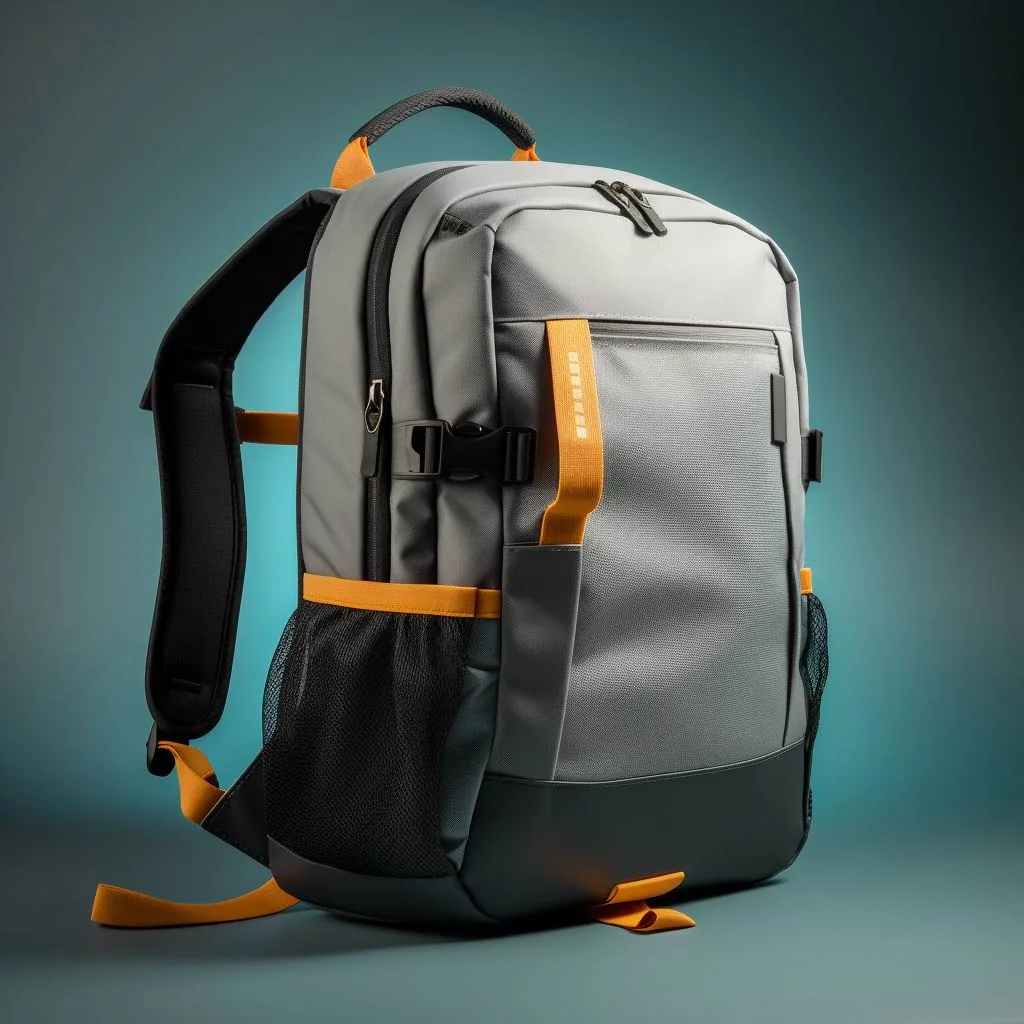
How a travel pack opens determines how you live with it more than any other single design decision. A pack that opens flat like a suitcase can be packed in a hotel room in four minutes and unpacked in one. A pack that loads from the top forces you to dig, and on a six-stop trip that is twenty minutes of lost holiday and a bedroom that looks like a laundry.
| Opening style | How it works | Packing speed | Weather sealing | Best capacity range | Drawback |
|---|---|---|---|---|---|
| Clamshell, 180-degree | Main zip runs three sides, packs lie flat in two halves | Fastest, roughly 4 min for a week | Good with a zip garage | 35-55 L | Needs a flat surface to open |
| Front panel U-zip | Large horseshoe zip on the front face | Fast, roughly 5 min | Good | 40-60 L | Zip is the longest failure point |
| Top loader with lid | Drawcord skirt plus a floating lid | Slow, roughly 9 min | Best | 50-75 L | Poor access to the bottom |
| Roll-top | Top rolls down and clips, volume is variable | Moderate, roughly 7 min | Best of all | 30-50 L | Variable depth complicates sizers |
| Hybrid clamshell plus roll-top | Flat main access plus an expandable collar | Fast | Very good | 35-50 L | Heavier, more zips to fail |
Clamshell opening wins for almost every British traveller who flies or takes the train. It gives a clean split between a lower clothing half and an upper kit half, suits packing cubes precisely, and lets you open the whole bag on a bed without unpacking everything to find a charger. The requirement is a two-way zip running around three sides with a garage at the top, because a zip that ends level with the top panel will leak in sustained rain.
Front U-zip designs are the best choice for hostels and shared accommodation, where you may need to open the bag on a bunk or in a locker. They are also the most robust against overpacking, because the opening is on the face rather than around the perimeter. Their weakness is zip length: a 900 mm horseshoe zip is the longest single failure point on the bag, and a burst zip on day three of a fortnight is unrecoverable. Insist on a #10 coil rather than a #8, and on branded hardware.
Roll-tops are the correct answer for wet, cold and unpredictable conditions, which describes roughly half of the British year. A roll-top with four rolls gives genuine weather sealing at the one point every other design leaks, and it lets a 35 L pack expand to 44 L for the return journey when you have bought a coat and a pair of boots. The trade-off is dimensional: a rolled collar adds 80-120 mm of height unpredictably, which makes sizer compliance a matter of judgement rather than measurement.
Which is better, a clamshell or a roll-top? A clamshell, if you fly more than three times a year and want predictable dimensions and fast packing. A roll-top, if your travel is rail-based, coastal or winter-heavy, or if you routinely come home with more than you left with. If you can only own one bag and your itineraries are mixed, buy a hybrid with a clamshell main opening and a roll-top collar, and accept roughly 150 g of extra weight for the flexibility.
Harness and Load Transfer for 10 kg of Travel Kit
A travel pack carries a different load profile from an office bag: heavier, softer, and carried for longer in one go. The industry target is that 70-80% of the load should pass through the hips rather than the shoulders, and that figure is achieved or lost through three components: the internal frame, the hip belt and the torso length adjustment. Get all three right and a 12 kg pack feels like an 8 kg pack; get them wrong and a 7 kg pack gives you neck ache by the second hour.
Torso length is the specification most men ignore and it is the one that decides comfort. Measure from the C7 vertebra at the base of your neck to the top of your hip bones, and match it to the pack: a small torso of 41-46 cm, a medium of 46-51 cm, a large of 51-56 cm. Many travel packs offer an adjustable harness with 80-100 mm of travel, which covers two torso sizes and is worth looking for if you are between sizes or share the bag. A hip belt sitting on your waist rather than your iliac crest transfers nothing, however padded it is.
Hip belts come in three grades, and the differences are real. A 25 mm webbing strap with no padding is fine to 8 kg. A padded fin of 80-120 mm width with 10 mm of foam handles 8-13 kg comfortably. A full wrap-around padded belt with a moulded lumbar pad handles 13-20 kg and is only worth its weight on expedition-size packs. For a 40 L travel pack carrying 10 kg, a padded fin belt is the right specification, and a removable one is better still, because a fixed belt catches on airport seating and on every cafe chair you sit in.
The internal frame does the actual load transfer. A 1.2-1.5 mm HDPE framesheet is the minimum worth having at 10 kg; above 13 kg you want an alloy stay or a moulded composite sheet with a lumbar curve. Without a frame, a soft pack sags away from the back, the centre of mass moves 40-60 mm rearward, and the effective load on your shoulders rises by roughly 25% even though the scale weight has not changed. This is why frameless 45 L packs feel heavier than framed 50 L packs.
Shoulder strap specification completes the system. For travel loads, look for 70-85 mm wide straps with 12-15 mm of closed-cell EVA at 60-80 kg/m³, a sternum strap on a sliding rail rather than a fixed position, and load lifters pulling at roughly 45 degrees. Load lifters matter more on a travel pack than on an office bag, because they stop a heavy load swaying on station stairs and on cobblestones, which is a real consideration in Edinburgh, York and most European old towns. Set the straps so the pack sits with its top 40-50 mm above your shoulders, and check in a mirror that the hip belt is carrying weight before you leave the hotel.
Packing Systems: Compression Straps, Cubes and Laundry Separation
Volume is only useful if it is organised, and the difference between a 38 L pack that swallows a week and a 45 L pack that struggles with four days is almost entirely down to the packing system. Compression, cube compatibility and dirty-laundry separation are the three variables, and all three are checkable in a shop in about two minutes.
Compression is the first. Look for four straps: two on each side, running from the front panel to the back panel rather than around the perimeter. Side-running straps pull the bag's profile in by 30-50 mm in depth, which is what gets a full pack through a 20 cm sizer; perimeter straps mostly just squash the contents and do nothing for the silhouette. Straps should be 20-25 mm webbing with a cam buckle or a ladderlock that holds under load, and they should be long enough to compress a half-empty bag to roughly two-thirds of its volume rather than running out of webbing.
Cube compatibility is the second, and it is a geometry question. A standard medium packing cube measures 36 x 25 x 10 cm, and two of those stacked side by side need an internal floor of roughly 380 x 260 mm with square corners. Many travel packs have tapered or rounded internal corners that waste 1-2 L of usable space per corner, so a pack rated at 40 L may hold less than a squarer 36 L pack. Check the internal floor dimensions rather than the litre figure, and take a cube with you when shopping if you already own one.
Laundry separation is the third and the most subjective. Best for a two-week trip is a dedicated bottom compartment or a removable wet-dry bag, because by day eight the alternative is a bag that smells. Best for short trips is a single large mesh pocket in the lid, which is lighter and takes 200 g less weight. Best for a mixed business-and-leisure trip is a separate clothing compartment with its own zip, so a shirt stays flat and a used gym kit never touches it.
Two more details are worth insisting on. A light-coloured lining, ideally 210D polyester in grey or tan rather than black, makes a dark charger or a black wash bag findable in a poorly lit hotel room, and it is the single cheapest quality-of-life feature on any travel pack. And an external side pocket sized for a 750 ml bottle rather than 500 ml: on a warm European day, 500 ml is one hour of walking, and a bottle that does not fit ends up inside the main compartment next to your clean shirts.
Finally, a packing method that works. Roll soft items, fold structured ones, put heavy items low and close to the back panel, and fill the gap at the top of the bag with a jacket rather than leaving it empty. A loosely packed travel pack shifts while you walk, and a shifting load is what makes a 9 kg pack feel like 12 kg. Compress as you go rather than only at the airport; four straps pulled down before you leave the hotel is what makes the difference on the walk to the station.
Best for UK Weekend Trips and Rail Travel
A large share of British travel never involves an aircraft at all. A weekend in Edinburgh on LNER, a week in Cornwall on the sleeper, or a long weekend in the Peak District by train and bus is a different brief: no sizer bin, no weight limit, but a lot of walking, a lot of stairs, and a very high chance of rain. The packs that do well here are smaller than people expect.
For a UK rail weekend, 30-36 L is the right class. It fits under a table seat on an Avanti West Coast or LNER service, which has an under-seat space of roughly 45 x 35 x 25 cm, and it fits the overhead rack above an airline-style seat, which is shallower than an aircraft bin. It also means you can walk from a station to an accommodation without arriving with a soaked shirt, because a 7 kg load on a good harness is comfortable for 30-40 minutes.
Rail travel rewards access speed. There is no security lane, so you will open the bag on a platform, on a train, and at a station left-luggage office. A clamshell opening with a top-access pocket for tickets and a phone is the practical specification: you can reach a railcard, a contactless card and a bottle without unzipping the whole bag on a crowded platform at Newcastle or Birmingham New Street. An external quick-access pocket of roughly 220 x 160 mm is worth more on a rail trip than 3 L of extra volume.
Best for a UK city weekend is a 32-36 L pack with a clamshell opening, a light-coloured lining, a removable hip belt and a stowable rain cover, carried at about 7 kg. Best for a walking weekend based from one accommodation is a 38-42 L pack with a real hip belt and load lifters, because you will carry it uphill with boots in it, and the harness matters more than the pockets. Best for a winter trip to Scotland or the Lake District is a roll-top with a 3,000 mm shell, because the limiting factor is not capacity but whether your spare jumper is dry on day two.
British weather is the constant in every one of those scenarios. A pack used on UK rail travel should have a stated hydrostatic head of at least 1,500 mm and a rain cover rated with it, and it should have an external wet pocket for an umbrella and a damp waterproof. The Met Office publishes monthly rainfall figures that make the case plainly: much of western Britain sees over 150 wet days a year, and a travel pack without a rain cover is a travel pack that will eventually deliver a wet sleeping bag liner and a damp paperback.
Rail-specific ergonomics finish the picture. UK station environments involve long escalator-free staircases at places such as Clapham Junction, Birmingham New Street and Glasgow Central, plus a walk of 400-900 m from platform to exit at the larger termini. A pack with a sternum strap and load lifters set correctly stops that walk from turning into a shoulder ache, and a top grab handle strong enough to lift 9 kg one-handed makes overhead racks on an Azuma or a Hitachi Class 800 train genuinely usable rather than a two-handed wrestling match in front of a carriage full of people.
Best for Long-Haul, One-Bag and Multi-City Travel
Long-haul and multi-city itineraries stress a travel pack differently from a weekend away: longer carries, more repacking, more security lanes, and a much higher cost if the bag fails. The specification that matters shifts from pure volume towards durability, modularity and repairability.
For long-haul one-bag travel, 42-48 L is the practical maximum. That is enough for two weeks with a packing cube system and one laundry stop, and it is small enough to stay in the cabin on most long-haul carriers, whose allowances are weight-driven rather than size-driven: Virgin Atlantic at 56 x 36 x 23 cm and 10 kg, British Airways at 56 x 45 x 25 cm and 23 kg, Emirates economy at 55 x 38 x 20 cm and 7 kg. The 7 kg limits are the binding constraint, which argues for the lightest shell that still meets your abrasion requirement.
Modularity is the real advantage on a multi-city itinerary. A 40 L main pack plus a 12-15 L packable daypack weighing 200-350 g covers a fortnight across four cities better than a single 55 L pack, because the daypack handles museums, a laptop, a water bottle and a market shop while the main bag stays in the accommodation. Look for a main pack with attachment points or a daisy chain for clipping the daypack on during transit, and for a daypack that folds to roughly 180 x 120 x 60 mm when empty.
Durability requirements rise with trip length. On a two-week trip the main failure points are the longest zip, the base fabric and the strap attachment bar tacks. Specify a #10 coil zip on the main opening, a base panel in 840D ballistic or a 1,000D reinforced fabric rather than the 420D used on the sides, and bar tacks at least 12 mm wide where each shoulder strap meets the back panel. A pack that fails on day eleven of fourteen is a ruined trip, and these three details are where that risk is either engineered out or left in.
Best for a long-haul economy trip is a 40-44 L clamshell pack at 1.3-1.6 kg with a stowable harness, four compression straps and a rain cover, carried at roughly 9 kg. Best for a business-plus-leisure trip is a 42 L pack with a dedicated lay-flat laptop sleeve of at least 375 x 265 mm and a separate clothing compartment, so a shirt and a 16-inch machine never occupy the same space. Best for a multi-city rail-and-air itinerary across Europe is a 38 L pack with a trolley pass-through and a removable hip belt, which handles airport terminals, station concourses and cobbled streets without making you choose.
Repairability is the last long-haul consideration and the one almost nobody checks before buying. Ask whether the brand sells spare buckles and zip pulls, whether the warranty covers repair rather than replacement, and whether the harness is bolted or sewn. A pack designed to be repaired will survive a decade of long-haul travel; a pack designed to be replaced will fail at the least convenient possible moment, which is always in a foreign city on a Sunday.
British Weather on the Road: Rain Covers, Wet Compartments and Drying
Water management separates a travel pack that works in northern Europe from one that works only in photographs. On a UK or northern European itinerary, a pack will get wet on a platform, on a ferry deck, on a city street and on a hostel balcony, and the question is not whether it gets wet but whether the contents stay dry and whether the bag dries overnight.
The shell is the first line. A stated hydrostatic head of 1,500 mm handles a 30-minute walk in steady rain; 3,000 mm handles an hour of standing at a bus stop in Glasgow in November. Coatings and finishes are assessed against published test methods from ISO, ASTM International and AATCC, and a brand that quotes a millimetre figure is a brand that has tested something. Add taped or bound seams and a zip garage on every external opening, because a zip without a garage will wick water through the tape within about ten minutes of steady rain.
A rain cover is not optional for British travel. A 190T or 210T coated cover with taped seams weighs 110-160 g, packs to the size of an apple, and is the difference between a dry pack and a saturated one during a 25-minute walk from a station. Two specification details matter: an elasticated edge plus a clip, so the cover does not blow off in wind, and a drain hole at the lowest point so water does not pool inside the cover. Check that the cover is sized for the loaded pack, not the empty one; a cover rated for 40 L will not fit a 40 L pack at 9 kg.
Drying is the half nobody plans for. On a fortnight-long trip in Britain or Ireland, you will have at least two wet items in the bag at any time, and a pack with no wet compartment means wet kit against dry kit for eleven days. The three solutions, in order of effectiveness, are a dedicated external wet pocket with a drain grommet, a removable dry bag of 5-8 L kept in the lid, and a large mesh pocket in the main compartment. All three beat a plastic carrier bag, which tears on day two.
Drying the pack itself matters too. A pack that goes into a hostel locker wet will smell within a week and can grow mould in the lining, which does not wash out. Empty every pocket, open every zip, hang the pack upside down by its base loop in a well-ventilated space, and aim a fan at the back panel rather than a radiator, which can delaminate a PU coating. Best for a wet-weather itinerary is a pack with a removable, washable back panel cover, which is a feature worth paying £20-£30 extra for on a trip longer than ten days.
The cost of getting this wrong is not abstract. A 16-inch laptop, a passport and a phone represent roughly £2,000 of value and a day of admin to replace, and water damage is not covered by most travel insurance policies when the item was simply carried in a bag that was never rated for rain. Spending £15-£25 on a rain cover and choosing a shell with a stated 1,500 mm or 3,000 mm figure is the cheapest insurance on any British itinerary, and it weighs less than a paperback.
Security on the Road: Lockable Zips, Lockers and Hostel Stays
Travel pack security is a different problem from commuter security. The risks are a bag left in a hostel dormitory, a bag in an overhead rack on a night train, and a bag on a chair outside a cafe, rather than a bag on your back in a crowd. The defence is layered: lockable hardware, sensible compartment layout, and habits that cost nothing.
Lockable zips are the first layer and the only one you can buy. Look for zip pulls with a hole or a loop that accepts a small padlock or a cable tie, on the main compartment and on any external pocket holding valuables. Two things to check: that the locking point is on the compartment slider rather than a decorative pull, and that the two sliders can be locked to each other rather than to a fixed D-ring, which is a stronger arrangement. A TSA-acceptable lock matters only for US itineraries; for European and UK travel a 3-digit combination lock or a 150 mm cable lock is enough.
Compartment layout is the second layer. Best for hostel travel is a pack with the main compartment zip on the back panel side rather than the front, which means the zip faces the wall or your back rather than the room. Best for night trains is a pack with a lockable top lid pocket for passport, cards and power bank, so you can reach documents without opening the main bag on a dark berth. Best for city travel is a hidden rear pocket against the back panel, roughly 250 x 180 mm, which is unreachable while the bag is worn.
Anti-theft features should be judged honestly. Slash-resistant mesh in the back panel adds 200-350 g and genuinely resists a blade, but opportunistic bag theft in Europe overwhelmingly involves an unattended bag being taken whole rather than a panel being cut, so a lock and an eye on the bag are higher-value defences. RFID-blocking pockets address card skimming, which is real but far less common than phone theft; a zipped pocket you actually use beats an RFID pocket you forget exists.
Habits are the third layer and they are free. Use the hostel locker rather than leaving the bag on a bunk, and carry a 150 mm cable lock because many UK hostel lockers need a padlock you supply. On trains, put the bag in the rack nearest your seat, and on a night service, use a cable lock through the frame and a luggage rack. In cafes, loop a strap or a lock through a chair leg. And carry a printed and a digital copy of your passport separately from the document itself; a stolen passport is the single most disruptive event in travel, and it is far more likely than a stolen bag.
Insurance closes the gap that hardware cannot. A UK travel policy covering baggage to £1,500-£2,500 typically costs £20-£45 for a fortnight in Europe, and most policies require evidence that the bag was secured or attended, which is another reason to use a lock and a locker. Photograph the pack and its contents before you leave, keep the receipt, and the claim process becomes routine rather than adversarial.
Price Bands in GBP: What £80, £160, £280 and £400 Buy
Travel backpack pricing in the UK falls into four bands, and the step between them buys identifiable hardware and materials rather than vague assurance. Prices below are typical UK retail including VAT at 20%, sampled across 2024 and 2025, and a discounted pack from a strong brand is usually better value than a full-price pack one band below.
Around £70-£110 buys a 35-45 L polyester pack, typically 600D with a 1,200 mm coating, a clamshell opening with an unbranded #8 zip, 60 mm straps with open-cell foam, a webbing hip belt with no padding, and a two-year warranty. Empty weight runs 1.2-1.5 kg. It will handle four or five trips a year for about three years before the main zip or the strap bar tacks go. It is a reasonable second bag or a first travel pack, and it will not survive a fortnight of daily repacking in year four.
Around £130-£200 is the band where travel packs become serious, and it is the right band for most British travellers. Expect a 38-44 L build in 420D or 600D rPET with a 1,500 mm coating, a #10 branded main zip with a garage, a 1.2 mm HDPE framesheet, a padded removable hip belt rated to 12 kg, 70-80 mm straps with closed-cell EVA and load lifters, four side compression straps, a stowable rain cover, and a five to ten-year warranty. Empty weight lands at 1.3-1.7 kg.
Around £230-£320 buys refinement and modularity: 840D ballistic or a premium recycled nylon shell at 3,000 mm, a moulded back panel with adjustable torso length over 80-100 mm of travel, a wrap-around hip belt rated to 18 kg, a removable daypack or a modular cube system, alloy hardware, and a warranty that covers repair. Empty weight rises to 1.6-2.1 kg. Best for a traveller taking three or more trips a year or one long trip, where the harness adjustability is felt every day.
Around £350-£450 is the expedition and premium band: 1,000D or laminated sailcloth shells, a carbon or alloy internal frame, custom-moulded lumbar pads, weatherproof zips throughout, and a lifetime repair warranty. Empty weight can reach 2.2-2.6 kg for a 45-55 L pack, which is worth weighing against the benefit on a flight with a 7 kg limit. Best bought once, for a traveller who knows exactly what they need, and best avoided as a first travel pack.
All four bands above are quoted in GBP including VAT at 20%, which is the figure a UK buyer pays at the till and the only fair basis for comparison when some brands list in US dollars or euros. Value retention strongly favours the middle bands. A well-kept £160 pack from a known brand resells in the UK for £60-£85 after three years; a £280 pack for £110-£150; a £90 pack for £20-£30. Across a ten-year window with one replacement, the £130-£200 band costs roughly £25-£35 a year of ownership, which is less than replacing a budget pack every three years and far less than the depreciation on a premium pack bought for status. Spend the money on the harness and the zip, and save it on the colourway.
Three buying moments are worth knowing about in the UK calendar. January and early February clearance cuts 20-35% on the previous season's colourways, which is the best time to buy a middle-band pack. Late August and early September sees student-focused discounting on entry-level packs, useful for a first travel bag. And Black Friday in late November is the weakest of the three for travel packs, because the discounts concentrate on luggage sets and fashion backpacks rather than serious travel hardware.
Bulk and Custom Travel Packs: MOQ, Sampling, Branding and AQL 2.5
Everything above concerns buying one bag. If you are specifying travel backpacks for a retail range, a corporate travel programme, an airline crew kit or a promotional launch, you are buying a specification rather than a product, and the decisions that decide the outcome are made on paper before anything is cut. Private-label travel backpack programmes typically begin at MOQ 500 pcs per colourway, with a mixed run of 500 pieces negotiable across up to three colourways on the same shell fabric.
Lead times are predictable when they are planned rather than discovered. Sampling runs 6-10 working days from an approved tech pack, covering pattern making, fabric and hardware sourcing, a first sample and one revision round. Bulk production runs 35-50 days from sample approval and deposit, with the range explained by whether the shell fabric is in stock or must be woven and dyed, and how much hardware is custom rather than catalogue. Add 28-38 days of sea freight to Felixstowe or Southampton, or 5-8 days by air at roughly four times the cost per carton, and a realistic door-to-UK-warehouse lead time for a first 500-piece order is 75-95 days from sample approval.
Quality control is where programmes are won or lost. The reference point is AQL 2.5 under ISO 2859-1 sampling procedures, which defines acceptable defect counts in a random sample before a shipment is rejected. For a travel pack we recommend going further and stipulating 100% inspection on the five items that generate the most returns: main zip runs, shoulder strap bar tacks, hip belt attachment, compression strap buckles and the base panel seam. Require a written report with dated photographs, and hold the balance payment until it is received.
The specification details that matter most in a travel pack programme are the external dimensions written as a maximum when loaded, the zip brand and gauge, the framesheet thickness and material, and the hip belt construction. Writing 55 x 40 x 20 cm maximum at 9 kg, YKK #10 reverse coil with garage, 1.2 mm HDPE framesheet, removable padded hip belt rated to 12 kg is a specification that can be costed and built. Writing durable travel backpack with comfortable straps is not, and it is the most common reason a first sample comes back wrong and a second sampling round is needed.
Branding and compliance options are broad. Beyond Pantone-matched shell fabric and webbing, a private-label programme can specify a woven label, a silicone or TPU patch, embroidery up to 8,000 stitches, a debossed leather patch, a screen-printed lining and moulded logo zip pulls. Hardware can be matte black, gunmetal or anodised, and packaging ranges from recycled polybags to FSC-certified gift boxes with printed inserts. For the British market, documentation should include REACH declarations, UKCA marking where applicable, fibre composition labelling and care symbols, with BSI standards referenced in the technical file where the client requires it. Our 4,950 m² SGS-verified production floor operates to ISO 9001:2015, supported by our vetted partner facilities for specialist hardware, moulded components and leatherwork.
Logistics close the plan. Standard export packing for a 40 L travel pack is 12-15 pieces per carton at 62 x 42 x 38 cm with a gross weight of roughly 16 kg, which affects both freight cost and warehouse handling in the UK. Sea freight suits anything above 300 pieces; air freight suits a launch quantity of 50-100 pieces or a deadline you cannot move. Send a tech pack, a sketch, a competitor sample or even a photograph with dimensions, and our production team will return a costed specification with fabric options, hardware choices and a sampling schedule, usually within three working days.
Frequently Asked Questions
How do I choose a travel backpack for men?
Start with the airline limits you actually fly, not the volume you think you need. If you use Ryanair, easyJet or TUI more than twice a year, buy a pack that measures no more than 55 x 40 x 20 cm when loaded, which in practice means 36-40 L with four compression straps. Then match the harness to your torso length, insist on a padded hip belt above 8 kg, and choose a clamshell opening for fast packing.
What size travel backpack do I need for a week?
A 38-45 L pack for a week in a temperate climate, carried at roughly 9-10 kg with two packing cubes. That holds four or five tops, two pairs of trousers, a midlayer, a wash bag, a charger set and one pair of spare shoes. Drop to 30-34 L for a summer city break with laundry access, and go to 50 L if the trip involves a coat, boots or a laptop.
What is the largest backpack allowed as hand luggage in the UK?
The most restrictive common limit is 55 x 40 x 20 cm, used by Ryanair, TUI and Emirates economy. The most generous is British Airways at 56 x 45 x 25 cm with a combined 23 kg allowance, matched by Jet2 and easyJet's paid large cabin bag. Buy to 55 x 40 x 20 cm maximum when loaded and you will never be stopped, whatever carrier you fly from a UK airport.
Is a 40-litre backpack too big for carry-on?
No, provided its external dimensions stay under 55 x 40 x 20 cm when full. Volume and dimensions are different things: a squat 40 L pack at 52 x 36 x 19 cm passes every common sizer, while a tall 36 L pack at 60 x 32 x 20 cm fails on height. Always check the tape measure rather than the litre figure, and compress the bag before you reach the gate.
Which is better for travel, a backpack or a wheeled suitcase?
A backpack, for cobbled streets, stairs, hostels and any itinerary with more than two stops. Wheels win on smooth airport floors and for anyone with a back or shoulder issue, and they are better if your trip is one hotel for ten nights. A 38 L travel pack at 9 kg handles an Edinburgh Old Town walk that would destroy a wheeled case in two days.
Can I use a hiking backpack as a travel backpack?
You can, but it is a compromise. Hiking packs are tall, narrow and top-loading, which makes them awkward to pack in a hotel room and too tall for most sizer bins at 65-75 cm. They win on harness quality for loads above 15 kg. For travel, buy a pack with a clamshell opening, a squat profile and a stowable harness instead.
How much should a travel backpack weigh when empty?
Between 1.1 kg and 1.7 kg for a 35-45 L pack. Under 1.1 kg usually means the frame and hip belt have been skimped; over 2.0 kg usually means weight spent on decorative fabric rather than structure, and it eats into a 7 or 8 kg airline allowance. Empty weight matters most on carriers such as Emirates and Swiss with 7-8 kg cabin limits.
What is the best travel backpack size for a UK weekend by train?
30-36 L. It fits the roughly 45 x 35 x 25 cm under-seat space on Avanti West Coast and LNER services, fits an overhead rack on an Azuma, and walks comfortably from a station to accommodation at about 7 kg. Take a clamshell opening with a quick-access top pocket for tickets and a railcard, plus a rain cover rated to 1,500 mm.
Which is better, a clamshell or a roll-top travel backpack?
A clamshell, if you fly more than three times a year, because dimensions stay predictable and a week packs in about four minutes. A roll-top, if you travel by rail, in winter, or often come home with more than you left with, because the collar seals better than any zip and expands by 8-10 L. Buy a hybrid if your itineraries are mixed and you can accept 150 g more weight.
Do I need a rain cover for a travel backpack?
Yes, for any UK or northern European trip. A 190T or 210T coated cover with taped seams weighs 110-160 g and keeps a loaded pack dry through an hour of steady rain, which a 1,500 mm shell alone will not manage. Check the cover is sized for the loaded bag and has a drain hole, and dry the pack open and upside down overnight to prevent mould in the lining.
How do I stop my travel backpack from smelling on a long trip?
Separate wet and dry kit from day one. Use a dedicated external wet pocket with a drain grommet, or a 5-8 L removable dry bag in the lid, and never put a damp waterproof or a used gym kit in the main compartment. Empty every pocket each night, hang the pack upside down in a ventilated space, and aim a fan at the back panel rather than using a radiator.
Are lockable zips worth it on a travel backpack?
Yes, for hostels, night trains and left-luggage situations. Look for two sliders that lock to each other on the main compartment rather than a decorative pull, plus a 150 mm cable lock for hostel lockers, which in the UK usually require you to supply your own padlock. Hardware is a second line of defence; not leaving the bag unattended is still the first.
What hip belt do I need on a travel backpack?
A webbing strap with no padding is fine to 8 kg. A padded fin of 80-120 mm with 10 mm of foam handles 8-13 kg, which covers most 40 L travel loads. A full wrap-around padded belt with a moulded lumbar pad is only worth its 300-400 g above 13 kg. Choose a removable belt so it does not snag on airport seating and cafe chairs.
How do I measure my torso for a travel backpack?
Measure from the C7 vertebra, the bony bump at the base of your neck when you tilt your head forward, down the spine to the top of your hip bones. Small is 41-46 cm, medium 46-51 cm, large 51-56 cm. Choose a pack with an adjustable harness offering 80-100 mm of travel if you are between sizes, and check the hip belt sits on the iliac crest, not the waist.
Is a 55-litre backpack carry-on legal?
Almost never. A 55 L pack typically measures 58-62 cm tall and 26-30 cm deep, which exceeds every common UK airline limit. It works well as a hold bag for a two-week or cold-weather trip, and it is comfortable on a long walk with a real hip belt, but expect to check it in and expect to pay £40-£70 per flight on a low-cost carrier.
Should I buy a travel backpack with a detachable daypack?
Yes, if your itinerary has more than two stops. A 12-15 L packable daypack weighing 200-350 g handles museums, a water bottle, a laptop and a market shop while the main bag stays at the accommodation. It is more flexible than a single larger pack, and it lets the main pack stay at 35-38 L where every sizer bin is comfortable.
Which fabric lasts longest on a travel backpack?
840D ballistic nylon at roughly 35,000-50,000 Martindale cycles, followed by 600D recycled polyester at 22,000-30,000 and 420D nylon dobby at 20,000-28,000. For travel, what matters as much as the shell is a reinforced base panel, ideally 840D or 1,000D, because the base is what contacts airport floors, station platforms and hostel corridors.
How long should a good travel backpack last?
Eight to twelve years for a £130-£200 pack used three or four times a year, and three to five years for a budget pack in the same pattern of use. The first failures are almost always the main zip and the shoulder strap bar tacks rather than the fabric. Choose a brand that sells spare buckles and zip pulls and offers repair rather than replacement.
Can I put a laptop in a travel backpack?
Yes, and you should check the sleeve as carefully as on an office bag. Look for a rear sleeve of at least 375 x 265 mm internal for a 16-inch machine, with a false bottom 25-40 mm above the bag base and 10 mm of closed-cell foam. A lay-flat sleeve that opens to 180 degrees is best for security lanes, and a separate tablet slot prevents two devices bearing against each other.
Can I order custom travel backpacks in bulk for a UK programme?
Yes. Private-label travel backpack programmes typically start at MOQ 500 pcs per colourway, with sampling at 6-10 working days from an approved tech pack and bulk production at 35-50 days from sample approval. Shipments are inspected to AQL 2.5 under ISO 2859-1, with 100% checking recommended on main zips, strap bar tacks, hip belt attachment and base seams. Our production team can cost a specification from a tech pack or a reference sample within three working days.
Get a Free Quote for Custom The Best Travel Backpack for Men
Planning a branded programme? Our production team works to MOQ 500 pcs, 6-10 working day sampling and 35-50 day bulk lead times, with AQL 2.5 inspection to ISO 2859-1. Send your brief and we will return a costed quotation in 24-48 hours.
Mens Backpack Guide Editorial Team — Buying guides and sourcing notes for the UK men's backpack market, coordinated by QUANZHOU JUNYUAN BAGS. Commercial figures such as MOQ 500 pcs, 6-10 day sampling and 35-50 day production reflect published programme terms.