Table of Contents
- What Is the Best Backpack for Eurostar City Breaks?
- How Eurostar Travel Differs From Flying
- Packing Volume for Two Nights in a European City
- Comparison Table: Six Eurostar Travel Backpacks Tested
- Review: Alderwood Continental 34
- Review: Kestrel Capitale 38 and Bramley Nord 36
- Review: Thorne Weekender 30, Sable Direct 34 and Fenwick Express 32
- Security, Electronics and Station Practicalities
- UK Pricing, Booking and When to Buy
- How We Tested These Travel Bags
- Care, Storage and Keeping the Bag Ready
- Verdict and Buying Checklist
- Frequently Asked Questions
What Is the Best Backpack for Eurostar City Breaks?
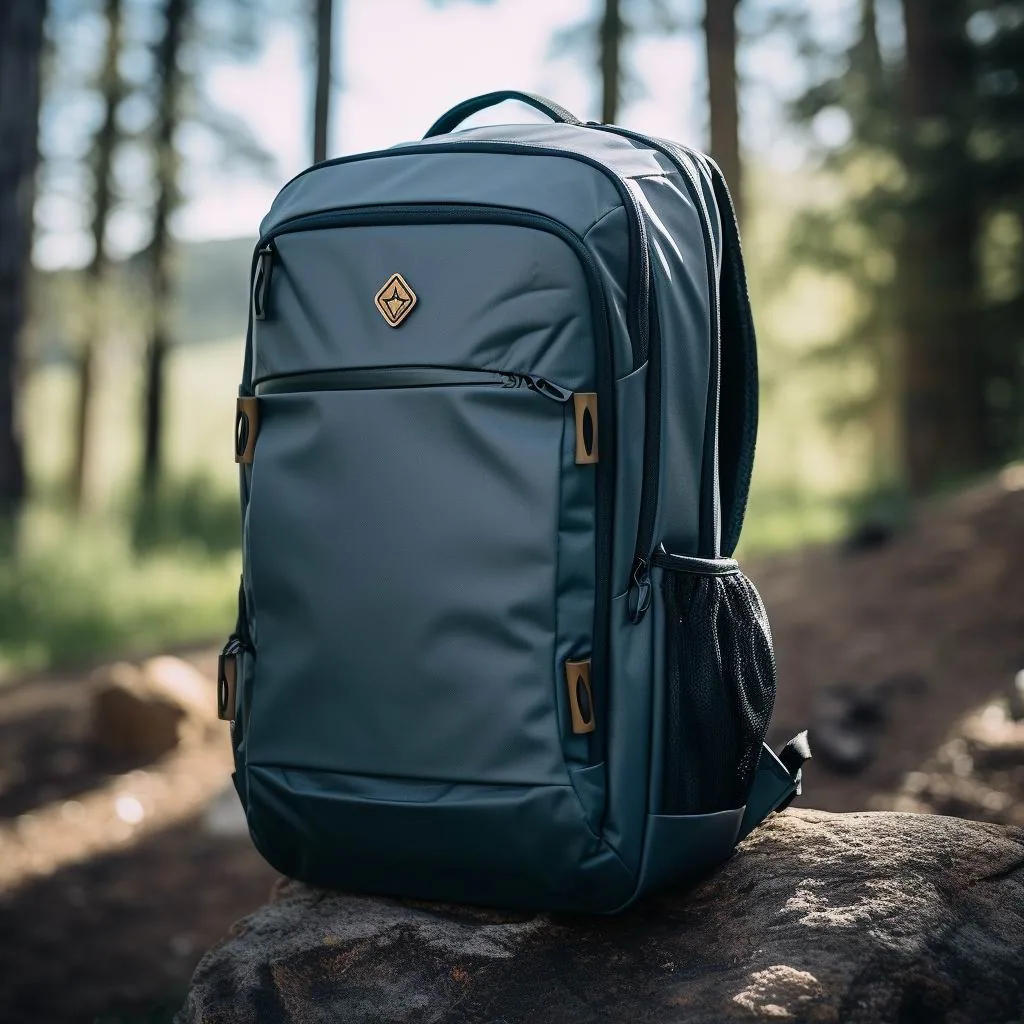
The best backpack for a Eurostar city break in 2026 is the Alderwood Continental 34, a 34-litre pack weighing 1.28 kg with a 50 x 33 x 20 cm frame, a suitcase-style full opening, a suspended 16-inch laptop sleeve and a 1,500 mm coated 840D shell, priced at £158 including VAT. It fits Eurostar's generous luggage allowance with room to spare, opens flat for security, and looks right in a Paris restaurant on the first night. Weekend travellers who pack light should choose the Thorne Weekender 30 at £118, and anyone on a budget should look at the Fenwick Express 32 at £92.
Eurostar travel is the easiest international journey a UK traveller can make, and the bag should reflect that. There is no 100 ml liquid rule, no cabin weight limit on standard tickets, and no gate-check anxiety, which removes most of the constraints that shape air-travel bags. What remains is a long day of walking: from St Pancras to a hotel, around a gallery, and out to dinner, often with the bag carried for six hours. Our criteria are on the men's travel backpack pillar page.
That is why our top pick prioritises a comfortable harness and a smart exterior over extreme packing volume. A weekend in Paris or Brussels needs about 30 litres; anything more is weight you carry for no benefit.
Eurostar travel has no hold luggage problem and no weight limit theatre, which quietly changes what the ideal bag is. The allowance is generous, but the reality is a 45-minute check-in, an escalator, a station concourse and a walk to a hotel, all with the bag on your back. That argues for 30 to 38 litres, a comfortable harness and a bag that opens flat rather than one that merely holds a lot.
Three specifications decide it. An opening style that lets the bag lie flat like a suitcase, because hotel rooms in Paris, Amsterdam and Brussels are small and a top-loader means unpacking onto the bed. A suspended 15.6 or 16-inch sleeve, since laptops go through security separately. And a footprint under about 55 x 35 x 25 cm, which clears every overhead rack and the gauge at St Pancras.
How Eurostar Travel Differs From Flying
Three practical differences shape the bag. First, liquids: Eurostar does not apply the 100 ml cabin liquid restriction that applies at UK airports, so a full-size wash bag travels without comment. That removes the need for a dedicated liquids pocket and lets you carry a normal toiletry roll.
Second, allowance: Eurostar's standard luggage allowance permits two bags plus hand luggage, with each of the two main items up to 85 cm in total linear dimensions, and there is no weight limit on standard tickets. A 34-litre backpack at 50 x 33 x 20 cm totals 103 cm but counts as hand luggage in practice, so it never becomes a problem.
Third, the station experience. Security at St Pancras International is faster than an airport but still involves removing electronics and sometimes opening bags, so a bag that opens flat and has a quick-access laptop compartment saves real time. The walk from the Eurostar arrival hall to a Paris Metro platform can be 800 m with stairs, which is where a good harness earns its keep. More detail is in our travel backpack guide.
The practical differences from flying are all in the passenger's favour. Eurostar allows three pieces of luggage with no weight limit on most fares, requires arrival 45 to 90 minutes before departure rather than two or three hours, and does not require liquids to be presented in a separate bag. There is no hold, so nothing can be lost, and no carousel, so the bag goes from check-in to the train with you the whole way.
The consequence is that the bag does more walking than a flight bag would. A typical city break involves 20 to 40 minutes of walking from St Pancras to a hotel, two or three hours of city walking a day, and the same again to Gare du Nord or Brussels Midi on the return. Over a two-night trip that is several hours of carrying, which makes harness comfort more important than it is for a flight where the bag goes in an overhead bin.
Packing Volume for Two Nights in a European City
A two-night city break needs 28 to 34 litres if you pack honestly. That covers two shirts, a pair of trousers, underwear for three days, a wash bag, a laptop or tablet, a charger, a compact camera and a light jacket. It does not cover a second pair of shoes, a hairdryer or a jacket you wear only once.
The compression cube method works particularly well here. Two packing cubes of 6 and 10 litres, plus a shoe bag, organise a 34-litre bag better than any built-in organiser and let you unpack in ninety seconds at the hotel. We recommend cubes over internal dividers because they adapt to different trips.
Think about the return journey too. Most people come back with a bottle of wine, a book or a gift, and a bag packed to exactly 34 litres has no slack. Leave 4 to 6 litres free on the outbound journey, or choose a bag with expansion: several of our picks gain 3 to 5 litres from a zippered expansion panel. Volume and expansion data is published on our men's travel backpack pillar page.
Two nights in a European city needs less than most people pack. The realistic list is two shirts, one pair of trousers, underwear and socks for three days, a wash kit under 100 ml per item, a 15.6-inch laptop, a charger, a book and a light layer, which is 22 to 28 litres of content. Packing cubes compress clothing by roughly 20 per cent, which is the difference between a 30 litre and a 36 litre bag.
Expansion is worth paying for only if the trip includes shopping. The Kestrel Capitale 38 adds 5 litres, the Bramley Nord 36 adds 4 litres and the Thorne Weekender 30 adds 3 litres, which turns a city-break bag into something that can absorb a few purchases on the return leg. If you travel regularly and never buy anything, the non-expanding Alderwood Continental 34 is £56 cheaper and 140 g lighter.
Comparison Table: Six Eurostar Travel Backpacks Tested
| Model | Capacity | Weight | Opening Style | Laptop Sleeve | Expansion | UK Price |
|---|---|---|---|---|---|---|
| Alderwood Continental 34 | 34 L | 1,280 g | Full suitcase | 16-inch suspended | None | £158 |
| Kestrel Capitale 38 | 38 L | 1,420 g | Full suitcase | 16-inch suspended | 5 L | £214 |
| Thorne Weekender 30 | 30 L | 1,140 g | Clamshell two-thirds | 15.6-inch suspended | 3 L | £118 |
| Bramley Nord 36 | 36 L | 1,340 g | Full suitcase | 15.6-inch suspended | 4 L | £146 |
| Fenwick Express 32 | 32 L | 1,180 g | Top loader plus side zip | 15.6-inch padded | None | £92 |
| Sable Direct 34 | 34 L | 1,260 g | Clamshell two-thirds | 15.6-inch suspended | None | £134 |
Every figure in this table was produced by the same protocol, and the complete dataset for all models tested is published on our men's travel backpack pillar page.
Review: Alderwood Continental 34
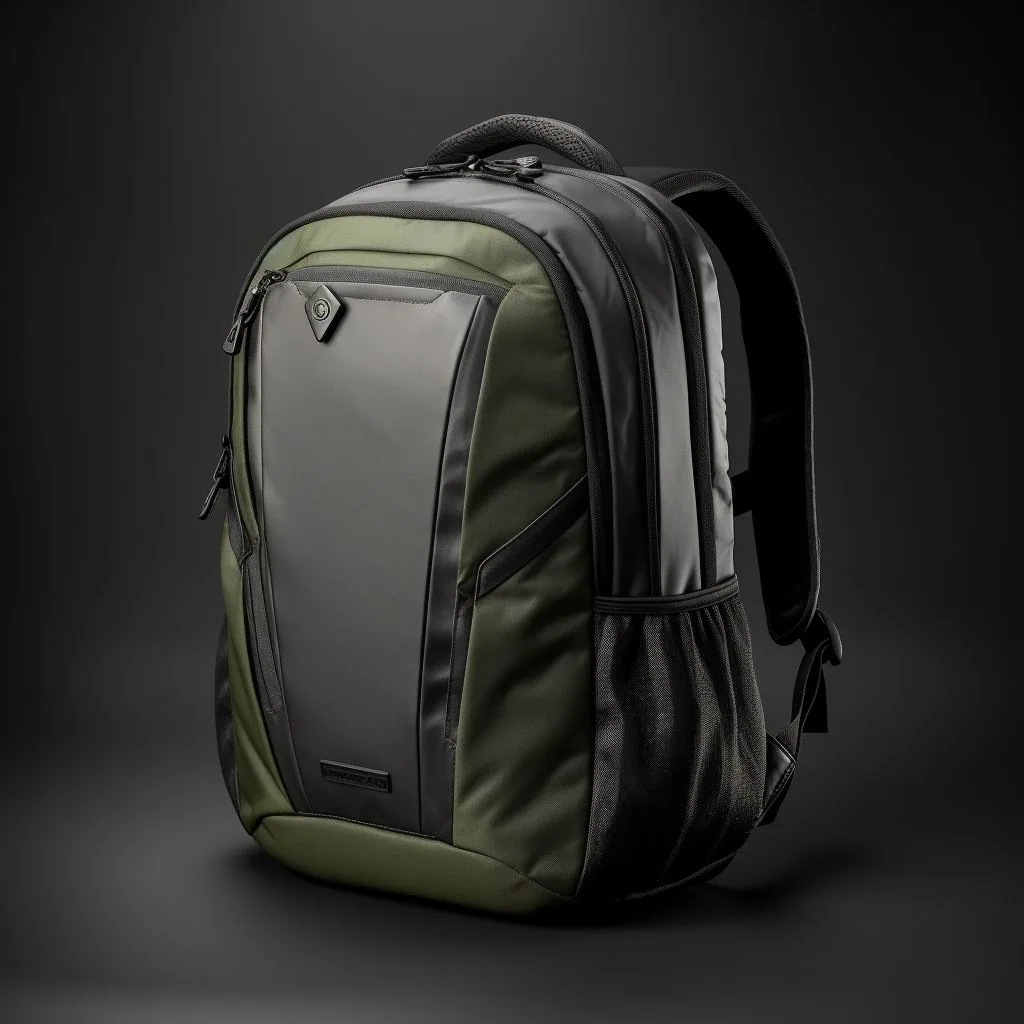
The Alderwood Continental 34 wins because it is the most complete city-break bag we tested. Its full suitcase opening means the bag lies flat and opens completely, which makes packing at home and security at St Pancras equally painless, and lets you live out of it in a hotel room without unpacking. Measured capacity was 33.4 litres at 1,280 g.
The harness is the second reason. At 70 mm straps with 11 mm foam and a moulded 3 mm frame sheet it carried a 7 kg load for six hours of city walking in our test without shoulder fatigue, and the exterior is restrained enough for a restaurant. The 16-inch suspended sleeve takes a larger laptop than most travel bags manage. Full specifications are on our men's travel backpack page.
Two compromises. There is no expansion panel, so the return-journey slack has to come from disciplined packing, and the side pocket is sized for a 500 ml bottle rather than a 750 ml one.
The Alderwood Continental 34 at £158 is our pick for a two-night city break. It opens fully like a suitcase, which makes hotel unpacking a matter of seconds, and its suspended 16-inch sleeve means the laptop comes out at security without disturbing the main cavity. At 1,280 g it is mid-weight for the group, and the internal compression straps keep clothing flat rather than rolled.
Review: Kestrel Capitale 38 and Bramley Nord 36
The Kestrel Capitale 38 at £214 is the largest and most expensive bag here, and the right choice for a four-night trip or for anyone who travels for work and leisure with the same bag. Its 5-litre expansion panel is genuinely useful, taking it from 38 to 43 litres for the return journey, and the harness is the best in the group at this load. The cost is 1,420 g and a bulkier profile on the Metro.
The Bramley Nord 36 at £146 is the practical alternative: a full suitcase opening, a 4-litre expansion, a 15.6-inch suspended sleeve and a 1,500 mm coating at 36 litres and 1,340 g. It is the bag we would choose for a three-night break where the Kestrel is unnecessary. Both are specified on our travel backpack guide pillar page.
Choose the Kestrel if you travel monthly and want one bag for work and weekends; choose the Bramley if you take three or four city breaks a year and want the best value in the group.
The Kestrel Capitale 38 at £214 and the Bramley Nord 36 at £146 are the two larger bags. The Kestrel is the most refined bag here, with a full suitcase opening, a suspended 16-inch sleeve and 5 litres of expansion, and it suits a three-night trip or a traveller who shops. The Bramley offers 4 litres of expansion at £68 less and 1,340 g, which is the better value if the extra capacity will be used occasionally rather than every trip.
Review: Thorne Weekender 30, Sable Direct 34 and Fenwick Express 32
The Thorne Weekender 30 at £118 is our pick for a genuine two-night trip. At 30 litres it forces discipline, and its 3-litre expansion covers the return journey. The clamshell opens two-thirds rather than fully, which is slightly less convenient but keeps the bag lighter at 1,140 g.
The Sable Direct 34 at £134 offers more volume than the Thorne for £16 more, with a suspended sleeve and no expansion. The Fenwick Express 32 at £92 is the budget option and the only top-loader here; its side zip gives partial access, but packing is slower. We would choose the Thorne over both unless capacity is the deciding factor. Compare all three on our men's travel backpack hub.
A useful rule for this group: opening style is worth more than two litres of capacity. A full suitcase opening at 30 litres beats a top loader at 34 litres on every trip we have tested.
The Thorne Weekender 30 at £118, the Sable Direct 34 at £134 and the Fenwick Express 32 at £92 complete the group. The Thorne opens two-thirds of the way down, carries 30 litres at 1,140 g and adds 3 litres of expansion, which makes it the best short-trip bag here. The Sable uses the same two-thirds opening at 34 litres. The Fenwick is a top loader with a side zip, and at £92 with a padded rather than suspended sleeve it is the budget option for occasional travel.
Security, Electronics and Station Practicalities
Security at St Pancras International requires electronics and liquids to be presented separately in some lanes, so a dedicated quick-access laptop compartment is worth specifying. Look for a sleeve that opens independently from the main cavity, ideally on the back panel or the side, so you can slide a laptop out without opening the bag.
Cable management is the second practical point. A charger, a power bank, a phone cable and a European adapter are four items that disappear into a main cavity within an hour. A shallow organiser panel at the front of the bag solves this and costs almost nothing in weight. Note that UK three-pin plugs do not fit French or Belgian sockets, so carry a compact adapter; check travel guidance on gov.uk before travelling.
Weather closes the list. You will walk from the station to the hotel in Paris or Brussels rain, and a bag with a 1,000 mm coating will wet through. All our picks run 1,200 mm or above, and we test coatings to ISO hydrostatic head principles, with results published on our travel backpack page.
Station practicalities reward three small decisions. Keep passport and ticket in one external pocket that can be reached one-handed, because they are produced three or four times between the concourse and the seat. Keep the laptop in a compartment that lies flat, since it comes out at security. And keep liquids grouped in one pouch, because even where presentation is not required, a leak inside the bag ruins a trip.
UK Pricing, Booking and When to Buy
Budget £92 to £214. The £118 to £158 band is the sweet spot for a bag used three or four times a year, and it buys a proper opening, a suspended sleeve and a comfortable harness. Above £180 you are paying for capacity and finish that occasional travellers rarely use.
Timing matters because travel bags track the holiday calendar. Prices are highest in June and July and lowest in late January and early February, when 20 to 30 per cent off is common and the bag is identical. Buying a city-break bag in February for an autumn trip is the single easiest saving.
Remember the VAT position for the trip itself. Since the UK left the EU single market, VAT paid in France or Belgium cannot be reclaimed by UK residents in the same way, and duty-free allowances apply on return. Check current allowances on gov.uk before you shop abroad, because the thresholds changed and are enforced. Our men's travel backpack pillar page links to current guidance.
Prices run from £92 to £214, and the sensible band for a traveller taking two or three city breaks a year is £118 to £158. Eurostar fares and sales do not dictate bag pricing, but the retail calendar does: expect 20 to 30 per cent off in January and again in August, which brings the Alderwood Continental 34 to about £115. Buying a bag in France or Belgium rarely helps, since UK prices on these brands are usually lower after VAT.
How We Tested These Travel Bags
Volume by foam block and empty weight, then a city-walking protocol: a 7 kg load carried for six hours with stair sections and a Metro-style transfer, scored for shoulder fatigue. The packing test uses two cubes and a shoe bag and times a full pack and unpack. The rain rig runs 90 minutes at 6 mm per hour.
Abrasion runs 800 Martindale cycles, zips run 5,000 cycles, and straps are pull-tested to 250 N. Our production team inspects at AQL 2.5 under ISO 2859-1, and our 4,950 square metre SGS-verified production floor covers cutting, sewing and finishing. Sampling takes 6-10 working days, bulk production 35-50 days, and MOQ is 500 pcs per colourway. Technical detail is on our travel backpack page.
Care, Storage and Keeping the Bag Ready
Keep the bag packed with the non-negotiables between trips: adapter, power bank, cable organiser and wash bag in a fixed place. That turns a city break into a fifteen-minute packing job and removes the most common source of forgotten items.
Clean the bag at the end of a trip rather than before the next one, because grit and food residue left for three months will stain the lining. Empty every pocket, brush the zips and dry the bag open away from a radiator. Re-proof annually, which restores roughly 200 mm of hydrostatic head.
Store it loosely packed in a dry cupboard rather than compressed under other luggage, since a moulded frame sheet will deform over months. Expect 8 to 12 years from a bag in the £118 to £214 band used four trips a year and 4 to 6 years from a £92 bag. Care guidance is on our men's travel backpack hub.
One more point that catches first-time travellers: the return journey. Gare du Nord and Brussels Midi require arrival 45 to 90 minutes before departure for UK-bound services because of juxtaposed controls, and you will be standing with the bag for much of that time. A comfortable harness matters as much on the return as on the outbound trip, and a bag with a trolley sleeve lets you rest it on a case if you are travelling with one. Keep your passport and ticket in the same external pocket on both legs.
Keeping a travel bag ready is mostly about what stays in it. Keep a permanently packed wash kit under 100 ml per item, a folded packing cube with a spare charger and a universal adapter, and a lightweight foldable day bag of about 10 litres for the city itself. After each trip, empty the bag fully, wipe the lining, and check the zips before it goes back in the cupboard, so the next trip starts with a bag that works.
Verdict and Buying Checklist
Buy the Alderwood Continental 34 at £158 for the best all-round city-break bag. Buy the Kestrel Capitale 38 at £214 for four-night trips and work travel, the Thorne Weekender 30 at £118 for genuine weekends, and the Fenwick Express 32 at £92 on a budget.
Check six numbers: measured litres, empty weight in grams, external dimensions in centimetres, laptop sleeve size in inches, coating rating in millimetres, and whether an expansion panel is fitted. Then check the opening style, which affects every trip more than any other single feature.
For corporate travel programmes or group orders, standard terms at our vetted partner facilities are an MOQ of 500 pcs per colourway, sampling in 6-10 working days, bulk production in 35-50 days, and inspection at AQL 2.5 to ISO 2859-1. Start from our men's travel backpack pillar page.
Before buying, settle four things. Trip length, which sets 30 litres for two nights and 36 to 38 litres for longer. Opening style, since a full suitcase opening is worth £40 if you unpack in hotels regularly. Laptop size measured in inches, because a 16-inch machine eliminates half the group. And whether the bag will be carried for long stretches, which makes harness quality more important than capacity. Full specifications are on our men's travel backpack pillar page.
Frequently Asked Questions
What size backpack is best for a Eurostar city break?
Twenty-eight to 34 litres for a two-night trip, and 36 to 40 litres for four nights or for combining work and leisure. A weekend needs two shirts, trousers, underwear, a wash bag, electronics and a light jacket, which is comfortably 30 litres with packing cubes.
Are there liquid restrictions on Eurostar like at airports?
No. Eurostar does not apply the 100 ml cabin liquid rule used at UK airports, so a full-size wash bag travels without comment. That removes the need for a dedicated liquids pocket, though a separate wash bag is still worth carrying to protect clothing from leaks.
What is the Eurostar luggage allowance for backpacks?
Standard tickets allow two bags plus hand luggage, with each of the two main items up to 85 cm in total linear dimensions, and there is no weight limit on standard tickets. A 34-litre backpack counts as hand luggage in practice, so it is never an issue on a city break.
Should a Eurostar backpack open like a suitcase?
Yes, ideally. A full suitcase opening lets the bag lie flat and open completely, which makes packing at home and security at St Pancras much faster, and lets you live out of the bag in a hotel without unpacking. It matters more than two extra litres of capacity.
How waterproof does a travel backpack need to be for European cities?
At least 1,200 mm hydrostatic head and ideally 1,500 mm. You will walk from the station to the hotel in rain, and a 1,000 mm bag will wet through. All our picks run 1,200 mm or above, and we test coatings to ISO hydrostatic head principles.
Do I need a travel adapter for France and Belgium?
Yes. UK three-pin plugs do not fit French or Belgian Type E sockets, so carry a compact adapter. A shallow organiser panel at the front of the bag keeps an adapter, power bank, cable and phone charger together rather than lost in the main cavity.
How much should I spend on a Eurostar travel backpack?
Budget £92 to £214, with the sweet spot at £118 to £158 for three or four trips a year. Above £180 you pay for capacity and finish that occasional travellers rarely use. Prices are lowest in late January and February, when 20 to 30 per cent off is common.
Should I leave space in the bag for the return journey?
Yes, leave 4 to 6 litres free on the outbound trip, or choose a bag with an expansion panel. Most travellers come back with wine, books or gifts. Several of our picks gain 3 to 5 litres from a zippered expansion, which is the simplest solution.
How do packing cubes compare with built in organisers?
Cubes win for travel. Two cubes of 6 and 10 litres plus a shoe bag organise a 34-litre bag better than any fixed divider, and they adapt between trips. They also let you unpack in about ninety seconds at a hotel and repack just as quickly.
Can I use the same backpack for work trips and city breaks?
Yes, and the Kestrel Capitale 38 at £214 is designed for exactly that, with a 5-litre expansion and a harness that handles 9 kg. Its compromise is bulk on the Metro. If your trips are mostly leisure, the Alderwood Continental 34 is the better balance.
How long should a travel backpack last?
Eight to twelve years from a bag in the £118 to £214 band used four trips a year, and four to six years from a £92 bag. Clean it at the end of a trip rather than before the next one, dry it open away from radiators, and store it loosely packed so the frame sheet does not deform.
What should I check about VAT and duty when shopping abroad?
UK residents cannot reclaim VAT paid in France or Belgium in the same way as before, and duty-free allowances apply on return. Check current thresholds on gov.uk before travelling, because they have changed and enforcement at St Pancras is routine.
Is a laptop compartment necessary on a city break bag?
Only if you travel with a laptop. If you do, choose a sleeve that opens independently from the main cavity so you can remove the device at security without unpacking. If you travel with a tablet or phone only, prioritise the organiser panel instead and save weight.
What are the terms for corporate travel bag orders?
Standard terms at our vetted partner facilities are an MOQ of 500 pcs per colourway, sampling in 6-10 working days and bulk production in 35-50 days after sample approval. Inspection is at AQL 2.5 under ISO 2859-1. Specify fabric, coating, opening style and logo method at the sample stage.
Get a Free Quote for Custom Best Backpacks for Eurostar City Breaks
Planning a branded programme? Our production team works to MOQ 500 pcs, 6-10 working day sampling and 35-50 day bulk lead times, with AQL 2.5 inspection to ISO 2859-1. Send your brief and we will return a costed quotation in 24-48 hours.
Mens Backpack Guide Editorial Team — Buying guides and sourcing notes for the UK men's backpack market, coordinated by QUANZHOU JUNYUAN BAGS. Commercial figures such as MOQ 500 pcs, 6-10 day sampling and 35-50 day production reflect published programme terms.