Table of Contents
- How Do You Carry a Suit in a Travel Backpack Without Creasing It?
- Which Suit Fabrics Travel Best?
- How Do You Fold a Jacket Inside Out Properly?
- Should You Use a Garment Folder or Specialist Insert?
- Where Should the Suit Sit Inside the Backpack?
- How Do You Remove Creases at the Other End?
- What About Shirts, Ties and Shoes?
- What Should Business Travellers in the UK Plan For?
- What Should Bulk Buyers Specify for Suit-Carrying Bags?
- Frequently Asked Questions
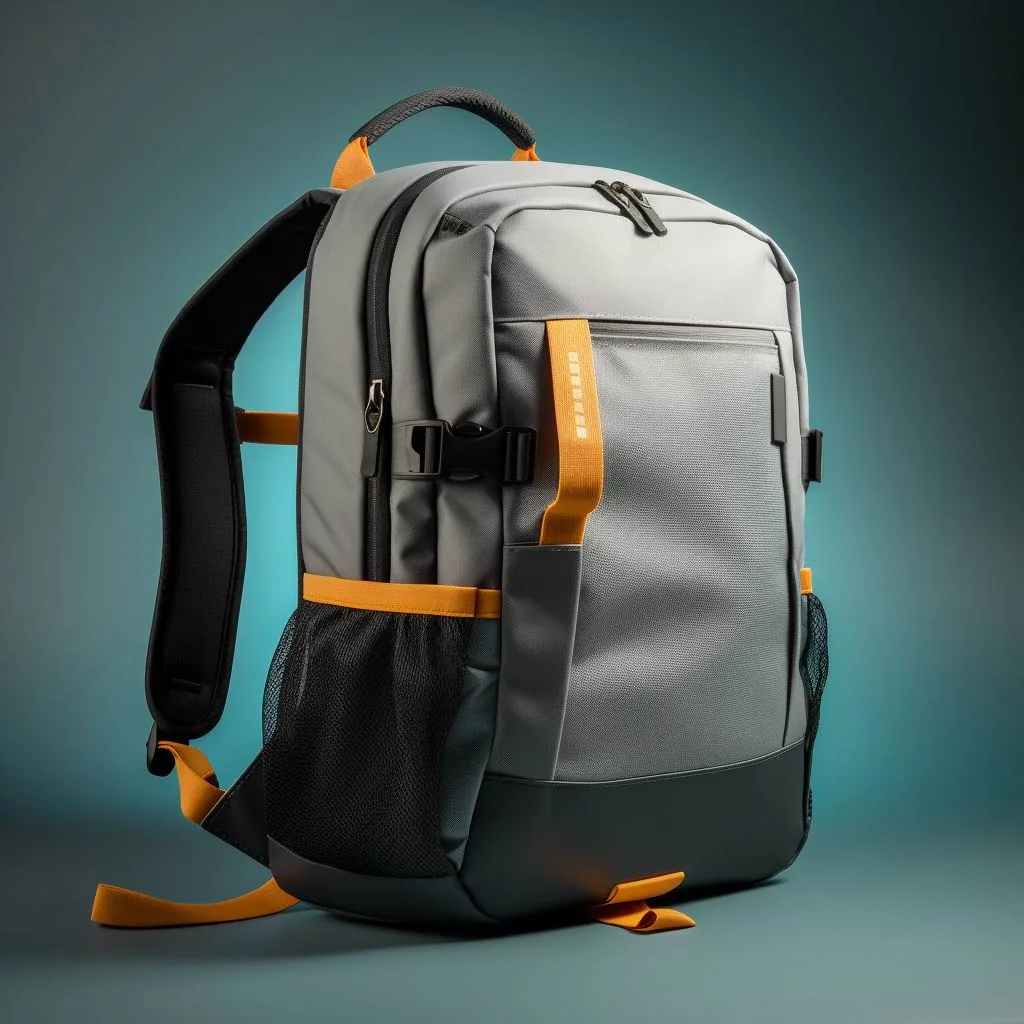
How Do You Carry a Suit in a Travel Backpack Without Creasing It?
Turn the jacket inside out at the shoulders, fold it along the natural shoulder seam so both sleeves lie flat behind the back panel, place a rolled core — a 400 mm towel or three rolled shirts — along the fold line, then roll the whole bundle loosely rather than folding again. Lay that roll flat against the back panel of your bag, never compressed against a laptop or water bottle. Hang it in a steamy bathroom for fifteen minutes after arrival and virtually every crease disappears, because wool fibre recovers around 30% elongation given warmth and humidity. Practise the whole fold once at home on a jacket you already own, timing how long it takes and inspecting the result the following morning. Twenty minutes spent learning pays back on every subsequent trip, because doing this for the first time in a hotel corridor at dawn is how people arrive looking creased and resentful of the whole idea.
Why inside out first? Because the lining and canvas are where bulk sits, and turning them outward moves the fold line away from the visible outer face. Padding in British-made jackets is typically 3 to 4 mm thick at the shoulder, which is exactly what creates a permanent-looking crease when folded in half. Working from the reverse means any line that forms falls inside a seam allowance rather than across the front panel you will be photographed in.
Rolling beats folding for a second reason too: gentle curvature distributes strain over perhaps 300 mm of cloth rather than concentrating it along one hard line, reducing local pressure by roughly half. Combine that with the steam treatment at the far end and you can arrive at a wedding in Edinburgh looking pressed after an overnight rail journey. Every step below is also standard advice inside business travel backpack guides, because the same logic applies to anything structured.
Which Suit Fabrics Travel Best?
Fabric choice decides most outcomes before you pack anything. Wool is genuinely remarkable: a Super 110s twill recovers from creasing within hours given humidity, while a high-twist fabric used in tropical-weight suits is better still, often recovering within thirty minutes. Anything above Super 150s creases more easily, so save it for trips where you can hang the jacket properly in a garment bag.
Cotton and linen are poor travellers. Linen has almost no elastic recovery and arrives with sharp creases wherever it was folded, which is either a deliberate look or a problem depending on the occasion. Cotton trousers behave similarly, recovering only about 10% of elongation against wool's 30%. Synthetic blends sit in between and generally look acceptable after steaming, which is why several British high-street suits use around 20% polyester for exactly this reason.
Weight matters too. A 10 to 11 oz cloth for autumn and winter travels noticeably better than a 7 oz summer fabric, because heavier material holds its shape and resists the random creasing that comes from being jostled in a bag. If you are buying specifically for travel — a common ask for anyone attending interviews away from home — a mid-weight high-twist wool is the answer, and several makers covered in travel backpack buying notes offer exactly that cloth as standard.
| Packing method | Typical crease result | Pack volume | Best for |
|---|---|---|---|
| Inside-out roll around core | Very light, recovers in 15 min | 3 to 4 litres | Single jacket, most trips |
| Tri-fold with tissue paper | Light lines along fold | 2.5 to 3 litres | Structured Worsted jackets |
| Garment folder, 500 x 380 mm | Minimal creasing | 4 to 5 litres | Suit plus shirts together |
| Dry-cleaner bag, loose | Moderate random creasing | 3 litres | Short hops, cheap solution |
| Rolled around packing cube | Light to moderate | 3.5 litres | Soft-shouldered jackets |
| Folded flat, no protection | Heavy permanent creases | 2 litres | Never recommended |
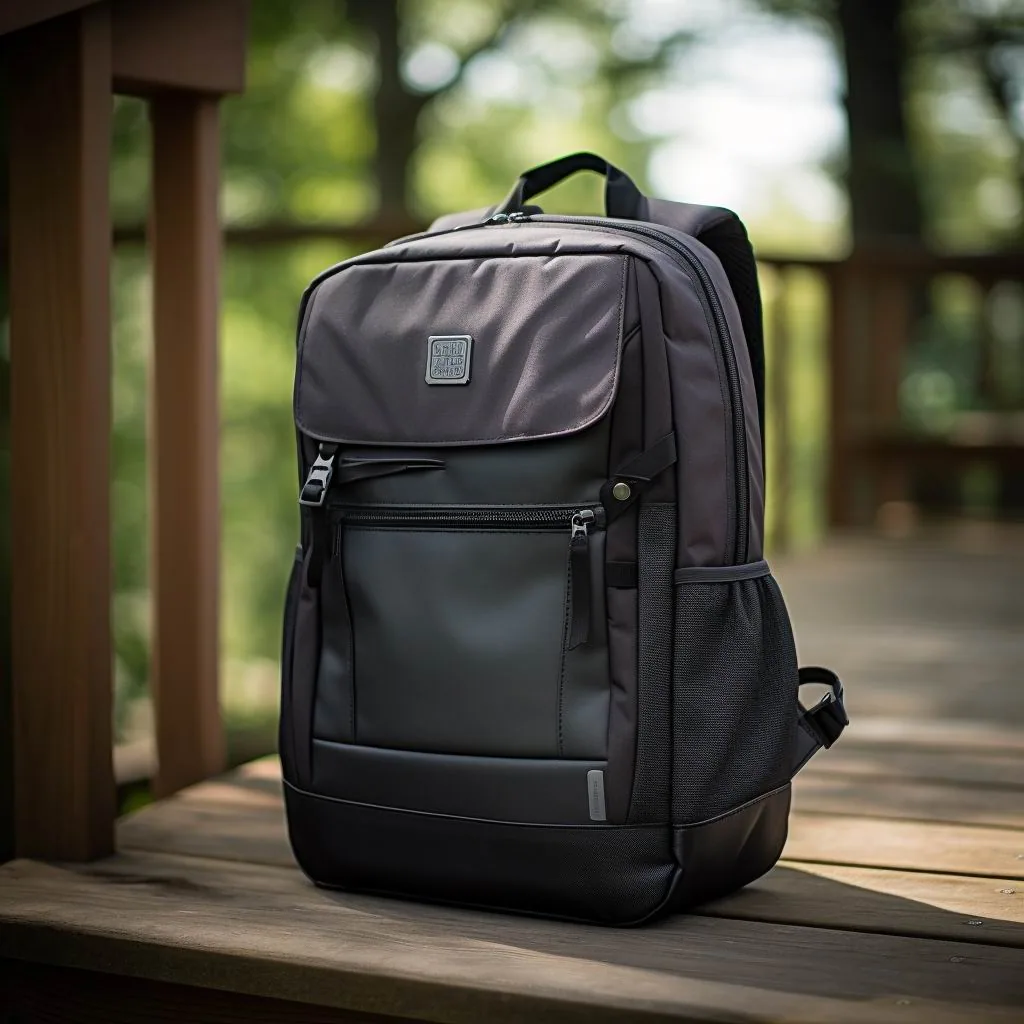
How Do You Fold a Jacket Inside Out Properly?
Lay the jacket face down on a clean surface — a bed is better than a floor and always better than a café table — and smooth the back panel flat by hand. Then push both shoulders through themselves so the jacket is inside out down to the lapels, keeping the sleeves inside the resulting tube. This may feel wrong the first time; it is correct, and it is how tailors pack stock for shipping.
Fold along the shoulders, not down the middle. Bring one shoulder across onto the other so the two shoulders lie together, working with the natural seam line rather than fighting it. Sleeves should lie flat along the back with no twisting; if they are bunched, the creases formed there will be visible from the front once you turn it back. Take ninety seconds over this step rather than thirty.
Place the core before rolling. Roll three t-shirts or a microfibre towel into a cylinder roughly 400 mm long and 80 mm across, lay it along the shoulder fold line, then roll the jacket around it from the shoulders down to the hem. The roll should be loose — you are avoiding hard edges, not minimising volume — and should finish around 400 x 200 mm. Practise this sequence twice at home and it becomes automatic, whatever travel backpack you happen to carry.
Should You Use a Garment Folder or Specialist Insert?
Garment folders genuinely work, and £18 to £35 buys one that handles a jacket plus two shirts in a 500 x 380 mm envelope. The plastic or card panels inside spread the fold across maybe 60 mm of cloth rather than a hard line, reducing visible creasing substantially. If you travel to formal events more than twice a year, this is the single best purchase available.
Folder discipline matters, though. Every item has to lie completely flat, and the folder must be packed against something flat — the back panel or another folder — rather than curved around the bag's contents. Anything pressed against the folder will show through as a line, since the panels only distribute pressure rather than eliminating it.
For occasional users there is a cheaper route: keep the plastic from the dry cleaner, lay the jacket inside it, fold once along the shoulders and pack flat against the back panel. Results are around 70% as good as a proper folder, the cost is nothing, and the bag slips easily because polyethylene has low friction against lining fabric. Both approaches are covered alongside specific models in business-ready travel backpacks.
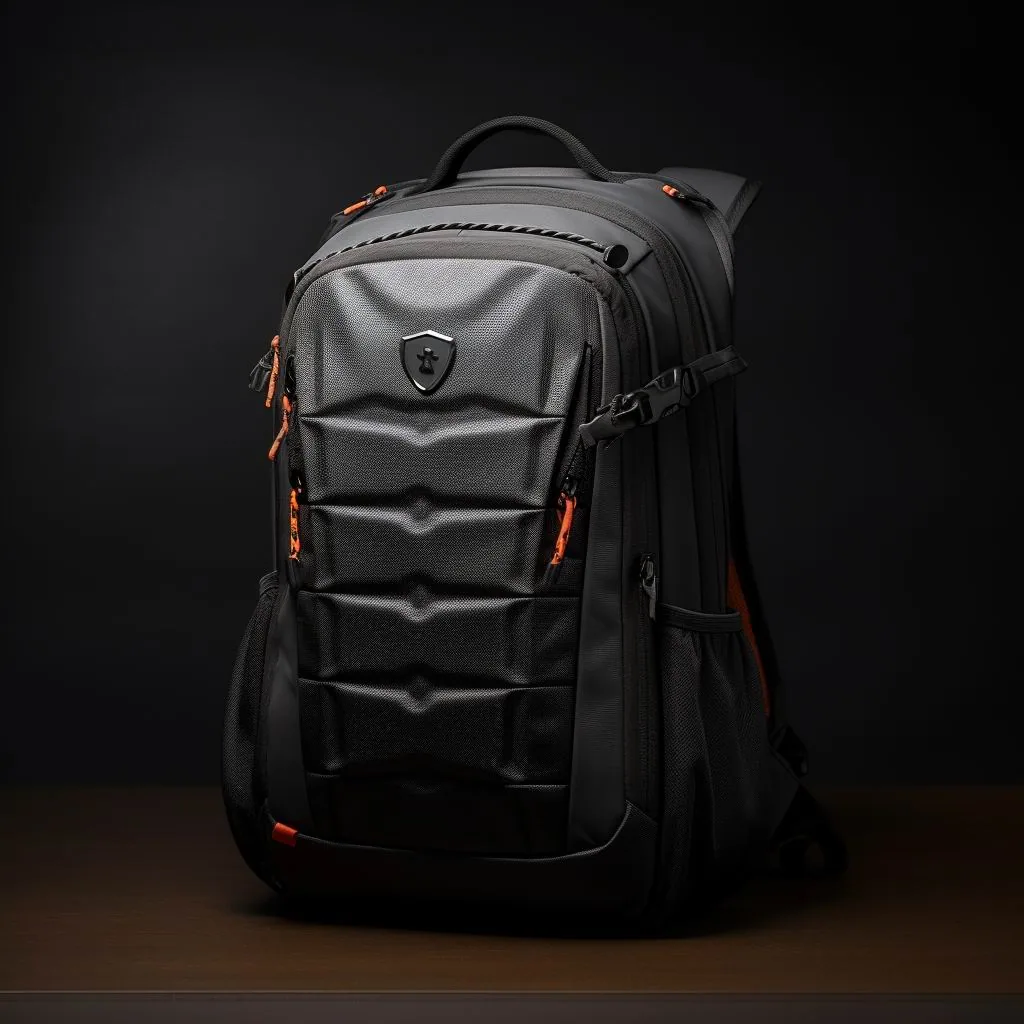
Where Should the Suit Sit Inside the Backpack?
Position beats technique once you understand it. Everything in the pack should be arranged in zones by compressibility: soft items such as sweaters or trousers in the corners, the suit roll flat against the back panel, then hard objects — wash bag, shoe bag, camera — packed away from it. Anything rigid within 50 mm of the roll will eventually press through.
The main rule is simple and non-negotiable: never put the suit roll adjacent to a laptop or tablet. A 14-inch laptop measures roughly 320 x 220 x 16 mm and its corner concentrates force at perhaps 40 kPa when the bag is compressed, which is enough to set a crease permanently in fine wool. Keep one layer of soft clothing between any structured device and the jacket at all times.
Finally, use the bag's own structure. If there is a dedicated document sleeve against the back panel, use it: 500 mm of flat panel prevents the roll bending at its midpoint. Do not use external compression straps over the suit to save space; take something else out instead. Every compression layer taken up costs you roughly 10 minutes of steaming later. Consistent zones matter more than perfect technique, which is the argument behind the compartment layouts in structured travel backpacks.
How Do You Remove Creases at the Other End?
Steam is the answer, and the shower method is genuinely effective. Hang the jacket on a plastic hanger — wooden ones are too bulky to travel with — as far from the shower head as the room allows, run the hot water at maximum for ten minutes and close the door. Bathroom humidity reaches around 90% in that time, wool absorbs perhaps 3% of its weight in moisture, and most creases fall out within twenty minutes.
Then hang it properly. Gravity does the remaining work over two to four hours, provided the jacket is on a shaped hanger rather than a wire one, with lapels smoothed and buttons done up loosely so the front hangs correctly. Never use a hotel iron directly on wool: contact temperatures above 160°C scorch the fibres and produce the shiny patches that never recover. Always use steam only, or a pressing cloth at 110°C.
For genuine emergencies there is one more trick. If a crease persists after two rounds of steaming, dampen it lightly with a spray bottle at maybe 5 ml of water and press with your hand rather than an iron. It lacks drama but works perhaps 80% of the time, and it is exactly what tailors do for the last few stubborn lines before a fitting begins. Hang it within fifteen minutes and everything else looks after itself, exactly as set out in business travel backpack practice.
What About Shirts, Ties and Shoes?
Shirts fold far better than jackets. Button the top button and every second button below it, lay the shirt face down, fold the sleeves back at the shoulder to form a rectangle, fold once more to match your packing cube dimensions — typically 250 x 180 mm — and place two sheets of tissue across each fold. A 250 x 180 mm cube holds three shirts comfortably and they will need little attention at the far end.
Ties need gentler handling than anything else in formal kit. Roll rather than fold: lay the tie flat, roll it from the narrow end into a loose coil around 80 mm across, and place it inside a sock or the corner of a cube so it cannot unroll. Never knot and never crease near the blade's midpoint; silk recovers poorly, and a damaged tie costs £40 to £120 to replace.
Shoes are the heavy problem. A pair of brogues weighs 900 g to 1.2 kg and holds its shape poorly under compression, so use a shoe bag, stuff each shoe with socks to keep the toe box at full volume, and place them low in the bag with heels toward the corners where the pack is naturally narrowest. Cedar shoe trees add 200 g and are genuinely worth it above a £200 shoe budget. Weight is the hidden cost here: a pair of brogues adds 900 g to 1.2 kg to the load, which is worth planning around when choosing lightweight travel backpacks. Keep a spare folded shirt in the lid pocket against late changes of plan.
What Should Business Travellers in the UK Plan For?
British realities shape this more than anything else. The Caledonian Sleeper from London Euston to Edinburgh arrives at roughly 08:00, giving you ninety minutes at most between stepping off and needing to be presentable — plan the steam routine before you board rather than after. Advance fares typically cost £45 to £120 for the sleeper berth, and a Foldable garment folder fits easily into the cabin luggage space.
Interview schedules add pressure. Assume you get twenty minutes in a hotel bathroom rather than ninety, so prioritise: hang the jacket first, shower at once to create steam, then deal with shirts while the jacket recovers. Practise the whole fold once at home with a timer, because doing it for the first time in a hotel corridor at 06:40 is how people turn up looking crumpled.
There is also the corporate sustainability angle. UK companies increasingly track staff travel emissions, and rail rather than air for Edinburgh, Manchester or Newcastle is the default; that means more overnight trips and therefore more suit-carrying. Everyone benefits from standardising on one method and one bag, and the UK business travel backpack selection exists precisely for teams doing this weekly. Standardising one method across a team removes nearly all of the anxiety attached to formal travel with corporate travel backpacks. Rail operators increasingly publish luggage dimensions, so cross-check them against any UK rail travel backpack before you leave.
What Should Bulk Buyers Specify for Suit-Carrying Bags?
Specify the flat panel, not the litre figure. Ask for a dedicated document sleeve measuring at least 400 x 300 mm lying flat against the back panel with no seams running across it, plus an unbroken panel of 400 x 250 mm so nothing presses into rolled garments. Require internal depth below 200 mm when loaded so roll geometry holds — deeper bags encourage loose packing and therefore creasing.
Then fix the commercial detail before sampling. Standard terms are MOQ 500 pcs per colourway, sampling in 6-10 working days with one physical fold test using a 40S jacket, bulk production 35-50 days after approval, and inspection to AQL 2.5 (ISO 2859-1) per the tables published by ISO 2859-1. Abrasion resistance of lining fabrics against wool should be verified against the ASTM standards library, since pilling complaints follow quickly otherwise.
Accessories make the difference commercially. Bundle a £12 garment folder and a shoe bag with every unit, print a fold card showing the inside-out technique, and guarantee that the rear panel stays uncompressed by excluding moulded EVA. Our 4,950 m² SGS-verified production floor runs exactly that configuration for corporate gifting lines, and our vetted partner facilities can co-brand folders in matching fabric for around £0.90 per unit on UK trade orders. Corporate gifting programmes using this specification are documented in detail across bulk travel backpack ordering.
Frequently Asked Questions
Can you really carry a suit in a backpack without creases?
Yes, with the inside-out roll over a core and twenty minutes of bathroom steam at the far end. Wool recovers around 30% elongation given warmth and humidity, so light creases disappear within twenty minutes. Expect to hang the jacket within fifteen minutes of arriving and you will usually be presentable in under an hour. Hang it straight away and you will usually look presentable within an hour. Steam works best with the bathroom door closed for the full ten minutes.
How much does rolling a suit damage the shoulder?
Very little if you turn it inside out first. Folding with the shoulder pad outward creates a hard crease through 3 to 4 mm padding, whereas rolling from the reverse spreads strain across roughly 300 mm of cloth, cutting local pressure by about half. Soft-shouldered unstructured jackets tolerate rolling best of all. Rolling from the reverse also keeps seam lines hidden from view.
What size core should I use when rolling a jacket?
Around 400 mm long and 80 mm in diameter, made from three rolled t-shirts or a microfibre towel. It keeps the fold radius generous rather than tight, which is what prevents visible lines. Anything below about 50 mm diameter concentrates strain too sharply and starts behaving like a simple fold. Three t-shirts or one microfibre towel usually gives the right diameter.
Is a garment folder worth buying for occasional trips?
Yes above roughly two formal trips a year. A folder costing £18 to £35 handles a jacket plus two shirts in a 500 x 380 mm envelope and spreads folds over about 60 mm of cloth. Below that frequency, keep a dry-cleaner bag and fold once along the shoulder line for around 70% of the benefit at no cost. Use it flat against a panel for the best possible result.
Which suit fabrics travel best to UK destinations?
Mid-weight high-twist wool around 10 to 11 oz, which recovers within thirty minutes of steaming. Tropical-weight fabrics do best of all, while anything above Super 150s creases easily and should not travel this way. Cotton recovers only about 10% of elongation against wool's 30%, so it should be avoided entirely. High-twist tropical weights recover fastest of all, often within thirty minutes.
How long does steam take to remove creases?
Run a hot shower for ten minutes with the bathroom door closed, which lifts humidity near 90%, then leave the jacket hanging for twenty minutes. Wool absorbs roughly 3% of its weight in moisture, which is enough for fibres to relax. Stubborn lines respond to light damping plus four hours hanging. Wool absorbs roughly 3% of weight in moisture during that period.
Can I pack a laptop next to my suit jacket?
No, never directly adjacent. A 14-inch laptop measures about 320 x 220 x 16 mm and its corner concentrates perhaps 40 kPa under compression, which permanently sets creases in fine wool. Always keep one soft layer between any structured device and the jacket, and never tighten compression straps across a suit roll. Keep one soft layer between them at all times, preferably two.
How should I pack dress shirts for travel?
Button the top button and every second one below, lay the shirt face down, fold sleeves back at the shoulder to form a rectangle, then fold once to fit a 250 x 180 mm cube with tissue across each crease. Three shirts fit to one cube, and each requires minimal attention after arriving. Three shirts fit comfortably into one standard cube size.
What is the best way to pack ties and shoes?
Roll ties loosely from the narrow end into a coil about 80 mm across, securing inside a sock. Never knot or fold near the blade midpoint, since silk recovers poorly. Stuff shoes with socks to hold the toe box, use a shoe bag, and place them low with heels toward the narrowest corners. Silk ties cost £40 to £120 to replace, so roll them loosely.
Can I use a hotel iron on a wool suit jacket?
Only through a pressing cloth at 110°C, and ideally not at all. Direct contact above 160°C scorches fibres and leaves permanent shine. Steam from a shower is safer and more effective. If you must iron, use the lowest setting, keep moving, and never press directly onto the outer face of the cloth. Scorching above 160°C creates permanent shine that never recovers.
How soon after arriving should I hang the jacket up?
Within fifteen minutes, and start the shower immediately. Gravity plus humidity work over two to four hours, so hanging early gives you the best result by far. Leaving it rolled for even two hours roughly doubles the recovery time needed and can leave lines that require professional pressing. Waiting even 2 hours roughly doubles the recovery time needed afterwards. Add a second twenty-minute steam session if it is still creased.
What happens if the crease will not come out?
Dampen lightly with about 5 ml of water from a spray bottle and press with your hand along the line, which works perhaps 80% of the time. Failing that, most UK hotels offer same-day pressing at £8 to £18 per item, which is cheaper than replacing a ruined jacket worth £200 or more. Most hotels offer same-day pressing for £8 to £18 per item.
What UK-specific issues affect carrying a suit on rail?
Mainly timing on rail. The Caledonian Sleeper reaches Edinburgh by roughly 08:00, giving ninety minutes to look presentable, so plan the steam routine before boarding rather than after. Overnight rail is increasingly the corporate default for emissions reporting, which means more suit-carrying and a case for one standardised method. Plan the steam routine before boarding rather than after arriving. Advance sleeper fares usually cost between £45 and £120 each way.
What should bulk buyers specify for suit-carrying backpacks?
Require a flat document sleeve of at least 400 x 300 mm against the back panel with no cross seams, loaded depth below 200 mm and no moulded EVA. Bundle a £12 garment folder per unit. Standard terms are MOQ 500 pcs, sampling in 6-10 working days, bulk production 35-50 days and AQL 2.5 inspection. Bundle a folder with every unit and print the fold technique card.
Get a Free Quote for Custom How to Carry a Suit in a Travel Backpack
Planning a branded programme? Our production team works to MOQ 500 pcs, 6-10 working day sampling and 35-50 day bulk lead times, with AQL 2.5 inspection to ISO 2859-1. Send your brief and we will return a costed quotation in 24-48 hours.
Mens Backpack Guide Editorial Team — Buying guides and sourcing notes for the UK men's backpack market, coordinated by QUANZHOU JUNYUAN BAGS. Commercial figures such as MOQ 500 pcs, 6-10 day sampling and 35-50 day production reflect published programme terms.