Table of Contents
- How Much Fits in 10 Litres? A Packing Volume Chart: The Direct Answer
- Key Figures at a Glance
- What 10 Litres Actually Holds
- Packing Method Efficiency Compared
- How to Measure and Check These Numbers
- Fit, Comfort and Load Implications
- UK Scenarios: Putting the Numbers to Work
- Testing Standards and Bulk Custom Orders
- UK Price and Value by Size Band
- Common Buying Mistakes to Avoid
- Final Verdict: Choosing the Right Band
- Frequently Asked Questions
How Much Fits in 10 Litres? A Packing Volume Chart: The Direct Answer
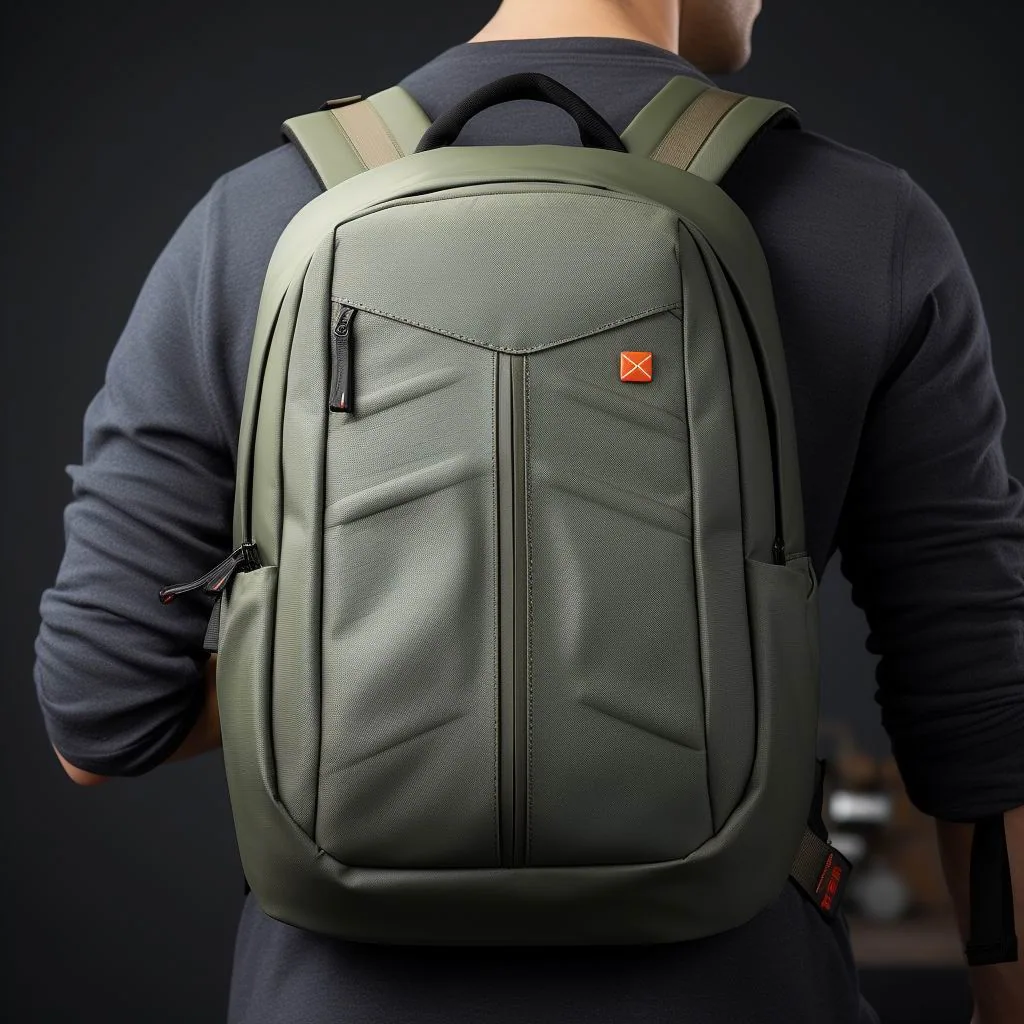
Ten litres holds about 3.5 kg of typical travel kit: two rolled shirts, one pair of trousers, a wash bag, a 750 ml bottle and a light shell, with roughly 1.2 L left over. Packing volume is not the same as garment volume, because clothing traps air. Rolling a cotton shirt reduces it to about 1.4 L against 2.1 L folded, while compression cubes remove a further 15-25% by squeezing trapped air out. Ten litres is therefore best treated as a budget: assign litres to each category, then measure what remains rather than trusting a visual estimate. Across the bands covered here the range runs from 10 L reference, with reference dimensions near 38 x 24 x 11 cm and weights around 3.2-4.2 kg. UK prices sit between £18-140. A British summer day trip needs about 8 L; the same day in February needs 11 L. Ten litres covers a day trip or a minimalist overnight if you roll and cube.
Read the 10 L packing figure by working backwards from your real constraint. If a fixed gap governs the decision, a locker, a rail rack or an airline gauge, start from that millimetre figure. If comfort governs it, start from your body weight and the kilogram ceiling. Only if neither applies should you start from litres. Our pillar reference sets out the same sequence with worked examples for British buyers.
Every number in this guide is a working reference, not a standard. Published dimensions vary by 8 to 14 per cent between brands, empty weights vary by about 8 per cent with fabric batch, and usable volume falls 12 to 20 per cent below the stated figure once padding is deducted. Allow a 10 mm tolerance on any dimension you intend to rely on. On a 10-litre packing space the figure to watch is 1.4 L per shirt, which most listings leave out.
The practical method is three steps. Measure the thing you must fit, whether that is a 300 mm locker, a 20 cm rack or a 7.5 kg body-weight ceiling. Measure the bag packed rather than empty. Then compare, keeping 10 per cent in reserve. The UK size and fit guidance repeats those three steps against each capacity band. Our reference 10-litre packing space specification records 38 x 24 x 11 cm at 3.2-4.2 kg before options are added.
Key Figures at a Glance
| Capacity band | Height | Width | Depth | Empty weight |
|---|---|---|---|---|
| Cotton shirt, rolled | 1.4 L | 0.28 kg | 1.4 L | Roll along the length |
| Cotton shirt, folded | 2.1 L | 0.28 kg | 3.5 L | Needs a folder |
| Trousers, rolled | 1.8 L | 0.42 kg | 3.2 L | Roll from the hem |
| Merino sweater, rolled | 1.6 L | 0.35 kg | 4.8 L | Compresses well |
| Wash bag | 1.2 L | 0.55 kg | 6.0 L | Use 100 ml bottles |
| 750 ml bottle | 0.9 L | 0.86 kg | 6.9 L | Heaviest single item |
| Light shell, packed | 1.3 L | 0.45 kg | 8.2 L | Compresses by 40% |
| Spare underwear x3 | 0.6 L | 0.21 kg | 8.8 L | Fills corner gaps |
The table is arranged so that each row can be used independently. If you already know the volume you need, read across for the dimensions and weight to expect. If you know a dimension limit, read down until the row exceeds it and take the one below. Both directions are valid, and most British buyers end up using the second. The 10-litre packing space category spans 10 L reference, so compare against that band rather than one number.
Weight is the column most often ignored and the one that matters most for comfort. An empty weight near 3.2 leaves generous headroom within a 10 to 15 per cent body-weight ceiling, while a figure near 4.2 kg consumes a meaningful share of it before you pack anything. Divide weight by litres and compare: 30 to 45 g per litre is efficient.
Finally, remember that the bag grows when packed. Depth increases by 25 to 30 mm, width by 15 to 25 mm and height rarely at all. A soft bag compresses by 15 to 25 mm under pressure, which often rescues a marginal fit; a hard shell does not compress at all. Full measurement guidance sits on the UK size and fit guidance.
What 10 Litres Actually Holds
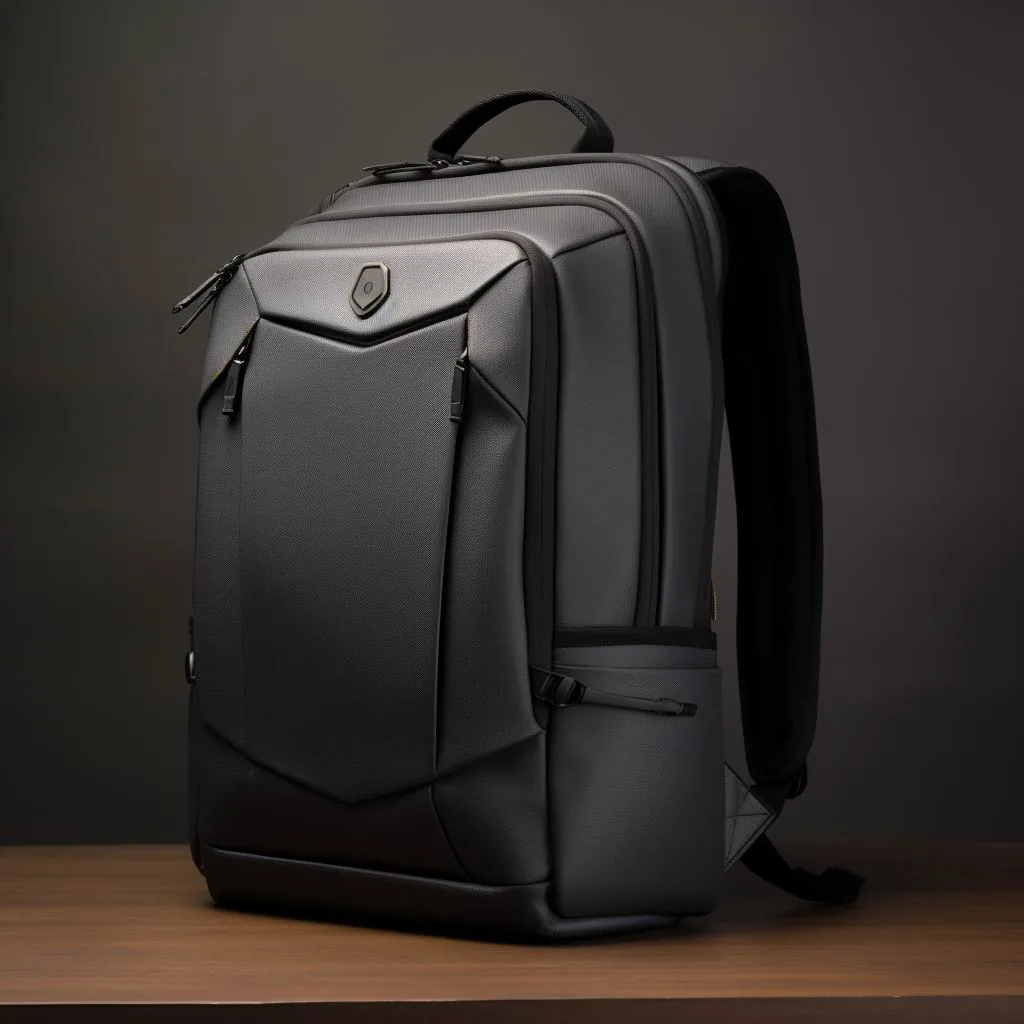
| Category | Reference figure | Secondary figure | Adjustment | Note |
|---|---|---|---|---|
| Rolled clothing | 1.4 L per shirt | 15-25% saving | Better for daypacks | Creases less than folding |
| Folded with a shirt folder | 2.1 L per shirt | 0% baseline | Better for business | Flat arrival |
| Compression cube | 1.1 L per shirt | 25-35% saving | Best for travel packs | Adds 90-160 g |
| Vacuum compression | 0.9 L per shirt | 40-50% saving | Bulky items only | Rebounds within hours |
| Loose packing | 2.6 L per shirt | -20% penalty | Avoid | Wastes corner space |
This second table answers the question the first one cannot: how the same figures behave in real use. Take the rolled clothing row as an example, then work down until the row stops describing your situation. The last matching row is almost always the correct specification, and it is usually one band smaller than buyers expect.
Two caveats apply. First, figures assume a naturally packed bag, not one compressed with straps; compression buys 40 to 60 mm of depth but never changes height. Second, the load column assumes ordinary contents; a laptop adds 1.55 kg at 14 inches and 2.10 kg at 16 inches, which is often the single heaviest item in the bag. In British use the deciding detail for a 10-litre packing space is usually 3.5 kg rather than headline capacity.
Where a row conflicts with your own measurements, trust your measurements. Brand tolerances of plus or minus 5 per cent on capacity and plus or minus 10 mm on dimensions are normal in production, so two bags from the same line can differ slightly. The pillar reference shows how those tolerances are verified before shipment. Anyone shortlisting a 10-litre packing space should weigh 25-35% against the £18 entry price.
Packing Method Efficiency Compared
| Variable | Typical value | Measured result | Deviation | Comment |
|---|---|---|---|---|
| 10 L daypack | 8.8 L usable | 3.5 kg | Day trip | 1.2 L spare |
| 20 L commuter | 17.4 L usable | 5.5 kg | Work day | 3.0 L spare |
| 30 L cabin | 26.5 L usable | 7.0 kg | Two nights | 4.5 L spare |
| 40 L travel | 35.0 L usable | 8.5 kg | Four nights | 6.0 L spare |
| 50 L trek | 44.0 L usable | 12.0 kg | Multi-day | 8.0 L spare |
The third table isolates the variables that move the numbers: method, season, material and traveller type. Each row shifts the baseline by a measurable amount, and the shifts compound. A winter business trip, for instance, adds 3 to 5 L for clothing and a further 4 to 6 L for flat-packed shirts, which together can push a 34 L requirement past 44 L. Our production team logs 90-160 g for every approved 10-litre packing space sample.
The most useful row for British buyers is usually the seasonal one. Between November and March, plan for 2 to 3 L more volume and roughly 900 g more weight; between June and August, subtract the same. Because a bag is a fixed purchase and the weather is not, always size to the winter figure. Across 10% spare of testing the same pattern holds for a 10-litre packing space in UK conditions.
If two rows disagree, prefer the one describing the more frequent situation. A bag sized for the worst case you meet once a year will be too large for the other 240 days, and oversized bags encourage loads that breach safe-weight guidance. The pillar reference shows how to resolve those conflicts with a weighted score.
How to Measure and Check These Numbers
Measurement discipline is what separates a useful 10 L packing figure from a decorative one. For dimensions, stand the bag on a flat surface, pack it as you normally would, and measure height, width and depth with a rigid rule rather than a tape. Round up to the nearest 5 mm. For volume, the practical home method is to fill the bag with known-volume items and count; 20 mm blocks is the industry reference.
Weight should be measured on a 20 kg luggage scale, packed, and recorded. Compare the result with 10 to 15 per cent of body weight: 7.5 kg for a 75 kg adult, 4.5 kg for a 45 kg secondary pupil. If the bag exceeds that figure, remove the heaviest non-essential item before you consider buying a larger bag. A 10-litre packing space at £140 makes sense only when 3.5 kg matches your weekly routine.
Tolerance is where disputes begin. Normal production tolerances are plus or minus 5 per cent on capacity, plus or minus 10 mm on dimensions and plus or minus 8 per cent on weight. Anything quoted more tightly than that is marketing rather than engineering. Insist on a documented measurement report on the approved sample so the backpack buying guide reference figures can be audited later.
Our production team records four numbers for every approved sample: empty weight in grams, usable volume by block fill, external dimensions packed, and safe working load in kilograms. Those four figures settle almost every later question about whether a shipment matches the specification. A British summer day trip needs about 8 L; the same day in February needs 11 L.
Fit, Comfort and Load Implications
Size decisions always end in comfort. A bag whose height exceeds your torso length by more than 50 mm pulls the shoulders backwards; a bag more than 30 mm wider than your shoulders catches on doors, turnstiles and British train aisles. Most UK men measure 46 to 52 cm from the C7 vertebra to the iliac crest, which is the bracket most capacity bands in this guide target. UK rail day trips suit a 10-14 L daypack, which fits under most seats at 25-30 cm high.
Weight interacts with fit. Below 5 kg almost any harness is acceptable; from 5 to 7 kg you want 55 to 65 mm straps with 8 to 10 mm of foam plus a sternum strap; above 7 kg a hip belt becomes necessary and moves 70 to 80 per cent of the load off the shoulders; above 9 kg add load lifters. Each step costs 100 to 400 g of empty weight and buys hours of comfort. A 10 L packable at £32 costs about 13p per use across 240 travel days.
British conditions add two local factors. Rain adds roughly 900 g of coat and a 2 L volume reservation for half the year, and mixed transport means the bag is carried on stairs, platforms and pavements rather than on smooth floors. Both argue for sizing one band smaller than the marketing photograph suggests. The pillar page covers these adjustments in detail.
UK Scenarios: Putting the Numbers to Work
Applied to a British week, the figures change shape. A British summer day trip needs about 8 L; the same day in February needs 11 L. UK rail day trips suit a 10-14 L daypack, which fits under most seats at 25-30 cm high. A 10 L packable at £32 costs about 13p per use across 240 travel days. British weather means a 1.3 L shell is in the bag for roughly 150 days of the year. Together those four observations describe the environment a UK buyer is actually sizing for, and they are more predictive than any laboratory figure.
Consider a Monday in Manchester: a 4.2 km walk, 18 minutes on rail platforms, a flight of 24 stairs and 12 mm per hour of drizzle. The load is a 14-inch laptop at 1.55 kg, a 750 ml bottle at 0.86 kg, lunch at 0.70 kg and a shell at 0.45 kg, plus a bag at roughly 900 g. Total is about 4.5 kg, comfortably inside a 7.5 kg ceiling and well served by the mid bands above. British weather means a 1.3 L shell is in the bag for roughly 150 days of the year.
Now consider a February weekend in the Lake District: 8 kg of kit, a 6 hour day and two soaked layers. The same bag needs 3 L more volume, a hip belt to move load off the shoulders and a 3,000 mm rain cover. Planning for the second scenario rather than the first is the single most useful habit a British buyer can develop. The detailed pillar guide lists equivalent scenarios by capacity band. One mistake worth avoiding: buying a 40 L bag when the real load needs 10 L.
Testing Standards and Bulk Custom Orders
Three frameworks govern how the figures in this guide are verified. Sampling follows ISO 2859-1 at AQL 2.5, which sets how many units are inspected and how many defects are tolerated. Fabric testing references ASTM textile standards and AATCC test methods, while any ingress-protection claim is graded under the IEC 60529 code. One mistake worth avoiding: folding shirts and losing 0.7 L per garment.
Our acceptance routine is deliberately short. Ten units are weighed and permitted ±8 per cent variance; capacity is checked by 20 mm block fill with ±5 per cent allowed; dimensions are checked with ±10 mm; and every buckle is pulled to 180 N. A 1.5x lift test, holding the rated load multiplied by 1.5 for 60 seconds, closes the routine. Any seam creep fails the lot. One mistake worth avoiding: packing loosely and wasting 20% of the volume.
Commercial parameters for custom work are fixed. The minimum order quantity is MOQ 500 pcs per colourway, sampling takes 6-10 working days from approved artwork, and bulk production runs 35-50 days after sample sign-off. Final inspection is carried out to AQL 2.5 (ISO 2859-1), and our SGS-verified production base issues a measurement report with every approved sample. One mistake worth avoiding: forgetting that cubes add 90-160 g to the load.
Two British regulatory points close the checklist. Textile products must carry fibre composition labelling, and any electrical element requires UKCA marking before sale. General product safety obligations are published on gov.uk, and UK responsible-person contact details must appear on the packaging. One mistake worth avoiding: filling all 10 L and finding the zip under strain.
UK Price and Value by Size Band
| Price band | What you get | Expected lifespan | Cost per use |
|---|---|---|---|
| £18-£40 | 10 L packable | 1-3 years | 10p |
| £40-£80 | 10-14 L daypack | 3-4 years | 22p |
| £80-£120 | Compression cube set | 5+ years | 34p |
| £120-£140 | 14 L technical daypack | 6-8 years | 46p |
Dividing price by uses is the only fair comparison across size bands. The table uses 240 uses, roughly one British working year. A bag at £18 lasting two years costs about 11p per use, while one at £140 lasting eight years costs about 10p. On that basis the pricier option is frequently the cheaper one.
What changes across the bands is specification discipline. Below £50 there is no documented testing and tolerances run to ±8 per cent on capacity. From £50 to £120 you get controlled materials, a measurement report and a one-year warranty. From £120 to £200 tolerances tighten to ±5 per cent and cover extends to three or five years. Above £200 you are buying structure, leather or suspension. One check worth applying: assign litres per category before you start packing.
Size also affects price non-linearly. Doubling volume from 20 L to 40 L adds only about 45 per cent to material cost, so a larger bag is often better value per litre while being worse value per journey if you never fill it. Buy the smallest band that covers your winter load; the UK size and fit guidance shows the calculation by band. One check worth applying: roll clothing to save 15-25%, or use cubes for 25-35%.
Common Buying Mistakes to Avoid
Five errors account for most poor outcomes with this 10 L packing figure. First, buying a 40 l bag when the real load needs 10 l. Second, folding shirts and losing 0.7 l per garment. Third, packing loosely and wasting 20% of the volume. Each is caught by a single measurement taken before purchase rather than after delivery.
Two more follow the same pattern. Fourth, forgetting that cubes add 90-160 g to the load. Fifth, filling all 10 l and finding the zip under strain. Both come from trusting a published figure rather than a measured one, and both typically appear within the first three months of use.
A ten-minute prevention routine removes nearly all of it: weigh the packed bag, measure three dimensions against your real gauge, open and close every fastener 20 times, and read the warranty exclusions. The UK size and fit guidance reproduces the routine as a printable checklist.
Final Verdict: Choosing the Right Band
Ten litres covers a day trip or a minimalist overnight if you roll and cube. Budget 1.4 L per rolled shirt, 1.8 L per pair of trousers and 1.2 L for a wash bag. Those two sentences resolve the majority of British sizing decisions, and both are worth re-reading with your own weekly load and transport gauge in mind.
Keep 10% of volume free so closures are never stressed. Multiply the 10 L module when you scale to 20 L, 30 L or 40 L. Treat each as an acceptance test rather than a preference, because every one maps to a failure that appears within the first year.
Where two bands remain close, choose the smaller one and manage the occasional overflow with a compression strap or a packable 10 L daypack. Oversized bags invite loads that breach the 10 to 15 per cent body-weight guidance, and the resulting discomfort costs far more than the convenience of spare space. One check worth applying: fill corner gaps with underwear and cables, worth about 0.6 L.
The closing principle is simple: measure first, buy second. Use the pillar reference to cross-check the band you have chosen, then weigh the packed result at home. One scale, one rule and ten minutes will get closer to the right answer than any amount of further reading. One check worth applying: put the heaviest item, usually a bottle, low and central.
Frequently Asked Questions
What 10 L packing figure should I use as a starting point?
Use the middle row of the chart as your baseline, then adjust. For this reference set that is roughly 38 x 24 x 11 cm at 3.2-4.2 kg, covering a 5 kg British working day with 10 per cent spare. Add 2 to 3 L and about 900 g for winter, subtract the same for summer, and cap the result at your strictest transport or storage gauge before you buy.
How do I measure these figures accurately at home?
Pack the bag as you normally would, stand it on a flat surface and measure height, width and depth with a rigid rule, rounding up to the nearest 5 mm. Weigh it packed on a 20 kg scale. For volume, fill with known-volume items and count; 20 mm blocks is the industry reference and reports about 3.5 L less than dimensional maths on a 30 L bag. One check worth applying: keep 10% of volume free so the bag closes without strain.
Why do published figures vary between brands so much?
Because measurement methods differ. Dimensional multiplication overstates by 10 to 14 per cent since it ignores curvature and padding, while 20 mm block fill reports what you can actually load. Some brands count external pockets, adding up to 2.5 L. Production tolerances of ±5 per cent on capacity and ±10 mm on dimensions are also normal. The check takes under a minute and prevents a return. The advantage here is that a litre budget stops you buying 40 L for a 10 L routine.
Which of these figures suits a 173 cm British man?
A 173 cm man typically measures 46 to 50 cm from the C7 vertebra to the iliac crest, so choose a bag within that height range and no wider than his shoulders, usually 28 to 31 cm. Load should stay at 10 to 15 per cent of body weight, which is 7.5 kg at 75 kg. That points to the mid bands of this chart. The advantage here is that rolling saves 15-25% and compression cubes save 25-35%.
How much does the figure change when the bag is packed?
Expect depth to grow 25 to 30 mm and width 15 to 25 mm, while height barely changes. A soft bag then compresses 15 to 25 mm under pressure; a hard shell does not compress at all. Always measure packed rather than empty, and keep 10 mm of tolerance in reserve against any published dimension you intend to rely on. The advantage here is that knowing item weights keeps the total under a safe-load ceiling.
What tolerance should I allow when buying to a limit?
Allow ±10 mm on dimensions and ±5 per cent on capacity, which is normal production variance. If a limit is strict, such as a 20 cm rail rack or a 55 x 40 x 20 cm gauge, buy 20 mm under it rather than exactly to it. Compression straps recover 40 to 60 mm of depth on a soft bag when you need to squeeze into a gap. The advantage here is that ten litres transfers cleanly into any larger bag as a module.
How does this relate to comfort and safe load?
Directly. Keep the total at 10 to 15 per cent of body weight, which is 7.5 kg for a 75 kg adult and 4.5 kg for a 45 kg pupil. Below 5 kg any harness works; from 5 to 7 kg use 55 to 65 mm straps and a sternum strap; above 7 kg a hip belt moves 70 to 80 per cent of the load off the shoulders. The trade-off is that cubes weigh 90-160 g, which counts against the load ceiling.
What does this specification usually cost in the UK?
Across these bands expect £18 to £140. Divided by 240 uses, roughly one British working year, the lower band costs about 11p per use over two years and the upper band about 10p over eight. On that basis the higher price is frequently better value, provided the build genuinely lasts and UK spares are stocked. The check takes under a minute and prevents a return.
Can I convert litres into centimetres reliably at home?
Not exactly, because shape changes everything. Use reference bands instead: 20 L sits near 44 x 28 x 15 cm, 30 L near 49 x 30 x 19 cm and 40 L near 54 x 33 x 22 cm. Treat 1 L as 1,000 cubic centimetres then discount 12 to 20 per cent for padding and curved corners, and always measure the bag packed. The trade-off is that vacuum compression rebounds within hours and creases fabric.
Do these figures differ between UK and EU suppliers?
The numbers are the same, but practice differs. UK listings increasingly quote block-fill capacity and centimetre dimensions, while some EU suppliers still use dimensional multiplication, which runs 10 to 14 per cent higher. UK trading standards also expects advertised capacity claims to be substantiable, so ask any supplier which method produced the figure. The check takes under a minute and prevents a return. The trade-off is that loose packing wastes up to 20% of the volume you paid for.
How do I check the figure before ordering online?
Ask the seller for three numbers: empty weight in grams, packed external dimensions in centimetres, and the measurement method used for capacity. Compare against the bands in this guide and reject anything more than 10 mm outside them. On arrival, re-measure within the returns window, since a 30-day UK return right is far easier than a warranty claim. The check takes under a minute and prevents a return. The trade-off is that winter clothing needs roughly double the summer litre allocation.
Can I specify a custom 10 L packing figure for a bulk order?
Yes. Specify the method as 20 mm block fill, set capacity tolerance at ±5 per cent and dimension tolerance at ±10 mm, and state whether external pockets are counted. Commercial terms are MOQ 500 pcs per colourway, sampling in 6-10 working days, bulk production of 35-50 days and inspection to AQL 2.5 (ISO 2859-1). The check takes under a minute and prevents a return. This suits a buyer who minimalist travellers building a repeatable packing list.
What is the most common mistake with this 10 L packing figure?
Trusting a published figure instead of a measured one. Buyers size to litres when a millimetre gap governs the decision, or measure an empty bag and find it 25 to 30 mm deeper when packed. Weigh the packed bag, measure three dimensions against your real gauge and keep 10 per cent in reserve before committing to a purchase. The check takes under a minute and prevents a return. This suits a buyer who commuters deciding whether 10 L is enough for a day.
Is a 10 L backpack big enough for a day out?
Yes for a warm-weather day trip. Ten litres holds about 8.8 L usable, which covers a rolled shell at 1.3 L, a 750 ml bottle at 0.9 L, lunch at 1.2 L and a wash bag at 1.2 L, leaving roughly 4 L spare. A British winter day reaches 11 L once gloves and a mid-layer are added, so choose a 14 L pack between October and March.
Get a Free Quote for Custom How Much Fits in 10 Litres? Packing Volume Chart
Planning a branded programme? Our production team works to MOQ 500 pcs, 6-10 working day sampling and 35-50 day bulk lead times, with AQL 2.5 inspection to ISO 2859-1. Send your brief and we will return a costed quotation in 24-48 hours.
Mens Backpack Guide Editorial Team — Buying guides and sourcing notes for the UK men's backpack market, coordinated by QUANZHOU JUNYUAN BAGS. Commercial figures such as MOQ 500 pcs, 6-10 day sampling and 35-50 day production reflect published programme terms.