1. Introduction to Custom Backpack Manufacturing
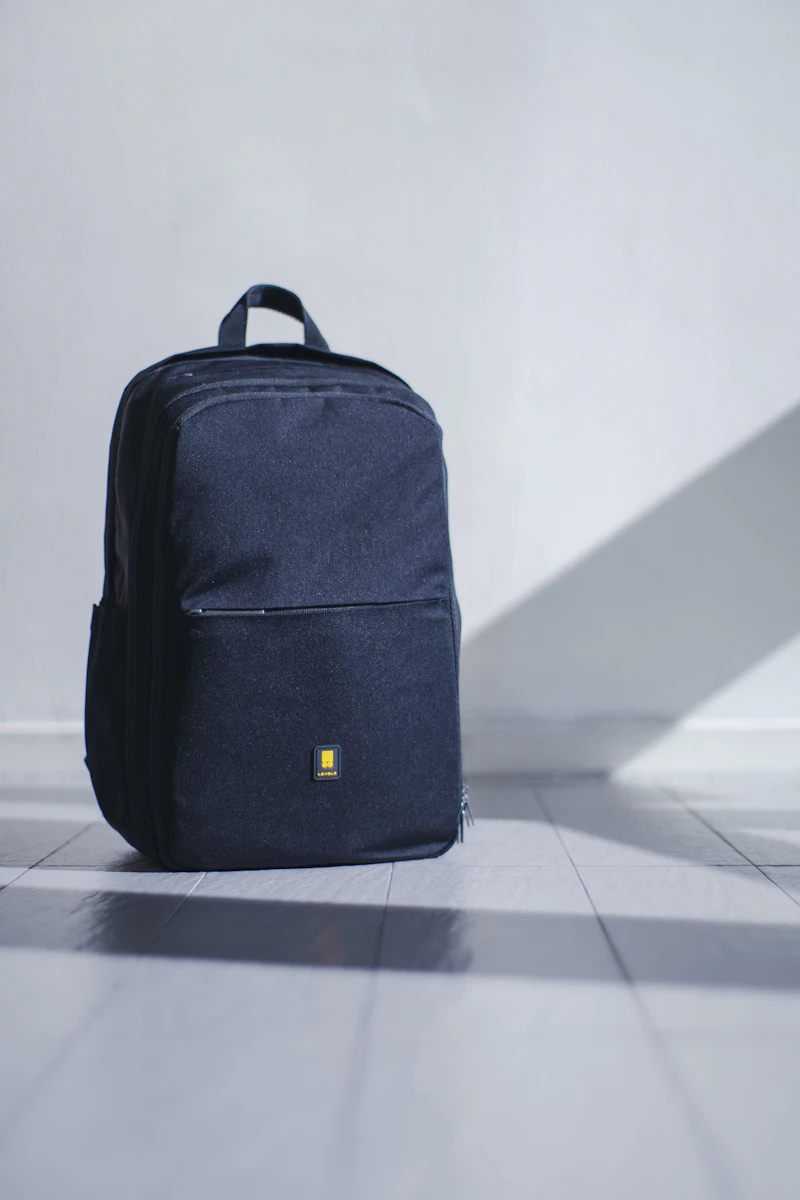
The custom men's backpack manufacturing industry has grown into a sophisticated global enterprise, combining advanced material science, precision engineering, and skilled craftsmanship to produce products that meet the exacting demands of modern consumers and brands. For B2B buyers, understanding the manufacturing process is essential for making informed decisions that affect product quality, cost efficiency, and time-to-market.
Custom backpack manufacturing encompasses everything from initial design consultation through material sourcing, pattern making, production, quality control, branding, packaging, and international shipping. Each stage requires specialized expertise and careful coordination to ensure that the final product meets the brand's specifications, quality standards, and timeline requirements.
At Junyuan Bags, we have refined this process over 20 years of serving international B2B clients. Our 15,000 square meter manufacturing facility in Quanzhou, China houses 8 production lines staffed by 200+ skilled craftspeople, producing over 200,000 backpacks annually for brands across 50+ countries. This guide draws on our extensive experience to provide practical, actionable information for B2B buyers at every stage of their journey.
Why Custom Manufacturing Matters
Off-the-shelf backpacks limit your brand to designs that everyone else can access. Custom manufacturing gives you complete creative control over every aspect of the product: dimensions, materials, colors, compartments, hardware, branding elements, and packaging. This differentiation is essential in a competitive market where consumers have thousands of options and brands must offer unique value propositions to stand out.
Custom manufacturing also enables strategic advantages in pricing and positioning. By controlling material selection and construction methods, you can engineer products that deliver optimal quality at specific price points, whether you are targeting the value segment ($25-50 retail), mid-range ($50-120), premium ($120-250), or luxury ($250+) market.
2. Types of Men's Backpacks for B2B Manufacturing
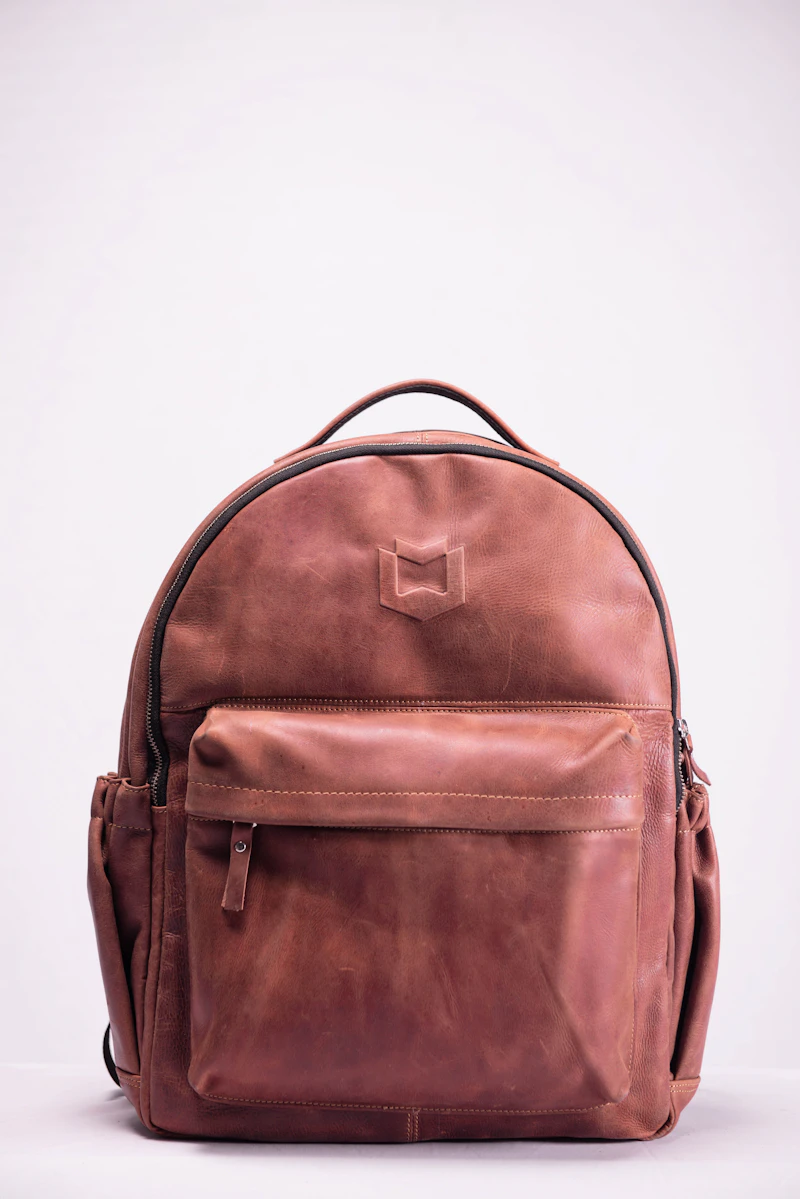
The men's backpack market spans diverse categories, each with distinct design requirements, material specifications, and target consumers. Understanding these categories helps B2B buyers identify the products that align with their brand positioning and market opportunity.
Business and Professional Backpacks
Business backpacks combine professional aesthetics with functional organization. Key features include dedicated laptop compartments (15-17 inches), tablet sleeves, document dividers, pen holders, and concealed pockets. Materials typically include 600-900D polyester or nylon with clean finishes, leather or faux leather accents, and metal hardware in brushed silver or gunmetal tones. Explore our business backpack collection.
Casual and Everyday Backpacks
Casual backpacks prioritize comfort, style, and versatility for daily use. They feature relaxed silhouettes, comfortable padded straps, and multiple compartments for everyday carry items. Materials range from cotton canvas for a heritage aesthetic to recycled polyester for eco-conscious consumers. View casual backpack options.
Luxury and Premium Backpacks
Luxury backpacks command premium prices through exceptional materials, meticulous craftsmanship, and exclusive design elements. Materials include full-grain leather, premium nylon with metallic finishes, hand-stitched details, and custom hardware. Construction involves significantly more labor hours and quality inspection points. Discover luxury backpack manufacturing.
Outdoor and Adventure Backpacks
Outdoor backpacks prioritize durability, weather resistance, and load-carrying comfort. They feature high-denier fabrics (1000-1680D), waterproof coatings, reinforced stress points, and ergonomic harness systems with hip belts. Technical features include hydration compatibility, gear attachment points, and rain covers. Explore outdoor backpack solutions.
Tech and Smart Backpacks
Tech backpacks integrate technology features including USB charging ports, RFID-blocking pockets, GPS tracking compartments, LED lighting, and solar panel integration. Materials must accommodate electronic components while maintaining flexibility and durability. Learn about tech backpack manufacturing.
Travel Backpacks
Travel backpacks feature carry-on compliant dimensions, clamshell opening for easy packing, anti-theft designs, compression systems, and multiple access points. Materials emphasize durability, water resistance, and professional appearance suitable for both adventure and business travel. View travel backpack options.
3. Material Selection and Sourcing

Material selection is arguably the most critical decision in backpack manufacturing, affecting cost, durability, weight, aesthetics, sustainability credentials, and ultimately customer satisfaction. A comprehensive understanding of available materials enables informed decisions that align with product requirements and market positioning.
Nylon Fabrics
Nylon remains the most popular backpack material due to its exceptional strength-to-weight ratio, abrasion resistance, and versatility. Available in denier ratings from 200D (lightweight) to 1680D (extreme duty), nylon fabrics serve every backpack category. Premium options include Cordura (industry-leading durability), ballistic nylon (military-grade strength), and ripstop nylon (tear-resistant lightweight construction). Learn more in our advanced fabric technologies guide.
Polyester Fabrics
Polyester offers excellent color retention, UV resistance, and cost efficiency. Recycled PET polyester (rPET), made from post-consumer plastic bottles, provides identical performance to virgin polyester while reducing environmental impact by 59%. Standard polyester in 420-600D offers the best performance-to-cost ratio for mid-range products.
Canvas and Natural Materials
Cotton canvas provides a heritage aesthetic prized by casual and lifestyle brands. Waxed canvas adds water resistance and develops a unique patina over time. Organic cotton and hemp blends serve sustainability-focused brands. These materials work best for casual, lifestyle, and fashion-oriented backpack categories.
Sustainable Material Options
The sustainable materials ecosystem has matured significantly. Beyond rPET polyester and recycled nylon, options now include ECONYL regenerated nylon, Piñatex pineapple leather, cork fabric, bio-based polyurethane foams, and PFC-free water repellent treatments. See our sustainable materials guide for detailed analysis.
4. Design and Product Development Process
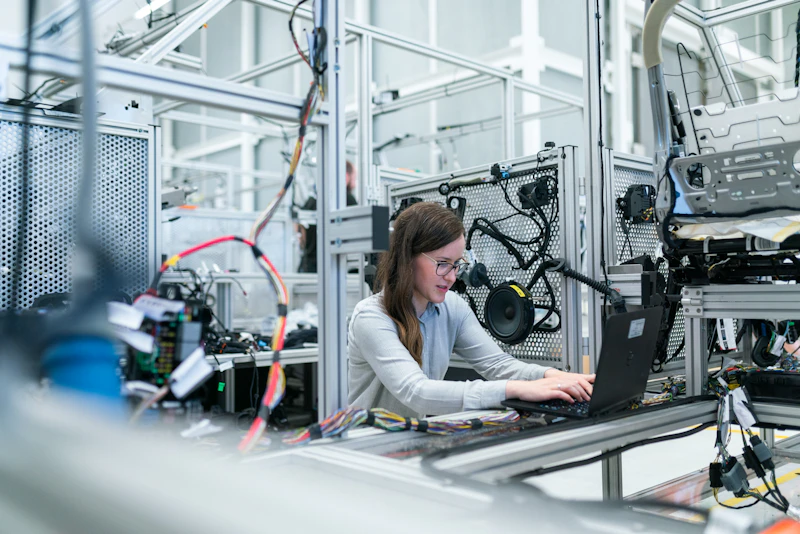
The design and development process transforms brand concepts into manufacturable products. A systematic approach ensures that designs meet aesthetic goals, functional requirements, quality standards, and cost targets before entering production.
Phase 1: Concept Development (3-5 days)
Beginning with detailed briefs covering target market, price point, use case, and brand identity, our design team creates initial concepts including sketches, material recommendations, and preliminary specifications. Digital 3D modeling allows rapid visualization and iteration before any physical materials are committed.
Phase 2: Technical Design (3-5 days)
Approved concepts progress to detailed technical specifications: precise dimensions, material callouts with supplier references, hardware specifications, compartment layouts, construction methods, and stitch specifications. Pattern making creates precise templates for each component, optimized for material efficiency.
Phase 3: Sampling (7-14 days)
Physical samples bring designs to life. First samples verify form, fit, and function. Clients evaluate samples against their requirements and request modifications. Second samples incorporate changes. Most designs reach approval within 2-3 sample iterations, though complex designs may require additional rounds.
Phase 4: Pre-Production (3-5 days)
Final approved samples serve as production standards. Pre-production meetings align all departments on specifications, quality standards, and timelines. Material procurement begins, and production line setups are prepared for efficient manufacturing.
5. Production Process and Quality Control
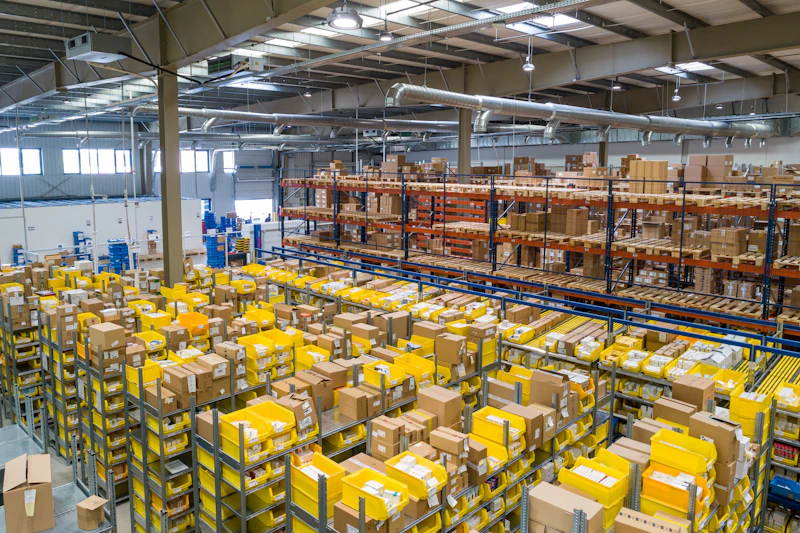
Professional backpack manufacturing follows a systematic production process with quality checkpoints at every stage. Understanding this process helps B2B buyers set realistic expectations and identify potential issues before they affect delivery.
Production Workflow
Our 8 production lines follow a standardized workflow: material inspection and release, computer-guided cutting, component preparation (edge folding, bar-tacking), sub-assembly sewing, main assembly, hardware attachment, finishing and trimming, quality inspection, and packaging. Each stage has defined quality standards and inspection protocols.
Quality Control System
Our 8-point quality inspection system covers: incoming material inspection, cutting accuracy verification, sub-assembly quality review, in-line production checks, final assembly inspection, functional testing (zippers, buckles, straps), dimensional verification, and pre-shipment audit. This comprehensive system maintains our defect rate below 0.3%, significantly better than the industry average of 2-3%. Learn about our commitment to quality on our about page.
Testing and Certification
In-house testing capabilities include tensile strength testing, seam strength testing, zipper cycle testing, abrasion resistance testing, colorfastness testing, and load capacity testing. Third-party lab testing is arranged for certification requirements including OEKO-TEX, REACH compliance, and market-specific regulations.
6. Branding and Customization Options
Custom branding transforms a generic backpack into a distinctive brand asset. Junyuan Bags offers comprehensive branding services that cover every visible and functional element of the product. Read our complete guide to B2B backpack customization.
Logo Application Methods
- Embroidery: Premium, durable logo application ideal for business and luxury backpacks
- Debossing/Embossing: Subtle branding on leather and synthetic leather surfaces
- Screen Printing: Cost-effective for large areas and complex graphics
- Rubber/Silicone Patches: Durable 3D branding elements for outdoor and casual products
- Metal Plates: Premium metal logo badges for luxury positioning
- Woven Labels: Internal branding on care labels and interior tags
Hardware Customization
Custom zipper pulls, branded buckles, embossed D-rings, and engraved metal hardware create brand touchpoints throughout the product. Minimum quantities for custom hardware typically start at 1,000 pieces per design, with costs amortized across the order quantity.
Packaging and Presentation
Custom packaging reinforces brand identity from the moment of unboxing. Options include branded boxes, dust bags, hang tags, care cards, branded tissue paper, and custom poly bags. Packaging design services are available for clients who need support creating packaging that reflects their brand values.
7. Certifications and Compliance
Industry certifications validate manufacturing quality, social responsibility, and product safety. They are essential for B2B credibility and market access, particularly for regulated markets in Europe, North America, and Australia.
Our Certifications
- BSCI (Business Social Compliance Initiative): Validates ethical manufacturing practices including fair wages, safe working conditions, and no child labor. Junyuan Bags holds AA rating, the highest available.
- ISO 9001:2015: International quality management standard ensuring consistent product quality through documented processes, continuous improvement, and regular audits.
- OEKO-TEX Standard 100: Certifies that materials are free from harmful substances, essential for products sold in European markets.
- REACH Compliance: EU regulation for chemical safety, ensuring all materials meet strict limits on hazardous substances.
8. Cost Analysis and Pricing
Understanding the cost structure of backpack manufacturing helps B2B buyers make informed decisions about materials, features, and order quantities. Read about market positioning strategies and how they affect pricing decisions.
Cost Breakdown by Category
- Materials: 35-45% of total unit cost. Varies dramatically by fabric type, quality grade, and quantity.
- Labor: 25-35% of total unit cost. Depends on construction complexity and finishing requirements.
- Hardware and Components: 10-15% of total unit cost. Zippers, buckles, foam, and miscellaneous components.
- Overhead and Margin: 15-20% of total unit cost. Factory operations, quality control, and manufacturer profit.
Price Ranges by Category
- Basic Polyester Backpacks: $5-8 per unit (500+ MOQ)
- Mid-Range Nylon Backpacks: $10-18 per unit (300+ MOQ)
- Premium Technical Backpacks: $20-45 per unit (300+ MOQ)
- Luxury Leather Backpacks: $45-100+ per unit (200+ MOQ)
9. Shipping and Logistics
International shipping and logistics require careful planning to ensure timely delivery while managing costs. See our comprehensive supply chain guide for detailed logistics information.
Shipping Options
- Sea Freight: Most economical. $0.50-1.50 per backpack. 25-35 days to Europe, 20-30 days to US. 20ft container holds 3,000-5,000 units.
- Air Freight: $3-6 per backpack. 5-7 days delivery. Suitable for urgent orders or new product launches.
- Express Courier: $8-15 per backpack. 3-5 days. Best for samples and small urgent orders.
Documentation and Compliance
We handle all export documentation including commercial invoices, packing lists, certificates of origin, and customs declarations. Our logistics team coordinates with freight forwarders and customs brokers to ensure smooth clearance at destination ports.
10. Choosing the Right Manufacturing Partner
Selecting the right manufacturing partner is the most important decision in your backpack business. The right partner delivers consistent quality, competitive pricing, reliable timelines, and collaborative innovation that drives your brand forward.
Key Evaluation Criteria
- Manufacturing Capability: Factory size, production lines, workforce skill level, and annual capacity
- Quality Systems: Certifications (ISO 9001, BSCI), defect rates, testing capabilities, and quality track record
- Experience: Years in business, number of clients served, diversity of products manufactured
- Communication: English language capability, response times, project management systems
- Flexibility: MOQ requirements, willingness to accommodate custom requests, scalability for growth
- Transparency: Willingness to share factory information, allow audits, provide references
Why Junyuan Bags
Established in 2004, Junyuan Bags brings 20 years of manufacturing excellence to every partnership. Our 15,000 sqm facility with 8 production lines and 200+ craftspeople produces 200,000+ backpacks annually for 500+ clients across 50+ countries. Our BSCI AA and ISO 9001:2015 certifications validate our commitment to quality and ethical manufacturing. Our defect rate below 0.3% demonstrates our precision and consistency. We invite you to contact our team or request a quote to begin your manufacturing partnership.
11. Common Mistakes to Avoid in Backpack Manufacturing
Working with B2B backpack manufacturers involves several potential pitfalls that can result in costly delays, quality issues, or unsatisfactory products. Understanding these common mistakes helps B2B buyers avoid them and ensure successful manufacturing partnerships that deliver products meeting brand standards and market expectations.
Inadequate Design Specifications
One of the most common mistakes is providing vague or incomplete design specifications. Simply sending a photo of a backpack and asking for "something similar" leads to misinterpretation, multiple sampling rounds, and frustrated expectations. Professional manufacturers require detailed Tech Packs including precise measurements (to the millimeter), material specifications with supplier references, color codes (Pantone numbers), hardware details, compartment layouts with dimensions, stitch specifications, and finishing requirements. The more detailed and precise your specifications, the more accurately the final product will match your vision.
Underestimating Lead Times
New B2B buyers often underestimate the time required for custom backpack manufacturing. From initial design through delivery, realistic timelines are 60-90 days for standard orders and 90-120 days for complex custom designs. Factors affecting timelines include design complexity, number of sampling iterations, material availability, production scheduling, and shipping method. Building buffer time into your planning prevents rushed decisions and additional costs for expedited production or shipping.
Prioritizing Price Over Quality
Selecting manufacturers based solely on lowest price is a recipe for disappointment. The cheapest option often means inferior materials, poor construction, unreliable delivery, and damaged brand reputation. The true cost of a backpack includes not just the unit price but also the cost of quality failures, customer returns, brand damage, and management time spent resolving issues. Investing in a quality manufacturer with proven certifications and track record delivers better long-term value even at higher unit prices.
Skipping Sample Evaluation
Some buyers rush to bulk production without thoroughly evaluating samples. Samples are your opportunity to identify issues before committing to large investments. Test samples rigorously: check stitching quality, test zippers through hundreds of cycles, load the backpack to capacity, assess material hand-feel and color accuracy, verify all dimensions against specifications, and evaluate packaging quality. Any issues found at the sample stage are cheap and easy to fix; the same issues found in bulk production are expensive and time-consuming.
Poor Communication Practices
Manufacturing partnerships require clear, consistent communication across time zones and language barriers. Establishing a single point of contact on each side, using visual references rather than text descriptions, confirming all changes in writing, and maintaining regular status updates prevent misunderstandings that lead to errors. Professional manufacturers provide project management dashboards and regular production updates to maintain transparency throughout the manufacturing process.
12. Future Trends in Backpack Manufacturing

The backpack manufacturing industry is evolving rapidly, driven by technological advances, changing consumer preferences, and increasing environmental awareness. Understanding emerging trends helps B2B buyers prepare for future product opportunities and manufacturing capabilities that will differentiate their brands in increasingly competitive markets.
Sustainability Becomes Standard
Within five years, sustainable materials and manufacturing practices will transition from differentiators to baseline requirements. Recycled materials will become the default rather than the exception, with virgin materials carrying a price premium for their environmental impact. Circular design principles will require manufacturers to consider end-of-life recyclability from the initial design stage. Brands that proactively embrace sustainability now will have established processes and supply chains that give them competitive advantages as regulations tighten and consumer expectations solidify.
Digital-First Product Development
3D digital sampling will reduce physical sampling requirements by 70-80%, with digital twins enabling virtual testing of designs before any materials are committed. Augmented reality will allow buyers to evaluate designs in context before production begins. AI-powered design tools will optimize material usage, predict performance characteristics, and generate design variations based on target specifications. These digital capabilities will compress development timelines from months to weeks while reducing material waste and development costs.
Mass Customization at Scale
Advances in automated manufacturing, digital printing, and modular design will enable true mass customization where every unit in a production run can be personalized without significantly increasing costs or lead times. Laser-cutting systems guided by individual specifications, automated sewing robots handling custom configurations, and digital finishing technologies will make it economically viable to produce custom backpacks in quantities as low as single units. This capability will open new business models including made-to-order programs, personalized corporate gifts, and limited edition collaborations produced on demand.
Smart Manufacturing Integration
Internet of Things (IoT) sensors, artificial intelligence, and robotics will transform factory floors into intelligent production environments. Real-time quality monitoring will catch defects at the moment they occur rather than during post-production inspection. Predictive maintenance will eliminate unplanned downtime. Machine learning algorithms will continuously optimize production parameters for efficiency and quality. These smart manufacturing capabilities will deliver measurable improvements in cost, quality, and speed that benefit both manufacturers and their B2B clients through better products at competitive prices.
13. Getting Started with Junyuan Bags
Starting your custom backpack manufacturing project with Junyuan Bags is straightforward. Our experienced team guides you through every step, from initial concept to final delivery. Here is how to begin:
Step 1: Initial Consultation
Contact us via email at info@mensbackpack.co.uk or WhatsApp at +8617750020688. Share your project requirements including target market, product category, estimated quantities, quality expectations, and timeline. Our team will respond within 24 hours with initial recommendations and next steps.
Step 2: Design Development
Our design team works with you to develop detailed specifications, create 3D digital prototypes, and select optimal materials. This collaborative process typically takes 5-10 days and results in comprehensive Tech Packs ready for sampling.
Step 3: Sampling and Approval
Physical samples are produced and shipped for your evaluation. Review samples against your specifications, request any modifications, and approve the final sample for production. Sample turnaround is 7-14 days with revision cycles of 5-7 days each.
Step 4: Production and Delivery
Once samples are approved, bulk production begins. Regular updates keep you informed of progress. Upon completion, products undergo final quality inspection before packaging and shipping. Sea freight to Europe takes 25-35 days, to the US 20-30 days. Air freight options are available for urgent deliveries.
Throughout this process, your dedicated account manager serves as your single point of contact, coordinating between design, production, quality, and logistics teams to ensure seamless execution. Request your free quote today and discover why 500+ brands worldwide trust Junyuan Bags for their backpack manufacturing needs.
14. Understanding Quality Standards in Backpack Manufacturing
Quality in backpack manufacturing encompasses multiple dimensions that collectively determine whether a product meets expectations and maintains its integrity throughout its intended service life. Understanding these quality dimensions helps B2B buyers communicate their requirements precisely and evaluate manufacturers based on objective criteria rather than subjective impressions.
Material Quality Parameters
Material quality is measured through standardized testing protocols that quantify key performance characteristics. Tensile strength measures the force required to break fabric, expressed in Newtons per 5cm width. Tear strength measures resistance to tear propagation. Abrasion resistance counts cycles before fabric breakthrough. Colorfastness evaluates resistance to fading from light exposure, washing, and rubbing. Water resistance is measured by hydrostatic pressure in millimeters before leakage occurs. Each parameter has minimum acceptable values depending on the backpack category and intended use environment.
Construction Quality Standards
Construction quality is evaluated through visual inspection and functional testing. Stitch density requirements specify minimum stitches per inch (typically 8-10 for nylon, 6-8 for heavy fabrics) ensuring seam integrity. Seam strength testing pulls seams apart to verify they meet minimum force requirements (typically 70-150 Newtons depending on application). Zipper durability testing cycles zippers through thousands of open-close operations to verify longevity. Buckle and hardware testing verifies break strength and fatigue resistance. Dimensional accuracy checks confirm all measurements are within specified tolerances (typically plus or minus 5mm for dimensions, plus or minus 2mm for pocket positions).
Finishing Quality and Aesthetics
Finishing quality affects both product appearance and longevity. Thread trimming should leave no loose ends exceeding 3mm. Edge finishing should be clean and consistent. Glue application (where used) should be invisible and not bleed through to visible surfaces. Color consistency across production batches should remain within Delta E 2.0 color difference tolerance. Print and embroidery quality should show sharp edges, consistent density, and no bleeding. These finishing standards differentiate premium products from basic ones and contribute to the perceived quality that justifies higher price points in the market.
Testing and Certification Requirements
Different markets require different certifications and testing standards. European markets require REACH compliance for chemical safety and may require CE marking for certain features. North American markets may require CPSIA compliance for products marketed toward younger demographics. Australia and New Zealand have their own safety standards. Beyond regulatory requirements, brand-specific quality standards often exceed regulatory minimums. Junyuan Bags maintains testing capabilities for all major international standards and can arrange third-party certification through accredited laboratories as needed for specific market requirements.
15. Conclusion and Next Steps
This comprehensive guide covers every aspect of custom men's backpack manufacturing, from initial concept through material selection, design development, production, quality control, branding, logistics, and partnership management. Whether you are launching a new backpack brand, expanding an existing product line, or seeking a new manufacturing partner, the information in this guide provides the foundation for making informed decisions that lead to successful outcomes.
The key takeaways are clear: custom manufacturing requires detailed specifications and clear communication; material selection should balance performance, cost, and sustainability goals; quality control must be systematic and rigorous throughout every production stage; certifications provide essential credibility and market access; and choosing the right manufacturing partner is the single most important decision affecting your brand's success in the competitive backpack market.
Junyuan Bags stands ready to support your custom backpack manufacturing needs with 20 years of experience, BSCI and ISO 9001:2015 certified quality management, 8 production lines producing 200,000+ units annually, and a commitment to excellence reflected in our less than 0.3% defect rate. We invite you to explore our product categories, read our detailed articles on manufacturing topics, and contact our team to discuss how we can support your brand's growth through quality custom backpack manufacturing.
Ready to begin? Request a free quote today and take the first step toward creating exceptional men's backpacks that your customers will love and your brand will be proud of. Our team responds to all inquiries within 24 hours with personalized recommendations based on your specific requirements, timeline, and budget.
Frequently Asked Questions
What is the minimum order quantity (MOQ) for custom backpack manufacturing?
The minimum order quantity varies by manufacturer and design complexity. Junyuan Bags offers flexible MOQs starting from 300 units per design for standard backpacks and 500 units for fully custom designs. Sample orders of 1-5 units are available for design validation before committing to bulk production. Lower MOQs may be available for repeat orders of established designs.
How long does custom backpack manufacturing take from design to delivery?
The complete timeline from initial design concept to final delivery typically spans 60-90 days. This includes design development (5-7 days), sampling (7-14 days), approval and revisions (5-7 days), bulk production (30-45 days), quality inspection (2-3 days), and international shipping (25-35 days by sea). Rush production is available for time-sensitive projects.
What materials are available for custom backpack manufacturing?
Junyuan Bags offers over 200 material options including nylon (200D-1680D, Cordura, ballistic), polyester (recycled PET, standard), canvas, recycled fabrics, leather alternatives, and advanced technical fabrics. Materials are selected based on durability requirements, weight targets, sustainability goals, and budget constraints.
What certifications should a backpack manufacturer have?
Essential certifications include BSCI for ethical manufacturing, ISO 9001:2015 for quality management, OEKO-TEX for material safety, and REACH compliance for European markets. Additional certifications like GRS for recycled materials and Sedex for supply chain transparency add further credibility.
How much does custom backpack manufacturing cost per unit?
Basic polyester backpacks start at $5-8 per unit (500+ MOQ). Mid-range nylon backpacks range from $10-18 per unit. Premium technical backpacks range from $20-45 per unit. Luxury backpacks range from $45-100+ per unit. Volume discounts apply for larger orders.
What customization options are available for backpack branding?
Comprehensive branding options include embroidered/debossed logos, custom zipper pulls, branded hardware, custom lining fabrics, woven labels, hang tags, custom packaging, rubber patches, and metal logo plates. Full OEM services allow complete design control.
What quality control processes are used in backpack manufacturing?
Professional manufacturers implement multi-stage QC including incoming material inspection, in-line production checks, pre-shipment inspection, and third-party testing. Junyuan Bags maintains a defect rate below 0.3% through rigorous 8-point inspection protocols.
Can I visit the factory before placing an order?
Absolutely. Factory visits are encouraged and can be arranged with 2-3 weeks notice. Virtual factory tours via live video are also available for clients who cannot travel to China.
How do I protect my backpack design intellectual property?
Design protection begins with a comprehensive NDA signed before sharing design details. Junyuan Bags maintains strict confidentiality protocols and never reuses proprietary designs for other clients. Additional protection through design patent registration is recommended.
What shipping and logistics options are available?
Sea freight is most economical at $0.50-1.50 per backpack (25-35 days to Europe/US). Air freight costs $3-6 per unit (5-7 days). Express courier costs $8-15 per unit (3-5 days). We handle all export documentation and customs coordination.
Ready to Start Your Custom Backpack Project?
Partner with Junyuan Bags — 20 years of manufacturing excellence, BSCI & ISO certified, serving 500+ brands worldwide.