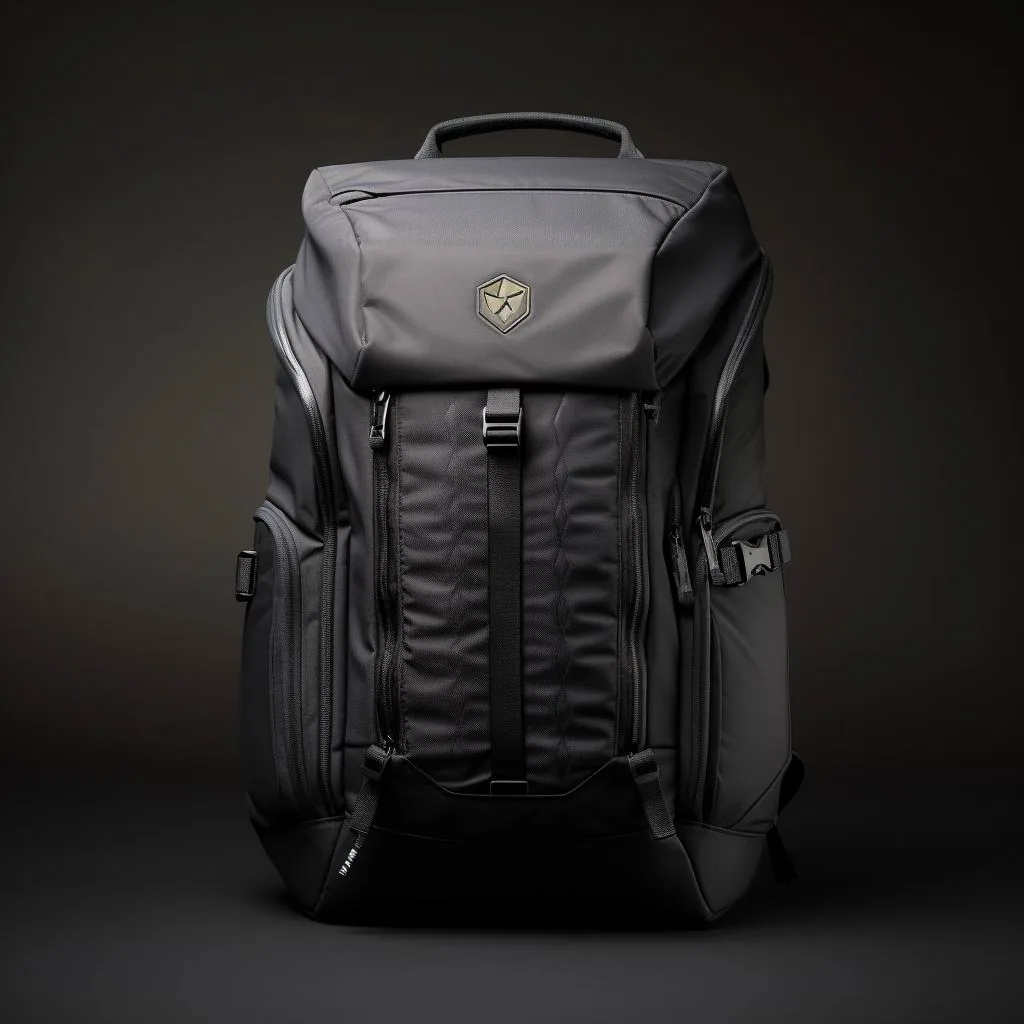
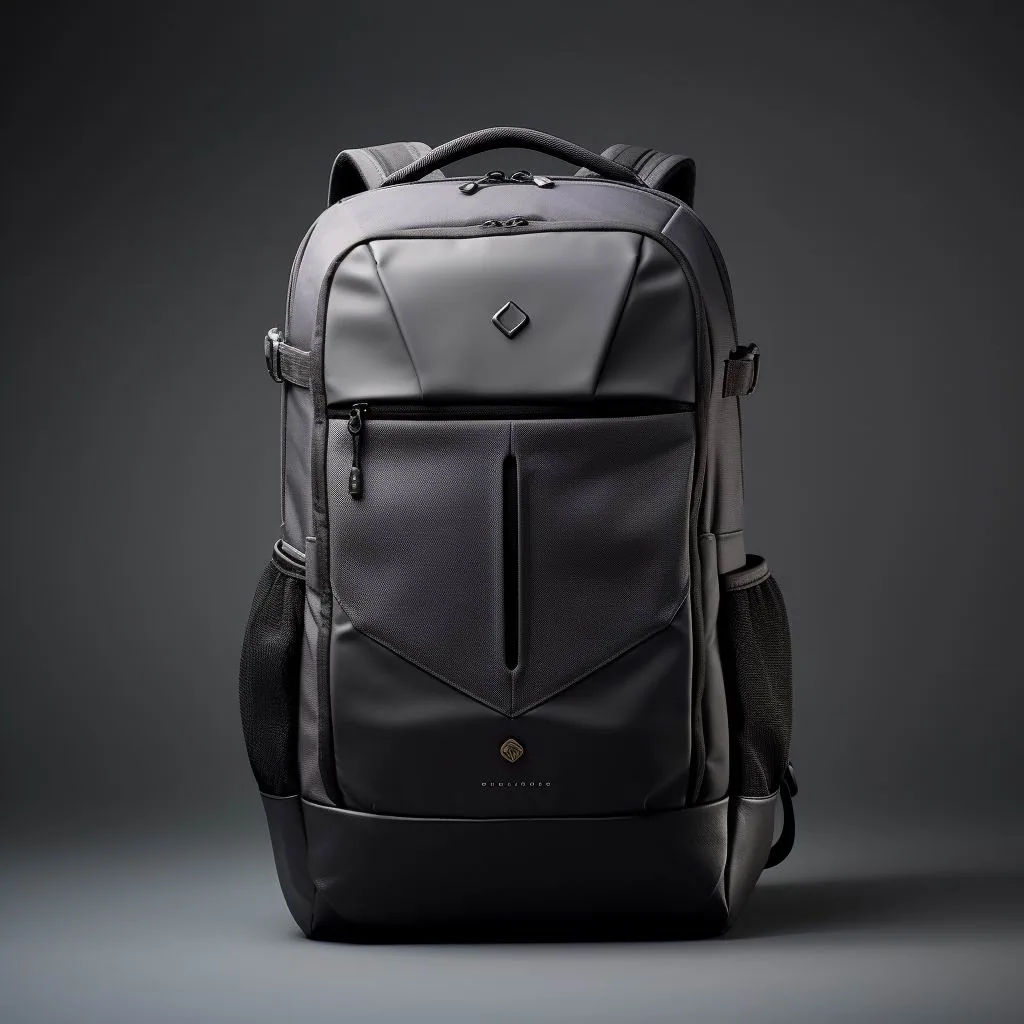
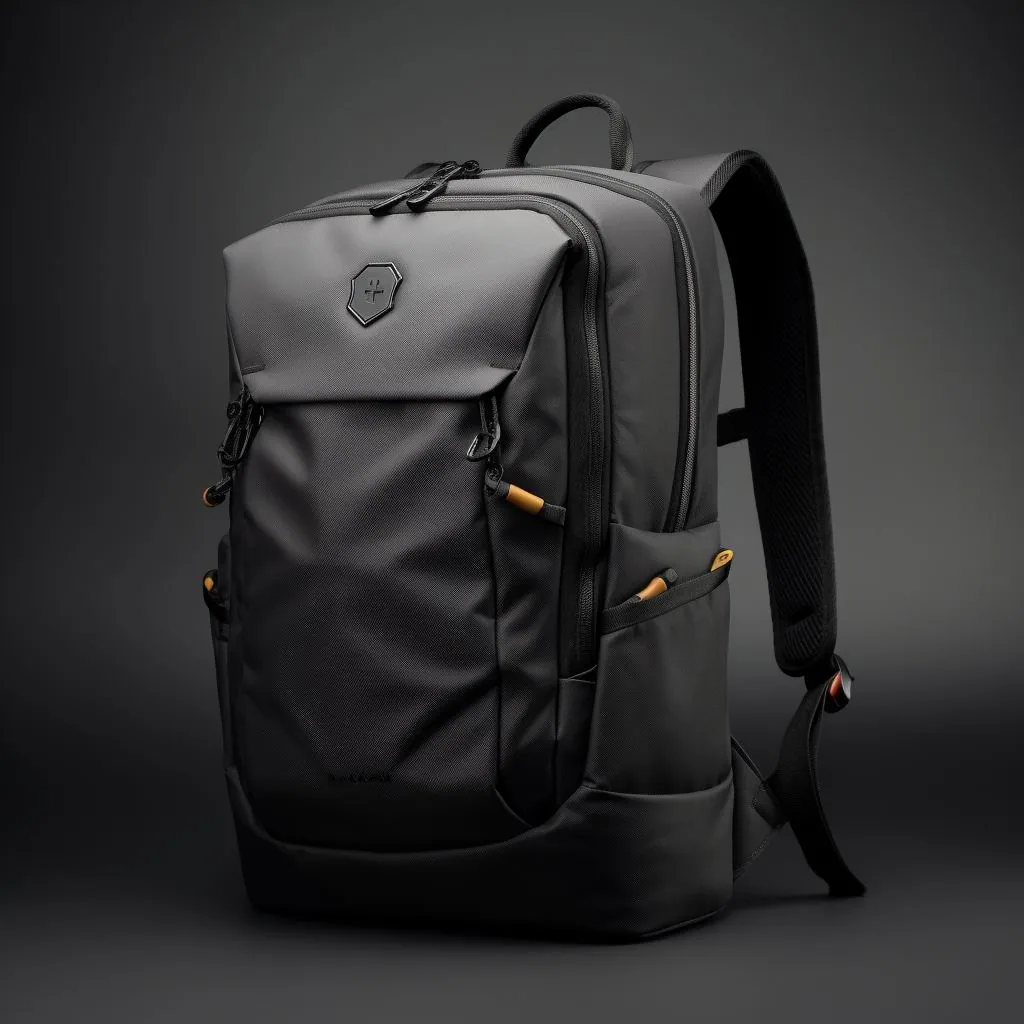
Durable and versatile backpacks designed for travelers, adventurers, and explorers who need reliable gear for their journeys.
Our Travel & Adventure Backpacks are engineered for the modern explorer. Whether you're backpacking through Europe, hiking mountain trails, or embarking on a business trip, these backpacks provide the perfect balance of durability, comfort, and organization.
For a two-week trip, choose a 45-55 litre travel backpack. That capacity holds a week of clothing, a wash bag and a 15-inch laptop while staying close to the 55 x 35 x 25 cm cabin gauge used by most UK airlines. Packs under 40 litres force daily laundry, while anything above 65 litres encourages overpacking and excess weight charges. Most British travellers find 50 litres the sweet spot: enough for two weeks with one laundry stop, and still light enough to lift into an overhead bin unaided.
Pick a 40-50 litre backpack with lockable zippers, a hidden rear passport pocket and a detachable 10-15 litre daypack for city stops. Rail travel means lifting your bag onto overhead racks repeatedly, so keep loaded weight near 10 kg. A ventilated back panel also matters on unairconditioned intercity trains during summer. Interrailing from the UK typically involves four to six train changes, so a pack weighing under 2.2 kg empty saves real effort over a fortnight.
Yes, a 35 litre backpack covers a UK week if you pack three outfits and launder midweek. It sits comfortably inside the 55 x 35 x 25 cm cabin allowance most British carriers apply and keeps loaded weight near 8 kg. Add a packable daypack for day trips and you avoid checked-bag fees entirely. Compression straps pull the load in tight once you shed layers and keep the bag from rattling on trains.
Most UK and European carriers accept a cabin backpack around 55 x 35 x 25 cm, which corresponds to roughly 40-45 litres of usable space. Ryanair's free under-seat allowance is tighter at 40 x 20 x 25 cm, so budget flyers should travel with a 20 litre pack. Always measure your bag at home with a tape measure rather than trusting the litre figure printed on the label, because dimensions vary between brands.
A well-built 35-65 litre travel backpack weighs 1.8-2.5 kg empty. Anything above 2.5 kg eats into a 10 kg cabin allowance before you pack a single item. Lightweight ripstop polyester shells sit near 1.8 kg, while feature-rich models with detachable daypacks and lockable zippers reach the 2.5 kg mark. Check the empty weight on the specification sheet before you buy, because every extra kilogram of bag is a kilogram less of clothing and kit on UK flights.
Ripstop nylon or ripstop polyester with a DWR coating suits British weather best. The ripstop grid stops small tears spreading when your bag is dragged through stations, and DWR sheds the drizzle that affects much of the UK year-round. Carry a rain cover for sustained downpours lasting more than 30 minutes. Choose a denier rating of 300D or higher, since thin 200D shells scuff through on platforms within a season.
Yes, a 40-45 litre travel backpack replaces a cabin suitcase on trips of up to five days. Look for a dedicated 15-inch laptop sleeve, a flat-packing compartment for shirts and lockable zippers. You keep both hands free, skip the baggage carousel and stay within the 55 x 35 x 25 cm UK cabin allowance. A rear-access laptop compartment also speeds you through airport security without unpacking the whole bag.
Adjustable torso length lets one backpack fit travellers from 165 cm to 190 cm tall. Moving the harness repositions the hip belt on your iliac crest so roughly 80 percent of the load transfers to your hips rather than your shoulders. Without it, a 10 kg load causes neck and lower-back pain within two hours. Most adjustable harnesses offer three torso settings, which also lets two people share one bag on a UK trip.
Yes, lockable zippers are worth having for hostel and shared-accommodation travel. They accept a small padlock and deter opportunistic theft in dormitories and on overnight trains. Combine them with a hidden rear pocket for your passport and cards, keeping documents unreachable while you sleep or shower. Use a 3-digit combination lock costing about £6 rather than a key you can lose, and keep the bag within arm's reach on British trains.
A travel backpack built from ripstop nylon with reinforced stress points lasts five to ten years of regular use, and these travel models carry a three-year warranty. Hardware usually fails before the fabric does, so inspect zippers and buckles every year. Reapplying the DWR coating every 12 months restores water repellency. Rinse off grit and salt after British winter trips, since trapped dirt abrades fabric from the inside.
Travel backpacks in the 35-65 litre range open flat like a suitcase, with front panel access, lockable zippers and a laptop sleeve. Hiking packs are taller and narrower, load from the top and prioritise ventilation. For city and rail travel the flat-opening design saves unpacking time every single night. Hiking packs also sit higher on your back for load transfer, which makes them awkward in crowded British carriages.
Yes, a detachable 10-15 litre daypack is genuinely useful on city breaks. You leave the main 50 litre bag at the hotel and carry water, a camera and a light jacket for the day. Check that the clips hold firmly, since attachment points are usually the first component to fail after two years of travel. Look for hardware rated to at least 5 kg so the daypack does not sag when fully loaded on a UK city break.
Pack a 55 litre backpack in three zones: heavy items against your spine at mid-back, clothing rolled in packing cubes filling the gaps, and daily essentials in the top lid. Rolling saves around 30 percent of the space folding needs. Keep total loaded weight under 12 kg to stay mobile through airports and stations. Weigh the finished pack on bathroom scales before leaving; most UK travellers overpack by about 3 kg and pay £40 or more in excess fees.
A DWR coating handles light to moderate UK rain for roughly 20-30 minutes before water begins to wet through the face fabric. For sustained downpours, deploy a rain cover or use a dry liner inside the main compartment. DWR also needs reapplying about once a year to stay effective. British drizzle is persistent rather than heavy, so breathability matters nearly as much as outright waterproofing.
Look for lockable main-compartment zippers, a hidden rear passport pocket, RFID-blocking card slots and cut-resistant panels. Travellers on the London Underground and European night trains face pickpocket risk, so keep valuables in the rear pocket against your back rather than in external mesh pockets. A 3-digit combination lock costs around £6, and a slash-resistant liner adds roughly £15 to the price of a bag.
A reliable 35-65 litre travel backpack costs £60-£120 in the UK retail market, while bulk orders through our vetted partner facilities run $20-45 USD per unit at a 500-piece minimum. Spending under £50 usually means thinner fabric and unbranded zippers that fail within 18 months. Mid-range models near £80 typically add YKK hardware and a 3-year warranty that survives daily use.
For trips longer than three weeks, prioritise 55-65 litre capacity, a ventilated back panel, adjustable torso length, compression straps and a detachable daypack. Keep loaded weight near 12 kg. Reinforced stitching at strap roots and a three-year warranty protect you when the bag is handled daily. Check that the main zipper is YKK or equivalent, because a failed zip mid-trip can end a journey. UK retailers will usually repair or replace a bag still inside its warranty period.
A 65 litre backpack usually exceeds the 55 x 35 x 25 cm cabin gauge used by most UK airlines, so it must be checked or gate-checked. Compression straps reduce depth but rarely enough to pass a rigid sizer. A 65 litre pack suits overland and rail travel far better than budget flights. Weigh it empty too: at 2.5 kg it leaves little room before a 10 kg cabin limit.
Capacity for a men's travelling backpack should be set by trip length first and by airline allowance second, because the two pull in opposite directions and the allowance is the harder constraint. Get this wrong and you either pay excess fees or do laundry every second night.
A 35-litre pack covers three to four days: three outfits, a wash bag, a 15-inch laptop and a light jacket, with a mid-week laundry stop. Loaded weight lands near 8 kg, which is comfortable for a rail journey with two changes. A 45 to 55-litre pack covers two weeks with one laundry stop, which is the range most British travellers should be buying for a European trip; loaded weight lands near 10 to 11 kg. A 65-litre pack covers a month or an overland trip, but it is the size at which cabin allowances stop applying and checked-bag fees start.
Empty weight is the number that eats your allowance before you pack anything. Our travel range runs 1.8 to 2.5 kg across 35 to 65 litres; a lightweight ripstop polyester shell sits near the bottom and a feature-rich model with a detachable daypack and lockable zips near the top. Every extra 500 g of bag is 500 g less of clothing within a 10 kg cabin limit, and on a £40 excess charge per leg that is a real cost.
Loaded weight is the other half. A 55-litre pack loaded to 12 kg is 15 to 17 percent of body weight on a 75 kg adult and is manageable for 30 minutes of walking but tiring over a full day of sightseeing. Above 13 kg, look at what can be shipped ahead or left behind. Compression straps help here not by reducing volume but by pulling the load inward close to your spine, which reduces the lever effect on your shoulders by a noticeable margin on a long transfer.
Our travel range spans 35 to 65 litres at 55 x 35 x 25 cm. If you fly more than twice a year on a budget carrier, buy 40 litres and travel light. If you travel mainly by rail or take one long trip a year, buy 55 to 65 litres and use the space.
UK cabin allowances are not standardised, and the gap between the most and least generous is large enough to change which bag you should buy. The mistake travellers make is trusting the litre figure printed on the label; allowances are expressed in millimetres and weight, and a soft bag compressed by its straps can pass a sizer that the same bag uncompressed cannot.
Measure your own bag at home with a tape measure, packed as you intend to travel, and record height, width and depth in millimetres. Compare that against the carrier you fly most often, not against the most generous one. Note that depth is where packs fail: a 50-litre travel pack is typically 30 to 35 cm deep when fully loaded, against a 25 cm allowance, and no amount of compression will recover 8 cm of rolled clothing.
| Carrier / operator | Allowance | Dimensions (mm) | Usable litres | Notes for a men's travelling backpack |
|---|---|---|---|---|
| British Airways | Cabin bag plus personal item | 560 x 450 x 250 | 50-55 L | Generous; a 55 L pack fits if compression straps are pulled in |
| easyJet | Small cabin bag, free | 450 x 360 x 200 | 28-32 L | Large cabin bag up to 560 x 450 x 250 is a paid upgrade |
| Ryanair | Under-seat bag, free | 400 x 200 x 250 | 18-20 L | Tightest UK allowance; a 20 L pack or a priority booking |
| Jet2 | Cabin bag | 560 x 450 x 250 | 50-55 L | 10 kg weight limit is the binding constraint, not dimensions |
| Eurostar | Two bags plus hand luggage | No hard sizer | 55-65 L | Must be liftable unaided onto overhead racks |
| UK rail (LNER, Avanti) | Luggage racks | No hard sizer | 65 L | Rack height and your own lifting strength govern the choice |
Weight is often the binding constraint rather than dimension. Jet2 and most UK carriers apply a 10 kg cabin weight limit, and a 55-litre pack at 2.5 kg empty leaves only 7.5 kg of kit, which sounds generous until a 2 kg laptop, a 1 kg wash bag and 3 kg of clothing are in it. Weigh the finished pack on bathroom scales before leaving for the airport; most British travellers overpack by about 3 kg, and excess charges start around £40 per leg.
For rail travel the constraints are different and more forgiving. Eurostar permits two bags plus hand luggage with no hard sizer, and UK intercity operators provide overhead racks and end-of-carriage spaces with no dimension check at all. The practical limits are rack height and your own ability to lift the bag unaided, which is why a 12 kg pack and a 190 cm rack are a bad combination.
British weather is persistent rather than extreme, and a travel backpack for UK use has to handle drizzle lasting an hour rather than a tropical downpour lasting ten minutes. That distinction changes what you should specify, because breathability and seam construction matter as much as the coating.
A durable water-repellent finish is a surface treatment that makes water bead and roll off the face fabric. It handles light to moderate rain for roughly 20 to 30 minutes before the face fabric begins to wet out, after which the bag feels damp even though nothing has leaked through. DWR is not permanent: it degrades with abrasion and contamination, and it should be replenished about once a year with a spray-on or wash-in reproofer, or after roughly 20 wash cycles.
Resistance to water penetration under pressure is measured as a hydrostatic head, in millimetres of water column, by ISO 811. A shell at 1,000 mm resists light rain; 1,500 to 3,000 mm is the practical travel specification; 5,000 mm and above is a genuinely waterproof laminate. Resistance to surface wetting from a spray is measured separately, by methods published by AATCC, and reported as a spray rating from 0 to 100. Both numbers should appear on a specification sheet for a UK travel programme.
Coatings have a service life that British buyers consistently underestimate. Polyurethane coatings hydrolyse after roughly three to five years, particularly in a humid climate, producing the tacky, powdery interior that ends a bag's life; TPU laminates resist hydrolysis and stay flexible in the cold. For a bag expected to last beyond five years, specify TPU. Denier also matters: choose 300D or higher, because a 200D shell scuffs through on station platforms within a season.
None of this makes a backpack waterproof at the seams. Water enters through zip tape and through needle holes long before it penetrates the face fabric, so a rain cover is worth carrying: a 190T polyester cover weighing 90 to 150 g packs into its own pocket, deploys in about 20 seconds, and turns a shower-resistant bag into a dry one during a sustained downpour. Our travel range pairs a DWR coating with water-resistant zips and a cover pocket for that reason.
Harness fit is the difference between a travel backpack you can carry all day and one that hurts after two hours, and it is the specification most buyers never check. The mechanism is simple: a properly fitted harness moves about 80 percent of the load onto the hips, and a badly fitted one leaves most of it on the shoulders.
Torso length is the measurement that matters, not height. Measure from the C7 vertebra, the bony bump at the base of the neck, down the spine to the top of the iliac crest, level with the top of the hip bones. On most men that distance is 45 to 55 cm, and it maps to a small, medium or large harness. An adjustable harness covers a 165 to 190 cm range in three settings, which lets one bag fit two people travelling together and lets a single stock-keeping unit serve a wider UK retail range.
The hip belt does the work and must sit on the iliac crest, not on the waist. If the belt rides on the soft tissue above the hips it cannot transfer load and it will chafe within an hour; if it sits below the crest it slides down under weight. Load the bag to 10 kg before adjusting, because an unloaded harness settles differently, and tighten the belt so it takes weight before the shoulder straps are snugged.
Shoulder straps should be 60 to 75 mm wide with 10 to 12 mm of closed-cell foam on a travel bag, wider than on a business pack because the load is higher. Load lifters above the straps should be tightened to roughly 45 degrees, pulling the top of the bag toward your shoulders and stopping it levering backward; on a 12 kg load they are worth more than any other single adjustment.
Ventilation matters more on a travel bag than on any other category, because it is carried for hours rather than minutes. A suspended mesh panel holding the bag 10 to 20 mm off the back reduces sweating substantially on an unairconditioned intercity train in summer, at the cost of pushing the centre of mass backward. For a UK summer trip with a 10 kg load, that trade is usually worth making.
How a travel backpack opens determines how much time you spend unpacking it. This is the clearest functional difference between a travel pack and a hiking pack, and it is the feature that matters most on a multi-stop trip.
A front panel or clamshell opening lets the bag open flat like a suitcase, so everything is visible at once and nothing has to be dug out from the bottom. A top-loading pack is more weather-resistant and slightly lighter, but on a two-week trip with six accommodation changes it costs roughly five minutes per stop, which is half an hour of a holiday. For rail and city travel, panel access wins decisively.
Packing cubes are the accessory that changes the arithmetic. A set of three cubes, typically 4, 8 and 12 litres, compresses clothing into blocks that fill the irregular space inside a pack far better than loose items do. Rolling rather than folding saves around 30 percent of the volume a folded stack needs, and combining rolling with cubes typically gets a two-week wardrobe into 45 litres rather than 55.
Compression straps are frequently misunderstood. They do not meaningfully reduce the packed volume of a full bag; what they do is pull the load inward and stop it shifting, which reduces the lever arm on your shoulders and stops the bag from swinging on a station platform. Four straps, two per side, is the useful configuration. A bag with only two straps will let the load settle into the bottom and sway.
Zone the load by weight rather than by category. Heavy items, meaning the wash bag, the charger brick and any camera body, go against your spine at mid-back height; clothing fills the space around and in front of them; daily essentials, meaning passport, tickets, medication and a light jacket, go in the top lid or the detachable daypack. That distribution keeps the centre of mass close to your back and high, which is what makes 12 kg feel like 10.
A detachable 10 to 15-litre daypack is genuinely useful rather than a gimmick, provided the attachment is specified properly: clips rated to at least 5 kg, bar-tacked into a reinforced panel rather than stitched into a seam. Attachment points are the first component to fail on a travel bag after two years, and they are the cheapest thing to over-specify at the sampling stage.
Travel security is mostly about reducing opportunity, on overnight trains and in shared dormitories rather than on the street. The features that help are the ones that make a quick, quiet reach difficult, and none of them is expensive.
Lockable main-compartment zips are the baseline. A number 10 coil zip with interlocking sliders accepts a small three-digit combination lock costing about £6, which deters the opportunistic opening of a bag on a luggage rack while you are asleep or in the buffet car. Use a combination rather than a key, because a lost key turns a security feature into a problem, and set a code you will remember rather than writing it down on the bag.
A hidden rear pocket is the second tier and the most useful single feature. Because it sits against your back, it cannot be reached while you are wearing the bag, which makes it the correct place for a passport, a bank card and a backup card stored separately. A UK passport measures 125 x 88 mm, so the pocket needs to be at least 150 x 110 mm to be usable; anything smaller and the passport will not lie flat.
RFID shielding in that pocket prevents a contactless card at 13.56 MHz being read while it is in the bag, which is a genuine if low-frequency risk on a crowded service. Treat it as a convenience. A cut-resistant liner is a heavier proposition: it adds 120 to 200 g and roughly £15 of cost and resists a casual slash rather than a determined one, which for most UK and European travel is poor value against the weight.
Habits matter more than hardware. On a British intercity service, keep the bag within arm's reach or in the rack nearest your seat rather than in the vestibule at the end of the carriage. In a hostel, lock the main compartment and take the bag to the shower with you rather than leaving it under a bunk. Keep a photograph of your passport on your phone and a second card in a separate pocket, so one loss does not end the trip.
A travel backpack programme for a British retailer or a travel brand is a longer, heavier build than a commuter bag, and the cost structure reflects that: more fabric, more hardware, more sewing minutes and a larger carton. Understanding where the money goes is what makes a specification discussion productive.
Standard programme parameters are MOQ 500 pcs per colourway, sampling 6-10 working days for a conventional construction and 12 to 15 working days for a build with a moulded back panel, a bespoke frame sheet or custom hardware, bulk production 35-50 days from pre-production approval, and pre-shipment inspection to AQL 2.5 (ISO 2859-1). AQL is the acceptance quality limit defined in ISO 2859-1; at general inspection level II a 3,000-piece order draws a 125-unit sample with 7 defects allowed and 8 triggering rejection.
Unit prices on the travel range run £16 to £36 depending on shell, hardware and volume, against a UK retail price of £60 to £120 for a comparable 35 to 65-litre pack. Fabric is the largest line at roughly 30 percent of unit cost, because a 55-litre bag consumes 2.6 to 3.4 metres of shell fabric plus 1.8 to 2.4 metres of lining. Labour is about 18 percent, and a travel bag takes 35 to 55 minutes of sewing time against 18 to 25 for a simple daypack.
Testing should be specified by number. Abrasion resistance to ISO 12947 at a minimum of 20,000 cycles for a travel shell, water resistance to ISO 811 at a minimum 1,500 mm hydrostatic head, and spray rating by the methods published by AATCC. Colour fastness to rubbing should reach a grey-scale rating of 4 or better, because a dark travel pack that crocks onto a light shirt generates returns.
Landed cost needs duty and VAT from the first quote. UK import duty on backpacks commonly runs 3 to 12 percent depending on commodity code and outer surface material, import VAT is charged at 20 percent at entry and is recoverable as input tax by a VAT-registered business, and sea freight from Xiamen to a UK port takes roughly 25 to 35 days plus 3 to 7 days for clearance. Compliance sits with the economic operator placing the goods on the Great Britain market, and the UKCA marking guidance sets out what must be held where a regulated component is involved.
Our SGS-verified production base builds the pre-production sample on the production line from bulk-booked materials, and that signed sample is the reference the bulk order is inspected against. Our production team can adjust capacity, colourway, strap configuration and hardware at the sample stage, which is the only point in a programme where those changes are free.