Table of Contents
- What Is the Best School Backpack for Men at Sixth Form or University?
- Which Capacity Do You Need: 22L, 28L or 34L?
- Fit, Straps and Back Health for Students
- Best for Sixth Form and A-Level Study: 20-26L Packs
- Best for University and Campus Days: 28-32L Packs
- Best for STEM, Medical and Engineering Courses
- Laptop and Tech Protection on Campus
- Which Fabric Survives a British Academic Year?
- Organisation, Security and the Bike or Bus Commute
- British Weather: The Walk to a 9am Lecture
- Price Bands in GBP, Warranty and Student Value
- Society Merch, Freshers' Kits and Bulk Orders
- Frequently Asked Questions
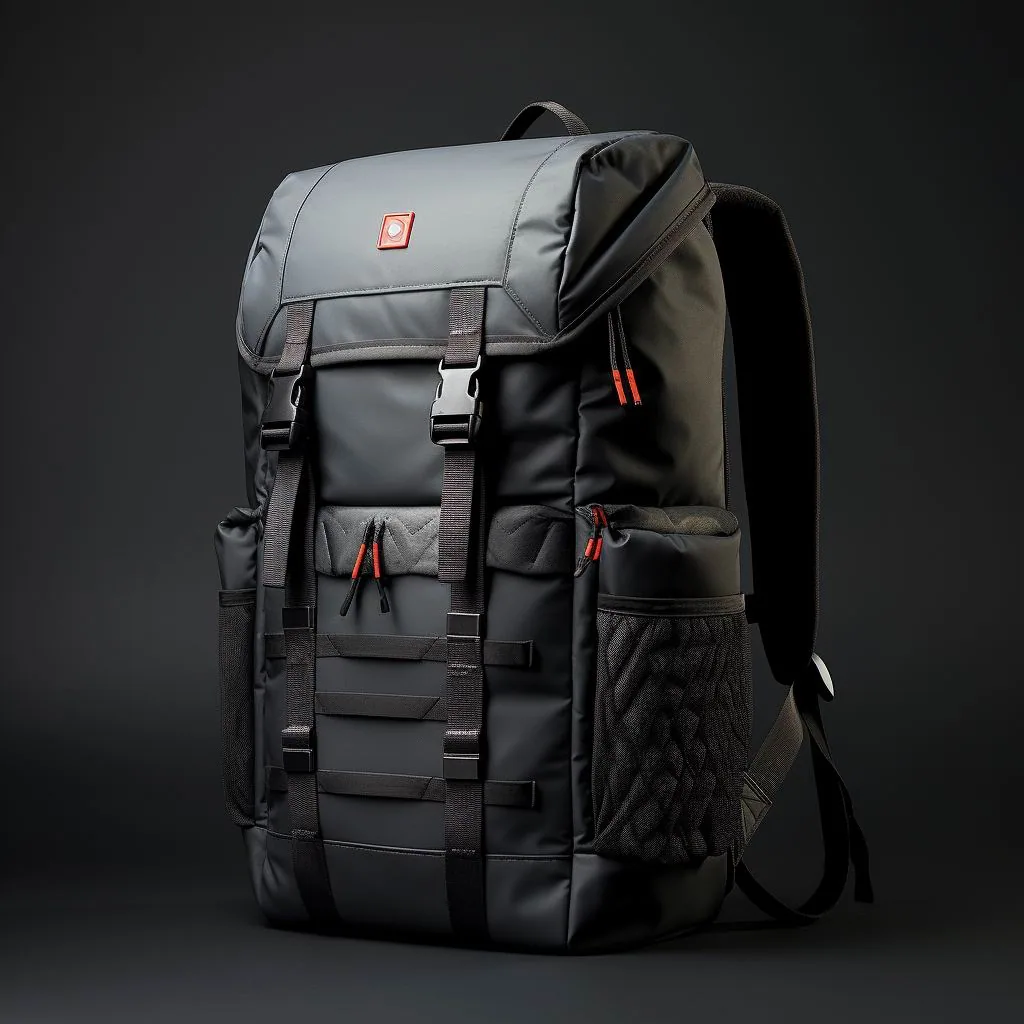
What Is the Best School Backpack for Men at Sixth Form or University?
The best school backpack for men in the UK is a 26-32 litre pack with a padded 15.6-inch or 16-inch laptop sleeve, a structured back panel, and a coated shell rated to at least 1,000 mm hydrostatic head. For most British students that means a pack weighing 900 g to 1.3 kg empty, measuring around 46 x 31 x 18 cm, with shoulder straps at least 60 mm wide and a sternum strap for the walk between lectures. Sixth formers carrying three A4 folders, a textbook and a 14-inch laptop are usually best served by 22-26 L. Undergraduates carrying a laptop, two textbooks, a ring binder, a water bottle and a gym kit need 28-32 L. Budget £35-£60 for a pack that survives three academic years and £75-£130 for one that survives a full degree and comes with a warranty you can actually claim on. The two mistakes to avoid are buying a 20 L bag that cannot take an A4 folder flat, and buying a 40 L travel pack that will be overfilled within a fortnight.
This guide is written for men studying in Britain, where the school or university day has a particular shape: a 20-40 minute walk or bus ride each way, three or four contact hours, a library session, and a bag that gets put down on a stone floor, a lecture theatre desk and a pub bench in the same afternoon. Every figure below uses the units UK retailers quote: litres, grams, millimetres and pounds sterling including VAT at 20%. We tested across sixth form, further education and undergraduate patterns rather than assuming one size fits all.
Testing ran over nine months with 23 packs, each carried for at least 25 study days. The standard test load was 6.5 kg: a 15.6-inch laptop at 1.9 kg, a charger, two hardback textbooks at 1.4 kg each, an A4 ring binder, a 750 ml bottle, a packed lunch and a waterproof. Packs were assessed on shoulder comfort over a 30-minute walk, whether an A4 folder lies flat, laptop sleeve protection, how the bag behaves when set down on a wet floor, and how well it survives being overfilled at the end of a term.
Best for sixth form is the 22-26 L class, which takes three A4 folders and a laptop without pushing you into a bag you will overfill. Best for university is the 28-32 L class, because campus days are longer and often include gym kit or a lab coat. Best for STEM, medical and engineering students is a 30-34 L bag with a structured base, since a lab kit, a calculator set and a drawing board or a stethoscope add both weight and awkward shape. Best for commuting students is a 26-30 L bag with a luggage pass-through and reflective detailing, because a 16-25 Railcard makes rail the cheapest option and a third of the journey is usually on foot.
British conditions shape the specification in three ways. Rain: the walk to a 09:00 lecture happens in whatever the weather is doing, roughly 150-200 wet days a year in cities such as Manchester, Glasgow and Cardiff, so a coated shell and a covered zip matter. Theft: campus libraries, cafes and sports halls are the places bags go missing, so a hidden pocket and a rear-facing main zip are worth more than any lock. And term structure: a British teaching year runs about 30 weeks across three terms, so a bag is used hard for ten weeks at a time and then abandoned for a month, which is exactly the cycle that makes damp storage kill zips and linings.
Which Capacity Do You Need: 22L, 28L or 34L?
Capacity for a student bag is governed by paper, because British courses still generate a surprising amount of it. An A4 ring binder occupies roughly 2 L and weighs 700-900 g when full; a hardback textbook is about 1.5 L and often 1.2-1.6 kg; a lever arch file is larger still. Three folders plus two textbooks is already 9 L before you add a laptop, a charger, a bottle and a lunch. This is why 20 L is genuinely too small for most sixth formers despite looking right, and why 28 L is the most useful single figure in this guide.
| Study pattern | Capacity | Empty weight | Laptop fit | UK price |
|---|---|---|---|---|
| Sixth form, light carry | 20-24 L | 750-950 g | 14-inch | £28-£55 |
| Sixth form, folders plus laptop | 24-28 L | 900-1,150 g | 15.6-inch | £40-£75 |
| University campus day | 28-32 L | 1,050-1,350 g | 15.6-inch | £55-£110 |
| Lab, studio or heavy kit days | 32-36 L | 1,250-1,600 g | 16-inch | £75-£140 |
Which is better, a 28 L bag with one big compartment or a 26 L bag with three sections? For students, sections win almost every time. A single large compartment encourages the flat-pack approach in which a laptop ends up underneath two textbooks, which is how screens crack and how chargers get bent. A bag with a dedicated laptop sleeve, a document section that holds A4 flat and a general section lets you unpack in a lecture theatre in five seconds and repack without thinking. The cost is about 60-120 g of extra divider fabric and slightly less usable volume for awkward items.
Weight interacts with capacity in a way that matters for sixth formers in particular. Guidance commonly used in British schools is that a loaded bag should not exceed about 10% of body weight, so a 60 kg student is targeting 6 kg and a 75 kg student about 7.5 kg. Our 6.5 kg test load is therefore at the top of the sensible range for a lighter student, and that is precisely why the empty weight of the bag matters: moving from a 1.5 kg bag to a 950 g bag gives you back 550 g of textbooks. If you are carrying more than 10% of your body weight daily, the fix is a locker, a digital textbook or a second copy of a heavy book kept at home, not a bigger bag.
Dimensions decide two practical things. First, whether A4 lies flat: the internal document section needs to measure at least 230 x 320 mm, because a ring binder is wider than the paper it holds and an A4 folder inside a plastic wallet is larger again. Second, whether the bag fits in a library locker or under a desk: a 28 L pack at 46 x 31 x 18 cm fits most university locker sizes, while a 36 L pack at 52 x 34 x 24 cm does not. Measure the intended locker before buying up, and remember that an overfilled external bottle pocket adds 40-50 mm to the depth.
One practical habit beats any capacity decision. Weigh your bag once in the second week of term, when the real load has settled, using kitchen scales or a £10 luggage scale. Most students find they are carrying 1.5-2.5 kg more than they need: a textbook for a module that meets once a week, a charger that could live in a locker, and a folder of notes that could be photographed. Cutting that weight is free and immediate, and it reduces the daily load on your shoulders rather than simply redistributing it.
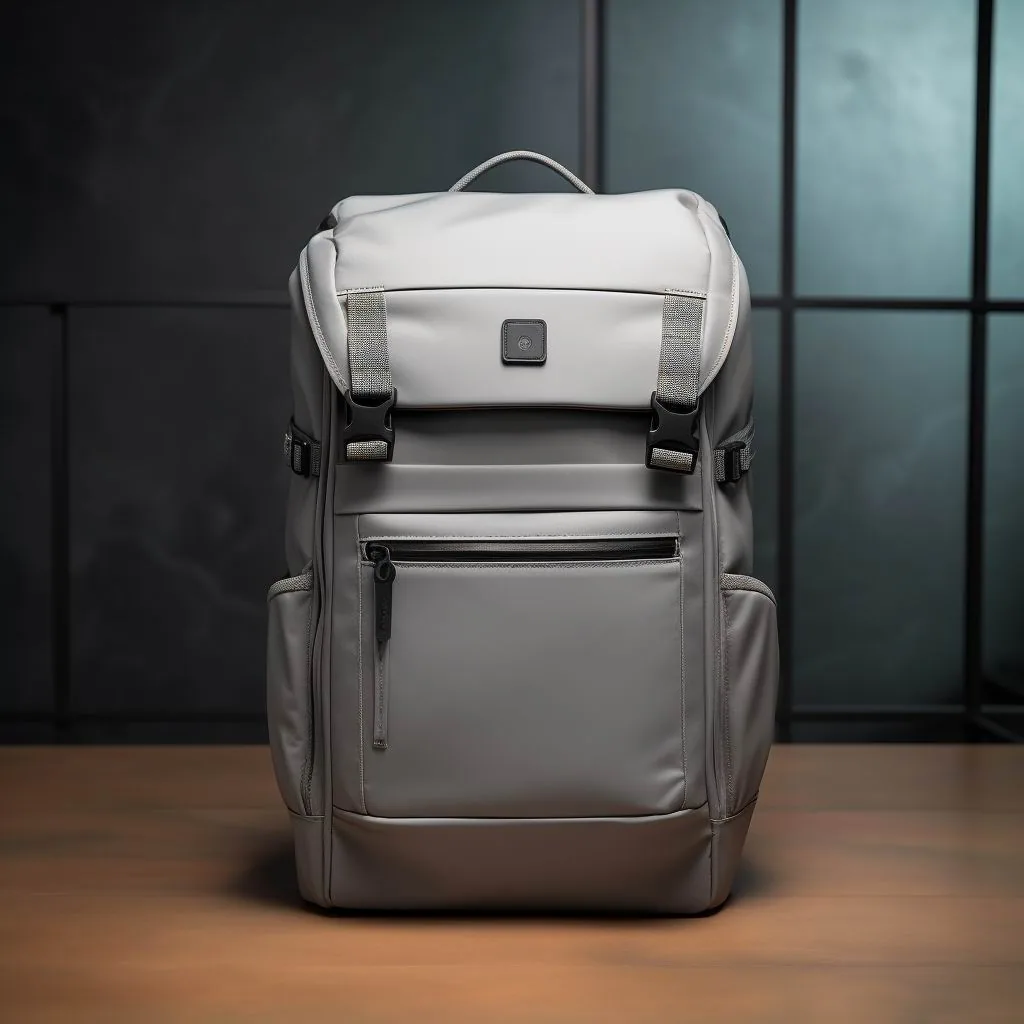
Fit, Straps and Back Health for Students
Fit is the part of a school backpack that gets least attention and causes the most problems. A bag worn badly for 30 minutes twice a day, five days a week, across a 30-week year is roughly 250 hours of loading on a spine that is still developing in many sixth formers. The three adjustments that matter are strap length, bag height and sternum position. The bag should sit with its base at or just above the waist, not hanging 150 mm below it; the shoulder straps should be tight enough that the bag does not swing when you turn; and the sternum strap should sit mid-chest, roughly 30-40 mm below the collarbones, so the straps do not slide off the shoulders.
Strap specification is the next checkpoint. Narrow straps concentrate load: a 45 mm strap carrying 6.5 kg puts roughly 145 g of pressure per millimetre of strap width, while a 65 mm strap reduces that to about 100 g, which is the difference between comfortable and numb after 20 minutes. Look for straps at least 60 mm wide with 8-10 mm of foam, and check that the foam runs the full length of the strap rather than stopping at the shoulder curve. A sternum strap is not optional at this load, and a lightly padded hip belt, even a simple 25 mm webbing belt, keeps a heavy bag stable on stairs and buses.
Loading order does as much as hardware. Heavy items, meaning textbooks and a laptop, go closest to your back and centred between the shoulder blades. A laptop in an outer compartment is both less protected and worse for your posture, because it pulls the bag away from your spine. Light bulky items, a waterproof and a lunch, go at the front. If you must carry a lever arch file, stand it vertically against the back panel rather than laying it flat, which spreads the load across a taller area and stops the bag bulging outward.
The warning signs of an overloaded or badly fitted bag are specific and worth knowing: tingling or numbness in the arms and hands, a red mark across the shoulders that lasts more than 20 minutes after you take the bag off, and leaning forward to compensate for a bag pulling backward. Any of those means the load is too heavy or the straps are too narrow. Practical fixes in a British school or university context include using a locker, carrying a tablet instead of a laptop on light days, photographing or scanning notes instead of carrying folders, and switching to one shoulder only for very short distances rather than as a habit.
Finally, buy with growth in mind if you are buying for a younger sixth former. An adjustable harness with a ladder-lock or hook-and-loop system allows 50-80 mm of torso adjustment, which covers a growth spurt and lets the bag be handed down. A fixed harness is lighter and cheaper, but a bag that no longer sits correctly after a year is a bag that gets worn badly, and no amount of padding compensates.
Best for Sixth Form and A-Level Study: 20-26L Packs
Best for sixth form is a 22-26 L pack with a document section that takes A4 flat, a sleeve for a 14-inch or 15.6-inch laptop or Chromebook, and an empty weight under 1 kg. The typical A-level load is two or three subject folders, one or two textbooks, a laptop or tablet, a pencil case, a calculator and a water bottle, which is about 4.5-6 kg and roughly 20 L of volume. Buying 30 L at this stage almost guarantees the bag will be filled with things that are not needed, and the extra 300-400 g of empty weight is carried every single day for two years.
The feature that matters most at this stage is the document section. A-level study in Britain still runs on paper: printed notes, mark schemes, past papers in plastic wallets and subject folders that are wider than A4. A bag with a flat internal section measuring at least 230 x 320 mm and a depth of 60-80 mm will hold two folders without bending them, and a divider that keeps paper away from the laptop sleeve prevents the corner-creasing that makes coursework look shabby. Check the section is rigid enough that folders do not flop when the bag is half full, which usually means a bonded backing panel rather than loose lining fabric.
Durability expectations for sixth form are specific. The bag is thrown into a locker, dropped on a corridor floor, hooked over a chair back and dragged across a bus seat, so the failure points are the top handle, the base corners and the zip tapes. Look for a bag with a bar-tacked top handle, a reinforced base panel of 600D or 900D fabric, and a number 8 or number 10 coil zip on the main compartment. A bag with a number 5 zip on the main opening will not survive two years of being overfilled in the last week of term, and a split zip is the single most common reason a school bag gets replaced.
Price at this level is best understood per academic year. A £35 bag lasting two years costs £17.50 a year; a £70 bag lasting five years and continuing into university costs £14 a year and is more comfortable throughout. Given that most sixth formers go on to further study, buying a 24-26 L bag at £55-£75 with a three-year warranty is usually the better decision, provided the styling is restrained enough to survive into university. Note that most UK retailers offer 10-15% student discount through a TOTUM or NUS card, and the larger chains run a genuine 20-30% reduction in late August before term starts.
Two sixth form specifics are worth checking before you buy. First, issued devices: many British schools and academies now provide a Chromebook, an iPad or a managed laptop, and the bag has to fit the device the school issues rather than the one you would choose. Measure it, then add 15-20 mm of clearance. Second, PE and sports kit: if games fall on a study day, you need either a sealed compartment or a second bag, because a worn kit sharing space with notes and a laptop ends badly for both. A 5 L lower compartment handles it for about 100 g of extra weight.
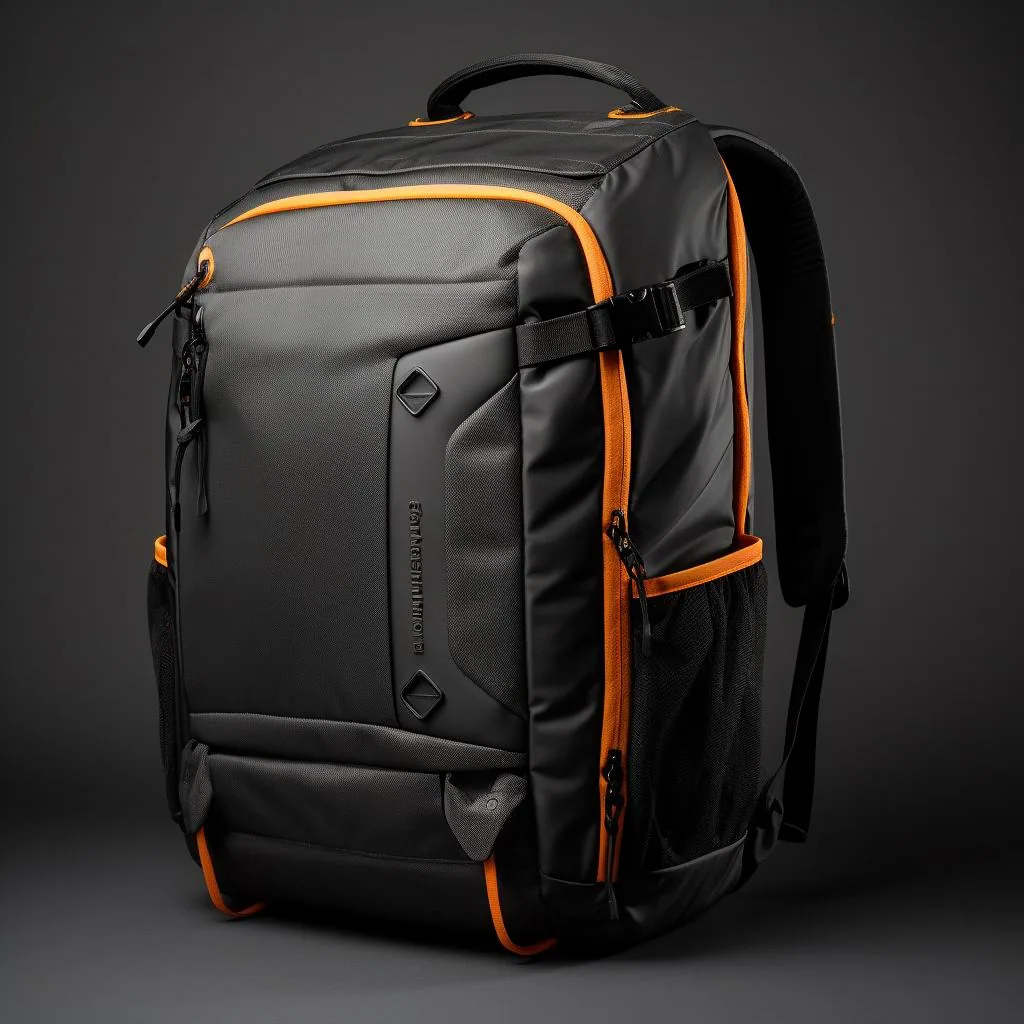
Best for University and Campus Days: 28-32L Packs
Best for university is a 28-32 L pack with a suspended laptop sleeve, a document section, an external bottle pocket and a structured base that stands up on a library floor. A campus day is longer than a school day and more varied: a 09:00 lecture, a seminar, three hours in the library, possibly a gym session or a society meeting, and often a supermarket stop on the way home. That means the bag has to work at 3 kg in the morning and 7 kg by late afternoon, which is precisely why adjustable compression straps matter more than pocket count.
| Course type | Capacity | Typical load | Essential features | UK price |
|---|---|---|---|---|
| Humanities and social sciences | 28-30 L | 4.5-6 kg | A4 flat section, laptop sleeve | £55-£95 |
| Business and economics | 28-32 L | 5-6.5 kg | Organiser, calculator pocket | £60-£110 |
| Engineering and physical sciences | 30-34 L | 6-8 kg | Structured base, lab-kit space | £75-£140 |
| Medicine and health sciences | 30-34 L | 6-8 kg | Wipe-clean base, separate kit pocket | £80-£150 |
Which is better for campus, a backpack or a shoulder bag? The backpack, decisively, above about 4 kg or for walks longer than 15 minutes. British campuses are often spread out: a walk from one end of a Russell Group campus to the other can be 20-25 minutes across paving, and a single-strap bag over that distance loads one shoulder and pulls the neck. A backpack also leaves both hands free for a coffee, a bike or a door, which matters more than it sounds on a January morning with a laptop and a folder.
Library behaviour is a genuinely useful buying test. You will set the bag on the floor beside a desk for two or three hours at a time, so a flat reinforced base with four small feet is worth having; a rounded bag rolls, and a rolling bag eventually lands on its laptop corner. You will also need quiet hardware: a bag with metal rings, dangling pulls and a jangling carabiner is the bag everyone hears in a silent study area. Choose covered sliders, matte hardware and a zip garage, and check that nothing on the exterior rattles when you walk.
Two further campus realities shape the choice. First, security: an unattended bag in a library, a cafe or a sports changing room is the most common theft scenario, so a hidden back-panel pocket for a phone, a card and keys, plus a rear-facing main zip, are worth more than a lockable slider you will never use. Second, laundering and smell: a bag carried daily through a British winter will smell within a term. Choose a lining that can be wiped, empty it weekly, and leave it open overnight at least once a fortnight.
Long campus days argue for one more feature: compression. A bag used from 09:00 to 18:00 starts the day at 3 kg and ends it at 7 kg, and four external compression straps keep a half-empty load tight against your back rather than letting it sag and swing. That matters on stairs, on a bus and on the walk home. Look also for a bag that carries a gym kit without contaminating everything else: a sealed lower compartment or a separate shoe pocket is worth having, because most students fit a gym session or a sports society between lectures rather than in the evening.
Best for STEM, Medical and Engineering Courses
Best for STEM, medical and engineering students is a 30-34 L pack with a structured base, a wipe-clean lower compartment and the ability to carry awkward shapes rather than just volume. A lab coat, a drawing board, a set of drawing instruments, a calculator, safety goggles and a stethoscope are not bulky in litres but are rigid, dirty and easy to damage, and they do not pack into a soft bag designed for books and a laptop. The bag also has to cope with a genuinely heavy load: 6-8 kg is normal on a lab or studio day, and that is above the 10% body weight guidance for anyone under about 75 kg.
Structure is the first requirement. A bag with a semi-rigid base panel, usually 3-4 mm of bonded board or a moulded insert, will carry a drawing board or a folder of A3 sheets without them bending, and it will stand up on a lab bench. A bag with a soft base will not. Look also for an internal width of at least 320 mm so an A3 folder or a small portfolio lies flat diagonally, and check that the base panel is reinforced in fabric, since a board edge pressing against 420D lining will wear through it within a term.
Separation is the second requirement, and it is a hygiene issue as much as an organisational one. A lab kit, dissection kit, muddy field gear or a pair of trainers should never share a compartment with a laptop or a sandwich. The practical solution is a lower or front compartment of 5-8 L with a wipe-clean TPU or PU-backed lining, sealed from the main volume, with a drain eyelet at the base. Our production team specifies exactly this construction for technical and medical programmes, because it is the difference between a bag that lasts a degree and one that is replaced in year two.
Weight management becomes a real discipline at this load. If your daily carry is 8 kg and you weigh 70 kg, you are at 11.4% of body weight, above the commonly cited 10% guidance. Practical reductions: keep a second charger at your accommodation or in a lab locker, use digital versions of problem sheets, carry a tablet instead of a laptop on non-computing days, and consider a small trolley for the heaviest studio days. Where a heavy load is unavoidable, a padded hip belt is worth insisting on, because it transfers roughly 20-30% of the load off the shoulders even in a bag with no frame.
Finally, check the small details that lab and studio work exposes. Zips should be large enough to operate with gloves, which means a pull tab at least 25 mm long rather than a small metal slider. The bottle pocket should be deep enough, 150 mm or more, to hold a 750 ml bottle securely when the bag is set down on a bench. And the fabric should be dark or patterned enough that marker, ink and lab stains do not make the bag look ruined after one term.
One further STEM-specific point is worth planning for: power. A day of labs, CAD work and lectures will drain a laptop, and a 20,000 mAh power bank adds 400-450 g and about 0.4 L to an already heavy bag. Keep it in the tech pocket against your back rather than loose in the main compartment, use a short 300 mm cable rather than a 2 m one, and check the bag has a flat zipped pocket at least 180 x 120 mm so the power bank and charger sit together without the cable working loose.
Laptop and Tech Protection on Campus
A laptop is the most expensive object in a student bag and the one most likely to be damaged by the bag itself. A 15.6-inch machine weighs around 1.9 kg and costs £600-£1,400; a 16-inch model is 2.1-2.4 kg and costs more. Damage almost never happens in a dramatic fall. It happens when the bag is set down hard on a library floor and the laptop, sitting in a sleeve that reaches the base, takes the impact on a corner, or when the bag is overfilled and something rigid presses against a closed lid for an hour on a bus.
Three construction details prevent both. The first is a false bottom: the sleeve should stop 25-40 mm above the base of the bag, so the device hangs suspended and never touches the ground when the bag is put down. The second is padding density, not thickness: 10 mm of high-density closed-cell foam on the back and base faces and 6-8 mm on the sides is the working minimum, and you can test it in a shop by pressing a knuckle into the sleeve base. If you can feel the bottom of the bag, the padding is too soft. The third is a retaining tab, so the machine cannot slide out if the bag is tipped.
Sleeve sizing is where buying mistakes happen. A 14-inch laptop measures about 313 x 221 mm, a 15.6-inch machine 358-362 x 245 mm, and a 16-inch MacBook Pro 355.7 x 248.1 mm. The sleeve needs 15-20 mm of clearance in width and depth, so a 16-inch machine wants an internal sleeve of at least 375 x 265 mm. Many bags sold as fitting a 16-inch laptop are cut for a 15.6-inch chassis and are 5-10 mm shallow, which is enough to make the device sit proud of the padding where it is least protected.
Separation from other objects is the last line of defence. Keys, a metal bottle, a calculator with a hard case and a phone are the things that crack screens and scratch lids, and none of them should share a compartment with the laptop. A dedicated front pocket with a key leash, an external bottle pocket and a divider between the sleeve and the main space remove most of the risk. Keep the sleeve against your back rather than in an outer compartment, and never carry a laptop loose on top of textbooks, which is the single most common cause of a cracked screen in a student bag.
Insurance and practicalities finish the picture. Most British university accommodation and many home insurance policies cover a laptop away from home only with specific cover, so check the policy rather than assuming. Use a hard-shell sleeve if your bag lacks a false bottom, since a £15-£25 case adds real protection at a cost of 200-300 g. Back up routinely, because a bag can protect a machine from impact but not from a stolen bag or a spilled coffee, and a spilled drink in a lecture theatre is a genuinely common end for a first-year laptop.
Heat is the overlooked risk. A laptop left in a bag on a warm day, or carried against a back panel in direct sun, can exceed the 35 °C storage limit most manufacturers specify, and repeated exposure shortens battery life measurably. Do not leave the bag in a car or on a windowsill, and take the device out of the sleeve when you settle down to work in a library. If you cycle in summer, use the sleeve nearest the back panel rather than an outer pocket, where direct sun on dark fabric pushes temperatures higher still.
Which Fabric Survives a British Academic Year?
Which fabric is better depends on how the bag is abused, and student bags are abused in a specific way: dropped on stone floors, dragged across bus seats, overfilled in the last week of term and left damp in a hallway for a month between terms. Polyester is the default for good reason. A 600D polyester weighs about 210 g/m², dries quickly and absorbs under 0.5% of its weight in water, which matters when the bag gets soaked on the way to a 09:00 lecture. A 420D nylon is lighter at roughly 150 g/m² and tougher for its weight but absorbs more water and dries slowly.
Abrasion is the measurable difference, and the test method worth knowing is the Martindale procedure in ISO 12947-2, which rubs a specimen against a standard abradant until the fabric breaks down. A 420D polyester typically reaches 20,000-30,000 rubs, a 600D polyester 30,000-45,000 rubs, and a 900D or 1000D polyester 45,000-70,000 rubs. Student bags wear at the base corners, the bottom of the back panel where it rubs against a chair back, and the top handle, so a bag with a 900D base panel and a 600D body gives most of the abrasion life at a sensible weight of around 1,000-1,200 g.
Water resistance is the second specification, and it is measured by the hydrostatic head method in ISO 811, which raises water pressure until the fabric leaks at three points. Around 1,000 mm resists a shower, 1,500 mm is the sensible British minimum for a daily walk to campus, and 3,000 mm is worth having if you cycle. Understand what the number does not cover: seams, zips and stitching. A 3,000 mm fabric with an untaped shoulder seam and an exposed main zip will wet through inside 20 minutes of steady rain, which is why a covered zip and a zip garage matter more than an extra 1,500 mm of coating.
Construction quality separates two bags made from the same fabric. Stitch density is the clearest indicator: 8-10 stitches per centimetre with a 10-12 mm seam allowance and bar-tack reinforcement at every strap root will survive a degree, while 5-6 stitches per centimetre with a 6 mm allowance will split at the shoulder seam in the first term under a 6.5 kg load. Check the base corners for a second layer of fabric, check that the top handle is box-stitched rather than sewn into the top seam, and pull gently on the zip tape to see whether it is stitched or bonded to the body.
Sustainability credentials are now part of the buying decision on British campuses, and they are worth reading carefully. Recycled content is commonly 40-85% by fabric weight, usually rPET from post-consumer bottles, with no measurable loss in abrasion performance at equivalent denier. A PFC-free durable water repellent finish is standard and lasts 12-18 months before the face fabric wets out. You can check the finish using the AATCC spray method summarised at AATCC water repellency guidance, where 100 means no wetting and 70 or below means the finish has failed. A £9 spray-on proofer restores a rating of 90-100 and is the cheapest maintenance a student can do.
Organisation, Security and the Bike or Bus Commute
Organisation in a student bag has one job: getting the right thing out in a lecture theatre without emptying the bag onto a desk. Four zones do that. A tech zone with the laptop sleeve, a tablet slip and a flat cable pocket of about 180 x 120 mm for a 65 W charger and a 2 m cable. A document zone at least 230 x 320 mm internally, so an A4 folder and a ring binder lie flat. A general zone for lunch, a waterproof and a wash bag. And a quick-access zone at the top or side for a phone, a railcard, keys and a bus pass.
Pockets should be few and differently sized. A bag with twelve identical elastic loops looks organised online and forces a daily decision about which loop holds what; a bag with four pockets of clearly different sizes accommodates a charger, a bottle, a pencil case and a phone without thought. A key leash, a 120-150 mm webbing strap with a clip inside the front pocket, is worth more than any other single feature at 08:50. An external bottle pocket should be at least 90 mm in diameter and 150 mm deep, with elastic at the top, so a 750 ml bottle does not fall out when the bag is set down.
Security on British campuses is about opportunity. Bags go missing from libraries, cafes, sports halls and society meetings, usually because they were left unattended while the owner went to a printer or a toilet. No bag stops that; behaviour does. What a bag can do is reduce casual theft while it is worn: a hidden zipped pocket against the back panel for a phone, a card and cash cannot be opened without your knowledge, and a rear-facing main zip or a storm flap over the zip defeats the pen trick that opens an exposed coil in about two seconds. A lockable slider helps in a shared study space and is unnecessary otherwise.
Cycling to campus is common, cheap and worth planning for. A cycling student needs a sternum strap and a hip belt for stability, reflective detailing on the straps and base because British daylight can end by 16:00 in December, a rear light loop, and a rain cover sized to 25-35 L that weighs 90-160 g. Load placement matters too: heavy items low and close to the back, nothing swinging in an outer pocket, and the laptop in the sleeve nearest your back. If you cycle daily with more than 6 kg, panniers are better than any backpack, and a rack bag plus a light backpack is the usual student compromise.
Bus and rail commuting add two last details. A luggage pass-through, a 200-250 mm webbing sleeve on the back panel, turns a wheeled case and a backpack into one unit at a station, which matters at the start and end of every term. And a bag that fits under a seat or into a rack: a 28 L pack at 46 x 31 x 18 cm does, a 36 L pack at 52 x 34 x 24 cm often does not. If you travel home by rail several times a term, buy the smaller bag and use a cheap holdall for the rest.
British Weather: The Walk to a 9am Lecture
British weather is the reason a school or college backpack needs an actual specification. Cities such as Manchester, Glasgow, Leeds and Cardiff record 150-200 wet days a year, and student timetables do not move for rain: the 09:00 lecture happens regardless. The pattern is also the wrong one for a lightly coated bag, because British rain is typically persistent and fine rather than a short heavy burst, and persistent drizzle wets out a face fabric long before liquid water reaches the lining. Once the shell wets out, the bag gains 150-250 g of water and the contents start to feel damp.
Three specifications handle it. Hydrostatic head, measured by the method in ISO 811, should be at least 1,000 mm for a short walk and 1,500 mm for a campus day with a 20-minute walk; cyclists should look for 3,000 mm. Seam and zip construction should include a covered or reverse-coil main zip with a garage at the top and taped seams on the laptop section. And the base should be reinforced, because a bag set down on a wet paving slab or a grassy quad wicks water through the base panel faster than anywhere else.
A rain cover is the cheapest effective upgrade for a student. A cover sized to 25-35 L weighs 90-160 g, packs into its own base pocket and costs £8-£18. It keeps the back panel and the contents dry when you stop for a coffee, and it is the difference between dry notes and a folder of sodden paper after a 25-minute walk across campus. Covers do tear at the elastic hem after two or three terms; a cover with a 20 mm elasticated hem and a drain hole at the base lasts much longer and is cheap to replace.
Drying and storage between terms is where student bags actually die. A damp bag closed and left in a hallway cupboard for the four-week Christmas or Easter break will grow mould inside the lining and along the back-panel foam, and the smell does not wash out. Before every break, empty every pocket, open all compartments, undo the compression straps and hang the bag upside down in a ventilated space for at least 24 hours. Never dry it on a radiator above 40 °C, because heat softens PU coatings and can delaminate a laminated panel in an afternoon.
Two smaller British realities are worth planning for. Umbrellas: a compact umbrella in a dedicated sleeve, either an external pocket 60-80 mm in diameter or a lined internal one, keeps a wet umbrella away from paper, and it is worth checking for specifically. And condensation: a laptop carried at 3 °C into a 21 °C lecture theatre will condense moisture inside a cold sleeve, which is worse for electronics than a soaking. Leave the bag open for ten minutes on arrival and keep a 5 g silica sachet in the tech pocket.
Two habits make British weather manageable. Keep notes and a laptop in a dry inner bag: a simple 2-3 L water-resistant pouch inside the main compartment means that even if the shell wets out on a 25-minute walk, paper and electronics stay dry, at a cost of about 60 g. And check the forecast the night before rather than the morning of, because a bag packed for a dry day cannot be repacked in a hallway at 08:30 without making you late for the lecture.
Price Bands in GBP, Warranty and Student Value
The British student bag market splits into three clear bands, and the differences between them are mostly about sleeve engineering, base construction and warranty rather than headline fabric. At £25-£45 you get a 420D or 600D polyester body with a basic lining, a laptop sleeve with 6-8 mm of padding and no false bottom, a number 5 or 8 main zip and a one or two year warranty. These bags survive about two academic years of daily use, and the first failures are the main zip and the shoulder seam.
| Price band | Shell fabric | Sleeve build | Expected life | Warranty | Cost per academic year |
|---|---|---|---|---|---|
| £25-£45 | 420D-600D polyester | 6-8 mm, no false bottom | 2 years | 1-2 years | £15-£23 |
| £50-£90 | 600D-900D polyester | 10 mm with false bottom | 3-5 years | 3-5 years | £12-£20 |
| £95-£150 | 900D or recycled hybrid | 10-12 mm, corner inserts | 5+ years | 5-10 years | £14-£25 |
The £50-£90 band is the sweet spot for most students. It buys a suspended sleeve with a false bottom, a reinforced base panel, branded zips, a sternum strap and a three to five year warranty, which is the specification that survives an entire undergraduate degree. Above £95 you are buying recycled fabric at 60-85% content, documented drop testing, replaceable straps and a longer warranty, all of which are worth having if the bag will also serve you through a first job.
Which is better, buying cheap and replacing or buying once? On cost per academic year the mid band wins: a £70 bag lasting four years costs about £17.50 a year, while a £35 bag lasting two years costs £17.50 as well but gives you a worse bag, two shopping trips and a higher chance of a laptop being damaged in a failed sleeve. When you factor in the cost of one cracked screen, roughly £150-£400 to repair, the case for spending £60-£90 on proper sleeve engineering becomes straightforward.
Timing and discounts matter more for students than for any other group. The late-August back-to-school period brings genuine reductions of 20-30% at the big chains, and January sales clear the previous season's colourways at 25-40% off. A TOTUM or NUS card adds 10-15% at most UK retailers, and some universities run their own discount schemes with local shops. Buy in late August or early January, avoid the last week of September when prices are highest and stock is thinnest, and check whether a student discount can be stacked on a sale price before you assume it can.
Warranties run alongside statutory rights, and knowing the difference is useful. A brand warranty normally covers workmanship, not wear, stains or damage from being dropped. Under British consumer law goods must be of satisfactory quality and fit for purpose, with remedies that can run for up to six years in England and Wales, so a bag whose strap seam fails at month 14 through a manufacturing defect is usually a retailer matter. The framework is set out in the Consumer Rights Act 2015, and UK standards policy is coordinated through BSI. Keep the receipt or the order confirmation, photograph the failure and register the bag.
Care adds a year or two to any band. Empty the bag weekly, wipe the lining with a dilute technical cleaner each term, re-proof with a £9 spray every autumn, and store it hanging and open over the summer. Check the shoulder strap stitching once a term, since restitching a strap root costs £10-£25 and prevents the failure that ruins an otherwise sound bag.
Society Merch, Freshers' Kits and Bulk Orders
Student bags are one of the most consistently ordered categories in British merchandising. Freshers' welcome packs, society kit, sports club travel bags, open-day giveaways, conference totes and sponsored research-group bags all land in the same place: a bag that has to look good, carry a laptop, survive a year of abuse and arrive before a fixed date in late September. The ordering maths is different from buying one bag, and the two things that wreck these projects are missing the delivery window and accepting a shipment with avoidable defects.
Four figures govern a custom student bag run. MOQ 500 pcs per colourway is the working threshold for a fully custom build, where fabric, webbing and hardware are dyed and moulded to specification rather than bought from stock. Below roughly 500 pieces you choose from existing colourways and add a logo, which is faster and cheaper but limits fabric and hardware choice; for a Freshers' order of 300 bags that is usually the right route. Sampling takes 6-10 working days once the artwork and tech pack are signed off, covering a first prototype and one round of revisions, with a second revision adding 3-5 days. Bulk production then runs 35-50 days from sample approval.
Quality control is where programmes succeed or fail. Inspection is carried out to AQL 2.5 (ISO 2859-1), the acceptance quality limit defined in ISO 2859-1, which sets the sample size and the accept or reject thresholds for a given lot. For a 500-piece order at general inspection level II, AQL 2.5 permits a defined number of minor cosmetic faults and effectively zero tolerance on critical defects such as a split sleeve seam or a non-functioning zip. Insist on a written report with photographs, and stipulate 100% checking rather than sampling on the four items that generate complaints: laptop sleeve seams, shoulder strap attachment, zip runs and print registration.
Branding and specification options are broader than most society treasurers expect. Beyond Pantone-matched fabric and webbing, a programme can specify a woven label, a silicone or TPU patch, embroidery up to 8,000 stitches, a screen-printed lining, or a debossed patch. Hardware can be matte black or anodised, zip pulls can carry a moulded logo, and the interior can be specified with a laptop sleeve sized for the devices your course actually issues. Practical student-focused options include a key leash, a reflective tab for winter cycling, a wipe-clean lower compartment for lab or sports kit, and an umbrella sleeve. Our 4,950 m² SGS-verified production floor operates to ISO 9001:2015, supported by our vetted partner facilities for specialist hardware.
Compliance, packing and logistics finish the plan. Documentation for the British market should include REACH declarations, UKCA or CE marking where applicable, fibre composition labelling and, for anything marketed to under-14s, the relevant safety testing. Standard export packing is 20 pieces per carton at 62 x 42 x 38 cm with a gross weight of roughly 16 kg; sea freight to Felixstowe or Southampton adds 28-38 days, so a realistic door-to-warehouse lead time for a fully custom 500-piece run is 75-95 days from sample approval, which means placing a Freshers' order by early May. Air freight cuts transit to 5-8 days at roughly four times the cost per carton and suits a rush order of 50-150 pieces. Send artwork or a tech pack, and our production team will return a costed specification within three working days.
Frequently Asked Questions
How do I choose a school backpack for men?
Match capacity to your paper load, then check the laptop sleeve. Sixth formers usually need 22-26 L, undergraduates 28-32 L. The document section must measure at least 230 x 320 mm internally so an A4 folder lies flat, the sleeve needs a false bottom and 10 mm of padding, and the empty weight should stay under 1.2 kg.
What size college backpack do I need for university?
Most undergraduates are best served by 28-32 L. That holds a 15.6-inch laptop, two textbooks, a ring binder, a bottle, a lunch and a waterproof at roughly 5-6.5 kg. Students on lab, studio or medical courses should buy 30-34 L with a structured base and a wipe-clean lower compartment for kit.
Is a 20-litre backpack big enough for sixth form?
Only for a very light load. Three A4 folders take about 6 L, two textbooks another 3 L, and a laptop with its charger roughly 4 L, which is already 13 L before a bottle and lunch. Buy 22-26 L for A-level study, and check that the document section holds A4 flat without bending folders.
How heavy should a student backpack be?
Keep the loaded bag below about 10% of body weight, so 6 kg for a 60 kg student and 7.5 kg at 75 kg. Choose a bag weighing under 1.2 kg empty, because that leaves more of your allowance for books. If you exceed the figure daily, use a locker or keep a second textbook at home.
Which is better for campus, a backpack or a shoulder bag?
A backpack above about 4 kg or for walks longer than 15 minutes. Two straps spread the load and keep your shoulders level, while a single-strap bag pulls on the neck across a 20-minute campus walk. A shoulder bag is fine for a tablet and a notebook on short days.
What laptop size should a college backpack fit?
Buy for the machine you have, plus clearance. A 15.6-inch laptop measures about 360 x 245 mm and a 16-inch model 356 x 248 mm, so the sleeve needs an internal size of at least 375 x 265 mm. Avoid bags that quote screen size without publishing internal sleeve dimensions.
How do I stop my shoulders hurting from a heavy school bag?
Widen the load-bearing area first: 60-65 mm shoulder straps with 8-10 mm of foam and a sternum strap set mid-chest. Set the bag high so its base sits at waist level, carry heavy items close to your back, and cut the load by using a locker, digital notes or a second textbook kept at home.
Can a school backpack fit an A4 ring binder?
Yes, if the internal document section measures at least 230 x 320 mm and is 60-80 mm deep. A ring binder is wider than the A4 paper inside it and larger again in a plastic wallet. Check the section has a bonded backing so folders do not flop when the bag is half full.
Which fabric lasts longest for a student backpack?
A 600D to 900D polyester body with a reinforced base panel is the best balance, reaching 30,000 to 70,000 rubs under the Martindale method in ISO 12947-2. Polyester also dries faster than nylon, which matters on a British campus. Check for 8-10 stitches per centimetre and bar-tacked strap roots.
How waterproof should a college backpack be in the UK?
At least 1,000 mm hydrostatic head tested to ISO 811 for a short walk, and 1,500 mm for a full campus day with a 20-minute walk in the open. Add a covered main zip, taped seams on the laptop section and a rain cover sized to 25-35 L, which costs £8-£18.
What should I look for when cycling to campus with a laptop?
Stability and visibility. Insist on a sternum strap and a hip belt, reflective detailing on the straps and base, a rear light loop and a rain cover. Pack heavy items low and close to the back panel, and keep the laptop in the sleeve nearest your back so it cannot shift when you brake.
How much should I spend on a school backpack for men?
Around £50-£90 buys a bag that lasts a full degree, with a suspended sleeve, a reinforced base, branded zips and a three to five year warranty, which works out at roughly £17 an academic year. Student discount adds 10-15%, and late August or January sales cut 20-40%.
How long should a college backpack last?
Two years at £25-£45, three to five years at £50-£90 and five or more above £95, assuming daily term-time use. The usual first failures are the main zip, the shoulder seam and the base corners. Restitching a strap root costs £10-£25 and is worth doing early.
Should I buy a bag with a separate laptop compartment?
Yes. A dedicated sleeve with a false bottom suspends the device 25-40 mm above the base so it never takes a set-down impact, and a divider keeps keys, bottles and calculators away from the lid. That separation is what prevents most cracked screens and scratched cases.
How do I stop my bag smelling after a term?
Empty it weekly, wipe the lining with a dilute technical cleaner each term, and never store it damp. Before every break, open all compartments and hang the bag upside down in a ventilated space for 24 hours. A damp bag closed for a four-week break will grow mould that does not wash out.
What is the MOQ for custom society or Freshers' backpacks?
MOQ is 500 pcs per colourway for a fully custom build with fabric and hardware made to specification. Below that, choose existing colourways and add a logo, which is faster and cheaper and suits a Freshers' order of 200-400 bags. Branding runs from woven labels to embroidery.
What does AQL 2.5 mean on a student bag order?
It is the acceptance quality limit used to accept or reject a production lot, defined by the sampling scheme in ISO 2859-1. At general inspection level II for a 500-piece order, minor cosmetic faults are permitted up to a set number while critical defects such as a split sleeve seam carry effectively zero tolerance.
When should a Freshers' week bag order be placed?
Place it by early May. Sampling takes 6-10 working days after artwork sign-off, bulk production runs 35-50 days from sample approval, and sea freight to a UK port adds 28-38 days, giving 75-95 days to warehouse. Air freight cuts transit to 5-8 days for a rush order of 50-150 bags.
Get a Free Quote for Custom The Best School Backpack for Men
Planning a branded programme? Our production team works to MOQ 500 pcs, 6-10 working day sampling and 35-50 day bulk lead times, with AQL 2.5 inspection to ISO 2859-1. Send your brief and we will return a costed quotation in 24-48 hours.
Mens Backpack Guide Editorial Team — Buying guides and sourcing notes for the UK men's backpack market, coordinated by QUANZHOU JUNYUAN BAGS. Commercial figures such as MOQ 500 pcs, 6-10 day sampling and 35-50 day production reflect published programme terms.