Table of Contents
- What Is the Best Backpack for a PhD Researcher in the UK?
- Why Doctoral Carry Differs From Undergraduate Carry
- Capacity, Paper Sizes and Archive Loads
- Comparison Table: Six Backpacks for UK Doctoral Researchers
- Review: Thorne Thesis 28
- Review: Bramley Lab 30 and Kestrel Archive 32
- Review: Alderwood Seminar 26, Fenwick Scholar 26 and Sable Reading 24
- Device Protection, Data Security and Conference Travel
- British Pricing and Funding Routes
- How We Tested These Research Bags
- Care, Lifespan and Protecting Your Archive
- Verdict and Specification Checklist
- Frequently Asked Questions
What Is the Best Backpack for a PhD Researcher in the UK?
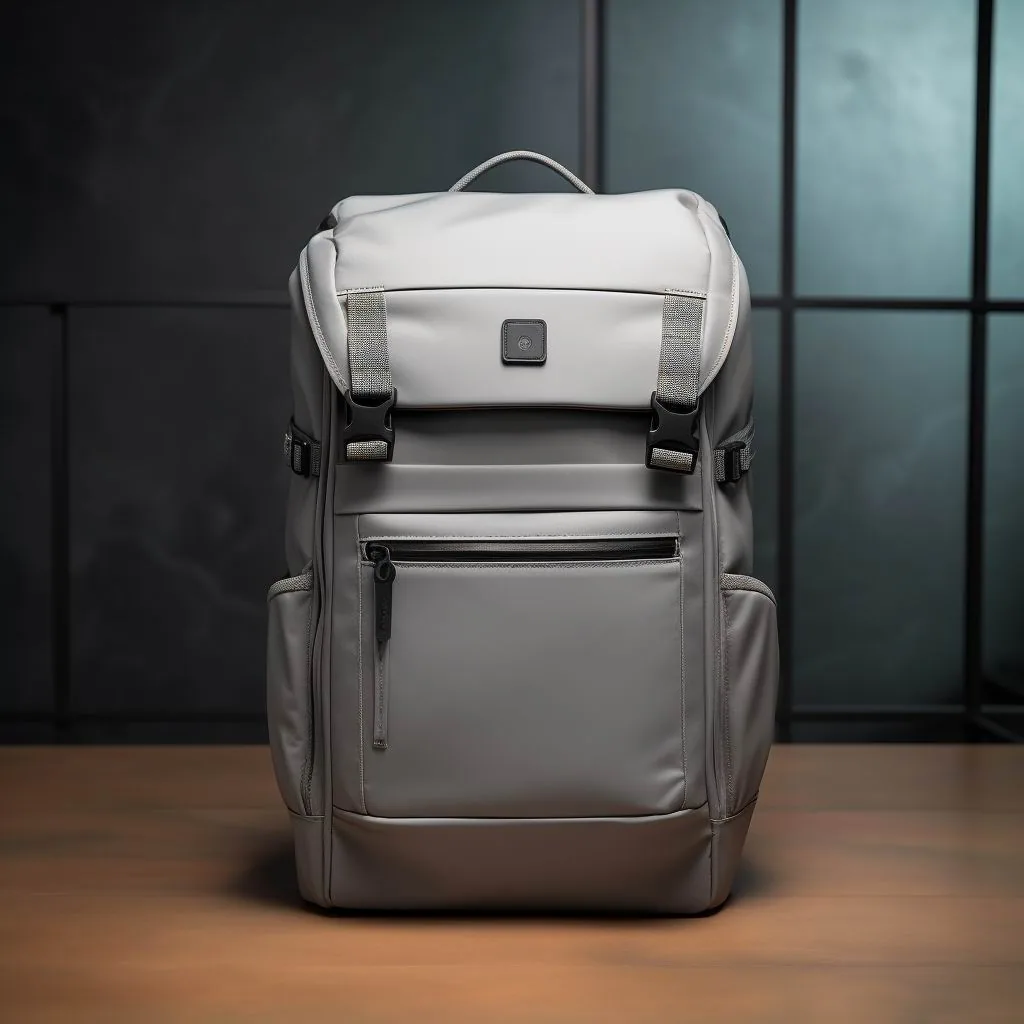
The best backpack for a UK doctoral researcher in 2026 is a 26 to 30 litre bag with a suspended 15.6-inch laptop sleeve, a flat document compartment that takes A4 papers and a conference folder without creasing, and a discreet exterior that works in a department seminar and on a train to a conference. Our top pick is the Thorne Thesis 28, a 28-litre pack weighing 1.12 kg with a 46 x 32 x 18 cm footprint, a rigid document panel and a 1,200 mm coated 840D shell, priced at £134 including VAT. Lab-based researchers should look at the Bramley Lab 30 at £158, and anyone travelling on a student budget should consider the Fenwick Scholar 26 at £78.
Doctoral work produces a carry profile that no undergraduate bag is designed for. The load includes archive material and printed manuscripts that must stay flat, a laptop and often a second device, lab notebooks that cannot be damaged, and conference materials that are carried for three days at a time. Add department rules about bags in labs and libraries, and the specification gets specific fast. We set out the full criteria on our men's school backpack pillar page.
Doctoral work has a carrying pattern that no undergraduate bag is designed for. A typical week includes two or three days at a desk, one day in a lab or field site, one day in a library or archive, and occasionally a conference, and each setting wants a different load. The bag has to hold A4 documents flat, take a laptop plus a tablet without either flexing, and look acceptable in a seminar room and on a train.
Three specifications decide it. A rigid document panel, 2 mm or thicker, that keeps A4 or A3 paper flat rather than curling at the corners. A coating of at least 1,200 mm hydrostatic head, because archive and field days happen in British weather whether planned or not. And a laptop sleeve that is suspended rather than padded, since a 1.3 kg laptop plus 2 kg of paper is a heavy enough load to make corner protection matter.
Why Doctoral Carry Differs From Undergraduate Carry
Three differences drive the specification. First is flat-paper volume: a thesis chapter printed for supervisor review is 40 to 80 pages of A4, and it arrives creased in any bag without a rigid document panel. Second is multi-device load: a researcher often carries a laptop, a tablet for reading PDFs and an external drive, which is 2.5 to 3.2 kg of electronics that need separate padded slots.
Third is environment switching. A single day might run from a lab bench where bags are restricted and surfaces are chemical-cleaned, to a library with silence rules, to a seminar room where an overtly technical bag looks out of place. That means quiet zips, a wipeable base and a restrained exterior. Our school backpack guide covers how we balance those three requirements when scoring bags.
Undergraduate carry is a single load moved between two places. Doctoral carry is several loads moved between four or five places, often in one day, and the loads do not overlap. A lab day needs a coat, safety glasses, a notebook, samples and a 500 ml bottle. An archive day needs A4 folders, a camera or scanner, gloves and a laptop. A conference day needs a printed paper, a poster tube and a charger. One bag has to absorb all three.
Paper is the specific problem. A printed chapter runs to 30 or 40 sheets, a supervisor's annotated draft to another 30, and archive work adds folders that cannot be folded or rolled. Once you routinely carry more than about 60 sheets, a soft-backed bag will curl them within a week, and curled paper is difficult to read back and looks poor when handed to a supervisor. This is why the rigid panel on the Thorne Thesis 28 and the Kestrel Archive 32 is the highest-weighted feature in our scoring.
Capacity, Paper Sizes and Archive Loads
Capacity for doctoral work sits at 26 to 30 litres, with one exception: field researchers carrying sampling equipment should go to 32 litres and accept the bulk. Below 26 litres you cannot carry a laptop, a lab notebook, a packed lunch and a printed chapter without compressing something that should not be compressed.
Flat-paper capacity is more important than total litres. Look for a document compartment at least 320 x 240 mm internally, with a semi-rigid backer that stops papers bending when the bag is set down. Our test is simple: we load 60 sheets of 80 gsm A4 plus a card folder, carry the bag for 1 km and check for creasing. Bags that pass have a 2 mm or thicker backer panel. Measured dimensions for every model are published on our men's school backpack pillar.
Capacity maps to discipline rather than preference. Humanities and social science researchers carrying A4 and A3 documents need 30 to 32 litres with a rigid panel, which points at the Kestrel Archive 32 with its 3 mm A3 panel. Lab-based researchers carrying a laptop, a notebook and a small amount of kit are comfortable at 26 to 28 litres. Field researchers sit at 30 to 32 litres but should prioritise coating and base fabric over document rigidity.
Weight discipline pays off over three or four years. A 32 litre bag at 1,340 g plus 5 kg of contents is 6.3 kg carried two or three times a week for years, and trimming to a 1,120 g bag saves 220 g every trip. The Kestrel Archive 32 is heavier than the Thorne Thesis 28 because of its 3 mm A3 panel, and that trade is only worth making if you genuinely carry A3. Most researchers do not, and are better served by a lighter A4 panel.
Comparison Table: Six Backpacks for UK Doctoral Researchers
| Model | Capacity | Weight | Document Panel | Device Slots | Coating | UK Price |
|---|---|---|---|---|---|---|
| Thorne Thesis 28 | 28 L | 1,120 g | Rigid 2 mm, A4 | Laptop plus tablet | 1,200 mm | £134 |
| Bramley Lab 30 | 30 L | 1,280 g | Semi-rigid, A4 | Laptop plus tablet | 1,500 mm | £158 |
| Alderwood Seminar 26 | 26 L | 1,040 g | Rigid 2 mm, A4 | Laptop only | 1,000 mm | £112 |
| Kestrel Archive 32 | 32 L | 1,340 g | Rigid 3 mm, A3 | Laptop plus tablet | 1,200 mm | £148 |
| Fenwick Scholar 26 | 26 L | 980 g | Semi-rigid, A4 | Laptop only | 1,000 mm | £78 |
| Sable Reading 24 | 24 L | 880 g | None | 13-inch sleeve | 1,000 mm | £92 |
Every figure in this table was produced by the same protocol, and the complete dataset for all models tested is published on our men's school backpack pillar page.
Review: Thorne Thesis 28
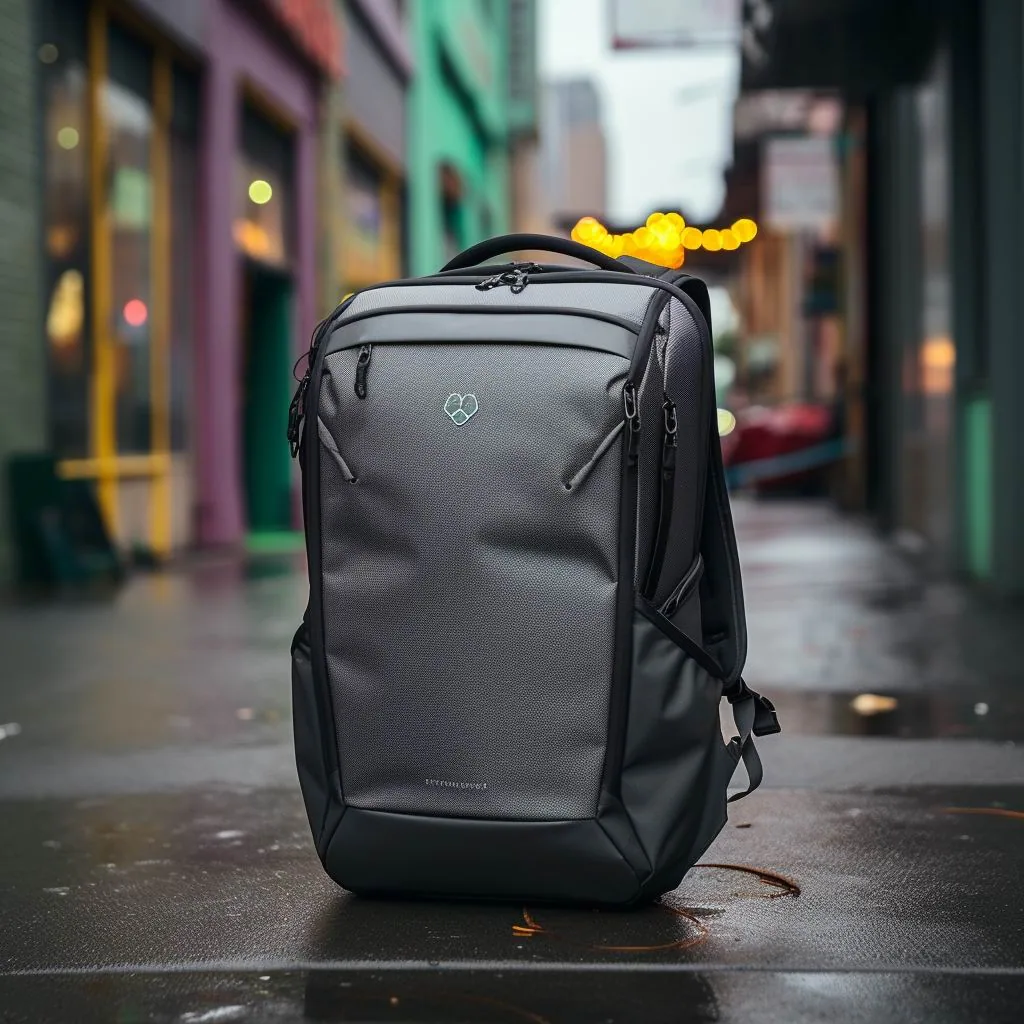
The Thorne Thesis 28 wins because it is the only bag in this group that takes a printed chapter, a laptop and a tablet without compromising any of them. The document compartment has a 2 mm rigid backer measuring 330 x 250 mm internally, and in our carry test 60 sheets of A4 plus a folder came out uncreased after 1 km. Measured capacity was 27.4 litres and weight 1,120 g.
The second reason is the exterior. The shell is a restrained 840D with no external webbing loops or bright hardware, so it works in a seminar room and on a conference floor. The 1,200 mm coating is adequate for a British commute but not for sustained rain, so pack a cover for winter fieldwork. Full specifications sit on our men's school backpack page.
The Thorne Thesis 28 at £134 is the best all-round bag here. Its 2 mm rigid A4 panel keeps printed drafts flat through a full term, the suspended sleeve takes a laptop plus a tablet in separate slots, and 1,120 g is light for a bag with that much structure. The 1,200 mm coating is adequate rather than generous, so carry a cover if your fieldwork runs through a British winter, but for desk, library and seminar use it is the bag we would buy.
Review: Bramley Lab 30 and Kestrel Archive 32
The Bramley Lab 30 at £158 is the lab-based choice. Its base uses a welded thermoplastic panel that can be wiped with the same agents used on lab benches, and the 1,500 mm shell resists the chemical splashes that eventually destroy coated nylon. At 1,280 g and 30 litres it is heavier than the Thorne, but the document panel is semi-rigid rather than rigid, so it is the better bag for equipment and the weaker one for paper.
The Kestrel Archive 32 at £148 is the specialist for archival and field work. Its document panel takes A3 at 3 mm rigidity, which matters for anyone working with maps, plans or large-format prints, and 32 litres swallows sampling equipment. The trade-off is bulk: it will not pass as a discreet seminar bag. Both are specified on our school backpack pillar.
The Bramley Lab 30 at £158 and the Kestrel Archive 32 at £148 are the specialists. The Bramley pairs a semi-rigid A4 panel with a 1,500 mm coating and laptop plus tablet slots, which suits lab researchers moving between buildings in all weather. The Kestrel is the only bag here with a genuine 3 mm A3 panel, and it is the right choice for architectural, historical or design researchers who carry plans, maps or large-format prints that cannot be folded.
Review: Alderwood Seminar 26, Fenwick Scholar 26 and Sable Reading 24
The Alderwood Seminar 26 at £112 is the best bag for teaching and seminar-heavy semesters. It is the lightest rigid-panel bag here at 1,040 g, takes A4 flat, and its 26 litres is enough when you are carrying a laptop and reading rather than equipment. Its 1,000 mm coating is the entry level for British weather.
The Fenwick Scholar 26 at £78 is the value pick and a good first-year doctoral bag: 26 litres, 980 g, a semi-rigid panel and a single laptop slot. The Sable Reading 24 at £92 is the smallest bag tested and only suits researchers who work entirely digitally, since it has no document panel at all. Compare both on our men's school backpack hub.
The Alderwood Seminar 26 at £112, the Fenwick Scholar 26 at £78 and the Sable Reading 24 at £92 are the lighter and cheaper end. The Alderwood has a rigid A4 panel and 1,000 mm coating at 1,040 g, which is a credible everyday bag for a desk-based researcher. The Fenwick at 980 g is the cheapest bag with a semi-rigid panel. The Sable at 880 g has no document panel at all, so it suits a researcher who has moved entirely to digital reading and only needs a 13-inch sleeve.
Device Protection, Data Security and Conference Travel
Researchers carry devices that hold years of irreplaceable work, so protection should be specified rather than assumed. A suspended laptop sleeve with 8 mm closed-cell foam on both faces, sitting at least 15 mm above the bag base, is the minimum. External drives and memory cards should live in a padded organiser rather than loose, since a 2.5-inch drive does not tolerate shock well.
Conference travel adds a security dimension. A bag with a lockable main zip and a hidden rear panel gives you somewhere for a passport and a backup drive in a crowded venue. Cabin dimensions matter too: a 28-litre bag at 46 x 32 x 18 cm fits most UK and European carriers, but a 32-litre bag may not. Device safety testing references IEC guidance and ISO drop-test principles, with results on our school backpack page.
Power and connectivity matter on conference days. A bag with a dedicated power bank pocket and a cable pass-through lets you charge a phone while it stays in the bag, which is safer than carrying a handset and a tethered battery around a venue. Look for a 20,000 mAh pocket size, since that capacity covers a full conference day for a phone and a tablet. Check any built-in cabling against IEC cable safety guidance, and prefer removable cables, which can be replaced when they fail.
Data security is the part researchers underestimate. A bag containing a laptop with the only copy of three years of data is a single point of failure, and conference travel concentrates that risk into two or three days. Use full-disk encryption, keep an offsite backup that runs automatically rather than manually, and never check the laptop into an aircraft hold. Carry the device in a sleeve that opens flat so airport security does not require unpacking the whole bag.
British Pricing and Funding Routes
Budget £78 to £170. The spread here is driven by document panel quality and coating rather than by brand. A researcher in year one of a three-year programme can sensibly start at £78 and upgrade later; anyone who travels to two conferences a year should spend £134 or more.
Funding is worth checking before paying personally. Most UK doctoral programmes include a consumables or equipment allowance of roughly £200 to £750 per year, and conference travel budgets often cover a bag bought specifically for that trip. Departmental group orders of 20 to 40 units typically earn 8 to 15 per cent off list, and orders above 500 pcs move to custom production. Our men's school backpack pillar sets out the procurement route.
Research councils and charities differ on what counts as allowable spend, so check the specific terms of your grant before ordering. Equipment lines generally cover a bag bought for fieldwork or conference travel, but a general-purpose bag is more likely to be challenged. The practical approach is to write the purpose into the order description, keep the receipt with the project code, and if the bag will be used beyond the project, expect to apportion the cost rather than claim it in full.
Prices run from £78 to £158, and most UK doctoral researchers should budget £110 to £150 for a bag that lasts the full three to four years. Several routes cover the cost: many departments have a research training support grant or a consumables budget that will fund a bag if it is justified as necessary for fieldwork or data collection, and conference travel budgets often cover equipment. Ask before buying privately, and keep an itemised receipt either way.
How We Tested These Research Bags
Volume is measured with 20 mm foam blocks, then each bag is weighed empty. The paper test loads 60 sheets of 80 gsm A4 plus a card folder and carries the bag 1 km, checking for creasing. Device slots are drop-tested from 400 mm with a 1.4 kg dummy load, zips run 5,000 cycles, and straps are pull-tested to 250 N.
Manufacturing controls matter for departmental orders. Our production team inspects at AQL 2.5 under ISO 2859-1, and our 4,950 square metre SGS-verified production floor covers cutting, sewing and welding. Sampling takes 6-10 working days, bulk production 35-50 days after sample sign-off, and MOQ is 500 pcs per colourway. Technical sheets are on our school backpack page.
Care, Lifespan and Protecting Your Archive
Empty and dry the bag weekly. A bag left packed with papers and a water bottle will eventually leak into the document compartment, which for a researcher means losing the only printed copy of a chapter. Store the bag off the floor in a lab, since floor surfaces are cleaned with agents that attack coatings.
Expected life is 48 to 60 months for a bag in the £112 to £158 band and about 30 months for a £78 bag. The failure points are zip sliders, strap foam and coating. Back up data separately from the bag regardless, because no bag is a backup strategy. Care guidance is published on our men's school backpack hub.
One more practical point for anyone working across several sites: label the bag. A discreet name label inside the lid costs nothing and matters in a department where six researchers own the same bag in the same colour. Departments that hot-desk or share labs see bags swapped constantly, and a swapped bag containing a laptop and a printed chapter is a genuinely bad day. If your institution has an asset tag process, use it on the bag as well as the device, and photograph the contents before any conference trip so an insurance claim is straightforward.
Protecting the archive matters more than protecting the bag. Keep printed material in a rigid folder inside the bag, never roll or fold primary sources, and digitise anything irreplaceable the day it is collected. A bag with a rigid panel is the first line of defence; a folder is the second. On the bag itself, expect the coating to need renewing at around 24 months and the zip to be the first component to fail, usually in year three at a repair cost of £25 to £30.
Verdict and Specification Checklist
Buy the Thorne Thesis 28 at £134 for most doctoral work. Buy the Bramley Lab 30 at £158 for lab-based research, the Kestrel Archive 32 at £148 for archives and fieldwork, the Alderwood Seminar 26 at £112 for teaching-heavy semesters, and the Fenwick Scholar 26 at £78 on a budget.
Check six numbers: measured litres, empty weight in grams, internal document panel dimensions in millimetres, panel rigidity in millimetres, coating rating in millimetres and sleeve size in inches. For departmental orders, confirm MOQ 500 pcs per colourway, sampling 6-10 working days, bulk production 35-50 days and AQL 2.5 inspection to ISO 2859-1. Start from our men's school backpack pillar.
Two final points for researchers who travel. First, check the bag against the strictest cabin allowance you are likely to meet rather than the most generous, because a 30-litre bag that fits one carrier may be gate-checked on another, and a gate-checked bag is a bag you cannot supervise. Second, if your work takes you to archives with bag restrictions, choose a model that converts to a shoulder carry, since several UK reading rooms require bags to be carried by hand or left in a locker.
Before ordering, settle four things. Decide whether you genuinely carry A3, because it costs about 220 g and £14 to be wrong. Confirm the sleeve takes your laptop measured diagonally in inches, not by model name. Check the coating against your fieldwork season: 1,000 mm is a fair-weather rating, 1,500 mm is a winter rating. And confirm the returns window, since a loaded bag is rarely returnable. Full test data sits on our school backpack pillar page.
Frequently Asked Questions
What size backpack suits a UK PhD researcher?
Most doctoral researchers are best served by 26 to 30 litres. That carries a laptop, a tablet, a lab notebook, papers and lunch without becoming bulky in a seminar room. Field researchers with sampling equipment should go to 32 litres. Below 26 litres you cannot carry a printed chapter and a laptop without compressing one of them.
Why does a rigid document panel matter for doctoral work?
A printed thesis chapter of 40 to 80 pages arrives creased in any bag without a rigid panel. Look for a compartment at least 320 x 240 mm internally with a backer of 2 mm or thicker. Our test carries 60 sheets of 80 gsm A4 plus a folder for 1 km and checks for creasing; only rigid-panel bags pass consistently.
How much should a doctoral researcher spend on a backpack?
Budget £78 to £170. The spread reflects document panel quality and coating rather than branding. First-year researchers can sensibly start at £78 and upgrade. Anyone attending two conferences a year should spend £134 or more for a rigid panel, a second device slot and better weather protection.
Can research equipment allowance cover the cost of a bag?
Often yes. Most UK doctoral programmes include a consumables or equipment allowance of roughly £200 to £750 per year, and conference travel budgets frequently cover a bag bought specifically for that trip. Keep the receipt, note the business purpose, and ask your department administrator before buying rather than after.
Which backpack is best for lab-based doctoral work?
The Bramley Lab 30 at £158 is our pick for lab work. Its welded thermoplastic base can be wiped with the same agents used on lab benches, and the 1,500 mm shell resists chemical splashes that degrade coated nylon within months. Store the bag off the floor, since lab floors are cleaned with agents that attack coatings.
How do I protect a laptop and external drive in the same bag?
Use a suspended laptop sleeve with 8 mm closed-cell foam on both faces, sitting at least 15 mm above the bag base, and keep external drives in a padded organiser rather than loose. A 2.5-inch drive does not tolerate shock well, and a laptop corner driven into the ground through thin padding is the most common failure.
What cabin size works for UK and European conference travel?
A 28-litre bag measuring about 46 x 32 x 18 cm fits most UK and European carriers comfortably. A 32-litre bag may exceed the personal-item allowance on some carriers, so check before booking. If you travel often, prioritise a bag at or below 45 x 30 x 18 cm and use packing cubes to compress clothing.
Should a research bag look discreet for seminars?
Yes, if your day moves between lab, library and seminar room. Choose a restrained shell with no external webbing loops or bright hardware, quiet zips and a single colourway. An overtly technical bag looks out of place in a department seminar and can also draw attention at a conference venue.
How long should a doctoral backpack last?
Expect 48 to 60 months from a bag in the £112 to £158 band and about 30 months from a £78 bag. Failure points are zip sliders, strap foam compression and coating breakdown. Regardless of build quality, never treat the bag as a backup strategy: keep data backed up separately at all times.
Is a second tablet slot worth paying for?
Yes if you read PDFs on a tablet while working on a laptop. Two padded slots keep the devices separated, which prevents screen pressure damage and saves the scratching that happens when two devices share one sleeve. The feature adds about 60 grams and typically £15 to £25 to the price.
How should I carry archive material without damaging it?
Use the rigid document compartment rather than the main cavity, keep paper flat rather than rolled, and add a card folder for stiffness. Avoid overfilling, since pressure from other contents bends corners. For long-term archive transport, use an additional rigid folder inside the compartment and keep the bag upright.
What coating rating do I need for a British campus commute?
A 1,000 mm coating handles light showers; 1,200 mm is comfortable for a typical British walking commute; 1,500 mm or above suits long walks and fieldwork. All our picks sit at 1,000 mm or better. Pair any bag with a cover if your commute exceeds twenty minutes on foot in winter.
Can a department order branded bags for a research group?
Yes. Departmental orders of 20 to 40 units typically earn 8 to 15 per cent off list, while orders above 500 pcs move into custom production. Standard terms at our vetted partner facilities are an MOQ of 500 pcs per colourway, 6-10 working days for sampling, 35-50 days for bulk production and AQL 2.5 inspection to ISO 2859-1.
What should I check before buying a bag for fieldwork?
Check coating rating, base construction and capacity first. Fieldwork needs at least 1,200 mm, a reinforced or welded base that survives being set down on wet ground, and 30 to 32 litres for sampling equipment. A document panel is less important than a washable interior, which is why the Bramley Lab 30 outranks the paper-focused bags here.
Get a Free Quote for Custom Best Backpacks for PhD Researchers in the UK
Planning a branded programme? Our production team works to MOQ 500 pcs, 6-10 working day sampling and 35-50 day bulk lead times, with AQL 2.5 inspection to ISO 2859-1. Send your brief and we will return a costed quotation in 24-48 hours.
Mens Backpack Guide Editorial Team — Buying guides and sourcing notes for the UK men's backpack market, coordinated by QUANZHOU JUNYUAN BAGS. Commercial figures such as MOQ 500 pcs, 6-10 day sampling and 35-50 day production reflect published programme terms.