Table of Contents
- How Do You Pack for a Duke of Edinburgh Expedition?
- What Weight Should a Participant Actually Be Carrying?
- How Should the Pack Be Loaded Zone by Zone?
- What Goes Wrong With Expedition Packing?
- How Do You Keep the Weight Down Without Losing Safety?
- What Should the Kit List Look Like on Paper?
- How Should Water and Food Be Carried?
- What Do Assessors and Supervisors Actually Look For?
- How Do You Repack Camp Efficiently in the Rain?
- What Should Schools and Bulk Buyers Specify?
- Frequently Asked Questions
How Do You Pack for a Duke of Edinburgh Expedition?
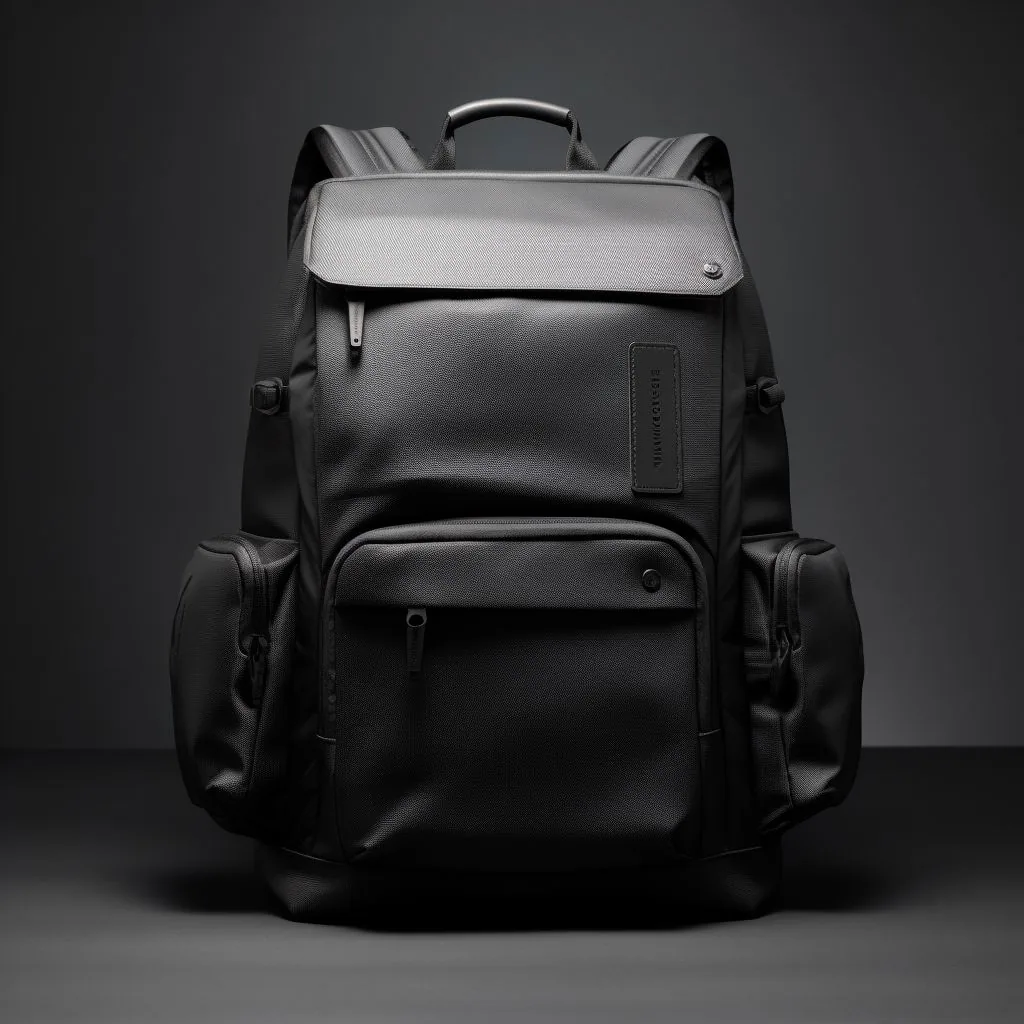
Pack to a written kit list, load heaviest items between your shoulder blades and above your hips, keep everything waterproofed individually, and get total carried weight down to roughly 20% of body weight including water. For a 65 kg participant that is about 13 kg, of which 2 to 3 litres of water account for 2 to 3 kg before anything else. Weigh the full pack at home, record every item and its mass, and repack against that list rather than by feel — because a bag that feels fine for ten minutes on level ground feels very different on day three. Four checkpoints make the difference between a pack that works and one that hurts: total mass under 20% of body weight, heaviest items held within 100 mm of the spine, nothing needed in an emergency buried below the sleeping bag, and every soft item compressed into a dry bag before it goes in. Do the arithmetic the evening before departure, write each figure on the kit list, and cut anything whose weight you cannot justify in a single sentence, since assessors notice a pack that has plainly never been weighed.
Order matters as much as weight. Sleeping bag and spare clothing go at the bottom, tent or shelter components next, food and cooking kit in the middle third, waterproofs and first aid at the top where they are reachable within seconds, and water, snacks and map in external pockets. Anything you might need in an emergency must never sit below 300 mm of other equipment.
Then water proof everything individually even if the rucksack claims to be waterproof. Dry bags are not just for canoe expeditions: a 13-litre bag for the sleeping bag, an 8-litre one for clothing and a 5-litre one for food means anything wet stays isolated, and it compresses the contents into dense blocks that pack far better than loose items. This is the single biggest difference between a well-organised expedition pack and a chaotic one, and it is standard practice throughout expedition backpack guidance.
What Weight Should a Participant Actually Be Carrying?
The commonly used guideline is around 20% of body weight, with 25% treated as the absolute ceiling for fit, experienced walkers. For a 60 kg participant that means 12 kg, and for a 75 kg participant around 15 kg. Anything above that noticeably changes gait, increases the risk of ankle and knee injury on rough ground, and turns what should be a rewarding four days into an endurance test.
Weight breaks down predictably on a Gold expedition. Sleeping bag 1.2 to 1.8 kg, tent share 1.2 to 1.6 kg per person, sleeping mat 400 to 700 g, cooking kit share 600 to 900 g, clothing 2 to 3 kg, food 1.4 to 2 kg per day for four days at roughly 3,000 kcal, water 2 to 3 kg, plus group kit such as a stove, first aid and a tent flysheet shared between the team.
That arithmetic matters because food is the easiest item to over-pack. Four days at 3,000 kcal daily requires roughly 6 to 8 kg of food if you choose badly — heavy tins, fresh food and excess packaging — against 4 to 5 kg with dried meals, pasta, porridge and nuts. Cutting 2 kg of food is the difference between a comfortable expedition and a miserable one, and it is precisely why experienced leaders weigh every bag before departure, as described in school expedition packing.
| Load zone | Contents | Typical weight | Why there |
|---|---|---|---|
| Base, below hip level | Sleeping bag, sleeping mat, spare clothing | 2 to 3 kg | Bulky and light, fills dead space |
| Lower middle, against spine | Tent share, group shelter, stove | 1.5 to 2.5 kg | Heaviest items closest to the back |
| Upper middle | Food, cooking kit, wash kit | 3 to 5 kg | Dense, keeps centre of gravity high |
| Top third | Waterproofs, first aid, hat, gloves | 1 to 1.5 kg | Needed within seconds in bad weather |
| Lid and external pockets | Water, snacks, map, compass, phone | 1 to 2 kg | Access without unpacking anything |
| Hip belt pockets | Snacks, lip balm, whistle, sun cream | 200 to 400 g | Access while walking without stopping |
How Should the Pack Be Loaded Zone by Zone?
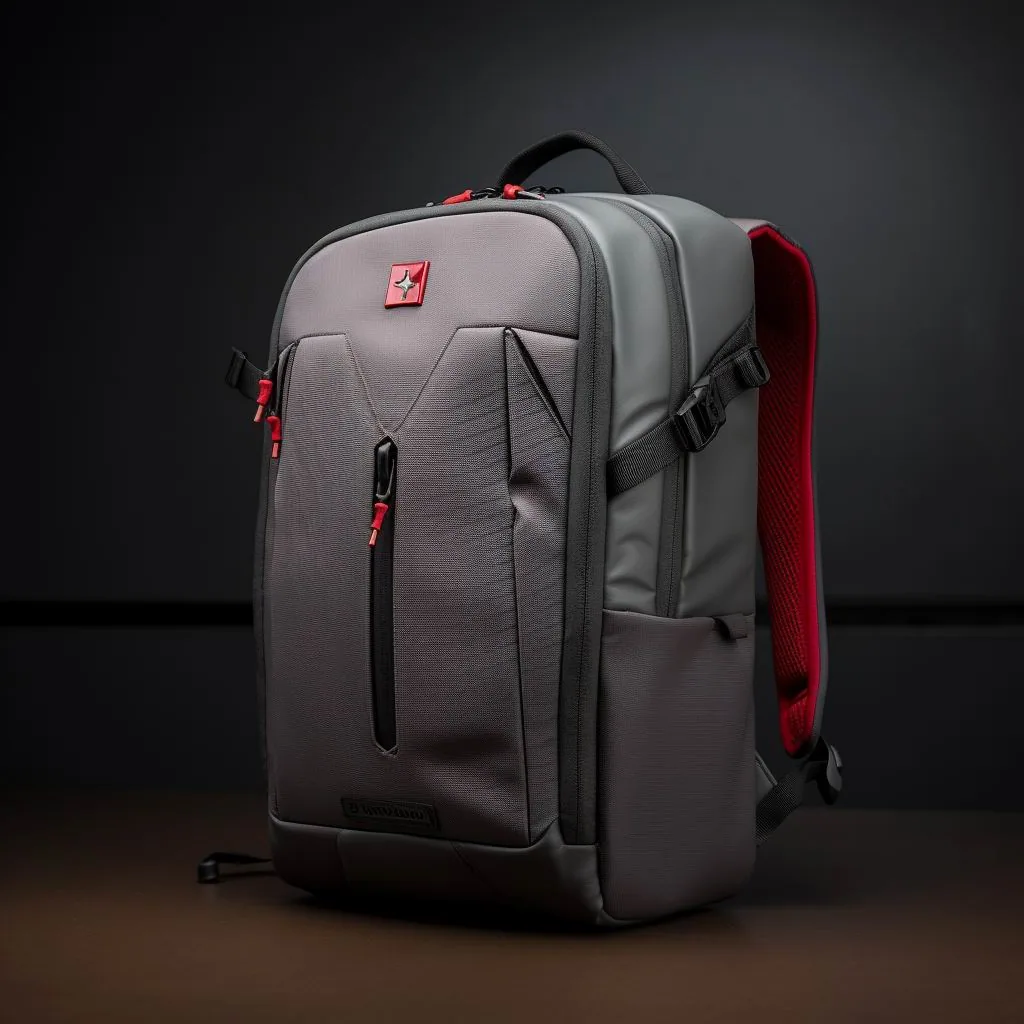
Start with the bottom. Sleeping bag and anything else bulky and light should be compressed into a dry bag and pushed right down into the base, filling the corners first. This creates a stable platform for everything else and puts weight low, which suits walking on uneven ground. Anything soft left loose here will migrate and leave you with an unstable, lopsided load by lunchtime.
Then the heavy core. Tent poles, group shelter and the stove go against your back between the shoulder blades, because that is the strongest part of the human frame and the closest to your centre of gravity. Anything heavy carried high on the shoulders or low behind the hips changes posture: high loads pull you backwards, low loads drag on the lumbar spine, and both become obvious by the second afternoon.
Finish with access. Waterproofs at the very top, because British weather changes in minutes rather than hours, first aid beside them, and water in a side pocket rather than buried internally — a participant who has to unpack to drink will drink less, and dehydration at 3 to 4% of body mass measurably impairs both judgement and mood. Everything in this zone should be reachable with the pack still on your back, and the zone order recommended here mirrors the loading diagrams published inside expedition packing guides.
What Goes Wrong With Expedition Packing?
Three failures recur every season. The first is leaving food in its original packaging, which adds weight and volume for no benefit and generates litter that has to be carried out. Decant everything into resealable bags, label them with a marker, and plan meal by meal so nothing is left unopened at the end.
The second is inadequate waterproofing. A rucksack with a rain cover still lets water in through the back panel and around the straps, and a wet sleeping bag on night two is a genuine hypothermia risk rather than a discomfort. Bag everything individually, use a liner inside the pack costing £8 to £16, and keep one completely dry set of clothing sealed separately for camp.
The third is poor weight distribution between team members. Group kit — tent, stove, first aid, cooking equipment — should be split by body weight, so the 75 kg participant carries more of the shared load than the 55 kg one. Teams that split it evenly often end up with the lightest person carrying 30% of their body weight, which is unsafe regardless of how fit they are. Leaders should weigh and reassign before departure, a practice set out in DofE expedition checklists.
How Do You Keep the Weight Down Without Losing Safety?
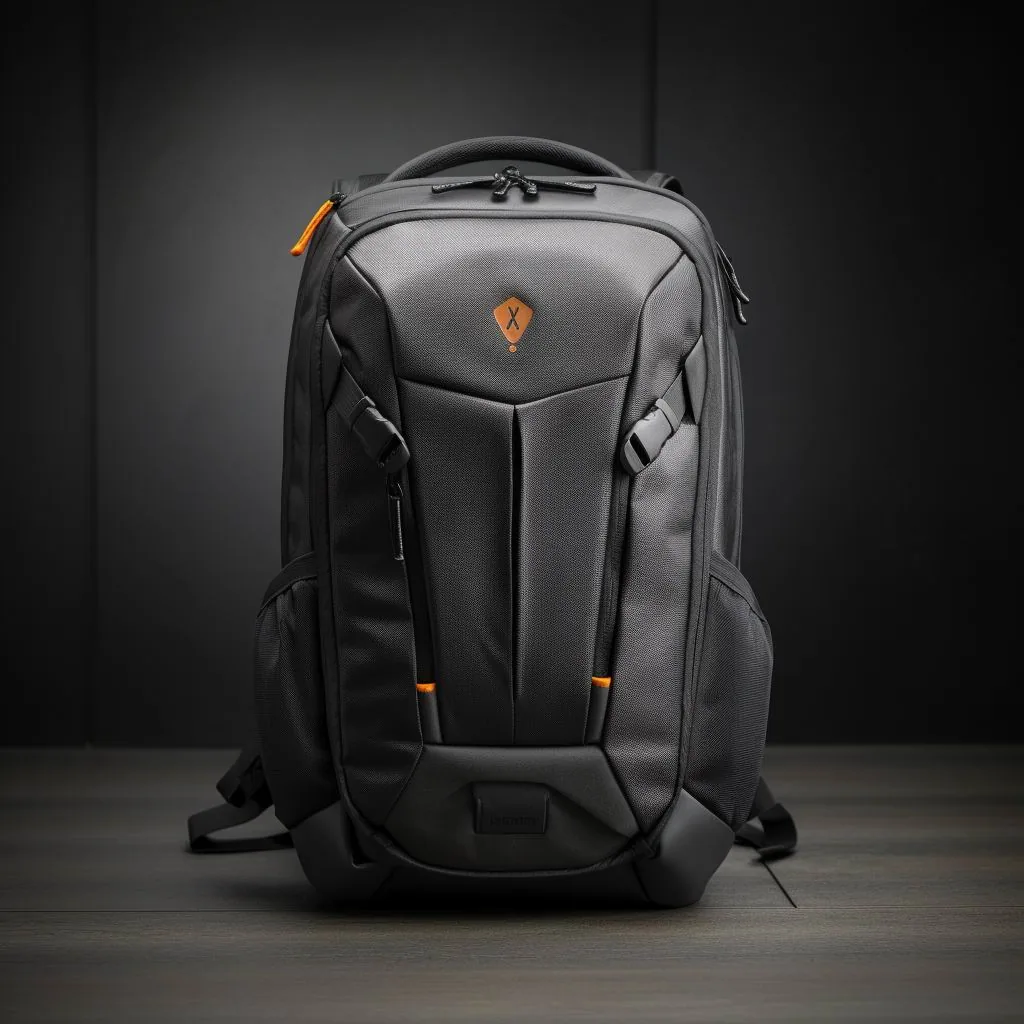
Start by questioning every item rather than trimming the obvious ones. Ask three questions of each piece of kit: will I use this every day, does anything else do this job, and can it be shared? On most expeditions the answers remove 1 to 2 kg without any loss of safety, typically duplicate torches, second pairs of trousers, full-size toiletries and spare footwear.
Share aggressively where it is safe to do so. One stove, one pan and one tent between two or three people is standard; one tube of toothpaste and one washing-up kit between four is obvious; and one group first aid kit rather than four personal ones saves perhaps 800 g. Only personal medication, waterproofs and boots should never be shared.
Then check the big three: sleeping bag at 1.2 to 1.8 kg, rucksack at 1.5 to 2.2 kg and boots at 1.2 to 1.6 kg per pair. Together they account for over half the carried weight in many packs, and each is a genuine purchase decision rather than a packing one. A participant carrying a 2.4 kg synthetic bag could save 700 g for around £90, and that is often the cheapest weight reduction available. Gram-counting works best when the whole team uses one shared list, which is the method recommended across school expedition kit advice.
What Should the Kit List Look Like on Paper?
Write it as a table with columns for item, weight in grams, who carries it and whether it is group or personal. A typical Gold list runs forty to sixty lines and totals 12 to 15 kg once water is included. Having the number written down changes behaviour: participants see that 400 g of chargers and speakers is 400 g they will carry for four days, and most remove it voluntarily.
Photograph the fully packed bag before departure as well. It resolves disputes about what was brought, it helps supervisors advise on future expeditions, and it is genuinely useful if anything is lost. Keep the list in the group's shared folder so every member can check their own packing against it on the evening before.
Finally, rehearse. Do one practice walk of at least 10 km with the full loaded pack before the real expedition, because participants routinely discover on day one that their hip belt has never been adjusted or that their boots blister after 6 km. Nothing about packing technique compensates for untested kit, and this rehearsal is the recommendation repeated in every expedition preparation guide.
How Should Water and Food Be Carried?
Carry 2 to 3 litres as a baseline for British conditions, more in hot weather or on exposed upland routes where streams are unreliable. Water weighs 1 kg per litre, so decide honestly whether to carry 3 kg or to filter along the route: a filter bottle costing £35 removes the need for chemical tablets and saves up to 2 kg on long dry sections, though it adds 400 g of its own.
Food planning should start from calories rather than from what looks nice. Around 3,000 kcal per day is realistic for this level of activity, which translates to roughly 700 to 900 g of dried food daily when chosen well. Porridge sachets at 60 g, pasta at 100 g per portion, dried meals at 120 to 175 g, nuts and chocolate at 150 g, plus drink mix, gives you a day's eating for under 900 g.
Pack food in daily bags rather than one large one, each labelled and ordered so day one is at the top. That prevents the familiar search through the whole pack on the first evening and it makes rationing visible to the whole team. Keep one emergency day of food sealed and untouched: 900 g of reserves is cheap insurance against delayed return, and assessors look for exactly that discipline. Cooking fuel deserves the same scrutiny, since a 230 g gas cartridge shared between three people is far better value than three 100 g stoves carried separately, and every school expedition backpack specification should leave room for both.
What Do Assessors and Supervisors Actually Look For?
Competence rather than luxury. Assessors check that participants can produce everything required within a reasonable time, that group kit is shared fairly, that waterproofing is genuine rather than aspirational, and that nothing dangerous is being carried — particularly glass jars, unnecessary fuel and unsecured knives. They also observe whether the group can repack efficiently in rain, which is why dry-bagging matters.
They look at load carriage too. Participants walking with the hip belt undone, straps loose and the pack hanging 100 mm off the back are gently corrected, because that is a safety issue on steep ground rather than a style preference. Adjusting properly — hip belt on the iliac crest, shoulders snug, sternum strap set, load lifters at 30 to 45 degrees — demonstrates the competence the award is designed to build.
Finally they notice preparation. Groups that arrive with a written kit list, a rehearsal walk completed and weights recorded are consistently those with the smoothest expeditions. It is not about carrying less than everyone else; it is about knowing precisely what you carry and why, which is the same standard applied to every bag reviewed in school expedition backpacks.
How Do You Repack Camp Efficiently in the Rain?
Pack the shelter first, always. On arriving at a wet campsite, one participant holds the tent or group shelter while the rest keep their packs on, because removing a loaded rucksack on saturated ground means putting it down in a puddle. Erect the shelter, throw dry bags inside in weight order, and only then start unpacking. That single habit saves roughly fifteen minutes of chaos and keeps the sleeping bag dry on the nights when it matters most.
Then work to a fixed internal order that never changes between days. Sleeping bag stays in the same 13-litre dry bag in the same corner of the base, clothing stays in the same 8-litre bag directly above it, and the wash kit stays in the same external pocket. A pack with a fixed order can be repacked by touch in the dark and in rain, which is exactly the competence an assessor is looking for on a wet afternoon in the British uplands.
Finally, manage moisture deliberately rather than hoping. Hang wet waterproofs from an external strap to dry while walking, keep one sealed dry set of base layers and socks reserved for camp only, and put wet boots in a stuff sack rather than in the porch where they soak everything else. Groups that follow these three rules arrive at the final morning with dry kit and dry morale, and the same discipline is set out in the expedition backpack packing notes used by school groups.
What Should Schools and Bulk Buyers Specify?
Durability dominates school expedition procurement. Require 600D or heavier shell fabric, bar-tacked strap anchors tested above 150 N without creep, adjustable torso harnesses with at least 80 mm of travel so one size fits a whole year group, and rain covers rated to 1,500 mm supplied with every unit. Those four clauses typically add £2.20 to £4.10 per unit and roughly double service life.
Then set the commercial terms before sampling. Standard practice is MOQ 500 pcs per colourway, sampling in 6-10 working days including a loaded 13 kg carry test, bulk production 35-50 days, and inspection to AQL 2.5 (ISO 2859-1) using the tables published by ISO 2859-1. Abrasion and seam strength should additionally be verified against the ASTM standards library, because school bags meet far more concrete than any commercial bag.
Finish with the practicalities that reduce complaints. Specify 60 to 75-litre capacity for Gold expeditions, hip belt pockets large enough for a map at 240 x 180 mm, and a printed packing card with the weight target expressed as a percentage of body weight. Our 4,950 m² SGS-verified production floor ships school expedition orders with spare strap sets and repair patches, and our vetted partner facilities retain dye lots for eighteen months so replacement batches match perfectly, which matters greatly to institutions ordering through bulk school backpack supply.
Frequently Asked Questions
How heavy should a Duke of Edinburgh expedition pack be?
Around 20% of body weight including water, with 25% as the ceiling for fit, experienced walkers. For a 65 kg participant that means roughly 13 kg, of which 2 to 3 kg is water. Anything above the ceiling changes gait and raises injury risk on rough ground, so weigh the full pack before departure rather than guessing. Weigh it on bathroom scales the evening before and record the figure on the kit list, because a 1 kg reduction is roughly 8% of a 12 kg load.
What size rucksack do you need for a Gold expedition?
Around 60 to 75 litres for a four-day expedition with a share of group kit. Anything smaller forces external strapping, which shifts the load away from your spine and catches on vegetation. Check that the harness adjusts to fit a range of body sizes, since schools buy one model for an entire year group. A 65-litre model suits most seventeen-year-olds, with 75 litres for taller participants carrying a larger tent share.
Which zone should hold the heaviest items in an expedition pack?
Against your back between the shoulder blades, with bulky light items such as the sleeping bag in the base. Heavy loads carried high pull you backwards; carried low they drag on the lumbar spine. Waterproofs and first aid belong in the top third where they can be reached within seconds. A 2 kg tent share held 50 mm from the spine feels noticeably lighter than the same mass carried 200 mm behind the hips.
How much water should participants carry in Britain?
Two to three litres as a baseline, more on hot days or exposed upland routes. Water weighs 1 kg per litre, so a filter bottle costing £35 can save up to 2 kg on long dry sections while adding 400 g of its own. Dehydration of 3% to 4% of body mass measurably impairs judgement. Fill bottles at every confirmed source and drink 400 ml before setting off, since most participants start the day mildly dehydrated.
How much food is needed for four days?
Around 3,000 kcal per day, which works out at roughly 700 to 900 g of well-chosen dried food daily, so 3 to 4 kg total. Porridge sachets, pasta, dried meals and nuts hit that target; tins and fresh food push it past 6 kg. Pack each day separately and keep 900 g sealed as emergency rations. Add 150 g of emergency chocolate per person and check that total food weight stays under 4 kg once packaging is stripped.
Should every item be packed into a separate dry bag?
Yes, individually. A rain cover does not stop water entering through the back panel or around straps, and a wet sleeping bag on night two is a genuine hypothermia risk. Use around 13 litres for the bag, 8 litres for clothing and 5 litres for food, plus a pack liner costing £8 to £16. Three bags weighing about 120 g in total protect roughly 12 kg of kit, which is the best weight-for-protection ratio available.
How is group kit split between team members?
By body weight rather than evenly. Tents, stoves, first aid and cooking equipment should go to the heavier participants, so nobody ends up carrying 30% of their own body weight. Weigh every pack before departure and reassign on the spot, since lightest-person-carries-equal is the most common safety error. A 55 kg participant should never carry more than 11 kg, so record every body weight before dividing the tent and stove.
What is the most common packing mistake on expeditions?
Leaving food in original packaging, adding both weight and volume for no benefit while generating litter that must be carried out. Decant into labelled resealable bags and plan meal by meal. Second most common is failing to waterproof individually, which turns a wet night into a serious safety problem. Stripping packaging typically removes 400 to 700 g and two litres of volume from a four-day food bag.
Should participants complete a practice walk with full kit?
Yes, at least one of 10 km or more with the loaded pack. Participants routinely discover on day one that their hip belt has never been adjusted or that boots blister after 6 km. Nothing compensates for untested kit, and the rehearsal is what separates smooth expeditions from difficult ones. Two practice walks of 10 km and 16 km are better than one, because blisters and harness problems usually appear after 8 km.
What should not be brought on a DofE expedition?
Glass jars, unnecessary fuel, unsecured knives, speakers, power banks beyond one small unit, duplicate torches and full-size toiletries. Each adds weight without purpose. Group kit should be shared rather than duplicated, and only personal medication, waterproofs and boots should never be shared between participants. One power bank of 10,000 mAh is acceptable between four people; two glass jars and a speaker are not worth 800 g.
How do you keep a pack stable on steep ground?
Adjust the harness properly: hip belt on the iliac crest, shoulder straps snug, sternum strap 25 to 40 mm below the collarbone and load lifters at 30 to 45 degrees. A pack hanging 100 mm off your back shifts your centre of mass and is a genuine safety issue on slopes rather than a comfort preference. Recheck the hip belt every hour, because straps slacken by roughly 20 mm as clothing compresses during a long climb.
How much does a two-person tent weigh per person?
Typically 1.2 to 1.6 kg per person when split between two, depending on the model. Add 600 to 900 g each for cooking kit share and you can see why group kit splitting matters. Weighing components at home and dividing by body weight prevents arguments on the first morning. A three-person tent shared three ways usually drops that to around 1.1 kg each, which is worth considering for larger teams.
What weight should a participant's sleeping bag be?
Around 1.2 to 1.8 kg for a three-season bag suitable for British upland conditions. Synthetic bags are heavier but cope better with damp; down saves perhaps 700 g for around £90 but needs careful dry-bagging. Either way, keep it in a 13-litre dry bag with the compression straps taken up fully. Check the comfort rating rather than the limit rating, since a bag rated to 0 °C comfort suits most British expedition nights.
What should schools specify when buying expedition rucksacks?
Require 600D or heavier fabric, bar-tacked anchors tested above 150 N, adjustable torso harnesses with 80 mm of travel and supplied rain covers rated to 1,500 mm. Expect 60 to 75 litres for Gold. Terms are MOQ 500 pcs, sampling in 6-10 working days, bulk production 35-50 days and AQL 2.5 inspection. Ask for a spares allowance of 2% and printed weight cards in GBP-priced quotes so replacements match the original batch.
Get a Free Quote for Custom How to Pack for a Duke of Edinburgh Expedition
Planning a branded programme? Our production team works to MOQ 500 pcs, 6-10 working day sampling and 35-50 day bulk lead times, with AQL 2.5 inspection to ISO 2859-1. Send your brief and we will return a costed quotation in 24-48 hours.
Mens Backpack Guide Editorial Team — Buying guides and sourcing notes for the UK men's backpack market, coordinated by QUANZHOU JUNYUAN BAGS. Commercial figures such as MOQ 500 pcs, 6-10 day sampling and 35-50 day production reflect published programme terms.