Table of Contents
- What Is a Gym Backpack for Men?
- Why Sports Backpacks Men Buy Differ from Commuter and Travel Packs
- Capacity and Compartment Layout: 20 L to 45 L Compared
- Ventilation, Odour Control and Wet Compartment Design
- Fabric, Coatings and Abrasion Resistance for Training Kit
- Straps, Back Panels and Load Carrying for Heavy Training Kit
- Sports Backpacks Men Need by Training Style: Weights, Swim, CrossFit and Running
- Hygiene, Washing and Drying in a British Climate
- Gym-to-Office Use: When One Bag Has to Do Both
- Service Life, Repair and When to Replace a Gym Bag
- UK Buying Checklist, GBP Price Bands and Custom Sports Backpack Production
- Frequently Asked Questions
What Is a Gym Backpack for Men?
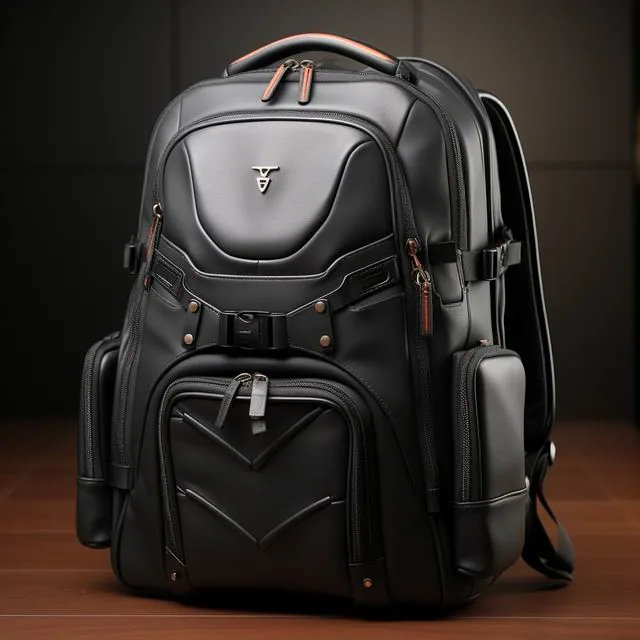
A gym backpack for men is a sports carry bag built around dirty-kit separation rather than around document protection. Where a commuter pack is designed to keep a laptop flat and a shirt crease-free, a gym pack is designed to keep a pair of worn trainers, a damp towel and a washed-and-worn training top away from everything else you own. That single difference drives every design decision downstream: the bag gets a ventilated or sealed shoe compartment, a waterproof wet pocket, a wider opening so you can see the whole interior at once, and fabrics chosen for wipe-clean performance rather than for a formal appearance.
The category has three broad shapes. The classic barrel or holdall silhouette carries the most volume for the least money and is the default for anyone driving to a leisure centre. The upright backpack silhouette carries weight better on foot or by bike, which matters if you are walking twenty minutes to a gym in Leeds or cycling across Bristol after work. The hybrid duffel-backpack converts between the two using stowable shoulder straps, and is the most versatile option for someone whose routine varies across the week.
Confusion usually comes from the overlap with travel and everyday packs. A sports backpacks men listing on a British retailer will frequently include 40-litre travel packs and 20-litre daypacks with no gym-specific feature at all. The test is simple and takes ten seconds in a shop: if the bag has no separate shoe or wet compartment, it is a daypack being sold into a gym category, and it will smell within about three weeks of regular use.
Capacity in this category runs from roughly 20 litres, enough for a towel, a bottle and a change of clothes, up to 45 litres, which is a serious training bag that will hold a weightlifting belt, wrist wraps, two pairs of shoes, a foam roller and a week's kit. Empty weight climbs with capacity and with fabric weight: a 25-litre gym pack with a lined wet compartment typically weighs about 900 g, while a 40-litre hybrid with a moulded base and ventilated shoe garage comes in nearer 1.4 kg.
Price in the UK is more forgiving than in the anti-theft or technical travel categories. A genuinely usable gym backpack starts around £35, and the meaningful upgrade threshold sits at about £70, where you begin to see taped seams in the wet compartment, a moulded or coated base, and hardware that survives being thrown into a locker. Above £120 you are usually paying for brand positioning or for a genuine technical fabric rather than for more function.
It is also worth deciding early whether you need a bag at all. A kit bag works when you drive, change on site and carry everything in one go. A backpack works when you walk, cycle or take public transport to training, because it distributes load across both shoulders and leaves your hands free for a bottle, a phone and a locker band. Most men who buy the wrong gym bag have bought a holdall for a walking routine, and they notice the mistake on the first uphill stretch.
Why Sports Backpacks Men Buy Differ from Commuter and Travel Packs
The engineering priorities are almost inverted. A commuter pack wants a flat, structured back panel that protects a screen and a slim profile that slides under a train seat. A gym pack wants a wide, shallow opening that lets you find a lifting strap without unpacking, and it actively benefits from a boxy profile because kit is bulky rather than flat. Put a 15.6-inch laptop in most gym packs and it rattles around in a sleeve that was added as an afterthought; put a pair of muddy trail shoes in a commuter pack and you have ruined the lining permanently.
Moisture is the second structural difference and the one that decides how long the bag lasts. A gym bag routinely carries 200 g to 400 g of absorbed water in a towel, plus sweat transferred from a training top. If that moisture has nowhere to go, it condenses on the inside of the shell, migrates into the padding, and produces the smell that ends most gym bags long before the stitching fails. A commuter pack can be fully lined and sealed because rain comes from outside; a gym pack has to manage moisture generated inside, which means mesh panels, drain grommets and a compartment that can be opened and left open.
The third difference is cleaning. A commuter pack is cleaned twice a year. A gym pack should be wiped or rinsed weekly, and that means the interior has to be a wipe-clean coated polyester or TPU rather than an absorbent brushed tricot lining. Check the lining before you check anything else: a soft, fuzzy interior lining is comfortable on a laptop sleeve and useless in a bag that will hold a wet towel four times a week.
There is a British-specific angle here too. A bag used five mornings a week through a Manchester or Glasgow winter goes from a wet locker room to a cold car boot to a heated flat, and that cycle is what generates odour. Bags that survive it share three features: a compartment that opens fully to air, a base that does not wick water up from a changing-room floor, and a lining that can be wiped with a dilute disinfectant without the print lifting. None of those features appear on a travel pack specification, which is why the crossover rarely works in practice.
Finally, note the locker dimension. British leisure centre lockers are commonly around 300 mm wide, 450 mm deep and 450 mm tall, and a 45-litre bag loaded to capacity will not fit. If you train at a chain gym, measure the locker before you buy, because a bag that has to live on the floor of the changing room gets kicked, soaked and eventually stolen.
Leisure centre and chain gym lockers in Britain are also frequently damp and poorly ventilated, which is why a bag that can be hung from a hook by a webbing loop is worth more than one with a slightly nicer harness. A reinforced hanging loop at the top of the bag costs pennies to specify and is the difference between a bag that dries between sessions and one that sits in a puddle for an hour.
Capacity and Compartment Layout: 20 L to 45 L Compared
Capacity choice in this category is really a question about how much of your routine happens away from home. If you train before work and shower at the gym, you need a bag that carries a full change of clothes, a towel, wash kit and shoes, which puts you at 30 litres minimum. If you train at lunchtime and shower at the office, you carry kit plus a damp towel and no shoes, and 22 to 25 litres is comfortable. If you drive to a leisure centre and change there, you can go larger without penalty, and 40 litres is genuinely useful for a swimmer carrying fins, a kickboard and a second towel.
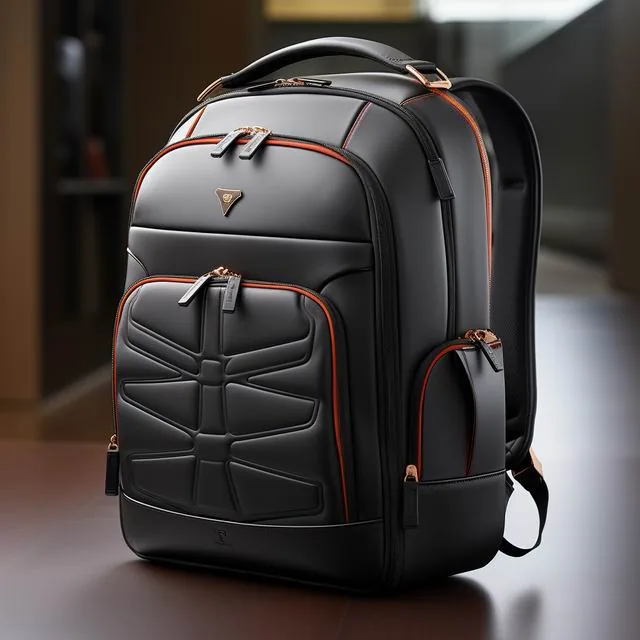
Compartment count matters more than total litres. The most useful layouts have three zones: a main cavity for dry clothes and kit, a separated shoe or wet zone accessible from outside the bag, and a small secure pocket for keys, phone and a locker token. Four or more compartments sounds better on a specification sheet but usually produces a bag with several pockets too small to be useful, and the extra divider panels eat into the volume you actually paid for.
The shoe compartment is the single feature most worth scrutinising. A dedicated garage at the base of the bag is better than a side pocket, because it keeps the weight low and lets the shoes sit flat. It should be accessible from the outside via its own zip, so you never open the main cavity in a changing room and expose your clean clothes. Ventilation via a mesh panel or two eyelets is standard; the better designs add a drain grommet at the lowest corner so that a pair of wet trail shoes can drain rather than stew.
Opening geometry is the last layout decision. A horseshoe or U-shaped main zip that runs down both sides lets the bag open like a suitcase, which is what you want when you are packing a towel and a change of clothes in a hurry at 06:00. A traditional top-loading opening forces you to dig, and it also means the bag cannot be aired out effectively, because the opening faces upward. Look for a U-zip with at least two sliders so you can open from either side.
Finally, check the external bottle pockets against the bottle you actually use. A 500 ml bottle is the common British gym size and most pockets take it, but a 750 ml bottle or a shaker with a wide base will not sit securely in a shallow mesh pocket, and a bottle that falls out mid-commute is a bag you will stop using.
| Capacity | Compartments | Typical empty weight | Fits | Best training routine |
|---|---|---|---|---|
| 20 to 24 L | Main, wet pocket, small valuables | 750 g to 900 g | Kit, towel, 500 ml bottle | Lunchtime session, shower at work |
| 25 to 30 L | Main, shoe garage, wet pocket | 900 g to 1.1 kg | Full change, trainers, towel, wash kit | Before-work session, shower at gym |
| 32 to 38 L | Main, shoe garage, wet pocket, side pocket | 1.1 kg to 1.3 kg | Two pairs of shoes, belt, wraps, roller | Weights five mornings a week |
| 40 to 45 L | Main, two shoe zones, wet pocket, organiser | 1.3 kg to 1.6 kg | Swim kit, fins, kickboard, week of kit | Swimming, triathlon, coaching |
Ventilation, Odour Control and Wet Compartment Design
Odour in a gym bag is a bacterial problem, not a perfume problem, and the design response is airflow plus dryability rather than antimicrobial marketing. Bacteria that produce volatile odour compounds thrive in warm, damp, dark cavities, which is exactly what a closed polyester bag holding a damp towel provides. The three design interventions that actually work are separating the wet item from the dry ones, giving that separated space a route for air to escape, and making the lining material non-absorbent so it can be wiped dry rather than left damp.
A wet pocket is the practical answer and the specification detail is the seam. A pocket described as waterproof but built with a sewn-and-bound seam will leak through the needle holes within weeks, because the needle perforations are not sealed. Look for welded or taped seams inside the wet compartment, or for a lining that is genuinely a TPU laminate rather than a coating sprayed onto polyester. Press the seam from the inside in a shop: if you can see needle holes running along it, the pocket will weep, and a wet pocket that weeps is worse than no wet pocket because it hides the leak inside the bag.
Ventilation comes in three forms. Mesh panels on the shoe compartment let moisture escape passively and cost almost nothing. Eyelets or grommets at the base of a compartment let water drain and let air circulate once the bag is hung up. A raised airflow channel on the back panel keeps sweat off your back and, incidentally, off the bag's own padding. All three are cheap to specify and all three are deleted first on a budget bag, so counting them is a fast way to judge whether the design was thought through.
Antimicrobial treatments deserve scepticism. Silver-ion and similar finishes can reduce bacterial load on a fabric surface under laboratory conditions, but they do not survive repeated wiping, they wash out, and they do not compensate for a bag that stays damp. AATCC maintains the standard test methods used to evaluate textile finishes and colourfastness, including resistance to perspiration, and a reputable supplier will quote a method rather than a marketing phrase. In practice, the two habits that control odour are hanging the bag open in a dry room overnight and washing the removable liner or the whole bag monthly.
One habit makes a disproportionate difference: never put a damp towel back into the bag at the gym and leave it there until the following session. That is the single most common cause of permanent odour in British gym bags, because it gives bacteria eight or more hours in a warm, dark, closed cavity. If the wet compartment is full, roll the towel into a small dry bag and zip it shut; the towel is already damp either way, but the rest of the bag stays dry.
| Design feature | What it does | Effectiveness | Cost to specify |
|---|---|---|---|
| Taped-seam wet pocket | Stops water reaching the main cavity | High | Medium |
| Sewn-seam "waterproof" pocket | Looks the part, leaks through needle holes | Low | Low |
| Mesh panel on shoe garage | Passive airflow, slow drying | Medium | Low |
| Drain grommet at base | Lets liquid out and air in | High | Low |
| Raised airflow back channel | Keeps sweat off back and padding | Medium | Medium |
| Antimicrobial fabric finish | Reduces surface bacteria initially | Low after washing | High |
Fabric, Coatings and Abrasion Resistance for Training Kit
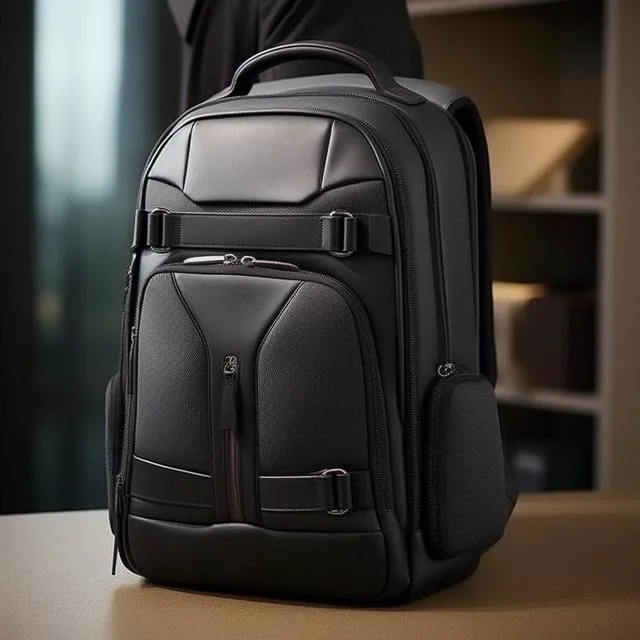
Gym bag fabrics take abuse that a commuter pack never sees: they are dropped on concrete, scraped along locker shelves, loaded with 20 kg of plates during a strongman block, and wiped with disinfectant weekly. The shell therefore wants a mid-to-heavy denier with a coating, and the base wants additional protection. A 600D polyester with a polyurethane backing is the realistic entry point and will survive three to four years of daily use. An 840D nylon with a TPU laminate is the step up and is what you want if the bag will regularly sit on a wet changing-room floor. A 1680D ballistic nylon base panel is worth specifying on any bag over 35 litres, because the base is what fails first.
Coating type matters as much as denier. A PU coating is cheap, flexible and eventually hydrolyses, meaning it goes tacky and flakes after roughly three to five years, particularly in a humid British climate. A TPU laminate costs more, resists hydrolysis, and stays flexible in the cold, which matters if the bag lives in a car boot through a Scottish winter. If you have ever opened a bag to find a fine white powder on the inside of the shell, that is a hydrolysed PU coating, and there is no repair for it.
Abrasion resistance is the other half of the specification and is measured in cycles to failure under a weighted abrasive. The Martindale method used for gloves and upholstery runs to 8,000 cycles at its top grade, and a gym bag base should be specified to survive several thousand cycles against a rough surface. In a shop you can approximate the check by looking at the base: a coated fabric with a visible weave and a smooth hard finish will abrade well, while a soft, brushed or suede-like finish will pill and thin rapidly wherever the bag is set down.
Hardware deserves a paragraph of its own because it is the second most common failure after the coating. Zinc-alloy sliders and clips corrode in a chlorinated pool environment within a season; acetal or branded nylon hardware does not. If you swim, check that every buckle and slider on the bag is either acetal or stainless, and avoid any bag with plated metal hardware on the exterior. Zips should be a branded number 10 on the main compartment and at least a number 8 on the shoe garage, because those two zips are worked several times a day, every day, and they are the ones you will notice failing.
Thread and stitch specification is the quiet detail that separates a three-year bag from a five-year one. Look for a stitch density of at least 7 stitches per inch on load-bearing seams, bar-tacks at every strap and handle attachment, and bound rather than raw internal seams. A bag with raw internal seams will fray into the lining within a year, and the frayed fibres hold moisture, which accelerates the odour problem described above. Both checks take fifteen seconds in a shop and both predict service life better than any denier figure on the hangtag.
Straps, Back Panels and Load Carrying for Heavy Training Kit
A gym bag is frequently the heaviest bag a man carries. A 35-litre pack loaded with two pairs of trainers, a towel, a wash kit, a water bottle, a weightlifting belt, wrist wraps and a change of clothes will realistically reach 9 kg to 12 kg, and a swimmer carrying fins and a kickboard can exceed that. At those loads, strap geometry stops being a comfort question and becomes a durability question: narrow webbing cuts into a shoulder, cheap foam collapses, and a bag with no sternum strap swings badly on a twenty-minute walk.
The specification to look for is 45 mm minimum webbing width at the shoulder, closed-cell foam of 8 mm to 10 mm with a woven cover rather than an open-cell sponge, and a sternum strap with some vertical adjustment. Load lifters above the shoulder attachment are worth having on anything over 30 litres, because they pull the top of the bag toward your spine and stop the pendulum effect that makes a heavy bag feel twice its weight. A hip belt is rarely necessary on a gym bag and adds bulk that catches on lockers, so treat it as optional.
The back panel is where gym and commuter requirements part company again. A commuter pack wants a firm, flat panel to protect a screen. A gym pack wants a panel that can be wiped and that does not hold moisture, which argues for a moulded EVA or a closed-cell foam with a smooth coated face rather than a soft air-mesh. Air mesh is comfortable against a t-shirt and absorbs sweat, which is fine on a hiking pack you wear once a week and poor on a bag you wear while already sweating.
Convertible designs deserve a specific warning. A hybrid duffel-backpack with stowable straps is genuinely versatile, but the stowage pocket creates a wear point where the webbing exits the fabric, and that is where these bags fail. Check that the exit point is reinforced with a bar-tack and a bound edge rather than a simple turned seam. Also check that the shoulder straps when deployed are the same width as on a dedicated backpack; hybrids frequently ship with 25 mm straps that are uncomfortable above 6 kg, and no amount of padding fixes a strap that is too narrow.
Handles matter more on a gym bag than on any other category, because a duffel or hybrid is lifted and thrown far more often than it is worn. There should be at least two: a padded top grab handle and a side or end handle that lets you pull the bag out of a locker lengthways. Both should be bar-tacked into the shell with a reinforcing patch behind, not simply stitched through the lining. Test this in a shop by lifting a loaded bag by one handle only; if the panel visibly distorts, the reinforcement is inadequate and the handle will tear out within a year.
Load distribution inside the bag is the last thing to get right, and it is free. Put the heaviest items, which for most men are shoes and a water bottle, low and close to your back. Put soft, light items such as a t-shirt and a towel high and toward the outside. A bag packed this way carries several kilos lighter than the same bag packed randomly, and it also protects a laptop sleeve from being crushed by a pair of trainers.
Sports Backpacks Men Need by Training Style: Weights, Swim, CrossFit and Running
A weightlifter's bag is defined by awkward, dense objects rather than by volume. A belt, wrist wraps, knee sleeves, a chalk bag, lifting shoes and possibly a pair of straps take up less space than a football kit but weigh far more and have hard edges. The right bag has a boxy main cavity with a flat reinforced base, a wide U-shaped opening, and at least one external pocket that can take a chalk bag without contaminating everything else. A slim commuter-style pack is wrong here: the belt will not lie flat and the shoes will crush whatever is next to them.
A swimmer's bag is defined by chlorine and by water. Chlorine attacks plated hardware and accelerates coating hydrolysis, and a wet swimsuit left in a sealed cavity will smell within a day. The right bag has a taped-seam wet compartment large enough for a suit and a towel, acetal or stainless hardware throughout, a drain grommet, and a mesh panel that can be left open in a car boot. A separate ventilated zone for fins and a kickboard is worth specifying above 35 litres. Everything about this bag says drainage and corrosion resistance rather than capacity.
A CrossFit or functional fitness bag carries the widest variety of kit of any training style: a jump rope, a speed rope, gymnastics grips, a change of shoes, knee sleeves, wrist wraps, tape, a water bottle and often a skipping mat or a foam roller. Volume sits around 30 to 35 litres, and the layout wants several medium pockets rather than one large cavity. This is also the style where external attachment points earn their keep, because a foam roller strapped to the outside frees a surprising amount of interior space.
A runner's bag is the lightest of the four and the only one where weight matters more than volume. A runner carrying a change of clothes, a towel and a light waterproof to a track session needs 20 to 24 litres at most and should prioritise a pack under 900 g with a stable harness that does not bounce. Reflective panels matter if you are running to and from the session in a British winter, when light fades before 16:00. If your routine is run-commute rather than drive-train-drive, look at a running-specific pack with a bounce-free harness instead of a general gym bag.
Team sports and five-a-side deserve a line too, because muddy boots and a wet pitch create the harshest load a bag will see. The specification here is a boot garage with a drain grommet, a lining that can be hosed out, and a base that will not wick water up from a wet touchline. A fabric that cannot be wiped clean is disqualified immediately.
| Training style | Volume | Must-have feature | Avoid |
|---|---|---|---|
| Weights and powerlifting | 30 to 35 L | Reinforced flat base, wide U-zip | Slim commuter profile |
| Swimming | 30 to 45 L | Taped wet compartment, acetal hardware | Plated metal hardware, sealed lining |
| CrossFit and functional fitness | 30 to 38 L | Multiple medium pockets, external straps | Single large undivided cavity |
| Running and track | 20 to 24 L | Under 900 g, stable harness, reflectives | Heavy moulded base, duffel shape |
| Team sports and five-a-side | 32 to 40 L | Boot garage, muddy-kit separation | Fabric lining that cannot be wiped |
Hygiene, Washing and Drying in a British Climate
The routine that keeps a gym bag serviceable is boring and takes about four minutes. Empty it completely the day you use it. Turn the wet compartment and the shoe garage inside out. Hang the bag open, upside down if it has a drain grommet, in a room with some airflow. Wipe the interior weekly with a dilute disinfectant or a 1:10 bleach solution on a coated lining, then wipe again with clean water so the residue does not attack the coating. Do that and a £60 bag will outlast a £150 bag that lives closed in a hallway cupboard.
Full washing is worth doing monthly for anyone training five times a week. Empty every pocket, remove any internal stiffener or base sheet, brush grit out of the zip tracks, and hand wash in cool water no warmer than 30 °C with a pH-neutral detergent. Do not machine wash a bag with a moulded base, a welded wet pocket or a stiffened back panel, because the agitation delaminates the laminate and creases the stiffener permanently. Do not use fabric softener, which leaves a residue that reduces the wipe-clean performance of a coated lining.
Drying is the genuinely hard part in the UK. Between October and March, a bag washed on a Sunday in a flat without a tumble dryer or a heated airing cupboard may not be fully dry by Tuesday, and a bag that goes back into service damp will smell within a day. The practical answers are a dehumidifier running in the same room, which will pull a 30-litre bag dry overnight, or owning two bags and rotating them through the winter. That second option sounds extravagant until you price it against replacing one bag a year.
Chlorine deserves its own note for swimmers. Rinse the bag's exterior in fresh water after a pool session, because salt and chlorine residues accelerate both coating breakdown and hardware corrosion. Pay particular attention to zip sliders: a slider that has been through a chlorinated season without rinsing will start to stiffen, and a stiff slider is the beginning of the end for the main zip. A quick fresh-water rinse of the whole bag takes ninety seconds and is the single highest-value maintenance habit for a pool user.
Two products are worth keeping in the kit and both are cheap. A small microfibre drying towel, kept dry in the valuables pocket, lets you wipe the wet compartment out before you leave the changing room, which removes most of the standing water before it has time to soak into the padding. And a mesh laundry bag lets you keep a damp training top separate from a damp towel when both have to travel together, so the wet compartment is carrying two contained items rather than one soggy mass.
Be careful with what you spray. Deodorising sprays and scented fabric mists mask odour for a few hours and leave a residue that feeds bacterial regrowth on an already-damp lining. If a bag needs perfume to be usable, it needs drying or replacing instead. The same applies to bicarbonate of soda sprinkled into a cavity: it absorbs some surface moisture but leaves a powder that grinds into the coating and accelerates wear at the base.
Gym-to-Office Use: When One Bag Has to Do Both
A large share of British men who buy a gym backpack for men are actually trying to solve two problems with one purchase: a bag that carries training kit in the morning and looks acceptable in an office by 09:00. That is achievable, but only with specific compromises, and the most common mistake is buying a 40-litre technical duffel and hoping nobody notices. A better approach is to buy a 28 to 32-litre upright pack in a dark, low-sheen colourway with minimal external branding and a defined laptop sleeve, and to accept that it will be slightly bulkier than a dedicated work bag.
The three features that make a dual-purpose bag work are a suspended laptop sleeve that stops short of the base, a shoe compartment that is genuinely sealed so that trainers never touch the main cavity, and a silhouette that reads as a backpack rather than as a holdall. The first protects the device when the bag is set down hard. The second is the difference between a bag you can use for work and a bag that smells. The third is about how you are perceived walking into a client meeting, which sounds superficial and matters in practice.
Where dual-purpose bags fail is the wet compartment. A bag designed to look like a work pack will often have a wet pocket that is too small for a full-size towel, which means the towel goes in the main cavity with your shirt, and the shirt is damp by lunchtime. Check the wet pocket against your actual towel before buying. A standard British gym towel is roughly 1,000 mm by 500 mm when folded twice; if the pocket will not take that, the bag is not really a gym bag.
If your workplace has a shower, the calculation changes in your favour: you can carry a smaller bag, train at lunchtime, and keep the whole thing under 25 litres, which is genuinely office-appropriate. If you shower at the gym and then travel to work, you need the full 30 litres plus a sealed wet compartment, and you should consider whether a dedicated work backpack for men plus a small kit bag would serve you better than one compromised hybrid. In most cases it would, but it costs more and means carrying two items.
One practical detail: keep a small microfibre towel and a spare zip-top bag in the valuables pocket. The towel dries the bag interior after a session, and the zip-top bag holds a damp training top if the wet compartment is already occupied by a wet towel. Both cost under £5 and both extend the usable life of a dual-purpose bag by a year or more.
Colour choice is a practical rather than an aesthetic point in this category. A mid-grey or charcoal shell hides the scuff marks that a daily gym bag accumulates, while a black shell shows every chalk mark and every splash of pool water, and a light shell shows everything. If the bag has to look presentable in an office, mid-grey in a matte finish is the safest choice available in the British market at almost every price point.
Service Life, Repair and When to Replace a Gym Bag
A gym bag works harder than any other bag most men own, and its realistic service life is three to five years of daily use rather than the five to seven you would expect from a commuter pack. The failure sequence is predictable. Within the first year, the lining print starts to lift where it is wiped. In year two, the PU coating on a budget shell begins to go tacky, and a plated buckle starts to bloom with corrosion. In year three, the main zip begins to skip teeth under load, and the base fabric thins where the bag is set down. By year four the wet pocket seam has usually started to weep, and at that point the bag is functionally finished even if the shell still looks reasonable.
Repairs worth paying for are zip replacement and strap re-stitching. A new branded number 10 zip fitted by a local cobbler or a bag repair service costs £25 to £45 in the UK and is worth it on a bag that originally cost over £80. Re-stitching a detached strap attachment costs £15 to £25 and is worth doing as soon as you see the first loose threads, because a strap that lets go while you are carrying 10 kg will also tear the shell panel it is anchored to.
Repairs not worth paying for are coating restoration, delaminated shell panels and re-welding a failed wet pocket seam. Coating hydrolysis cannot be reversed; a delaminated TPU laminate cannot be re-bonded without factory heat-press equipment; and a welded seam that has failed has usually failed along its whole length rather than at one spot. If any of those three happen, replace the bag.
Replacement triggers are worth stating plainly because most men keep a gym bag far longer than they should. Replace it when the wet compartment leaks, when the main zip skips under load, when the coating has gone tacky or powdery, or when the smell returns within a day of a full wash and dry. That last one is the most reliable signal of all: it means bacteria have colonised the padding itself rather than the surface, and no amount of wiping will reach them.
Disposal is worth a sentence. A bag with a hydrolysed PU coating and a corroded frame is not suitable for kerbside recycling in most UK authorities, because it is a mixed-material composite. Check your local council's textile and bulky waste guidance; several English authorities now accept bags at household waste recycling centres, and some sports retailers run take-back schemes for old kit.
If you want to push service life out rather than replace early, the two interventions with the best return are rotating two bags and never storing the bag loaded. Rotating gives each bag at least seventy-two hours to dry fully between uses, which is the interval that reliably breaks the bacterial cycle in a British winter. Storing a bag empty but loosely packed preserves the shape of the padding and stops the coated lining from creasing along the same line week after week, and creasing is what eventually cracks a PU coating.
UK Buying Checklist, GBP Price Bands and Custom Sports Backpack Production
Run six checks before you buy. First, open the wet compartment and press the internal seam from the inside; if you can see needle holes, the pocket will leak. Second, check that the shoe compartment has its own external zip so you never have to open the main cavity in a changing room. Third, load the bag with something heavy and wear it for five minutes; if the straps dig in, the webbing is under 40 mm. Fourth, confirm the hardware is acetal or stainless rather than plated zinc, particularly if you swim. Fifth, look for a U-shaped main opening rather than a top-loader. Sixth, check the base: a coated hard-finish fabric will outlast a brushed or suede-like one by two years.
Price bands in GBP are stable across the British market. Between £35 and £55 you get a 25 to 30-litre bag with a shoe garage, a basic wet pocket with sewn seams and a 600D PU-coated shell; this is adequate for twice-weekly training. Between £55 and £90 you get taped wet seams, a coated or moulded base, branded number 10 zips and 45 mm webbing; this is the right band for four or five sessions a week. Between £90 and £140 you get TPU laminates, acetal hardware, a structured harness and a two or three-year warranty. Above £140 you are paying for brand or for a genuinely technical laminate.
For gyms, leisure trusts, corporate wellness programmes and British retail brands building an own-label range, a custom sports backpack programme is a realistic route at volume. Our production team runs from written brief through sampling, laboratory testing, pre-production sign-off, bulk manufacture, inspection and shipment, with a minimum order quantity of 500 pieces per colourway. Sampling takes 6 to 10 working days for a standard construction and 12 to 15 working days where custom hardware, a moulded component or a bespoke welded pocket is involved. Bulk production is typically 35 to 50 days from pre-production approval, and final inspection runs to AQL 2.5 under ISO 2859-1. Our 4,950 m² SGS-verified production floor carries 7 lines, 149 machines and 137 people, with capacity up to 200,000 units per month. Textile labelling for the Great Britain market must satisfy the Textile Products (Labelling and Fibre Composition) Regulations 2012, and where a product makes a regulated claim the UKCA marking guidance applies. The full process, packaging options and artwork requirements are set out on our custom backpacks UK page, or you can send a brief directly from our quote page.
Finally, buy for the routine you have rather than the one you intend to have. A 45-litre swimming bag bought by someone who lifts twice a week will spend its life half empty and be annoying to carry. A 22-litre running pack bought by a swimmer will be full of wet kit by Wednesday. Write down what you carry on your heaviest training day, add the towel, and buy the smallest bag that fits that load with a sealed wet compartment. That bag will be the one you actually use.
And if you are buying for a team, a club or a staff wellness scheme rather than for yourself, the decision changes shape: consistency of colourway across a reorder matters more than any single feature, because a club bag that cannot be matched twelve months later is a club bag nobody wants to reorder.
Frequently Asked Questions
What size gym backpack do I need?
For a lunchtime session with a shower at work, 22 to 25 litres is comfortable. If you shower at the gym and carry a full change of clothes, shoes and a towel, choose 30 litres minimum. Swimmers carrying fins and a kickboard should look at 40 to 45 litres.
What is the difference between a gym backpack and a normal backpack?
A gym backpack prioritises dirty-kit separation: a separate shoe compartment, a waterproof wet pocket, a wipe-clean coated lining and a wide U-shaped opening. A normal commuter pack protects a laptop and has no way to isolate damp kit, so it will smell within weeks of gym use.
Do I need a shoe compartment?
Yes, if you change shoes at the gym. A dedicated garage at the base keeps weight low and lets trainers sit flat away from clean clothes. It should have its own external zip so you never open the main cavity in a changing room.
Are waterproof wet pockets actually waterproof?
Only if the seams are welded or taped. A pocket built with sewn seams will leak through the needle holes within weeks. Press the internal seam in a shop: visible perforations mean the pocket will weep.
How do I stop my gym bag smelling?
Empty it the same day, turn the wet and shoe compartments inside out, hang it open in a dry room overnight, and wipe the lining weekly with a dilute disinfectant. Odour is bacterial, so airflow and dryability matter far more than any antimicrobial finish.
Can I machine wash a gym backpack?
Not one with a moulded base, a welded wet pocket or a stiffened back panel, because agitation delaminates the laminate and creases the stiffener. Hand wash at no warmer than 30 °C with pH-neutral detergent and air dry thoroughly.
How long does it take a gym bag to dry in the UK?
Between October and March, a 30-litre bag washed in a flat without a dehumidifier can take 48 hours or more. A dehumidifier in the same room dries it overnight. Rotating two bags is the other practical answer for five-sessions-a-week users.
What fabric denier should I look for?
600D polyester with a PU backing is the realistic entry point. Step up to 840D nylon with a TPU laminate if the bag sits on wet changing-room floors, and specify a 1680D ballistic base panel on anything over 35 litres.
Why does my old gym bag feel sticky inside?
That is a hydrolysed polyurethane coating breaking down, accelerated by humidity and chlorine. It cannot be repaired or reversed, and it is one of the three clear signals that a bag should be replaced rather than cleaned.
Which hardware survives a chlorinated pool?
Acetal and stainless steel. Plated zinc-alloy buckles and sliders corrode within a season in a pool environment. Rinse the whole bag in fresh water after swimming, paying attention to the zip sliders.
Can one bag work for both the gym and the office?
Yes, at 28 to 32 litres in a dark, low-sheen colourway with a suspended laptop sleeve and a sealed shoe compartment. Check the wet pocket fits your actual towel; if it does not, the bag is not a genuine dual-purpose design.
How much should a gym backpack cost in the UK?
Between £55 and £90 buys taped wet seams, a coated base, branded number 10 zips and 45 mm webbing, which is the right band for four or five sessions a week. Below £55 suits twice-weekly training; above £140 you are paying for brand.
How long should a gym backpack last?
Three to five years of daily use is realistic, shorter than a commuter pack because of moisture and abrasion. Replace it when the wet compartment leaks, the main zip skips under load, the coating goes tacky, or the smell returns within a day of washing.
What is the best gym bag for weightlifting?
A 30 to 35-litre bag with a reinforced flat base, a wide U-shaped opening and an external pocket for a chalk bag. Weightlifting kit is dense and hard-edged, so a boxy cavity beats a slim commuter profile.
What should swimmers look for in a gym backpack?
A taped-seam wet compartment large enough for a suit and towel, acetal or stainless hardware throughout, a drain grommet and a mesh panel that can be left open. Drainage and corrosion resistance matter more than capacity.
Is a duffel or a backpack better for the gym?
A backpack if you walk or cycle to the gym, because it carries weight better over twenty minutes. A duffel if you drive, because it holds more for less money. A convertible hybrid suits a varied routine but check the strap exit reinforcement.
Can UK gyms and brands order custom sports backpacks?
Yes. A custom sports backpack programme runs from written brief through sampling, testing, pre-production sign-off, bulk production and inspection. Minimum order is 500 pieces per colourway, sampling takes 6 to 10 working days or 12 to 15 for complex builds, and bulk runs 35 to 50 days, inspected to AQL 2.5 under ISO 2859-1.
Get a Free Quote for Custom Gym Backpack for Men
Planning a branded programme? Our production team works to MOQ 500 pcs, 6-10 working day sampling and 35-50 day bulk lead times, with AQL 2.5 inspection to ISO 2859-1. Send your brief and we will return a costed quotation in 24-48 hours.
Mens Backpack Guide Editorial Team — Buying guides and sourcing notes for the UK men's backpack market, coordinated by QUANZHOU JUNYUAN BAGS. Commercial figures such as MOQ 500 pcs, 6-10 day sampling and 35-50 day production reflect published programme terms.