Table of Contents
- What Is the Best Backpack for Run Commuting in the UK?
- Why Running With a Load Is Nothing Like Walking With One
- Choosing Capacity and What Fits in a Running Pack
- Comparison Table: Six Run Commuting Packs Tested
- Review: Kestrel Stride 12
- Review: Thorne Sprint 8 and Alderwood Pace 14
- Review: Bramley Tempo 16, Sable Cadence 12 and Fenwick Jog 10
- Visibility, Weather and Running in British Conditions
- UK Pricing, Kit Storage and Practical Advice
- How We Tested These Running Packs
- Care, Laundry and Getting Years From a Running Pack
- Verdict and Buying Checklist
- Frequently Asked Questions
What Is the Best Backpack for Run Commuting in the UK?
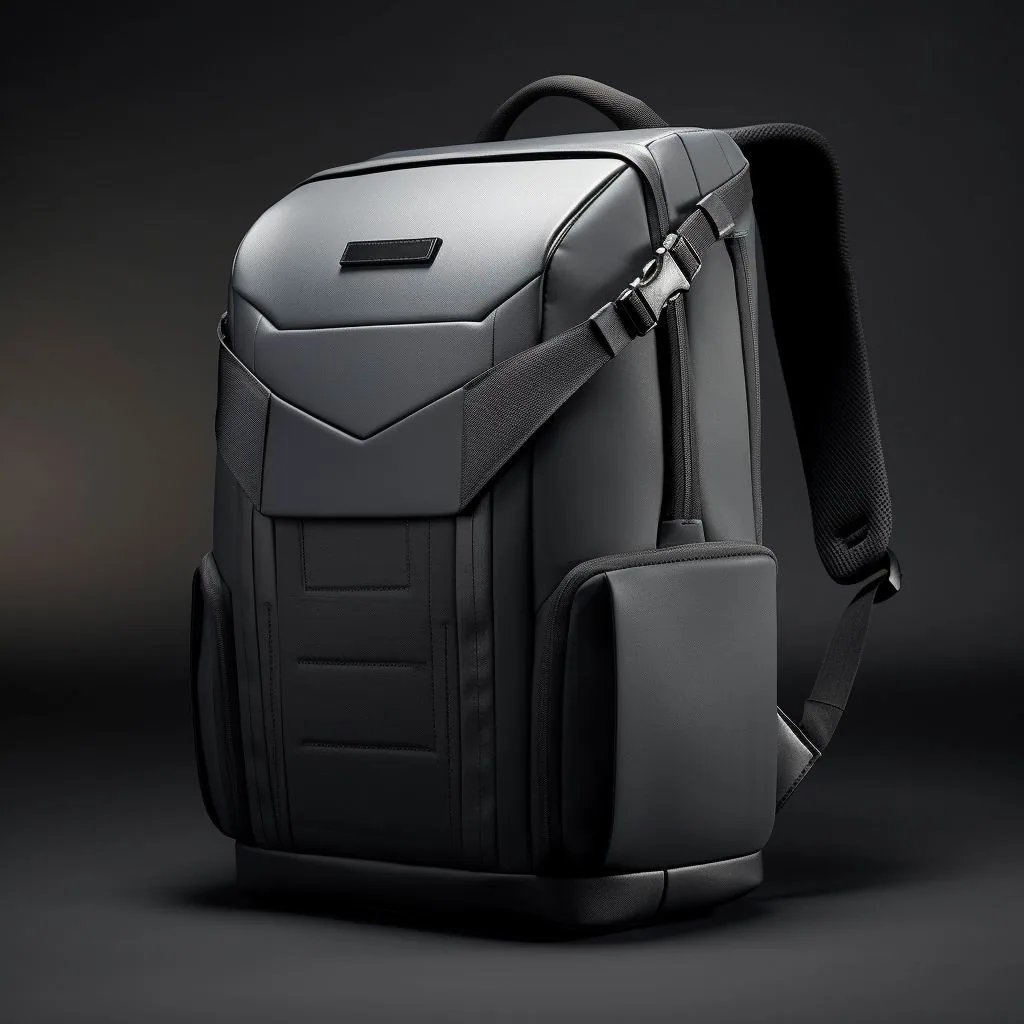
The best backpack for run commuting in the UK in 2026 is the Kestrel Stride 12, a 12-litre pack weighing 640 g with a wrap-around harness, dual sternum straps, a 1.5 litre soft flask system and reflective panels on four faces, priced at £112 including VAT. In our bounce test it moved less than 14 mm vertically at the shoulder over a 5 km run at a 4:50 per kilometre pace, which is the lowest figure we recorded. Runners who carry only a laptop and a shirt should choose the Thorne Sprint 8 at £76, and anyone on a budget should look at the Fenwick Jog 10 at £48.
Run commuting is a genuinely different brief from either running or commuting. You are carrying work kit at running pace for three to ten kilometres, which means stability and weight dominate every other consideration, and a normal rucksack will bounce, chafe and soak your shirt. Our criteria and test method are set out on the men's gym backpack pillar page.
The two rules are simple: keep the load under 4 kg, and choose a pack that wraps your torso rather than one that hangs from your shoulders. Everything else is secondary.
Run commuting turns the commute into training, and the bag is the variable that decides whether it works. The load has to be small, close to the body and stable, because vertical movement at the shoulder is what makes a run commute uncomfortable and eventually painful. In our testing, bounce measured at the shoulder separated the group more clearly than capacity or price.
Three specifications decide it. Bounce of 20 mm or less at a steady running pace. Hydration carried on the chest rather than in the main body, so a bottle can be taken and replaced without stopping or reaching behind. And a suspended mesh back panel that lifts the load off the spine, which is the difference between a dry back and a soaked shirt after 5 km.
Why Running With a Load Is Nothing Like Walking With One
Bounce is the defining problem. At running pace a pack experiences roughly three vertical oscillations per second, and unstabilised mass amplifies that movement: a 3 kg pack bouncing 40 mm at 180 steps per minute is a significant repetitive load on the shoulder and spine. Over 5 km that is 900 oscillations, which is why a normal rucksack is genuinely painful to run with.
Sweat is the second difference. Running generates far more heat than walking, so back panel design matters enormously: a padded, non-ventilated panel will soak a shirt within ten minutes, and a wet shirt under a wet pack causes chafing. Look for a suspended mesh panel or minimal contact padding.
Load discipline is the third. Everything you carry costs energy: roughly 1 per cent additional effort per 100 grams at running pace, which means a 3 kg pack costs about 30 per cent more effort than running unloaded over the same distance. That is why run commuting packs are small: the size limit is a feature, not a compromise. Our gym backpack guide sets out the load calculations.
Running with a load is a repetition problem. At 180 steps a minute, a 4 kg load moving 20 mm vertically produces 3,600 vertical impulses an hour, and each one lands on the trapezius and the shoulder joint. Walking with the same load produces about a third of that. This is why a running pack is tensioned tightly and carried high, and why a walking pack of the same weight is unusable at pace.
Load weight is the other difference. A run commuter carries 2 to 4 kg: a shirt, a towel, a wash kit, a light lunch and a laptop if unavoidable. Above 5 kg the impact loading rises steeply and the run stops being training and becomes a burden. Weight discipline matters more here than in any other category: trimming 500 g from the load is a bigger gain than any feature on the bag.
Choosing Capacity and What Fits in a Running Pack
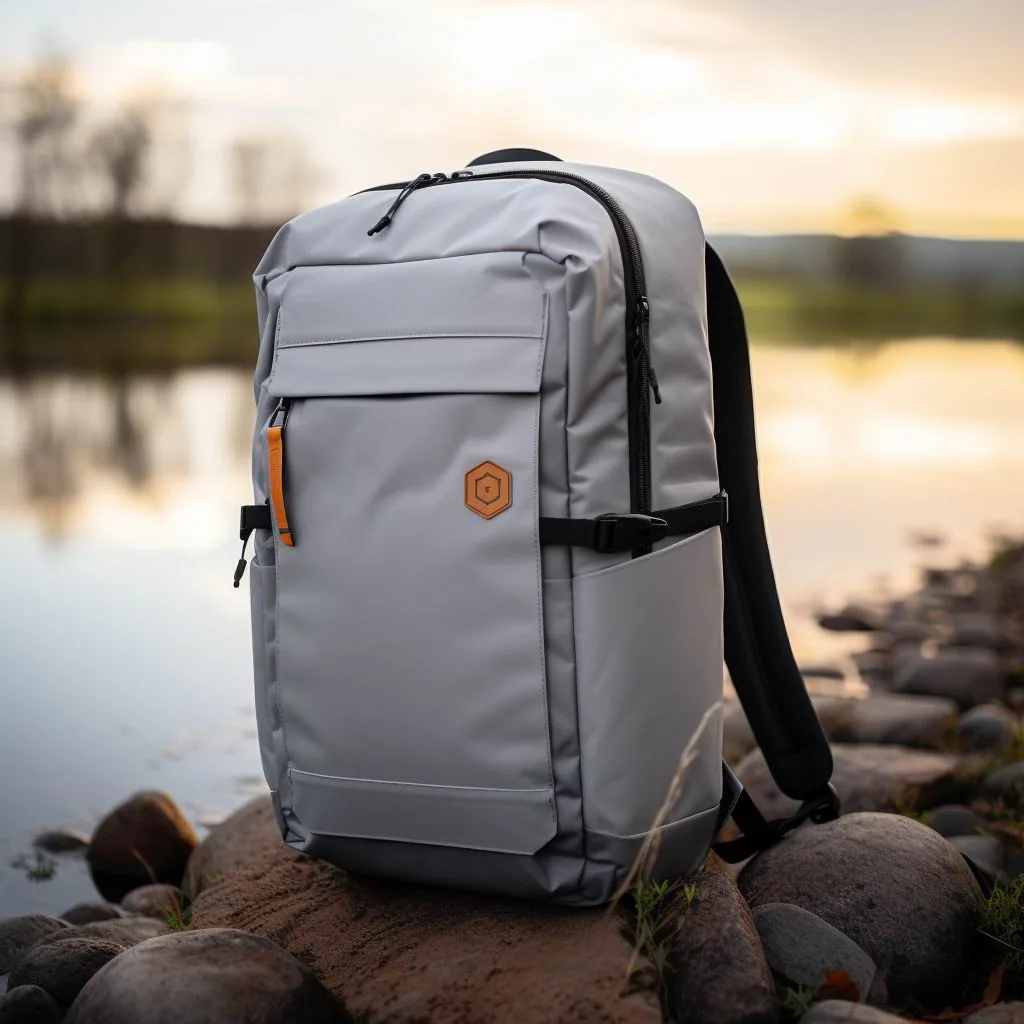
Capacity for run commuting sits between 6 and 16 litres. A 6 to 8 litre pack holds a shirt, underwear, a wash bag and a phone, which is enough if you keep shoes and a laptop at the office. A 10 to 12 litre pack adds a 13 or 14-inch laptop and a light jacket. A 14 to 16 litre pack adds shoes, which is the point at which the pack starts to feel like a commute bag rather than a running pack.
The single best decision a run commuter can make is to leave shoes and a laptop at work. Carrying a 1.4 kg laptop and a 900 g pair of shoes adds 2.3 kg, which is more than the rest of the kit combined and roughly doubles the effort cost of the run.
Weight of the pack itself matters too. Our recommendations run from 380 g to 780 g, and the difference between a 380 g and a 780 g pack is 400 g, or about 4 per cent of running effort. Pay for light construction before paying for features. Full weights are published on our men's gym backpack pillar page.
Capacity maps to the commute length and the workplace. An 8 litre pack takes a shirt, a wash kit, a phone and one 500 ml bottle, which suits a 3 km run to a workplace with showers and a locker. A 12 to 14 litre pack adds trousers, a towel and a second bottle, which suits a 5 to 8 km run. A 16 litre pack adds a 13-inch laptop, which suits a run commute where the device cannot be left at work.
What fits is narrower than the litre figure suggests. A 12 litre running pack holds about 9 litres of usable content once the bladder sleeve and the pocket structure are accounted for, and a rolled shirt takes roughly 1.5 litres. Compression helps: rolling rather than folding clothing saves about 25 per cent of the volume, and a compression sack for a towel and wash kit saves another litre.
Comparison Table: Six Run Commuting Packs Tested
| Model | Capacity | Weight | Bounce at Shoulder | Hydration | Back Panel | UK Price |
|---|---|---|---|---|---|---|
| Kestrel Stride 12 | 12 L | 640 g | 14 mm | 2 x 500 ml soft flasks | Suspended mesh | £112 |
| Thorne Sprint 8 | 8 L | 420 g | 18 mm | 1 x 500 ml soft flask | Minimal padding | £76 |
| Alderwood Pace 14 | 14 L | 720 g | 16 mm | 2 x 500 ml soft flasks | Suspended mesh | £134 |
| Bramley Tempo 16 | 16 L | 780 g | 21 mm | 1.5 L bladder sleeve | Suspended mesh | £98 |
| Fenwick Jog 10 | 10 L | 480 g | 26 mm | 2 x bottle pockets | Light padding | £48 |
| Sable Cadence 12 | 12 L | 660 g | 19 mm | 2 x 500 ml soft flasks | Suspended mesh | £88 |
Every figure in this table was produced by the same protocol, and the complete dataset is published on our men's gym backpack pillar page.
Review: Kestrel Stride 12
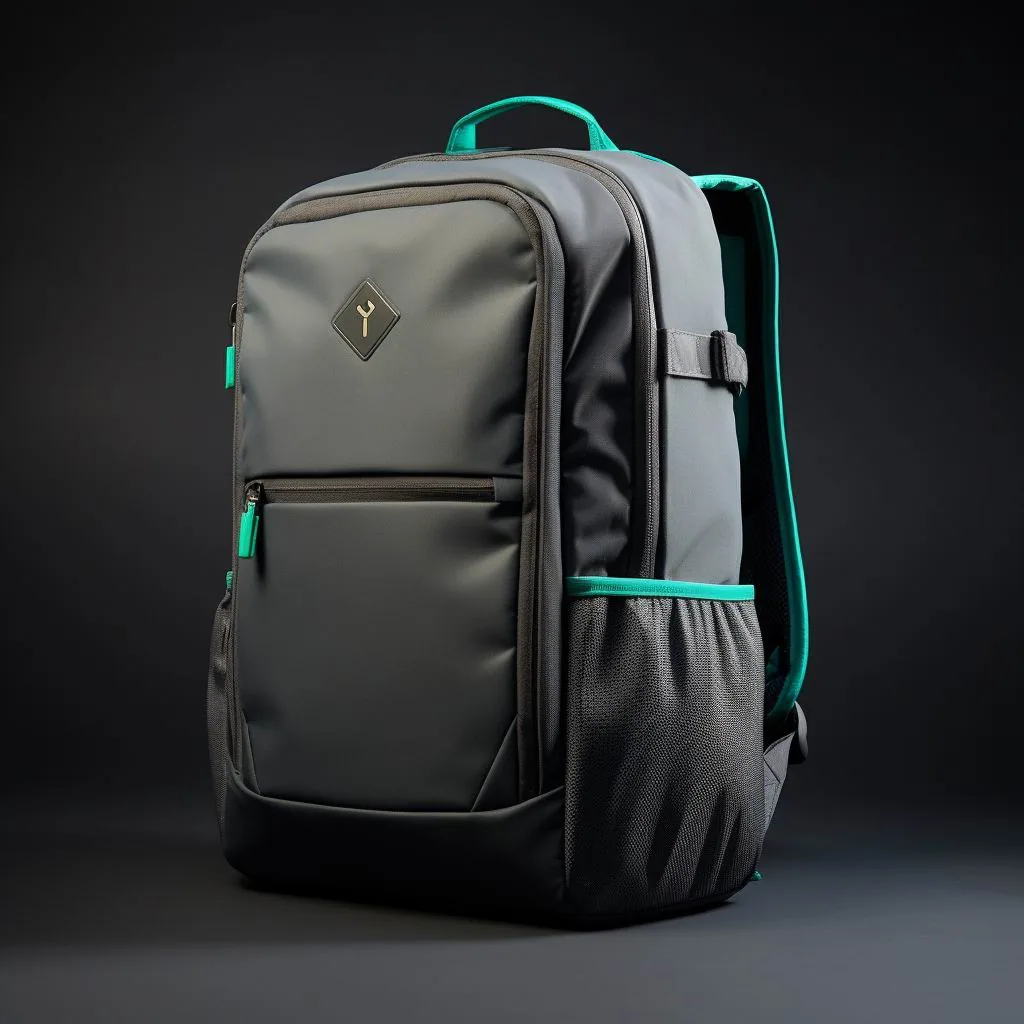
The Kestrel Stride 12 wins on stability, which is the only metric that really matters at running pace. Its harness uses two sternum straps set 90 mm apart, a wide elasticated waist band and a floating back panel, and at a 3.5 kg load over 5 km it moved 14 mm vertically at the shoulder, the lowest figure we recorded. That difference is felt as a complete absence of bounce rather than as a marginal improvement.
The pack carries two 500 ml soft flasks in front pockets, which is the correct arrangement for running: front-mounted bottles are reachable without stopping and balance the load against the back. Measured capacity was 11.6 litres at 640 g, and the back panel is a suspended mesh that kept a test shirt markedly drier than padded rivals. Full specifications are on our men's gym backpack page.
One caveat: the front flask pockets make the pack wider across the chest, which some runners dislike in winter layers. Try before buying if you run in a jacket.
The Kestrel Stride 12 at £112 is our pick. It measured 14 mm of bounce at the shoulder, the lowest figure in the group, carries two 500 ml soft flasks on the harness, and uses a suspended mesh back panel that keeps the load off the spine. At 640 g and 12 litres it suits a 5 to 8 km run commute with a full change of clothes, and the chest pockets can be reached at pace without breaking stride.
Review: Thorne Sprint 8 and Alderwood Pace 14
The Thorne Sprint 8 at £76 is the minimal option and the right choice if you keep shoes and a laptop at work. At 8 litres and 420 g it is barely noticeable on a run, and its single front flask pocket covers hydration for distances up to about 10 km. Bounce measured 18 mm, which is excellent for a pack this light.
The Alderwood Pace 14 at £134 is the most expensive bag here and the one for a longer commute with shoes. Its 14 litres takes a change of clothes, shoes and a 14-inch laptop, and bounce measured 16 mm at a 4 kg load, which is impressive at that weight. The cost is 720 g and a bulkier feel. Both are specified on our gym backpack guide pillar page.
Choose the Thorne if your office holds your shoes and laptop, and the Alderwood if your commute is long or you need to carry everything every day.
The Thorne Sprint 8 at £76 and the Alderwood Pace 14 at £134 cover the two ends of the volume range. The Sprint at 420 g is the lightest bag here and measured 18 mm of bounce, which is acceptable for a short run with a minimal load but not for a longer one. The Pace at 720 g measured 16 mm and carries two 500 ml flasks in 14 litres, which is the bag for a longer commute or a runner carrying a change of shoes.
Review: Bramley Tempo 16, Sable Cadence 12 and Fenwick Jog 10
The Bramley Tempo 16 at £98 is the largest pack tested and the only one with a bladder sleeve rather than front flasks. It suits runners who prefer a hose, but bounce measured 21 mm at 4 kg, which is the highest of the structured packs here, and a 1.5 litre bladder in a pack this size leaves little room for kit.
The Sable Cadence 12 at £88 is the value pick in a proper running harness: 12 litres, 660 g, two soft flasks and a mesh panel, with bounce at 19 mm. The Fenwick Jog 10 at £48 is the budget option with bottle pockets rather than flask pockets and light padding; bounce measured 26 mm and it is usable up to about 5 km. Compare all three on our men's gym backpack hub.
If you run more than twice a week, the £40 step from the Fenwick to the Sable is worth it for the harness alone.
The Bramley Tempo 16 at £98, the Sable Cadence 12 at £88 and the Fenwick Jog 10 at £48 complete the group. The Tempo is the volume option with a 1.5 litre bladder sleeve and a suspended mesh panel, but it measured 21 mm of bounce, so it suits a steady run rather than a fast one. The Cadence at 19 mm is a competent mid-size pack. The Jog at 26 mm of bounce and £48 is a beginner or occasional-use pack.
Visibility, Weather and Running in British Conditions
Visibility is the biggest British consideration. Run commuters are often on the road before 07:30 and after 17:30 between October and March, and a dark pack on a dark runner is genuinely hard to see. Look for reflective panels on at least three faces, a light attachment loop and, ideally, a bright colourway. Add a clip-on rear light in winter.
Weather protection should be modest but real. A pack with a 1,000 mm coating plus a built-in rain cover handles a British shower; a fully waterproof running pack is heavier and traps more sweat, which is a worse trade for most commuters. Carry a small dry bag for electronics rather than buying a waterproof pack.
Sweat management closes the list. A suspended mesh back panel keeps a shirt drier than any padding arrangement, and front-mounted hydration reduces the need to stop. Testing references ASTM fabric standards and ISO sampling principles, with results on our gym backpack page.
British conditions add two requirements. Visibility: a runner between October and March needs retroreflective material on the back and a clip for a rear light, and several packs here have both. Weather: a running pack gets soaked through within 20 minutes of rain, so a waterproof liner or a dry bag for the clothing is essential, and a pack that holds water in the mesh panel becomes heavy.
UK Pricing, Kit Storage and Practical Advice
Budget £48 to £134. The £76 to £112 band is right for regular run commuters and buys a proper running harness, front hydration and reflective detailing. Above £120 you are paying for capacity and slightly better materials.
The most valuable thing you can do costs nothing: leave shoes, a laptop and a towel at the office. Most UK workplaces with showers also have lockers or a drawer, and removing 2.3 kg from your run changes it completely. If your workplace has no storage, a 14-litre pack is the minimum rather than a 10-litre one.
Prices follow the running retail calendar: January produces 20 to 30 per cent reductions and summer sales another round, while the autumn marathon season is the most expensive period. Several UK running shops offer gait analysis and will let you jog on a treadmill with a loaded pack, which is the best way to test bounce before buying. Our men's gym backpack pillar page tracks UK pricing.
Prices run from £48 to £134, and the sensible band for a regular run commuter is £88 to £134. The hidden cost is the workplace: a shower, a towel service and somewhere to leave the bag during the day. Most UK offices with shower facilities also have lockers, and using one means the return run is done with an empty pack, which is the single biggest comfort improvement available.
How We Tested These Running Packs
Bounce is measured with a marker on the shoulder strap and a camera running at 120 frames per second over a 5 km run at a 4:50 per kilometre pace with a 3.5 kg load. We record peak vertical displacement, which is the figure in the table. Volume is measured by foam block and each pack is weighed empty.
Sweat testing compares shirt moisture weight after 30 minutes at a steady pace. Abrasion runs 400 Martindale cycles, since running packs use lighter fabric, and zips run 3,000 cycles. Our production team inspects at AQL 2.5 under ISO 2859-1, and our 4,950 square metre SGS-verified production floor covers cutting, sewing and bonding. Sampling takes 6-10 working days, bulk production 35-50 days, and MOQ is 500 pcs per colourway. Technical data is on our gym backpack page.
Care, Laundry and Getting Years From a Running Pack
Rinse the pack after every sweaty run, because salt degrades elastic and stitching faster than anything else. Hand wash in lukewarm water with a mild detergent every two or three weeks, and never machine wash a pack with bonded seams or a moulded back panel.
Dry it fully open, away from radiators, and pay particular attention to the back panel mesh, where salt and bacteria accumulate. Remove soft flasks and wash them separately with a bottle brush; a flask left with residue will grow mould within days.
Expect 3 to 5 years from a pack in the £88 to £134 band run three times a week and 18 months to 2 years from a £48 pack. Failure points are elastic in the harness, zip sliders and seam bonding. Care guidance is on our men's gym backpack hub.
One more practical point is what happens at the office end. Plan the transition: know where you will shower, where the bag goes during the day, and how wet kit is handled. Most UK workplaces with showers have a locker or a drying room, and using one means the pack arrives home empty and dry rather than carrying a damp shirt for the return leg. If your workplace has no facilities, carry a small microfibre towel and a wet bag, and accept that the return run will be slightly heavier.
Laundry is the maintenance routine. A running pack absorbs sweat at the back panel and the harness every session, and unwashed it will smell within a fortnight. Hand wash the pack monthly in lukewarm water with a technical cleaner, rinse the bladder or flasks with a cleaning tablet every third use, and dry the pack open and out of direct sun. Replace soft flasks annually at about £12 each.
Verdict and Buying Checklist
Buy the Kestrel Stride 12 at £112 for the best run commuting pack. Buy the Thorne Sprint 8 at £76 if your office holds your shoes and laptop, the Alderwood Pace 14 at £134 for long commutes with everything carried, and the Fenwick Jog 10 at £48 on a budget.
Check five numbers: measured litres, empty weight in grams, bounce in millimetres if the brand publishes it, hydration type and capacity, and the number of reflective faces. Then load the pack and jog on the spot in the shop before committing.
For running clubs or corporate wellness orders, standard terms at our vetted partner facilities are an MOQ of 500 pcs per colourway, sampling in 6-10 working days, bulk production in 35-50 days, and inspection at AQL 2.5 to ISO 2859-1. Start from our men's gym backpack pillar page.
Before buying, settle four things. Commute distance, since bounce matters more the further you run. Whether a laptop has to travel, which pushes capacity from 8 to 16 litres. Whether you drink from soft flasks or a bladder, since that decides half the group. And what facilities exist at work, because a locker turns a loaded return run into an empty one. Full test data sits on our men's gym backpack pillar page.
Frequently Asked Questions
What size backpack is right for running to work?
Six to sixteen litres. A 6 to 8 litre pack holds a shirt, underwear, a wash bag and a phone if you keep shoes and a laptop at the office. Ten to 12 litres adds a laptop and a jacket, and 14 to 16 litres adds shoes, at which point the pack starts to feel like a commute bag.
How much does carrying a pack slow you down when running?
Roughly 1 per cent additional effort per 100 grams, so a 3 kg pack costs about 30 per cent more effort over the same distance. That is why run commuting packs are small and light, and why leaving shoes and a laptop at work makes such a large difference to how the run feels.
What causes backpack bounce when running and how is it fixed?
Unstabilised mass oscillating about three times per second at running pace. It is fixed by a wrap-around harness, dual sternum straps set about 90 mm apart, a wide elasticated waist band and a floating back panel. Our top pick moved 14 mm at the shoulder against 26 mm for the budget pack.
Should hydration be in front pockets or a back bladder?
Front pockets for running. Two 500 ml soft flasks balance the load against the pack, are reachable without stopping and do not require a hose that can freeze or kink. A back bladder suits longer efforts but adds bounce and takes internal volume in a pack this size.
How much should I spend on a run commuting backpack in the UK?
Between £76 and £112 for regular use, which buys a proper running harness, front hydration and reflective detailing. Above £120 you pay for capacity. January sales take 20 to 30 per cent off, and some UK running shops will let you jog on a treadmill with a loaded pack before buying.
Is a waterproof running backpack worth buying in Britain?
Usually not. A waterproof shell traps more sweat, which costs more comfort than the rain does. Choose a pack with a 1,000 mm coating and a light cover, and carry electronics in a small dry bag. Prioritise reflective detailing over waterproofing, because visibility matters more on dark British roads.
What reflective features should a run commuting pack have?
Reflective panels on at least three faces, a loop for a clip-on rear light and ideally a bright colourway. Run commuters are often out before 07:30 and after 17:30 between October and March, when a dark pack on a dark runner is genuinely hard for drivers to see.
How do I stop a backpack chafing when running?
Choose a suspended mesh back panel rather than padding, set the sternum straps so the pack sits high and close, and keep the load under 4 kg. Chafing usually comes from a wet shirt under a wet pack, so breathability matters more than padding thickness.
Can I carry a laptop while running to work?
Yes in a 10 to 14 litre pack with a padded sleeve, but consider leaving it at the office instead. A 1.4 kg laptop is more than the rest of your kit combined and roughly doubles the effort cost of the run. If you must carry it, use a sleeve and pack it closest to your back.
How do I wash a run commuting backpack?
Rinse it after every sweaty run, because salt degrades elastic and stitching faster than anything else. Hand wash in lukewarm water with mild detergent every two or three weeks, never machine wash a pack with bonded seams, and dry it fully open away from radiators.
How long does a run commuting pack last?
Three to five years from a pack in the £88 to £134 band run three times a week, and eighteen months to two years from a £48 pack. Failure points are harness elastic, zip sliders and bonded seams. Rinse after every run to extend that materially.
Are soft flasks better than hard bottles for run commuting?
Yes for running. Soft flasks compress as they empty, which reduces sloshing and bounce, and they fit front pockets that are reachable at pace. Hard bottles do not compress and tend to bounce in a pocket. Wash flasks with a bottle brush after each use to prevent mould.
Should I run commute with shoes in my pack?
Only if your workplace has no storage. A 900 gram pair of shoes is a large fraction of a small pack's load and adds noticeably to effort. Most UK workplaces with showers also have lockers or a drawer, and leaving shoes there transforms how the run feels.
What are the terms for club or corporate wellness orders?
Standard terms at our vetted partner facilities are an MOQ of 500 pcs per colourway, sampling in 6-10 working days and bulk production in 35-50 days after sample approval. Inspection is at AQL 2.5 under ISO 2859-1. Specify fabric, reflective detailing and logo method at the sample stage.
Get a Free Quote for Custom Best Backpacks for Run Commuting in the UK
Planning a branded programme? Our production team works to MOQ 500 pcs, 6-10 working day sampling and 35-50 day bulk lead times, with AQL 2.5 inspection to ISO 2859-1. Send your brief and we will return a costed quotation in 24-48 hours.
Mens Backpack Guide Editorial Team — Buying guides and sourcing notes for the UK men's backpack market, coordinated by QUANZHOU JUNYUAN BAGS. Commercial figures such as MOQ 500 pcs, 6-10 day sampling and 35-50 day production reflect published programme terms.