Table of Contents
- What Is an Anti Theft Backpack for Men?
- Why Theft-Resistant Carry Matters on UK Streets and Rail
- Cut-Resistant Materials: Denier, UHMWPE and Slash Testing Compared
- RFID and NFC Blocking: What ISO/IEC 14443 Really Covers
- Locking Systems Compared: Combination, Key, Cable and Lockable Slider
- Zipper Architecture: Hidden Tracks, Reverse Coil and Anti-Pick Sliders
- Straps, Back Panels and Hidden Pocket Placement
- Choosing Capacity and Layout: 18 L to 34 L for UK Commutes
- Anti-Theft Backpacks by Scenario: Commute, Rail, Cycling and Travel
- Care, Repair and Service Life: How Long an Anti-Theft Backpack Lasts
- UK Buying Checklist, GBP Price Bands and Custom Production Routes
- Frequently Asked Questions
What Is an Anti Theft Backpack for Men?
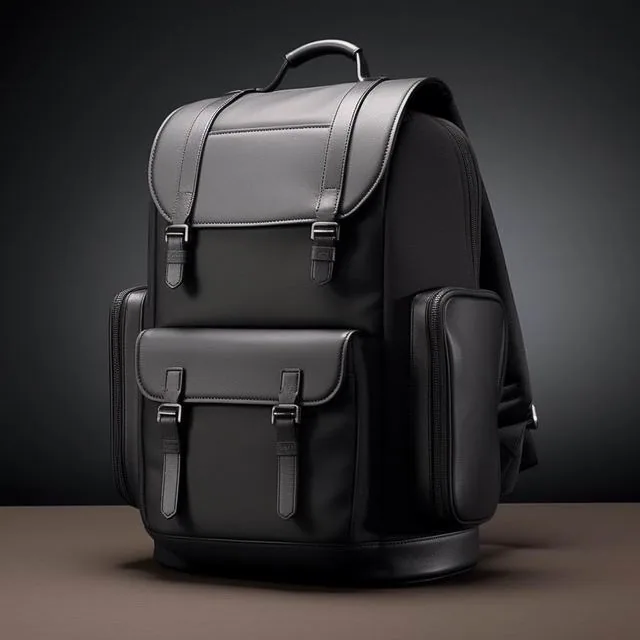
An anti theft backpack for men is a daypack engineered around three defensive layers rather than one: a shell that resists a blade slash, a closure system that cannot be worked open with one hand or a biro, and a layout that keeps valuables behind the panel resting against your back. A conventional backpack places its main opening on the outward-facing side, which means the zip is reachable by anyone standing behind you in a queue. A theft-resistant design moves that zip track to the back panel or buries it beneath a storm flap, so an opener has to lift the bag off your shoulders before they can reach anything inside. Most models add slash-resistant reinforcement across the front and base panels, an RFID-shielded card sleeve, and at least one lockable slider that can accept a small padlock or a three-digit combination clasp.
The distinction matters because most security claims on retail listings describe only one of those three layers. A bag can advertise RFID blocking and still have a single coil zip running across a front pocket that opens in two seconds with a ballpoint pen. Equally, a bag can have a genuinely tough UHMWPE-reinforced shell but no RFID shielding at all, which is fine if you carry a contactless-only card and pointless if you carry a hotel key card or a corporate access badge. Reading the specification properly means asking which layers are present, in which panels, and to which test method.
In practice, a well-designed theft-resistant pack for the British market sits somewhere between an everyday carry bag and a travel daypack. Capacity usually lands between 18 litres and 34 litres, which is enough for a 15.6-inch laptop, a packed lunch, a gym kit or a light waterproof, without pushing the bag into cabin-baggage arguments. Weight is the trade-off: the reinforced panels and lockable hardware typically add 300 g to 500 g over an unreinforced equivalent, and a 28-litre theft-resistant pack with full reinforcement usually weighs around 1.2 kg empty, compared with roughly 850 g for a plain commuter pack of the same volume.
Price is where most buyers get surprised. Entry-level theft-resistant packs start near £45 and usually deliver only the hidden-zip layer. Mid-range models between £80 and £130 add a slash-resistant shell and lockable sliders. Above £130 you are paying for better hardware, a genuinely tested RFID cavity, and a warranty that covers zip and seam failure. This guide breaks down each layer with testable numbers, compares the hardware you will actually encounter, and gives you a checklist you can use in a shop or against a product page.
The phrase is also used loosely by retailers, so it helps to separate three tiers. A bag with a hidden back-panel zip and nothing else is a theft-deterrent pack. A bag adding slash reinforcement and lockable hardware is genuinely theft-resistant. A bag that also states a test method for each claim is the only tier that can be verified, and that is the tier this guide is written to help you identify.
It is also worth being clear about what a theft-resistant pack is not. It is not a safe, it is not personal protective equipment, and it carries no formal certification in the United Kingdom. Nothing in British law defines the term, which is exactly why you should buy against test data rather than against the label on the hangtag.
Why Theft-Resistant Carry Matters on UK Streets and Rail
Theft from the person is concentrated where people are packed together and distracted, which in a UK context means the morning commute, the evening rail platform, the pub garden, and the festival field. Transport for London and British Transport Police both publish station-level and line-level figures, and the pattern is stable year on year: the majority of phone and wallet losses happen at interchange points, on escalators, and in the few seconds when a passenger is tapping through a gate. A bag that cannot be opened from behind removes most of that risk, because the opportunistic theft that dominates these figures relies on speed rather than force.
It is worth being honest about what a theft-resistant backpack does and does not solve. These designs are built against opportunistic theft: the unattended bag on a café chair, the open main compartment on a crowded Northern line carriage, the slash-and-grab on a backpack worn loosely over one shoulder. They are not built against a determined attacker with time and privacy, and no consumer soft-goods product should be marketed as though it were. The realistic framing is risk reduction, not immunity, and the strongest single intervention is still behavioural: wear both straps, keep the bag in front of you in a crowd, and do not leave it on the floor between your feet where you cannot feel it.
There is also a British weather dimension that rarely appears in security guides. A theft-resistant pack sold in the UK gets used in roughly 150 to 200 wet days a year in cities such as Manchester, Glasgow and Cardiff, and the reinforcement that makes a shell slash-resistant also tends to make it slower to dry. Coated 1680D ballistic nylon sheds rain well but holds water in the weave at the seams; a TPU-laminated 840D shell dries faster but scratches more visibly. If you commute by bike across a British winter, the water resistance of the shell matters as much as the cut rating, and you should check the hydrostatic head figure rather than trusting a "water resistant" badge.
Finally, consider the insurance angle. Most UK home contents policies with personal possessions cover will reimburse a stolen laptop only if it was attended or secured, and claims involving an unattended bag left on a train table are frequently declined. A lockable, slash-resistant pack with a documented RFID cavity is a defensible answer to the "did you take reasonable care" question, and that is a practical reason British buyers give for spending £100 rather than £40 on a pack they will carry every working day for four or five years.
One more British consideration is the seasonal swing. Reported theft from the person rises in December, when shopping bags, alcohol and dark early evenings combine, and again through the summer festival season. If you are buying a theft-resistant pack as a response to an incident rather than as a general upgrade, check whether your usage actually peaks in those windows, because a lighter 18-litre pack may serve you better across the other ten months of the year.
Cut-Resistant Materials: Denier, UHMWPE and Slash Testing Compared
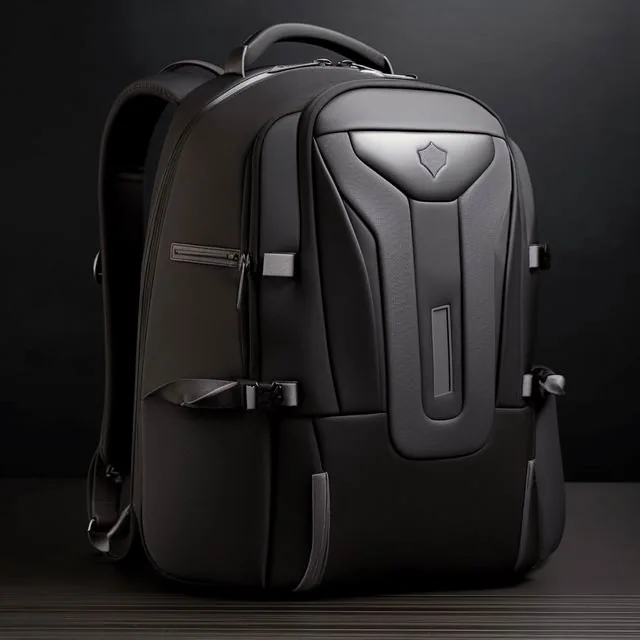
Cut resistance in soft goods comes from three mechanisms, and the marketing usually mentions only one. The first is yarn thickness: a 1680D ballistic nylon is simply harder to push a blade through than a 210D lining, because there is more polymer per square millimetre. The second is yarn chemistry: ultra-high-molecular-weight polyethylene (UHMWPE) and aramid fibres have very high specific strength, so a plain weave of UHMWPE at modest denier outperforms a much heavier polyester. The third is construction: a tight plain weave with a laminated film backing resists both slashing and tearing, because the film stops the weave from spreading under the blade edge.
The test methods worth knowing are the ones used for protective gloves, because soft-goods cut claims are usually borrowed from that world. ISO/IEC 14443 is the contactless card standard and sits in a different family entirely, but the cut side draws on EN 388, in which the fifth character is an ISO 13997 result graded A to F. Under ISO 13997 a straight blade is drawn once across the specimen under a measured load, and the grade records the force in newtons required to cut through 20 mm of travel. Level A starts at 2 N, level C at 10 N, level E at 22 N and level F at 30 N. A backpack panel claiming slash resistance should be able to state which of those grades its reinforcement reaches and in which panels it is used.
Be sceptical of two common shortcuts. The first is quoting a glove abrasion or coup-test index for a fabric panel, because the coup test is designed for knit glove constructions and produces meaningless results once a blade blunts against a composite. The second is quoting denier alone: 1680D tells you the yarn is thick, not that it is cut resistant, and a plain 1680D polyester weave will open under a sharp blade far faster than a 500D UHMWPE blend. Ask whether the reinforcement is a woven-in fibre or a bonded laminate, because a laminate can delaminate after two or three years of flexing while a woven-in fibre will not.
In a realistic British commuter pack, the reinforcement is usually limited to the front panel, the base and the two lower side gussets, with the shoulder straps carrying a steel or UHMWPE cable inside the webbing. That is a sensible compromise: those are the panels a slasher reaches for, and reinforcing the entire shell would push a 28-litre pack past 1.5 kg. If you see a claim that the whole bag is slash resistant at under 900 g, the reinforcement is almost certainly a thin coating rather than a structural fibre.
| Material | Typical denier | ISO 13997 grade | Weight penalty | Best use |
|---|---|---|---|---|
| 210D polyester lining | 210D | Below A | 0 g | Internal organisers only |
| 600D recycled polyester | 600D | A | +80 g | Everyday shell, light commute |
| 840D nylon with TPU laminate | 840D | B to C | +160 g | Bike commute, wet climates |
| 1680D ballistic nylon | 1680D | C | +280 g | Base panel and abrasion zones |
| 500D UHMWPE blend | 500D | D to E | +190 g | Front and side slash panels |
| UHMWPE cable in 45 mm webbing | n/a | E | +60 g | Shoulder strap anti-slash core |
RFID and NFC Blocking: What ISO/IEC 14443 Really Covers
RFID blocking is the most misunderstood feature on any anti theft backpack for men, and the misunderstanding starts with the frequency. Contactless payment cards, UK bank cards, Oyster-style transit cards and most hotel key cards operate at 13.56 MHz in the high-frequency band. The governing specification is ISO/IEC 14443, developed by ISO/IEC JTC 1/SC 17 and also published through the IEC webstore as ISO/IEC 14443-1. Both Type A and Type B cards modulate at 13.56 MHz with a 106 kbit per second data rate and an 847.5 kHz subcarrier, which is one sixteenth of the carrier frequency.
A blocking layer works by presenting a conductive surface that detunes the reader-to-card coupling, so the card never receives enough energy to power its chip. In a backpack that usually means a metallised fabric laminated between two polyester faces, or a thin aluminium foil layer bonded to the sleeve. The practical read range matters more than the marketing: a contactless payment reader is specified to work at roughly 0 mm to 40 mm, and a handheld skimmer needs to be within a few centimetres for a successful read. A sleeve that reduces effective range below about 10 mm defeats every realistic skimming attempt.
Where buyers get caught out is the other frequency bands. Low-frequency 125 kHz proximity cards are used by some older building access systems, and ultra-high-frequency tags in the 860 MHz to 960 MHz range are used for retail inventory and some event wristbands. A 13.56 MHz blocking sleeve does not reliably attenuate either, because the coupling mechanism and the antenna geometry differ. If your corporate badge is a 125 kHz card, a sleeve sold as "RFID blocking" on the basis of ISO/IEC 14443 testing may do nothing at all for it.
There is also a legitimate debate about whether you need shielding for payment cards at all. UK contactless payments are capped per transaction, issuers carry the fraud liability, and documented cases of criminal contactless skimming in Britain are rare compared with straightforward bag theft. The stronger argument for a shielded sleeve is not skimming but simple compartment discipline: a dedicated, shielded pocket is a fixed home for your cards and passport, which means you notice immediately when something is missing rather than discovering it at the gate.
If you want to verify a claim rather than take it on trust, the test is cheap. Put a contactless card inside the sleeve, hold a phone running an NFC reader app against the outside of the bag, and see whether the card is detected. Repeat with the card outside the sleeve. A genuine cavity produces a clear difference, a printed logo produces none, and no amount of specification wording will change the result.
Repeat the check at the shoulder strap pocket too, because manufacturers frequently shield the main sleeve only and leave the most reachable pocket entirely unprotected. If the strap pocket reads a card, treat it as an ordinary pocket and keep nothing sensitive in it.
| Band | Frequency | Standard | Typical UK use | Shielded by 13.56 MHz sleeve? |
|---|---|---|---|---|
| LF | 125 kHz | ISO/IEC 18000-2 | Legacy building access cards | No |
| HF / NFC | 13.56 MHz | ISO/IEC 14443 | Bank cards, transit cards, hotel keys | Yes |
| HF vicinity | 13.56 MHz | ISO/IEC 15693 | Library tags, some event passes | Partial |
| UHF | 860 to 960 MHz | ISO/IEC 18000-63 | Retail inventory, marathon bibs | No |
Locking Systems Compared: Combination, Key, Cable and Lockable Slider
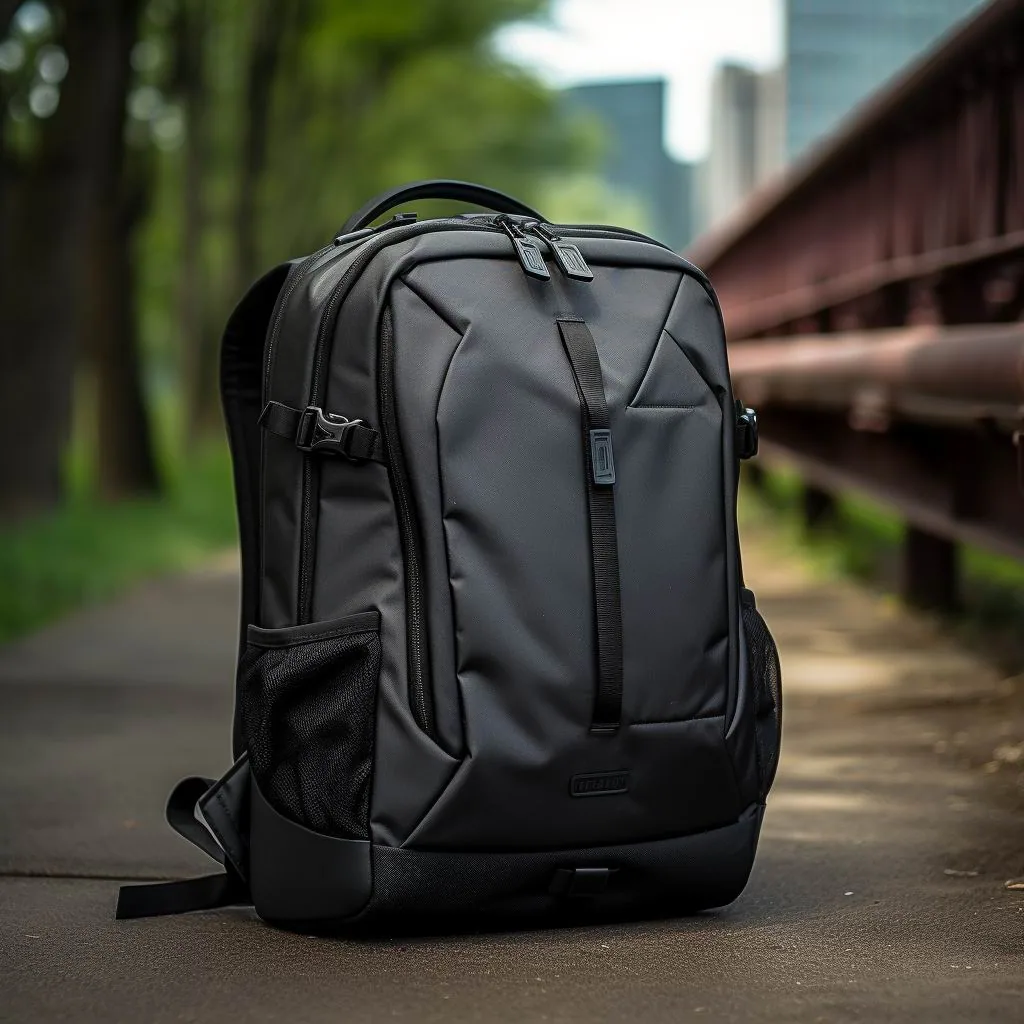
Locking hardware is where an anti theft backpack for men either earns its price or wastes it. There are four families you will encounter. A lockable slider has an eyelet in the pull tab that accepts a separate padlock or a shackle. A built-in combination clasp integrates a three-digit or four-digit dial into the zip housing. A cable lock threads a steel loop through two sliders and anchors to a fixed object. A key lock uses a small barrel cylinder, which is the least common option on British retail packs because a lost key turns the bag into a sealed box.
The three-digit combination clasp is the default for good reason: it has no separate part to lose, it is acceptable at airport security because it is not a declared travel lock, and it deters the casual opener who is looking for a two-second grab. Its weakness is that a three-digit dial offers 1,000 combinations and can be brute-forced in a couple of minutes by anyone with patience and privacy. If you are leaving a bag in a hostel or a shared office, a four-dial version or a small padlock is materially better.
Cable locks solve a different problem entirely. They do not stop someone opening your bag; they stop someone walking away with it. A 3 mm steel cable looped through both main sliders and around a table leg or a luggage rack turns a grab-and-run into a job requiring tools, and that is usually enough to redirect an opportunist. The caveat is weight and faff: a retractable cable mechanism adds roughly 90 g and takes ten seconds to deploy, which most commuters will not bother with on a daily basis. Buy one if you travel, skip it if you only commute.
The detail that separates good hardware from bad is the shackle material and the housing. Cast zinc-alloy housings crack when the bag is dropped onto a corner; glass-filled nylon housings survive. A shackle should be hardened steel at least 4 mm in diameter, because anything thinner can be opened with a lever. Check that the eyelet in the slider is metal-lined rather than moulded into the tape, because a moulded eyelet tears out of the webbing under load and the whole locking system becomes decorative.
One practical warning: set the combination to something you will remember under stress, and record it somewhere other than on the bag. Locked-out owners are far more common than defeated locks, and forcing a housing open usually destroys the slider and the tape along with it. Also count the sliders: a main compartment with two sliders meeting in the middle can be locked together, which is the configuration every cable lock expects. A single-slider main compartment cannot be locked or cabled at all, no matter what hardware is fitted, and that one detail rules out a surprising number of bags sold as theft-resistant.
| Lock type | Combinations / keyway | Weight added | Defeats | Does not defeat |
|---|---|---|---|---|
| Lockable slider eyelet | Uses your own padlock | 10 g | Casual opening in a crowd | Deliberate attack with tools |
| Built-in 3-dial clasp | 1,000 | 35 g | Opportunist on public transport | Brute force with privacy |
| Built-in 4-dial clasp | 10,000 | 45 g | Brute force, casual theft | Bolt cutters on the tape |
| Retractable 3 mm cable lock | n/a | 90 g | Grab-and-run, unattended theft | Determined theft with cutters |
| Key barrel lock | Keyed | 40 g | Casual opening | Lock picking; key loss locks you out |
Zipper Architecture: Hidden Tracks, Reverse Coil and Anti-Pick Sliders
The zip is the single most attacked component on any backpack, and the interesting part is that the classic attack does not involve breaking anything at all. A ballpoint pen pressed into the junction between two closed coil teeth spreads the coil, the slider passes over the damaged section, and the track opens behind it like a zip being unzipped from the inside. Closing the bag again restores the appearance completely, which is why victims often discover the loss hours later. Any anti theft backpack for men that does not address this is not seriously engineered.
The first defence is geometry. A reverse-coil zip, sometimes called an inverted coil, puts the slider body and the pull on the inside face of the tape, so there is no exposed junction at the outside of the bag for a pen to enter. A hidden track runs the coil beneath a fabric welt or along the back panel, so the teeth are not visible or reachable at all when the bag is worn. Both approaches work; the hidden track is more secure and more expensive, and the reverse coil is cheaper and easier to repair.
The second defence is the slider itself. Anti-pick sliders use a two-piece construction where the pull separates from the body under lateral load, which defeats the pen trick because the body will not ride over a spread coil once the pull is disengaged. The mechanism is genuinely effective and genuinely annoying, because the pull will also pop off when you tug it hard at an angle, and re-seating it takes a few seconds. Decide whether that trade suits you: it suits a London commuter far more than a parent packing a school bag in a hurry.
The third consideration is size and brand. A number 10 coil on the main compartment is the practical minimum for a theft-resistant pack between 25 and 34 litres; a number 8 will work on a secondary pocket but feels flimsy as a primary closure. Metal-tooth zips look reassuring and are easier to force than a modern coil, because the teeth can be levered apart with a screwdriver. Look for a branded coil with a stamped slider, keep the teeth clean of grit, and run a wax stick along the track twice a year. A gritty zip that needs two hands is a zip you will leave half closed, and a half-closed zip defeats every other feature on the bag.
Weatherproof zips deserve a mention in this context. A laminated, water-resistant zip with a polyurethane flap over the coil keeps rain out of a British winter commute, but the flap also makes the track stiffer and slows the pen attack simply by obscuring the junction. That is a genuine secondary benefit rather than a designed one, and it is worth having: a zip that is both harder to reach and harder to open is doing two jobs for the price of one component. The trade-off is that a stiff track needs two hands, so check that the pull is long enough to grip with a gloved hand before you commit to a winter commuting pack.
Straps, Back Panels and Hidden Pocket Placement
Where a hidden pocket sits matters more than how many there are. The single most useful concealed compartment on a theft-resistant pack is a flat sleeve against the back panel, sized for a passport and two cards, because that panel is pressed against your body for the entire journey and cannot be opened without you feeling it. The second is a small zipped pocket on the underside of one shoulder strap, sized for a transit card or a single bank card, which is the only genuinely reachable concealed pocket while the bag is on your back. A third pocket hidden in the base or the lid is useful for a spare house key but too awkward for anything you need twice a day.
Shoulder straps carry two jobs in a theft-resistant design. They have to distribute load comfortably across a British winter coat, and they have to resist being cut. The common solution is a UHMWPE or stainless cable sewn inside 45 mm webbing, which stops a single blade stroke from severing the strap while adding only about 60 g per pair. Check that the webbing is at least 40 mm wide at the shoulder, because narrower tape concentrates load and becomes painful once the bag exceeds 6 kg, and check that the cable is continuous through the load path rather than terminating at the adjustment ladder.
The back panel is where comfort and security meet. A stiff, closed-cell foam panel with a raised airflow channel keeps the bag off your spine and, importantly, stops the contents from printing through the fabric. Content printing is an underrated security problem: a rectangular outline visible through a soft back panel tells anyone behind you exactly where the laptop is. A structured panel with a rigid internal sheet removes that signal and also protects a 15.6-inch device from being flexed when the bag is wedged under a train seat.
Finally, look at the sternum strap and the load lifters. A sternum strap with a whistle buckle is a standard feature on British travel packs and is genuinely useful on a dark towpath or a rural station platform. Load lifters above the shoulder strap attachment pull the top of the bag toward your spine and reduce the pendulum effect when you are walking quickly through a station. Both are small, both cost under £3 of bill-of-materials, and both are the first things deleted from a budget theft-resistant pack, so their presence is a quick proxy for whether the rest of the specification was taken seriously.
Padding density is the last strap detail worth checking in the shop. A 10 mm closed-cell foam pad feels generous on the shoulder and collapses within six months, while a slightly firmer 8 mm pad with a woven cover holds its shape for years. Press a thumbnail into the pad and watch how quickly it recovers. Slow recovery means the bag will feel uncomfortable within a year, you will start carrying it by one strap, and that single habit undoes every other security feature on the pack.
Choosing Capacity and Layout: 18 L to 34 L for UK Commutes
Capacity is the decision most buyers get wrong, and they get it wrong in both directions. Too small and you end up clipping a second bag to the outside, which defeats the whole point of a theft-resistant shell because the attached bag is now the weak link. Too large and you carry a 34-litre pack to an office job, fill it with things you do not need, and arrive with a sweaty back. For a British commuter carrying a laptop, a lunch and a waterproof, the sweet spot is 22 to 26 litres. For a commuter who also carries a gym kit, 28 to 32 litres is realistic, and that is the range where a dedicated gym backpack for men layout starts to make more sense than a pure security layout.
Laptop sizing is the second decision. A 15.6-inch sleeve is the standard British office dimension and will swallow a 14-inch device with room to spare, but a 16-inch MacBook Pro needs a sleeve specified at 16 inches rather than 15.6, and sleeves are usually quoted as the device diagonal rather than the internal clearance. Look for a suspended sleeve that stops 25 mm short of the bag base, because a sleeve that reaches the base transmits every drop straight into the corner of the machine. Padding of 8 mm to 10 mm of closed-cell foam on both faces is adequate; anything thinner is decorative.
Layout within the volume is where the security features either help or hinder. A theft-resistant pack tends to be more compartmentalised than a plain daypack, because the reinforcement panels and hidden tracks consume interior space. That produces a bag with more small pockets and a slightly smaller main cavity than the stated litre figure suggests. Judge capacity by what you can actually fit, not by the number on the tag: two packs both labelled 28 litres can differ by 15 percent in usable volume once you subtract reinforcement, sleeve padding and organiser panels.
The practical test is simple. Pack the bag with your actual daily load, wear it for twenty minutes, and check three things: can you reach your transit card without removing the bag, can you close the main zip without compressing the contents, and does the bag still stand upright on a floor when loaded. A pack that fails the third test will spend its life on its side on a train table, which is exactly where bags get forgotten.
Also check the water bottle pockets before you buy. Two external mesh pockets are standard on a British commuter pack, but on a theft-resistant design they are the one part of the exterior that is neither reinforced nor lockable. They are fine for a 500 ml bottle and nothing else, and any valuables kept there are effectively unprotected regardless of what the rest of the bag claims.
| Capacity | Fits | Typical empty weight | Best UK scenario |
|---|---|---|---|
| 18 to 20 L | 14-inch laptop, lunch, waterproof | 850 g to 1.0 kg | City office commute, cycling |
| 22 to 26 L | 15.6-inch laptop, lunch, light layers | 1.0 kg to 1.2 kg | Daily rail commute, hybrid work |
| 28 to 32 L | 15.6-inch laptop, gym kit, shoes | 1.2 kg to 1.4 kg | Commute plus training session |
| 34 L and above | Two nights away, full kit | 1.4 kg to 1.7 kg | Weekend travel, cabin baggage |
Anti-Theft Backpacks by Scenario: Commute, Rail, Cycling and Travel
The right specification depends entirely on how you move. A London Underground commuter spends twenty minutes a day in contact-range crowds and never leaves the bag down, so their priority is the zip geometry and the back-panel pocket, and they can safely skip the cable lock and accept a lighter 600D shell. A National Rail commuter doing ninety minutes each way wants a suspended laptop sleeve, a structured back panel and a sternum strap, because the bag will be worn for long stretches and possibly placed on a luggage rack. A cyclist wants high-visibility panels, a rain cover or a laminated shell, and a strap system that does not shift at 25 km/h.
Air travel is the scenario where the specification changes most. For cabin baggage you want a pack that meets the common UK and European carry-on envelope of roughly 55 by 40 by 20 cm, which rules out most 34-litre packs once loaded. You also want a main compartment that opens fully flat, because that is what gets you through security without unpacking. A lockable slider is worth having here, but note that a declared travel lock with a master key is the only type a security officer can open without cutting, so a generic three-dial clasp is fine for the hotel and useless as a checked-bag lock.
Festivals and large events are the highest-risk environment in the UK calendar and the one where a theft-resistant pack earns its cost fastest. Thefts at British festivals are overwhelmingly opportunistic and happen when bags are set down in front of a stage or in a campsite. Here the cable lock and the slash panels matter more than the RFID sleeve, and a bag that can be anchored to a tent frame or a chair is worth more than one with a higher cut grade. Choose a darker colourway, keep the bag in front of you in a crowd, and accept that it will come home muddy.
Students and apprentices have a different set of priorities again. Theft in a college or a shared workshop is more often a whole-bag disappearance than a pickpocket, which means the defensive priority is not the lock but the ability to notice the bag going. A distinctive panel, a luggage tag with a contact number, and a bag that does not look like every other black pack in the rack will do more for a student than an extra grade of cut resistance. That said, a lockable main compartment still stops the casual rummage through an unattended bag in a common room.
One further scenario worth naming is the mobile tradesperson or field engineer. Tool bags are targeted precisely because the contents are obviously valuable, and a theft-resistant pack with a structured base and a lockable main compartment is a genuine improvement over an open tote. The specification to prioritise here is a reinforced base panel rather than a cut-rated front, because that bag spends its working life being set down on concrete, gravel and wet ground, and abrasion will kill it long before any blade gets near it.
Care, Repair and Service Life: How Long an Anti-Theft Backpack Lasts
A well-made theft-resistant backpack should give five to seven years of daily British use, and the component that fails first is almost always the zip rather than the fabric. Coil zips are rated in open-and-close cycles and a main compartment zip on a daily commuter bag sees roughly 500 cycles a year, or about 3,000 cycles over six years. That is within the rated life of a branded number 10 coil, which is why buying a branded slider matters more than buying a thicker shell. The second failure point is the seam binding at the top of the shoulder strap, where stitching takes the full load every time the bag is lifted by one strap.
Cleaning is more delicate than most owners expect. Remove the internal reinforcement sheet if it is removable, brush out grit from the zip tracks, and hand wash in cool water with a pH-neutral technical detergent. Never machine wash a pack with a laminated or metallised RFID cavity, because the agitation delaminates the film and the shielding stops working silently, with no visible sign. Never tumble dry. Dry the bag open and upside down in a ventilated room, which in a British flat in February can take 48 hours for a laminated shell, and that slow drying is the main argument for owning a second, cheaper pack for the wettest months.
Repairs worth doing professionally are zip replacement, strap re-stitching and buckle replacement, and all three are economical on a bag that cost over £100. Repairs not worth doing are re-lamination of a failed RFID cavity and re-coating of a delaminated shell; both require factory equipment. Check the warranty before you buy: a lifetime warranty that excludes zips and seams excludes the two things that actually break, and a three-year warranty that covers both is worth more in practice. Keep your receipt, because UK consumer law gives you a remedy against the retailer for a product that fails prematurely, and that remedy runs for six years in England and Wales under the Limitation Act.
Finally, retire the bag when the security features degrade rather than when it looks tired. A bag whose hidden track has come away from its welt, whose lockable slider eyelet has torn, or whose back-panel pocket zip no longer closes flush is no longer theft-resistant regardless of how good the fabric still looks. Treat those three as service-life indicators and replace the pack when any of them fails.
Storage matters as much as cleaning. Do not leave a theft-resistant pack compressed under other luggage for months, because the reinforcement panels take a permanent set and a structured back panel will not recover. Store it loosely packed, hanging by both straps if you can, in a dry cupboard rather than a damp garage or shed. British garages and outbuildings routinely sit above 70 percent relative humidity through the winter, which is enough to encourage mould on any natural-fibre trim and to corrode a plated shackle. Re-proof the shell annually with a fluorocarbon-free spray if the fabric carries a durable water repellent finish: once the finish stops beading, the whole panel wets out, adds several hundred grams of absorbed water, and takes even longer to dry.
UK Buying Checklist, GBP Price Bands and Custom Production Routes
Work through six checks before you spend money. First, close the bag and press a ballpoint pen into the main zip junction; if the track opens, the zip is not reverse-coil and not anti-pick, and the rest of the security specification is theatre. Second, put the bag on and reach for the shoulder-strap pocket without taking it off; if you cannot, the pocket is badly placed and you will not use it. Third, check the laptop sleeve is suspended and stops short of the base. Fourth, ask which panels carry the cut reinforcement and whether the claim cites an ISO 13997 grade. Fifth, confirm the RFID sleeve is a defined cavity, not a printed logo on the lining. Sixth, weigh the empty bag; a 26-litre theft-resistant pack above 1.4 kg is overbuilt for a daily commute.
Price bands in GBP are stable across the British market. Between £45 and £80 you get a hidden-zip layout, a 600D shell and a basic organiser, with no real cut reinforcement and a decorative RFID sleeve. Between £80 and £130 you get genuine slash panels in the front and base, a lockable slider, a suspended laptop sleeve and a two-year warranty. Between £130 and £180 you get UHMWPE reinforcement, a four-dial or padlock-compatible closure, branded hardware and a warranty covering zips and seams. Above £180 you are paying for brand, materials provenance or a modular internal system rather than for meaningfully more security.
For retailers, corporate gifting teams and British brands building their own range, a custom anti-theft backpack programme is a viable route at scale. Our production team works from a written brief through sampling, laboratory testing, pre-production sign-off, bulk manufacture, inspection and shipment, with a minimum order quantity of 500 pieces per colourway. Sampling runs 6 to 10 working days for a standard construction and 12 to 15 working days for a complex build with custom hardware or a bespoke moulded component. Bulk production is typically 35 to 50 days from pre-production approval. Our 4,950 m² SGS-verified production floor houses 7 lines and 149 machines with 137 people, delivering up to 200,000 units per month, and inspection is run to AQL 2.5 under ISO 2859-1. Full process detail, packaging options and compliance documentation are set out on our custom backpacks UK page. Every pack sold in Great Britain must also carry a durable fibre composition label under the Textile Products (Labelling and Fibre Composition) Regulations 2012, and where a bag incorporates a regulated electrical component such as a power bank or an LED light, the UKCA marking regime applies to that component. Ask for the compliance file before you release a bulk order rather than after it ships.
Whichever route you take, buy for the way you actually travel rather than the way you imagine travelling. A bag bought for a festival and used on a train is over-specified in the wrong places; a bag bought for a commute and taken to a festival is under-specified in the right one. Write down the three things you carry every single day, the one journey where you feel least secure, and the maximum you are willing to carry on your back, then match the specification to those three answers rather than to the longest feature list on the page.
Where you buy matters too. A British retailer gives you a straightforward remedy under the Consumer Rights Act if the bag fails early, while a marketplace seller may not. Where the price difference is under £15, the UK retail route is usually the better value across a six-year service life, and it also makes a warranty claim considerably easier to pursue.
Frequently Asked Questions
What is an anti theft backpack for men?
An anti theft backpack for men is a daypack built with three defensive layers: a cut-resistant fabric shell, a closure that cannot be opened from behind with a pen, and a layout that keeps valuables in a back-panel pocket against your body. Most models add lockable sliders and an RFID-shielded card sleeve.
Do anti-theft backpacks actually work?
They work against opportunistic theft, which is the dominant pattern on UK public transport and at events. They do not work against a determined attacker with tools and privacy. Treat them as risk reduction alongside behaviour: wear both straps and keep the bag in front of you in crowds.
What does RFID blocking actually protect against?
A 13.56 MHz shielding sleeve stops a contactless card being read without physical contact. Cards governed by ISO/IEC 14443 operate at 13.56 MHz, so a properly built sleeve reduces effective read range below the few centimetres a skimmer needs.
Does an RFID sleeve block 125 kHz access cards?
Usually not. Legacy building access cards at 125 kHz use a different coupling mechanism and antenna geometry, so a sleeve tested only at 13.56 MHz may not attenuate them. Check your card frequency before assuming protection.
How is cut resistance measured on a backpack panel?
Serious claims reference ISO 13997, the straight-blade cut test used in EN 388. It records the force in newtons needed to cut through 20 mm of travel, graded A at 2 N through F at 30 N. Denier alone tells you yarn thickness, not cut performance.
Is 1680D ballistic nylon cut resistant?
On its own, no. 1680D describes yarn thickness, and a plain polyester weave at that denier still opens under a sharp blade. A 500D UHMWPE blend will outperform it because cut resistance comes from fibre strength and weave density as much as thickness.
What is a reverse-coil zip and why does it matter?
A reverse-coil zip places the slider body on the inside face of the tape, removing the exposed junction at the outside of the bag. That defeats the classic ballpoint-pen attack, where a pen spreads the coil and the slider rides over the damaged section.
Are three-digit combination locks secure enough?
They stop a casual opportunist because a three-digit dial offers 1,000 combinations, but anyone with privacy and two minutes can brute-force it. A four-dial version with 10,000 combinations, or a small padlock, is materially better for unattended bags.
Should I buy a backpack with a cable lock?
Only if you leave the bag unattended. A 3 mm steel cable anchored to a fixed object stops a grab-and-run, but adds roughly 90 g and takes ten seconds to deploy, which most daily commuters will not bother with.
What capacity anti-theft backpack should I buy?
For a British commute with a 15.6-inch laptop, lunch and a waterproof, choose 22 to 26 litres. Add a gym kit and move to 28 to 32 litres. Judge by what you can actually pack, because reinforcement and padding consume stated volume.
Will an anti-theft backpack fit under an airline seat?
A 22 to 26 litre pack usually will. For overhead cabin baggage, stay within the common 55 by 40 by 20 cm envelope, which rules out most 34-litre packs once loaded. Look for a main compartment that opens flat for security screening.
How much should I spend in the UK?
Between £80 and £130 buys genuine slash panels, a lockable slider, a suspended laptop sleeve and a two-year warranty. Below £80 you are mostly buying a hidden zip and a decorative RFID badge. Above £180 you are paying for brand rather than security.
How long does an anti-theft backpack last?
Five to seven years of daily use is realistic. The zip fails before the fabric: a main compartment sees roughly 500 open-and-close cycles a year, about 3,000 over six years, which is within the rated life of a branded number 10 coil.
Can I machine wash an anti-theft backpack?
No. Machine washing delaminates a metallised RFID cavity and a TPU-laminated shell, and the shielding stops working with no visible sign. Hand wash in cool water with a pH-neutral detergent, brush grit from the zip tracks, and dry open and upside down.
What warranty should I look for in the UK?
A three-year warranty that explicitly covers zips and seams is worth more than a lifetime warranty that excludes both, because those are the two components that actually fail. Keep your receipt: the Limitation Act gives six years to claim in England and Wales.
Can UK brands order custom anti-theft backpacks?
Yes. A custom backpack programme runs from written brief through sampling, testing, pre-production sign-off, bulk production and inspection. Minimum order is 500 pieces per colourway, sampling takes 6 to 10 working days or 12 to 15 for complex builds, and bulk runs 35 to 50 days, inspected to AQL 2.5 under ISO 2859-1.
Get a Free Quote for Custom Anti Theft Backpack for Men
Planning a branded programme? Our production team works to MOQ 500 pcs, 6-10 working day sampling and 35-50 day bulk lead times, with AQL 2.5 inspection to ISO 2859-1. Send your brief and we will return a costed quotation in 24-48 hours.
Mens Backpack Guide Editorial Team — Buying guides and sourcing notes for the UK men's backpack market, coordinated by QUANZHOU JUNYUAN BAGS. Commercial figures such as MOQ 500 pcs, 6-10 day sampling and 35-50 day production reflect published programme terms.