Table of Contents
- How Do You Arrange Anti-Theft Backpack Pockets?
- What Belongs in a Hidden or Rear-Facing Pocket?
- How Should RFID-Blocking Pockets Be Used?
- How Do You Arrange Pockets for a Daily Commute?
- How Do You Arrange Pockets for City Travel Abroad?
- What Should Never Go in an Outer Pocket?
- How Do You Keep Access Fast Without Being Careless?
- How Do You Check a Pocket Layout Before Buying?
- How Should Pockets Be Reset Between Cities and Days?
- What Should UK Buyers Specify for Anti-Theft Pocket Layouts?
- Frequently Asked Questions
How Do You Arrange Anti-Theft Backpack Pockets?
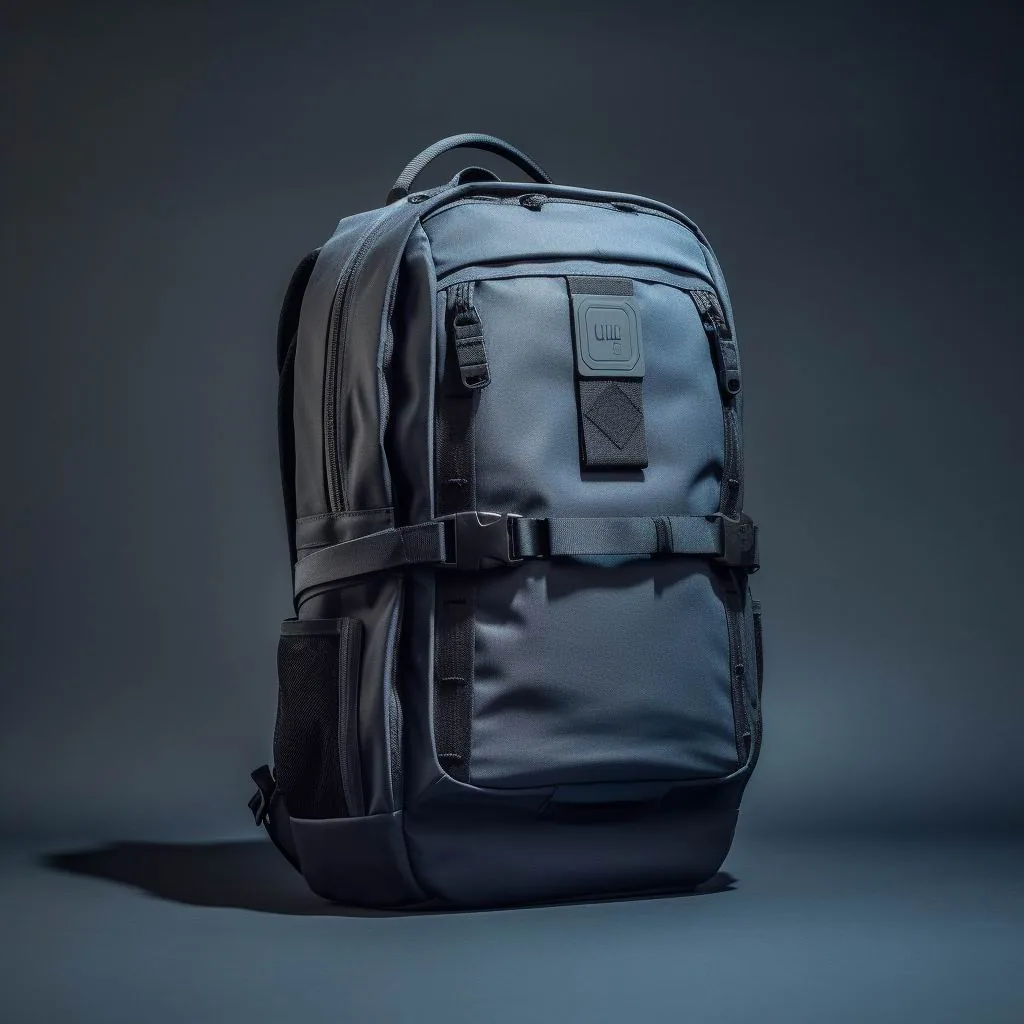
Put anything you cannot afford to lose in the compartment that sits against your back, keep a small decoy amount of cash in an outer pocket, and reserve the rear-facing hidden panel for passport, cards and a backup payment method only. Anti-theft features only work if they are loaded correctly: a hidden pocket containing a passport, a phone, a wallet and a spare battery becomes a single point of failure that is bulky enough to bulge visibly through the back panel, which defeats the purpose entirely. The right arrangement spreads risk across three zones — the rear hidden panel for documents and one card, an internal zipped pocket for a phone, and an outer pocket holding £20 to £40 in cash and an expired card so a quick theft is satisfied and a serious one is not. Repeat that split every single day, and check the loaded back panel in a mirror before leaving the house, because a pocket that prints visibly through the shell tells a thief exactly where to reach.
Then think about access frequency rather than value alone. Things you reach for ten times a day — travel card, headphones, keys, hand sanitiser — belong in pockets you can open without removing the bag, even if that means they are marginally less secure. Things you reach for twice a day — passport, spare cards, emergency cash — belong in the hidden rear panel, because a pocket you need to access constantly will end up left open, and an open hidden pocket is worse than no hidden pocket at all.
Finish by checking the silhouette. Stand sideways in a mirror with the bag fully loaded: the back panel should be flat against you, no pocket should bulge more than 20 mm, and nothing should print visibly through the fabric. Spend thirty seconds on that check before leaving the house each morning. Bulges tell a thief exactly where to look, and they are the most common reason otherwise well-designed bags fail in practice, which is why the fitting routine in anti-theft backpack pocket guides always ends with a mirror check. The layout principles used across GOV.UK guidance on protecting documents apply just as much to how you carry them as to what you do if they go.
What Belongs in a Hidden or Rear-Facing Pocket?
Documents and one card, and not much else. The rear-facing hidden panel exists because it is inaccessible while you are wearing the bag, which makes it the correct home for a passport, a driving licence, a spare bank card and a folded £50 note. Those four items together measure roughly 130 x 95 x 20 mm and weigh under 150 g, so they sit flat without printing.
Resist the temptation to fill it. A hidden panel stuffed with a phone, a power bank, cables and a passport becomes a 30 mm lump that is visible from behind and uncomfortable to carry for more than an hour. If you need to carry more, use a flat travel wallet inside the panel rather than loose items, since a wallet distributes contents evenly and stops corners printing through the shell fabric.
Think about what you would actually need if the worst happened. If your bag were taken entirely, you would want photo identification, one working payment method and an emergency contact written on paper rather than stored on a device. That is a short list, and it is exactly what the hidden panel should hold, which is the rule repeated throughout anti-theft backpack guidance.
How Should RFID-Blocking Pockets Be Used?
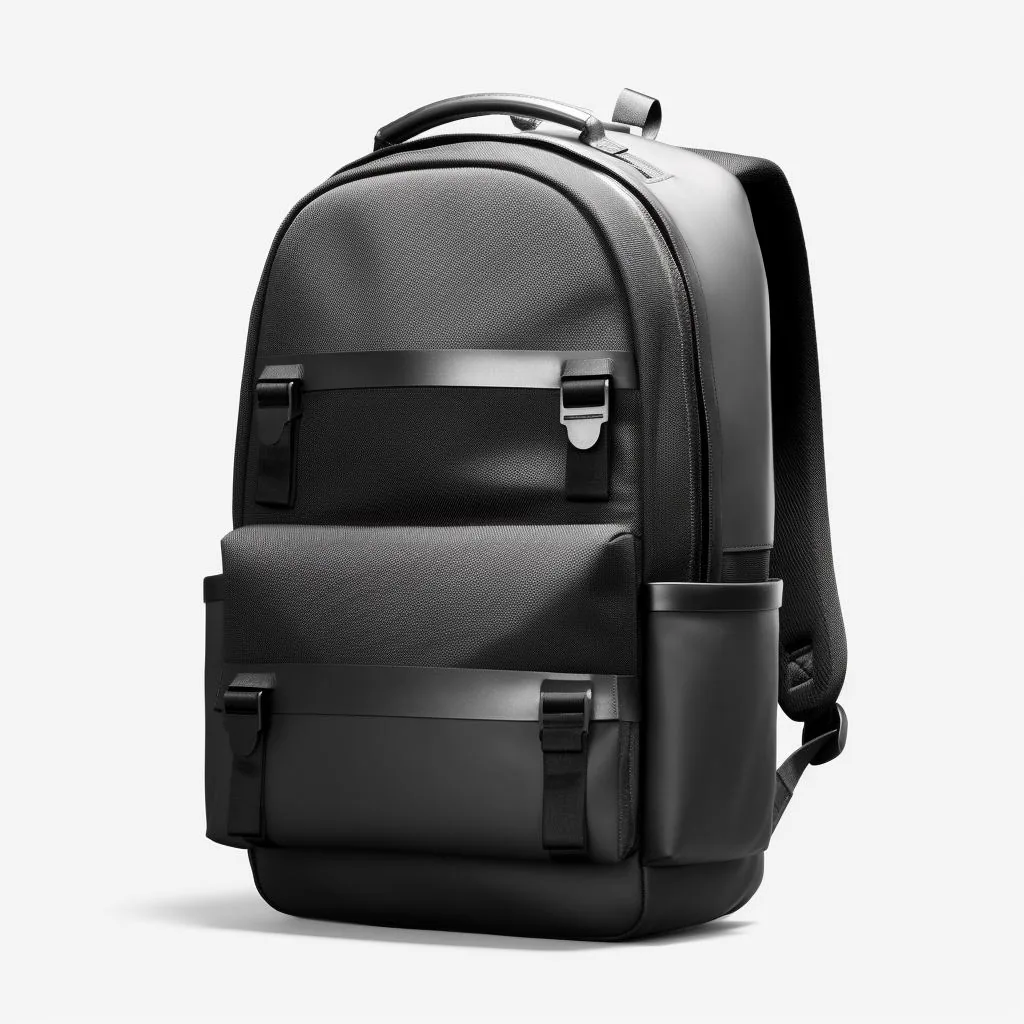
Use them for contactless cards and passports, and understand what they do. RFID-blocking material is a thin metallic mesh that attenuates radio signals at 13.56 MHz, the frequency used by contactless payment cards and e-passports. It prevents casual wireless skimming, which remains a real but low-frequency crime in the UK, and it costs essentially nothing to include.
Do not rely on it as your only protection. Contactless fraud in Britain is overwhelmingly the result of card theft and online misuse rather than wireless skimming, and UK card issuers refund unauthorised contactless transactions in the vast majority of cases. The practical defence is therefore keeping cards in a place a thief cannot reach, plus contactless limits and transaction alerts on your banking app rather than the sleeve itself.
There is one genuine downside worth knowing. A fully shielded pocket also blocks your own phone's NFC if you keep the two together, and it can reduce signal enough to affect contactless travel cards read through the bag. Keep travel cards in an outer pocket where you need to tap them at a gate, and reserve the shielded pocket for cards you will not need until the end of the day, as advised in anti-theft backpack card advice.
| Pocket position | What goes in it | Access frequency | Risk level |
|---|---|---|---|
| Rear hidden panel, against back | Passport, licence, one spare card, £50 note | Once or twice a day | Lowest |
| Internal zipped pocket, main body | Phone, wallet, keys | Several times a day | Low |
| Internal slip pocket, unpadded | Notebook, cables, charger | Several times a day | Low |
| Front organiser panel | Pens, cards you tap often, receipts | Ten times a day | Moderate |
| Side external pocket | Water bottle, umbrella, nothing valuable | Constantly | Higher |
| Outer quick-access pocket | £20 to £40 cash, expired card, tissues | Rarely, deliberately | Highest, by design |
How Do You Arrange Pockets for a Daily Commute?
Frequency drives everything on a commute. Your travel card or phone goes in an outer or top pocket you can reach one-handed at a gate; your keys go on an internal clip so they never end up at the bottom of the main body; and your wallet goes in an internal zipped pocket rather than a back trouser pocket, which remains the single most pickpocketed location on British public transport.
Then separate the wet and the dirty. A bottle in a side pocket, an umbrella in another, and a folded tote or shopping bag in the base of the main compartment keeps moisture away from anything electronic. Commuters who put a leaking bottle in the main body learn this lesson once and never repeat it, usually at a cost of one ruined laptop.
Keep the load shallow, not deep. A commute bag you can open and see into without unpacking saves thirty seconds at every gate and every ticket barrier, and it stops the habit of leaving the main zip partly open while you rummage. Shallow packing — one layer of items rather than three — is the habit recommended in anti-theft backpack commuting guides.
How Do You Arrange Pockets for City Travel Abroad?
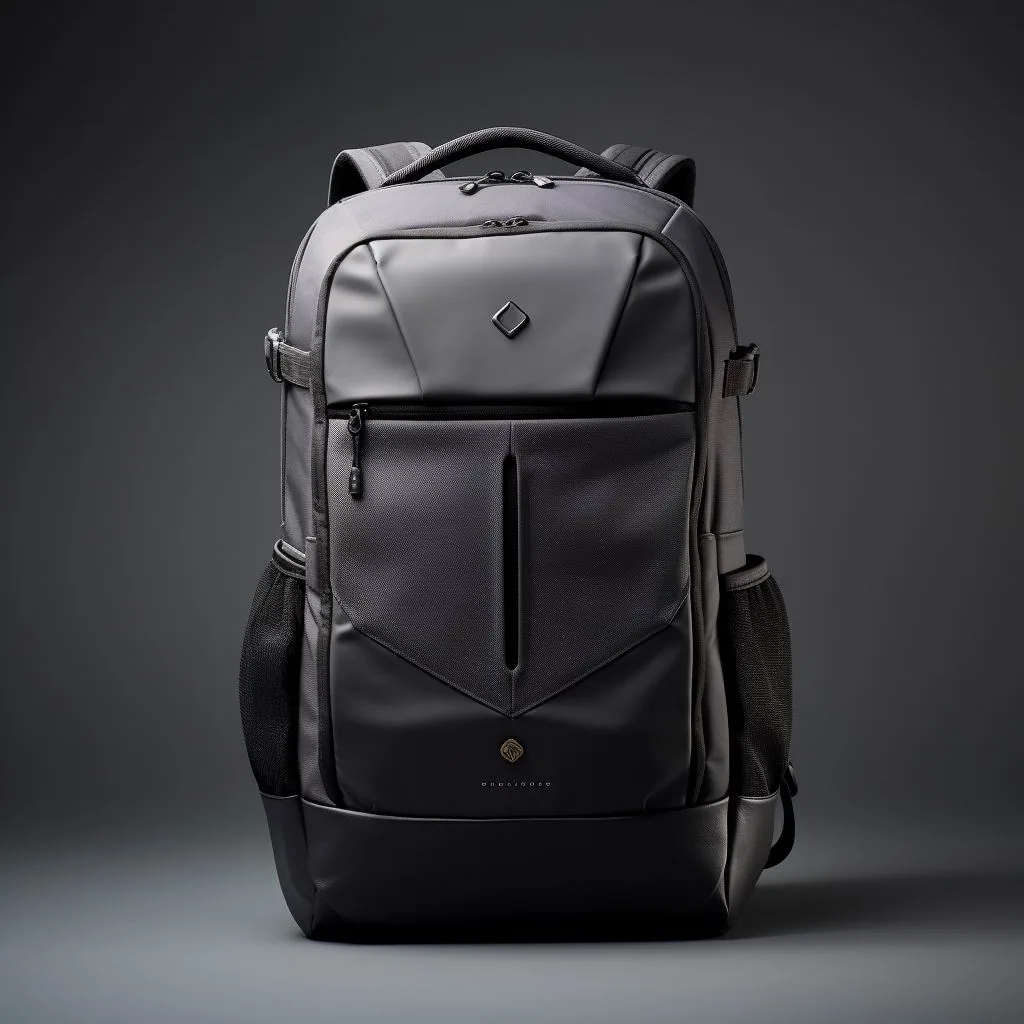
Split your money and cards across at least three locations and never let them travel together. Keep the majority in the hidden rear panel, a day's spending money in an internal pocket, and a small decoy amount in an outer pocket you are willing to hand over. On a week in a European city that typically means £150 in the hidden panel, £60 internal and £25 outside.
Documents need the same treatment but a different logic. Carry your passport only when you need it; on most days a photocopy or a phone image is sufficient for everything except banking and border crossings, and leaving the document in a hotel safe removes the single largest risk from your day entirely. When you must carry it, use the rear panel and check for it deliberately every time you sit down in a café or on a train.
Then think about where you will actually be vulnerable. Airports, station concourses, metro carriages and any queue where you stand still for more than a minute are the highest-risk locations, and in all of them the bag should be worn on your front or held, rather than worn loosely on your back. Guidance for British travellers published by GOV.UK covers what to do afterwards, and the pocket discipline recommended in anti-theft backpack travel guides is designed to reduce the chance you ever need it.
What Should Never Go in an Outer Pocket?
Anything you cannot replace within twenty-four hours. That includes your only payment card, your passport, your house keys if they are your only set, and any device containing the only copy of data you need. Outer pockets are designed for speed, not security, and every one of them can be opened by someone standing behind you in about three seconds.
Keys deserve specific mention because people get this wrong constantly. A set of house and car keys in an outer pocket is a far worse loss than the cash in your wallet, because it tells a thief where you live and gives them a reason to follow it up. Keep keys on an internal clip, and never attach an address tag to a bag you travel with.
Also avoid anything with your name visible. Luggage tags, work badges, posted letters and printed labels all convert a lost bag into a targeted one. If you must label a bag, use an internal tag with a phone number rather than a name and address on the outside, which is the advice given across anti-theft backpack safety advice.
How Do You Keep Access Fast Without Being Careless?
Build a single "reach pocket" that you open without thinking and keep nothing valuable in it. On most commuters that is a top lid pocket or a front organiser panel, and it should hold a travel card, headphones, a pen and lip balm — items you touch ten times a day. Everything else lives behind a second action: unzipping, unclipping or removing the bag.
Then reduce the number of zips you open per trip. Every open zip is an unsecured opening, and bags left half-open on a crowded train are the most common route to a lost phone. Aim for one pocket per task: one for travel cards, one for keys, one for the phone, and accept the small inefficiency of a fixed place for everything.
Finish with a closing habit. Zip every pocket fully, put the pullers in their garage or under their flap where the design provides one, and do a two-second check before you stand up to leave anywhere. Lockable zips only help if they are actually locked, and the majority of thefts from bags involve an unfastened opening rather than a defeated lock, a point emphasised throughout anti-theft backpack zips and locks.
How Do You Check a Pocket Layout Before Buying?
Load it in the shop, or at home with the tags on. Bring your actual passport, phone, wallet, keys and bottle rather than guessing, and check three things: does everything fit without the back panel bulging, can you reach the pocket you will use most without removing the bag, and does any zip puller rattle or catch when you walk. A layout that fails any one of those will frustrate you daily.
Then look at the zip geometry specifically. Rear-facing zips should sit fully against the back panel with no gap at the corners, hidden pockets should open away from your body rather than toward it, and any lockable zip should have a garage or a covered pull so the mechanism is not visible. Cheap anti-theft bags often place the hidden pocket where it is genuinely awkward to reach, which means it gets used once and then ignored.
Finally, test the bag loaded and worn. Walk for ten minutes with 5 kg in it, sit down, stand up, and go through a doorway in a crowd. Pockets that dig into your back when seated, or that press against your lumbar spine when loaded, will not get used properly regardless of how secure they are, and the review notes in anti-theft backpack buying advice record exactly which layouts fail this test.
How Should Pockets Be Reset Between Cities and Days?
Do a five-minute reset every time you change location. Moving from a hotel to a train, or from a workday to a sightseeing day, changes what you need and where you need it, and a layout tuned for a commute is wrong for a day in an unfamiliar city. Empty the outer pockets completely, re-split cash across the three zones, and confirm the passport is back in the hidden panel rather than loose at the bottom of the main body.
Then re-check the decoy deliberately. The outer pocket should still contain £20 to £40 and nothing you care about, because it is the one pocket designed to be lost. Travellers who gradually fill it with receipts, a phone or a room key end up losing the most valuable thing in it on the one day they are distracted, which is usually the last day of a trip when tiredness is highest.
Finish by resetting your own habits rather than just the bag. Decide before you leave which pocket you will use at the airport, at the station and at the hotel, and keep those decisions for the whole trip. Consistency is what makes pocket discipline automatic, and it is the habit recommended across anti-theft backpack pocket guides for anyone spending more than two nights away.
What Should UK Buyers Specify for Anti-Theft Pocket Layouts?
Specify positions in millimetres rather than in descriptions. Require the hidden rear panel to sit within 150 mm of the top of the back panel, with dimensions no smaller than 200 x 140 mm so a passport lies flat, and with the zip running horizontally so contents cannot slide out when opened. Require shielded card slots to be tested for attenuation at 13.56 MHz, since untested "RFID-blocking" fabric is a common and unenforceable claim.
Then agree the commercial terms before tooling. Standard practice is MOQ 500 pcs per colourway, sampling in 6-10 working days including a loaded 5 kg wear test on public transport, bulk production 35-50 days, and inspection to AQL 2.5 (ISO 2859-1) using the tables published by ISO 2859-1. Cutting resistance and fabric strength should additionally be verified against methods in the ASTM standards library, since slash-resistant claims need test evidence behind them.
Finish with details that reduce complaints rather than add cost. Supply a printed card explaining which pocket holds what, fit zip garages on every external opening, and put a key clip in the main body rather than in an outer pocket. Our 4,950 m² SGS-verified production floor attenuation-tests every shielded fabric batch rather than accepting supplier certificates, and our vetted partner facilities retain dye lots for eighteen months so reorders match, which matters to any retailer ordering through anti-theft backpack supply.
Frequently Asked Questions
What should go in a hidden anti-theft backpack pocket?
Passport or ID, one spare payment card and emergency cash of about £50. Keep it to four flat items so the panel stays under 20 mm thick and does not print through the back panel. Everything else belongs in internal pockets you access deliberately rather than in the hidden one. Four items total under 150 g keep the panel flat, which is the whole point of hiding it against your back.
Which pocket should hold a passport in an anti-theft backpack?
In the rear-facing hidden panel, flat against your back, in a wallet rather than loose. On most travel days a photocopy or phone image suffices, so consider leaving the document in a hotel safe and carrying it only when banking or crossing a border actually requires it. A passport measures about 125 x 88 mm closed, so check the panel is at least 200 x 140 mm internally before buying.
How much cash should be kept in an outer decoy pocket?
Around £20 to £40, plus an expired card if you have one. The purpose is to satisfy a quick grab without exposing your real money, so the amount should be enough to look plausible and small enough that losing it costs you nothing beyond inconvenience on the day. Split the rest as roughly 60% in the hidden panel and 40% in an internal pocket, so one loss never empties you.
Can RFID-blocking pockets prevent contactless card fraud in the UK?
They block 13.56 MHz wireless skimming, which is real but uncommon. Most UK contactless fraud follows physical card theft or online misuse, and issuers refund unauthorised transactions in most cases. Treat shielding as a small bonus, not as your main defence against card crime. Shielding attenuates 13.56 MHz signals and costs almost nothing, but contactless limits and banking alerts matter more in practice.
Should house keys go in an outer pocket for quick access?
No. Keys in an outer pocket tell a thief where you live and give them a reason to follow up. Clip them to an internal key leash instead, and never attach an address tag to a bag you travel with, since that converts a lost bag into a targeted one. An internal key leash keeps them retrievable in about 2 seconds while removing the address risk entirely.
How many pockets should a commuting anti-theft backpack have?
Around five to seven distinct spaces, which is enough to give every daily item a fixed home without encouraging rummaging. More than that and you will forget where things are, which leads to leaving zips open while you search in public places. 5 to 7 spaces means roughly one per daily item, which cuts the time spent searching with zips open in public.
Which pocket should hold a phone in an anti-theft backpack?
In an internal zipped pocket you can reach one-handed, not in the hidden rear panel and not in an outer slip pocket. The rear panel is too slow for something you check twenty times a day, and outer pockets are opened in about three seconds by someone behind you. Outer slip pockets are opened in about 3 seconds, while an internal zipped pocket takes longer than a grab usually lasts.
Is a lockable zip worth paying extra for on a backpack?
Only if you actually lock it, which most people stop doing within a fortnight. Most bag thefts involve an unfastened opening rather than a defeated lock, so prioritise zip garages, rear-facing openings and a closing habit over a lock you will not use daily. Most people stop locking within 14 days, so spend the money on zip garages and rear-facing openings instead.
How do you stop an anti-theft backpack bulging when fully loaded?
Keep the hidden panel to four flat items, use a travel wallet rather than loose contents, and pack the main body one layer deep so nothing presses outward. Stand sideways in a mirror and check that no pocket projects more than about 20 mm from the panel. A flat travel wallet spreads contents evenly and keeps the panel under 20 mm even with four cards enclosed.
Should a travel card sit inside an RFID-blocking pocket?
No, because shielding also blocks the gate reader. Keep contactless travel cards in an outer or lid pocket where you can tap the bag at a barrier, and reserve the shielded slots for bank cards you will not need until the end of the day. Shielding stops a gate reader working, so keep travel cards within 100 mm of the bag's outer face.
How do you test an anti-theft pocket layout before buying?
Load it with your real passport, phone, wallet, keys and bottle in the shop. Check that the back panel stays flat, that your most-used pocket opens without removing the bag, and that nothing digs into your back when you sit down wearing it. Walk for 10 minutes with 5 kg loaded, then sit down and stand up again to check nothing digs into your back.
What should not be carried in an anti-theft backpack at all?
Anything with your home address visible, spare house keys, your only payment card and any device holding irreplaceable data. Also avoid carrying every card you own: split them across the hidden panel, an internal pocket and a separate bag or jacket where practical. Carry no more than 2 cards per bag, and keep a third in a jacket or a separate wallet on longer trips.
How should anti-theft pockets be arranged for airport security?
Keep passport and boarding pass in one outer or lid pocket so you can produce them in about ten seconds, and keep liquids and electronics in the main body where trays are easy. Return documents to the hidden rear panel immediately after the checkpoint rather than at the gate. Allow about 10 seconds to produce documents, and keep liquids and laptops in the main body near the tray.
What should UK buyers specify for anti-theft pocket construction?
Require the hidden panel within 150 mm of the back panel top, at least 200 x 140 mm internally, with a horizontal zip and zip garages on every opening. Terms are MOQ 500 pcs, sampling in 6-10 working days, bulk production 35-50 days and AQL 2.5 inspection. Add shielded slot attenuation testing at 13.56 MHz and a 2% spares allowance in GBP-priced wholesale quotes.
Get a Free Quote for Custom How to Arrange Anti-Theft Backpack Pockets
Planning a branded programme? Our production team works to MOQ 500 pcs, 6-10 working day sampling and 35-50 day bulk lead times, with AQL 2.5 inspection to ISO 2859-1. Send your brief and we will return a costed quotation in 24-48 hours.
Mens Backpack Guide Editorial Team — Buying guides and sourcing notes for the UK men's backpack market, coordinated by QUANZHOU JUNYUAN BAGS. Commercial figures such as MOQ 500 pcs, 6-10 day sampling and 35-50 day production reflect published programme terms.