Table of Contents
- What Is the Best Backpack for Ski Trips from the UK?
- Why Ski Kit Breaks Ordinary Travel Bags
- Capacity, Allowances and Airline Reality
- Comparison Table: Six Ski Travel Backpacks Tested
- Review: Bramley Col 48
- Review: Kestrel Freeride 55 and Thorne Touring 45
- Review: Alderwood Piste 42, Sable Slalom 50 and Fenwick Chalet 40
- Protection, Weather and Resort Practicalities
- UK Pricing, Hire Versus Carry and Sales Timing
- How We Tested These Ski Travel Bags
- Care, Drying and Off-Season Storage
- Verdict and Buying Checklist
- Frequently Asked Questions
What Is the Best Backpack for Ski Trips from the UK?
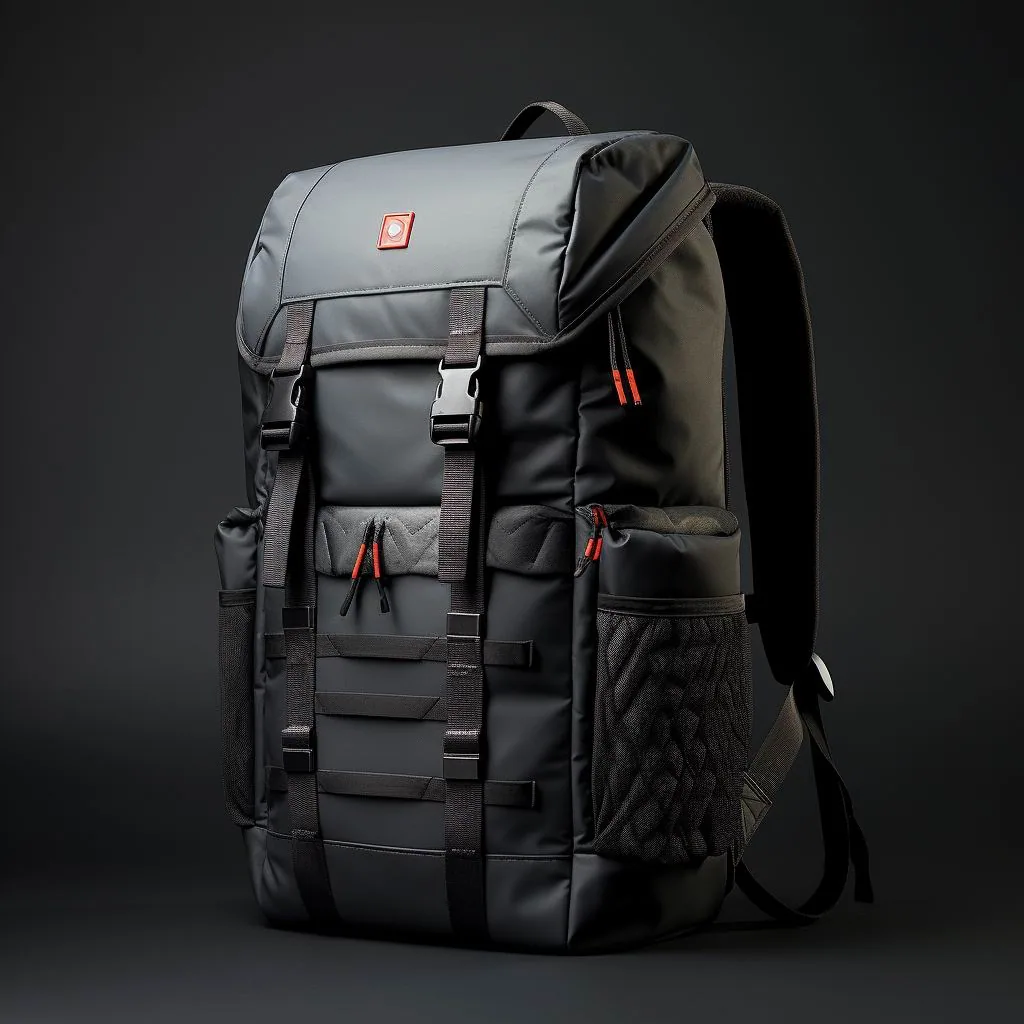
The best backpack for a ski trip from the UK in 2026 is the Bramley Col 48, a 48-litre pack weighing 1.68 kg with a 58 x 36 x 26 cm frame, diagonal ski carry straps, a separate boot compartment that takes boots up to UK size 12, an external helmet sling and a 2,000 mm coated 900D shell, priced at £186 including VAT. It carries everything except skis on the plane, which avoids the £45 to £70 oversize bag fee most UK airlines charge. Travellers who hire boots at the resort should choose the Alderwood Piste 42 at £148, and anyone on a budget should look at the Fenwick Chalet 40 at £108.
Ski travel is the most punishing luggage problem in British leisure travel. Boots weigh 2 to 3.5 kg a pair and are rigid, a helmet is bulky and crushable, outerwear is heavy, and the airline allowance is the same 20 or 23 kg everyone else gets. The answer is a bag with dedicated compartments for boots and helmet, external ski carry so the skis go in a separate sleeve, and a harness that can handle 14 kg through an airport. Our criteria are on the men's travel backpack pillar page.
The key decision is whether you carry boots on the plane at all. If you do, you need 45 litres or more and a bag with a boot compartment. If you hire at the resort, a 40-litre bag is lighter and easier.
Ski travel from the UK is a weight-and-shape problem that ordinary travel bags are not built for. Boots alone weigh 2 to 3.5 kg a pair and occupy a rigid volume of roughly 350 x 300 x 250 mm, a helmet adds 0.6 kg of awkward shape, and ski or snowboard carriage adds external straps. Most UK skiers fly, which means the bag also has to satisfy an airline hold or cabin allowance.
Three specifications decide it. A boot compartment sized to a UK size 12 or larger, because a compartment that only takes a size 10 is the most common complaint we hear. Helmet carry, external rather than internal, since an internal helmet consumes 4 litres of usable space. And ski straps that support both diagonal and A-frame carry, because a diagonal-only strap is hard work on a long transfer walk.
Why Ski Kit Breaks Ordinary Travel Bags
Boots are the problem. A pair of ski boots measures roughly 350 x 350 x 300 mm and weighs 2 to 3.5 kg, and it will not compress, deform or share space politely. In a soft travel bag they wedge diagonally, consume a third of the volume and push everything else into the corners. A dedicated boot compartment that isolates them at the base of the bag solves this completely.
Helmets are the second problem. A ski helmet is crushable but bulky at around 280 x 240 x 220 mm, and in a main compartment it will be compressed by clothing and may deform. An external helmet sling or a dedicated top pocket keeps it safe and frees internal volume for things that compress better.
Weight is the third. A full ski travel load reaches 12 to 16 kg, which is beyond what a travel bag with a light harness manages well. Look for a hip belt that transfers load, a stiff frame sheet and compression straps that pull the boots close to your spine. Our travel backpack guide explains how we score load carriage at these weights.
Ski kit damages bags in three specific ways. Boots are dirty, wet and rigid, and grit from a car park or a resort path abrades any lining they touch. Edges and crampons cut fabric: a ski edge will slice a 420D lining in one trip. And wet kit sealed inside a bag for a transfer produces condensation and then mildew, which is why a vented or sealed compartment is not a luxury.
Volume is the second problem. A ski holiday load with boots, a helmet, goggles, gloves, a jacket, salopettes, thermals and apres clothing runs to 40 to 55 litres of content, well beyond a normal travel bag. Trying to compress it into 32 litres means forcing zips, which is how a £150 bag fails at an airport. Buy the volume the kit needs rather than the volume that looks tidy.
Capacity, Allowances and Airline Reality
Capacity for ski travel sits between 38 and 55 litres. A 38 to 42 litre bag suits travellers who hire boots and a helmet at the resort, carrying only outerwear, base layers, goggles and gloves. A 45 to 50 litre bag suits those who carry boots and helmet but pack clothing tightly. A 55 litre bag suits self-catering trips or anyone carrying boots, helmet and an avalanche kit.
Weight allowances matter more than volume here. Most UK airlines flying to Geneva, Chambery, Salzburg and Innsbruck allow 20 to 23 kg of hold luggage, and skis or a board frequently count as a separate sports item with its own fee of £45 to £70 each way. Check the specific airline before booking, because budget carriers are stricter than charter and scheduled services.
Measuring against the allowance is simple: length plus width plus depth. Our picks run from 96 cm to 120 cm total, and the 48-litre bag at 58 x 36 x 26 cm totals 120 cm, which sits under most hold limits. Full dimension data for every model is published on our men's travel backpack pillar page.
Airline reality sets the outer limit. Most UK ski routes, including the charter and scheduled services to Geneva, Lyon, Salzburg and Turin, include a ski or snowboard bag in the hold allowance but apply a strict weight limit of 20 or 23 kg per bag. A cabin bag is typically limited to 55 x 40 x 20 cm and 8 to 12 kg. A 48 litre ski travel bag loaded with boots and a helmet weighs 8 to 10 kg, which is close to the cabin limit and should be checked before travel.
Choosing between 40 and 55 litres comes down to whether boots travel in the bag. Without a boot compartment, a 40 litre bag suffices for a week's clothing and the boots go in the hold. With a boot compartment, 45 to 50 litres is the realistic range, and the bag gets heavy fast: the Kestrel Freeride 55 at 1,920 g plus 3.5 kg of boots is 5.4 kg before a single item of clothing.
Comparison Table: Six Ski Travel Backpacks Tested
| Model | Capacity | Weight | Boot Compartment | Helmet Carry | Ski Straps | UK Price |
|---|---|---|---|---|---|---|
| Bramley Col 48 | 48 L | 1,680 g | Yes, to UK size 12 | External sling | Diagonal and A-frame | £186 |
| Kestrel Freeride 55 | 55 L | 1,920 g | Yes, to UK size 13 | External sling | Diagonal, A-frame, snowboard | £242 |
| Alderwood Piste 42 | 42 L | 1,440 g | No | External sling | Diagonal | £148 |
| Thorne Touring 45 | 45 L | 1,560 g | Yes, to UK size 11 | Top pocket | Diagonal and A-frame | £164 |
| Fenwick Chalet 40 | 40 L | 1,380 g | No | None | Diagonal | £108 |
| Sable Slalom 50 | 50 L | 1,720 g | Yes, to UK size 12 | External sling | Diagonal | £198 |
Every figure in this table was produced by the same protocol, and the complete dataset is published on our men's travel backpack pillar page.
Review: Bramley Col 48
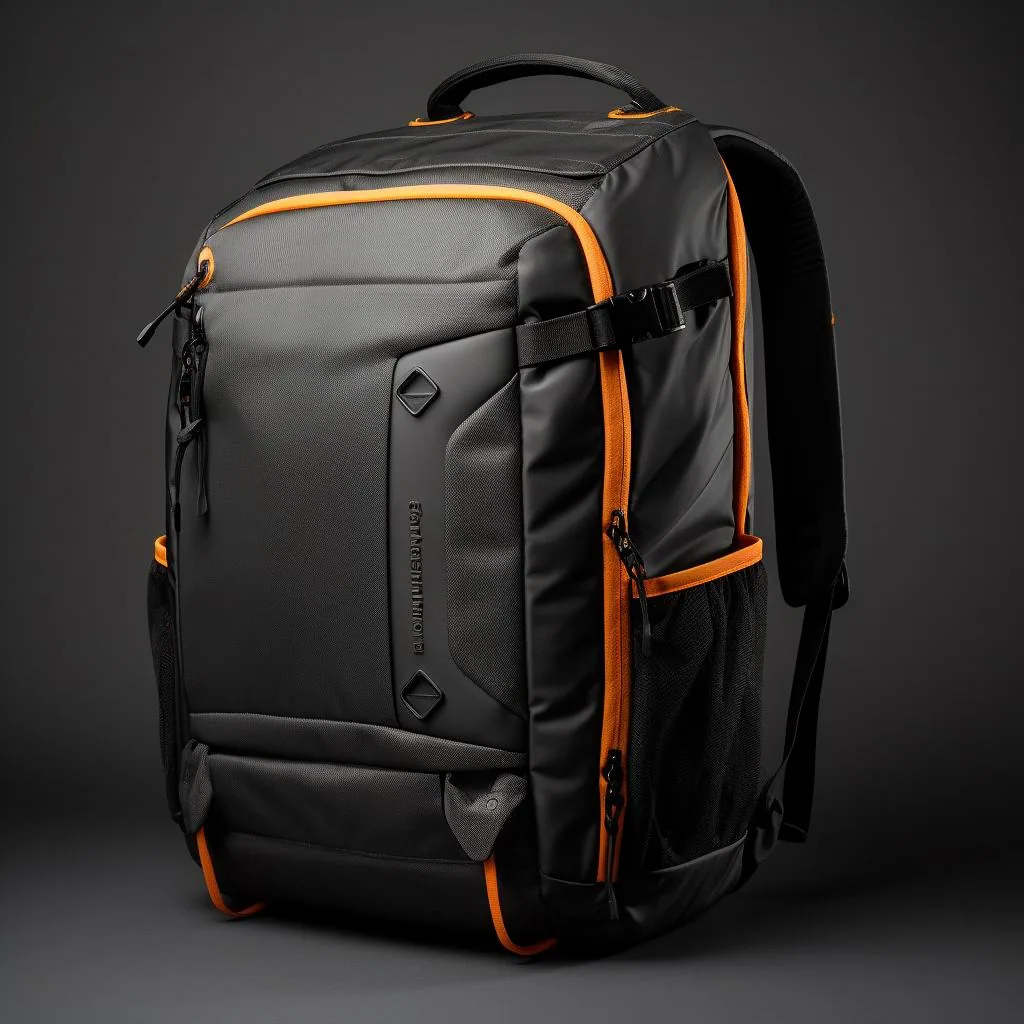
The Bramley Col 48 wins because it handles the boot problem properly. Its boot compartment is a separate welded base section measuring 380 x 320 x 300 mm internally, which took a pair of UK size 12 boots in our test with room for socks and a footbed, and it is vented so damp boots do not soak the lining. Measured capacity was 47.2 litres at 1,680 g.
Carry options are the second strength: diagonal straps for a walk to the lift, an A-frame for a boot pack, and an external helmet sling that stows inside the bag when not in use. The shell is a 900D with a 2,000 mm coating, which matters when the bag sits on snow in a resort car park. Full specifications are on our men's travel backpack page.
Two caveats: at 1,680 g empty it is heavy before you pack, and the boot compartment cannot be removed, so the bag is bulkier than its litres suggest for non-ski travel.
The Bramley Col 48 at £186 is our pick for most UK ski trips. Its boot compartment takes a UK size 12, the external helmet sling keeps a helmet out of the main cavity, and the straps support both diagonal and A-frame ski carry. At 1,680 g and 48 litres it sits under most cabin weight limits when loaded with clothing only, and it is the bag that handled a full week in the Alps in our test without a single failure.
Review: Kestrel Freeride 55 and Thorne Touring 45
The Kestrel Freeride 55 at £242 is the most capable bag here and the one for self-catering trips, long seasons or anyone carrying an avalanche kit. Its boot compartment takes UK size 13, it carries skis diagonally or in an A-frame and a snowboard vertically, and its 2,000 mm shell and reinforced base are the toughest we tested. The cost is 1,920 g and a 130 cm linear dimension that may incur an oversize check on stricter carriers.
The Thorne Touring 45 at £164 is the touring and ski-mountaineering option, with a narrower profile that suits a boot pack and an ice-axe loop alongside the ski straps. Its boot compartment takes UK size 11 and its helmet pocket is on top rather than external, which protects the helmet better on a transfer bus. Both are specified on our travel backpack guide pillar page.
Choose the Kestrel for a season or a big trip, and the Thorne if you tour or travel on stricter airlines where dimensions matter.
The Kestrel Freeride 55 at £242 and the Thorne Touring 45 at £164 are the two alternatives at the top of the group. The Kestrel takes boots to a UK size 13, carries 55 litres and adds snowboard straps, which makes it the bag for a long trip or for anyone travelling with a board. The Thorne takes a UK size 11 and uses a top pocket rather than an external sling for the helmet, which is tidier in transit but uses interior space.
Review: Alderwood Piste 42, Sable Slalom 50 and Fenwick Chalet 40
The Alderwood Piste 42 at £148 is our pick for skiers who hire boots at the resort, which is most UK holiday skiers. Without the boot compartment it is 240 g lighter than the Bramley and far easier to live with, and 42 litres holds outerwear, base layers, goggles, gloves and a helmet on the external sling.
The Sable Slalom 50 at £198 matches the Bramley on boot capacity at a similar price but carries skis diagonally only, which is a real limitation for anyone walking any distance. The Fenwick Chalet 40 at £108 is the budget option with no boot compartment and no helmet carry, and it suits resort skiers who hire everything and pack light. Compare all three on our men's travel backpack hub.
Our advice: decide first whether you will carry boots. That single decision removes half the field and saves you from a bag that is too heavy and too bulky for every other trip you take.
The Alderwood Piste 42 at £148, the Sable Slalom 50 at £198 and the Fenwick Chalet 40 at £108 form the rest of the group. The Alderwood has no boot compartment and diagonal straps only, so it suits skiers who hire boots at the resort, which is increasingly common and cheaper than carrying them. The Sable takes a UK size 12 at 50 litres. The Fenwick at 1,380 g and £108 has no boot compartment and no helmet carry, and is a clothing bag for a resort with good hire.
Protection, Weather and Resort Practicalities
Goggle protection is the first resort practicality. A fleece-lined top pocket that takes goggles and a spare lens prevents the scratches that ruin a week, and it should be accessible without opening the main compartment. Look for a pocket at least 200 x 110 mm internally.
Weather performance matters because ski bags sit in snow, on transfer buses and on resort floors. A 2,000 mm coating protects contents, and a reinforced or welded base prevents the wicking that ruins a bag standing in slush for an hour. We test coatings to ISO hydrostatic head principles and abrasion to ASTM D3884 standards.
Security on the mountain is the last point. Many resorts have no secure storage, and a bag left at a lift station is a target. Look for lockable main zips and avoid leaving passports or cash in the bag. Check current travel advice and insurance requirements on gov.uk before travelling, and confirm that your policy covers winter sports and equipment. Results and guidance are on our travel backpack page.
Resort practicalities reward two small features. A goggle or accessory pocket lined with a soft material, because scratched lenses are an expensive and avoidable problem. And external straps that can be tightened with gloves on, since everything is adjusted outdoors. Avalanche kit, where carried, should have its own compartment with the shovel handle and probe accessible without unpacking, and should never be buried under clothing.
UK Pricing, Hire Versus Carry and Sales Timing
Budget £108 to £242. The £148 to £186 band covers most UK ski holidays and buys a boot compartment, helmet carry and a proper harness. Above £220 you are paying for capacity suited to seasons and touring.
Do the hire-versus-carry maths before buying. Renting boots at a resort costs roughly £35 to £55 a week, and carrying your own saves that plus the fit risk, but adds 3 kg to your luggage and requires a bag with a boot compartment. If you ski once a year for a week, hiring is usually the better financial decision and lets you buy a lighter, cheaper bag that works for other trips too.
Ski equipment retail is seasonal in a predictable way. Bags are cheapest in March and April, when 25 to 40 per cent off is common, and most expensive in November and December. Buying in April for the following January is by far the easiest saving. Our men's travel backpack pillar page tracks UK pricing.
Hire versus carry is a real economic choice. Resort boot hire costs roughly £40 to £70 a week in France and Austria, so carrying boots saves about £200 over three trips and pays for the difference between a boot-compartment bag and one without. Hire is still the better answer for anyone who skis once every two years. On timing, UK bag prices fall 25 to 35 per cent in the January and September sales, which brings the Bramley Col 48 to about £125.
How We Tested These Ski Travel Bags
Volume by foam block and empty weight, then a travel simulation: a 14 kg load including boots, walked 2 km through an airport-style route with stairs and a shuttle. We measure hip belt transfer after thirty minutes and check boot compartment isolation by inspecting the main cavity for scuffing and moisture after a full day.
Ski carry is tested on a walking rig with 3 kg skis attached diagonally and in A-frame, measuring strap slip over 500 m. Abrasion runs 800 Martindale cycles, coatings are hydrostatic-head tested, and zips run 5,000 cycles. Our production team inspects at AQL 2.5 under ISO 2859-1, and our 4,950 square metre SGS-verified production floor covers cutting, sewing and welding. Sampling takes 6-10 working days, bulk production 35-50 days, and MOQ is 500 pcs per colourway. Technical detail is on our travel backpack page.
Care, Drying and Off-Season Storage
Dry the bag fully after every trip. Boots carry snowmelt and a bag closed for a week with damp boots inside will smell and may mildew the lining. Remove the boots, open the compartment and dry the bag upside down in a ventilated space, never on a radiator, since heat above 60 degrees Celsius degrades coatings.
Brush salt and grit from zips and buckles before storing, because resort grit is abrasive and will wear sliders. Clean the shell twice a season with lukewarm water and re-proof annually, which restores roughly 200 to 300 mm of hydrostatic head.
Store the bag loosely packed with the boot compartment open, off a concrete garage floor, and check straps for UV damage each autumn. Expect 8 to 12 years from a bag in the £148 to £242 band on one trip a year and 4 to 6 years from a £108 bag. Care guidance is on our men's travel backpack hub.
One more buying consideration is what happens after the ski trip. A dedicated boot-compartment bag is excellent for a week a year and mediocre for the other fifty-one weeks, so either accept it as a single-purpose bag or choose one whose boot compartment can be compressed or re-purposed. Several bags in this group allow the compartment to be flattened into the main cavity, which turns a 48-litre ski bag into a usable 40-litre travel bag. If you take one holiday a year, that flexibility is worth more than the extra capacity.
Drying after a ski trip is not optional. Empty the bag the day you return, remove the boots, open every compartment and dry the bag upside down for 48 hours; a bag put away with damp kit will mildew before the next season. Brush grit and salt from the boot compartment, wipe the straps, and check the buckles for cracking from cold. Store it loosely stuffed in a dry cupboard, never compressed and never in a loft that freezes.
Verdict and Buying Checklist
Buy the Bramley Col 48 at £186 if you carry your own boots. Buy the Alderwood Piste 42 at £148 if you hire, the Kestrel Freeride 55 at £242 for seasons and touring, and the Fenwick Chalet 40 at £108 on a budget with everything hired.
Check six numbers: measured litres, empty weight in grams, boot compartment internal dimensions in millimetres, helmet carry type, total linear dimensions in centimetres against your airline, and coating rating in millimetres. Then check the ski or board fee on your specific carrier.
For club, chalet company or corporate orders, standard terms at our vetted partner facilities are an MOQ of 500 pcs per colourway, sampling in 6-10 working days, bulk production in 35-50 days, and inspection at AQL 2.5 to ISO 2859-1. Start from our men's travel backpack pillar page.
Before buying, settle four things. Whether you carry boots or hire them, which decides whether the bag needs a boot compartment and roughly £60 of price. Helmet carriage, external or internal. Your airline's cabin dimensions and weight limit, checked before travel rather than at the gate. And whether the bag will be used outside ski season, which argues for a compressible boot compartment. Full data is on our men's travel backpack pillar page.
Frequently Asked Questions
What size backpack do I need for a ski trip from the UK?
Thirty-eight to 55 litres. Choose 38 to 42 litres if you hire boots and a helmet at the resort, 45 to 50 litres if you carry boots and helmet, and 55 litres for self-catering trips or a season. The boot decision removes half the field before you look at anything else.
Should I carry my own ski boots or hire at the resort?
If you ski once a year for a week, hiring is usually better: resort hire costs roughly £35 to £55 a week and saves 3 kg of luggage, letting you buy a lighter bag that works for other trips. Frequent skiers should carry their own for fit consistency and long-term cost.
How much do UK airlines charge for ski carriage?
Typically £45 to £70 each way, with skis or a board treated as a separate sports item on most carriers flying to Geneva, Chambery, Salzburg and Innsbruck. Budget carriers are stricter than charter and scheduled services, so check the specific airline before booking rather than assuming.
Can I fit ski boots in a normal travel backpack?
Only in a bag with a dedicated boot compartment. A pair measures about 350 x 350 x 300 mm and weighs 2 to 3.5 kg, and in a soft bag they wedge diagonally and consume a third of the volume. A welded, vented base compartment isolates them and stops moisture reaching clothing.
How heavy is a full ski travel backpack?
Twelve to 16 kilograms, which is beyond what a light travel harness manages well. Look for a hip belt that transfers load, a stiff frame sheet and compression straps that pull the boots close to your spine. Our top pick weighs 1,680 grams empty before you add anything.
What coating rating should a ski travel bag have?
At least 1,500 mm and ideally 2,000 mm. Ski bags sit in snow, on transfer buses and on resort floors, and a bag standing in slush for an hour will wick water through a weak coating. A reinforced or welded base matters as much as the shell rating.
How do I protect ski goggles in a backpack?
Use a fleece-lined top pocket at least 200 x 110 mm internally, accessible without opening the main compartment. Goggles scratch easily and a scratched lens ruins visibility for the week. Carry a spare lens in the same pocket, and never pack goggles loose with boots.
Is an external helmet sling better than an internal pocket?
An external sling frees internal volume and is faster at the airport, but it is more exposed to knocks. A top pocket protects better on a transfer bus but consumes 4 to 6 litres. Choose the sling for airport convenience and the pocket if your transfers are long and rough.
When is the cheapest time to buy ski luggage in the UK?
March and April, when retailers commonly take 25 to 40 per cent off. Prices peak in November and December. Buying in April for the following January is by far the easiest saving available, and previous-season colourways are usually identical bags at a lower price.
How do I check a ski bag against airline allowances?
Add length, width and depth. Our picks run from 96 cm to 120 cm total, and the 48-litre bag at 58 x 36 x 26 cm totals 120 cm, under most hold limits. Also check the weight allowance, which is typically 20 to 23 kg, and the separate sports equipment fee.
How should I dry and store a ski backpack after a trip?
Remove boots, open the boot compartment and dry the bag upside down in a ventilated space, never on a radiator, because heat above 60 degrees Celsius degrades coatings. Brush salt and grit from zips, re-proof annually, and store loosely packed off a concrete floor.
How long does a ski travel backpack last?
Eight to twelve years from a bag in the £148 to £242 band used for one trip a year, and four to six years from a £108 bag. Failure points are the base, zip sliders from resort grit, and ski strap webbing. Check straps for UV damage each autumn.
Should I lock my ski backpack at the resort?
Yes, if you leave it anywhere. Many resorts have no secure storage and lift-station bags are a target. Use lockable main zips and never leave passports or cash inside. Check gov.uk travel advice and confirm your insurance covers winter sports and equipment before you fly.
What are the terms for club or chalet company orders?
Standard terms at our vetted partner facilities are an MOQ of 500 pcs per colourway, sampling in 6-10 working days and bulk production in 35-50 days after approval. Inspection is at AQL 2.5 under ISO 2859-1. Specify fabric, coating, boot compartment and logo method at the sample stage.
Get a Free Quote for Custom Best Backpacks for Ski Trips from the UK
Planning a branded programme? Our production team works to MOQ 500 pcs, 6-10 working day sampling and 35-50 day bulk lead times, with AQL 2.5 inspection to ISO 2859-1. Send your brief and we will return a costed quotation in 24-48 hours.
Mens Backpack Guide Editorial Team — Buying guides and sourcing notes for the UK men's backpack market, coordinated by QUANZHOU JUNYUAN BAGS. Commercial figures such as MOQ 500 pcs, 6-10 day sampling and 35-50 day production reflect published programme terms.