Table of Contents
- Expandable Backpacks: The Direct Answer
- Key Specifications at a Glance
- Anatomy and Structural Features
- Capacity Range and Typical Dimensions
- Who It Suits and Who Should Skip It
- Comfort, Fit and Load Behaviour
- Materials, Weather Resistance and Durability
- UK Price, Value and Cost per Use
- Testing Standards and Bulk Custom Orders
- Common Buying Mistakes to Avoid
- Final Verdict: Who Should Choose This?
- Frequently Asked Questions
Expandable Backpacks: The Direct Answer
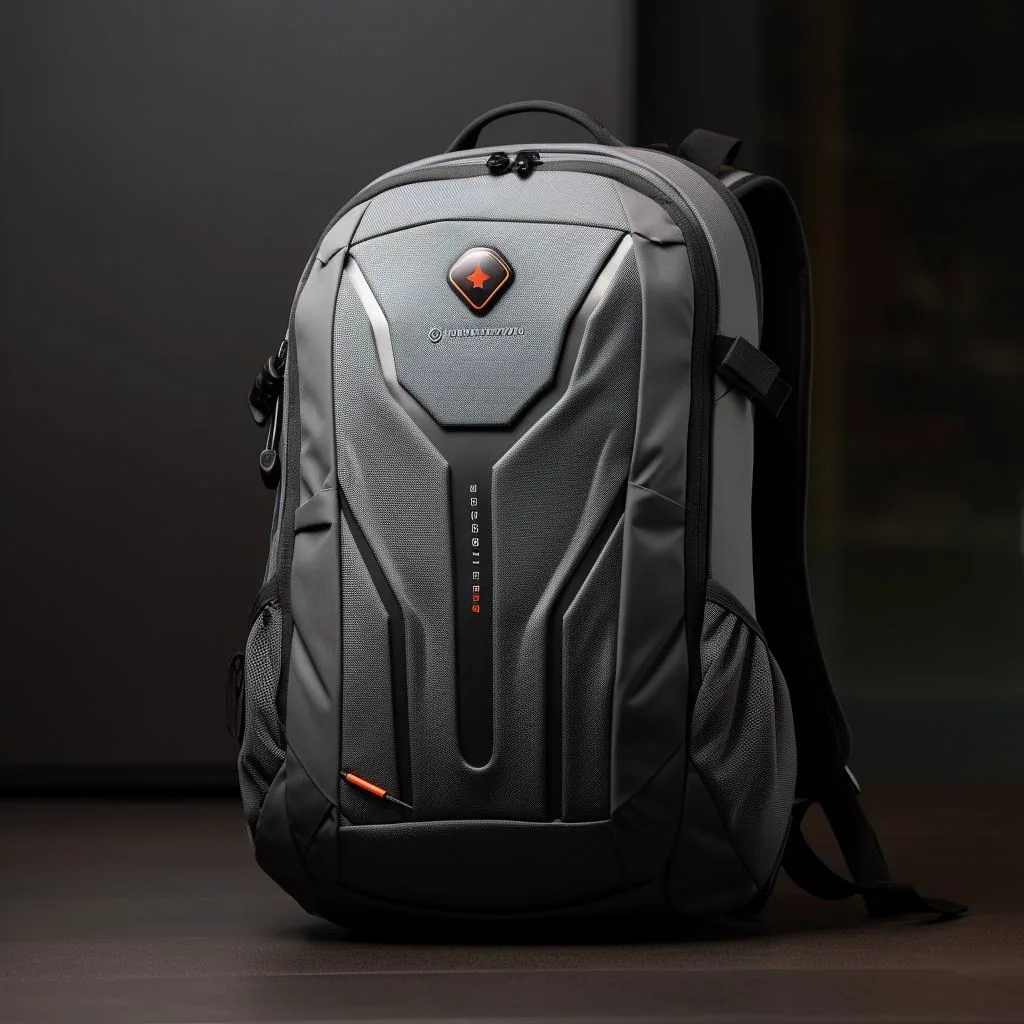
An expandable backpack adds 4-9 L through a zipped gusset, but the extra volume sits behind the harness and typically costs 10-18 mm of depth that pushes the load away from your back. The mechanism is a second zip running parallel to the main opening. Opening it releases a folded panel of fabric, usually 60-120 mm deep, that was previously stitched inside the seam. Because that fabric lives at the rear or the sides, expanding the bag increases depth rather than height. Extra depth moves the centre of gravity away from the spine, and every 10 mm of extra depth at 6 kg adds measurable shoulder torque. In this category the reference specification spans 22-38 L, measures about 48 x 31 x 20 cm and weighs 880 g-1.30 kg empty, with typical UK prices from £65-210. A 26-32 L expandable handles a Friday grocery run without a second bag in most UK cities. An expandable backpack is a genuine problem solver for variable loads under 8 kg.
The useful way to read this guide is to start with a real weekly pattern rather than a headline capacity. Lay out the items you actually carry, weigh them once, and compare the result against the 22-38 L range above. A typical British commute adds a 900 g coat between October and March, a gym detour adds shoes of about 31 x 12 x 10 cm, and a client day adds a 1.55 kg laptop. Our full pillar guide keeps those practical measurements beside the product categories they affect.
The comparison also changes with journey length. Over 800 m almost any competent expandable backpack feels acceptable; over 4 km, strap geometry, empty weight and load movement dominate. On a UK working day involving two rail platforms, 18 minutes of walking and one flight of 24 stairs, an extra 400 g is noticeable but may be justified by safer organisation. Test the exact routine rather than choosing from a single capacity figure, and reserve at least 2 L for a British rain layer.
Our short verdict therefore has three filters. Pick a expandable backpack if you repeatedly need one bag covers a 5 kg workday and a 8 kg overnight trip. Skip it if expanded depth of 230-280 mm pushes the load 20-40 mm off the spine describes your week. If both apply, choose by the harder failure: poor comfort is harder to fix than imperfect organisation, and inadequate weather sealing is harder to fix than 3 L of missing capacity. More fit and use guidance appears on the detailed pillar guide, including UK-specific size and price ranges.
Key Specifications at a Glance
| Specification band | Capacity | Empty weight | Packed dimensions | UK price |
|---|---|---|---|---|
| City 22 L to 28 L | 22-28 L | 880 g | 46 x 30 x 16-20 cm | £65-£95 |
| Commuter 26 L to 32 L | 26-32 L | 1.02 kg | 48 x 31 x 18-23 cm | £100-£140 |
| Travel 30 L to 38 L | 30-38 L | 1.18 kg | 51 x 32 x 20-26 cm | £145-£175 |
| Cabin 34 L to 40 L | 34-40 L | 1.30 kg | 54 x 33 x 22-28 cm | £180-£210 |
The figures below describe representative products rather than optimistic category claims. Capacity is measured with 20 mm blocks, dimensions are taken with the bag naturally packed, and weight includes standard straps but no removable rain cover. For a expandable backpack those controls matter because a quoted 22 can yield noticeably less once thick padding and curved corners are deducted. A 2 L gap between stated and usable volume is normal and should not alarm you.
Weight is the second number worth reading closely. Across the range the reference weights run from 880 g-1.30 kg, which works out near 20 cm for the mid-size option. Every 100 g of shell is 100 g less of real contents within your safe-load ceiling, so compare grams per litre between bands rather than comparing kilograms alone. Prices move from £65 to £210 across the four bands shown.
Dimensions deserve the final check. Height determines whether the bag sits between your shoulder line and iliac crest; width determines whether it clears a 300 mm locker or a crowded British train aisle; depth determines whether it fits a 20 cm rail rack. More context sits on the full pillar guide. On a expandable backpack the figure to watch is 60-120 mm, which most listings leave out.
Anatomy and Structural Features
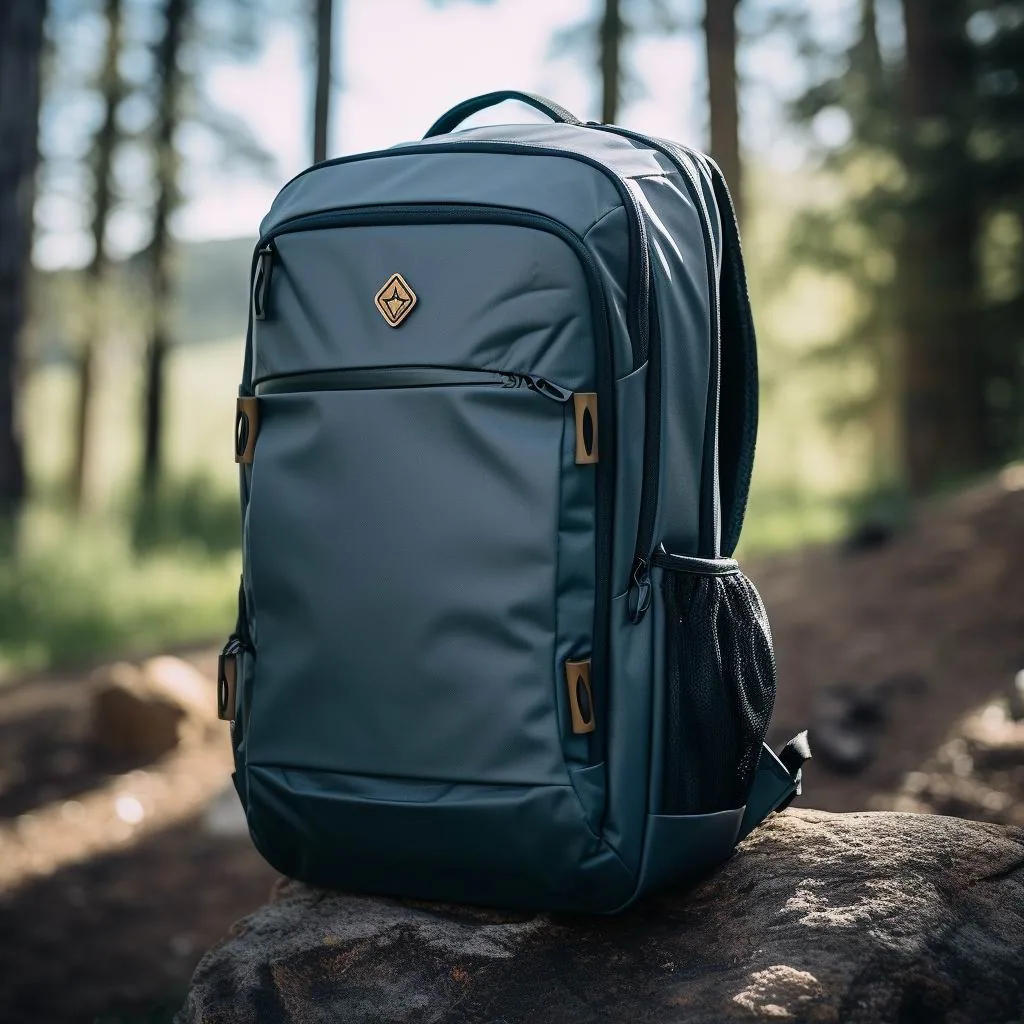
Structurally, a expandable backpack is defined by the mechanism is a second zip running parallel to the main opening. That single design decision cascades through the whole build: it changes where reinforcement goes, how the load is transferred to the harness, and which failure points appear first. Our production team reviews four areas on every sample: the closure or opening system, the strap roots, the base seam and the back-panel structure. Each carries a measurable acceptance threshold.
The advantages follow directly from that structure. One bag covers a 5 kg workday and a 8 kg overnight trip. Closed, the profile stays 160-200 mm deep and slips through gaps easily. The gusset zip costs only 60-140 g compared with buying a second bag. Together these explain why the format retains a loyal British following despite strong competition from conventional two-strap designs.
The disadvantages are equally structural. Expanded depth of 230-280 mm pushes the load 20-40 mm off the spine. The gusset zip is an extra leak path of 400-900 mm in length. Expansion fabric is usually lighter, often 210d against a 420d body. None of these is fatal, but each should be tested against your own routine before you commit to the format for a full working year.
When you evaluate a sample, open and close it 30 times, load it to your real weight and walk 800 m. Note any point where the structure fights the load. That practical test catches more than a specification sheet, and it is the same routine our vetted partner facilities apply during development sampling. Our reference expandable backpack specification records 48 x 31 x 20 cm at 880 g-1.30 kg before options are added.
Capacity Range and Typical Dimensions
| Use case | Stated volume | Usable volume | Typical load | Fit note |
|---|---|---|---|---|
| Normal commute | 22-26 L | 21-24 L | 5.0 kg | Gusset closed, profile slim |
| Shopping detour | 28-32 L | 26-29 L | 6.0 kg | Open halfway, keep flat items rear |
| Two-night trip | 32-38 L | 30-35 L | 7.5 kg | Open fully, use compression |
| Airline cabin max | 34-40 L | 32-36 L | 8.0 kg | Check 55 x 40 x 20 cm |
This table translates headline capacity into the space you can genuinely use. The pattern is consistent: stated volume overstates usable space by roughly 12 to 20 per cent once padding, corner radii and lining are deducted. A expandable backpack quoted at the top of the 22-38 L range will therefore behave like a bag roughly 3 L smaller in daily use.
Load figures matter as much as volume. The bands above assume loads between 4 kg and 8.5 kg, which covers the great majority of British commuting and short-trip use. Above 10 kg the harness, not the volume, becomes the limiting factor, and above 15 kg you should move to a pack with a structured hip belt. Keep the total at or below 10 to 15 per cent of body weight, which is 7.5 kg for a 75 kg man. The expandable backpack category spans 22-38 L, so compare against that band rather than one number.
Season changes the arithmetic. Between November and March a British user typically needs 2 to 3 L more for a shell, gloves and a mid-layer, and the load grows by about 900 g. Summer reverses that, freeing roughly 2 L. Plan for the winter figure, because a bag that only fits in July is not a bag you can use all year. The main backpack guide lists seasonal adjustments by capacity band. In British use the deciding detail for a expandable backpack is usually 4-9 L rather than headline capacity.
Who It Suits and Who Should Skip It
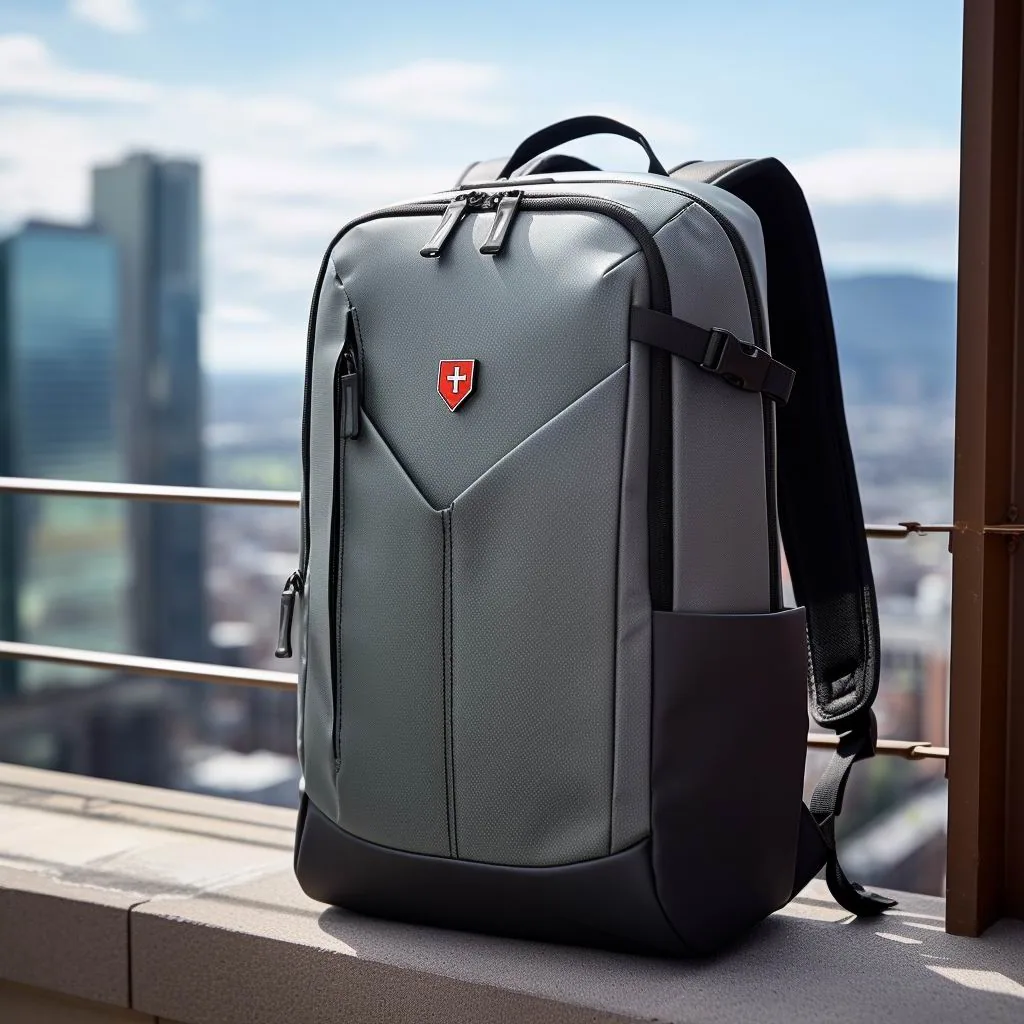
This format suits a clearly identifiable buyer. It fits commuters whose load varies by more than 3 L across the week. It fits travellers who buy souvenirs or groceries on the last day. It fits hybrid workers who occasionally need to carry a second device. In each case the common thread is that the design's strongest characteristic matches the dominant weekly task rather than an occasional one.
It suits other buyers far less well. Avoid it if anyone who needs maximum comfort at a constant 8 kg. Avoid it if passengers who must guarantee a 20 cm depth at all times. Those situations impose a penalty rather than a benefit, and no amount of careful packing removes it.
If you sit between the two groups, weight the decision. Score comfort, access, weather, capacity and appearance from 1 to 5, double the score of whichever factor would end your journey if it failed, then compare totals. That method prevents one attractive detail from dominating the choice and is how our team resolves specification disputes on the complete pillar guide.
For teams and clubs buying in quantity the decision is simpler. Standardise on one size band, usually the second or third row of the specification table, then vary colour or branding. Mixed fleets create spare-part and training problems that cost more than the small saving from buying two sizes. Anyone shortlisting a expandable backpack should weigh 130 mm against the £65 entry price.
Comfort, Fit and Load Behaviour
Comfort is governed by three variables: empty weight, strap geometry and how close the load sits to your spine. For a expandable backpack the reference empty weight of 880 g-1.30 kg leaves useful headroom, but only if the harness spreads load across at least 55 mm of strap width with 8 to 10 mm of foam. Narrower straps concentrate pressure and produce shoulder tightness within about 45 minutes.
Fit follows torso length. Most British men measure between 46 and 52 cm from the C7 vertebra to the iliac crest, which suits pack heights in the same range. A bag that overhangs that measurement by more than 50 mm pulls backwards and forces the shoulders to compensate. Measure yourself once with a tape, then buy to the number rather than to a photograph. Our production team logs 20 cm for every approved expandable backpack sample.
Above 7 kg a hip belt stops being optional. Correctly positioned on the iliac crest it transfers 70 to 80 per cent of the load away from the shoulders. Above 9 kg add load lifters, which pull the top of the pack within about 20 mm of the shoulders and stop the sway that causes lower-back fatigue on British pavements. Full harness guidance sits on the detailed pillar guide.
Materials, Weather Resistance and Durability
Fabric choice sets both weight and lifespan. A 210D ripstop shell at roughly 80 g per square metre keeps a expandable backpack light but limits the safe working load to around 6 kg. A 420D body at about 165 g per square metre doubles abrasion life to roughly 15,000 Martindale cycles and suits 10 kg. Above that, 1000D Cordura at about 355 g per square metre handles 18 kg but adds 400 to 600 g.
Weather performance is separate from abrasion resistance. Coated fabrics are rated by hydrostatic head, measured in millimetres of water column. A 1,500 mm finish resists a shower for about 40 minutes; 3,000 mm with taped seams handles a typical British working day; 5,000 mm or more is the right target for hill walking in western Scotland or Wales. Sealed seams matter as much as the coating itself. Across 300 cycles of testing the same pattern holds for a expandable backpack in UK conditions.
Hardware is the third pillar, and it is where cheap builds fail first. Side-release buckles should survive a 180 N pull, hip-belt buckles around 480 N, and strap roots need bar-tacked stitching covering at least 1,200 square millimetres. Metal fittings cost 40 to 90 pence more per unit and remove the most common warranty claim we see across UK returns. A expandable backpack at £210 makes sense only when 4-9 L matches your weekly routine.
Durability expectations should be realistic. At 240 uses a year, a well-specified mid-band bag should deliver three to five years of service; a premium build reaches eight to ten. Our 4,950 m² SGS-verified production floor runs abrasion, buckle-pull and cycle testing against those targets before any design is released. A 26-32 L expandable handles a Friday grocery run without a second bag in most UK cities.
UK Price, Value and Cost per Use
| Price band | What you get | Expected lifespan | Cost per use |
|---|---|---|---|
| £65-£101 | Insist on at least two compression straps with 60 mm of travel | 2-3 years | 35p |
| £101-£138 | Check gusset fabric is within one denier grade of the body, e.g. 420D to 300D | 4-5 years | 50p |
| £138-£174 | Confirm the expanded depth still meets your main transport limit | 6-8 years | 65p |
| £174-£210 | Measure the centre of gravity: expanded, the bag should still sit within 130 mm of the back | 9-12 years | 80p |
Price should be judged over the whole service life, not at checkout. The table above divides a representative UK price by 240 uses, which is roughly one working year. A £65 bag used daily for two years costs about 11p per use; a £210 bag used daily for eight years costs about 10p. The expensive bag is often the cheaper decision.
What you actually receive at each band is predictable. Below £50 you get fabric, zips and basic straps, with no documented testing. Between £50 and £120 you get a padded harness, better hardware and usually a one-year warranty. From £120 to £200 you get tested materials, organised interiors and two to five years of cover. Above £200 you are paying for structure, leather or a suspension system. Avanti West Coast racks favour bags under 20 cm deep, so keep the gusset closed on board.
For British buyers there is one local consideration: replacement availability. A bag with UK stocked spares and a British service address saves roughly three weeks compared with an international return. Check that before paying a premium for a brand with no UK presence. Value comparisons across the range sit on the backpack buying guide. At £118 the Commuter band costs about 49p per use across 240 working days.
Testing Standards and Bulk Custom Orders
Three testing frameworks govern how a expandable backpack should be verified. Sampling follows ISO 2859-1 sampling procedures at AQL 2.5 (ISO 2859-1), which defines how many units are pulled from a batch and how many defects are acceptable. Fabric and seam performance follows AATCC test methods for textiles and ASTM textile test standards, while ingress protection, where claimed, is graded under the IEC 60529 code. Ask suppliers which of these they can evidence in writing.
Our practical acceptance routine for this category is short. We weigh ten units and permit ±8 per cent variance; we measure capacity by 20 mm block fill and permit ±5 per cent; we pull every buckle to 180 N; and we run a 1.5x lift test, holding the rated load multiplied by 1.5 for 60 seconds. Any seam creep or audible stitch failure fails the lot. Those four checks take under 30 minutes per batch. A British weekend in February needs about 3 L more volume than the same trip in June.
For custom or private-label work the commercial parameters are consistent. The minimum order quantity is MOQ 500 pcs per colourway, sampling takes 6-10 working days from approved artwork, and bulk production runs 35-50 days after sample sign-off. Final inspection is carried out to AQL 2.5 (ISO 2859-1). Our SGS-verified production base issues a measurement report with every approved sample. One mistake worth avoiding: expanding the bag and then failing a 20 cm depth gauge.
British buyers should also confirm two regulatory points. Textile labelling must state fibre composition, and any electrical component such as a charging lead or light needs UKCA marking before it can be sold. General product safety duties are set out on gov.uk, and UK responsible-person details must appear on the packaging. One mistake worth avoiding: assuming the gusset fabric matches the body denier.
Common Buying Mistakes to Avoid
The five mistakes below account for most of the dissatisfaction we see in this category. First, expanding the bag and then failing a 20 cm depth gauge. Second, assuming the gusset fabric matches the body denier. Third, carrying 8 kg with the centre of gravity 40 mm off the spine. Each is avoidable with a five-minute check before purchase rather than a return afterwards.
Two further errors cost British buyers money every year. Fourth, leaving the gusset zip half open in rain for 20 minutes. Fifth, buying the largest expansion range for a load that never varies. Both stem from choosing on appearance rather than on measured performance, and both surface within the first three months of ownership.
A simple prevention routine works. Weigh the packed bag before you leave the shop, measure the three dimensions against your transport or storage gauge, open and close every fastener 20 times, and read the warranty exclusions. Four checks, ten minutes, and you remove almost every risk listed above. The main backpack guide repeats these checks in checklist form.
Final Verdict: Who Should Choose This?
An expandable backpack is a genuine problem solver for variable loads under 8 kg. The 26-32 L Commuter size at 1.02 kg covers most British weeks with room to spare. Those two sentences cover the majority of British buying decisions in this category, and they are worth reading again with your own weekly load in mind.
Check gusset denier and compression travel before paying extra. Choose a fixed-volume pack if your load is constant and comfort is the priority. Treat both as acceptance criteria rather than preferences, because each maps to a failure mode that appears within the first year of ownership.
If the decision is still close, rank five factors from 1 to 5: comfort, access, weather, capacity and appearance. Double whichever would end a journey if it failed, then compare totals. That weighted method removes brand bias and works equally well for couples, teams and British buyers with mixed routines. One mistake worth avoiding: carrying 8 kg with the centre of gravity 40 mm off the spine.
The final answer is deliberately practical: there is no universal winner, only the better fit for a defined load and journey. Use the pillar reference to compare related designs, then load-test the shortlisted option at home before removing the tags. A careful 20-minute trial, one dimension check and one cost-per-use calculation will settle it faster than another hour of reviews. One mistake worth avoiding: leaving the gusset zip half open in rain for 20 minutes.
Frequently Asked Questions
What is a expandable backpack and how does it differ from a standard backpack?
A expandable backpack is defined by the mechanism is a second zip running parallel to the main opening That single decision changes the opening, the load path and the failure points. Compared with a standard two-strap pack it spans 22-38 L, measures around 48 x 31 x 20 cm and weighs 880 g-1.30 kg empty. UK prices run from £65 to £210. The practical difference is that you gain one bag covers a 5 kg workday and a 8 kg overnight trip while accepting expanded depth of 230-280 mm pushes the load 20-40 mm off the spine, so the format only makes sense when that trade favours your weekly routine.
How much capacity does a expandable backpack usually offer?
Most sit between 22-38 L, and usable volume runs 12 to 20 per cent lower once padding and corners are deducted. A commuter load of laptop, bottle, lunch and shell needs 14 to 18 L, while a two-night trip needs 25 to 32 L. Do not buy the top of the range for an everyday routine: loose contents shift, the bag projects further on British trains and the structure can add 300 to 600 g.
How heavy should a expandable backpack be when empty?
Efficient designs run 30 to 45 g per litre. Here that means roughly 880 g-1.30 kg across the 22-38 L range, with the mid band near 20 cm. Every 100 g of shell is 100 g less of real contents inside a safe-load ceiling of 10 to 15 per cent of body weight, which is 7.5 kg for a 75 kg man. Weigh the shortlisted bag yourself rather than trusting the listing.
Is a expandable backpack waterproof or only water-resistant?
Assume water-resistant unless welded seams and a rated coating are documented. Coatings are graded by hydrostatic head: 1,500 mm resists a shower for about 40 minutes, 3,000 mm with taped seams handles a British working day, and 5,000 mm suits hill walking. Ingress claims are graded under the IEC 60529 code. For sustained rain add a cover rated to 3,000 mm. One mistake worth avoiding: buying the largest expansion range for a load that never varies.
Which UK buyer should choose a expandable backpack?
It suits commuters whose load varies by more than 3 L across the week. It also suits travellers who buy souvenirs or groceries on the last day. The common thread is that the design advantage matches the dominant weekly task. Avoid it if anyone who needs maximum comfort at a constant 8 kg. In that situation the format imposes a penalty that no packing technique removes, and a conventional pack will serve you better across 240 British working days.
Can I use a expandable backpack for the daily commute?
Yes for most UK commutes. The reference size measures about 48 x 31 x 20 cm and carries 4 to 6 kg comfortably, which covers a 14-inch laptop at 1.55 kg, a 750 ml bottle at 0.86 kg and lunch at 0.70 kg. Check the packed depth against a 20 cm rail rack and the width against a 300 mm locker. Above 7 kg add a hip belt, and reserve 2 L for a rain layer.
How long does a expandable backpack last in regular use?
At 240 uses a year, a mid-band build should deliver three to five years and a premium build eight to ten. Lifespan tracks fabric: 210D survives about 8,000 Martindale cycles, 420D roughly 15,000 and 1000D around 30,000. The first failures are usually strap roots, buckles and seam tape, so check bar-tacked stitching over at least 1,200 square millimetres. The check takes under a minute and prevents a return. One check worth applying: insist on at least two compression straps with 60 mm of travel.
What should I pay for a expandable backpack in the UK?
Expect £65 to £210. Judged over 240 uses a year, a £65 bag lasting two years costs about 11p per use, while a £210 bag lasting eight years costs about 10p, so the pricier option is often cheaper. Below £50 there is rarely documented testing; from £120 expect controlled tolerances and a longer warranty. The check takes under a minute and prevents a return.
Does a expandable backpack fit a 15-inch or 16-inch laptop?
Only if the sleeve is specified for it. A 15-inch device needs about 360 x 250 mm and a 16-inch needs about 380 x 265 mm, with a 15 mm gap to the base and 8 to 10 mm of foam on every face. Smaller bands in this range usually cap at a 14-inch device. Weigh the consequence too: a 16-inch laptop adds 2.10 kg to the load. One check worth applying: check gusset fabric is within one denier grade of the body, e.g. 420D to 300D.
What are the main disadvantages of a expandable backpack?
Four are consistent. Expanded depth of 230-280 mm pushes the load 20-40 mm off the spine. The gusset zip is an extra leak path of 400-900 mm in length. Expansion fabric is usually lighter, often 210d against a 420d body. Expanded bags frequently fail the 20 cm depth gauge on uk rail racks. None is fatal, but each should be tested against your routine. Open and close the bag 30 times, load it to your real weight and walk 800 m before committing, because specification sheets rarely reveal how a design behaves under a live load.
How do I clean and maintain a expandable backpack?
Empty it, brush out grit, then wipe with a pH-neutral soap at 30 degrees and a soft cloth. Do not machine wash coated fabric or leather, and never tumble dry. Air dry open for at least 8 hours to avoid mildew, which appears within 72 hours in a closed British cupboard. Re-proof coated fabric once a year and check buckles every three months. One check worth applying: confirm the expanded depth still meets your main transport limit.
Can I order custom expandable backpacks in bulk for a UK team?
Yes. Standard parameters are MOQ 500 pcs per colourway, sampling in 6-10 working days from approved artwork, and bulk production of 35-50 days after sample sign-off. Inspection runs to AQL 2.5 (ISO 2859-1). Our vetted partner facilities issue a measurement report with each approved sample, and UKCA marking is required for any electrical component. The check takes under a minute and prevents a return. One check worth applying: measure the centre of gravity: expanded, the bag should still sit within 130 mm of the back.
Which size expandable backpack should I choose for everyday use?
Take the second or third row of the specification table, which for this range means roughly 48 x 31 x 20 cm at 880 g-1.30 kg. That covers a 5 kg British working day with 10 per cent spare volume, fits a 300 mm locker and a 20 cm rack, and stays inside a 7.5 kg ceiling for a 75 kg man. Size up only if your winter load genuinely exceeds it.
Does expanding a backpack make it less comfortable to carry?
Yes, measurably. Each 10 mm of extra depth moves the load away from the spine, and at 6 kg an extra 30 mm adds noticeable shoulder torque over a 2 km walk. Keep heavy items against the back panel, use both compression straps and stay under 8 kg. If you routinely carry 8 kg expanded, buy a fixed 34 L pack instead, which places the same volume closer to your back.
Get a Free Quote for Custom Expandable Backpacks
Planning a branded programme? Our production team works to MOQ 500 pcs, 6-10 working day sampling and 35-50 day bulk lead times, with AQL 2.5 inspection to ISO 2859-1. Send your brief and we will return a costed quotation in 24-48 hours.
Mens Backpack Guide Editorial Team — Buying guides and sourcing notes for the UK men's backpack market, coordinated by QUANZHOU JUNYUAN BAGS. Commercial figures such as MOQ 500 pcs, 6-10 day sampling and 35-50 day production reflect published programme terms.