Table of Contents
- What Is the Best Lockable Backpack for UK Coworking?
- The Coworking Threat Model and What Defences Work
- Capacity, Device Separation and Hot-Desk Practicality
- Comparison Table: Six Lockable Coworking Backpacks Tested
- Review: Alderwood Desk 26
- Review: Kestrel Vault 28 and Bramley Studio 30
- Review: Thorne Hotdesk 24, Sable Cubicle 26 and Fenwick Desk 22
- Locks, Cables and How Much Security Is Realistic
- UK Pricing, Insurance and Coworking Realities
- How We Tested These Lockable Bags
- Care, Maintenance and Keeping Locks Working
- Verdict and Buying Checklist
- Frequently Asked Questions
What Is the Best Lockable Backpack for UK Coworking?
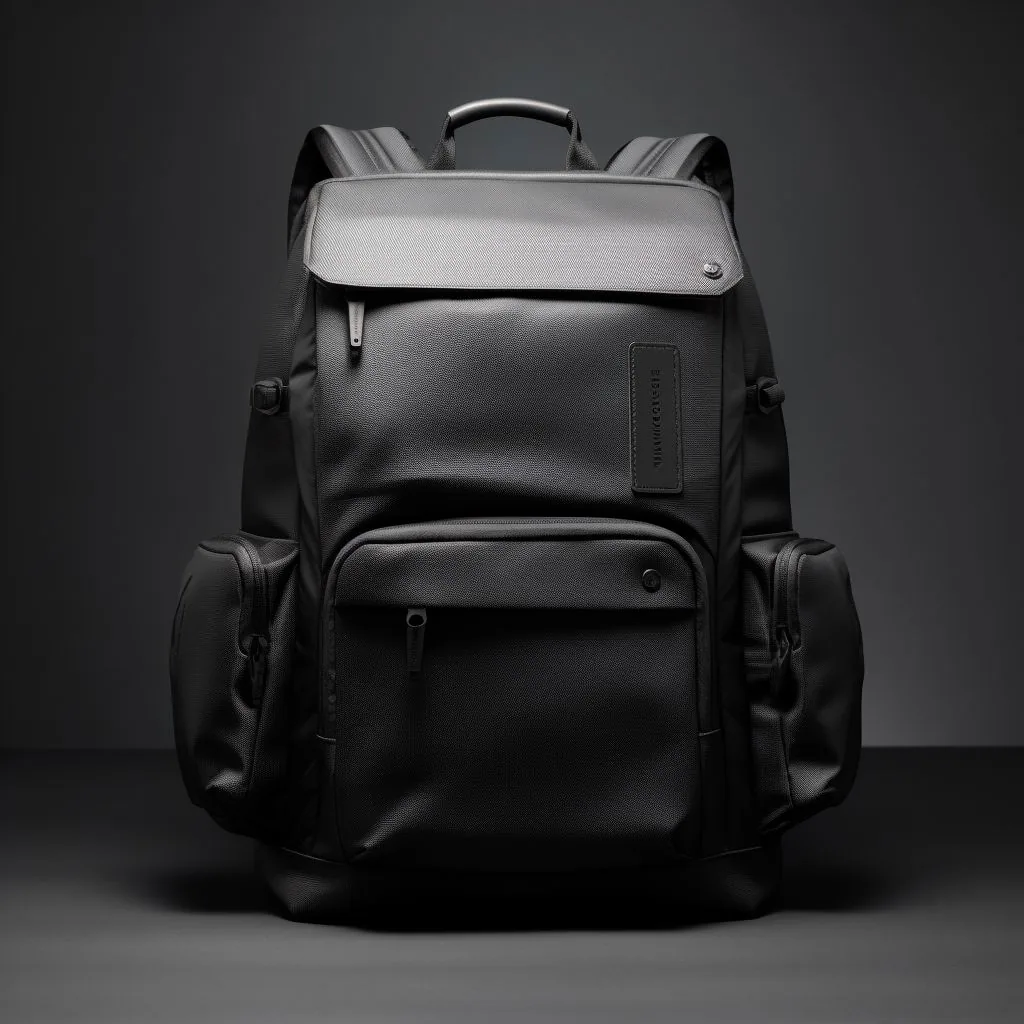
The best lockable backpack for UK coworking in 2026 is the Alderwood Desk 26, a 26-litre pack weighing 1.14 kg with lockable YKK zips on the main and laptop compartments, an integrated steel cable lock rated to 180 kg of pull force, a hidden rear document pocket and a suspended 15.6-inch sleeve, priced at £142 including VAT. It secures a laptop to a desk leg in about eight seconds and keeps the main compartment closed against casual access. Members on a budget should choose the Thorne Hotdesk 24 at £92, and anyone who wants maximum device separation should look at the Kestrel Vault 28 at £168.
Coworking security is a specific threat model. Your bag sits under a shared desk or in an open locker area, often for hours, in a building with daily visitors, contractors and members you do not know. The risk is not a determined thief with tools; it is opportunism, and the defences that matter are a lockable closure, a way to anchor the bag, and putting valuables somewhere that is not obvious. Our criteria are set out on the men's anti-theft backpack pillar page.
Two clarifications help before buying. A lockable zip deters casual access but is not a safe, and a cable lock secures a bag to furniture rather than making it theft-proof. Both buy time and inconvenience, which is exactly what opportunists avoid.
Coworking theft is opportunistic rather than planned, and that shapes what is worth defending against. The realistic risk is a device taken from an unattended desk during a five-minute absence, not a bag cut open in a locked room. That means the defences that work are a cable lock that anchors the bag to a desk, and a laptop compartment that cannot be opened without undoing the lock.
Three specifications decide it. Lockable zips on the main compartment and the laptop compartment, since a lock on the main cavity alone still leaves a device reachable. A cable rated above 150 kg of breaking strain, which is enough to defeat a grab rather than a determined attack. And a hidden rear-panel pocket for a passport, a wallet or a spare phone, which is where valuables belong in a shared space.
The Coworking Threat Model and What Defences Work
Three scenarios cover almost all coworking theft. The first is the unattended desk: a bag left under a table while you take a call or get coffee, which is the most common. The second is the open locker or shelf area, where bags sit together and a mix-up or an opportunistic grab happens. The third is the evening or weekend, when a shared space is quieter and supervision is thinner.
Defences map to those scenarios in order of effectiveness. Anchoring the bag to a fixed object with a cable lock prevents the grab-and-run entirely. Lockable zips prevent a quick dip into a main compartment. A hidden rear pocket means a phone and a wallet are not in the obvious place. And keeping the laptop compartment separate means a device is not accessible from the main cavity.
What does not work is concealment alone. A hidden pocket that nobody can find is also a pocket you cannot access quickly, and a bag that looks expensive attracts attention regardless of features. We publish test results for lock strength and zip resistance on our anti-theft backpack guide.
The threat model in a UK coworking space has three tiers. Unattended-desk theft, which is the common one and is defeated by a cable lock. Bag-opening in a busy communal area, which is defeated by lockable zips and by keeping the lock facing the body. And full bag removal, which no backpack lock prevents and which is better addressed by not leaving a bag unattended at all.
The honest conclusion is that a lockable bag buys time and inconvenience rather than security. A cable lock rated to 220 kg will not stop bolt croppers, and any bag can be carried off. What it does do is remove the opportunistic theft, which is the overwhelming majority of coworking loss. Pair it with full-disk encryption and a screen-lock timeout, and the data survives even if the hardware does not.
Capacity, Device Separation and Hot-Desk Practicality
Capacity for coworking sits between 20 and 30 litres. A 20 to 24 litre bag suits a laptop, a charger and a notebook. A 26 to 28 litre bag adds a change of clothes or a gym kit. A 30 litre bag suits anyone who works from a coworking space three or more days a week and carries a full mobile office.
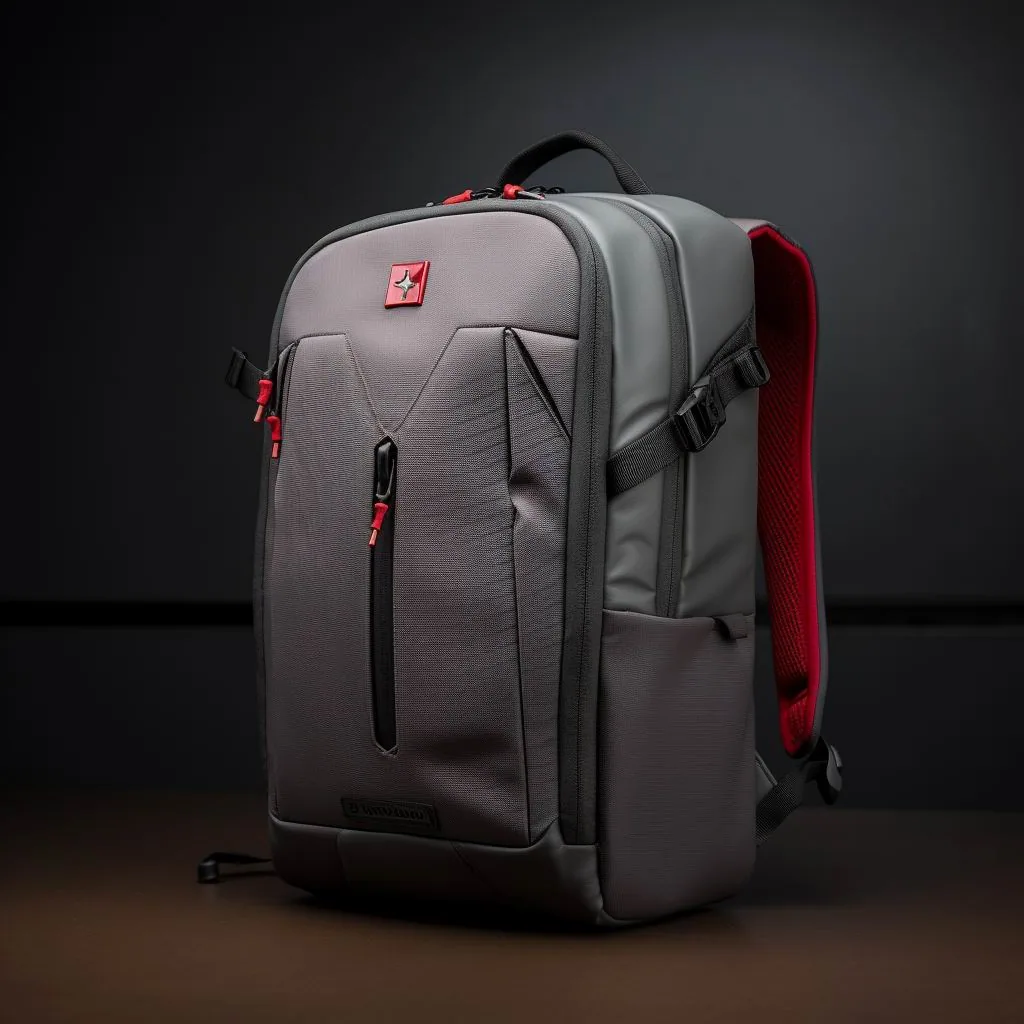
Device separation is the specification that matters most. A laptop compartment that opens independently, ideally at the back panel, means you can remove a laptop at a security desk or a client office without exposing the contents of the main cavity. Look for a suspended sleeve with at least 8 mm foam, and a separate tablet slot if you carry two devices.
Desk practicality is under-rated. A bag that stands upright under a desk rather than slumping keeps its contents dry and accessible, and a flat top means it can double as a surface for a notebook. Check that the bag fits under your specific desk: many coworking desks have a clearance of about 300 mm at the narrowest point. Dimension data for every model is published on our men's anti-theft backpack pillar page.
Capacity for a hot desk is smaller than for a commute. A typical day is a 14-inch laptop, a charger, a notebook, a water bottle and a light layer, which is 18 to 24 litres. Above 26 litres the bag stops fitting under a shared desk and starts inviting overpacking. The Alderwood Desk 26 and the Sable Cubicle 26 sit at the top of the useful range, and the Bramley Studio 30 is the largest bag we would recommend for daily hot-desking.
Device separation is the specification that matters most. A suspended sleeve with its own zip access means the laptop can be removed at a security desk or a client site without opening the main cavity, and it keeps the device away from a leaking water bottle. Every bag here except the Fenwick Desk 22 has a separate laptop compartment, and the Kestrel Vault 28 locks both compartments independently.
Comparison Table: Six Lockable Coworking Backpacks Tested
| Model | Capacity | Weight | Lockable Zips | Cable Lock | Hidden Pocket | UK Price |
|---|---|---|---|---|---|---|
| Alderwood Desk 26 | 26 L | 1,140 g | Main plus laptop | Integrated, 180 kg | Rear panel | £142 |
| Kestrel Vault 28 | 28 L | 1,260 g | Main, laptop, organiser | Integrated, 220 kg | Rear panel plus base | £168 |
| Thorne Hotdesk 24 | 24 L | 1,040 g | Main only | Included, separate | Rear panel | £92 |
| Bramley Studio 30 | 30 L | 1,320 g | Main plus laptop | Integrated, 150 kg | None | £126 |
| Fenwick Desk 22 | 22 L | 980 g | Main only | None | Rear panel | £58 |
| Sable Cubicle 26 | 26 L | 1,120 g | Main plus laptop | None | Rear panel | £104 |
Every figure in this table was produced by the same protocol, and the complete dataset is published on our men's anti-theft backpack pillar page.
Review: Alderwood Desk 26
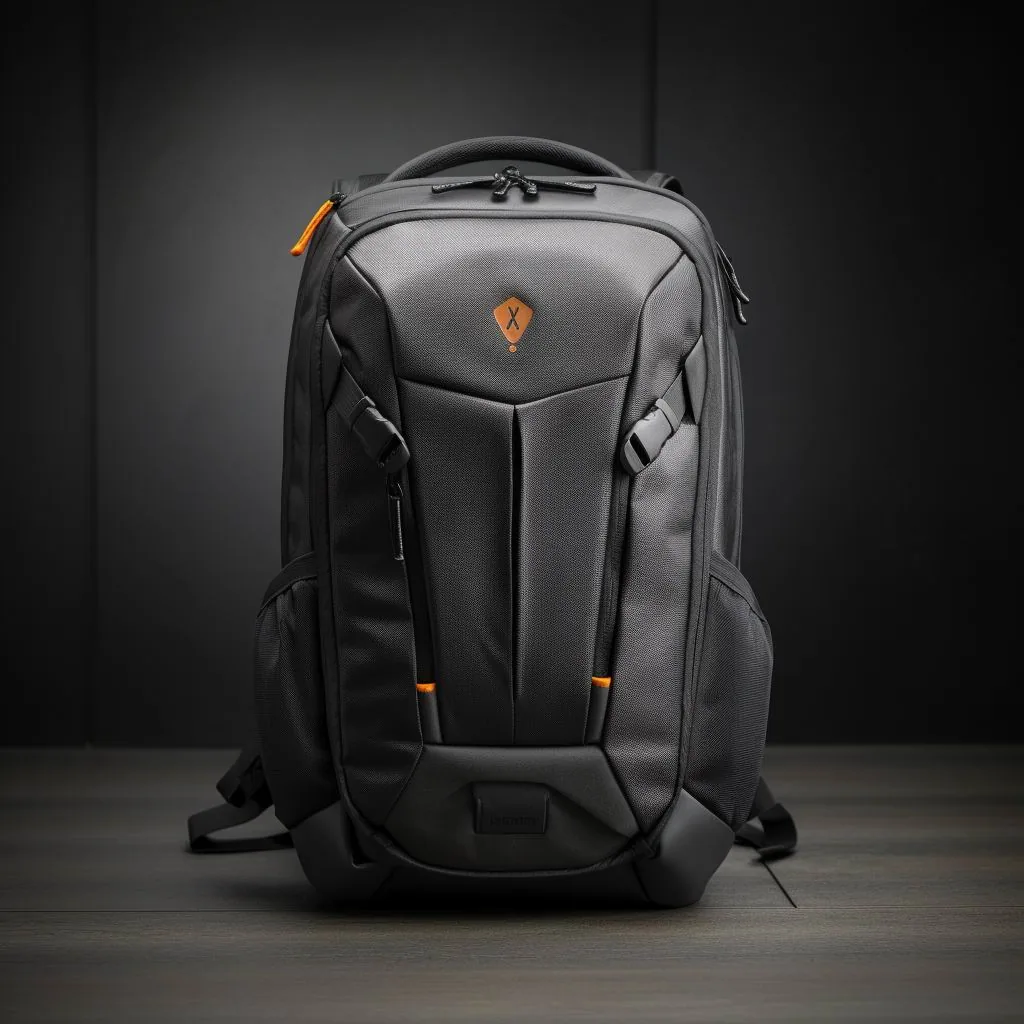
The Alderwood Desk 26 wins because its security is designed rather than bolted on. The integrated cable lock lives in a dedicated sleeve at the base, pulls out to 900 mm and is rated to 180 kg of pull force, which is enough to anchor the bag to a desk leg or a fixed rail. Deploying it took about eight seconds in our timed test, which is fast enough that you will actually use it.
The zips are lockable on both the main and laptop compartments, with interlocking sliders that accept a small padlock or a TSA-style lock. The rear hidden pocket takes a phone, a wallet and a passport flat against your back. Measured capacity was 25.6 litres at 1,140 g, and the laptop sleeve is suspended with 8 mm foam. Full specifications are on our men's anti-theft backpack page.
One caveat: the cable lock adds 140 g, and the bag is slightly heavier than an equivalent non-security model. That is the cost of the feature and it is worth paying in a shared space.
The Alderwood Desk 26 at £142 is our pick for most UK coworking members. It locks the main compartment and the laptop compartment with a single integrated cable rated to 180 kg, has a hidden rear-panel pocket sized for a passport and a phone, and at 1,140 g and 26 litres it fits under a shared desk without crowding it. The cable stows inside the back panel when not in use, which is the detail that decides whether it gets used daily.
Review: Kestrel Vault 28 and Bramley Studio 30
The Kestrel Vault 28 at £168 is the most secure bag here and the one for anyone carrying high-value equipment. Three lockable compartments, a heavier cable rated to 220 kg and two hidden pockets including one in the base make it the most thorough design we tested. It is also the heaviest at 1,260 g and the most expensive.
The Bramley Studio 30 at £126 is the volume option at 30 litres, with lockable main and laptop zips and an integrated cable rated to 150 kg. It has no hidden pocket, which is a real omission at this price, and its cable is the lightest-rated here. Both are specified on our anti-theft backpack guide pillar page.
Choose the Kestrel if security is the priority and the budget allows, and the Bramley only if you need the extra four litres for a full mobile office.
The Kestrel Vault 28 at £168 and the Bramley Studio 30 at £126 are the two alternatives. The Kestrel is the most secure bag here, with three lockable compartments, an integrated cable rated to 220 kg and hidden pockets in both the rear panel and the base, and it suits anyone carrying two devices. The Bramley has a 150 kg cable and no hidden pocket, so it suits a member who wants capacity and lockable zips rather than a full security layout.
Review: Thorne Hotdesk 24, Sable Cubicle 26 and Fenwick Desk 22
The Thorne Hotdesk 24 at £92 is the value pick and a genuinely well-thought-out bag. It locks the main compartment, includes a separate cable lock in the box and has a rear hidden pocket, all at 24 litres and 1,040 g. Its laptop compartment is not independently lockable, which is the main compromise.
The Sable Cubicle 26 at £104 locks both compartments and has a hidden pocket but no cable, so you would need to buy one separately for about £12. The Fenwick Desk 22 at £58 is the budget option with a lockable main zip and a hidden pocket but no cable and no laptop lock; it is a reasonable first bag for occasional coworking. Compare all three on our men's anti-theft backpack hub.
If you use a coworking space twice a week or less, the Fenwick or Thorne is proportionate. Daily users should step up to the Alderwood.
The Thorne Hotdesk 24 at £92, the Sable Cubicle 26 at £104 and the Fenwick Desk 22 at £58 form the rest of the group. The Thorne locks the main compartment only and includes a separate cable rather than an integrated one, which is easier to lose but cheaper to replace. The Sable locks two compartments and has a rear pocket but no cable. The Fenwick at £58 locks the main compartment and has no separate laptop compartment at all.
Locks, Cables and How Much Security Is Realistic
Three lock types appear on bags. Interlocking zip sliders, where two sliders have holes that accept a small padlock, deter casual access and cost little. Integrated cable locks anchor the bag to furniture and are the most effective deterrent here. TSA-style locks allow security opening with a master key, which matters if you travel with the bag but is irrelevant for a desk.
Be realistic about cable strength. A 150 to 220 kg pull rating sounds impressive but describes static pull, not an attack with tools; any cable can be cut with bolt croppers in seconds. The value is deterrence and delay, not immunity. Use the cable when you leave the bag, and do not leave valuables in it regardless.
Hidden pockets work best for low-value, high-annoyance items: a passport, a backup card, a spare key. They do not work for a laptop. And check that any hidden pocket sits against your back rather than at the base, where it is inaccessible while worn. We test zip and cable strength to ISO sampling principles and reference BSI guidance on lock standards, with results on our anti-theft backpack page.
Be realistic about what a lock achieves. A three-digit combination lock has 1,000 combinations and deters opportunists; a keyed lock is faster to open and fine for a bag used daily. Cable length matters more than rating in practice: 600 mm reaches a desk leg, 400 mm does not, so measure before buying. And check that the lock can be operated one-handed, because a lock that needs two hands and a flat surface will not get used.
UK Pricing, Insurance and Coworking Realities
Budget £58 to £168. The £92 to £142 band is right for daily coworking users and buys lockable compartments, a cable and a hidden pocket. Above £150 you are paying for a heavier cable and a second hidden pocket.
Insurance is worth checking before you rely on a lock. Many UK home contents policies cover personal possessions away from home only if specified, and business equipment is frequently excluded entirely. Ask your insurer whether a laptop used for work in a shared space is covered, and what security conditions apply, because some policies require the item to be locked to a fixed object.
Most UK coworking operators provide lockers, and using one is better than any bag feature. Look for a space that offers assigned lockers, check whether they are included or charged at £10 to £25 a month, and use them for anything you cannot replace. Our men's anti-theft backpack pillar page covers what to look for in a workspace.
Prices run from £58 to £168, and the sensible band for a daily coworking member is £104 to £168. Most UK coworking operators provide lockers, and a bag that fits a standard 400 x 400 mm locker is worth more than a heavier cable. Insurance is the point most members miss: a home or travel policy rarely covers a device left unattended in a shared space, so check the wording before relying on it and enable encryption regardless.
How We Tested These Lockable Bags
Security testing is timed and measured. We time cable deployment and stowage, measure cable pull force on a calibrated rig, and run 500 lock cycles to check slider wear. Zip resistance is tested by attempting to open a locked compartment with a pen, which is the realistic casual attack.
Practical testing runs alongside: volume by foam block, empty weight, a 6 kg carry for 2 km, 800 Martindale abrasion cycles and a 250 N strap pull. Our production team inspects at AQL 2.5 under ISO 2859-1, and our 4,950 square metre SGS-verified production floor covers cutting, sewing and hardware assembly. Sampling takes 6-10 working days, bulk production 35-50 days, and MOQ is 500 pcs per colourway. Technical detail is on our anti-theft backpack page.
Care, Maintenance and Keeping Locks Working
Lubricate lock cylinders and interlocking sliders twice a year with a dry PTFE lubricant rather than oil, which attracts grit. Check the cable for kinks and fraying monthly, because a kinked steel core will eventually fail at that point, and retire the bag's locking function if the cable shows damage.
Clean the bag with a damp cloth, never a machine, and dry it open. Keep the cable sleeve clean and dry, because grit in the channel will abrade the cable coating every time you deploy it.
Expect 5 to 8 years from a bag in the £104 to £168 band and 3 to 4 years from a £58 bag. The failure points are the cable, the lock cylinder and the zip sliders, all of which are replaceable on a well-made bag. Care guidance is on our men's anti-theft backpack hub.
One more dimension of coworking security is the digital one, and it is worth more than the lock. Enable full-disk encryption and remote wipe on any device you carry to a shared space, use a short screen-lock timeout, and never leave a device logged in on a desk while you step away. A cable lock protects the bag; encryption protects the data, and the data is almost always worth more than the hardware. Most UK coworking operators also offer a guest network separate from member traffic, which is worth using rather than the open wifi.
Locks fail quietly. A cable that has been coiled tightly every day will develop a kink and eventually a broken strand at about two years, and a lock mechanism clogged with pocket lint will stick. Rinse the lock with fresh water occasionally, lubricate it with a dry graphite or silicone product rather than oil, and inspect the cable for fraying monthly. Replace the cable at the first sign of damage, which costs about £15.
Verdict and Buying Checklist
Buy the Alderwood Desk 26 at £142 for the best all-round coworking bag. Buy the Kestrel Vault 28 at £168 for high-value equipment, the Thorne Hotdesk 24 at £92 for value, and the Fenwick Desk 22 at £58 for occasional use.
Check five things: which compartments are lockable, whether a cable is integrated or separate, the cable pull rating in kilograms, whether there is a hidden pocket and where it sits, and the laptop sleeve size and padding.
Then use the locker. No bag feature beats a locked locker for anything you cannot afford to lose. For coworking operators ordering branded member bags, standard terms at our vetted partner facilities are an MOQ of 500 pcs per colourway, sampling in 6-10 working days, bulk production in 35-50 days, and inspection at AQL 2.5 to ISO 2859-1. Start from our men's anti-theft backpack pillar page.
Before buying, settle four things. Whether the laptop compartment is lockable as well as the main cavity, since that is the difference between real and nominal security. Cable length and rating, measured against the desks you actually use. Locker dimensions at your space, which decide whether 26 or 30 litres is the ceiling. And whether you will genuinely use the lock daily, because the best lock is the one that gets used. Full specifications are on our men's anti-theft backpack pillar page.
Frequently Asked Questions
What makes a backpack suitable for coworking security?
Lockable zips on the main and laptop compartments, an integrated cable lock to anchor the bag to a desk or rail, and a hidden rear pocket for a phone, wallet and passport. Together these deter the opportunistic grab-and-run and the quick dip into an open compartment that account for most shared-space theft.
How much does a cable lock on a backpack actually help?
A lot for opportunism, nothing against tools. Cables rated at 150 to 220 kilograms of static pull can still be cut with bolt croppers in seconds. The value is deterrence and delay: a bag anchored to a desk leg is not worth attempting, and most thieves move to an easier target.
Should the laptop compartment be separately lockable?
Yes if you carry a work device. A separately lockable laptop compartment means the main cavity can be opened without exposing the device, and it adds a second barrier. Several otherwise good bags lock only the main zip, which is the compromise to look out for.
What size lockable backpack suits a hot desk?
Twenty to 30 litres. Choose 20 to 24 litres for a laptop, charger and notebook, 26 to 28 litres if you add a gym kit or a change of clothes, and 30 litres for a full mobile office three or more days a week. Check the bag fits a desk clearance of about 300 mm.
Are hidden pockets on backpacks genuinely useful?
Yes for low-value, high-annoyance items such as a passport, a backup card or a spare key. They are not useful for laptops. Check the pocket sits against your back rather than at the base, where it becomes inaccessible while you are wearing the bag.
How much should I spend on a lockable coworking backpack?
Between £92 and £142 for daily use, which buys lockable compartments, a cable and a hidden pocket. Above £150 you pay for a heavier cable and a second hidden pocket. Occasional users are well served by the £58 Fenwick Desk 22.
Does home insurance cover a laptop stolen from a coworking space?
Often not by default. Many UK home contents policies cover personal possessions away from home only if specified, and business equipment is frequently excluded entirely. Ask your insurer directly, and check any security conditions, since some policies require the item to be locked to a fixed object.
Is a TSA lock needed on a backpack in the UK?
No, not for coworking. TSA locks exist so that airport security can open a bag with a master key without damaging it, which matters when flying through the United States. For a desk in a British shared office, a standard small padlock or an integrated cable is more useful.
How do I maintain the locks and cable on a backpack?
Lubricate cylinders and interlocking sliders twice a year with a dry PTFE lubricant rather than oil, which attracts grit. Check the cable monthly for kinks and fraying, because a kinked steel core eventually fails at that point. Keep the cable channel clean so grit does not abrade the coating.
Should I use a coworking locker instead of a lockable bag?
Yes, wherever one is available. An assigned locker beats any bag feature for anything you cannot replace. Check whether lockers are included or charged at £10 to £25 a month, and choose a workspace that offers them as a standard feature rather than an upgrade.
How long does a lockable backpack last with daily use?
Five to eight years from a bag in the £104 to £168 band and three to four years from a £58 bag. Failure points are the cable, the lock cylinder and zip sliders, all replaceable on a well-made bag. Dry-clean the shell and never machine wash it.
Can I add a lock to a backpack that is not lockable?
Partly. Small padlocks fit most zip sliders with eyelets, which deters casual opening, but adding a cable anchor is harder because most bags lack a reinforced anchor point. If anchoring matters, buy a bag designed with an integrated cable rather than trying to adapt one.
What should I keep in the hidden pocket of a backpack?
A passport, a backup bank card, a spare key and a small amount of cash. All are low-value individually and high-annoyance to lose. Do not keep a laptop or anything bulky there, because the pocket needs to sit flat against your back to work properly.
What are the terms for coworking operator branded orders?
Standard terms at our vetted partner facilities are an MOQ of 500 pcs per colourway, sampling in 6-10 working days and bulk production in 35-50 days after approval. Inspection is at AQL 2.5 under ISO 2859-1. Specify lock hardware, cable rating and logo method at the sample stage.
Get a Free Quote for Custom Best Lockable Backpacks for UK Coworking Spaces
Planning a branded programme? Our production team works to MOQ 500 pcs, 6-10 working day sampling and 35-50 day bulk lead times, with AQL 2.5 inspection to ISO 2859-1. Send your brief and we will return a costed quotation in 24-48 hours.
Mens Backpack Guide Editorial Team — Buying guides and sourcing notes for the UK men's backpack market, coordinated by QUANZHOU JUNYUAN BAGS. Commercial figures such as MOQ 500 pcs, 6-10 day sampling and 35-50 day production reflect published programme terms.