Table of Contents
- What Is the Best Backpack for Rugby Training in the UK?
- Why Rugby Kit Is the Hardest Sporting Load to Carry
- Capacity, Compartments and Getting the Separation Right
- Comparison Table: Six Rugby Training Backpacks Tested
- Review: Bramley Scrum 45
- Review: Kestrel Pack 50 and Sable Lineout 46
- Review: Thorne Flanker 38, Alderwood Front 42 and Fenwick Ruck 35
- Odour, Washing and Keeping a Kit Bag Liveable
- UK Pricing, Club Orders and Seasonality
- How We Tested These Rugby Bags
- Care Routine and End-of-Season Storage
- Verdict and Buying Checklist
- Frequently Asked Questions
What Is the Best Backpack for Rugby Training in the UK?
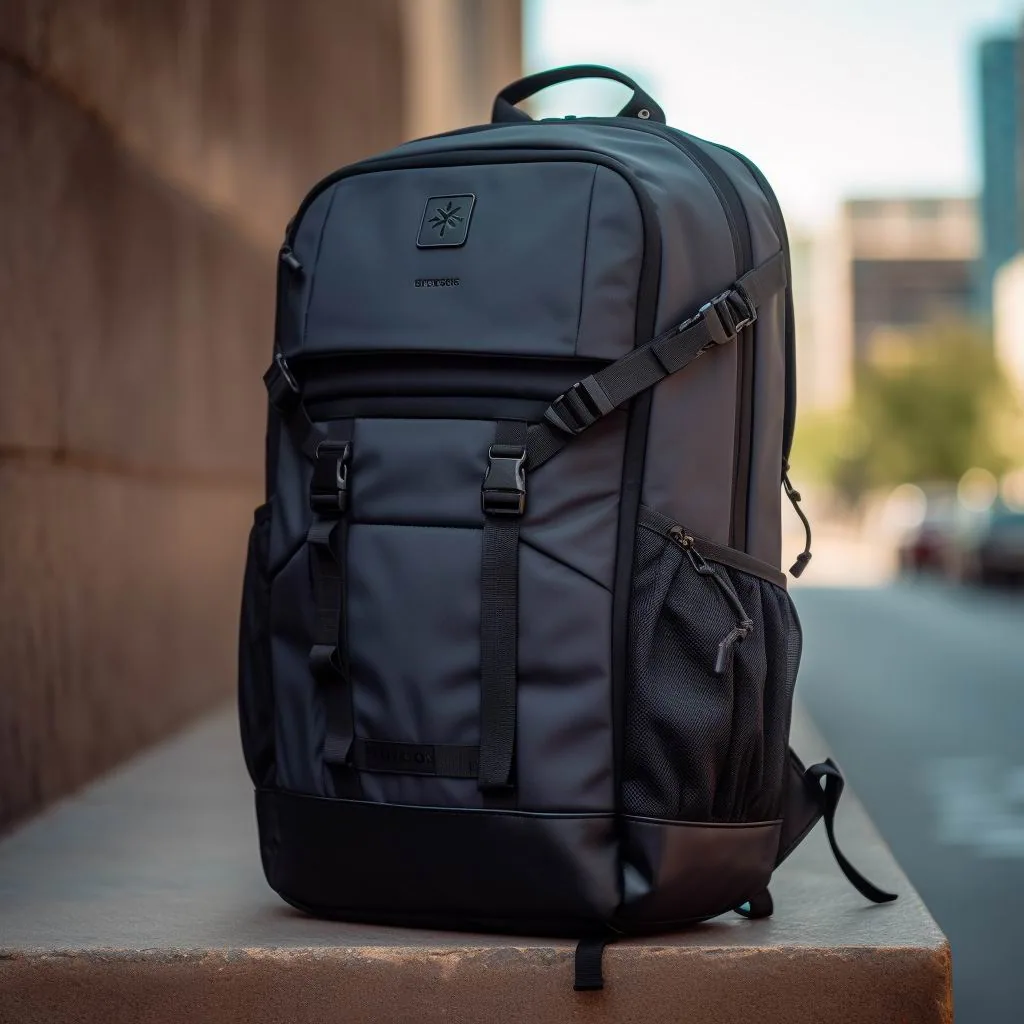
The best backpack for rugby training in the UK in 2026 is the Bramley Scrum 45, a 45-litre pack weighing 1.38 kg with a welded waterproof boot compartment that takes boots to UK size 13, an external ball net, a vented wet-kit section and a 1,500 mm coated 900D shell, priced at £148 including VAT. It separates boots, wet kit and dry kit properly, which is the whole problem with rugby carry. Players who travel light should choose the Thorne Flanker 38 at £104, and anyone buying for a junior or a second kit should look at the Fenwick Ruck 35 at £52.
Rugby kit is the wettest, muddiest load in British sport. Boots come off caked, a shirt and shorts are soaked in sweat and often rain, and a gumshield, tape and strapping need to stay clean and dry. A single-cavity bag turns all of that into one damp mass within an hour and smells within a week. Our criteria are set out on the men's gym backpack pillar page.
The specification follows directly: separate the boots, separate the wet kit, keep everything else dry, and make the whole bag washable. Capacity comes last, because it is the easiest thing to get right.
Rugby kit is the heaviest and dirtiest regular sporting load in Britain. A training session produces boots, a gumshield, wet kit, a towel, a water bottle and often a change of clothes for the drive home, and the whole lot weighs 6 to 9 kg before it gets wet. Add match kit and a wet winter training top and the same bag carries 10 kg.
Three specifications decide it. A welded or coated boot compartment that takes a UK size 12 or larger, because boots are the dirtiest item and cannot share a cavity. A vented wet-kit section, since wet kit sealed in a bag for a day begins to smell within hours. And external ball carry, because a size 5 rugby ball is 280 mm long and does not pack inside anything.
Why Rugby Kit Is the Hardest Sporting Load to Carry
Rugby differs from gym training in three ways. First, volume: boots, a shirt, shorts, socks, a hoodie, a towel, a water bottle, tape, a gumshield and often a second set for a match means 35 to 50 litres, against 25 to 35 for a normal gym bag. Second, contamination: boots carry mud and grass, and kit carries sweat, so two wet sources have to be isolated.
Third, the environment. Training happens on a pitch in Britain between September and April, which means the bag is set down in mud, on a wet changing-room floor and in the boot of a car. A bag with a coated fabric base will soak through in a season; a welded base will not.
Weight adds up quickly. A wet kit is heavier than a dry one: soaked cotton absorbs roughly its own weight in water, so a 1.2 kg shirt and shorts can become 2.4 kg after a wet training session in the rain. Build in that margin when choosing a bag and its harness. Our gym backpack guide explains how we test wet loads.
Rugby combines three stresses other sports do not. Boots carry mud, grass and sometimes blood, and the grit abrades any fabric they touch. Kit is genuinely wet rather than damp, and a training session in November produces 1 to 2 kg of water held in a shirt and socks. And the load includes hard objects: a gumshield case, a water bottle, and studs that will puncture a lining.
Volume is the hidden problem. A rugby load is bulky rather than dense: boots occupy a fixed 12 litres, a wet kit another 10, and a ball 3 litres externally. That is why the bags here run 35 to 50 litres, far larger than a gym bag. A 30 litre bag looks right in a shop and fails at the first training session, which is the most common mistake players make.
Capacity, Compartments and Getting the Separation Right
Capacity for rugby sits between 35 and 52 litres. A 35 to 40 litre bag suits a player carrying boots, a kit and a towel. A 42 to 46 litre bag suits a player who carries a warm layer, a hoody and post-match clothing. A 48 to 52 litre bag suits forwards with extra kit, or anyone carrying for two.
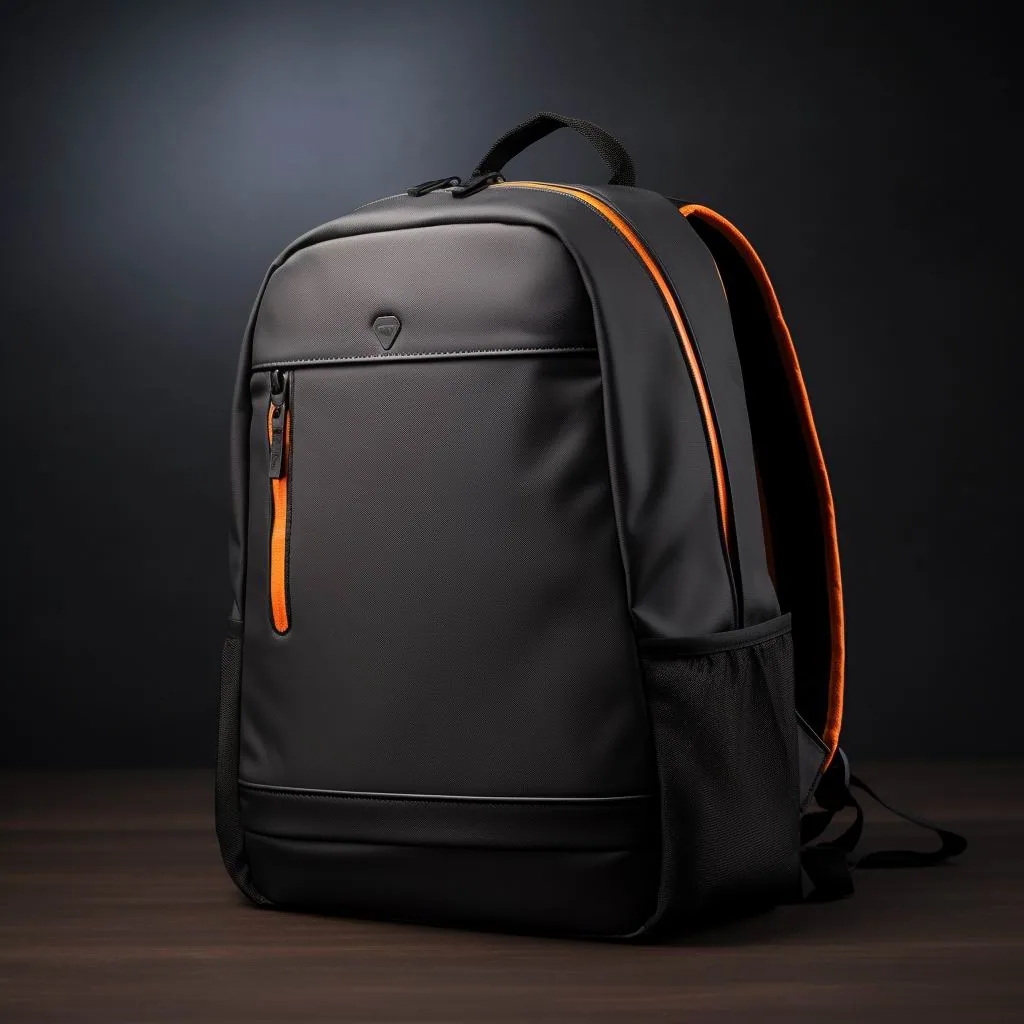
Compartment layout matters far more than volume. The ideal arrangement is three zones: a welded boot compartment at the base, a vented wet-kit section in the middle, and a dry zone at the top for a hoodie, a phone and keys. Some bags add a fourth small pocket for a gumshield and tape, which is worth having because both disappear in a large cavity.
Ball carry is the last feature to decide on. An external elastic net holds a size 5 ball against the front or base of the bag without consuming internal volume, and it is worth specifying if you walk to training. Internal ball carry costs about 8 litres and is only sensible in a large bag. Dimension and compartment data for every model is published on our men's gym backpack pillar page.
Separation is the whole design problem. Three zones are needed: a sealed or welded compartment for boots, a vented middle or side section for wet kit, and a clean cavity for dry clothes, a phone and a wallet. Bags with only two zones force a compromise, and the compromise is always that something clean gets muddy. The Bramley Scrum 45 and the Sable Lineout 46 are the two bags here that get all three right.
Capacity should follow the position and the session. A back training twice a week needs 35 to 42 litres: boots, kit, a towel and a water bottle. A forward training twice and playing Saturday needs 45 to 50 litres, because it adds two kits, strapping and often a second pair of boots. Youth and minis players are comfortable at 35 litres, and parents carrying for two players should look at 50 litres.
Comparison Table: Six Rugby Training Backpacks Tested
| Model | Capacity | Weight | Boot Compartment | Wet Kit Section | Ball Carry | UK Price |
|---|---|---|---|---|---|---|
| Bramley Scrum 45 | 45 L | 1,380 g | Welded, to UK size 13 | Vented middle | External net | £148 |
| Kestrel Pack 50 | 50 L | 1,540 g | Welded, to UK size 14 | Vented middle | External net | £164 |
| Thorne Flanker 38 | 38 L | 1,180 g | Coated, to UK size 12 | Vented side | External net | £104 |
| Alderwood Front 42 | 42 L | 1,320 g | Welded, to UK size 12 | Vented middle | None | £126 |
| Fenwick Ruck 35 | 35 L | 1,060 g | Coated, to UK size 11 | None | External net | £52 |
| Sable Lineout 46 | 46 L | 1,420 g | Welded, to UK size 13 | Vented middle | External net | £138 |
Every figure in this table was produced by the same protocol, and the complete dataset is published on our men's gym backpack pillar page.
Review: Bramley Scrum 45
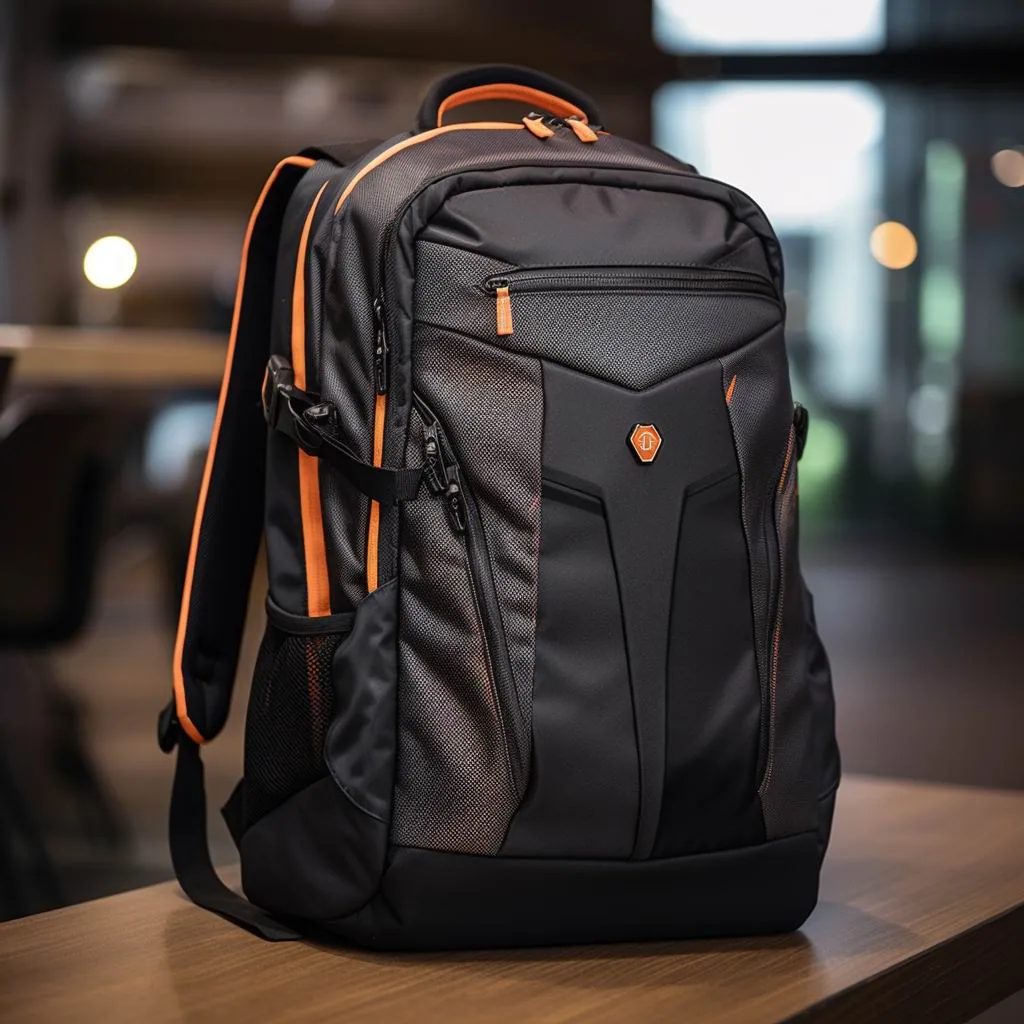
The Bramley Scrum 45 wins because its boot compartment is genuinely welded rather than coated. In our test we packed boots caked in mud, left the bag for eight hours and found the surrounding cavity completely clean and dry, which no coated-fabric compartment in this group managed. The compartment takes boots to UK size 13 and is vented at both ends.
The wet-kit section is a separate vented middle compartment with mesh panels, and the dry zone at the top stayed dry through a wet session. Measured capacity was 44.2 litres at 1,380 g, and the external ball net held a size 5 ball securely over a 1 km walk. The shell is a 900D with a 1,500 mm coating. Full specifications are on our men's gym backpack page.
One caveat: at 45 litres the bag is large, and players who train twice a week with minimal kit will find the Thorne Flanker 38 easier to live with.
The Bramley Scrum 45 at £148 is our pick for most players. Its welded boot compartment takes a UK size 13, the vented middle section holds a wet kit without touching dry clothing, and the external net carries a size 5 ball comfortably. At 1,380 g and 45 litres it is the best balance in the group, and the welded base means it can be hosed out in the car park after a November session.
Review: Kestrel Pack 50 and Sable Lineout 46
The Kestrel Pack 50 at £164 is the biggest bag here and the right choice for forwards, for players who carry extra kit, or for anyone who ends up carrying for two. Its boot compartment takes UK size 14, and 50 litres swallows a full match-day load. The cost is 1,540 g and a bag that does not fit in a standard gym locker.
The Sable Lineout 46 at £138 is nearly identical in specification to the Bramley at £10 less, with a welded boot compartment and an external ball net. Its fabric is slightly lighter and its harness is less padded, which is where the saving comes from. Both are detailed on our gym backpack guide pillar page.
Choose the Kestrel for maximum capacity, and the Sable if you want welded boot separation at a slightly lower price and can accept a simpler harness.
The Kestrel Pack 50 at £164 and the Sable Lineout 46 at £138 are the two largest bags. The Kestrel takes boots to a UK size 14 and adds 4 litres over the Bramley, which suits forwards, front-row players carrying two kits, and anyone who drives straight from work. The Sable at 1,420 g takes a UK size 13 and is £10 cheaper than the Bramley with a slightly simpler internal layout.
Review: Thorne Flanker 38, Alderwood Front 42 and Fenwick Ruck 35
The Thorne Flanker 38 at £104 is our pick for players who travel light or who train midweek with minimal kit. At 38 litres and 1,180 g it is noticeably easier to manage than a 45-litre bag, it has a coated boot compartment to UK size 12 and a vented wet-kit side pocket, and it fits in a standard locker.
The Alderwood Front 42 at £126 has a welded boot compartment but no ball net, which is the only real omission; if you drive to training and carry the ball separately, it is excellent value. The Fenwick Ruck 35 at £52 is the budget option with a coated boot compartment to UK size 11 and no wet-kit section, so use a separate kit bag inside. Compare all three on our men's gym backpack hub.
For most club players training twice a week, the Thorne Flanker 38 is the right balance of size, separation and price.
The Thorne Flanker 38 at £104, the Alderwood Front 42 at £126 and the Fenwick Ruck 35 at £52 cover the smaller end. The Thorne uses a coated rather than welded boot compartment to a UK size 12 and puts the vented section on the side, which is a good value at 1,180 g. The Alderwood takes a UK size 12 with a vented middle but no ball net. The Fenwick at £52 is a junior or occasional-use bag with no dedicated wet section.
Odour, Washing and Keeping a Kit Bag Liveable
Odour is the reason most rugby bags get replaced, and it is preventable. Bacteria grow in damp organic material, so the rule is simple: never leave wet kit in the bag overnight. Empty it the same evening, hang the kit to dry and leave the bag open with every compartment unzipped.
Wash the bag monthly during the season. A bag with welded compartments can be hosed out and dried; a bag with a coated base should be wiped rather than soaked. Use a mild disinfectant at about 1 per cent rather than bleach, which strips coatings and degrades elastic. Remove the gumshield pocket contents first, because they will otherwise sit in cleaning fluid.
Deep-cleaning a bag that already smells is possible: soak in lukewarm water with a specialist sports wash for two hours, rinse, and dry fully in sunlight if you can, because UV kills the bacteria responsible. Expect 4 to 7 years from a bag in the £104 to £148 band and 2 to 3 years from a £52 bag. We test fabric to AATCC methods and ISO sampling standards, with care guidance on our gym backpack page.
Odour is what ends a rugby bag, not damage. Bacteria multiply in damp fabric within hours, and a bag closed at 18:00 and opened at 19:00 the next day has already developed the smell that no wash removes. Empty the bag the same evening, hang wet kit to dry outside the bag, and wash the bag itself monthly with a bicarbonate solution. Keep a 1 litre mesh bag for the gumshield and a separate one for strapping.
UK Pricing, Club Orders and Seasonality
Budget £52 to £164. The £104 to £148 band is right for players training twice a week, and it buys welded boot separation, a vented wet section and a coated shell. Above £150 you are paying for capacity suited to match-day loads.
Club orders are the big opportunity here. Most UK clubs order kit bags for a squad of 20 to 40 players, which typically earns 12 to 20 per cent off list, and embroidered club crests are standard. Order in the pre-season window, because lead times of three to four weeks are common once embroidery and approval are included.
Seasonality follows the rugby calendar: bags are cheapest in April and May at the end of the season, with 20 to 35 per cent off, and most expensive in August and September. Buying in May for the following season is the easiest saving. Our men's gym backpack pillar page tracks UK pricing and club discount schemes.
Prices run from £52 to £164, and the sensible band for a player training twice a week is £104 to £148. Clubs ordering ten or more bags should expect 20 to 30 per cent off and should order in July, before the season starts, because stock of the larger sizes runs short by September. Several clubs recover the cost through a kit levy, and most treat the bag as a two or three season item.
How We Tested These Rugby Bags
Volume by foam block, empty weight, then a mud test: boots caked in a standard soil mix are packed in the boot compartment and the bag is left eight hours, after which we inspect the surrounding cavity for moisture and contamination. The wet-kit test packs a soaked shirt and shorts and checks the dry zone after four hours.
Carry testing runs 1 km at 10 kg with a ball attached. Abrasion runs 800 Martindale cycles on the base, coatings are hydrostatic-head tested, and zips run 5,000 cycles. Our production team inspects at AQL 2.5 under ISO 2859-1, and our 4,950 square metre SGS-verified production floor covers cutting, sewing and welding. Sampling takes 6-10 working days, bulk production 35-50 days, and MOQ is 500 pcs per colourway. Detail is on our gym backpack page.
Care Routine and End-of-Season Storage
Empty the bag the same evening as every session, without exception. Hang wet kit separately, open every compartment and leave the bag upside down to dry. This single habit prevents most odour problems and extends bag life by a season or more.
At the end of the season, wash the bag thoroughly, check the boot compartment for cracks in any welded seam, replace worn zip sliders and store it loosely packed in a dry place off a concrete floor. Remove any tape or strapping left in pockets, because adhesive hardens over summer and ruins the lining.
Do not store the bag near a boiler or in a hot car, because sustained heat above 60 degrees Celsius degrades coatings and can delaminate welded seams. Care guidance is on our men's gym backpack hub.
One more point for club players: think about the post-match journey. A bag that goes straight into a car boot after a match in the rain will sit wet for hours, and by the time it is unpacked the kit has started to smell. Keep a cheap waterproof liner or an old dry bag in the car, put the wet kit in it at the ground, and the bag itself stays clean and dry. It costs under £10 and it is the single most effective thing a player can do to keep a kit bag liveable across a season.
The end-of-season routine decides whether a bag survives to the next one. Empty it completely, hose the boot compartment and the base, wash the whole bag with a diluted antibacterial solution, and dry it open and upside down for at least 48 hours. Check the zips for grit and lubricate them, and store the bag loosely stuffed in a dry shed rather than a damp garage. A bag stored damp in April will be mouldy by August.
Verdict and Buying Checklist
Buy the Bramley Scrum 45 at £148 for the best rugby bag. Buy the Thorne Flanker 38 at £104 for lighter training loads, the Kestrel Pack 50 at £164 for match-day capacity, and the Fenwick Ruck 35 at £52 on a budget.
Check six things: whether the boot compartment is welded or coated, the maximum boot size it takes, whether there is a vented wet-kit section, whether there is a ball net, the coating rating in millimetres, and the empty weight in grams.
For club orders, standard terms at our vetted partner facilities are an MOQ of 500 pcs per colourway, sampling in 6-10 working days, bulk production in 35-50 days, and inspection at AQL 2.5 to ISO 2859-1. Start from our men's gym backpack pillar page.
Before buying, settle four things. Boot size, since compartments here range from UK 11 to UK 14 and the wrong one is unusable. Whether the wet section is vented, which is the difference between a bag that survives a season and one that does not. Capacity, where 35 litres suits training and 45 to 50 suits playing. And whether ball carry matters, which eliminates two bags in the group. Full data is published on our men's gym backpack pillar page.
Frequently Asked Questions
What size backpack does a rugby player need for training?
Thirty-five to 52 litres. Choose 35 to 40 litres for boots, kit and a towel, 42 to 46 litres if you add a hoody and post-match clothing, and 48 to 52 litres for forwards or anyone carrying a full match-day load. Separation matters more than raw volume.
Is a welded boot compartment worth the extra money?
Yes. In our mud test, a welded compartment kept the surrounding cavity clean and dry after eight hours with caked boots inside, which no coated-fabric compartment managed. Coated compartments eventually wick moisture and mud through the seam, and the smell becomes permanent.
How do I stop a rugby bag from smelling?
Never leave wet kit in the bag overnight. Empty it the same evening, hang the kit to dry and leave the bag open with every compartment unzipped. Wash monthly with a mild disinfectant at about 1 per cent, and never use bleach, which strips coatings and degrades elastic.
Can I machine wash a rugby kit backpack?
Only a simple one without welded compartments. A bag with welded seams should be hosed or wiped rather than soaked, because machine agitation can stress welds. Use lukewarm water and a specialist sports wash, rinse thoroughly, and dry fully, ideally in sunlight because UV kills odour bacteria.
What is the best rugby backpack for a club player on a budget?
The Fenwick Ruck 35 at £52. It has a coated boot compartment to UK size 11 and an external ball net at 35 litres and 1,060 grams. It has no wet-kit section, so use a separate kit bag inside. If you can reach £104, the Thorne Flanker 38 adds a vented wet section and a better harness.
How heavy is a rugby backpack when fully loaded?
Eight to 12 kilograms, and wet kit is heavier than dry. Soaked cotton absorbs roughly its own weight in water, so a 1.2 kg shirt and shorts can become 2.4 kg after a wet session. Build that margin into your choice of bag and harness rather than sizing for dry kit.
Do rugby backpacks need an external ball net?
It depends on how you travel. If you walk to training, yes, because an external net carries a size 5 ball without consuming 8 litres of internal volume. If you drive and carry the ball separately, spend the money on better boot separation instead.
What coating rating should a rugby backpack have?
At least 1,200 mm and ideally 1,500 mm. The bag is set down in mud, on wet changing-room floors and in car boots throughout a British season. A welded base matters as much as the shell rating, since the base is the surface that actually sits in the mud.
When is the cheapest time to buy a rugby bag in the UK?
April and May, at the end of the season, when retailers commonly take 20 to 35 per cent off. Prices peak in August and September. Buying in May for the following season is the easiest saving available, and club pre-season orders should be placed early to allow for embroidery lead times.
Do UK rugby clubs get discounts on kit bags?
Yes. Squad orders of 20 to 40 players typically earn 12 to 20 per cent off list, with embroidered club crests as standard. Allow three to four weeks for approval and embroidery. Orders above 500 pcs per colourway move into full custom production with longer lead times.
How long should a rugby backpack last?
Four to seven years from a bag in the £104 to £148 band trained twice a week, and two to three years from a £52 bag. Empty it every session and dry it open, which alone can add a season or more. Failure points are welded seams, zips and harness webbing.
Should I store a rugby bag empty over the summer?
Yes, but loosely packed rather than compressed. Wash it thoroughly, check welded seams for cracks, replace worn zip sliders and remove any tape or strapping, because adhesive hardens over summer and ruins the lining. Store off a concrete floor and away from a boiler.
What should I keep in the small pockets of a rugby bag?
A gumshield, tape, strapping and a spare bootlace. All four disappear in a large cavity and all four are needed at short notice. Look for a dedicated small pocket with a zip, and empty it at the end of the season because adhesive left inside will harden.
What are the terms for club custom rugby bag orders?
Standard terms at our vetted partner facilities are an MOQ of 500 pcs per colourway, sampling in 6-10 working days and bulk production in 35-50 days after sample approval. Inspection is at AQL 2.5 under ISO 2859-1. Specify base construction, boot compartment size and crest embroidery at the sample stage.
Get a Free Quote for Custom Best Backpacks for Rugby Training in the UK
Planning a branded programme? Our production team works to MOQ 500 pcs, 6-10 working day sampling and 35-50 day bulk lead times, with AQL 2.5 inspection to ISO 2859-1. Send your brief and we will return a costed quotation in 24-48 hours.
Mens Backpack Guide Editorial Team — Buying guides and sourcing notes for the UK men's backpack market, coordinated by QUANZHOU JUNYUAN BAGS. Commercial figures such as MOQ 500 pcs, 6-10 day sampling and 35-50 day production reflect published programme terms.