Table of Contents
- What Is the Best Backpack for a Part-Time Student in the UK?
- Why the Work-to-Class Switch Changes the Specification
- Getting Capacity Right When You Study After Work
- Comparison Table: Six Backpacks for UK Part-Time Students
- Review: Alderwood Evening 26
- Review: Kestrel Commute 28 and Thorne College 26
- Review: Fenwick Twilight 24, Bramley Study 28 and Sable Night 22
- Appearance, Colour and Reading the Room
- What Part-Time Students Should Pay in the UK
- How We Tested These Part-Time Study Bags
- Care, Lifespan and Daily Habits
- Verdict and Buying Checklist
- Frequently Asked Questions
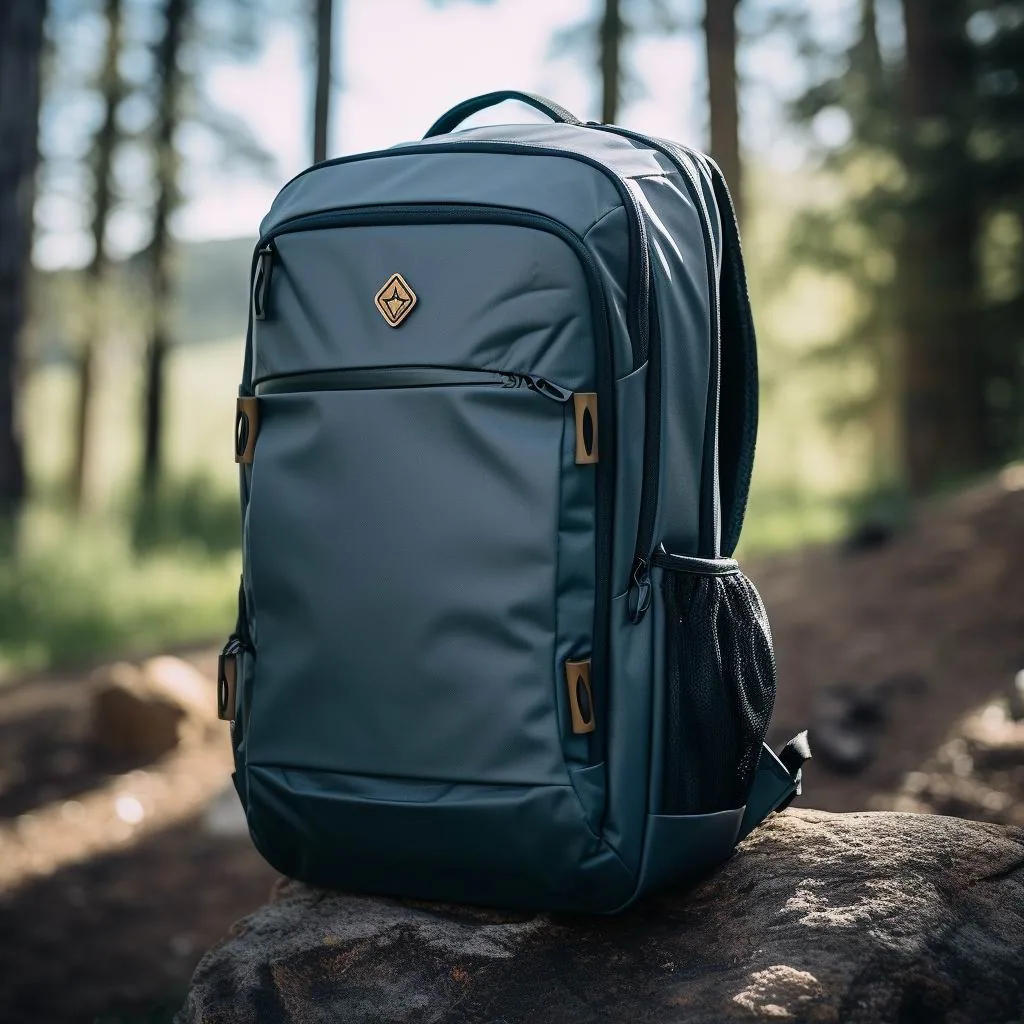
What Is the Best Backpack for a Part-Time Student in the UK?
The best backpack for a UK part-time student in 2026 is a 24 to 28 litre bag that looks professional enough for a workplace, takes a 14-inch laptop in a suspended sleeve, and has a separate flat compartment for A4 notes that does not bend them on the journey home. Our top choice is the Alderwood Evening 26, a 26-litre pack weighing 1.02 kg with a 44 x 30 x 17 cm footprint, a rigid A4 document panel and a restrained 840D shell rated to 1,200 mm, priced at £104 including VAT. Students on a budget should look at the Fenwick Twilight 24 at £68, and anyone carrying a work laptop plus a personal one should choose the Kestrel Commute 28 at £128.
Part-time study creates a carry problem that full-time students never face: the same bag has to work in two environments on the same day. At 08:30 it arrives at an office or a client site where an overtly student-looking bag reads badly; at 19:00 it sits in a lecture theatre where a briefcase is impractical. The bags that solve this are restrained in colour and hardware, organised enough for notes, and comfortable on a bus or train after a working day. Our full criteria are set out on the men's school backpack pillar page.
Part-time study in the UK usually means one or two evenings a week, often on a campus reached directly from work, and that produces a specific specification. The bag has to look acceptable in a workplace at 09:00 and in a lecture room at 18:30, carry a laptop plus a modest paper load, and do both without a mid-afternoon change. In practice that means 24 to 28 litres in a neutral colour with a suspended laptop sleeve.
Two features earn their place. A suspended 14 or 15.6-inch sleeve, because the laptop travels every day and corner impacts are the common failure. And a rigid or semi-rigid A4 panel, because evening classes produce handouts and printed notes that otherwise arrive curled. Beyond that, restraint is the specification: every extra pocket is something that will rattle in a quiet office.
Why the Work-to-Class Switch Changes the Specification
Full-time student bags optimise for volume and price. Part-time bags have to optimise for appearance, because colleagues and clients see them too. That pushes toward a small number of external pockets, matte hardware, a single neutral colourway and no visible branding. It also means avoiding anything that reads as outdoor or tactical: webbing loops, molle panels and bright zip pulls all fail the workplace test even when the bag itself is excellent.
The second change is about load discipline. A part-time student typically carries a laptop, a charger, a notebook, a folder and a packed lunch, which is 3 to 4.5 kg rather than the 6 kg a full-time student might carry. That means you can buy a lighter bag with a less substantial harness and still be comfortable, and it means the smallest bag that fits your laptop and folder is usually the right one. Our school backpack guide explains how to size for a fixed daily load rather than a worst-case one.
The work-to-class transition is a change of environment, not just a change of building. A bag that looks right on a construction site or in a sixth-form corridor can read badly in a client meeting, and part-time students are often the only person in the room carrying one. That pushes the decision towards office-neutral styling in black, charcoal or navy, and away from the bright colours and external webbing common on student bags.
Time is the second constraint. A part-time student typically has 30 to 60 minutes between finishing work and the start of a class, which is not enough to go home and repack. Everything for the evening has to travel to work in the morning and sit there all day. That raises the importance of a stable base that stands up under a desk, and of a separate compartment so a gym kit or a packed lunch never ends up against the laptop.
Getting Capacity Right When You Study After Work
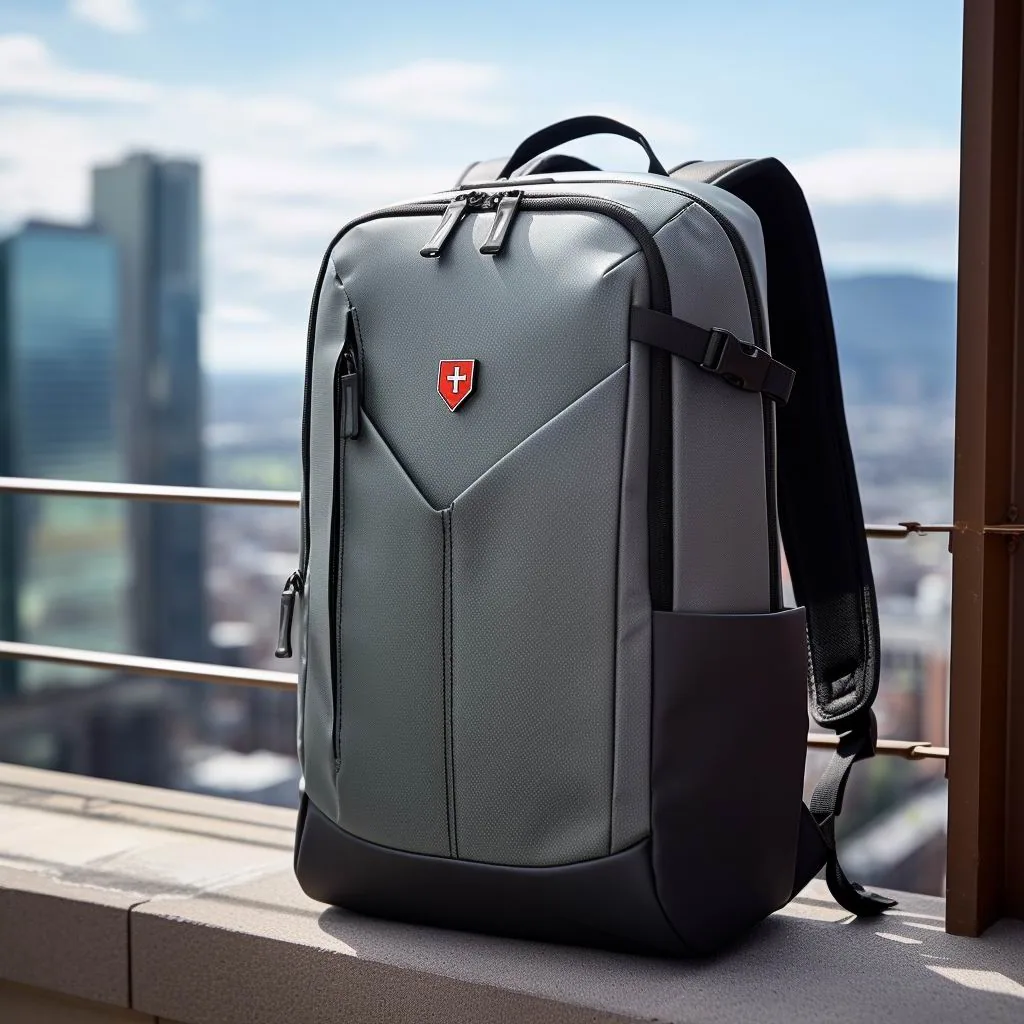
Capacity should sit between 22 and 28 litres. Below 22 litres you cannot carry a laptop, a folder and a lunch box together; above 28 litres the bag looks oversized in an office and you will carry things you do not need. Within that range, prioritise the layout over the volume: a flat document compartment and a suspended laptop sleeve matter more than an extra two litres of open space.
Think about the two-device question early. Many part-time students carry a work laptop and a personal tablet, and some employers forbid installing personal software on a work machine, so both devices travel together. That needs two padded slots, which rules out several otherwise excellent bags. If you only carry one device, buy the lighter bag and save 150 to 250 grams. Measured dimensions and slot counts for every model are published on our men's school backpack pillar.
One more practical point: check the bag against your commute, not just your classroom. A bag that fits under a train seat is worth more than one that fits a lecture theatre desk, and a bag with a trolley sleeve or a luggage pass-through makes a mixed commute far easier. If you drive to campus, check that the bag fits upright in the passenger footwell, which is typically around 350 x 250 mm of clear floor space.
Capacity for part-time study sits lower than for full-time. An evening class needs a laptop, a notebook, one textbook or a folder of handouts, a charger and a water bottle, which is 20 to 26 litres of load. Above 28 litres the bag becomes an overnight-bag-sized object in an office and encourages carrying things that are not needed. Our recommended range is 24 to 28 litres, with 26 litres the most commonly correct answer.
Weight should be judged against the commute rather than the class. A part-time student travelling 45 minutes each way on a train or bus carries the bag for 90 minutes a day, and the difference between the 840 g Sable Night 22 and the 1,180 g Kestrel Commute 28 is noticeable on a crowded platform. If your commute is short, prioritise capacity and the laptop sleeve; if it is long, prioritise weight and a comfortable harness.
Comparison Table: Six Backpacks for UK Part-Time Students
| Model | Capacity | Weight | Laptop Sleeve | A4 Panel | Look | UK Price |
|---|---|---|---|---|---|---|
| Alderwood Evening 26 | 26 L | 1,020 g | 14-inch suspended | Rigid | Office-neutral | £104 |
| Kestrel Commute 28 | 28 L | 1,180 g | 15.6-inch plus tablet | Semi-rigid | Office-neutral | £128 |
| Thorne College 26 | 26 L | 1,060 g | 14-inch suspended | Rigid | Understated | £92 |
| Fenwick Twilight 24 | 24 L | 920 g | 14-inch padded | None | Understated | £68 |
| Bramley Study 28 | 28 L | 1,150 g | 15.6-inch suspended | Rigid | Casual | £86 |
| Sable Night 22 | 22 L | 840 g | 13-inch padded | None | Office-neutral | £52 |
Every figure in this table was produced by the same protocol, and the complete dataset for all models tested is published on our men's school backpack pillar page.
Review: Alderwood Evening 26
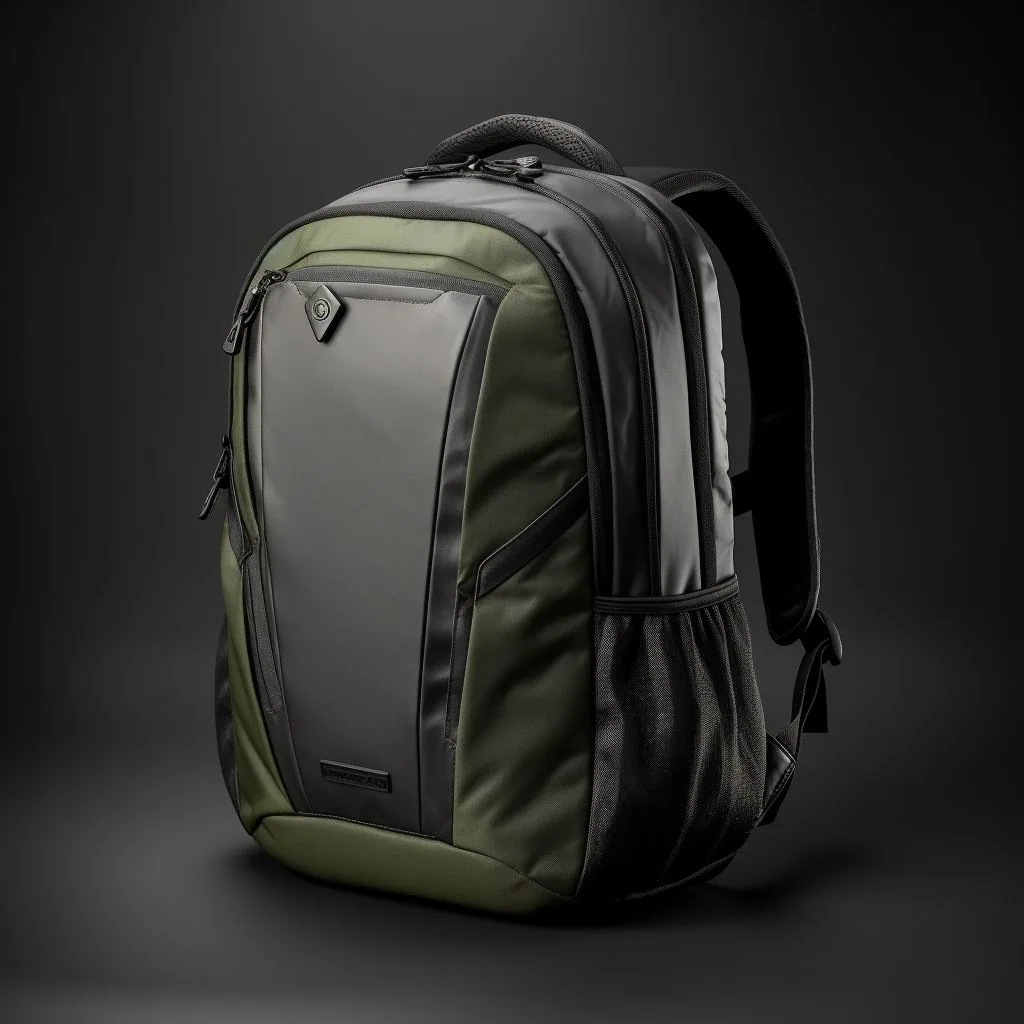
The Alderwood Evening 26 is the best part-time student bag we tested because it does the difficult thing well: it looks like a work bag and functions like a student bag. The shell is a matte 840D with matte black hardware, two external pockets rather than five, and a single charcoal colourway. Inside, a rigid A4 panel keeps lecture handouts flat and a suspended 14-inch sleeve sits 18 mm above the base.
At £104 and 1,020 g it sits in the middle of the range, and measured capacity was 25.7 litres against a 26-litre claim. The harness is 68 mm straps with 8 mm foam, which is comfortable at the 3.5 to 4.5 kg loads part-time students actually carry even though it would be under-specified for a 7 kg textbook load. Full specifications are on our men's school backpack page.
Two small details earn extra credit. The side pocket takes a 500 ml bottle without compressing the main compartment, which is not universal at this size, and the rear panel has a hidden zipped pocket that fits a passport or a building pass, which is useful for anyone whose campus and workplace both use card access.
The Alderwood Evening 26 at £104 is the bag we would put on most part-time students. It has a suspended 14-inch sleeve, a rigid A4 panel that keeps handouts flat, and office-neutral styling that passes in a workplace and a lecture theatre. At 1,020 g it sits in the middle of the group, and the internal layout separates the laptop from anything damp or dirty, which matters when the bag also carries a gym kit.
Review: Kestrel Commute 28 and Thorne College 26
The Kestrel Commute 28 at £128 is the pick for anyone carrying two devices. It has a 15.6-inch suspended sleeve plus a separate tablet slot, and its 28 litres absorbs a laptop, a tablet, a folder, lunch and a light jacket. Weight is 1,180 g and the panel is semi-rigid rather than rigid, so thick folders will bend slightly under pressure.
The Thorne College 26 at £92 is the closest rival to the Alderwood and about £12 cheaper. It matches on the rigid A4 panel and the suspended sleeve, but its fabric is a slightly shinier 600D that reads less well in a formal office. If your workplace is casual, the £12 saving is sensible. Both are detailed on our school backpack pillar.
Between the three, the decision is straightforward. Choose the Alderwood for the best balance, the Kestrel if you carry two devices or a 15.6-inch machine, and the Thorne if you want the rigid panel at the lowest price and your workplace dress code is relaxed.
The Kestrel Commute 28 at £128 and the Thorne College 26 at £92 cover the two common alternatives. The Kestrel takes a 15.6-inch laptop plus a tablet and has a semi-rigid panel, which suits anyone whose course is device-heavy rather than paper-heavy, and it is the roomiest bag here at 1,180 g. The Thorne at 1,060 g is the understated option, with a suspended 14-inch sleeve and a rigid panel in a plainer finish that reads well in a formal office.
Review: Fenwick Twilight 24, Bramley Study 28 and Sable Night 22
The Fenwick Twilight 24 at £68 is the value choice and a good first-term bag. It measured 23.8 litres at 920 g, has a padded 14-inch sleeve and no document panel, so loose handouts will crease. Add a £6 A4 folder and that problem disappears.
The Bramley Study 28 at £86 is the largest bag here and the one to choose if you carry bulky items such as art materials or a large instrument case alongside notes. Its look is casual rather than office-neutral, which limits it for client-facing work. The Sable Night 22 at £52 is the cheapest and smallest bag tested, and we would limit it to students carrying only a 13-inch laptop and a notebook. Compare all three on our men's school backpack hub.
If budget is genuinely the deciding factor, buy the Fenwick over the Sable. The £16 difference buys two litres, a 14-inch sleeve instead of a 13-inch one and a better harness, and it will last roughly a year longer under daily use.
The Fenwick Twilight 24 at £68, the Bramley Study 28 at £86 and the Sable Night 22 at £52 form the value tier. The Fenwick is the lightest full-featured bag at 920 g and suits a short commute with a light load. The Bramley at 1,150 g carries the most, with a suspended 15.6-inch sleeve and a rigid panel in a casual finish. The Sable at 840 g is the smallest and lightest, correct for a commute where the class needs only a 13-inch device and a notebook.
Appearance, Colour and Reading the Room
Colour choice does more work than most buyers expect. Charcoal, navy and black all read as professional in a British workplace; olive, tan and bright blue read as casual; anything with contrast stitching or bright zip tape reads as outdoor equipment. If your bag will be seen by clients, choose charcoal or black with matching hardware.
Shape matters as much as colour. A bag that stands upright on a floor rather than slumping reads as more formal, which is why a semi-structured shell with a flat base is worth specifying. Avoid bags with external compression straps hanging loose, and check that the bag does not bulge when half full, since a bulging bag looks disorganised in a meeting room. Our testing notes on appearance and structure are published on our school backpack page, alongside the material specifications we reference from BSI standards.
Colour does more work than most buyers expect. Black and charcoal pass in almost every UK workplace; navy passes in most; olive, orange and bright blue do not, and a bag that draws comment in a client meeting is a distraction you do not need. Matte finishes and minimal external branding read as more formal than shiny fabrics and contrast zips. If your workplace is client-facing, choose the plainest bag that meets the specification rather than the best-looking one.
What Part-Time Students Should Pay in the UK
Budget £52 to £128, with the sweet spot at £92 to £104. Below £70 you lose the rigid document panel and get a thinner harness; above £120 you are paying for a second device slot and slightly better fabric. For a two-year course, the £104 bag costs about £4.33 a month over the programme, which is a fair way to judge the spend.
Employer support is worth asking about. Many UK employers with apprenticeship or professional-development schemes pay for course-related equipment, and some will reimburse a bag bought specifically for study. Ask HR before you buy and keep the receipt with your course details. Cohort orders through a college or training provider of 30 to 60 units typically earn 8 to 15 per cent off list, and our men's school backpack pillar explains the route for larger orders.
Also consider timing. Part-time courses often start in September and January, and bag prices typically fall 15 to 25 per cent in the post-January sales. If your existing bag is serviceable, waiting six weeks can save £20 to £26 on a £104 model, which is a meaningful fraction of the total cost.
Prices run from £52 to £128, and the sensible band for a two or three year course is £86 to £118. Many UK part-time students are funded by an employer, and where study is a condition of employment the bag is often a recoverable expense, so ask before paying privately. Others can claim through a student budget or a professional development allowance. Either way keep an itemised receipt, and check whether the retailer offers a student discount of 10 per cent or more.
How We Tested These Part-Time Study Bags
Each bag is measured for volume with 20 mm foam blocks and weighed empty. The document test carries 40 sheets of 80 gsm A4 for 1 km and checks for creasing. Device sleeves are drop-tested from 400 mm with a 1.4 kg dummy load, zips run 5,000 cycles, and straps are pull-tested to 250 N following ISO sampling principles.
We also run an appearance panel, which is unusual but relevant here: six reviewers score each bag on whether it would pass in a client-facing British office. That score is why the Alderwood and Sable rank well despite not being the largest or cheapest bags in the group. Manufacturing controls matter for institutional orders: our production team inspects at AQL 2.5 under ISO 2859-1, and our SGS-verified production base covers 4,950 square metres. Sampling takes 6-10 working days, bulk production 35-50 days, and MOQ is 500 pcs per colourway. Details are on our school backpack page.
Care, Lifespan and Daily Habits
Empty the bag weekly and remove old handouts, because accumulated paper adds 0.5 to 1 kg over a term and compresses the frame sheet. Wipe the interior monthly with a damp cloth, and clean the laptop sleeve separately, since crumbs and grit in a sleeve scratch a laptop lid over time.
Expected life is 48 to 60 months for a bag in the £92 to £128 band used five days a week and about 24 to 30 months for a £52 bag. The failure points are the sleeve padding, the zip sliders and the base corners. Dry the bag open if it gets wet, because a bag dried closed will mildew within a week in a British winter. Care guidance and spare parts are listed on our men's school backpack hub.
A final habit: rotate what you carry. Most part-time students carry a charger, a power bank and a water bottle every day regardless of whether they need them, which adds about 700 grams. Leaving two of the three at home on most days reduces shoulder strain noticeably over a two-year course.
Daily habits decide whether a part-time study bag lasts three years or eighteen months. Empty it at the end of each evening rather than letting handouts accumulate, which is the main cause of seam stress on commuter bags. Keep the laptop in its own compartment always, keep liquids outside the main cavity, and wipe the base monthly since office floors and station platforms are harder on fabric than a campus is. Expect a zip service around year two at about £25.
Verdict and Buying Checklist
Buy the Alderwood Evening 26 at £104 for the best balance of appearance, organisation and comfort. Buy the Kestrel Commute 28 at £128 if you carry two devices, the Thorne College 26 at £92 if your workplace is casual, and the Fenwick Twilight 24 at £68 if budget decides.
Before ordering, check five numbers: measured litres, empty weight in grams, sleeve size in inches, internal document panel dimensions in millimetres, and external dimensions against your commute. For college or employer cohort orders, confirm MOQ 500 pcs per colourway, sampling 6-10 working days, bulk production 35-50 days and AQL 2.5 inspection to ISO 2859-1. Start from our men's school backpack pillar.
Whichever bag you choose, buy it one size smaller than instinct suggests. Part-time study rewards discipline over capacity, and a bag that forces you to leave things out will be more comfortable on the 19:00 train home than one that lets you carry everything.
Before buying, check four things. That the bag passes in your workplace as well as on campus, which usually means a neutral colour and minimal branding. That the sleeve fits your laptop measured in inches. That the capacity matches the actual evening load rather than a hypothetical one, which for most part-time students is 24 to 26 litres. And that the retailer offers at least a 30-day return. Our full comparison dataset is on the men's school backpack pillar page.
Frequently Asked Questions
What size backpack is right for a UK part-time student?
Choose 24 to 28 litres. That range carries a laptop, a folder, a notebook and lunch while still looking proportionate in a workplace. Below 22 litres you cannot fit a laptop, folder and lunch box together, and above 28 litres the bag looks oversized at the office and encourages you to carry things you do not need.
Should a part-time student bag look professional for work?
Yes, because colleagues and clients see it. Choose charcoal, navy or black with matte hardware, a small number of external pockets and no visible branding. Avoid webbing loops, molle panels and bright zip tape, which read as outdoor or tactical equipment and undermine an otherwise professional appearance in a British workplace.
How much should a part-time student spend on a backpack?
Budget £52 to £128, with the best value at £92 to £104. Below £70 you lose the rigid document panel and get a thinner harness. Over a two-year course the £104 bag costs about £4.33 a month, which is a fair way to judge the spend. Ask your employer first, since many UK schemes reimburse course-related equipment.
Do I need two device slots in a student backpack?
Only if you carry two devices. Many part-time students carry a work laptop and a personal tablet because employers forbid installing personal software on work machines. That needs two padded slots. If you carry one device, buy the lighter single-slot bag and save 150 to 250 grams of empty weight.
What is the best budget backpack for evening classes?
The Fenwick Twilight 24 at £68 is our budget pick. It measures 23.8 litres at 920 grams with a padded 14-inch sleeve. It has no document panel, so loose handouts will crease unless you add a £6 A4 folder. We would choose it over the £52 Sable, which only takes a 13-inch laptop and lasts about a year less.
Will handouts and notes get creased in a backpack?
They will unless the bag has a rigid document panel. Look for a compartment at least 320 x 240 mm internally with a 2 mm or thicker backer. Our test carries 40 sheets of 80 gsm A4 for 1 km and checks for creasing; rigid-panel bags pass consistently while unstructured bags fail every time.
How heavy is a typical part-time student backpack?
Expect 3 to 4.5 kg, which is lighter than a full-time student load. A laptop contributes 1.2 to 1.6 kg, a charger about 350 grams, notebooks and a folder about 900 grams, and lunch and water another 800 grams. At that load a 68 mm strap with 8 mm foam is comfortable, and you do not need a heavy expedition harness.
Can a backpack work for both office and evening lecture?
Yes, if you choose on appearance and layout rather than volume. A restrained 26-litre bag with a rigid A4 panel and a suspended laptop sleeve passes in both settings. Check that it stands upright rather than slumping, since a structured bag reads as more formal in a meeting room.
When is the cheapest time to buy a student backpack in the UK?
Bag prices typically fall 15 to 25 per cent in the January and February sales, which can save £20 to £26 on a £104 model. Courses starting in September are the most expensive time to buy. If your current bag is serviceable, waiting six weeks is usually the single easiest saving available.
How long will a part-time study backpack last?
Expect 48 to 60 months from a bag in the £92 to £128 band used five days a week, and 24 to 30 months from a £52 bag. Failure points are sleeve padding, zip sliders and base corners. Dry the bag open if it gets wet, because a bag dried closed will mildew within a week in a British winter.
Should the bag fit under a train seat on a commute?
Yes, prioritise that over classroom desk fit. A bag at 44 x 30 x 17 cm fits under most UK train seats and in overhead racks. Also look for a trolley sleeve if your commute mixes rail and walking, and check the bag fits upright in a car footwell of roughly 350 x 250 mm if you drive to campus.
What colour backpack is most versatile for work and study?
Charcoal is the most versatile, followed by navy and black. All three read as professional in a British workplace and hide the scuffs of daily commuting. Olive, tan and bright blue read as casual, and anything with contrast stitching or bright zip tape reads as outdoor equipment rather than work carry.
Can my employer pay for a backpack for my course?
Often yes. Many UK employers with apprenticeship or professional-development schemes fund course-related equipment, and some reimburse a bag bought specifically for study. Ask HR before buying, keep the receipt with your course details, and note the business purpose on the claim rather than submitting it as general equipment.
What should a college cohort order specify for branded bags?
Specify measured litres, empty weight, laptop sleeve size, document panel dimensions and logo placement method. Standard terms at our vetted partner facilities are an MOQ of 500 pcs per colourway, 6-10 working days for sampling, 35-50 days for bulk production, and AQL 2.5 inspection to ISO 2859-1.
Get a Free Quote for Custom Best Backpacks for Part-Time Students in the UK
Planning a branded programme? Our production team works to MOQ 500 pcs, 6-10 working day sampling and 35-50 day bulk lead times, with AQL 2.5 inspection to ISO 2859-1. Send your brief and we will return a costed quotation in 24-48 hours.
Mens Backpack Guide Editorial Team — Buying guides and sourcing notes for the UK men's backpack market, coordinated by QUANZHOU JUNYUAN BAGS. Commercial figures such as MOQ 500 pcs, 6-10 day sampling and 35-50 day production reflect published programme terms.