Table of Contents
- What Is the Best Backpack for Developers and Engineers in the UK?
- What Developers Carry and Why It Breaks Ordinary Bags
- Laptop Sleeve Sizes and Protection Standards
- Comparison Table: Six Developer Backpacks Tested
- Review: Alderwood Kernel 30
- Review: Kestrel Terminal 34 and Bramley Deploy 32
- Review: Thorne Compiler 26, Sable Repo 30 and Fenwick Build 28
- Cable Management, Power and Staying Organised
- UK Pricing, Employer Schemes and Tax
- How We Tested These Developer Bags
- Care, Cleaning and Protecting the Device
- Verdict and Buying Checklist
- Frequently Asked Questions
What Is the Best Backpack for Developers and Engineers in the UK?
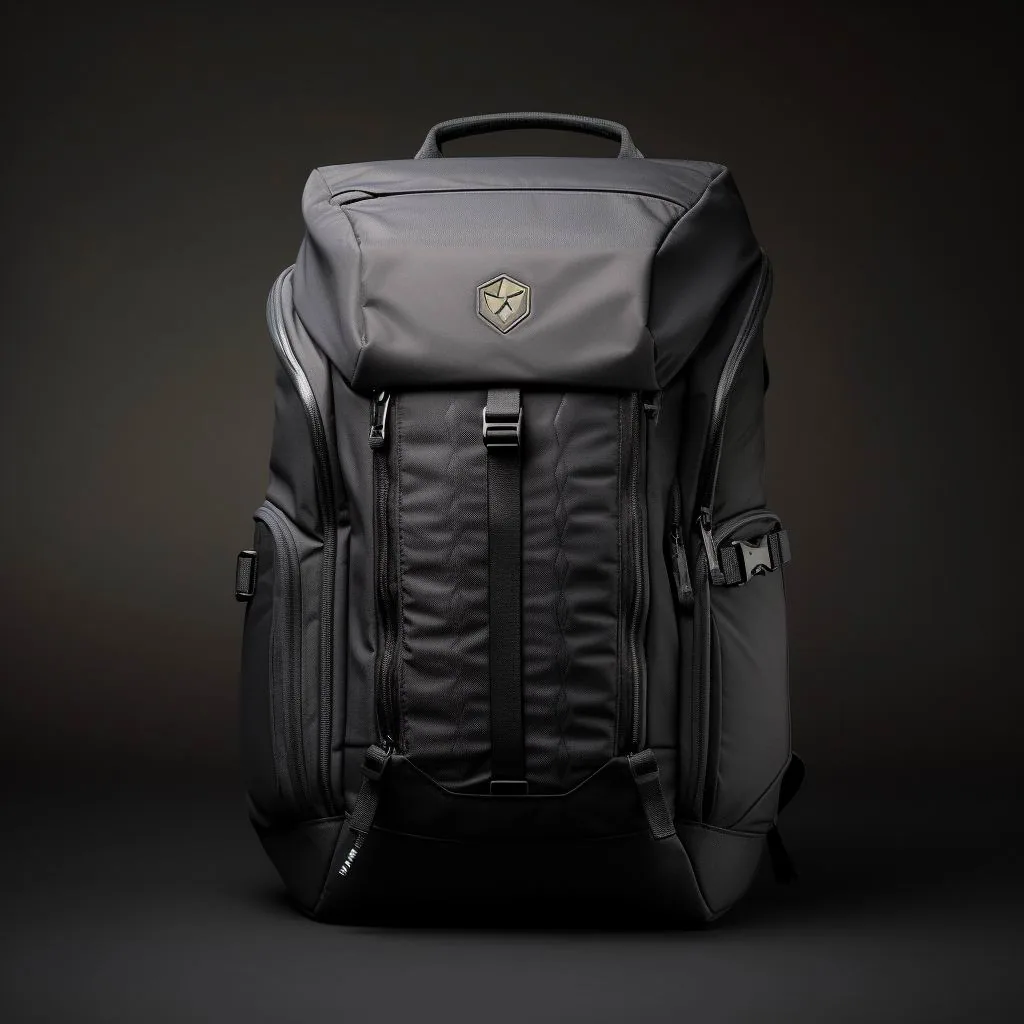
The best backpack for a UK developer in 2026 is the Alderwood Kernel 30, a 30-litre pack weighing 1.28 kg with a suspended 16-inch laptop sleeve rated for machines up to 356 x 248 mm, a shallow front organiser with eight elastic loops and two zip pockets, a flat base that stands upright and a 1,500 mm coated 840D shell, priced at £168 including VAT. It protects a large development machine, keeps chargers and cables findable and looks appropriate in a client meeting. Developers who carry a smaller machine should choose the Thorne Compiler 26 at £124, and anyone on a budget should look at the Fenwick Build 28 at £94.
Developer carry is unusually dense and unusually cabled. A 16-inch laptop weighs 2.0 to 2.4 kg, a charger adds 400 to 700 g, and most engineers also carry a mouse, a cable set, a power bank, a headset and often a second device or a small hardware board. That is 3.5 to 5 kg of electronics that all need separation, protection and organisation. Our criteria are set out on the men's laptop backpack pillar page.
The single most common failure is cable chaos: four cables loose in a main cavity within a week, then a ten-minute hunt every morning. A dedicated shallow organiser solves it and is worth more than any other feature.
Developer carry is defined by the device before anything else. A 16-inch laptop measures about 356 x 248 mm and weighs 2.1 to 2.4 kg, a 17-inch machine 380 x 260 mm and up to 3.1 kg, and most engineering roles add a second device, a power brick of 300 to 500 g, two or three cables and often a tablet or a hardware debugger. That is 3.5 to 5 kg of electronics before a notebook or a water bottle.
Three specifications decide it. A suspended sleeve matched to the device in millimetres, not inches alone, because a 16-inch machine will not fit a 15.6-inch sleeve despite sounding close. Ten millimetres of closed-cell foam in that sleeve, positioned at least 20 mm off the base of the bag. And an organiser panel with enough loops and zip pockets that cables, adapters and drives are not loose in the main cavity.
What Developers Carry and Why It Breaks Ordinary Bags
Weight is the first difference. A development laptop is heavier than a typical office laptop: 16-inch machines run 2.0 to 2.4 kg against 1.2 to 1.6 kg for a 14-inch ultrabook. Add a large charger and the electronics alone reach 3 kg, which is beyond what a bag with a lightly padded, non-suspended sleeve should be asked to carry daily.
Peripherals are the second difference. A mouse, a headset, a USB-C hub, an SD card reader, a hardware debugger or a small single-board computer are all small, hard and easily damaged, and none of them pack like clothing. They need a padded organiser with separation rather than a single cavity.
Cables are the third and the most annoying. A charger, a USB-C cable, a phone cable, a headphone cable and possibly a network cable will tangle and migrate within days. Look for elastic loops of different widths, a zip pocket for small items and a dedicated charger pocket with a cable pass-through. Our laptop backpack guide scores organisation as heavily as protection for this reason.
What breaks ordinary bags is the shape of the load rather than the weight. A laptop is a rigid rectangle with sharp corners, and a rigid object carried against a soft bag concentrates force on four points every time the bag is set down. Add a power brick and a USB hub and the contents become a set of hard edges rubbing against the lining, which is how sleeves and linings fail long before the shell does.
The second problem is repetition. An engineer commuting four days a week opens and closes the bag twice a day, roughly 400 times a year, and reaches for a cable or an adapter several times an afternoon. A bag with one large cavity turns every cable retrieval into a search, and a bag whose sleeve is at the bottom means unpacking the whole thing at a client site. Layout is not a luxury here.
Laptop Sleeve Sizes and Protection Standards
Sleeve size is the first specification and the easiest to get wrong. A 16-inch laptop measures roughly 356 x 248 mm externally, and a sleeve described as 16-inch may be sized for the screen diagonal rather than the chassis, which leaves the machine loose. Measure your device and check the internal sleeve dimensions rather than the nominal inch figure.
Padding and suspension matter more than most buyers realise. A suspended sleeve, sitting 15 to 20 mm above the bag base, prevents the corner of a laptop being driven into the ground when the bag is set down hard. Padding of 8 to 10 mm closed-cell foam on both faces is the right specification, and a corner reinforcement is worth looking for.
Our protection test drops a loaded bag from 400 mm onto a hard surface with a dummy load in the sleeve and measures transmitted shock. Bags with suspended sleeves and 8 mm foam reduced peak shock by roughly 60 per cent against padded-only sleeves. We test to ISO drop-test principles and reference IEC device handling guidance, with full results on our laptop backpack page.
Sleeve sizes are worth checking in millimetres because the inch classes overlap badly. A 15.6-inch device is about 340 x 240 mm, a 16-inch machine 356 x 248 mm, and a 17-inch one 380 x 260 mm. A sleeve rated to 15.6 inches will not take a 16-inch machine, and forcing one bends the corner of the lid. Every bag in this group states its maximum in both figures, and the Kestrel Terminal 34 is the only one that takes 17 inches.
Protection standards are simple to state and easy to check. A suspended sleeve isolates the device from the base of the bag by 15 to 25 mm, so a set-down impact does not travel into the chassis. Foam thickness of 8 mm is the practical minimum and 10 mm is the specification worth paying for. Corner reinforcement matters more than face padding, because corners are where a laptop fails when dropped in a bag.
Comparison Table: Six Developer Backpacks Tested
| Model | Capacity | Weight | Max Laptop | Sleeve Type | Organiser Loops | UK Price |
|---|---|---|---|---|---|---|
| Alderwood Kernel 30 | 30 L | 1,280 g | 16-inch, 356 x 248 mm | Suspended, 10 mm foam | 8 loops, 2 zip pockets | £168 |
| Kestrel Terminal 34 | 34 L | 1,440 g | 17-inch, 380 x 260 mm | Suspended, 10 mm foam | 10 loops, 3 zip pockets | £208 |
| Thorne Compiler 26 | 26 L | 1,120 g | 15.6-inch, 340 x 240 mm | Suspended, 8 mm foam | 6 loops, 2 zip pockets | £124 |
| Bramley Deploy 32 | 32 L | 1,380 g | 16-inch, 356 x 248 mm | Suspended, 8 mm foam | 6 loops, 1 zip pocket | £146 |
| Fenwick Build 28 | 28 L | 1,180 g | 15.6-inch, 340 x 240 mm | Padded, 6 mm foam | 4 loops, 1 zip pocket | £94 |
| Sable Repo 30 | 30 L | 1,260 g | 16-inch, 356 x 248 mm | Suspended, 8 mm foam | 8 loops, 2 zip pockets | £152 |
Every figure in this table was produced by the same protocol, and the complete dataset is published on our men's laptop backpack pillar page.
Review: Alderwood Kernel 30
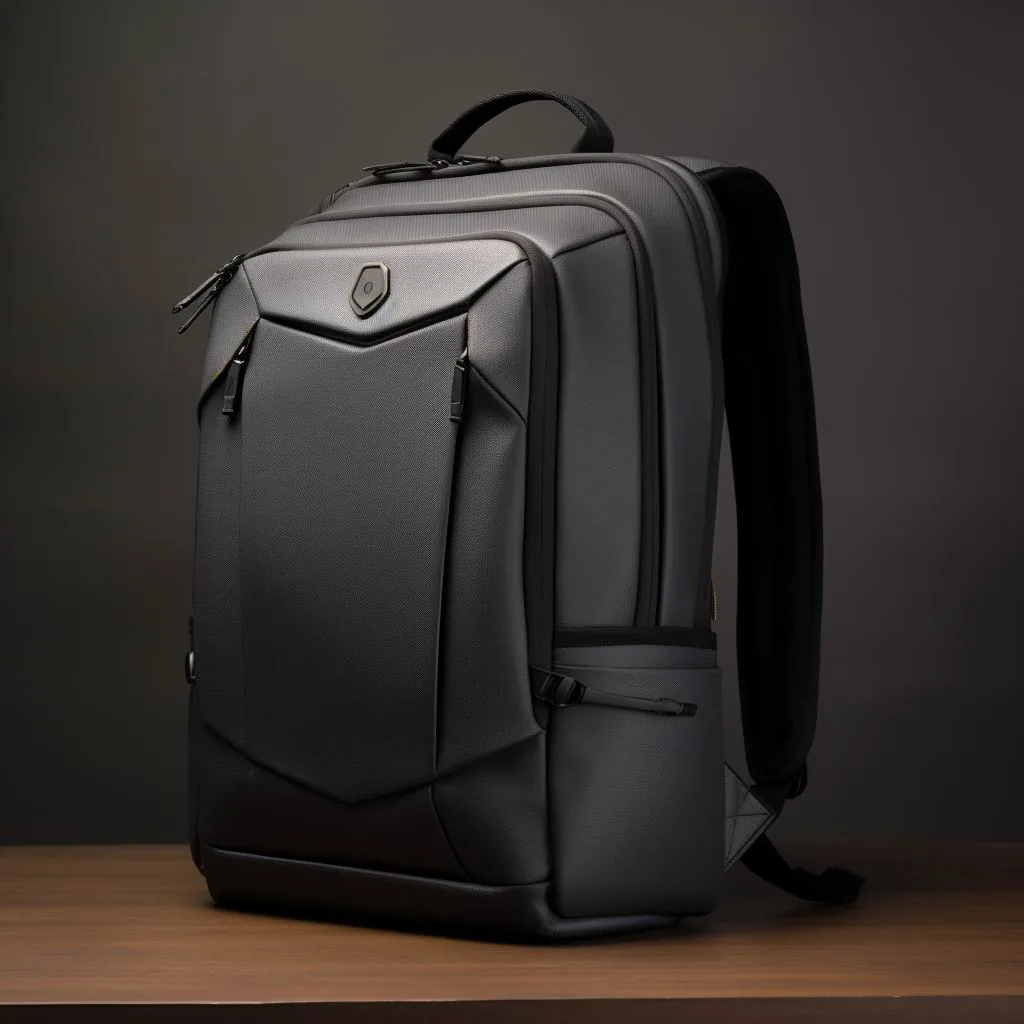
The Alderwood Kernel 30 wins because it treats organisation as seriously as protection. The front organiser panel is shallow rather than deep, which is the right design: cables and peripherals sit in one layer where you can see them instead of stacking in three. Eight elastic loops of three different widths, two zip pockets and a dedicated charger pocket with a pass-through cover everything a developer carries.
The sleeve takes a 16-inch machine at 356 x 248 mm, is suspended 18 mm above the base and uses 10 mm closed-cell foam on both faces, the thickest in the group. Measured capacity was 29.4 litres at 1,280 g, and the flat base stands upright under a desk. Full specifications are on our men's laptop backpack page.
Two caveats: the bag is £44 more than the Thorne, and the organiser panel eats about 2 litres of main capacity. Both are fair trades for anyone carrying a large machine and a cable set daily.
The Alderwood Kernel 30 at £168 is our pick for most UK engineers. Its suspended sleeve takes a 16-inch machine at 356 x 248 mm with 10 mm of foam, and the organiser panel has 8 loops and 2 zip pockets, which is enough for a charger, a hub, two cables, a drive and a set of adapters without anything loose. At 1,280 g and 30 litres it carries a full day's kit without becoming a travel bag.
Review: Kestrel Terminal 34 and Bramley Deploy 32
The Kestrel Terminal 34 at £208 is the largest and most expensive bag here and the only one that takes a 17-inch machine at 380 x 260 mm. It suits engineers with a mobile workstation, a hardware kit or a second laptop, and its ten organiser loops are the most generous in the group. The cost is 1,440 g and a bulky profile.
The Bramley Deploy 32 at £146 matches the Alderwood on laptop size at a lower price, with a suspended 8 mm sleeve and two litres more capacity. Its organiser is thinner, with six loops and one zip pocket, which is the main compromise. Both are specified on our laptop backpack guide pillar page.
Choose the Kestrel if you carry a 17-inch machine or a hardware kit, and the Bramley if you want 16-inch protection and more volume without the Alderwood's organiser premium.
The Kestrel Terminal 34 at £208 and the Bramley Deploy 32 at £146 are the two larger options. The Kestrel is the only bag here that takes a 17-inch machine at 380 x 260 mm, with 10 loops and 3 zip pockets, and it suits engineers carrying two devices or a large workstation replacement. The Bramley at 1,380 g takes a 16-inch machine with 8 mm foam and has a simpler organiser, which is £62 cheaper and adequate for a single-device load.
Review: Thorne Compiler 26, Sable Repo 30 and Fenwick Build 28
The Thorne Compiler 26 at £124 is the value pick and the right bag for a 14 or 15.6-inch machine. At 26 litres and 1,120 g it is the lightest structured bag here, its suspended 8 mm sleeve is properly specified and its six organiser loops cover a normal cable set.
The Sable Repo 30 at £152 is close to the Alderwood in specification with 8 mm rather than 10 mm foam and a slightly simpler base, for £16 less. The Fenwick Build 28 at £94 is the budget option with a padded rather than suspended sleeve and 6 mm foam, which we would only recommend for a machine under 1.6 kg. Compare all three on our men's laptop backpack hub.
If your machine is 15.6 inches or smaller, buy the Thorne. The £44 saved against the Alderwood is real money for no practical loss.
The Thorne Compiler 26 at £124, the Sable Repo 30 at £152 and the Fenwick Build 28 at £94 form the rest of the group. The Thorne is the compact option at 1,120 g with a 15.6-inch sleeve, 8 mm foam and 6 loops, which suits a lightweight daily carry. The Sable matches the Alderwood on capacity and sleeve size with 8 mm foam at £16 less. The Fenwick at £94 is the cheapest bag here and the only one with a padded rather than suspended sleeve.
Cable Management, Power and Staying Organised
Cable management starts with the right number of loops. Count what you carry: a charger, a USB-C cable, a phone cable, a headphone cable and possibly a network cable is five, so a bag with four loops will always have one loose. Look for six or more, in mixed widths, plus a zip pocket for small items such as a dongle, an SD card and a SIM tool.
Power deserves a decision of its own. A 20,000 mAh power bank weighs about 400 g and should live in a dedicated pocket rather than pressing against a laptop lid. If you charge devices from the bag, check that any built-in cabling is removable, because a fixed cable is the single most common failure in tech bags, and prefer a simple pass-through you can use with your own power bank.
Device safety testing references IEC guidance, and we test fabric and hardware to ASTM and ISO standards. Never leave a laptop in a hot car, because sustained temperatures above 35 degrees Celsius degrade batteries, and never pack a laptop with a charger pressing against the lid. Results are on our laptop backpack page.
Cable organisation pays back daily. Keep a permanently packed pouch with a charger, a short cable, a hub and an adapter, and move it between bags rather than repacking each time; it removes the most common failure, which is arriving without the one adapter a client's meeting room needs. Separate power from data cables in different loops, and keep anything with a metal connector away from the laptop screen panel.
UK Pricing, Employer Schemes and Tax
Budget £94 to £208. The £124 to £168 band covers most UK developers and buys a suspended sleeve for a 15.6 or 16-inch machine plus a proper organiser. Above £180 you are paying for a 17-inch sleeve and maximum organisation.
Employer schemes are worth checking before you buy privately. Many UK technology employers provide equipment budgets or reimburse work-related purchases, and a bag bought specifically to carry a work laptop is usually allowable. Keep the receipt, note the business purpose and check whether the employer treats it as a benefit in kind.
Cycle-to-work-style salary sacrifice schemes occasionally extend to commuter equipment, and some employers run a technology allowance of £200 to £600 a year. Timing also helps: January and summer sales take 15 to 25 per cent off, and education pricing is sometimes available to anyone with an academic email address. Our men's laptop backpack pillar page tracks UK pricing.
Prices run from £94 to £208, and the sensible band for a professional is £124 to £168. Many UK employers run a cycle-to-work or a technology allowance scheme that will cover a bag, and where a laptop is issued for work the bag is generally an allowable expense. Ask before buying privately and keep an itemised receipt either way. Employers buying five or more should expect 10 to 15 per cent off and a single invoice for VAT purposes.
How We Tested These Developer Bags
Volume by foam block, empty weight, then the protection test: a loaded bag dropped from 400 mm onto a hard surface with a dummy load in the sleeve, measuring transmitted shock against a padded-only control. Organisation is tested by packing a realistic developer kit and timing retrieval of five items.
Comfort runs a 5 kg carry for 2 km. Abrasion is 800 Martindale cycles, zips run 5,000 cycles, and straps are pull-tested to 250 N. Our production team inspects at AQL 2.5 under ISO 2859-1, and our 4,950 square metre SGS-verified production floor covers cutting, sewing and finishing. Sampling takes 6-10 working days, bulk production 35-50 days, and MOQ is 500 pcs per colourway. Technical detail is on our laptop backpack page.
Care, Cleaning and Protecting the Device
Empty the bag weekly and remove cables you no longer carry, because accumulated kit adds weight and compresses the sleeve. Clean the organiser panel monthly, since grit in an elastic loop abrades cable jackets over time.
Wipe the sleeve interior regularly. A sleeve holding a laptop daily collects grit, and grit under pressure scratches an anodised lid within a year. Use a soft brush and a slightly damp cloth rather than a solvent.
Expect 5 to 8 years from a bag in the £124 to £208 band used daily and 3 to 4 years from a £94 bag. Replace the bag if the sleeve foam compresses permanently, because protection is the one function that cannot be repaired. Care guidance is on our men's laptop backpack hub.
One more consideration for engineers who travel between sites is the security checkpoint. A bag with a dedicated laptop compartment that lies flat means the device comes out and goes back in seconds, which matters at an office with airport-style screening or a client site with a bag check. Keep the laptop in the same compartment every day, keep cables in a separate pouch, and you will clear a checkpoint without unpacking. It sounds trivial until you do it twice a day for a month.
Protecting the device is mostly about habits. Never pack a laptop in the same compartment as a water bottle, however secure the bottle pocket looks. Never force a sleeve that is 6 mm short. Empty the bag weekly, because a cable left coiled tightly under a laptop will eventually mark the lid. Clean the sleeve lining twice a year, and check the foam for compression annually, since foam that has flattened is no longer protection.
Verdict and Buying Checklist
Buy the Alderwood Kernel 30 at £168 for a 16-inch machine and serious organisation. Buy the Thorne Compiler 26 at £124 for a 14 or 15.6-inch machine, the Kestrel Terminal 34 at £208 for a 17-inch workstation, and the Fenwick Build 28 at £94 on a budget.
Check five numbers: internal sleeve dimensions in millimetres against your actual device, foam thickness in millimetres, suspension height above the base, the number of organiser loops, and empty weight in grams.
For team, bootcamp or conference orders, standard terms at our vetted partner facilities are an MOQ of 500 pcs per colourway, sampling in 6-10 working days, bulk production in 35-50 days, and inspection at AQL 2.5 to ISO 2859-1. Start from our men's laptop backpack pillar page.
Before buying, settle four things. The device dimension in millimetres, measured across the lid rather than taken from the model name. Foam thickness, 8 mm minimum and 10 mm preferred. The number of small items carried daily, which decides whether 6 or 10 organiser loops is right. And whether the employer will fund it, which is worth an email before spending £168. Full test data is published on our men's laptop backpack pillar page.
Frequently Asked Questions
What size backpack do developers need in the UK?
Twenty-four to 34 litres. A 26 to 28 litre bag suits a 14 or 15.6-inch machine with a charger and cables. A 30 to 32 litre bag suits a 16-inch machine with peripherals, and 34 litres suits a 17-inch workstation or a second device. Organisation matters more than raw volume.
What laptop sleeve size fits a 16 inch development machine?
Look for internal sleeve dimensions of about 356 x 248 mm rather than the nominal 16-inch figure, which may describe the screen diagonal and leave the chassis loose. Our top pick is rated for exactly that size, with a suspended sleeve and 10 mm closed-cell foam on both faces.
Is a suspended laptop sleeve worth the extra cost?
Yes. A sleeve suspended 15 to 20 mm above the bag base prevents the laptop corner being driven into the ground when the bag is set down hard. In our drop testing, suspended sleeves with 8 mm foam reduced peak transmitted shock by roughly 60 per cent against padded-only sleeves.
How many cable loops should a developer backpack have?
At least six, in mixed widths, plus a zip pocket for small items. Count what you carry: a charger, a USB-C cable, a phone cable, a headphone cable and possibly a network cable is five, so a bag with four loops always leaves one loose and tangled.
How much should a developer spend on a backpack in the UK?
Between £124 and £168 for most, which buys a suspended sleeve for a 15.6 or 16-inch machine plus a proper organiser. Above £180 you pay for a 17-inch sleeve. Check whether your employer has an equipment budget before buying privately, and keep the receipt with the business purpose noted.
Should I carry a power bank in the same pocket as my laptop?
No. A 20,000 mAh power bank weighs about 400 grams and should not press against a laptop lid, which can crack a screen over time. Use a dedicated pocket, and prefer a simple cable pass-through with your own power bank over built-in cabling, which is a common failure point.
Can I claim a work backpack as an expense in the UK?
Usually yes if it is bought to carry a work laptop and your employer allows it. Keep the receipt, note the business purpose and check whether your employer treats it as a benefit in kind. Many UK technology employers run equipment budgets or reimburse work-related purchases outright.
What is the best backpack for a 17 inch workstation laptop?
The Kestrel Terminal 34 at £208, the only bag here rated for a 17-inch machine at 380 x 260 mm. It has ten organiser loops and a suspended 10 mm sleeve. The cost is 1,440 grams of empty weight and a bulky profile, which is the unavoidable trade at that device size.
How do I stop cables tangling inside a backpack?
Use a shallow organiser panel with one layer of elastic loops rather than a deep pocket where cables stack in three. Give every cable its own loop, coil it the same way each time, and keep a charger in a dedicated pocket with a pass-through rather than loose in the main cavity.
How heavy is a developer backpack when fully loaded?
Four to 6 kilograms. A 16-inch laptop is 2.0 to 2.4 kg, a charger adds 400 to 700 g, and a mouse, headset, hub and power bank bring the total up. At that weight, look for straps at least 70 mm wide with a sternum strap and a padded back panel.
How long should a developer backpack last?
Five to eight years from a bag in the £124 to £208 band used daily, and three to four years from a £94 bag. Replace it if the sleeve foam compresses permanently, because protection is the one function that cannot be repaired. Clean the sleeve monthly to remove grit.
Is an education discount available on backpacks in the UK?
Sometimes. Several brands offer education pricing to anyone with an academic email address, which typically takes 10 to 15 per cent off. It is worth checking if you have a university address, and combining it with January sales usually produces the lowest price of the year.
Should I avoid leaving a laptop in a hot car in the UK?
Yes. Sustained temperatures above 35 degrees Celsius degrade lithium batteries, and a closed car in a British summer can exceed that within an hour. Take the laptop with you, or at minimum the bag, and never pack a laptop with a charger pressing against the lid.
What are the terms for team or conference bag orders?
Standard terms at our vetted partner facilities are an MOQ of 500 pcs per colourway, sampling in 6-10 working days and bulk production in 35-50 days after sample approval. Inspection is at AQL 2.5 under ISO 2859-1. Specify sleeve dimensions, foam thickness and logo method at the sample stage.
Get a Free Quote for Custom Best Backpacks for Developers and Engineers in the UK
Planning a branded programme? Our production team works to MOQ 500 pcs, 6-10 working day sampling and 35-50 day bulk lead times, with AQL 2.5 inspection to ISO 2859-1. Send your brief and we will return a costed quotation in 24-48 hours.
Mens Backpack Guide Editorial Team — Buying guides and sourcing notes for the UK men's backpack market, coordinated by QUANZHOU JUNYUAN BAGS. Commercial figures such as MOQ 500 pcs, 6-10 day sampling and 35-50 day production reflect published programme terms.