Table of Contents
- How to Remove Sweat Odour From a Gym Backpack: The Direct Answer
- Why Gym Backpacks Smell: The Bacteria, Not the Sweat
- What You Need: Materials and UK Costs
- Step 1: Empty, Invert and Pre-Treat the Hot Zones
- Step 2: Wash at 40 °C With an Oxygen Additive
- Step 3: Neutralise in the Rinse and Deodorise the Foam
- Step 4: Dry Completely Within 12 Hours
- What Not to Do
- How Often: A Realistic UK Gym Schedule
- British Conditions: Why UK Gym Bags Are Worse
- Preventing Odour: Pack Design and Specification Choices
- Verdict: Kill the Colony, Then Dry It Fast
- Frequently Asked Questions
How to Remove Sweat Odour From a Gym Backpack: The Direct Answer
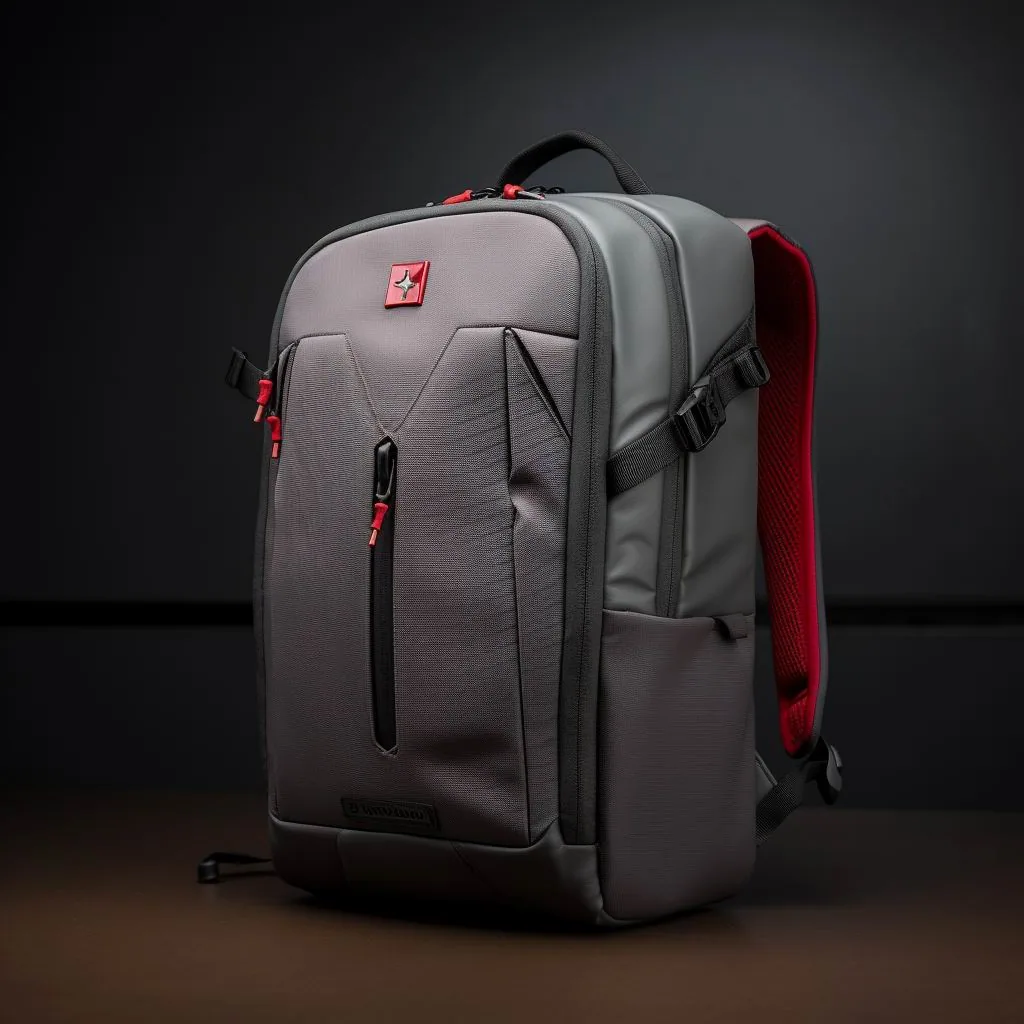
Sweat is almost odourless when it leaves the body. The smell in a gym backpack comes from bacteria, chiefly Staphylococcus epidermidis and members of the Corynebacterium group, breaking down the proteins and fatty acids in sweat into volatile compounds. That means deodorising is a disinfection job, not a perfuming job. The sequence that works is: empty the pack completely and brush out loose debris, pre-treat the hottest zones with an enzyme cleaner, wash at 40 °C with an oxygen-based additive if the fabric label allows it, add 100-150 ml of white vinegar to the rinse to dissolve the alkaline residues that hold odour, then dry the pack fully within 12 hours in moving air. In Britain the drying step is the one that fails, because a pack left in a hallway at 60-75% relative humidity will still be damp at 24 hours and the colony re-establishes in 8-16 hours. Done properly the whole job takes 90 minutes of which about 10 is hands-on, and it costs £2-6 in consumables against £35-90 for a replacement bag.
The commonest error is reaching for a deodorising spray. Sprays add fragrance on top of a live colony, the smell returns within one to three sessions, and the propellant can leave an oily film that holds more dirt.
Our gym backpack guide records which linings and fabrics resist odour, which is the single biggest factor in how often you have to do this.
Why Gym Backpacks Smell: The Bacteria, Not the Sweat
Fresh sweat is roughly 99% water with traces of salts, urea and lactic acid, and it has no smell. Odour appears once skin bacteria metabolise it, producing thioalcohols and short-chain fatty acids that the human nose detects at concentrations as low as 0.1 parts per billion. That is why the same pack can smell foul after one session and clean after another of equal effort: what matters is the bacterial load already resident in the fabric.
Backpack fabric helps the colony survive. Polyester and nylon are hydrophobic, so they absorb very little water but hold oils and skin lipids tightly in the fibre interstices, and the bacteria live in that lipid film. Foam padding in the straps and back panel is worse, because open-cell foam holds 20-40% of its own weight in moisture and is the slowest part of the pack to dry. A 30 L gym pack typically carries 300-600 g of foam in the straps and panel, which is why the smell often survives a wash of the outer shell.
Antibacterial activity in textiles is measured under ISO 20743, which quantifies the reduction in bacterial count over 18-24 hours of contact. An untreated polyester lining shows no meaningful reduction at all, which is the honest baseline. Our gym pack fabric notes list treated linings.
What You Need: Materials and UK Costs
Everything below is cheap, widely available in Britain and safe on synthetic pack fabrics. Total outlay for a first-time kit is under £20 and the consumables last a season or more.
| Item | UK cost | Purpose | Notes |
|---|---|---|---|
| Enzyme cleaner | £4-9 | Break protein films | Works at 30-40 °C |
| White vinegar, 5% | £0.80-2 | Rinse neutraliser | 100-150 ml per rinse |
| Bicarbonate of soda | £1-2.50 | Odour absorber | Dry use only |
| Oxygen bleach powder | £3-7 | Oxidise residues | Never on leather |
| Soft brush | £2-5 | Loosen debris | Medium bristle |
| Microfibre cloths | £2-5 | Wipe and dry | Lint-free |
| Mesh drying bag | £4-12 | Machine protection | Optional but useful |
| Activated charcoal sachet | £3-8 | Between washes | Replace every 3 months |
The two items that earn their place are the enzyme cleaner and the vinegar. Enzymes cleave the protein film that shields bacteria from detergent, and vinegar at 5% acidity dissolves the alkaline soap and mineral residues that hold odour molecules in the fibre. Our gym kit care list is short on purpose.
Step 1: Empty, Invert and Pre-Treat the Hot Zones
Turn every pocket inside out and empty it fully, including the small mesh pockets where a forgotten protein bar or a damp sock does most of the damage. Brush out crumbs and fluff dry, before any water, since wet debris becomes a paste that works into the foam.
Identify the hot zones before washing. On a gym pack these are almost always the back panel, the underside of both shoulder straps, the base of the main compartment where a wet kit bag sat, and any separate shoe compartment. Mix the enzyme cleaner at the label rate, typically 20-50 ml per litre, and work it into those zones with a soft brush. Leave it for 20-30 minutes at room temperature and do not let it dry on the fabric.
For a shoe compartment, which is usually the worst offender, use a second application and a longer dwell of 40-60 minutes. Salt from sweat crystallises there and it needs the extra time to dissolve. Our shoe compartment guide explains why that pocket is designed separately.
Step 2: Wash at 40 °C With an Oxygen Additive
Hand wash in a bath or a large basin at 40 °C, or machine wash at 30 °C on a short cycle inside a mesh bag if the care label permits it. Hotter water removes more lipid, but most pack coatings and laminates are rated to 40 °C and some bonded seams begin to soften above 60 °C, so 40 °C is the sensible ceiling. Domestic laundering is standardised in ISO 6330, which is the reference used for care-label testing.
Add an oxygen-based powder at 20-40 g rather than chlorine bleach. Oxygen bleach releases hydrogen peroxide in water, oxidising the organic residues that enzymes left behind, and it is safe on polyester and nylon at that dose. Chlorine bleach attacks nylon directly, yellowing it and reducing tensile strength by 10-25% after repeated use, and it will damage the polyurethane coating on any pack that has one.
Use half the normal detergent dose. Excess detergent does not rinse out of dense foam and the residue itself becomes a food source, which is why a pack sometimes smells worse after an over-detergent wash. Our washing temperature guide gives per-fabric limits.
Step 3: Neutralise in the Rinse and Deodorise the Foam
Put 100-150 ml of white vinegar into the final rinse. It is a mild acid at roughly 5% acetic acid, it neutralises alkaline detergent residue and it dissolves the calcium and magnesium salts from hard water that bind odour compounds to the fibre. There is no vinegar smell once the pack is dry.
For the foam, which no rinse reaches properly, use dry bicarbonate of soda. Sprinkle 30-60 g over the back panel and straps when the pack is damp, leave it for 4-8 hours, then vacuum or brush it off. It absorbs both moisture and acidic odour molecules from the open cells. Where the pack has a removable sweat-resistant liner, wash that separately at 40 °C, since it is the component carrying the highest bacterial load.
| Method | Mechanism | Contact time | Effectiveness | UK cost |
|---|---|---|---|---|
| Enzyme pre-treat | Cleaves protein film | 20-60 min | High on fresh odour | £4-9 |
| Oxygen bleach wash | Oxidises residues | 30-45 min | High, safe on synthetics | £3-7 |
| Vinegar rinse | Dissolves alkaline salts | 5-10 min | Moderate, additive | £0.80-2 |
| Bicarbonate, dry | Absorbs moisture, acid | 4-8 hours | Good on foam only | £1-2.50 |
| UV sunlight | Photodegradation | 2-4 hours | Surface only | £0 |
| Antibacterial spray | Biocide on contact | 10 min | Short-lived | £3-8 |
| Fragrance spray | Masking only | Instant | Fails in 1-3 sessions | £3-9 |
Notice that the three effective methods are all chemical rather than perfumed, and that they work best in sequence. Our deodorising method chart ranks them by cost per treatment.
Step 4: Dry Completely Within 12 Hours
This is the step that decides whether the whole job holds. Bacteria need moisture, and a pack that is still damp at 24 hours will re-establish a detectable colony within 8-16 hours. Hang it upside down with every pocket open in moving air, ideally near a dehumidifier or in an airing cupboard at 30-40 °C.
Do not tumble dry and do not put the pack on a radiator. Radiator surfaces run at 60-80 °C, which is above the softening point of most laminating adhesives and above the distortion temperature of acetal hardware, and dry heat on foam collapses the cells permanently. A fan-assisted room at 20-22 °C with the pack inverted dries a 30 L synthetic pack in 8-12 hours; a still room at the same temperature takes 24-48 hours.
Check the foam by pressing the back panel firmly against your cheek after 12 hours. If it feels cool, it is still wet. Our drying and storage guide covers the same rule for shoe compartments.
What Not to Do
Never use chlorine bleach on a backpack. It attacks polyamide directly, cutting tensile strength by 10-25% over repeated washes, and it strips polyurethane coatings within two or three applications. Never use fabric softener: it deposits a cationic film that reduces the wicking of any moisture-managing lining and gives bacteria a fresh surface to colonise.
Do not seal a damp pack into a cupboard, a car boot or a locker. That is how the problem starts, and a pack shut damp for 48 hours at British room temperature will smell worse than it did before you washed it. Do not store kit in the pack between sessions, since a damp towel left for 12 hours is enough to restart the cycle.
Avoid essential-oil sprays and heavily perfumed products. They do not kill bacteria and many leave an oily residue that holds soil. Our product caution list names the common offenders.
How Often: A Realistic UK Gym Schedule
Frequency follows how much you sweat and how quickly the pack dries, and British gym users sit at the demanding end because damp kit and a heated but poorly ventilated changing room are the norm. The table gives realistic intervals.
| Use pattern | Full wash | Spot deodorise | Dry target | Annual cost |
|---|---|---|---|---|
| Two sessions a week | Every 4 weeks | Fortnightly | 12 hours | £18-35 |
| Four or five sessions a week | Every 2 weeks | Weekly | 12 hours | £35-70 |
| Daily training with wet kit | Weekly | After each use | 8 hours | £60-120 |
| Swimmer, wet costume carried | Weekly | After each use | 8 hours | £60-120 |
| Occasional, once a fortnight | Every 8 weeks | Monthly | 12 hours | £10-20 |
| Shared or club kit bag | Weekly | After each use | 8 hours | £60-120 |
| Post-illness reset | Once, deep | n/a | 12 hours | £6-14 |
The weekly wash for daily trainers sounds excessive but is not. A pack used five days a week accumulates 20-40 sessions between monthly washes, and by that point the bacterial load is established deep in the foam where a quick rinse cannot reach it. Our maintenance calendar sets out the routine.
British Conditions: Why UK Gym Bags Are Worse
Britain works against a gym bag in three measurable ways. First, ambient humidity: indoor relative humidity in British homes commonly sits at 55-75% through autumn and winter, and at those levels an open pack surface loses moisture slowly enough that the foam core stays wet past 24 hours. Ventilation guidance from GOV.UK notes that damp indoor air above 70% relative humidity supports microbial growth on textiles.
Second, temperature: a heated home at 19-21 °C is exactly the incubation range for skin bacteria, which multiply fastest between 20 and 40 °C. A pack stored in a warm hallway is therefore incubating rather than drying.
Third, the commute. Kit carried on a 20-40 minute walk or bus ride in rain at 5-12 °C stays damp under a jacket or in an overhead locker for hours. Western British areas record 150-180 wet days a year according to Met Office climate normals, so this is the default rather than the exception. Our UK commuting notes cover wet-kit packing.
Preventing Odour: Pack Design and Specification Choices
Three design choices determine how often you need the routine above. A separate ventilated shoe or wet-kit compartment is the most valuable, because it isolates the wettest item from the main cavity. An antimicrobial lining tested to ISO 20743 reduces bacterial count by 90-99% over 18-24 hours and buys several extra sessions between washes. Closed-cell foam in the back panel, rather than open-cell, holds under 5% of its weight in water and dries in 2-4 hours instead of 8-12.
Commercial terms follow the usual structure. MOQ 500 pcs applies to antimicrobial linings because the finish is applied to a full fabric lot. Sampling takes 6-10 working days and bulk production 35-50 days from sample approval, with inspection to ISO 2859-1 at AQL 2.5. A silver-ion or quaternary ammonium finish adds £1.20-3.80 per unit at that volume.
Require a transaction certificate for the finish and a wash-durability figure, since an antibacterial treatment that fails after 5 washes is not worth specifying. Both notes are standard in tech packs issued from our 4,950 m² SGS-verified production floor and in our gym pack sourcing guide.
Verdict: Kill the Colony, Then Dry It Fast
Treat odour as a disinfection problem and it becomes predictable. Empty and brush, pre-treat the hot zones with enzymes for 20-60 minutes, wash at 40 °C with an oxygen additive, add 100-150 ml of vinegar to the rinse, and get the pack bone dry within 12 hours. That sequence costs £2-6 per treatment and takes about 10 minutes of hands-on time.
Masking sprays are the wrong tool and cost more per session than the whole routine above. Chlorine bleach and fabric softener both make things worse.
If a pack still smells after two full treatments, the foam is colonised beyond reach and the honest answer is replacement at £35-90. Buying a pack with a ventilated wet compartment and a tested antimicrobial lining is the cheaper route in the long run, and our gym backpack guide flags both on every UK model reviewed.
Frequently Asked Questions
How often should I wash a gym backpack to stop odour?
Four to five sessions a week means a full wash every two weeks with a weekly spot deodorise. Two sessions a week needs a full wash every four weeks. Daily trainers with wet kit should wash weekly. Every schedule assumes the pack dries within 12 hours, because a pack damp at 24 hours re-establishes a detectable colony in 8-16 hours regardless of how thoroughly you washed it.
What temperature kills odour bacteria in a backpack?
Bacteria are not reliably killed at domestic wash temperatures, which is why disinfection relies on chemistry rather than heat. Wash at 40 °C, the safe ceiling for most coatings and bonded seams, and add an oxygen bleach powder at 20-40 g. Some bonded seams soften above 60 °C, so hotter is not better. Drying matters more than temperature: fully dry foam within 12 hours starves the colony.
Can I put a gym backpack in the washing machine?
Only if the care label permits it, and only inside a mesh bag at 30 °C on a short cycle with half the normal detergent. Remove the frame sheet and any stiffener first. Hand washing at 40 °C in a bath is safer and lets you scrub the back panel directly. Machine washing also leaves foam under-rinsed, which is a common cause of a pack smelling worse afterwards.
Does white vinegar really remove sweat smell from fabric?
Yes, but as a rinse aid rather than a standalone fix. At roughly 5% acetic acid it neutralises alkaline detergent residue and dissolves the calcium and magnesium salts from hard water that bind odour compounds to fibre. Use 100-150 ml in the final rinse. There is no vinegar smell once dry. It works best after an enzyme pre-treat and an oxygen bleach wash, not instead of them.
Why does my backpack still smell after washing it?
Two reasons, and both are common. Either the foam in the straps and back panel is still damp, since open-cell foam holds 20-40% of its weight in water and re-colonises in 8-16 hours, or you used too much detergent and the residue itself is feeding the bacteria. Halve the detergent dose, add 100-150 ml of vinegar to the rinse and dry inverted in moving air for 12 hours.
Is bicarbonate of soda safe on backpack fabric?
Yes, used dry on damp fabric. Sprinkle 30-60 g over the back panel and straps, leave 4-8 hours, then vacuum or brush it off. It absorbs both moisture and acidic odour molecules from the open cells of the foam. Do not mix it into the wash water, where it is neutralised almost immediately and does nothing. Avoid it on leather trim, where it will dry and lighten the finish.
How long does a gym backpack take to dry in Britain?
Eight to twelve hours hung upside down with every pocket open in moving air at 20-22 °C. A still room at the same temperature takes 24-48 hours, and British indoor relative humidity of 55-75% through autumn and winter stretches both figures. A dehumidifier or an airing cupboard at 30-40 °C cuts it to 4-8 hours. Never use a radiator, whose 60-80 °C surface softens laminating adhesive.
Should I use fabric softener when washing a backpack?
No. Softener deposits a cationic film that reduces the wicking of any moisture-managing lining and gives bacteria a fresh surface to colonise. It also leaves residue in dense foam that will not rinse out. If you want a soft feel, use 100-150 ml of white vinegar in the rinse instead, which conditions without coating. The same applies to scented detergent beads and any in-wash fragrance booster.
What causes the smell in a gym backpack in the first place?
Skin bacteria, chiefly Staphylococcus epidermidis and Corynebacterium species, metabolise the proteins and fatty acids in sweat into volatile compounds detectable at 0.1 parts per billion. Fresh sweat is about 99% water and has no smell of its own. Polyester and nylon hold the lipid film that shelters the bacteria, and open-cell foam in the straps keeps it damp, which is why the panel is the usual source.
Can sunlight and UV kill bacteria in a backpack?
Partly. Direct summer sun gives meaningful surface reduction in 2-4 hours, but UV penetrates only the outermost fibres and does nothing for foam or for a lining in shadow. It also degrades fabric: colour fastness to light is graded under ISO 105-B02, and prolonged exposure fades dyed polyester measurably. Treat sunlight as a supplement to washing, never a substitute, and cap exposure at 4 hours a side.
How much does it cost to deodorise a backpack in the UK?
Two to six pounds per full treatment in consumables: enzyme cleaner at £4-9 lasts 8-12 washes, oxygen bleach at £3-7 lasts 10-15, and vinegar costs £0.80-2 a bottle. First-time kit including a brush and a mesh bag is under £20. Compare that with £35-90 for a replacement pack. Annual running cost is £18-35 at two sessions a week and £60-120 for daily training.
Do antibacterial fabric treatments actually work on backpacks?
A tested one does. Antibacterial activity is measured under ISO 20743, which quantifies bacterial reduction over 18-24 hours of contact, and a treated lining typically shows 90-99% reduction against an untreated polyester baseline of none. Ask for the wash-durability figure, because a finish that fails after 5 washes is not worth paying for. Expect £1.20-3.80 per unit added cost at MOQ 500 pcs.
Which backpack fabrics resist odour best for gym use?
Tightly woven polyester with a tested antimicrobial finish and closed-cell foam in the back panel. Closed-cell foam holds under 5% of its weight in water and dries in 2-4 hours, against 20-40% and 8-12 hours for open-cell. A separate ventilated shoe compartment is worth more than any fabric choice, because it isolates the wettest item. Avoid heavy open-cell padding and unpadded absorbent cotton linings.
Are enzyme cleaners better than detergent for sweat odour?
They do a different job and you need both. Enzymes cleave the protein film that shields bacteria from detergent, working in 20-60 minutes at 30-40 °C, while detergent removes the loosened soil. Used alone, detergent lifts surface soil but leaves the film. Apply 20-50 ml per litre to the hot zones, leave 20-30 minutes and keep it damp, then wash normally with an oxygen additive at 20-40 g.
Get a Free Quote for Custom How to Remove Sweat Odour From a Gym Backpack
Planning a branded programme? Our production team works to MOQ 500 pcs, 6-10 working day sampling and 35-50 day bulk lead times, with AQL 2.5 inspection to ISO 2859-1. Send your brief and we will return a costed quotation in 24-48 hours.
Mens Backpack Guide Editorial Team — Buying guides and sourcing notes for the UK men's backpack market, coordinated by QUANZHOU JUNYUAN BAGS. Commercial figures such as MOQ 500 pcs, 6-10 day sampling and 35-50 day production reflect published programme terms.