Table of Contents
Your backpack goes everywhere with you. It endures rain, mud, spilled coffee, cramped under airplane seats, and the daily grind of commuting through packed streets. Yet when was the last time you gave it a proper clean? Most people think about washing clothes regularly, but the bag that carries your laptop, lunch, and gym kit often gets forgotten until it starts to smell. This comprehensive guide will walk you through exactly how to clean a backpack properly, regardless of the material, style, or how badly it needs some attention.
Whether you carry a sleek commuter pack, a weathered hiking rucksack, a premium leather backpack, or a tactical MOLLE bag, the cleaning principles differ more than you might expect. Using the wrong technique on the wrong material can strip waterproof coatings, warp internal frames, crack leather, or shrink fabric. This guide eliminates the guesswork and gives you a clear, material-by-material roadmap to a cleaner, longer-lasting backpack.
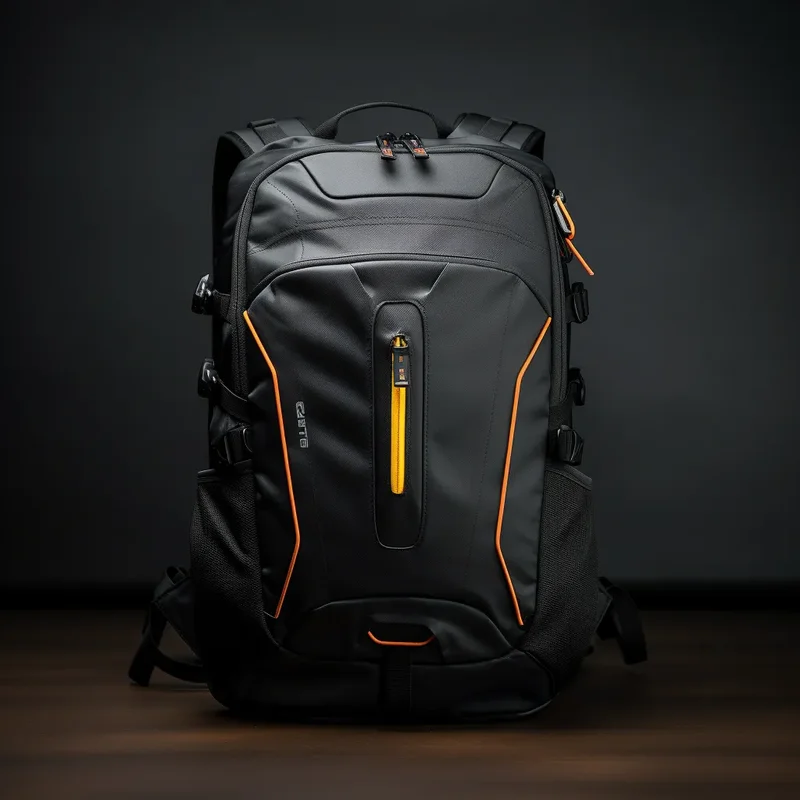
Why Regular Backpack Cleaning Matters
Beyond the obvious aesthetic reasons, regular cleaning serves several practical purposes that directly affect how long your backpack lasts and how pleasant it is to use day after day.
Health and Hygiene
Studies have shown that everyday items like backpacks can harbour bacteria, fungi, and even trace amounts of faecal matter collected from public transport surfaces and shared workspaces. The foam padding on shoulder straps and back panels creates a warm, moist environment that bacteria thrive in, especially after absorbing sweat during commutes or hikes. Regular cleaning eliminates these microbial colonies and reduces the risk of skin irritation and breakouts where straps contact your body.
Extending Backpack Lifespan
Dirt and grit work their way into fabric fibres over time, acting like microscopic sandpaper that weakens the material with every movement and flex. Salt from sweat corrodes metal zippers and hardware. Organic residues from food spills attract pests and cause permanent staining if left untreated. A regular cleaning routine removes these damaging elements before they can degrade your pack. Backpacks that are cleaned and maintained properly routinely last two to three times longer than neglected ones.
Preserving Technical Performance
For hiking and travel backpacks, waterproof coatings and seam sealants lose effectiveness when coated with dirt and body oils. The fabric pores clog up, reducing breathability in ventilated back panels and preventing DWR (Durable Water Repellent) treatments from functioning. Proper cleaning restores the fabric's ability to shed water and breathe as designed, keeping your gear dry in wet conditions.
What You Will Need
Before you start, gather the right supplies. Having everything within reach makes the process smoother and prevents you from using improvised solutions that might damage your backpack.
Essential Cleaning Supplies
- Mild detergent or technical fabric cleaner: Avoid harsh chemicals, bleach, and fabric softeners. Nikwax Tech Wash or Grangers Performance Wash are excellent choices for technical fabrics.
- Lukewarm water: Hot water can damage coatings and weaken adhesives. Lukewarm water around thirty degrees Celsius is ideal for most materials.
- Soft-bristled brush: A clean toothbrush or soft brush works perfectly for detailed cleaning around zippers and seams.
- Microfibre cloths: These clean effectively without scratching surfaces and absorb moisture well.
- Sponge: A non-abrasive sponge for larger surface areas and stubborn spots.
- Vacuum cleaner with brush attachment: Essential for removing loose dirt, sand, and debris from corners and crevices before washing.
- Baking soda: Useful for odour absorption and as a gentle abrasive for stain treatment.
- White vinegar: A natural disinfectant and deodoriser that works well on many fabric types.
Optional Supplies for Deep Cleaning
- Enzyme-based stain remover: For biological stains like blood, sweat, or food residue.
- Leather conditioner: Required after cleaning any leather backpack or trim to prevent cracking.
- DWR reproofing spray: To restore water repellency on technical fabrics after washing.
- Zipper lubricant: Silicone-based lubricant to keep zippers running smoothly after cleaning.
- Seam sealer: For resealing seams on hiking packs after deep cleaning.
Step-by-Step Universal Cleaning Process
Regardless of your backpack's material, these foundational steps apply to every cleaning session. Think of this as your universal checklist, with material-specific variations covered in the next section.
- Empty every compartment completely. Open all zippers, pockets, and hidden compartments. Turn each pocket inside out if the fabric allows. Check every seam and corner for forgotten items. Shake the bag upside down over a bin to dislodge crumbs and debris. This step seems obvious, but missing a pen or energy bar wrapper can ruin the wash or create new stains.
- Vacuum the interior and exterior. Use the brush attachment on your vacuum cleaner to remove loose dirt, sand, dust, and debris from all surfaces. Pay special attention to the bottom panel, corners of compartments, zipper tracks, and crevices where debris accumulates. This dry cleaning step prevents you from creating mud when water contacts embedded dirt.
- Pre-treat visible stains. Apply a small amount of detergent directly to stains and gently work it in with a soft brush or cloth. Let it sit for five to ten minutes before washing. Different stains may require specific treatments, which we cover in detail in our separate stain removal guide.
- Hand wash or machine wash according to the material guidelines below. This is where technique and water temperature matter significantly.
- Rinse thoroughly. Residual soap attracts dirt and can cause skin irritation. Rinse with clean, cool water until no suds remain. For hand washing, change the rinse water two or three times to ensure all soap is removed.
- Dry completely. Air-dry in a ventilated area, away from direct heat sources. This step is non-negotiable. Packing away a damp backpack is the fastest route to mould and mildew.
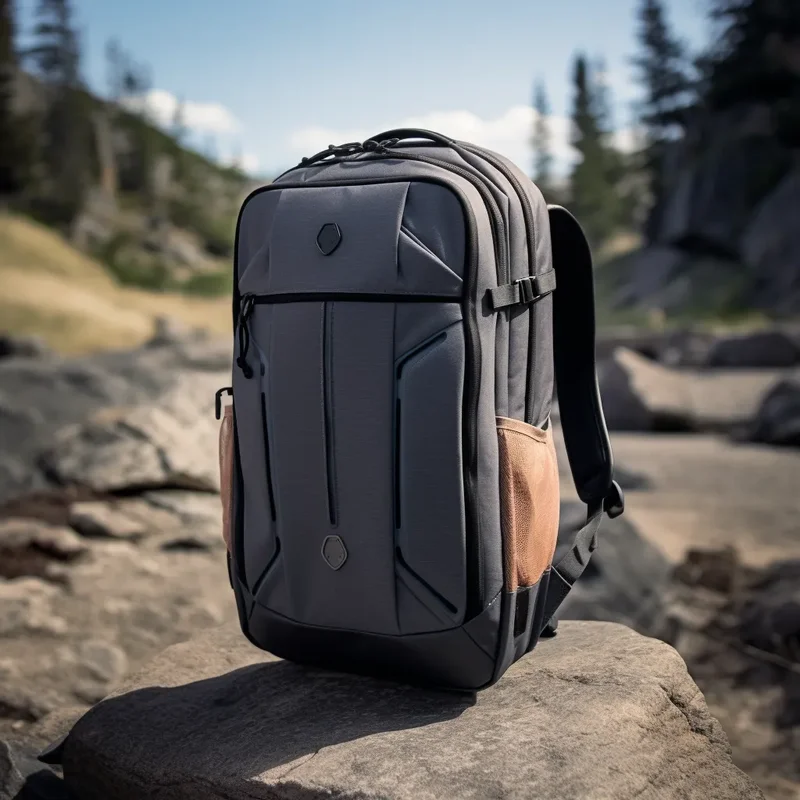
Material-Specific Cleaning Instructions
The material of your backpack determines which cleaning methods are safe and effective. Using the wrong approach can cause irreversible damage, so identify your backpack's primary material before proceeding.
Nylon Backpacks
Nylon is the most common backpack material due to its strength-to-weight ratio, water resistance, and affordability. Most nylon backpacks, including daily commuter packs and many hiking bags, can be hand-washed or machine-washed on a gentle cycle. Use cold or lukewarm water with a mild detergent. Avoid chlorine bleach as it degrades nylon fibres. If your nylon pack has a DWR coating, use a technical cleaner rather than standard detergent, as regular soap can strip the water-repellent finish. After washing and drying, reapply a DWR treatment spray to restore water resistance.
Polyester Backpacks
Polyester is similar to nylon in cleaning requirements but slightly more resistant to UV degradation and chemical exposure. Most polyester backpacks tolerate gentle machine washing well. Use cold water and a mild detergent. Polyester is less prone to absorbing water, which makes it dry faster than nylon. The main risk with polyester is heat: high temperatures can melt or deform the fabric, so never tumble-dry polyester backpacks. Colour-fastness is generally excellent with polyester, so fading during washing is rarely an issue.
Canvas Backpacks
Traditional cotton canvas requires gentler handling than synthetic materials. Canvas can shrink if exposed to hot water or high heat drying, always use cold water. Unwaxed canvas can be machine-washed on a gentle cycle, but waxed canvas should never go in a machine. For waxed canvas, use a damp cloth with a small amount of mild soap, wipe the surface gently, then reapply wax treatment after drying. Canvas tends to be heavy when wet, so support the bag's weight when washing to prevent stress on seams and straps.
Leather Backpacks
Leather demands the most careful cleaning approach. Never submerge a leather backpack in water. Use a slightly damp microfibre cloth to wipe the surface, then apply a dedicated leather cleaner for deeper cleaning. Work in small sections, wiping each area clean before moving on. After the leather dries, apply a quality leather conditioner to restore moisture and flexibility. Condition leather backpacks every three to six months depending on use. For suede leather, use a specialised suede brush and cleaner, as standard cleaning methods will damage the nap.
Tactical and Military-Style Backpacks
Tactical packs are typically constructed from heavy-duty nylon like 1000D Cordura or similar abrasion-resistant fabrics. They can generally be hand-washed with mild detergent and lukewarm water. Pay special attention to MOLLE webbing, Velcro panels, and buckle systems where dirt accumulates. Remove any detachable frames, pads, or inserts before washing. Rinse thoroughly and air-dry with all compartments fully open. Avoid machine washing tactical packs as the aggressive agitation can damage the rigid structure and attached hardware.
Waterproof Backpacks
Fully waterproof backpacks made from tarpaulin or welded PVC require a different approach. Simply wipe the exterior with a damp cloth and mild soap. Never machine-wash waterproof roll-top bags, as the agitation can compromise welded seams. For waterproof fabrics with membrane linings, use a technical cleaner specifically designed for waterproof fabrics and reapply DWR treatment periodically.
Machine Washing: When It Is Safe
Machine washing a backpack can be convenient and effective, but only for certain materials and constructions. Getting this wrong can destroy your pack in a single cycle.
Safe to Machine Wash
- Simple nylon or polyester daypacks without internal frames
- Gym bags made from synthetic materials
- School backpacks without leather trim or special coatings
- Lightweight foldable packable backpacks
Never Machine Wash
- Any backpack with leather components
- Packs with internal or external frames
- Waxed canvas backpacks
- Backpacks with electronic components or USB charging ports
- Leather, suede, or velvet backpacks
- Packs with rigid moulded back panels that could warp
Machine Washing Best Practices
- Place the backpack inside a mesh laundry bag or old pillowcase to protect it and your machine.
- Use the gentlest cycle available (delicate or hand-wash setting).
- Set water temperature to cold, never warm or hot.
- Use a small amount of mild liquid detergent. Do not use powder detergent as it can leave residue in seams.
- Do not add other items to the load. The backpack should be washed alone.
- Skip the spin cycle or use the lowest spin speed available.
- Remove immediately after the cycle ends and begin air-drying.
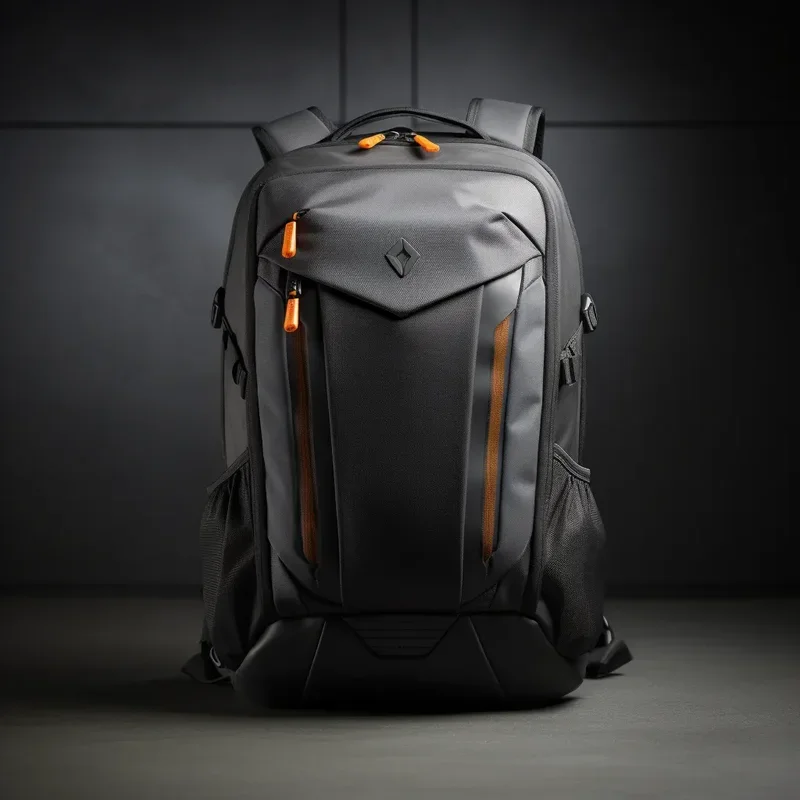
Drying Your Backpack Properly
How you dry your backpack is just as important as how you wash it. Improper drying can cause mould growth, fabric damage, and unpleasant odours that negate all your cleaning efforts.
Recommended Drying Method
- Turn the backpack inside out if the design allows it.
- Open all compartments, pockets, and zippers fully.
- Hang the backpack upside down in a well-ventilated area. A covered outdoor space or a bathroom with the window open works well.
- Keep it out of direct sunlight. UV exposure can fade colours and degrade synthetic fabrics over time.
- Use a fan to improve air circulation around the backpack, which significantly speeds up drying.
- Allow twenty-four to forty-eight hours for complete drying. Check inside pockets and foam-padded areas carefully, as these retain moisture longest.
Post-Cleaning Maintenance Tips
Once your backpack is clean, a few simple habits keep it in that condition for longer. These small investments of time pay enormous dividends in backpack longevity and appearance.
Regular Maintenance Routine
- Weekly: Empty and shake out your backpack. Wipe the interior with a slightly damp cloth if needed.
- Bi-weekly: Spot-clean any stains immediately. Wipe down the exterior with a damp cloth.
- Monthly: Give the backpack a thorough hand wash following the steps above.
- Quarterly: Check zippers, seams, and straps for wear. Apply zipper lubricant. Re-treat waterproofing if needed.
- Annually: Perform a deep clean. Inspect all hardware and stitching. Consider professional repair for any significant wear before it becomes a larger problem.
Smart Usage Habits
Place your backpack on clean surfaces rather than the floor whenever possible. Use a packing cube or pouch for items that might leak, such as water bottles, toiletries, or food containers. Keep a small microfibre cloth in your bag for quick spot cleaning on the go. These simple habits reduce how often deep cleaning is needed and keep your backpack looking newer for longer.
Cleaning Methods Comparison by Material
| Material | Hand Wash | Machine Wash | Detergent Type | Water Temp | Machine Dry | Special Care |
|---|---|---|---|---|---|---|
| Nylon | Yes (recommended) | Yes (gentle cycle) | Mild or technical | Cold to lukewarm | Never | Reapply DWR after washing |
| Polyester | Yes | Yes (gentle cycle) | Mild | Cold | Never | Colour-fast, avoid high heat |
| Canvas (unwaxed) | Yes | Yes (gentle cycle) | Mild | Cold only | Never | May shrink; reshape while damp |
| Canvas (waxed) | Surface wipe only | Never | Wax-specific cleaner | Cold damp cloth | Never | Reapply wax after cleaning |
| Leather | Damp cloth only | Never | Leather cleaner | Damp cloth | Never | Condition every 3-6 months |
| Cordura | Yes (recommended) | Yes (gentle cycle) | Technical cleaner | Cold to lukewarm | Never | Reapply DWR; check seams |
| Tactical nylon | Yes | Avoid | Mild | Lukewarm | Never | Remove frames/pads first |
| Waterproof PVC | Wipe only | Never | Mild soap | Cold damp cloth | Never | Protect welded seams |
Product Recommendations
Best Cleaners for Backpacks
Nikwax Tech Wash is a top choice for technical fabrics. It cleans effectively without damaging DWR coatings or waterproof membranes. It is biodegradable, safe for all synthetic fabrics, and widely available in the UK.
Grangers Performance Wash offers similar performance with the added benefit of being suitable for both washing and reproofing when paired with their TXR Reproofer. Ideal for hiking and travel backpacks.
Jason Markk Premium Shoe Cleaner works surprisingly well on backpack spot cleaning. The formula is gentle enough for most materials yet effective on tough stains.
Simple household alternatives: A mixture of warm water and a few drops of washing-up liquid handles most everyday cleaning tasks. For odour removal, white vinegar diluted fifty-fifty with water in a spray bottle is highly effective.
Best Tools
A soft-bristled detailing brush reaches into zipper teeth, seam lines, and textured surfaces where dirt hides. A mesh laundry bag protects your backpack and washing machine during machine washing. Microfibre cloths are essential for leather and delicate surfaces where abrasion must be minimised.
Continue Your Backpack Care Journey
Mastering backpack cleaning is just the beginning. Explore our other care guides to keep your gear in peak condition.
Frequently Asked Questions
Can I put my backpack in the washing machine?
It depends on the material. Nylon and polyester backpacks without leather trim can generally handle a gentle machine cycle with cold water. However, leather, canvas with wax coatings, and backpacks with internal frames should be hand-washed only. Always check the manufacturer's care label first.
How often should I clean my backpack?
For daily-use backpacks, a light cleaning every two weeks and a thorough wash every month is ideal. Hiking packs should be cleaned after every trip. If your backpack develops odours or visible stains, clean it immediately regardless of the schedule.
What detergent should I use to clean a backpack?
Use a mild, fragrance-free detergent or a specialised technical fabric cleaner. Avoid bleach, fabric softeners, and harsh chemicals as they can degrade waterproof coatings, damage fabric fibres, and discolour materials.
How do I dry a backpack after washing?
Turn the backpack inside out if possible and air-dry it in a well-ventilated area out of direct sunlight. Hang it upside down with all zippers and compartments open. Never use a tumble dryer.
Can I use a pressure washer to clean my hiking backpack?
No. Pressure washers can force water into seams, delaminate waterproof coatings, and damage fabric fibres. Stick to gentle cleaning methods with a soft brush or cloth.
How do I clean the foam shoulder straps and back panel?
Use a soft brush or cloth with mild soapy water to gently scrub the foam areas. Focus on areas where sweat and body oils accumulate. Rinse with a damp cloth and let air-dry completely.
Is it safe to dry clean a backpack?
Most backpacks should not be dry-cleaned. The chemicals used in dry cleaning can dissolve waterproof coatings, damage synthetic fabrics, and cause leather to dry out and crack.