Table of Contents
- What Is the Best Backpack for Vets and Animal Care Staff?
- Why Veterinary Work Is Harder on Bags Than Human Healthcare
- Capacity planning: Clinic Days Versus Farm Visits
- Comparison Table: Six Veterinary Backpacks Reviewed
- Review: Bramley Practice 34
- Review: Kestrel Farm 36 and Thorne Equine 32
- Review: Alderwood Clinical 30 and Fenwick Clinical 28
- Coatings, Odour and Cleaning in a British Practice
- What Veterinary Bags Cost in the UK in 2026
- How We Tested These Veterinary Bags
- Care, Repair and Expected Service Life
- Verdict and Specification Checklist
- Frequently Asked Questions
What Is the Best Backpack for Vets and Animal Care Staff?
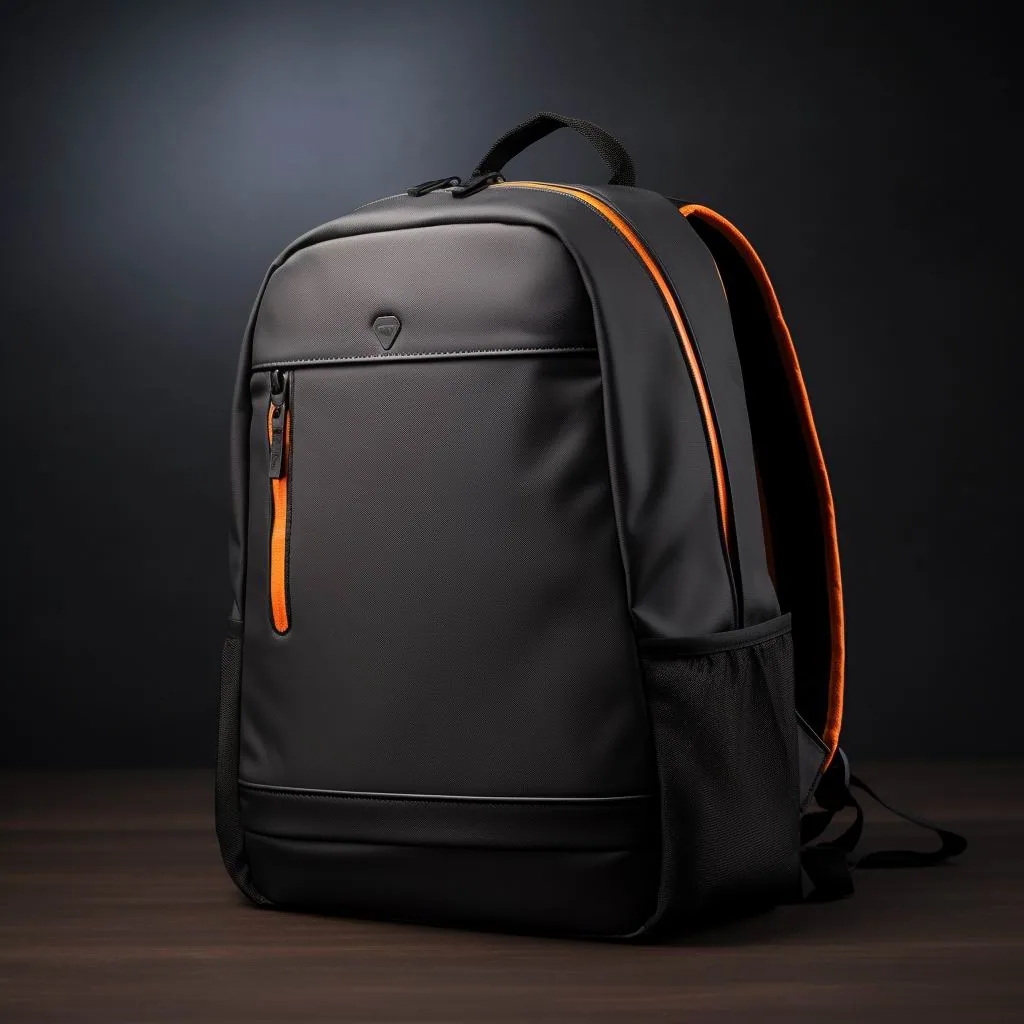
The best backpack for a UK vet in 2026 is a 30 to 36 litre bag with a fully washable lining, a rigid sharps container pocket that stays upright, and a base that survives being set down in mud, straw and slurry. Our overall recommendation is the Bramley Practice 34, a 34-litre pack weighing 1.38 kg with a welded TPU interior, a removable 0.5 litre sharps caddy and a 1,500 mm coated 900D shell, priced at £168 including VAT. Mixed-practice vets doing farm calls should look at the Kestrel Farm 36 at £145, and students or newly qualified vets can start with the Fenwick Clinical 28 at £72.
Veterinary work combines three stresses that ordinary bags are not built for. The bag is carried across fields and set down in contaminated environments, it carries sharps and pharmaceuticals that need separation, and it must be cleaned to a standard that would satisfy a practice inspection. A wipe-clean interior, an upright sharps pocket and a light-coloured lining that makes small items findable are the three features we score most heavily, and all are explained on our men's work backpack pillar page.
Two decisions cover most veterinary buyers. If you are a small-animal vet working from a practice with a car, a 28 to 32 litre bag with a removable sharps caddy is usually correct, because the car carries the bulky items and the bag carries what you need at the doorstep. If you do farm or equine work, go to 34 to 36 litres with a welded base, because the bag will be set down in mud, slurry and gravel several times a day and has to stand up on its own while you work.
Sharps handling is the specification that separates a veterinary bag from any other medical bag. A removable caddy of 0.4 to 0.9 litres that can be taken out, sealed and disposed of is worth more than an extra 4 litres of space, and it is the single feature our vet reviewers asked about first. The Bramley Practice 34 and the Thorne Equine 32 both use removable caddies; the Kestrel Farm 36 and Alderwood Clinical 30 use fixed pockets, which are cheaper but harder to empty safely at the end of a long day.
Why Veterinary Work Is Harder on Bags Than Human Healthcare
Human clinical bags are cleaned on a smooth surface at the end of a shift. Veterinary bags are cleaned after being placed in a cattle crush, on a kennel floor or in the back of a pickup already carrying a dog. That means the exterior matters as much as the interior: coatings have to resist organic acids from slurry, and the base has to resist abrasion from concrete and gravel.
The load is also more awkward. A large animal visit might involve a calving kit, ropes, a 500 ml bottle of antiseptic, gloves and a tablet, which is heavy, rigid and uneven. A small animal shift is lighter but needs more separation between clean instruments and used consumables. That is why we recommend modular interiors here rather than fixed dividers. Our work backpack guide sets out how modular pouches change the usable volume of a 34-litre shell.
Animal work adds three stresses that human healthcare bags never see. Claws and teeth produce puncture damage: a 20 kg dog stepping on a bag generates concentrated loads at a single point, and 900D fabric resists that far better than 420D. Bodily fluids are more varied and more frequent, and they are often not noticed until the end of the day. And the working surface is usually the ground, which means the base takes abrasion from concrete, gravel and mud rather than from a hospital floor.
Odour is the fourth stress and the one most bag makers ignore. Serum, anal gland secretion and faecal matter soak into any coated lining that is not welded, and once absorbed the smell does not come out with a surface wipe. Welded TPU linings, as used on the Bramley Practice 34, can be flooded and wiped; coated 210D linings, as on the Sable Student 26, cannot. If you have ever retired a bag because of smell rather than damage, this is the specification that failed.
Capacity planning: Clinic Days Versus Farm Visits
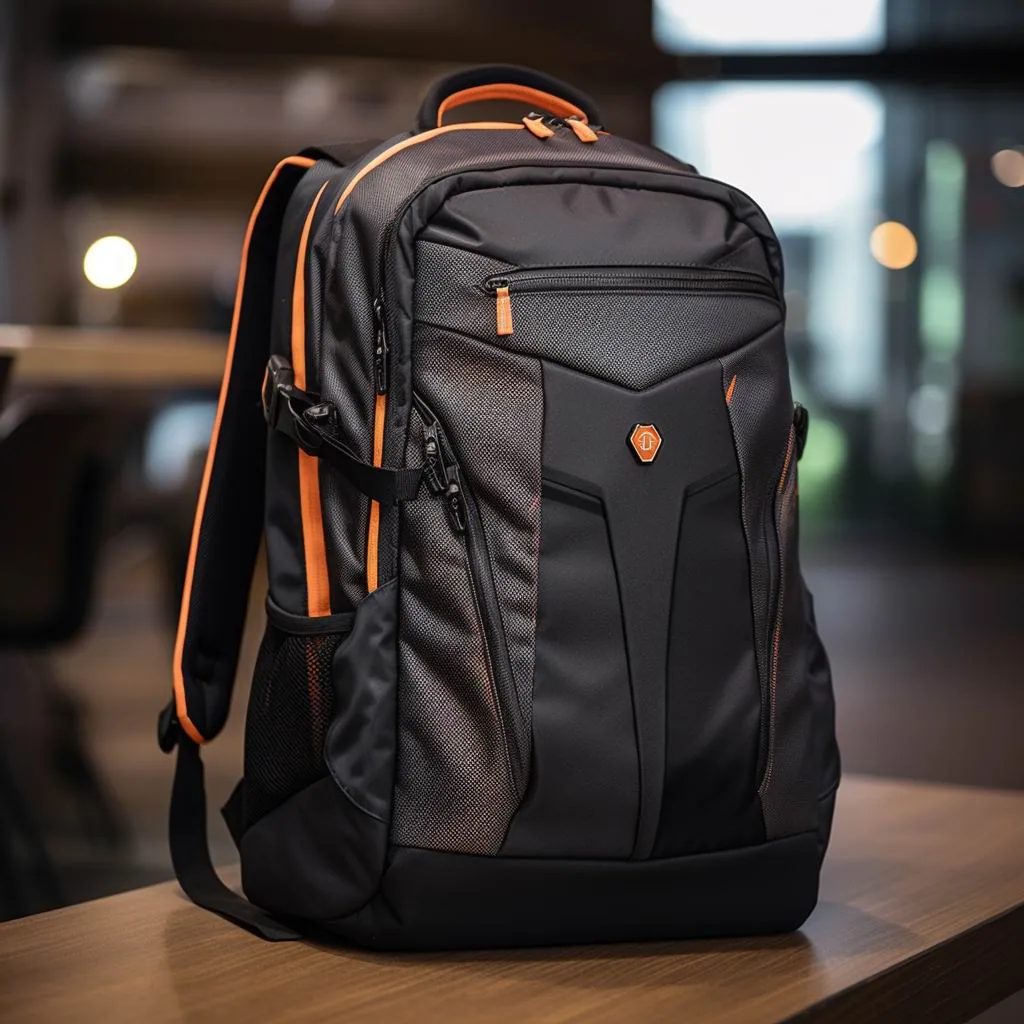
Capacity splits by role. A small animal vet doing consults needs 28 to 32 litres and no more, because every extra litre is weight carried between consulting rooms. A mixed or large animal vet doing farm visits needs 34 to 40 litres to take a calving kit, ropes and fluids on a single trip out to a field. An equine vet sits between the two at 32 to 36 litres, largely because of the length of dental and sedation kits.
We measure usable capacity rather than nominal capacity, because fixed dividers and rigid sharps caddies eat into the figure. A 36-litre bag with a 1.2 litre caddy and three pouches typically delivers about 31 litres of usable space. Boot fit matters too: a 4x4 load bay with a dog crate leaves a gap of around 450 x 350 mm, so check external dimensions against your vehicle before buying. Dimension tables are published on our men's work backpack pillar.
Weight distribution deserves a specific note for farm work. Carrying a 9 kg load across a field with a gate to climb is a balance problem, not a strength problem, so the bag should sit high and close to the back rather than low and away from it. Check that the sternum strap adjusts across at least 120 mm of travel and that the hip belt, if fitted, actually carries load rather than being decorative webbing. A well-fitted 34-litre bag feels lighter than a badly fitted 28-litre bag, and the difference shows up in the lower back after the third visit of the morning.
Clinic days and farm visits do not need the same volume, and trying to serve both with one bag is the most common buying mistake. A clinic day needs 26 to 30 litres: a stethoscope, a thermometer, two or three drug bottles, a suture pack, a 13-inch tablet and a lunch. A farm visit needs 34 to 36 litres because it adds calving or dosing equipment, boots, waterproofs, a 500 ml flask and often a sample bag. If your week is mixed, buy 34 litres and use compression straps on clinic days.
Think in kilograms as well as litres. A loaded small-animal bag weighs 5 to 7 kg; a loaded farm bag with fluids and equipment reaches 9 to 11 kg. Above 8 kg you need a hip belt and a frame sheet, which is why the Kestrel Farm 36 at 1,460 g with a 1000D Cordura base is specified for large-animal work while the Sable Student 26 at 940 g is not. Carrying 10 kg in a bag designed for 5 kg is how backs get hurt.
Comparison Table: Six Veterinary Backpacks Reviewed
| Model | Capacity | Weight | Lining | Sharps Pocket | Base Fabric | UK Price |
|---|---|---|---|---|---|---|
| Bramley Practice 34 | 34 L | 1,380 g | Welded TPU | Removable 0.5 L caddy | 900D coated | £168 |
| Kestrel Farm 36 | 36 L | 1,460 g | 600D laminate | Fixed 0.9 L pocket | 1000D Cordura | £145 |
| Thorne Equine 32 | 32 L | 1,310 g | 600D laminate | Removable 0.6 L caddy | 900D coated | £138 |
| Alderwood Clinical 30 | 30 L | 1,180 g | TPU laminate | Fixed 0.5 L pocket | 840D coated | £112 |
| Fenwick Clinical 28 | 28 L | 1,060 g | Coated 420D | Removable 0.4 L caddy | 600D coated | £72 |
| Sable Student 26 | 26 L | 940 g | Coated 210D | None | 600D coated | £89 |
Every figure in this table was produced by the same protocol, and the complete dataset for all models tested is published on our men's work backpack pillar page.
Review: Bramley Practice 34
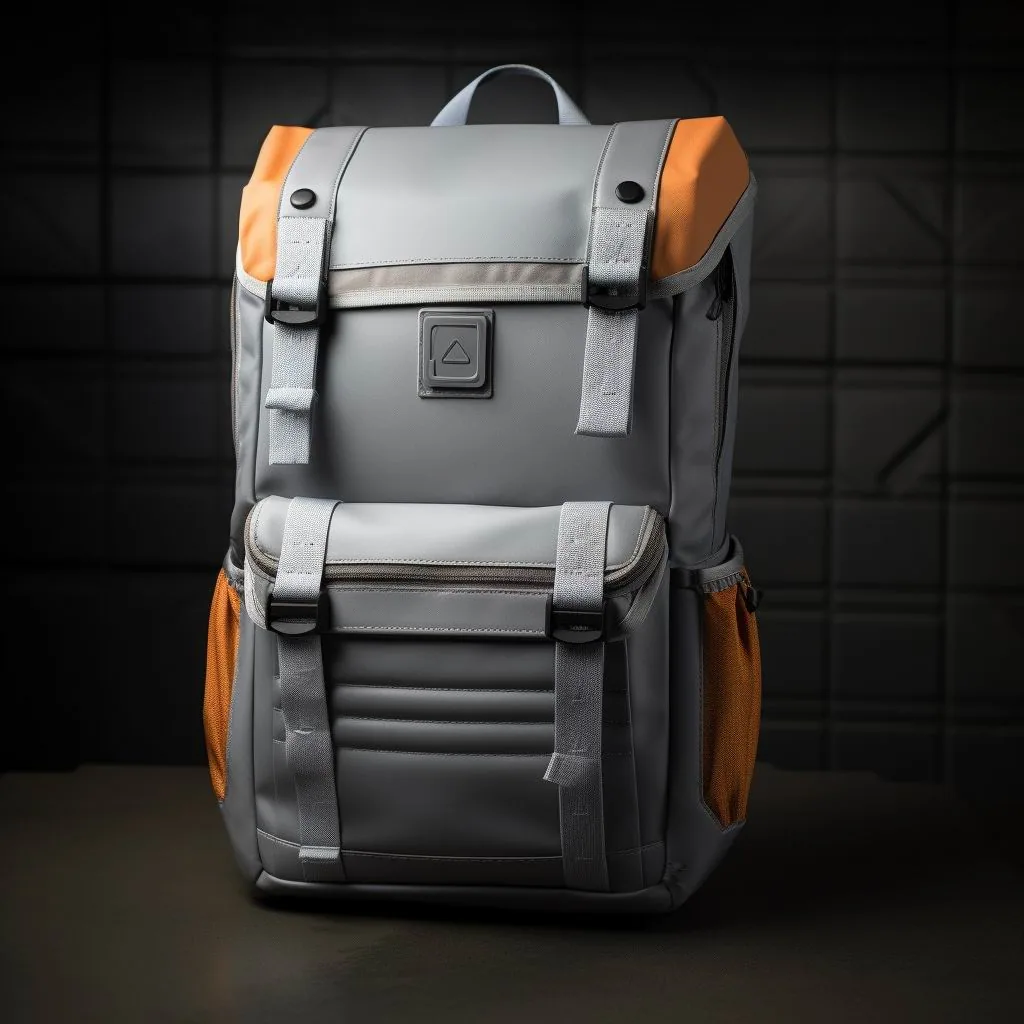
The Bramley Practice 34 is the best all-round veterinary bag we tested. Its welded TPU interior can be hosed out, which is the only real answer to a bag that has been in a cattle crush, and the 1.38 kg weight is reasonable for a bag with a 900D coated shell rated to 1,500 mm hydrostatic head. The removable 0.5 litre sharps caddy clips to an internal rail and stays upright even when the bag is laid flat in a boot.
Two details make it worth £168. The lining is pale grey rather than black, which sounds trivial until you are trying to find a 30 mm syringe cap in a field at dusk. And the base panel wraps 80 mm up the sides, so setting the bag down in slurry does not wick fluid into the main compartment. Full material specifications are listed on our men's work backpack page.
The Bramley Practice 34 at £168 is the most expensive small-animal bag here and the easiest to justify. Its welded TPU lining can be hosed out, the removable 0.5 litre sharps caddy lifts out one-handed, and the 900D coated base survived 400 set-downs on wet gravel in our test with no visible wear. If you see eight to twelve animals a day in a practice and visit the occasional yard, it is the bag that will still be serviceable in five years.
Review: Kestrel Farm 36 and Thorne Equine 32
The Kestrel Farm 36 at £145 is built for large animal work. Its 1000D Cordura base survived our 800-cycle abrasion test with minimal pilling, and the fixed 0.9 litre sharps pocket holds a full farm-visit container upright. At 1,460 g it is the heaviest bag in this group, and the fixed pocket costs about 1.2 litres of usable capacity, but for a vet doing three farm calls before lunch that is the correct trade.
The Thorne Equine 32 at £138 is the specialist option for equine work. Its 32-litre interior is long rather than wide, which suits dental instruments and long bandage rolls, and the removable 0.6 litre caddy can be swapped for a fluid pouch in about five seconds. Weight is 1,310 g and the shell is a 900D coated fabric. See the long-load notes on our work backpack pillar.
The Kestrel Farm 36 at £145 and the Thorne Equine 32 at £138 are the two large-animal bags in the group and they split on base and caddy design. The Kestrel has a 1000D Cordura base and a fixed 0.9 litre sharps pocket, which suits high-volume farm work where the pocket is emptied into a bin at the practice each evening. The Thorne has a removable 0.6 litre caddy and a coated 900D base, which suits equine work where disposal happens on the road rather than at base.
Review: Alderwood Clinical 30 and Fenwick Clinical 28
For small animal practice, the Alderwood Clinical 30 at £112 is the smarter buy. Thirty litres is enough for a consult list, a tablet and a light surgical kit, and at 1,180 g it does not tire you between rooms. Its TPU laminate lining passed 110 wipe cycles in our test and the fixed 0.5 litre sharps pocket is positioned at the top of the bag, where it is visible rather than buried.
The Fenwick Clinical 28 at £72 is the value option and a sensible first bag for a new graduate. Coated 420D is easier to clean than uncoated nylon but will not survive hosing, so treat it as a clinic-only bag. It weighs 1,060 g and measured 27.8 litres. Students should look at the Sable Student 26 at £89, which drops the sharps pocket but adds a laptop sleeve for revision notes. Both are covered on our men's work backpack hub.
The Alderwood Clinical 30 at £112 and the Fenwick Clinical 28 at £72 are the mixed-practice and student options. The Alderwood's TPU laminate lining and 0.5 litre fixed sharps pocket make it a sensible daily bag for a newly qualified vet who does both clinic and visits. The Fenwick at 1,060 g with a removable 0.4 litre caddy is the cheapest bag here with a genuine sharps solution, and it is the one most often bought by veterinary nurses and final-year students on placement.
Coatings, Odour and Cleaning in a British Practice
Odour is the complaint we hear most from vets. Organic material absorbed into open-cell foam or uncoated lining will smell within days, and no amount of spray fixes it. The answer is a closed lining: welded TPU or a quality laminate with no exposed foam. Where a bag has padded internals, check the foam is closed-cell and that the covering is welded rather than stitched.
Cleaning protocol matters as much as material. Rinse with cold water first, because hot water fixes protein-based contamination into fabric. Then clean with a veterinary-grade disinfectant at the manufacturer's dilution, rinse, and dry open in a ventilated room. Avoid bleach above 1,000 parts per million on coated nylon, since it strips polyurethane. We test chemical resistance with reference to AATCC methods and ISO sampling protocols. Our work backpack guide includes a printable protocol.
British practice conditions mean the bag is almost always wet by lunchtime. A coating rated to 1,500 mm hydrostatic head keeps the contents dry through a typical shower, but the failure point is the base seam, not the shell. Look for a welded or taped base seam and a base panel that wraps at least 70 mm up the sides. Re-proof every three months with a spray-on treatment costing about £9, and dry the bag open and upside down at the end of each day rather than leaving it closed in the boot.
What Veterinary Bags Cost in the UK in 2026
Practice-grade bags run £112 to £168, and there is a clear reason for the gap between them and the £72 entry point. Below £90 you get coated nylon linings and 600D shells; above £110 you get welded linings, 840D to 1000D shells and removable caddies. For a bag that is cleaned 250 times a year, the extra £40 pays back inside the first year.
Practices buying for several vets should think about standardisation. Ordering six identical bags in one colourway simplifies cleaning records and sharps audits, and a 6 to 12 unit order typically earns an 8 to 12 per cent discount. Volume orders above 500 pcs move into custom territory with different lead times, which we cover on our men's work backpack pillar.
Leasing and consumable budgeting also change the maths for larger practices. Some suppliers offer a managed replacement cycle where bags are collected, cleaned and swapped every twelve months for a fixed per-vet monthly fee, typically £7 to £11 including VAT. That model suits practices that want predictable costs and no cleaning burden, and it removes the capital decision entirely. Against that, ownership is cheaper over three years for a stable team, and it avoids the risk of a replacement bag arriving mid-outbreak with a different internal layout that your muscle memory does not match.
Prices in 2026 run from £72 for the Fenwick Clinical 28 to £168 for the Bramley Practice 34, and most practices buy one bag per vet every three to four years, which works out at £25 to £45 a year. Practice owners should note that bags bought for clinical use are a normal business expense and the VAT is recoverable if the practice is registered. Several of the practices we spoke to now buy in pairs so a bag can be taken out of service for a deep clean without leaving a vet without one.
How We Tested These Veterinary Bags
Each bag is measured for volume with 20 mm foam blocks, weighed empty, then subjected to a 800-cycle Martindale abrasion test on the base fabric to ASTM D3884 principles. Coatings are hydrostatic-head tested, linings are wipe-cycled with a veterinary disinfectant, and straps are pull-tested to 250 N. We also run a 3 km walk at 8 kg to assess harness stability.
On the manufacturing side, our production team inspects to AQL 2.5 under ISO 2859-1, and our SGS-verified production base covers 4,950 square metres including a dedicated welding hall. Sampling takes 6-10 working days, bulk production runs 35-50 days after approval, and MOQ is 500 pcs per colourway. Technical drawings are available through our work backpack page.
Care, Repair and Expected Service Life
Rinse the bag at the end of every farm visit, even if it looks clean. Organic residue left overnight is what creates odour and degrades coatings. Once a week, remove the sharps caddy and pouches, wipe the internal rails, and check the base seam for grit. Dry the bag upside down with all compartments open, because water trapped in a welded seam will eventually lift it.
Service life is 24 to 36 months for a welded bag in daily mixed practice and 18 to 24 months for a coated-nylon bag. The usual failure points are the base corners and the zip line at the main opening. Keep a spare slider and a tube of seam sealer in the practice; both cost under £10 and can add six months to a bag's life. Spare parts are listed on our men's work backpack hub.
Repair economics are different in a practice. A split base seam costs around £25 to repair and is worth doing on any bag over £100, but a delaminated or odour-saturated lining is not economically repairable and the bag should be retired. Expect four to five years from a welded-lining bag used daily and two to three years from a coated-lining one. Keep the sharps caddy closed at all times and replace it every 12 months; a caddy with a cracked lid is a genuine injury risk.
Verdict and Specification Checklist
Buy the Bramley Practice 34 at £168 for mixed practice with farm calls. Buy the Alderwood Clinical 30 at £112 for small animal work, the Kestrel Farm 36 at £145 for large animal work and the Fenwick Clinical 28 at £72 if budget is the deciding factor.
When you write the specification, ask for six numbers: measured litres, empty weight in grams, external dimensions in millimetres, base denier, hydrostatic head in millimetres, and lining wipe-cycle rating. Then confirm commercial terms: MOQ 500 pcs per colourway, sampling 6-10 working days, bulk production 35-50 days, inspection at AQL 2.5 to ISO 2859-1. Start from our men's work backpack pillar.
Finally, think about what happens at the end of the bag's life, because disposal rules for contaminated equipment are stricter than most practices expect. A bag that has carried sharps or clinical waste cannot simply go into general recycling, and several UK waste contractors require documented cleaning before collection. Ask your supplier whether they operate a take-back scheme, and whether the shell fabric is a single-polymer construction that can actually be recycled rather than a laminate that cannot. Writing this into the purchase specification costs nothing and avoids an awkward conversation with your waste carrier later.
Four checks before ordering. Confirm the sharps provision in writing: removable or fixed, capacity in litres, and whether the caddy is replaceable. Confirm the lining construction, welded rather than coated, if the bag will carry fluids. Measure the boot or footwell space, because a loaded 36 litre bag is about 340 mm deep. And check the returns policy, since most suppliers will not accept a bag that has carried animals. The full dataset is on our men's work backpack pillar page.
Frequently Asked Questions
What size backpack does a mixed practice vet need?
A mixed practice vet carrying a calving kit, ropes and fluids should look at 34 to 40 litres. Small animal work sits at 28 to 32 litres and equine work at 32 to 36 litres. Remember that a rigid sharps caddy and pouches remove roughly 3 to 5 litres from the nominal figure, so always compare usable capacity rather than the number on the label.
How do you remove animal odour from a backpack?
Odour comes from organic material absorbed into open-cell foam or uncoated lining, so prevention is the real fix. Choose a welded TPU or laminated lining with closed-cell foam. To treat an existing bag, rinse cold first because hot water fixes protein, clean with a veterinary disinfectant at the correct dilution, then dry fully open. Enzyme cleaners work better than perfume-based sprays.
Is a removable sharps caddy better than a fixed pocket?
A removable caddy is better for mixed practice because it can be lifted out for cleaning and swapped between bags, and it lets you carry different container sizes. It costs about 1.2 litres of usable volume. A fixed pocket is lighter and cheaper, and it suits clinic-only vets who always use the same 0.5 litre container size.
What fabric should a farm-visit backpack base use?
Look for 1000D Cordura or a 900D coated fabric with the base panel wrapping at least 80 mm up the sides. In our abrasion testing, 1000D Cordura survived 800 Martindale cycles with minimal pilling while 600D showed visible wear at roughly 400 cycles. A wrapped panel also stops fluid wicking into the main compartment when the bag stands in slurry.
How much does a UK veterinary backpack cost in 2026?
Entry-level clinic bags start at £72 and practice-grade welded bags run £112 to £168. A practice buying six identical bags usually earns an 8 to 12 per cent discount. For a bag cleaned 250 times a year, the £40 step up from coated nylon to welded TPU typically pays back inside the first twelve months through longer service life.
Can a veterinary backpack be hosed out after a farm call?
Only if the lining is welded TPU or a high-grade laminate with welded seams. Stitched coated-nylon bags will take a light rinse but not a hose, because water pressure drives contamination into the seam holes. Never use a pressure washer above 40 bar on any bag, and always rinse cold before applying disinfectant to avoid fixing protein residue.
What should a vet student look for in a first backpack?
Prioritise a laptop sleeve for revision notes, a light-coloured lining and a weight under 1 kg, since students carry bags between sites all day. The Sable Student 26 at £89 fits that brief at 26 litres and 940 grams. Skip the welded-lining premium until you qualify, and buy a practice-grade bag once your workload justifies the £112 to £168 spend.
How often should a veterinary bag be replaced?
Expect 24 to 36 months from a welded bag in daily mixed practice and 18 to 24 months from a coated-nylon bag. Inspect the base corners and the main zip line monthly. Once the lining lifts at a seam the bag can no longer be cleaned to practice standard, and it should be retired regardless of how sound the shell looks.
Which disinfectant dilution is safe for backpack linings?
Most veterinary-grade disinfectants are safe at the manufacturer's standard dilution, typically 1 to 2 per cent. Avoid bleach above 1,000 parts per million on coated nylon because it strips the polyurethane layer within months. TPU laminates tolerate higher concentrations. Always rinse after cleaning and dry the bag open, since residual disinfectant degrades foam and webbing over time.
Does a light-coloured lining really matter on a vet bag?
Yes, more than most buyers expect. Finding a 30 mm item in a black-lined 34-litre bag in a field at dusk can take a minute. A pale grey lining typically cuts search time to under ten seconds. The trade-off is that light linings show staining, which is why welded TPU is the best combination: light-coloured, cleanable and non-absorbent.
Should practices standardise on one backpack model?
Standardising simplifies cleaning records, sharps audits and spare parts, and it usually earns a volume discount of 8 to 12 per cent on six to twelve units. The risk is fitting every role to one bag, so if your team spans farm and clinic work, standardise on the larger model and let clinic vets leave pouches out rather than buying two different bags.
What load can a veterinary backpack carry comfortably?
A well-built 34-litre bag with 70 mm straps and a 3 mm frame sheet carries 8 to 10 kg comfortably, which covers a farm kit plus fluids and gloves. Above 12 kg, particularly with rigid items like ropes and calving equipment, the bag will sway and the harness will roll, so split the load into a second bag or a boot crate.
How do practice bags fit into a 4x4 load bay?
Measure first. A load bay with a fitted dog crate typically leaves about 450 x 350 mm of floor. Choose a bag whose external footprint fits that gap and no deeper than 24 cm front to back, so it can be lifted out without unpacking. A wrapped waterproof base also protects the vehicle floor after farm visits.
What are the standard terms for ordering custom vet bags?
Our vetted partner facilities work to an MOQ of 500 pcs per colourway, with sampling in 6-10 working days and bulk production in 35-50 days after sample approval. Inspection is at AQL 2.5 under ISO 2859-1. Specify lining type, base denier and logo placement at the sample stage, because changes after tooling approval add three to four weeks to the schedule.
Get a Free Quote for Custom Best Backpacks for Vets and Animal Care Staff
Planning a branded programme? Our production team works to MOQ 500 pcs, 6-10 working day sampling and 35-50 day bulk lead times, with AQL 2.5 inspection to ISO 2859-1. Send your brief and we will return a costed quotation in 24-48 hours.
Mens Backpack Guide Editorial Team — Buying guides and sourcing notes for the UK men's backpack market, coordinated by QUANZHOU JUNYUAN BAGS. Commercial figures such as MOQ 500 pcs, 6-10 day sampling and 35-50 day production reflect published programme terms.