Table of Contents
- How Do You Carry Lunch and a Laptop Without Leaks?
- Why Do So Many Work Bags End Up Soaked?
- Which Containers Actually Hold Liquid?
- How Should You Position Food Relative to Electronics?
- Which Foods Travel Best Without Making a Mess?
- What Is the Best Way to Pack Drinks Safely?
- How Do You Deal With a Leak That Has Already Happened?
- How Do You Carry Lunch Safely on a Bike or Long Walk?
- What Routine Prevents Leaks Entirely?
- What Should Bulk Buyers Specify About Food Separation?
- Frequently Asked Questions
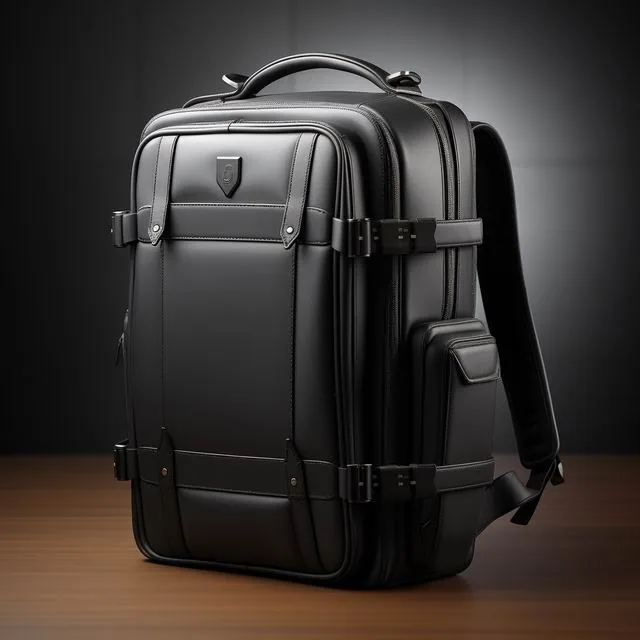
How Do You Carry Lunch and a Laptop Without Leaks?
Use a screw-top or bayonet container with a silicone gasket rated for liquids, double-bag anything wet inside a resealable 1-litre pouch, keep food in a separate compartment from electronics with at least one rigid layer between them, and carry bottles upright in a pocket with a retention strap. Add a 300 x 200 mm microfibre cloth as a barrier layer and you have removed essentially all the risk for about £14 of kit. The order matters as much as the containers: anything wet always goes low and outermost, never above or beside a device. Add one rule that covers everything else: if it can pour, treat it as though it already has, and give it its own sealed home before it goes anywhere near anything expensive or electrical. Build the check into the same moment you pick up your keys, because habits anchored to existing routines are the only ones that survive a rushed Tuesday morning with a train to catch.
Leaks happen for predictable reasons rather than bad luck. A 500 ml container that is not fully sealed releases around 20 ml per minute when tipped sideways, and a commute with fifteen minutes of walking, a train and a flight of stairs will tip it repeatedly. Screw threads loosen with thermal expansion too: a hot lunch packed at 75°C and carried into a 12°C street cools and contracts, and lids that were hand-tight at home can back off a quarter turn in transit.
The consequence is asymmetric. Twenty millilitres of tomato soup spreads across maybe 400 cm² inside a bag in under a minute, and any laptop in the same compartment absorbs damage averaging £900 in UK repair claims — against £14 for a proper container and pouch. That ratio alone justifies the routine, which is why every packing note in work backpack guidance treats food as a separate system rather than something to fit in wherever it will go.
Why Do So Many Work Bags End Up Soaked?
Container choice is the first culprit. Clip-lock lids without gaskets seal adequately for dry food but leak under pressure: a bag squeezed against a train seat back applies roughly 3 to 5 kPa to anything inside, which is enough to deform a thin lid and break the seal. Anything described as "leak resistant" rather than "leak proof" usually means it survives gentle tilting, not compression.
Position is the second. Liquids carried upright behave; liquids carried at an angle find their weakest point. A bottle lying horizontally in the main compartment puts its cap under sustained hydrostatic pressure of about 1.5 kPa for a 500 ml volume, which is how caps slowly weep rather than gush — the wettest, least obvious failure mode there is.
The third is temperature and altitude. A sealed container cooled from 75°C to 20°C develops internal negative pressure, drawing in whatever moisture surrounds it once opened, and on flights cabin pressure changes add further differential. Combined with a bag that has no separate compartment, these three factors explain almost every lunch-related insurance claim analysed in UK commuter work backpack research.
| Container type | Leak risk under compression | Weight | Best use |
|---|---|---|---|
| Screw-top jar with silicone gasket | Very low | 180 to 320 g | Soups, stews, curry |
| Bayonet-lock lunch box, 800 ml | Very low | 300 to 450 g | Salads with dressing |
| Clip-lock box without gasket | High | 150 to 250 g | Dry food only |
| Silicone fold-flat bowl, 700 ml | Low | 200 to 280 g | Pasta, rice dishes |
| Insulated flask, 500 ml | Very low | 350 to 500 g | Hot soup, coffee |
| Resealable pouch inside hard box | Very low | Adds 20 g | Secondary barrier for anything |
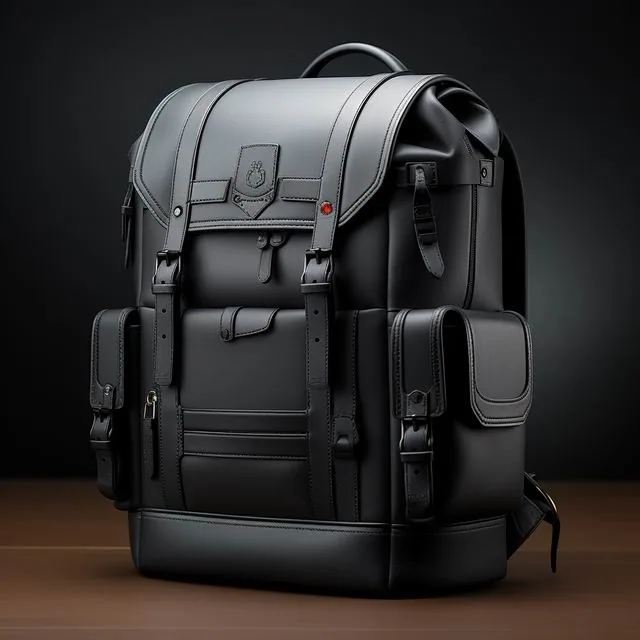
Which Containers Actually Hold Liquid?
Look for three things: a silicone gasket of at least 2 mm cross-section, a lid that locks by thread or bayonet rather than friction, and a body rigid enough not to deform under 5 kPa. A good 800 ml stainless lunch box costs £18 to £32 and lasts a decade; a glass jar with a proper lid costs £9 and works just as well for soups, though it adds 300 g against plastic.
Insulated flasks deserve specific credit. A 500 ml vacuum flask with a screw-sealed lid costs £16 to £38, holds soup above 60°C for around six hours, and is effectively leakproof because the lid uses a compression gasket rather than a thread. It is heavier at 350 to 500 g empty, but for anyone carrying hot food daily it is the most reliable option available.
Avoid three specific items. Thin takeaway tubs with friction lids, which deform under any compression. Anything with a vent plug that is not designed to be sealed, including some travel mugs whose sip ports weep steadily. And oversized containers: a 1.2-litre box that is half full sloshes violently, whereas a correctly sized 600 ml one barely moves, because liquid movement rather than leakage is what defeats weak seals. Match container volume to the meal closely, exactly as advised for commuter work backpacks.
How Should You Position Food Relative to Electronics?
Two rules cover everything: separate compartments and a barrier layer. Never put food in the same compartment as a laptop, even in a sealed box — dedicated lunch compartments or an external pocket are the only acceptable places. Where a bag has no separate space, wrap the container in a 300 x 200 mm microfibre cloth costing £5, which absorbs condensation and adds cushioning.
Vertical stacking matters too. Liquids go low and outer, electronics high and inner. Gravity works against anything placed above a device, and the outer face is where a bag is most likely to be compressed against seat backs, turnstiles and door frames. If your bag has side pockets, use them, and check that bottle pockets have retention straps: an unsecured 750 ml bottle falls out at roughly one in forty commutes.
Finally, never carry hot and cold wet items together. A flask at 75°C next to a chilled yoghurt creates condensation of several millilitres inside any shared bag, and that moisture then migrates. Keep them apart with clothing between, or preferably carry the cold item in an insulated pouch costing £7 with a 5 g ice pack. British commuters carry food and devices together daily, so separation is not optional for any UK work backpack.
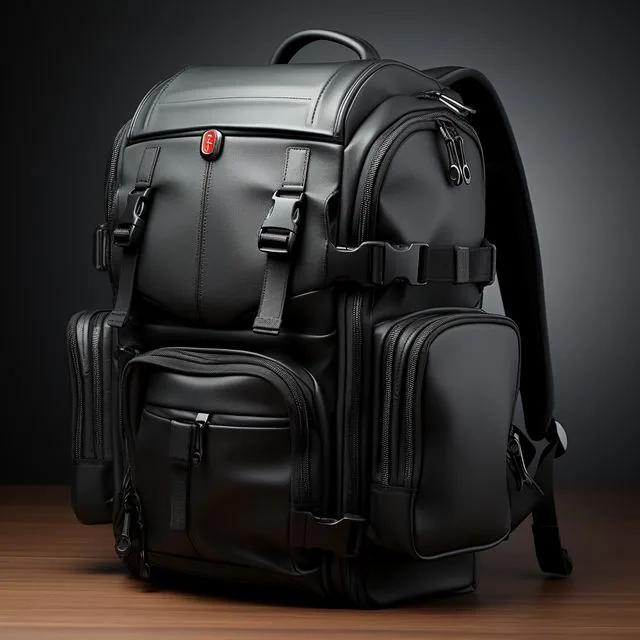
Which Foods Travel Best Without Making a Mess?
Choose solids over liquids wherever the choice exists. A pasta salad holds its dressing within the starch and survives being tipped sideways, whereas the same meal as soup releases everything through the weakest point of the lid. Rice dishes, grain bowls, wraps, tortilla-wrapped fillings and cold pasta all travel at least as well as hot food and none of them require a flask.
Where liquid meals are unavoidable — soup in a British winter genuinely is — reduce the risk by filling the container to at least 90%. Sloshing is what defeats seals: a 500 ml container half full moves perhaps 40 ml per stride against a seal, whereas a nearly full one barely moves at all. Cool food below 60°C before closing the lid, since steam pressure builds internally and pushes liquid out at the threads.
Finally, separate components until you eat. Dressing in a 60 ml pot, yoghurt in its own tub, fruit washed and dried rather than dripping: each item sealed independently means one failure costs you a side dish rather than the whole lunch. Keep a spare fork and a napkin folded inside the barrier cloth, and wipe the container's exterior before it goes anywhere near the bag, because condensation and drips on the outside cause more problems than the contents ever do. It is the same discipline applied across everyday work backpack use. Keep a spare fork and one cloth in the bag permanently, following the kit list in work backpack packing notes.
What Is the Best Way to Pack Drinks Safely?
Bottles need three checks before leaving home. First, the seal: any O-ring over six months old should be replaced at £3 for a pack of ten, because silicone compression set begins around then. Second, positive closure — screw caps should be tightened to roughly 1.5 N, which is firm finger pressure and no more, since overtightening stretches threads.
Third, orientation. Carry bottles upright in an external pocket with a retention strap, which reduces weeping to essentially zero for a properly sealed vessel. If your bag has no suitable pocket, use a bottle sleeve with a carabiner costing £6 that clips to a daisy chain, keeping it outside the main body entirely.
Reusable coffee cups cause more damage than bottles. Most have sip lids designed for drinking rather than sealing, and a 350 ml cup inverted in a bag releases its entire contents in about forty seconds. Buy a travel mug with a genuine screw-sealed lid at £18 to £28 if you commute with coffee, or accept that it must travel upright in your hand rather than inside a bag with electronics. Carafe-style bottles with wide mouths clean better, which is why they feature across work backpack accessories.
How Do You Deal With a Leak That Has Already Happened?
Act within minutes, not hours. Power down any affected device immediately — do not attempt to test it — remove it from the bag, disconnect everything and place it tented screen-down on a towel so liquid drains away from the keyboard and logic board. Every extra minute of powered operation roughly doubles the chance of corrosion spreading along traces.
Then deal with the bag. Empty everything, blot rather than rub the interior with absorbent cloth, and wash the affected compartment with pH-neutral cleaner at 5 g per litre within two hours, since sugars and acids in food damage coatings and linings surprisingly quickly. Rinse twice and dry flat for twenty-four hours with all zips open.
Consider the device honestly. Rice is a myth: it absorbs perhaps 5% of its weight in moisture and leaves dust behind. Professional ultrasonic cleaning costs £60 to £140 and succeeds in roughly 70% of liquid-damage cases if done within forty-eight hours. Anything sugary or acidic — soup, coffee with milk, orange juice — needs that professional treatment, because residues continue corroding long after drying, a point noted throughout work backpack maintenance. Photograph the damage before cleaning, since UK insurers usually require dated evidence with any claim.
How Do You Carry Lunch Safely on a Bike or Long Walk?
Cycling changes the rules because vibration is relentless. A bottle in a cage is fine; a bottle inside a bag on rough British tarmac receives thousands of small impacts per mile, each one testing the seal. Use containers with locking lids rather than friction ones, keep liquids in an external pocket where any leak drains outward, and put a rigid panel between the food compartment and anything electronic.
Walking long distances introduces sway instead. Every stride swings the load, and a bag carried for thirty minutes accumulates perhaps 2,400 swinging cycles, which is how caps work loose. Tighten side compression straps over the food compartment so nothing can move, and choose a smaller container that is packed nearly full rather than a large one half empty, since sloshing multiplies as volume drops.
Either way, add a barrier cloth and check it weekly, since a cloth that has absorbed condensation stops protecting anything. Cyclists should also consider a rack or pannier for food entirely: 2 kg carried on the bike rather than the back transforms comfort, and a £45 rack costs less than one insurance claim. Both approaches are documented in the route notes for cycling commuter work backpacks.
What Routine Prevents Leaks Entirely?
Build a five-second check into leaving the house. Lid seated and locked, container upright in its compartment, cloth barrier in place, bottle cap tight, nothing above the laptop. Say it out loud for a fortnight and it becomes automatic; skip it and the one day you rush is the day you lose a laptop.
Maintain the kit quarterly. Replace silicone gaskets every six months at around £3 for ten, check for hairline cracks in plastic lids, and retire any container whose lid no longer seats with a firm click. Wash seals by hand rather than in a dishwasher at 65°C, which accelerates compression set by a noticeable margin over a year of daily cycles.
Finally, choose a bag that makes separation easy rather than merely possible. Look for a distinct base or side compartment of at least 250 x 150 mm, a wipe-clean lining rather than absorbent fabric, and drainage grommets if the manufacturer bothered. These cost nothing extra at the point of purchase and remove the daily decision entirely, which is why the specification sheets in work backpack reviews flag them as standard.
What Should Bulk Buyers Specify About Food Separation?
Specify an isolated compartment rather than a pocket. Require a welded or TPU-lined section of at least 250 x 150 mm, physically separated from any device sleeve by a rigid panel, with wipe-clean lining and a smooth interior that cannot trap crumbs. Add drainage grommets at the base so spills can escape rather than pooling, and specify a fabric that tolerates a 1:10 vinegar wipe.
Then agree commercial terms in writing before tooling. Our standard position is MOQ 500 pcs per colourway, sampling in 6-10 working days including a spill test with 200 ml of dyed water, bulk production 35-50 days, and pre-shipment inspection to AQL 2.5 (ISO 2859-1) using the tables published by ISO 2859-1. Fabric colour fastness against food acids should additionally be verified against the AATCC test methods, because curry and tomato staining generate disproportionate complaints.
Finish with the accessories that make it work. Bundle a £5 microfibre barrier cloth and a resealable 1-litre pouch with every unit, print a one-line reminder about lid checks inside the compartment, and ensure spare gaskets are available for eighteen months afterwards. Our 4,950 m² SGS-verified production floor runs the spill test on every new tooling rather than per batch, and our vetted partner facilities hold matching cloth stock for corporate reordering through bulk work backpack supply.
Frequently Asked Questions
How do I stop my lunch leaking onto my laptop?
Use a screw-top or bayonet container with a silicone gasket at least 2 mm thick, double-bag it in a resealable 1-litre pouch, and keep it in a separate compartment at the outside of the bag. Wrap it in a 300 x 200 mm microfibre cloth as a barrier and never place food above a device. Check the lid seal every morning before leaving the house, without exception.
Which lunch container is genuinely leakproof for soup?
A 500 ml vacuum flask with a compression-gasket lid, costing £16 to £38, is the most reliable option and holds soup above 60°C for about six hours. Screw-top jars with silicone gaskets at £9 also work well. Avoid clip-lock boxes without gaskets, which deform under 3 to 5 kPa of pressure. Stainless containers at £18 to £32 typically last around ten years.
Can I put a water bottle in the same compartment as a laptop?
No, never. A 500 ml bottle lying horizontally puts roughly 1.5 kPa of hydrostatic pressure on its cap, which is how caps slowly weep rather than gush. Carry bottles upright in an external pocket with a retention strap, or use a sleeve that clips to the outside of the bag. Unsecured bottles fall out roughly once in every 40 commutes.
How much damage can a leaking container really cause?
Around £900 on average in UK repair claims. Just 20 ml of liquid spreads across roughly 400 cm² inside a bag within a minute, and sugary or acidic residues keep corroding after drying. Against that, a proper container plus pouch and cloth costs about £14, which makes the ratio impossible to argue with. Insurance excesses on UK policies usually start near £75 per claim.
What should I do immediately if a drink leaks in my bag?
Power the device down at once, remove it, disconnect everything and stand it tented screen-down on a towel so liquid drains away from the logic board. Then wash the bag compartment with pH-neutral cleaner at 5 g per litre within two hours and dry flat for twenty-four hours with zips open. Every extra minute powered on doubles the corrosion risk considerably.
What should I do with a wet laptop instead of using rice?
No. Rice absorbs only about 5% of its weight in moisture and leaves dust behind, while corrosion continues regardless. Professional ultrasonic cleaning at £60 to £140 succeeds in roughly 70% of cases if started within forty-eight hours, and is essential for anything containing sugar, milk or acid. Ultrasonic cleaning succeeds in about 70% of cases inside 48 hours. Corrosion from sugary liquids continues for weeks after drying finishes.
How often should lunch container seals be replaced at home?
Every six months. Silicone O-rings develop compression set noticeably after about that period of daily use, which slowly reduces sealing force. A pack of ten replacements costs around £3. Wash seals by hand too, since dishwasher cycles at 65°C accelerate compression set over a year of daily washing. Silicone rings cost about £3 for ten and take seconds to fit.
Should hot and cold food be packed together?
No, keep them apart. A flask at 75°C beside a chilled yoghurt condenses several millilitres of water inside any shared space, and that moisture migrates into electronics. Separate them with clothing, or use an insulated pouch costing £7 with a 5 g ice pack for anything cold. Insulated pouches cost around £7 and weigh almost nothing extra. Separate compartments stop condensation reaching paper and electronics entirely.
Can travel coffee cups be carried safely inside a bag?
Usually not. Most sip lids are designed for drinking rather than sealing, and a 350 ml cup inverted releases everything in roughly forty seconds. Buy a travel mug with a genuine screw-sealed lid at £18 to £28, or carry the cup upright in your hand rather than inside a bag with electronics. Screw-sealed travel mugs cost between £18 and £28 in the UK.
What size lunch compartment should a work backpack have?
At least 250 x 150 mm, physically separated from any device sleeve by a rigid panel, with wipe-clean lining and drainage grommets at the base. The separation matters more than the size: a large compartment that shares space with electronics offers no protection whatsoever. Drainage grommets let spills escape rather than pooling in the base. Look for smooth welded linings that cannot trap crumbs anywhere.
What causes a sealed container to leak during a commute?
Thermal contraction and compression. A hot lunch packed at 75°C cools and contracts on the way, backing a hand-tight lid off by perhaps a quarter turn, while a bag squeezed against a train seat applies 3 to 5 kPa. Both break a seal that seemed sound in the kitchen. Fill containers to at least 90% so liquid cannot slosh freely.
Is double-bagging food inside a work bag necessary?
Yes, and it costs almost nothing. A resealable 1-litre pouch weighing 20 g catches the slow weep that no hard container fully prevents once seals age, and it keeps condensation off everything else in the bag. Replace pouches monthly, since repeated sealing wears the closure. Pouches weigh 20 g and cost pennies compared with any repair bill. Pouches weigh 20 g and cost pennies next to a repair bill.
What should bulk buyers require for food-safe work backpacks?
Demand a welded or TPU-lined compartment of at least 250 x 150 mm, separated from device sleeves by a rigid panel, with wipe-clean lining and drainage grommets. Insist on a 200 ml dyed-water spill test per tooling. Terms are MOQ 500 pcs, sampling in 6-10 working days, AQL 2.5 inspection. Spill tests use 200 ml of dyed water on every new tooling.
How can I tell whether a container is genuinely leakproof?
Fill it with water, seal it, lay it flat on kitchen paper for thirty minutes with a 2 kg weight on top and check for dampness. That reproduces roughly 5 kPa of bag compression. Any container that weeps under that test will eventually weep inside a crowded commuter train. Leave it lying flat for 30 minutes under a 2 kg weight.
Get a Free Quote for Custom How to Carry Lunch and a Laptop Without Leaks
Planning a branded programme? Our production team works to MOQ 500 pcs, 6-10 working day sampling and 35-50 day bulk lead times, with AQL 2.5 inspection to ISO 2859-1. Send your brief and we will return a costed quotation in 24-48 hours.
Mens Backpack Guide Editorial Team — Buying guides and sourcing notes for the UK men's backpack market, coordinated by QUANZHOU JUNYUAN BAGS. Commercial figures such as MOQ 500 pcs, 6-10 day sampling and 35-50 day production reflect published programme terms.