Table of Contents
- Understanding Nylon as a Backpack Material
- Hand Washing Your Nylon Backpack
- Machine Washing Your Nylon Backpack
- Preserving Your DWR Coating
- Protecting Zippers and Straps During Washing
- Common Mistakes That Damage Nylon
- Re-Waterproofing After Washing
- Do's and Don'ts Quick Reference
- Frequently Asked Questions
Nylon is the most popular material in backpack manufacturing for good reason. It is lightweight, incredibly strong relative to its weight, resistant to abrasion and mildew, and accepts waterproof coatings beautifully. From sleek commuter backpacks to rugged hiking rucksacks, nylon dominates the market. But even the toughest nylon backpack needs regular washing, and doing it wrong is the fastest way to ruin a perfectly good bag.
The challenge with washing nylon is not that the fabric itself is fragile. In many ways, nylon is remarkably durable. The challenge lies in the treatments and components that accompany the fabric. DWR waterproof coatings, seam tape adhesives, foam padding, plastic buckles, and metal zippers all react differently to water, detergents, and agitation. A washing method that cleans the nylon perfectly can simultaneously destroy the water resistance, stiffen the zippers, and dissolve the adhesive bonding your shoulder straps. This guide shows you exactly how to wash a nylon backpack without any of those outcomes.
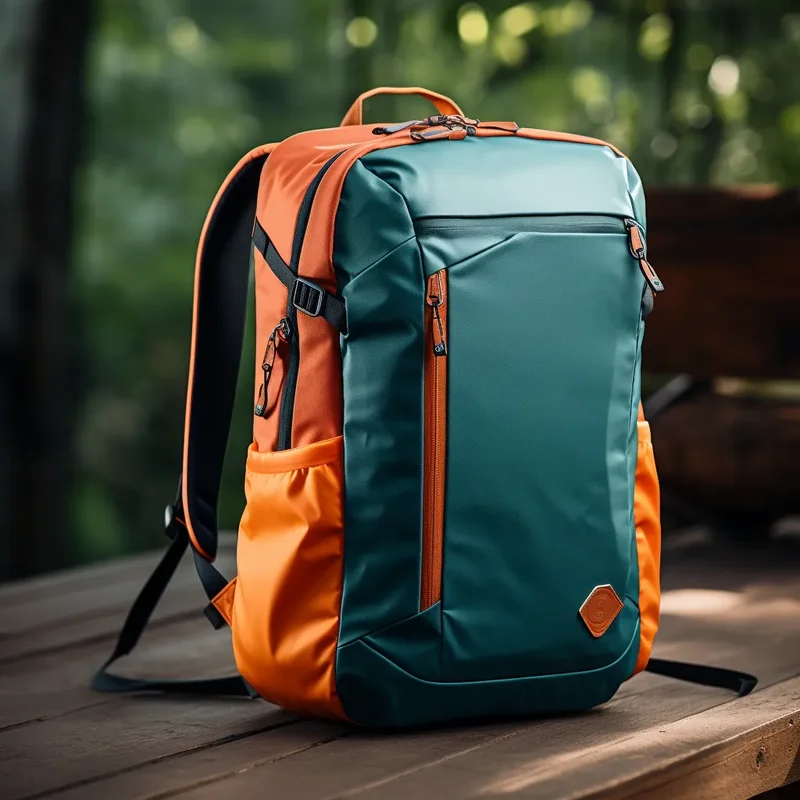
Understanding Nylon as a Backpack Material
Before diving into washing techniques, it helps to understand what you are working with. Nylon is a synthetic polymer that was first developed in the 1930s as a replacement for silk. In backpack construction, it is woven into fabric at various denier counts, which indicate the thickness of individual threads. A 210D nylon is lightweight and smooth, typical of packable daypacks. A 420D nylon offers a good balance of weight and durability for daily commuter bags. A 1000D nylon, often branded as Cordura, is extremely tough and used for tactical and heavy-duty backpacks.
The nylon fabric itself can handle water and mild detergents without issue. Where problems arise is in the secondary treatments applied to the fabric. Most quality nylon backpacks feature a DWR coating on the exterior that causes water to bead up and roll off. Many also have a polyurethane or PVC coating on the interior for additional waterproofing. These coatings are chemically different from the nylon and require gentler treatment.
Ripstop nylon, recognisable by its distinctive grid pattern of thicker reinforcement threads, is common in hiking and travel backpacks. The ripstop weave does not change the washing requirements, but the coatings applied to ripstop fabrics often demand more careful cleaning to maintain their technical performance.
Hand Washing Your Nylon Backpack: Step by Step
Hand washing is the safest and most recommended method for cleaning nylon backpacks. It gives you complete control over the pressure applied, allows you to focus on specific dirty areas, and eliminates the risk of machine agitation damaging components. Here is the complete process.
- Empty and prepare the backpack. Remove every item from all compartments. Shake out loose debris over a bin. Unbuckle all straps and adjust them to their maximum length so you can access the padding fully. Turn pockets inside out where the fabric allows.
- Vacuum the interior. Use the brush attachment on your vacuum cleaner to extract sand, crumbs, dust, and grit from every corner. This is critical because embedded grit can abrade the nylon during hand washing if you scrub over it, creating micro-damage that weakens fibres over time.
- Fill a basin or bathtub with lukewarm water. The water should feel comfortably warm to the touch, around 25 to 30 degrees Celsius. Add a small amount of technical fabric cleaner or mild liquid detergent. Avoid powdered detergents, which can leave residue in seams and stitching.
- Submerge the backpack and gently agitate. Press the backpack down into the water and squeeze it gently to allow the soapy water to penetrate all layers of fabric and padding. Do not twist or wring the bag. Let it soak for fifteen to twenty minutes to loosen dirt and oils.
- Scrub gently with a soft brush. Use a soft-bristled brush or clean sponge to work on heavily soiled areas. Focus on the bottom panel, shoulder straps, back panel, and any visible stains. Use gentle circular motions. For zipper tracks, a clean toothbrush works perfectly to dislodge accumulated grime.
- Rinse thoroughly with clean cool water. Drain the soapy water and refill with clean, cool water. Submerge and agitate the backpack to release all soap residue. Repeat this process two to three times until the rinse water runs completely clear and no suds appear when you squeeze the fabric. Soap residue attracts dirt and can cause skin irritation against your back and shoulders.
- Remove excess water gently. Press the backpack against the side of the basin to squeeze out water without wringing. You can also roll it in a clean, absorbent towel to draw out excess moisture. Do not twist or stretch the fabric.

Machine Washing Your Nylon Backpack
While hand washing is always safest, machine washing can be effective for nylon backpacks that do not have leather trim, internal frames, or specialised waterproof membranes. If your backpack is a simple nylon daypack or commuter bag, machine washing is a time-saving option.
Machine Washing Requirements
- Temperature: Cold water only, 30 degrees Celsius or below. Never use warm or hot water.
- Cycle: Delicate or hand-wash cycle only. These cycles use minimal agitation and slow spin speeds.
- Detergent: Mild liquid detergent or technical fabric cleaner. Use half the normal amount you would use for a regular laundry load. Never use bleach or fabric softener.
- Protection: Place the backpack inside a mesh laundry bag or a zipped pillowcase. This prevents straps from tangling in the machine's agitator and protects the backpack from abrasion against the drum.
- Load: Wash the backpack alone. Do not add towels or clothing. The backpack is heavy when wet and can damage lighter items, while other items can create excess friction against the nylon.
Machine Washing Steps
- Empty the backpack completely and vacuum the interior.
- Close all zippers and fasten all buckles to prevent snagging.
- Place the backpack inside the protective bag or pillowcase.
- Add the recommended amount of mild detergent to the machine.
- Set the machine to the delicate cycle with cold water.
- Disable the spin cycle or set it to the lowest speed possible.
- Run the wash cycle and remove the backpack immediately when it completes.
- Proceed to air-drying without delay.
Preserving Your DWR Coating During Washing
The DWR (Durable Water Repellent) coating on your nylon backpack is what makes water bead up and roll off the surface instead of soaking into the fabric. It is a thin fluoropolymer or silicone-based treatment applied to the exterior fibres. Understanding how washing affects DWR helps you maintain water resistance over the life of your backpack.
How Washing Degrades DWR
Standard laundry detergents contain surfactants designed to break down oils and grease. Unfortunately, these same surfactants also break down the DWR coating with each wash. The more you wash with standard detergent, the thinner the DWR layer becomes until water stops beading and starts soaking in. Dirt and body oils also coat the DWR layer, blocking its ability to repel water. This is why a dirty backpack often appears to have lost its water resistance, when actually the DWR is just buried under grime.
How to Protect DWR When Washing
- Use a technical cleaner: Products like Nikwax Tech Wash or Grangers Performance Wash are specifically formulated to clean technical fabrics without stripping DWR. They clean effectively while leaving the water-repellent coating intact.
- Wash less frequently: Only wash when necessary. Between washes, wipe the exterior with a damp cloth and spot-clean stains to maintain appearance without affecting the DWR.
- Use cold water: Heat accelerates the breakdown of DWR coatings. Cold water preserves the coating longer.
- Avoid fabric softener completely: Fabric softener leaves a residue that blocks the DWR and makes the fabric hydrophilic (water-attracting) instead of hydrophobic (water-repelling).
- Reapply DWR after washing: Even with the best care, washing gradually reduces DWR effectiveness. After every two to three washes, reapply a DWR spray treatment to restore water resistance.
Protecting Zippers and Straps During Washing
Zippers and padded straps are often the first components to show wear after repeated washing. Taking a few extra steps during the cleaning process preserves their function and comfort.
Zipper Care During Washing
Close all zippers before washing. Open zippers are more vulnerable to snagging on fabric, other components, or the washing machine drum. The small teeth of nylon coil zippers can bend or break if caught. After washing and drying, apply a silicone-based zipper lubricant to restore smooth operation. Run the lubricant along the full length of each zipper track and zip back and forth several times to distribute it evenly. Avoid petroleum-based lubricants like Vaseline, which can stain nylon and attract dirt.
Strap and Padding Care
The foam padding in shoulder straps and hip belts absorbs sweat, body oils, and moisture during use. This padding needs thorough cleaning, but it also needs thorough drying. Inadequate drying of padding creates a breeding ground for mould and bacteria inside the strap where you cannot see or reach it. After washing, squeeze the padding gently to remove water. Do not wring. Hang the backpack in a well-ventilated area with airflow directed at the straps. Consider using a fan pointed at the straps to accelerate drying. Allow a full forty-eight hours for padding to dry completely.
Common Mistakes That Damage Nylon Backpacks
Even well-intentioned cleaning can go wrong. These are the most common mistakes people make when washing nylon backpacks, and why you should avoid them.
| Mistake | Why It Damages Nylon | What to Do Instead |
|---|---|---|
| Using hot water | Weakens nylon fibres, melts waterproof coatings, dissolves seam adhesives | Use cold or lukewarm water below 30 degrees C |
| Using bleach | Breaks down nylon polymer chains, causes yellowing, destroys DWR | Use oxygen-based stain removers for tough stains |
| Using fabric softener | Coats fibres with residue that blocks DWR and attracts dirt | Skip fabric softener entirely; use technical cleaners |
| Wringing or twisting the bag | Stretches and deforms fabric, damages internal coatings, strains seams | Press gently to remove water or roll in a towel |
| Tumble drying | Heat melts coatings, warps frames, shrinks fabric, damages zippers | Air-dry in a ventilated area away from heat sources |
| Washing with heavy items | Friction from jeans or towels abrades the nylon surface | Wash the backpack alone in a protective bag |
| Using a stiff brush | Abrades the DWR coating and can fray nylon fibres | Use a soft-bristled brush or sponge only |
| Drying in direct sunlight | UV degrades nylon fibres over time and fades colours | Dry in shade with good airflow |
| Not rinsing thoroughly | Soap residue attracts dirt, causes skin irritation, degrades coatings | Rinse until water runs completely clear, multiple times |
| Storing while damp | Causes mould, mildew, permanent musty odours, and fabric staining | Ensure complete dryness before storage, allow 24-48 hours |
Re-Waterproofing Your Nylon Backpack After Washing
After washing, your nylon backpack may need its water resistance restored. If water no longer beads up on the surface and instead soaks into the fabric, it is time to reapply a DWR treatment.
When to Re-Waterproof
As a general rule, reapply DWR after every two to three washes, or whenever you notice the fabric wetting out instead of beading. You can test the current DWR status by sprinkling a few drops of water on the clean, dry exterior. If the drops form tight beads that roll off, the DWR is still functioning. If the water spreads out and soaks into the fabric, the DWR has worn away and needs refreshing.
How to Reapply DWR
- Ensure the backpack is completely clean and dry before applying any treatment.
- Choose a DWR spray product suitable for nylon. Nikwax TX.Direct, Grangers XT Repel, and Gear Aid Revivex DWR are all excellent options available in the UK.
- Lay the backpack flat or hang it in a well-ventilated area. Work outdoors or near an open window.
- Shake the can thoroughly and apply an even coat from approximately fifteen centimetres distance.
- Focus on high-wear areas like the bottom panel, shoulder straps, and the front face of the bag where abrasion is greatest.
- Allow the treatment to dry according to the product instructions, typically fifteen to thirty minutes.
- Apply a second light coat for maximum protection.
- Allow the backpack to cure for twenty-four hours before use or exposure to rain.
Do's and Don'ts Quick Reference
Do
- Hand wash whenever possible
- Use cold or lukewarm water only
- Choose technical fabric cleaners
- Close all zippers before washing
- Use a mesh laundry bag for machine wash
- Rinse until water runs completely clear
- Air-dry in shade with good ventilation
- Reapply DWR after every 2-3 washes
- Lubricate zippers after drying
- Spot-clean between full washes
Don't
- Use hot water above 30 degrees
- Use bleach or harsh chemicals
- Use fabric softener of any kind
- Wring or twist the backpack
- Put it in a tumble dryer
- Use stiff or wire brushes
- Dry in direct sunlight
- Store the backpack while damp
- Wash with heavy laundry items
- Over-wash unnecessarily
Complete Your Backpack Care Knowledge
Nylon cleaning is just one piece of the puzzle. Explore our comprehensive care guides to maintain every aspect of your backpack.
Frequently Asked Questions
Can I machine wash my nylon backpack?
Yes, most plain nylon backpacks without leather trim or internal frames can be machine-washed on a gentle cycle with cold water. Place the bag inside a pillowcase or mesh laundry bag, use mild detergent, and skip the spin cycle.
Does washing a nylon backpack remove the DWR coating?
Repeated washing with standard detergents can gradually degrade the DWR coating. Use a technical cleaner and reapply DWR spray after every two to three washes.
What temperature water should I use to wash nylon?
Always use cold to lukewarm water, ideally below 30 degrees Celsius. Hot water can weaken nylon fibres and melt adhesive bonds on waterproof coatings.
How do I dry a nylon backpack after washing?
Air-dry by hanging the backpack upside down in a well-ventilated area out of direct sunlight. Open all compartments and zippers to promote airflow. Never use a tumble dryer.
Why do the zippers feel stiff after washing?
Washing removes factory lubrication from zipper teeth. After drying, apply a silicone-based zipper lubricant or graphite pencil to restore smooth operation.
Can I use bleach on my white nylon backpack?
No. Chlorine bleach degrades nylon fibres and can cause yellowing. Use an oxygen-based whitening agent instead.
How often should I wash my nylon backpack?
For daily use, wash every two to four weeks. For hiking or travel, wash after each trip. Overwashing can degrade coatings, so clean only when necessary.