Table of Contents
- Hiking Backpack vs Travel Backpack for Europe: The Direct Answer
- Key Differences at a Glance
- Capacity, Dimensions and Packing Efficiency
- Comfort, Weight and Carry Dynamics
- Materials, Weather Resistance and Durability
- Access, Organisation and Security
- UK Price, Value and Cost per Use
- Which Works Better in Real British Scenarios?
- Testing Standards and Bulk Custom Orders
- Common Buying Mistakes to Avoid
- Final Verdict: Who Should Choose Each?
- Frequently Asked Questions
Hiking Backpack vs Travel Backpack for Europe: The Direct Answer
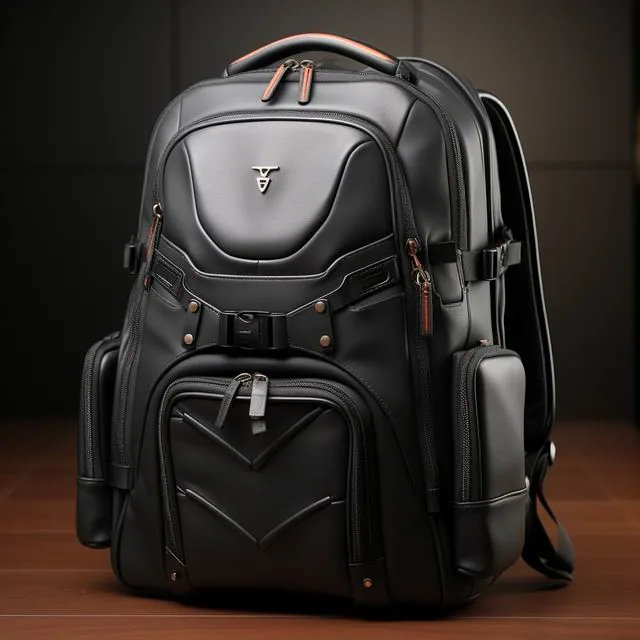
A hiking backpack is better for long walking transfers, uneven routes and load ventilation; a travel backpack wins on airline packing, hostel organisation and cleaner city styling. For most UK buyers comparing these formats for multi-stop European trips from the UK, the decision is not about an absolute winner but about load shape, access frequency and the distance carried. Our reference hiking backpack provides 38 L at 1.42 kg and measures 62 x 32 x 24 cm, while the comparable travel backpack provides 40 L at 1.55 kg and measures 55 x 36 x 23 cm. That difference becomes obvious after a 35-minute walk, on a crowded British train and when the bag is placed beneath a desk. Price also changes the calculation: representative UK costs are £132 and £138, so value must be judged over at least 240 journeys rather than at checkout. Choose the first option when its strongest advantage matches most of your week; choose the second when access or packing behaviour matters more than headline capacity.
The useful way to read this hiking backpack versus travel backpack comparison is to start with a real weekly pattern. A commuter carrying a 14-inch laptop, 750 ml bottle, lunch box and light shell usually packs between 5.2 and 6.8 kg. A traveller adds 2.4 kg of clothing, while a gym user adds shoes measuring about 31 x 12 x 10 cm. Lay those items out before buying, then compare the opening, base and harness rather than assuming the larger-looking option has more usable space. Our main backpack guide keeps those practical measurements beside the product categories they affect.
The comparison also changes with journey length. Over 800 m, almost any competent hiking backpack or travel backpack feels acceptable; over 4 km, strap geometry, empty weight and load movement dominate. On a typical UK working day involving two rail platforms, 18 minutes of walking and one flight of 24 stairs, an extra 400 g is noticeable but may be justified by safer organisation. Test the exact routine rather than choosing from a single capacity figure, and reserve at least 2 L for a British rain layer between October and March.
Our short verdict therefore has three filters. Pick a hiking backpack if you repeatedly need long walking transfers, uneven routes and load ventilation. Pick a travel backpack if your priority is airline packing, hostel organisation and cleaner city styling. If both needs occur twice a week, choose by the harder failure: poor comfort is harder to fix than imperfect organisation, while inadequate weather sealing is harder to fix than 3 L of missing capacity. More fit and use guidance appears on the relevant pillar page, including UK-specific size and price ranges.
Key Differences at a Glance
The figures below compare representative products rather than optimistic category claims. Capacity is measured with 20 mm blocks, dimensions are taken with the bag naturally packed, and weight includes standard straps but no removable rain cover. For hiking backpack versus travel backpack, those controls matter because a quoted 30 L can yield only 26 L once thick padding and curved corners are deducted. A 4 L paper advantage is meaningless if the required laptop or shoes will not pass through the opening.
| Comparison point | Hiking Backpack | Travel Backpack | Why it matters in the UK |
|---|---|---|---|
| Usable capacity | 38 L | 40 L | Allow 2 L for a rain layer |
| Empty weight | 1.42 kg | 1.55 kg | Important on stairs and rail changes |
| Reference dimensions | 62 x 32 x 24 cm | 55 x 36 x 23 cm | Check train racks and airline gauges |
| Typical UK price | £132 | £138 | Compare cost over 240 uses |
| Comfort test load | 9 kg | 8 kg | Walk at least 800 m before deciding |
| Rain exposure target | 2120 mm | 1805 mm | Persistent drizzle finds open seams |
| Best advantage | long walking transfers, uneven routes and load ventilation | airline packing, hostel organisation and cleaner city styling | Match the harder weekly task |
Read the table horizontally rather than treating one column as a scorecard. The hiking backpack has a reference price of £132, while the travel backpack sits at £138; neither is automatically better value. Divide the purchase price by 240 working days, add a realistic repair allowance of £12 to £25, then consider whether a failed zip would interrupt a trip or only inconvenience one commute. That produces a much fairer British cost-per-use figure than comparing shelf prices alone.
Small specification differences matter in use. A 15 mm wider strap can spread pressure across roughly 2,400 mm² more shoulder area, a base raised 30 mm can keep seams away from puddles, and a 10 mm suspended laptop gap can prevent a corner strike. These details are included in our backpack comparison hub, where hiking backpack versus travel backpack can be judged against related sizes and carry systems instead of in isolation.
Capacity, Dimensions and Packing Efficiency
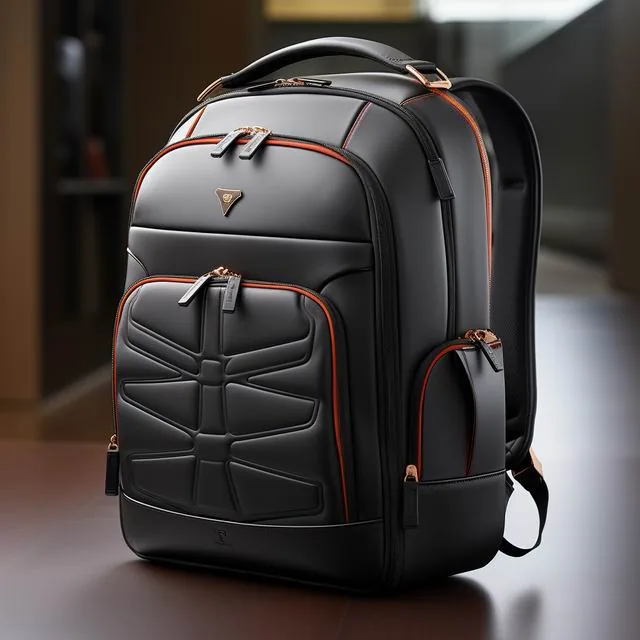
Nominal litres do not describe packing efficiency. The hiking backpack is listed at 38 L within 62 x 32 x 24 cm; the travel backpack is listed at 40 L within 55 x 36 x 23 cm. Square walls, a long zip and a pale lining often make a smaller bag feel more useful than a rounded design with thick dividers. For hiking backpack versus travel backpack, build a test load from a 36 x 25 x 2 cm laptop, a 24 x 18 x 7 cm lunch box, a 750 ml bottle and a rolled 2 L shell, then check whether every item remains reachable.
Opening geometry is as important as internal volume. A 420 mm panel opening exposes folded clothing without unloading the top half, whereas a 260 mm mouth can be safer in a crowded station because less content is visible. T Before deciding how exposed the main opening should be, it helps to read the current foreign travel advice published on GOV.UK, which flags pickpocket hotspots by city and region.he practical threshold is access time: if an item is used more than 4 times a day, it should be reachable within 8 seconds and without placing the bag on the floor. That principle favours different sides of the hiking backpack versus travel backpack decision depending on your routine.
Overpacking changes both options. Filling beyond about 90% of measured capacity bows the back panel, places diagonal force across the zip and reduces the air gap behind the shoulders. Leave 10% spare for groceries or a damp layer and keep dense items within 60 mm of the spine. In a hiking backpack, that may mean one large central cube; in a travel backpack, it may mean two smaller pouches so the intended structure still closes without force.
Measure at home before ordering. Tape a rectangle of 62 x 32 x 24 cm on a table for the first option and 55 x 36 x 23 cm for the second, stack the real kit inside those limits and weigh it. If the load exceeds 7 kg, prioritise a sternum strap and a frame sheet even when the smaller format looks cleaner. Our capacity and sizing guide explains how advertised litres translate into practical British commuting, school, work and travel loads.
Comfort, Weight and Carry Dynamics
Comfort begins with load path rather than padding thickness. The reference hiking backpack weighs 1.42 kg; the travel backpack weighs 1.55 kg. Add a 6 kg load and walk 1.6 km: the better option keeps the centre of mass close, limits side movement to roughly 25 mm and avoids a pressure ridge at the neck. Soft foam can feel luxurious for 5 minutes yet collapse after 45 minutes, so judge shape, width and anchor position before squeezing the strap in a shop.
Shoulder contact should be broad and continuous. For a 7 kg daily load, look for straps at least 65 mm wide with 8 to 12 mm of resilient foam; above 10 kg, add a functional hip belt around 45 to 70 mm wide. T Strap webbing is the component actually under tension here, and ISO 13934-1 is the test that quantifies its tear strength, which matters far more than the width quoted in a specification table.he relevance to hiking backpack versus travel backpack is simple: the option designed around a lighter load may never have enough structure for the heavier task, even if its headline capacity suggests that everything physically fits.
Ventilation has a trade-off. A 15 mm air channel can reduce shirt contact on a humid 22°C platform, but it moves the load farther from the spine and can make 8 kg feel less stable. Mesh also retains grit and may abrade a wool coat. British users alternating between rain shells, office jackets and summer shirts should favour a smooth lumbar zone with raised channels only where they do not catch clothing. The best choice depends on whether long walking transfers, uneven routes and load ventilation or airline packing, hostel organisation and cleaner city styling dominates.
Fit must be tested in motion. Load the candidate to 80% of intended weight, climb 24 stairs, turn quickly through a doorway and stand for 12 minutes. Check that the top remains below the base of the neck, the lower edge does not strike the belt line and no strap creeps more than 10 mm. More structured fit checks for hiking backpack versus travel backpack are set out on the men’s backpack fit page, with separate advice for commuting and longer UK journeys.
Materials, Weather Resistance and Durability
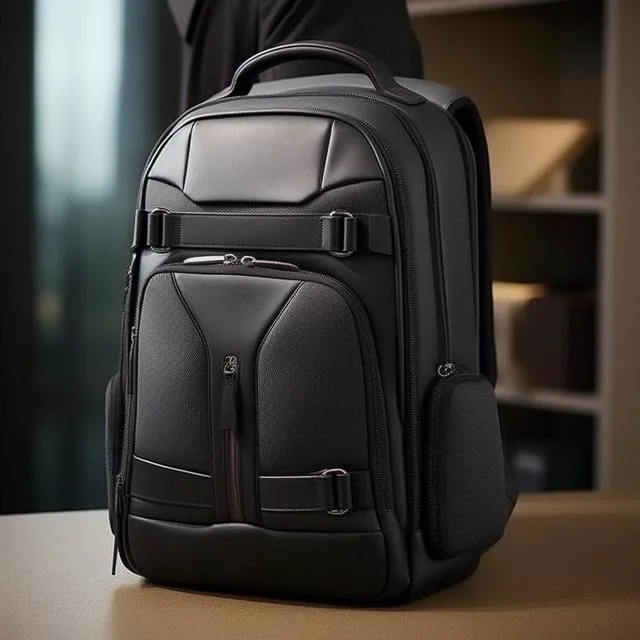
Durability depends on the complete material system, not the largest denier printed on a label. A 600D body with a 900D base and bound internal seams can outlast a nominally tougher shell whose zip tape and strap roots are weak. In our hiking backpack versus travel backpack reference, inspect at least 8 bar-tacks, a base wrap of 25 to 60 mm and stitching around 7 to 9 stitches per 25 mm. Those numbers reveal more about service life than a vague claim such as heavy duty.
Water resistance should be matched to exposure. For a 35-minute British commute, a hydrostatic-head target around 2235 mm with covered zips is normally enough; for open-deck travel or hill use, taped seams and a 3650 mm target are safer. Laboratory principles can be checked through ISO, while abrasion and coating references are available through ASTM. Numbers do not guarantee dry contents when the opening is badly designed.
UV, cold and repeated flexing separate the two options over time. A bag left beside a south-facing window may receive 500 hours of strong light in a year, while a winter rail commute can bend coated fabric below 5°C hundreds of times. Check whether white stress marks appear after 20 folds, whether the coating feels tacky near 40°C and whether colour shifts after a damp cloth test. These checks are particularly useful for hiking backpack versus travel backpack, where the visible surface often drives the buying decision.
Care affects lifespan as much as specification in the hiking backpack versus travel backpack decision. Brush grit from the zip every 2 weeks, wipe salt or mud with water below 30°C, dry the bag open for 24 hours and avoid a tumble dryer above 60°C. A £9 zip lubricant and a £14 reproofing treatment can add a full season to a regularly used bag. The material and care guide links these routines to the exact materials used in each category and to typical UK weather exposure.
Access, Organisation and Security
Organisation should reduce decisions, not create empty pockets. Count the items used daily: most men carry 8 to 14 objects but need only 4 dedicated zones—device, documents, liquids and quick access. Every extra divider costs roughly 20 to 60 g and steals depth. In the hiking backpack versus travel backpack comparison, ask whether the organisation supports the actual load or merely looks impressive in photographs. A simple shell plus two pouches can outperform twelve narrow pockets that fit none of your chargers.
Security within the hiking backpack versus travel backpack decision starts with behaviour. A phone pocket reached in 3 seconds is useful but also easy for another person to reach on a crowded platform. Place passports and wallets behind at least one closed barrier, keep a 16-inch laptop zip away from the body-facing edge, and avoid dangling pullers longer than 50 mm. For British city travel, a locking slider may add confidence, yet a quiet hidden opening can be more practical if the bag is opened 20 times a day.
Laptop protection needs measurable clearance. A sleeve should suspend the device 10 to 25 mm above the base, provide at least 6 mm of closed-cell foam and stop a 360 x 250 mm computer moving laterally more than 15 mm. If hiking backpack lacks that structure, use a separate 280 g sleeve; if travel backpack includes it, check that the padding does not consume 3 L of space needed for clothes or gym kit.
Access is best tested under pressure. Stand in a narrow 600 mm space, keep one hand on a rail and retrieve keys, a travel card and a 500 ml bottle with the other. Time each attempt and repeat it 5 times. An 8-second average is good; more than 20 seconds means the layout fights the use case. Our organisation and security guide shows how hiking backpack versus travel backpack layouts behave in offices, schools, airports and UK public transport.
UK Price, Value and Cost per Use
British prices for hiking backpack versus travel backpack vary more by hardware and finish than by raw fabric. Entry products around £25 to £55 usually use basic coil zips and minimal back structure; £60 to £120 buys better foam, reliable sliders and reinforced bases; £125 to £220 buys premium materials, lower-volume construction or detailed leatherwork. The representative prices of £132 and £138 should therefore be compared within the same quality band.
| British use case | Better starting point | Suggested load | Budget guide | Decision reason |
|---|---|---|---|---|
| Five-day office commute | Hiking Backpack | 6 kg / 38 L | £132 | long walking transfers, uneven routes and load ventilation |
| Weekend city break | Travel Backpack | 9 kg / 40 L | £138 | airline packing, hostel organisation and cleaner city styling |
| Persistent autumn rain | Best sealed closure | 2 hours exposed | £12-£25 rain upgrade | Seams matter more than fabric alone |
| Crowded rail interchange | Smaller external profile | Under 7 kg | £55-£120 | Width below 34 cm is easier to manage |
| Bulk staff or event order | Specification-led choice | 500 pcs minimum | £18-£46 each | Consistency and inspection dominate |
| Three-year ownership | Repairable construction | 720 uses | £15 annual care | Cost per use beats shelf price |
Calculate cost per use over a realistic ownership period. At 240 journeys a year, a £132 bag lasting 3 years costs only a few pence per trip, while a £35 bag replaced every 8 months can be more expensive and more disruptive. Add £10 for cleaning products, £18 for a zip repair and any airline fee caused by dimensions. This exposes false economy without assuming the most expensive hiking backpack versus travel backpack option is automatically superior.
Returns and warranties also have cash value when comparing hiking backpack versus travel backpack. A 30-day loaded trial is more useful than a 5-year warranty that excludes zips, coatings and wear. Keep packaging until the bag has completed 10 journeys, photograph stitching before first use and retain the GBP receipt. Current category price bands, common warranty wording and size guidance are summarised on the UK backpack buying page for readers choosing between these two formats.
Which Works Better in Real British Scenarios?
Scenario one is a weekday train commute from a suburb into a city centre. The load is a 1.6 kg laptop, 650 g lunch, 500 ml drink, charger and 420 g shell: about 4.1 kg before small items. Here the best hiking backpack versus travel backpack choice keeps width below 33 cm, allows a travel card to be reached in under 6 seconds and stands securely beside a desk. The advantage promised by long walking transfers, uneven routes and load ventilation usually matters more than maximum litres.
Scenario two is a wet weekend involving a 3 km walk, a crowded café and an unreserved British rail service. Add 2.8 kg of clothing and toiletries, taking the total towards 7 kg. Now closure security, balanced straps and a 25 mm raised base become more valuable. The side that excels at airline packing, hostel organisation and cleaner city styling can win if frequent access dominates, but only if it remains stable when the wearer turns through a narrow carriage aisle.
Scenario three is mixed use: office on Tuesday, gym on Thursday and a one-night visit on Saturday. A 20 to 28 L bag can cover all three if it accepts one 8 L packing cube, isolates damp kit and has a sleeve with 10 mm base clearance. If either member of the hiking backpack versus travel backpack forces the owner to unpack completely between tasks, its apparent versatility is overstated. Versatility means quick reconfiguration, not merely enough empty volume.
Scenario four is a British buyer who cycles for 25 minutes and then boards a train. Reflective area of at least 25 cm², a sternum strap and no loose webbing beyond 120 mm are worthwhile. Water should not pool around the opening when the rider leans forward. Use the scenario matrix on the British use-case guide to compare hiking backpack versus travel backpack against actual travel, work, school and leisure routines rather than a generic lifestyle image.
Testing Standards and Bulk Custom Orders
A fair test programme for hiking backpack versus travel backpack starts with repeatable measurements. Record empty weight to 5 g, usable capacity with 20 mm blocks, seam slippage under 180 N and strap creep after 1,000 loaded cycles. Run a 500 mm base drop with 8 kg inside, spray the shell for 30 minutes and open the primary zip 5,000 times. These are screening tests, not marketing theatre, and they reveal whether the more attractive option can survive ordinary British ownership.
Bulk projects need the same precision. A brief for hiking backpack versus travel backpack should state fabric mass, coating, zip gauge, strap width, critical dimensions and an approved colour standard. Our production team works with MOQ 500 pcs, sampling 6-10 working days and bulk production 35-50 days after a signed sample. Inspection is set at AQL 2.5 (ISO 2859-1), with references checked through ISO and test-method context from ASTM.
Approval should cover function, not only colour. Load the pre-production sample to 10 kg, inspect 12 stitch points, measure both strap anchors within 3 mm and expose the coated panel to 40°C for 24 hours. If branding is required, check a 60 mm logo from 2 m away and after 10 cleaning cycles. Our 4,950 m² SGS-verified production floor records these checkpoints so a bulk hiking backpack or travel backpack order can be compared against the signed reference.
Allow time for corrections. A first sample may reveal an opening 20 mm too narrow or a sleeve 15 mm too short, and changing the pattern before production is cheaper than accepting 500 inconvenient bags. Freeze the specification only after a 3-day user trial and retain two sealed approval samples. The custom and bulk specification page outlines the documents, British delivery assumptions and inspection points needed for a controlled hiking backpack versus travel backpack programme.
Common Buying Mistakes to Avoid
Common mistake one is buying by litres alone. Two products both labelled 25 L can differ by 4 L of usable space once curves, padding and inaccessible corners are measured. For hiking backpack versus travel backpack, confirm the largest rigid object first, then the daily total. A bag that accepts a 36 x 25 cm laptop but pinches its zip is not correctly sized, and a design that carries 8 kg but lacks a sternum strap is not properly equipped for the load.
Common mistake two in the hiking backpack versus travel backpack comparison is treating water-resistant and waterproof as synonyms. A coated panel may resist a 20-minute shower while water enters through an untreated zip in 3 minutes. Check seam tape, closure overlap and base construction separately, and put electronics inside a £12 dry pouch if failure would be costly. This is relevant to both sides of the hiking backpack versus travel backpack comparison, including products promoted mainly for style or organisation rather than rain performance.
Common mistake three in the hiking backpack versus travel backpack decision is ignoring empty weight and return conditions. An extra 500 g carried over 240 commutes equals 120 kg of accumulated lift before the contents are counted. Try the product loaded, keep the tags attached and check whether the retailer permits a home trial. If the shoulders develop pressure after 20 minutes, a larger capacity or lower price does not compensate. More pre-purchase checks appear on the backpack selection checklist.
Common mistake four is adding organisation after choosing an already heavy bag. Three pouches, a laptop sleeve and a rain cover can add 650 g and cost £45. Price the complete system, not the shell. The right hiking backpack or travel backpack should solve at least 80% of the weekly routine without accessories; the remaining 20% can be covered with one removable pouch rather than permanent complexity.
Final Verdict: Who Should Choose Each?
Choose a hiking backpack when your recurring priority is long walking transfers, uneven routes and load ventilation. The reference specification of 38 L, 1.42 kg and 62 x 32 x 24 cm gives a useful starting point, not a rigid rule. It should carry the real test load for 30 minutes without shoulder pressure, close with 10% spare volume and keep valuables behind one deliberate opening. At around £132, demand reinforced strap roots, a documented warranty and dimensions that match how British transport or storage will actually be used.
Choose a travel backpack when airline packing, hostel organisation and cleaner city styling matters on most journeys. Its reference 40 L capacity, 1.55 kg weight and 55 x 36 x 23 cm dimensions may suit a different rhythm even when the headline price of £138 looks higher or lower. Pay for useful structure rather than decorative pockets, and reject any option that forces more than 8 kg onto narrow straps or leaves a laptop touching the base.
If the decision remains close, rank five factors from 1 to 5: comfort, access, weather, capacity and appearance. Double the score of the factor that would end a journey if it failed, then compare totals. This weighted method prevents one attractive detail from dominating the choice and makes hiking backpack versus travel backpack easier to judge for couples, teams or British buyers with mixed routines.
The final answer is deliberately practical: there is no universal category winner, only the better fit for a defined load and journey. Use the complete pillar guide to compare related designs, then load-test the shortlisted option at home before removing the tags. A careful 20-minute trial, one dimension check and one cost-per-use calculation will usually identify the correct side of hiking backpack versus travel backpack more reliably than another hour of reading reviews.
Frequently Asked Questions
Which is better, a hiking pack or travel pack, for daily use?
Choose the hiking backpack if long walking transfers, uneven routes and load ventilation describes at least 4 of your 5 weekly journeys. Choose the travel backpack when airline packing, hostel organisation and cleaner city styling is the recurring task. Compare the reference figures—38 L and 1.42 kg against 40 L and 1.55 kg—with your packed load, then walk 800 m before deciding. For most UK buyers, the option that remains comfortable at 6 kg is better than the one offering an unused extra pocket or a £10 saving.
How much capacity do I need when comparing these two options?
Start with the real load and add 10% spare volume. The reference hiking backpack carries 38 L, while the travel backpack carries 40 L; those figures suit different packing shapes. A laptop, 750 ml bottle, lunch and shell normally consume 14 to 18 L, while a two-night trip needs roughly 25 to 32 L. Do not buy 40 L for an 18 L routine, because loose contents shift, the bag projects farther on British trains and the extra structure may add 300 to 600 g.
What empty weight is reasonable for this type of backpack?
For daily use, 650 to 1,100 g is a sensible range below 25 L, while structured travel or hiking designs may weigh 1.2 to 1.8 kg. Here the hiking backpack reference is 1.42 kg and the travel backpack is 1.55 kg. Judge that difference after adding a 6 kg test load rather than in an empty shop. An extra 400 g can be justified by a frame, suspended sleeve or waterproof base, but decorative panels and redundant pockets rarely earn their weight over 240 UK commutes.
Is a hiking pack more durable than a travel pack?
Not automatically. The hiking backpack can be the stronger choice when long walking transfers, uneven routes and load ventilation, but the travel backpack may last longer when its construction better supports airline packing, hostel organisation and cleaner city styling. Check a base wrap of at least 25 mm, 8 or more bar-tacks and a zip sized for 5,000 cycles. A well-built £80 option can outlast a poorly assembled £140 one. Clean grit every 2 weeks and repair a loose slider early; those habits often add 12 months of British daily use.
Can a travel pack protect a laptop during British commuting?
Yes, provided the device sleeve is correctly sized and suspended. Look for 6 to 10 mm of closed-cell foam, 10 to 25 mm clearance above the base and less than 15 mm lateral movement around a 36 x 25 cm laptop. If the travel backpack lacks those numbers, add a 280 g sleeve costing about £25. On a British rail commute, base protection matters more than soft lining because the most damaging event is usually a 500 mm drop onto a platform or carriage floor.
Which option handles persistent UK rain more reliably?
Choose the option with the better complete closure, not simply the higher fabric rating. For a 35-minute UK commute, around 2235 mm hydrostatic head, covered zips and a raised base are usually adequate. For 2 hours of exposed walking, aim above 3650 mm with taped seams or add a £15 cover. Test both with paper inside during a 20-minute shower simulation. Persistent British drizzle often enters at zip ends and stitch holes long before the central fabric wets through.
How much should British buyers pay for good quality?
A dependable everyday model usually costs £60 to £120, while specialist waterproof, leather or framed versions often sit between £125 and £220. The reference prices here are £132 for the hiking backpack and £138 for the travel backpack. Divide cost by 720 expected uses, then add £15 a year for care and one £18 zip repair. British buyers should value a 30-day loaded return and clear zip coverage more highly than a long warranty whose exclusions remove every likely failure.
What dimensions work best on trains and short flights?
Keep everyday commuter width below about 33 cm and depth below 22 cm so the bag moves through British train aisles without striking seats. The reference dimensions are 62 x 32 x 24 cm for the hiking backpack and 55 x 36 x 23 cm for the travel backpack. For flights, measure the bag while packed and compare it with the carrier's current gauge before every trip. A soft panel may compress 20 mm, but wheels, frames and rigid laptop corners will not; leave 1 to 2 cm margin rather than relying on force.
Should I choose a hiking pack for loads above eight kilograms?
Only if the harness is built for it. Above 8 kg, look for 65 to 75 mm shoulder straps, 10 mm resilient foam, a sternum strap and either a supportive frame sheet or a functional hip belt. The hiking backpack may suit that load when long walking transfers, uneven routes and load ventilation, but category names do not prove carrying strength. Walk 1.6 km with the intended weight and check for strap creep above 10 mm. If pressure develops within 20 minutes, reduce the load by 2 kg or choose a more structured design.
Is a travel pack practical for mixed work and weekend use?
It can be, especially when airline packing, hostel organisation and cleaner city styling is useful in both settings. The test is whether the travel backpack accepts a work load of 5 kg on Friday and a weekend load of 7 kg on Saturday without complete reorganisation. One removable 8 L cube and one 2 L wet pouch provide more flexibility than 10 fixed pockets. Check that the external style works in a British office and that the packed depth stays within 55 x 36 x 23 cm rather than bulging into a less manageable shape.
How should bulk buyers specify these backpack designs?
Write measurable requirements for fabric mass, coating, zip gauge, strap width, capacity and dimensions. A controlled programme should state MOQ 500 pcs, sampling 6-10 working days, bulk production 35-50 days and inspection at AQL 2.5 (ISO 2859-1). Approve one sealed hiking backpack or travel backpack sample after a 3-day test with 10 kg inside, then keep a second sample for comparison. Also define logo size within 2 mm and colour tolerance before authorising the 500-piece run.
Can both options pass useful durability and quality checks?
Yes. Useful screening includes a 500 mm base drop with 8 kg inside, 1,000 loaded strap cycles, 5,000 zip cycles and a 30-minute spray exposure. Measure capacity with 20 mm blocks and check anchor positions within 3 mm of the approved pattern. Neither the hiking backpack nor the travel backpack should be accepted on appearance alone. For UK deliveries, inspect at AQL 2.5 and open cartons from more than 1 pallet position so defects are not hidden within one batch area.
Get a Free Quote for Custom Hiking Backpack vs Travel Backpack for Europe
Planning a branded programme? Our production team works to MOQ 500 pcs, 6-10 working day sampling and 35-50 day bulk lead times, with AQL 2.5 inspection to ISO 2859-1. Send your brief and we will return a costed quotation in 24-48 hours.
Mens Backpack Guide Editorial Team — Buying guides and sourcing notes for the UK men's backpack market, coordinated by QUANZHOU JUNYUAN BAGS. Commercial figures such as MOQ 500 pcs, 6-10 day sampling and 35-50 day production reflect published programme terms.