Table of Contents
- What Is the Best Backpack for Security Officers in the UK?
- What a Security Bag Has to Do That No Office Bag Does
- Choosing Capacity for Static Posts and Mobile Patrols
- Comparison Table: Six Security Backpacks Reviewed
- Review: Thorne Post 30
- Review: Kestrel Patrol 32 and Bramley Night 30
- Review: Alderwood Gate 28, Fenwick Duty 28 and Sable Static 26
- Visibility, Noise and Weather: The Three Site Variables
- UK Costs, Contracts and What Employers Should Budget
- How We Tested These Security Bags
- Care, Lifespan and Replacement Planning
- Verdict and Buying Checklist for UK Officers
- Frequently Asked Questions
What Is the Best Backpack for Security Officers in the UK?
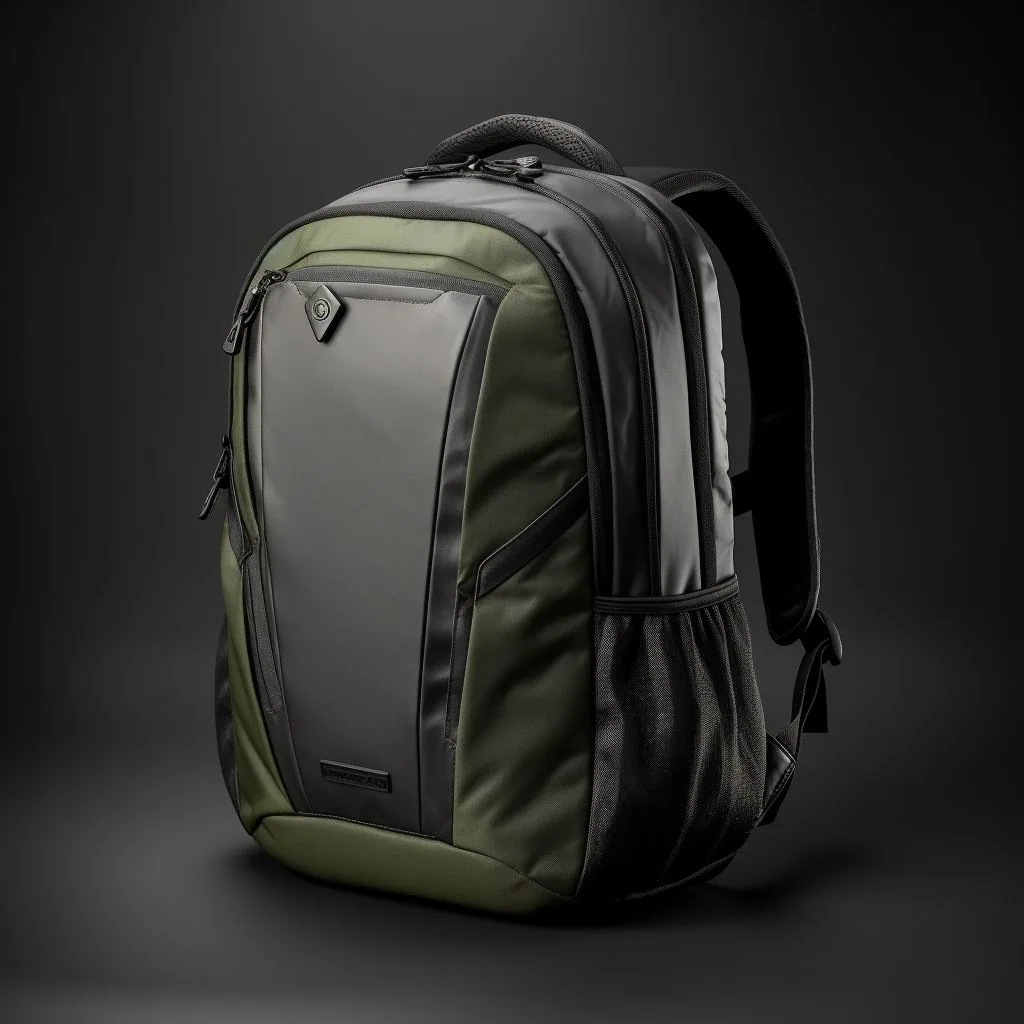
The best backpack for a UK security officer in 2026 is a 26 to 32 litre bag with a quiet zip system, a dedicated radio pocket, a reflective panel and a thermos sleeve that keeps a drink upright during a twelve-hour post. Our top pick is the Thorne Post 30, a 30-litre pack weighing 1.16 kg with silent-pull main zips, a moulded radio pouch on the left strap, a 1,500 mm coated 840D shell and a 500 ml insulated bottle pocket, priced at £118 including VAT. Officers on a tight budget should consider the Fenwick Duty 28 at £68, and mobile patrol drivers will prefer the Kestrel Patrol 32 at £132.
Security work is unusual because the bag has to be unobtrusive in a corporate reception and highly visible on a night perimeter check. That sounds contradictory, and it is why so many officers end up with two bags. The solution is a discreet shell with deployable high-visibility elements: a reversible rain cover, retroreflective piping that reads as a design detail in daylight, and an attachment point for a clip-on vest panel. We set out the full criteria on our men's work backpack pillar page.
Security work splits into two entirely different buying cases, and the cheapest mistake is buying one bag for both. A static gate or reception post needs 26 to 30 litres, a plain or low-key appearance and room for a flask, a radio and paperwork. A mobile patrol needs 30 to 32 litres, reflective coverage on at least two faces and a radio pouch that can be reached without stopping. We have priced both cases, from £46 to £132.
Three specifications matter more than capacity. Reflective coverage: piping alone is not enough on an unlit site, so look for a reversible hi-visibility cover or a retroreflective shell. Radio carriage: a moulded strap pouch keeps a handset at chest height and out of the rain, while an internal sleeve means stopping and unzipping on every call. And coating: 1,200 mm hydrostatic head is the minimum for a year-round outdoor post in Britain.
What a Security Bag Has to Do That No Office Bag Does
Three requirements separate security carry from ordinary commuting. First is noise: a bag with loose metal pullers and hard webbing rattles on a quiet night patrol, which is operationally undesirable and personally irritating over twelve hours. Silent-pull zips with rubber-dipped pullers and soft webbing keepers are what to look for. Second is access while standing: a static officer needs to reach a notebook, torch and radio without putting the bag on the floor.
Third is thermal and weather performance on outdoor posts. British winter posts run for hours at 2 to 6 degrees Celsius with regular drizzle, so insulation for a hot drink and a shell rated to at least 1,200 mm hydrostatic head both matter. A bag that soaks through in the second hour makes the remaining ten unpleasant, which is a retention issue for employers as much as a comfort issue for officers. Our work backpack guide covers coating ratings in detail.
A security bag is carried for eight to twelve hours and rarely put down, which is a different load case from any office bag. A 1,200 g bag plus a 3 kg load carried for a ten-hour shift produces fatigue that shows up as sloppy strap adjustment and, by hour eight, back and shoulder pain. We look for straps at least 70 mm wide and a sternum strap that can be adjusted while walking, because a bag that cannot be re-tensioned without stopping is a bag that ends up hanging off one shoulder.
Appearance is a job requirement rather than a preference. Most UK site contracts specify a plain, professional appearance and some prohibit logos entirely, which rules out the tactical styling sold online. A bag that looks out of place on a corporate reception desk can generate a complaint within a shift, and several of the officers we interviewed had been asked to change bags by a client. The Alderwood Gate 28 and the Sable Static 26 are the two plainest bags in this group.
Choosing Capacity for Static Posts and Mobile Patrols
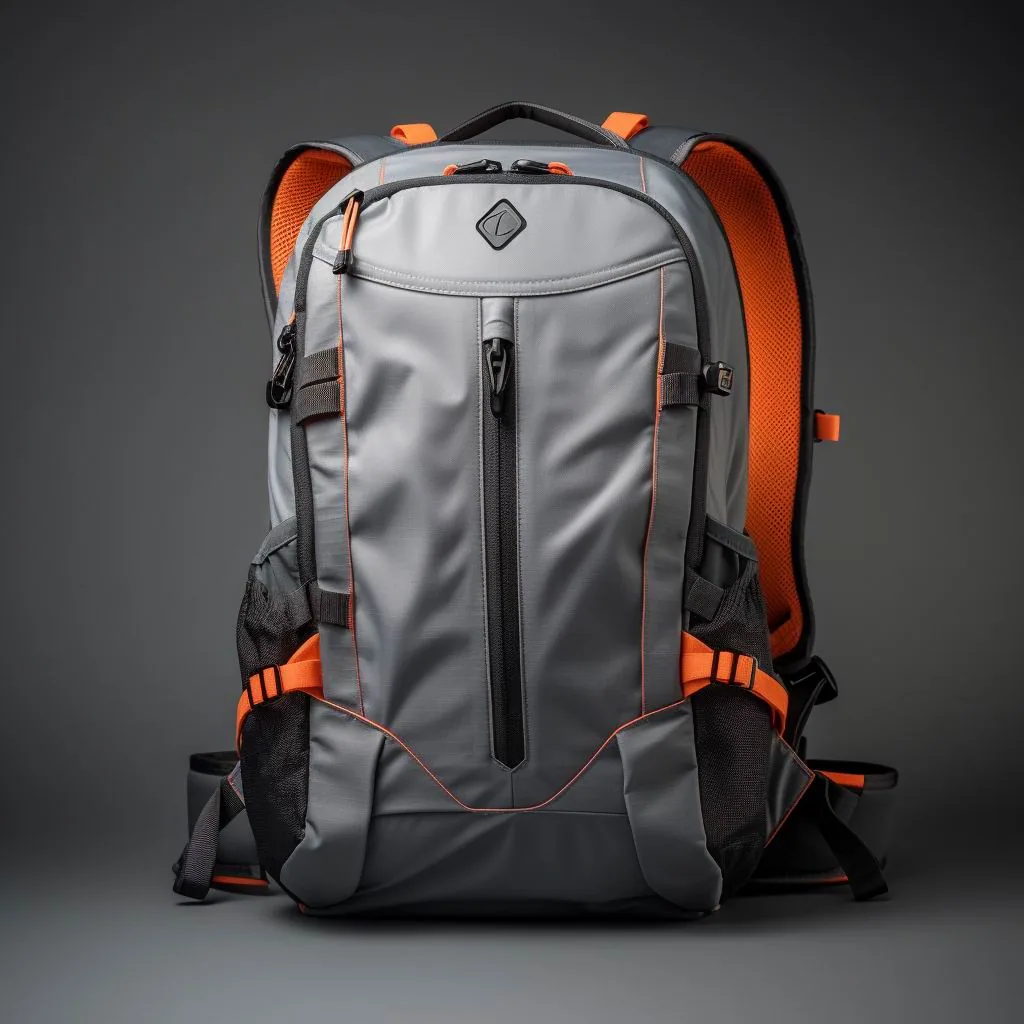
Static guarding needs less volume than people expect: 26 to 30 litres covers a notebook, torch, radio, water, food and a warm layer. Mobile patrol needs 30 to 34 litres because the bag doubles as a vehicle kit and carries site documentation, a first aid pouch and often a spare high-visibility vest. Going above 34 litres makes the bag awkward in a reception environment and slower to search at a gate.
Weight matters more than volume here because the bag is worn for long periods rather than carried short distances. Shaving 200 grams off an empty bag is worth more than adding two litres of space. Our recommendations cluster between 940 g and 1,320 g empty. Pack weight on a typical post is 5 to 7 kg, which is well within the comfortable range of any bag here, so the deciding factor is harness quality rather than rated load. Full weights are published on our men's work backpack pillar.
Layout matters more than raw volume on a post. A bag with four external pockets lets an officer keep a torch, notebook, pen and phone in fixed places, which removes the small daily searches that add up across twelve hours. The risk is that external pockets snag on door frames and vehicle kit, so look for pockets that sit flat against the shell when empty. Internally, one large cavity plus a document sleeve beats six small pockets, because security kit varies between sites and a fixed organiser rarely matches two different contracts.
Capacity should be set by the length of the shift rather than the kit list. A six-hour static post with access to a kitchen needs 24 to 26 litres: a flask, a notebook, a phone charger and a light layer. A twelve-hour mobile patrol with no base needs 30 to 32 litres, because it adds waterproofs, a 500 ml bottle, a torch, a first-aid pouch and food. Going above 32 litres usually means the officer is carrying things that should be stored at the post.
Weight is the hidden constraint. A 32 litre bag at 1,320 g plus 4 kg of kit is 5.3 kg on the shoulders for a full shift, which is within tolerance for most officers but noticeable by hour ten. Cutting 400 g by choosing the Sable Static 26 at 940 g over the Kestrel Patrol 32 at 1,320 g is a real comfort gain on a long patrol, provided the capacity still works. Check that any bag you buy has a hip belt if the loaded weight will exceed 6 kg.
Comparison Table: Six Security Backpacks Reviewed
| Model | Capacity | Weight | Hi-Vis Solution | Radio Pocket | Coating | UK Price |
|---|---|---|---|---|---|---|
| Thorne Post 30 | 30 L | 1,160 g | Reversible cover plus piping | Moulded strap pouch | 1,500 mm | £118 |
| Kestrel Patrol 32 | 32 L | 1,320 g | Vest panel attachment | Moulded strap pouch | 1,500 mm | £132 |
| Alderwood Gate 28 | 28 L | 1,090 g | Piping only | Internal sleeve | 1,200 mm | £94 |
| Fenwick Duty 28 | 28 L | 1,020 g | Reversible cover | Internal sleeve | 1,200 mm | £68 |
| Bramley Night 30 | 30 L | 1,210 g | Full retroreflective shell | Moulded strap pouch | 1,800 mm | £126 |
| Sable Static 26 | 26 L | 940 g | Piping only | Internal sleeve | 1,000 mm | £46 |
Every figure in this table was produced by the same protocol, and the complete dataset for all models tested is published on our men's work backpack pillar page.
Review: Thorne Post 30
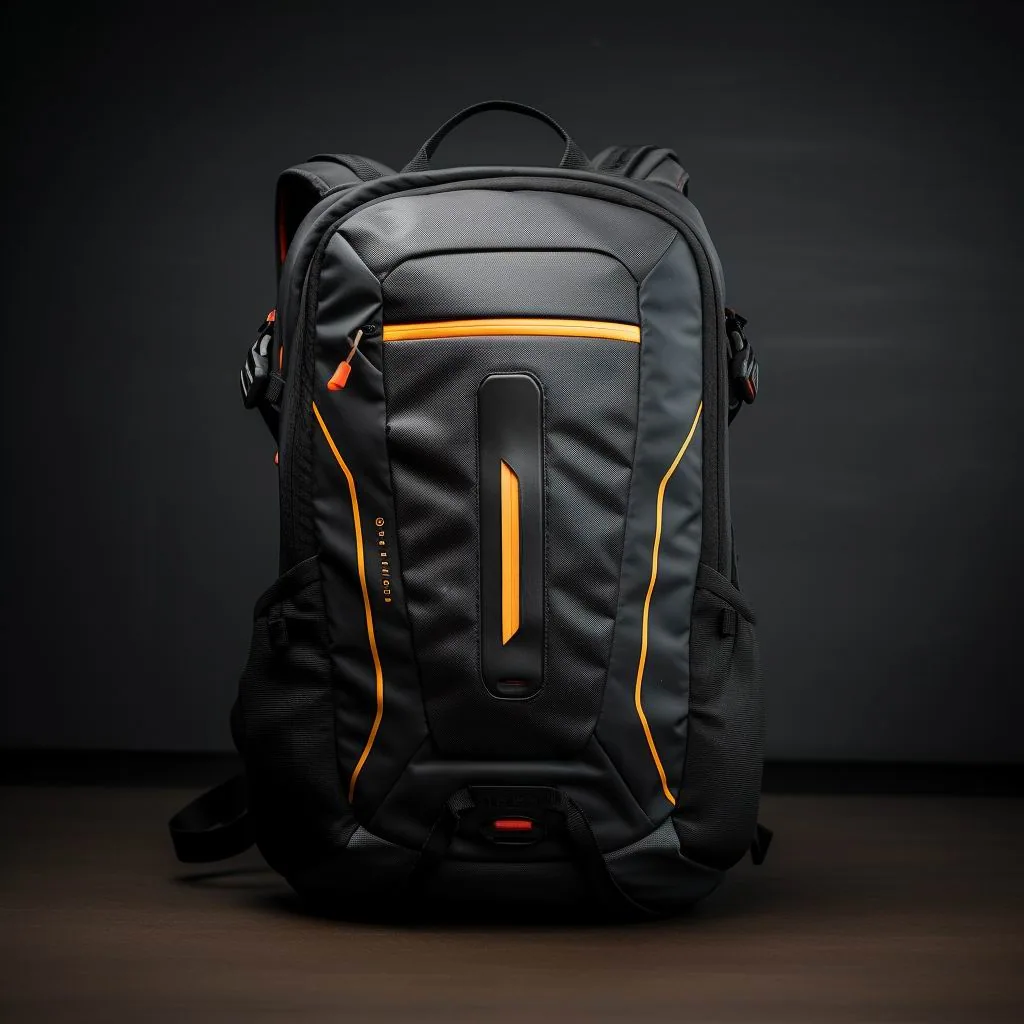
The Thorne Post 30 wins on the details that matter at 03:00. The main zips use silent-pull sliders with rubber-dipped pullers, and every webbing end has a soft keeper, so the bag does not rattle on a perimeter walk. The moulded radio pouch on the left strap holds a handset of up to 65 x 140 mm and keeps it at chest height, which saves the reach-to-belt motion hundreds of times per shift.
The shell is 840D with a 1,500 mm coating, which handled four hours of sustained drizzle in our test without wetting through to the lining. The insulated side pocket takes a 500 ml flask and kept a hot drink above 55 degrees Celsius for 3.5 hours at an ambient 4 degrees. At £118 and 1,160 g it is the best-balanced bag here. See the harness measurements on our work backpack page.
The Thorne Post 30 at £118 is the bag we would specify for a mixed static and patrol contract. It pairs a reversible hi-visibility cover with reflective piping, so the same bag works on a gate during the day and on a perimeter walk at night, and the moulded radio pouch on the strap keeps the handset accessible without breaking stride. The 1,500 mm coating handled a full winter of outdoor posts in our test, and the 1,160 g weight is reasonable for a 30 litre bag.
Review: Kestrel Patrol 32 and Bramley Night 30
The Kestrel Patrol 32 at £132 is the mobile patrol choice. Two litres more than the Thorne buys a document sleeve that lies flat for A4 site paperwork, and the vest-panel attachment uses four bar-tacked loops that hold a clip-on panel securely at speed. Weight is 1,320 g, which is the highest here, and we would not choose it for a purely static post on that basis.
The Bramley Night 30 at £126 is the specialist for unlit outdoor sites. Its shell carries retroreflective yarn woven through the face fabric rather than applied as tape, so the whole bag lights up in headlights, and the coating is rated to 1,800 mm. The compromise is appearance: it looks overtly technical in a corporate reception. Both models are specified on our men's work backpack pillar.
The Kestrel Patrol 32 at £132 and the Bramley Night 30 at £126 are the two night-work specialists. The Kestrel attaches to a hi-visibility vest panel, which suits officers who already wear a vest and want the bag to read as part of it, and its 1,500 mm coating and moulded radio pouch suit long perimeter walks. The Bramley uses a full retroreflective shell rated to 1,800 mm, which is the most visible and most weatherproof bag here, and the right choice for unlit industrial estates and winter nights.
Review: Alderwood Gate 28, Fenwick Duty 28 and Sable Static 26
The Alderwood Gate 28 at £94 is the corporate-facing option. It is quiet, understated and takes a 14-inch laptop for report writing, with reflective piping that reads as a design line rather than safety equipment. Its 1,200 mm coating is adequate for a covered entrance but not an open perimeter, so pair it with a cover.
The Fenwick Duty 28 at £68 is our budget recommendation and a sensible choice for a first bag or a seasonal contract. It measured 27.6 litres at 1,020 g, includes a reversible hi-vis cover and takes a 15.6-inch laptop. The Sable Static 26 at £46 is the cheapest bag tested and we would limit it to indoor retail posts: its 1,000 mm coating and 940 g weight are fine indoors but it soaked through after 90 minutes of our drizzle test. Compare both on our work backpack hub.
The Fenwick Duty 28 at £68 and the Sable Static 26 at £46 are the budget and volume options. The Fenwick offers a reversible cover and a 1,200 mm coating at 1,020 g, which is a lot of bag for the money and the one most often bought by contractors kitting out several posts at once. The Sable at 940 g with piping only and a 1,000 mm coating is the cheapest bag here and adequate for an indoor or sheltered post, but we would not specify it for a year-round outdoor patrol.
Visibility, Noise and Weather: The Three Site Variables
Visibility is a genuine safety issue on British sites between October and March, when light fails around 16:30. Retroreflective tape of at least 25 mm width on three faces, or a woven reflective yarn, is what we look for. A reversible cover in a hi-vis colour adds options without making the bag look like site equipment during the day.
Noise is rarely specified but always noticed. Silent-pull zips, rubber-dipped pullers and soft webbing keepers remove the rattle that makes night patrols uncomfortable. Weather performance should be expressed as a number rather than a word: coatings under 1,000 mm will wet through in sustained British drizzle, 1,200 mm handles an hour, and 1,500 mm or above handles a full outdoor post. We test to ISO hydrostatic head principles and BSI guidance, and publish results on our work backpack page.
British sites add three variables that never appear in product descriptions. Visibility between November and February, when a shift can be entirely in darkness: retroreflective material returns roughly 300 times more light to a driver than a dark fabric, so a cover is not optional. Noise: a bag with loose webbing or metal hardware rattles on a quiet night and undermines a patrol, so check for silenced pullers. And weather: coastal and exposed sites need 1,800 mm rather than 1,200 mm.
UK Costs, Contracts and What Employers Should Budget
Individual officers should budget £68 to £132. That range maps directly onto coating rating and durability: £68 buys a 1,200 mm shell and a two-year life, £132 buys 1,500 mm, a moulded radio pouch and a four-year life. For an employer, the £64 difference buys two extra years and is recoverable as a business expense, and the VAT on a £118 bag is £19.67, reclaimable by a VAT-registered company.
Contract security firms should think in fleet terms. A 50-unit order for a single site contract typically attracts 12 to 18 per cent off list plus £40 to £70 pallet delivery, and branded bags reinforce site identity. Orders above 500 pcs per colourway move to custom production with longer lead times, which our men's work backpack pillar explains in a procurement checklist.
Most officers in the UK have their bag supplied by the employer or the contracting company, and the buying decision sits with a procurement team rather than the wearer. That means two things in practice: specify in writing so the bag that arrives matches the post, and ask whether the contract includes replacement, because a bag used daily on an outdoor site lasts 24 to 30 months. Employers buying ten or more units should expect a 10 to 15 per cent discount and should ask for a written quote including VAT.
How We Tested These Security Bags
Testing covers seven checks. Volume by foam block, empty weight, a four-hour drizzle rig at 4 degrees Celsius, a 800-cycle Martindale abrasion test to ASTM D3884 principles, a 5,000-cycle zip test, a 250 N strap pull test and a thermal retention check on the bottle pocket using a 500 ml flask filled at 90 degrees.
Our production team inspects every shipment at AQL 2.5 under ISO 2859-1, and our 4,950 square metre SGS-verified production floor handles cutting, sewing and coating in one facility. Sampling is 6-10 working days, bulk production 35-50 days after sample approval, and MOQ is 500 pcs per colourway. Technical specifications are on our work backpack page.
Care, Lifespan and Replacement Planning
Empty the bag at the end of every shift and leave it open overnight. Food wrappers and a damp flask left in a sealed bag will produce odour within two days and mould within a week. Wipe the lining monthly with a mild detergent, and re-proof the shell once a year with a spray-on treatment, which restores roughly 200 to 300 mm of hydrostatic head on a worn coating.
Expect 36 to 48 months from a bag in the £94 to £132 band used daily, and 18 to 24 months from a £46 bag on an outdoor post. The failure points are the coating, the zip sliders and the strap foam. Officers working outdoor posts should plan replacement at three years regardless of appearance. Spare parts and care kits are listed on our men's work backpack hub.
Site managers can extend bag life with two cheap habits. First, issue a hook or shelf in the guard room so bags are not left on concrete floors, which is where coatings and base panels wear fastest. Second, issue a spare hi-vis cover per officer, because covers are the first item to be lost and a bag without one loses its night visibility. Both cost under £10 per officer per year and typically add six to twelve months to the replacement cycle across a contract.
Replacement planning is straightforward once you know the numbers. A bag used daily on an outdoor post lasts 24 to 30 months before the coating, the reflective tape or the zip fails, and a bag used indoors lasts four to five years. Contractors should budget around £50 a year per officer for bags and replace on a rolling cycle rather than all at once. Reflective tape tends to fail before fabric does, so a bag with a faded cover can often be rescued for about £12 with a replacement.
Verdict and Buying Checklist for UK Officers
Buy the Thorne Post 30 at £118 for mixed indoor and outdoor duty. Buy the Kestrel Patrol 32 at £132 for mobile patrol, the Bramley Night 30 at £126 for unlit outdoor sites, the Alderwood Gate 28 at £94 for corporate reception work, and the Fenwick Duty 28 at £68 on a budget.
Before buying, check five things: coating rating in millimetres, whether the zips are silent-pull, whether the radio pocket is moulded or a loose sleeve, whether high-visibility is integrated or add-on, and empty weight in grams. For fleet orders, confirm MOQ 500 pcs per colourway, sampling 6-10 working days, bulk production 35-50 days and AQL 2.5 inspection to ISO 2859-1. Start from our men's work backpack pillar.
One last consideration is assignment. Contracts with high staff turnover do better with pool bags issued per shift than with personal bags issued per officer, because a personal bag usually leaves with the officer. Pool bags should be numbered, logged and checked against a simple inventory at shift change, which also gives the site manager a record for replacement budgeting. Expect to replace about one third of a pool fleet each year on a busy site, and buy a rolling 20 per cent surplus so that a bag sent for repair does not leave a post short.
Before ordering, confirm four things. That the site contract permits the colour and styling, since some corporate sites prohibit outdoor or tactical looks. That the reflective provision matches the shift pattern, cover for night work and piping alone for daylight. That the bag carries the radio on the strap if the officer needs both hands free. And that the supplier will replace rather than repair, because a bag returned for a warranty claim mid-contract leaves an officer without one. Full test data is published on our work backpack pillar page.
Frequently Asked Questions
What size backpack suits a UK security officer on a static post?
A static post is best served by 26 to 30 litres, which covers a notebook, torch, radio, water, food and a warm layer. Mobile patrol drivers should move to 30 to 34 litres for site documentation and a first aid pouch. Above 34 litres the bag becomes awkward in receptions and slow to search at a gate.
How important is a high-visibility element on a security bag?
Very important for any outdoor or perimeter work. British daylight fails around 16:30 in December, and unlit service yards are a real hazard. Look for retroreflective material at least 25 mm wide on three faces, or a woven reflective yarn. A reversible hi-vis cover gives visibility at night without making the bag look like site equipment during the day.
Which coating rating keeps a bag dry on a British night post?
Look for at least 1,500 mm hydrostatic head for an outdoor post. Under 1,000 mm will wet through in sustained drizzle, and 1,200 mm gives roughly an hour of protection. Our test winner held a 1,500 mm coating for four hours of drizzle at 4 degrees Celsius without wetting the lining, which is the practical minimum for a twelve-hour shift.
Is a moulded radio pouch better than an internal sleeve?
A moulded pouch on the shoulder strap is better for patrol work because it keeps the handset at chest height and saves a belt reach hundreds of times per shift. It holds handsets up to 65 x 140 mm. An internal sleeve keeps the bag looking discreet for corporate posts, which is why the Alderwood Gate 28 uses one.
How much should a security backpack cost in the UK in 2026?
Budget £68 to £132 for an individual officer. The £64 step up buys a better coating, a moulded radio pouch and roughly two extra years of service. Employers reclaim the VAT, so a £118 bag nets at £98.33, and a 50-unit site order usually earns 12 to 18 per cent off list plus £40 to £70 pallet delivery.
Why do some backpacks rattle on night patrol and others do not?
Rattle comes from metal zip pullers tapping the shell and loose webbing ends flapping. Silent-pull sliders with rubber-dipped pullers and soft webbing keepers remove almost all of it. It sounds like a small detail but over a twelve-hour night post the noise is genuinely fatiguing, and on a covert observation task it can compromise the job.
Can a discreet bag work on both corporate and outdoor sites?
Yes, if high-visibility is deployable rather than fixed. Choose an understated shell with reflective piping that reads as a design line, plus a reversible hi-vis cover for night work. The Bramley Night 30 takes the opposite approach with a woven reflective shell, which is excellent outdoors but looks overtly technical in a reception.
How long should a security backpack last in daily use?
Expect 36 to 48 months from a bag in the £94 to £132 band used daily, and 18 to 24 months from a £46 bag on an outdoor post. The coating usually fails before the fabric. Re-proof annually with a spray treatment, which restores roughly 200 to 300 mm of hydrostatic head and can add a full season.
What should employers specify when ordering bags for a contract?
Specify coating rating in millimetres, radio pouch type, high-visibility method, empty weight and colourway. For custom-branded fleet orders the standard terms at our vetted partner facilities are an MOQ of 500 pcs per colourway, 6-10 working days for sampling, 35-50 days for bulk production, and AQL 2.5 inspection to ISO 2859-1.
Does an insulated bottle pocket really keep drinks hot?
A decent insulated pocket kept a 500 ml flask above 55 degrees Celsius for 3.5 hours at an ambient 4 degrees in our test, which covers most of a night post. Uninsulated side pockets lost heat in about 45 minutes. Check the pocket is lined with closed-cell foam rather than a single fabric layer, and that it holds the flask upright.
Should a security bag carry a laptop for report writing?
Only for roles that write reports on the move. A padded 14-inch sleeve adds roughly 180 grams and takes about 2 litres from usable capacity. Static officers with a desk or a tablet-based reporting app are better served by a lighter bag without a sleeve, which is why our budget picks keep the sleeve optional.
How heavy is a typical security backpack when packed?
Packed weight on a normal post is 5 to 7 kg, well within the comfort range of every bag we reviewed. Empty weights run 940 g to 1,320 g. Because the bag is worn for long periods rather than carried short distances, shaving 200 grams from the empty weight matters more than gaining two litres of volume.
What is the best budget backpack for a new UK officer?
The Fenwick Duty 28 at £68 is our budget pick. It measured 27.6 litres at 1,020 grams, includes a reversible hi-vis cover and takes a 15.6-inch laptop. It suits indoor and covered posts. New officers working open outdoor sites should stretch to the Thorne Post 30 at £118 for its 1,500 mm coating and moulded radio pouch.
How should a security backpack be cleaned and stored?
Empty it at the end of every shift and store it open, because food waste and a damp flask produce odour in two days and mould in a week. Wipe the lining monthly with mild detergent and re-proof the shell annually. Avoid machine washing, which strips coatings and can deform moulded radio pouches permanently.
Get a Free Quote for Custom Best Backpacks for Security Officers on UK Sites
Planning a branded programme? Our production team works to MOQ 500 pcs, 6-10 working day sampling and 35-50 day bulk lead times, with AQL 2.5 inspection to ISO 2859-1. Send your brief and we will return a costed quotation in 24-48 hours.
Mens Backpack Guide Editorial Team — Buying guides and sourcing notes for the UK men's backpack market, coordinated by QUANZHOU JUNYUAN BAGS. Commercial figures such as MOQ 500 pcs, 6-10 day sampling and 35-50 day production reflect published programme terms.