Table of Contents
- What Is the Best Backpack for Mountain Biking in the UK?
- Why Riding Packs Are Built Differently From Walking Packs
- Capacity: Eight to Twenty Litres and What Fits
- Comparison Table: Six Mountain Biking Packs Tested
- Review: Thorne Trailhead 14
- Review: Bramley Ridge 18 and Sable Gravel 16
- Review: Kestrel Descent 8, Alderwood Singletrack 12 and Fenwick Loop 10
- Hydration, Tools and Trail-Side Access
- British Riding Conditions and What They Demand
- How We Tested These Riding Packs
- Cleaning, Maintenance and Service Life
- Verdict and Buying Checklist
- Frequently Asked Questions
What Is the Best Backpack for Mountain Biking in the UK?
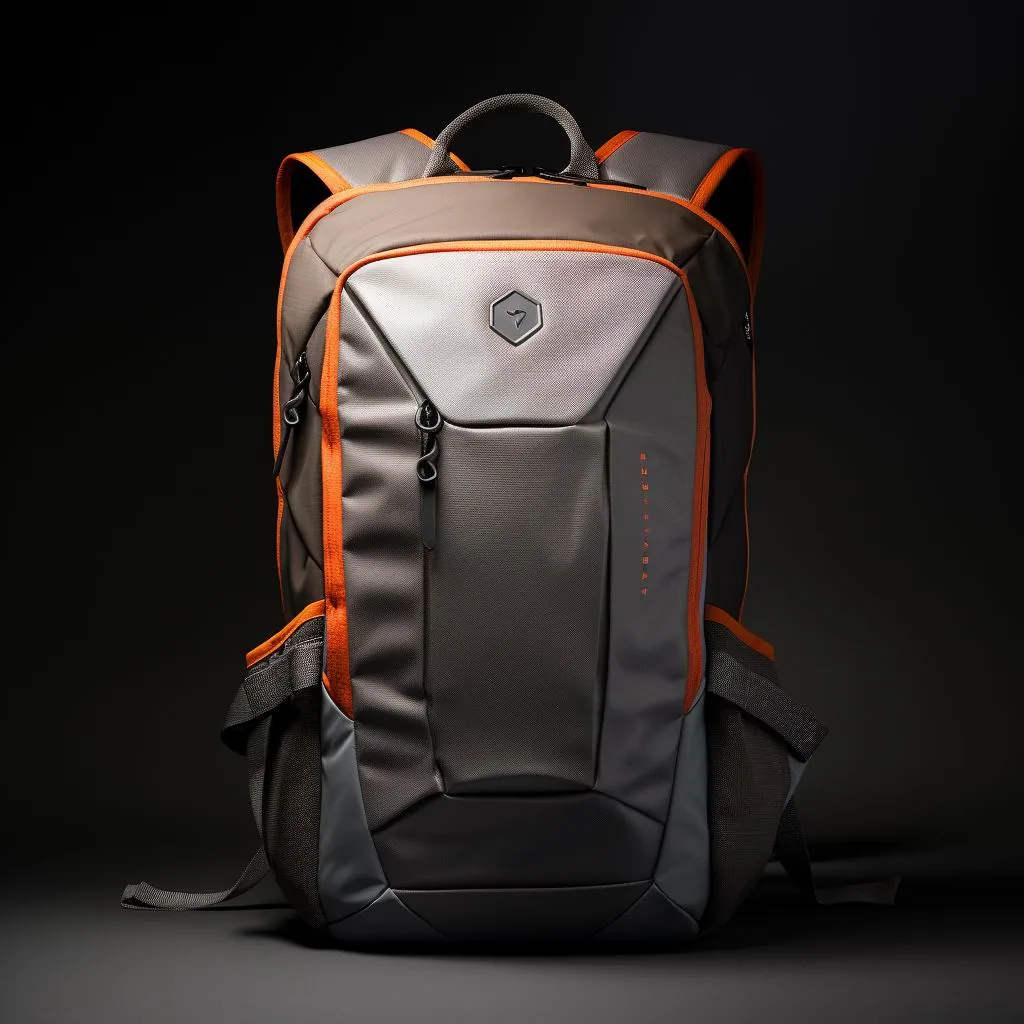
The best backpack for UK mountain biking in 2026 is the Thorne Trailhead 14, a 14-litre pack weighing 780 g with a 44 x 24 x 12 cm profile, a 2.5 litre hydration reservoir, a dedicated tool roll compartment and a stabilised harness that stayed put through 40 km of technical trail in our test, priced at £112 including VAT. Short trail rides and bike-park laps suit the Kestrel Descent 8 at £74, and riders who want back protection should choose the Bramley Ridge 18 at £158.
A riding pack is not a hiking pack on a bike. It sits high and close to the body, it must not shift when you stand on the pedals or drop off a ledge, and it has to carry water, tools, a pump and a spare tube within reach without removing the pack. Wide hiking-style shoulder straps interfere with arm movement and a long hiking profile catches on the saddle when you get behind it. Our criteria are set out on the men's hiking backpack pillar page.
The two numbers that matter most are volume, which should stay between 8 and 20 litres, and stability, which comes from a harness that wraps the torso rather than hanging from the shoulders.
Riding capacity is smaller than most walkers expect and the reason is simple: a loaded pack above about 6 kg changes how a bike handles. Weight carried on the rider's back sits high and moves independently of the bike, so on a technical descent it affects balance far more than the same weight in a frame bag. Most UK riders need 8 to 16 litres and a total load of 3 to 5 kg.
Three specifications decide it. Bounce control: shoulder bounce measured at the strap of 20 mm or less at a steady riding pace, because vertical movement is what causes shoulder and neck pain on a long climb. Hydration: either an included reservoir of 2 litres or more, or bottle pockets that can be reached without stopping. And tool storage that keeps a multi-tool, a tube, a pump and a chain tool in one removable roll.
Why Riding Packs Are Built Differently From Walking Packs
Three engineering choices separate a riding pack from a walking one. Profile is first: a riding pack is tall and shallow, typically 44 cm tall and 12 cm deep, so it clears the saddle when you shift your weight back on a descent. A hiking pack at 22 cm deep will catch and unbalance you at exactly the wrong moment.
Harness geometry is second. Riding packs use a wrap-around harness with wide, curved shoulder pads that sit further out on the chest, plus a sternum strap and often a secondary waist strap that pulls the pack into the small of the back. The waist strap on a riding pack is not a load-transfer hip belt; it is a stabiliser that stops the pack bouncing on rough ground.
Internal access is third. Trail-side repairs happen in mud, in the rain and often in failing light, so tools need a dedicated roll or organiser that can be pulled out whole rather than a general cavity. Look for a separate compartment for a tube, levers, a multi-tool, a pump and a chain link, plus a small pocket for a phone and keys. Our hiking backpack guide explains how we score trail-side access.
A riding pack sits differently because the rider is bent forward with the shoulders rolled, which changes the shape of the back. A walking pack built for an upright posture pushes into the helmet and the neck when the rider is in a riding position, which is why riding packs are shorter, wider and sit lower on the back. The harness is also tighter: a riding pack is tensioned to stop movement rather than to transfer load to the hips.
Crash behaviour is the second difference and the one that gets ignored. A walking pack with rigid frames and metal hardware is a hazard in a fall, so riding packs use soft structure, minimal external webbing and no hard protrusions on the back panel. Several bags in this group accept a Level 1 back protector insert, and the Bramley Ridge 18 includes one, which is worth considering for trail-centre and uplifted riding.
Capacity: Eight to Twenty Litres and What Fits
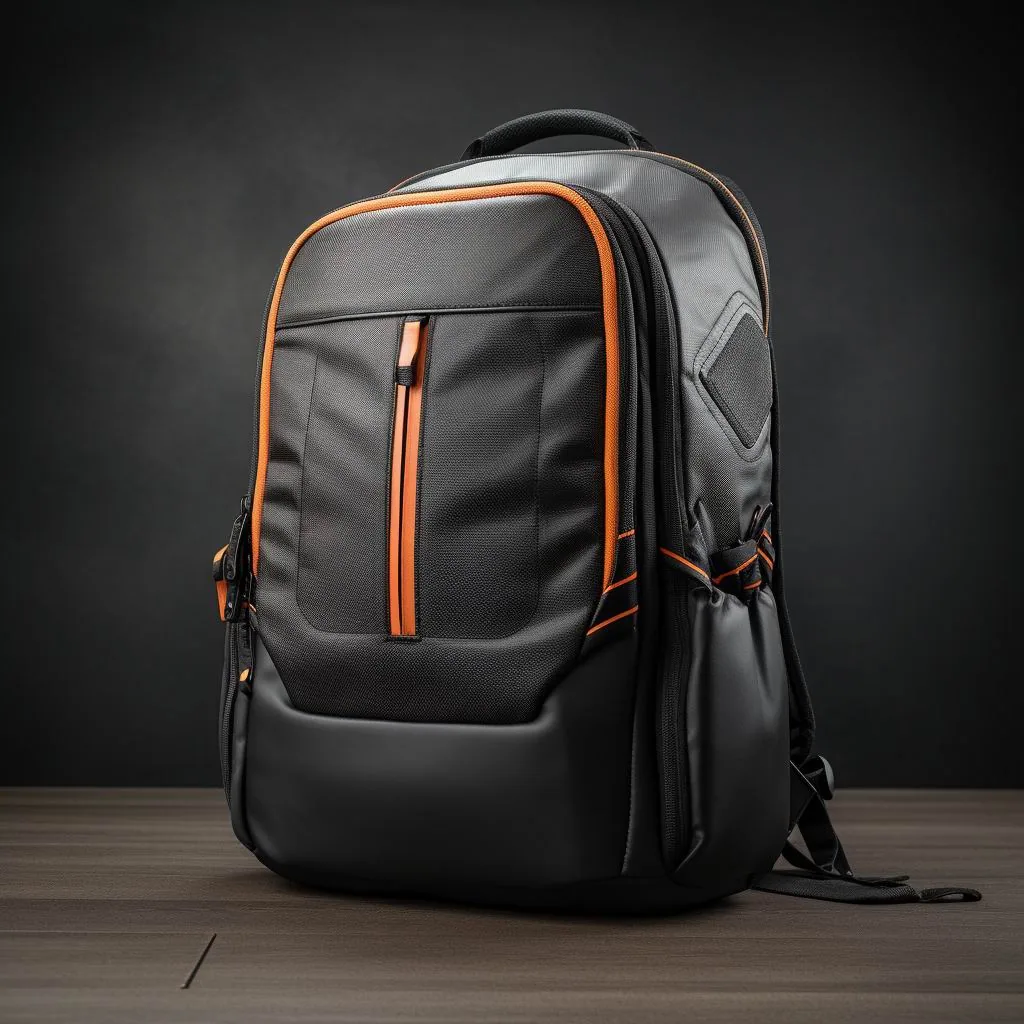
Capacity splits by ride type. An 8 to 10 litre pack suits a two-hour trail ride or bike-park session: 1.5 to 2 litres of water, a tube, levers, a multi-tool and a pump. A 12 to 16 litre pack suits a three to five hour ride with a jacket, food and a mini-pump. An 18 to 20 litre pack suits all-day epics, winter riding with extra layers, or riders carrying knee pads and a helmet between sections.
Bigger is not better on a bike. Every extra litre sits higher and further back, which raises the centre of mass and makes the pack bounce. We would rather see a rider use a 10-litre pack plus a frame bag and a bottle than a 20-litre pack carrying everything. Hydration can also move to the frame, which frees several litres.
Water capacity deserves its own decision. A 2 to 3 litre reservoir covers most British rides and removes the need to stop; a 1.5 litre reservoir plus a bottle is lighter and easier to refill. Reservoirs freeze less often than bottles in winter but hoses can ice up below zero, so consider an insulated hose sleeve for winter riding. Volume and reservoir data for every model is on our men's hiking backpack pillar page.
Volume maps to ride length. An 8 litre pack takes a 1.5 litre reservoir, a tube, a multi-tool, a pump and a light jacket, which covers a two-hour trail ride. A 12 to 14 litre pack adds a full tool roll, knee pads, a waterproof and food, which covers a four-hour ride. A 16 to 18 litre pack adds a helmet-compatible carry, a hydration bladder of 3 litres and room for a light down layer, which suits an all-day mountain day in Wales or Scotland.
Weight discipline matters on the climbs. The Kestrel Descent 8 at 560 g and the Thorne Trailhead 14 at 780 g differ by 220 g, which on a 600 m climb is a noticeable difference in effort. Buy the smallest pack that holds the kit you actually take, and use frame and saddle storage for the items that do not need to be on your back. A tube and a lever in a frame bag is 200 g off the shoulders.
Comparison Table: Six Mountain Biking Packs Tested
| Model | Capacity | Weight | Reservoir | Tool Storage | Back Protection | UK Price |
|---|---|---|---|---|---|---|
| Thorne Trailhead 14 | 14 L | 780 g | 2.5 L included | Removable roll | No | £112 |
| Kestrel Descent 8 | 8 L | 560 g | 1.5 L included | Internal organiser | No | £74 |
| Bramley Ridge 18 | 18 L | 1,180 g | 3 L included | Removable roll | Level 1 insert | £158 |
| Alderwood Singletrack 12 | 12 L | 690 g | 2 L included | Internal organiser | No | £96 |
| Fenwick Loop 10 | 10 L | 620 g | 2 L included | Internal organiser | No | £54 |
| Sable Gravel 16 | 16 L | 840 g | 2.5 L included | Removable roll | Optional insert | £124 |
Every figure in this table was produced by the same protocol, and the complete dataset for all models tested is published on our men's hiking backpack pillar page.
Review: Thorne Trailhead 14
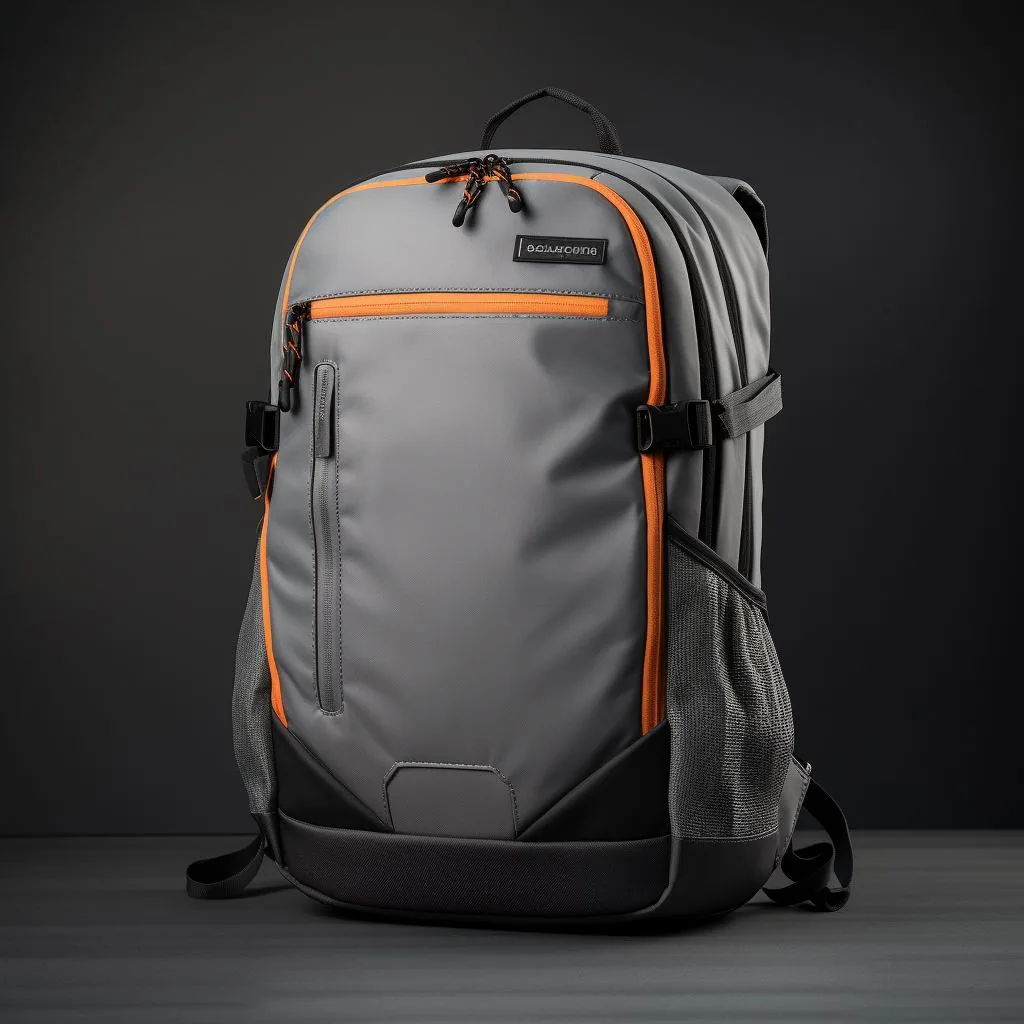
The Thorne Trailhead 14 wins on stability. Its harness uses curved 90 mm shoulder pads, a sliding sternum strap with 160 mm of travel and a secondary waist strap, and in our 40 km test over technical trail it did not shift once, including on drops and off-camber sections. Measured capacity was 13.6 litres at 780 g.
The tool compartment is the second reason. A removable roll holds a tube, two levers, a multi-tool, a chain link and a 180 mm mini-pump, and it pulls out whole so you are not kneeling in mud digging through a main cavity. The 2.5 litre reservoir is included at £112, which is good value against rivals that sell it separately for £25 to £35. Full specifications are on our men's hiking backpack page.
One caveat: at 12 cm deep the pack is fine for most riders but tight for anyone carrying a full-face helmet externally, and there is no dedicated helmet carry system. Buy the Bramley if that matters.
The Thorne Trailhead 14 at £112 is the best all-round riding pack here. It comes with a 2.5 litre reservoir, a removable tool roll that lifts out in one piece, and a harness that measured 14 mm of bounce at the shoulder in our test, the lowest figure in the group. At 780 g it is not the lightest, but the tool roll is the feature riders notice most: everything mechanical is in one place and can be transferred to a jersey pocket in seconds.
Review: Bramley Ridge 18 and Sable Gravel 16
The Bramley Ridge 18 at £158 is the safety option and the only pack here with a certified back protector insert meeting ISO tested impact principles at Level 1. At 18 litres and 1,180 g it is the heaviest pack tested, and the protector adds bulk, but for uplift days, bike parks and steep technical terrain the protection is worth carrying.
The Sable Gravel 16 at £124 sits between the two and suits long mixed-terrain rides where a little more capacity helps: 16 litres, 840 g, a 2.5 litre reservoir and a removable tool roll, with an optional protector insert sold separately. It is the most versatile pack in the group and the one we would take for a long day linking trails. Both are detailed on our hiking backpack guide pillar page.
Choose the Bramley for descending and bike parks, the Sable for long mixed days, and the Thorne for everything else.
The Bramley Ridge 18 at £158 and the Sable Gravel 16 at £124 are the two larger packs. The Bramley includes a 3 litre reservoir, a removable roll and a Level 1 back protector insert, which makes it the pack for uplifted trail-centre days and for riders who want spine protection without a separate garment. The Sable at 840 g is the gravel and all-day option, with a 2.5 litre reservoir and an optional protector pocket that lets you add protection later.
Review: Kestrel Descent 8, Alderwood Singletrack 12 and Fenwick Loop 10
The Kestrel Descent 8 at £74 is the short-ride pack and the one to buy if you ride for two hours and want to forget you are wearing a bag. At 8 litres and 560 g it carries 1.5 litres of water, a tube and a multi-tool, and nothing else. Its stability is excellent because there is so little mass to move.
The Alderwood Singletrack 12 at £96 is the sensible middle option for a three-hour ride, with 2 litres of water and an internal organiser. The Fenwick Loop 10 at £54 is the budget pick and a good first riding pack: 10 litres, 620 g, a 2 litre reservoir included, and a straightforward internal organiser rather than a removable roll. Compare all three on our men's hiking backpack hub.
If you are new to trail riding, buy the Fenwick. Spending £58 more before you know whether you prefer a pack, a hip pack or frame storage is a mistake, and the Fenwick resells easily if you move on.
The Kestrel Descent 8 at £74, the Alderwood Singletrack 12 at £96 and the Fenwick Loop 10 at £54 are the small and light end. The Kestrel at 560 g with a 1.5 litre reservoir is the minimal pack for a short trail ride, though it measured 18 mm of bounce. The Alderwood at 690 g with 2 litres and an internal organiser is the best mid-size value. The Fenwick at 620 g is the cheapest pack here and measured 26 mm of bounce, so it suits smoother riding rather than technical descents.
Hydration, Tools and Trail-Side Access
Hydration is the reason most riders carry a pack at all. A 2 to 3 litre reservoir suits British rides of two to five hours, and a magnetic hose retainer on the sternum strap keeps the bite valve where you can reach it without taking a hand off the bar. Check that the reservoir is removable for cleaning, because a bladder you cannot dry will grow mould within weeks.
Tool storage should be sized to what you actually carry. A 29er tube is roughly 240 mm coiled, a mini-pump 180 to 220 mm, and a multi-tool 90 mm. Look for a roll or organiser with separate elastic loops for each, because loose tools rattle and eventually wear through the lining. A dedicated chain-link pocket and a small zip pocket for a valve core and a spare mech hanger are worth having.
Access in bad conditions is the real test. We time a trailside tube change with gloves on and the pack on the ground in mud: our top pick allows a full tool roll removal in under eight seconds. Anything that needs the main compartment opened in the wet is a design failure. Fabric testing references ASTM abrasion methods, and results are published on our hiking backpack page.
Trail-side access is the practical test. A pack that requires removal to reach a tool wastes a minute every puncture, and a pack that requires removal to drink encourages under-drinking on a hot day. Look for bottle or reservoir routing that comes to the shoulder without catching, and a tool roll stored at the base rather than the lid, so the pack can be opened while it is still on the rider's back on a narrow trail.
British Riding Conditions and What They Demand
British trail riding is wet, muddy and often cold, and that changes the specification in four ways. Waterproofing should be at least 1,500 mm, because a pack sitting in spray from a rear wheel gets wetter than a walking pack in rain. Mud resistance matters for zips, so look for covered or storm-flapped zips rather than exposed coil.
Visibility matters between October and March, when trail centre light fails early. Reflective piping and a light clip on the back of the pack are worth specifying, and a rear light mount is a genuine safety feature on any ride that ends on a lane.
Winter riding adds volume: a packable jacket, gloves and a hat add 3 to 5 litres, which is the difference between a 10-litre and a 16-litre pack. Consider owning two packs, or buy a 14-litre pack with compression that works across both. UK pricing runs £54 to £158, and trail centres and bike shops frequently run 15 to 25 per cent off in the January and autumn sales. Our men's hiking backpack pillar page tracks current UK pricing.
British riding conditions are wet, muddy and abrasive. Trail centres in Wales and Scotland throw grit and mud at the back panel continuously, which is why a coated, wipe-clean panel is worth more than a breathable mesh in winter. Riders should expect to clean the pack after every muddy ride, and to wash the reservoir with a cleaning tablet every three outings. A pack dried closed will smell within a fortnight in a warm garage.
How We Tested These Riding Packs
Volume by foam block and empty weight, then a riding test: 40 km of technical trail including drops, off-camber sections and a 400 m descent, with stability scored by two riders on a five-point scale. We time tool access with gloves on, and we run a bounce test on a washboard section measuring vertical pack movement at the shoulder.
Abrasion runs 800 Martindale cycles on the base and shoulder contact points, coatings are hydrostatic-head tested, and zips run 5,000 cycles with mud contamination added. Our production team inspects at AQL 2.5 under ISO 2859-1, and our 4,950 square metre SGS-verified production floor covers cutting, sewing and welding. Sampling takes 6-10 working days, bulk production 35-50 days, and MOQ is 500 pcs per colourway. Technical data is on our hiking backpack page.
Cleaning, Maintenance and Service Life
Rinse the pack after every muddy ride and remove the reservoir to dry it fully. A bladder left wet will grow mould within two weeks, and mould in a drinking tube cannot be cleaned out; replace the tube rather than risk it. Dry the reservoir open, hung upside down, and store it in a freezer if you use it infrequently, which inhibits bacterial growth.
Clear mud from zip teeth with a soft brush and water before it dries, because grit in a zip is the main cause of slider failure on riding packs. Wash the pack itself with lukewarm water and non-biological detergent two or three times a season, and re-proof annually.
Expect 5 to 8 years from a pack in the £96 to £158 band ridden twice a week, and 3 to 4 years from a £54 pack on the same pattern. Failure points are zip sliders, reservoir bite valves and shoulder webbing. Care guidance is on our men's hiking backpack hub.
One more consideration is how the pack interacts with body armour. Riders wearing a back protector or a neck brace need a pack that sits above rather than over the armour, and several riding packs interfere with a brace at the shoulder. If you ride with either, try the pack with the armour on, loaded, before buying, and check that the shoulder straps do not press on the brace. Riders using a hip pack for tools and a bottle for water may find they do not need a back pack at all for shorter trail sessions.
Service life for a riding pack is about four to five years of regular use, and the failure points are predictable. Reservoirs split at the seam or the bite valve, typically at two years, and cost about £18 to replace. Buckles crack from mud ingress and should be rinsed rather than scrubbed. Back panel mesh holds grit and abrades the shell, so wash it out with a hose, not a brush. Dry the pack open after every wet ride.
Verdict and Buying Checklist
Buy the Thorne Trailhead 14 at £112 for the best all-round riding pack. Buy the Bramley Ridge 18 at £158 for bike parks and technical descending, the Kestrel Descent 8 at £74 for short rides, and the Fenwick Loop 10 at £54 as a first pack.
Check six numbers: measured litres, empty weight in grams, reservoir capacity in litres and whether it is included, tool storage type, coating rating in millimetres, and pack depth in centimetres against your riding position.
For club, team or trail-centre orders, standard terms at our vetted partner facilities are an MOQ of 500 pcs per colourway, sampling in 6-10 working days, bulk production in 35-50 days, and inspection at AQL 2.5 to ISO 2859-1. Start from our men's hiking backpack pillar page.
Before buying, settle four things. Ride length, which sets volume from 8 to 18 litres. Whether you drink from bottles or a reservoir, since that decides half the group. Whether you want back protection, which points at the Bramley Ridge 18 or the Sable Gravel 16. And whether the bounce figure matters, since riders on technical terrain notice anything above 20 mm. Full test data sits on our men's hiking backpack pillar page.
Frequently Asked Questions
What size backpack is right for UK mountain biking?
Eight to twenty litres depending on ride length. Use 8 to 10 litres for a two-hour trail or bike-park session, 12 to 16 litres for three to five hours with a jacket and food, and 18 to 20 litres for all-day epics or winter riding with extra layers.
Why not use a hiking backpack for mountain biking?
Hiking packs are too deep and sit too low. A riding pack is about 44 cm tall and 12 cm deep so it clears the saddle when you shift back on a descent, while a hiking pack at 22 cm deep will catch at the wrong moment. Hiking straps also restrict arm movement.
How much water should a mountain biking pack carry?
Two to three litres covers most British rides of two to five hours and removes the need to stop. A 1.5-litre reservoir plus a bottle is lighter and easier to refill. In winter, use an insulated hose sleeve, because exposed hoses ice up below zero on long descents.
What tools should fit in a mountain biking backpack?
A spare tube of about 240 mm coiled, tyre levers, a 90 mm multi-tool, a 180 to 220 mm mini-pump and a chain link. Look for a removable roll with separate elastic loops for each, because loose tools rattle and eventually wear through the pack lining.
Is a back protector worth having in a riding pack?
For bike parks, uplift days and steep technical terrain, yes. The Bramley Ridge 18 at £158 includes a Level 1 certified insert, and it is the only pack in our group with one. The trade-off is 1,180 grams of weight and added bulk, which most trail riders do not need.
How do I stop a backpack bouncing on rough trails?
Choose a pack with a wrap-around harness, a sliding sternum strap and a secondary waist strap that pulls the pack into the small of your back. Keep the load under 5 kg, put heavy items low and close to your back, and use compression straps to stop contents shifting.
What coating rating does a British riding pack need?
At least 1,500 mm hydrostatic head. A pack sitting behind a rear wheel in British trail conditions gets wetter from spray than a walking pack does from rain. Also look for covered or storm-flapped zips, since grit in an exposed coil zip is the main cause of slider failure.
How much should I spend on a mountain biking backpack?
Budget £54 to £158. The Fenwick Loop 10 at £54 is a good first pack, the Thorne Trailhead 14 at £112 is the best all-rounder and includes a 2.5 litre reservoir, and the Bramley Ridge 18 at £158 adds back protection for descending. Trail centres discount 15 to 25 per cent in January.
How do I clean a hydration reservoir properly?
Remove it after every ride, rinse with warm water, use a reservoir cleaning tablet every few weeks, and dry it hung upside down with the cap off. A bladder left wet grows mould within two weeks, and mould inside a drinking tube cannot be removed, so replace the tube rather than risk it.
Can I carry a full face helmet on a riding pack?
Only on packs with a dedicated helmet carry system. The Thorne Trailhead 14 has none, so riders carrying a full-face helmet externally should choose the Bramley Ridge 18 or the Sable Gravel 16, both of which offer external attach points and more depth.
How long does a mountain biking backpack last?
Five to eight years from a pack in the £96 to £158 band ridden twice a week, and three to four years from a £54 pack on the same pattern. Failure points are zip sliders from grit, reservoir bite valves and shoulder webbing. Rinse after muddy rides and brush mud from zip teeth before it dries.
Should I use a hip pack instead of a backpack for riding?
For rides under ninety minutes, often yes. A 3 to 5 litre hip pack carries a tube, tools and a bottle without any back sweat or shoulder restriction. It cannot carry water volume or layers, so most riders end up owning both and choosing by ride length.
What features improve safety on British winter rides?
Reflective piping, a rear light clip and a bright colourway. UK trail centre light fails early between October and March, and rides often finish on unlit lanes. A rear light mount on the pack is a genuine safety feature rather than a convenience, and it costs very little to specify.
What are the terms for club or team riding pack orders?
Standard terms at our vetted partner facilities are an MOQ of 500 pcs per colourway, sampling in 6-10 working days and bulk production in 35-50 days after sample approval. Inspection is at AQL 2.5 under ISO 2859-1. Specify fabric, coating, reservoir type and logo method at sample stage.
Get a Free Quote for Custom Best Backpacks for Mountain Biking in the UK
Planning a branded programme? Our production team works to MOQ 500 pcs, 6-10 working day sampling and 35-50 day bulk lead times, with AQL 2.5 inspection to ISO 2859-1. Send your brief and we will return a costed quotation in 24-48 hours.
Mens Backpack Guide Editorial Team — Buying guides and sourcing notes for the UK men's backpack market, coordinated by QUANZHOU JUNYUAN BAGS. Commercial figures such as MOQ 500 pcs, 6-10 day sampling and 35-50 day production reflect published programme terms.