Table of Contents
- What Is the Best Backpack for Munro Bagging in Scotland?
- Why Scottish Hills Demand a Different Pack
- Sizing for Summer Rounds and Winter Days
- Comparison Table: Six Munro Bagging Packs Tested
- Review: Kestrel Cairngorm 38
- Review: Bramley Nevis 40 and Alderwood Ridge 36
- Review: Thorne Glen 32, Sable Law 34 and Fenwick Corbett 30
- Features That Matter on Scottish Hills
- UK Pricing and Where Scottish Buyers Should Shop
- How We Tested These Hill Bags
- Care, Drying and Winter Storage
- Verdict and Buying Checklist
- Frequently Asked Questions
What Is the Best Backpack for Munro Bagging in Scotland?
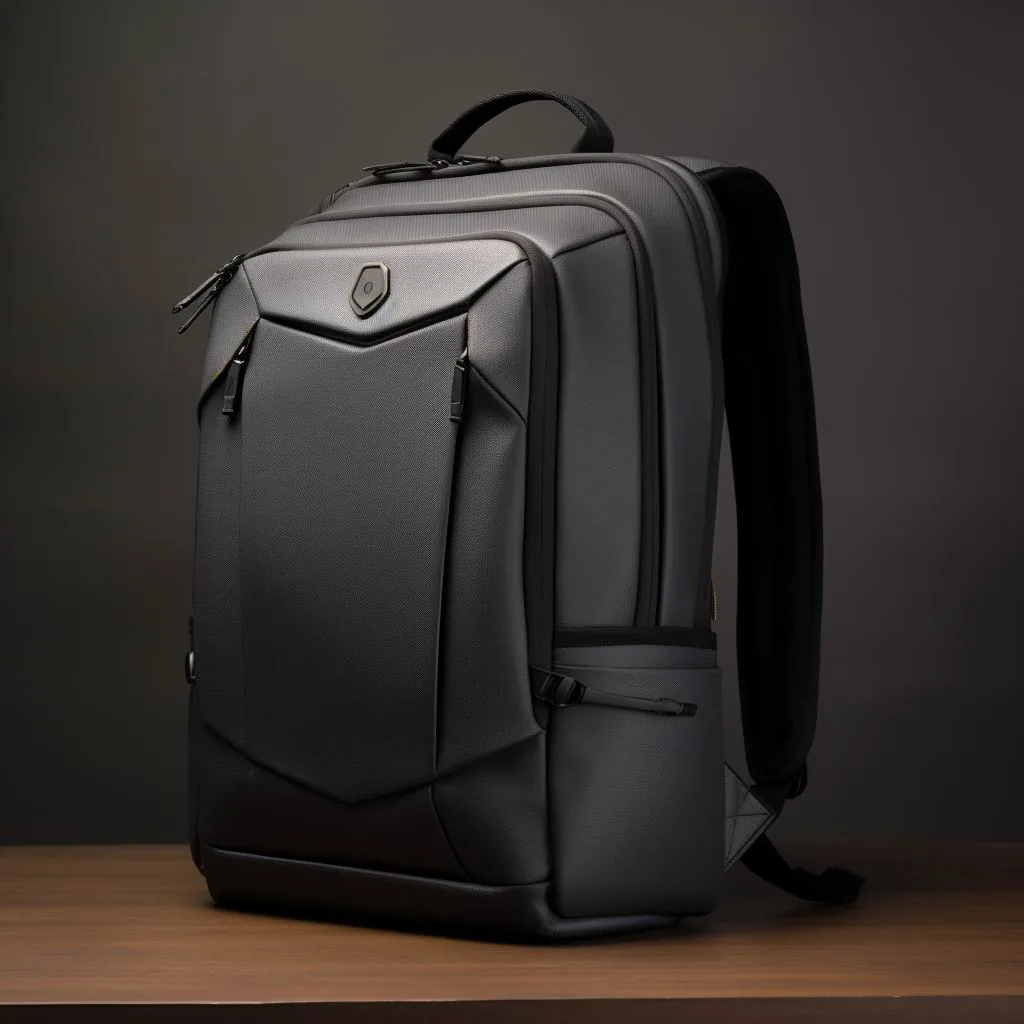
The best backpack for Munro bagging in Scotland in 2026 is the Kestrel Cairngorm 38, a 38-litre pack weighing 1.42 kg with a 58 x 32 x 26 cm frame, a 1000D Cordura base, dual ice-axe loops, a load-lifting hip belt and a 1,800 mm coated shell, priced at £186 including VAT. It carries winter kit, holds an axe securely and stays stable on scrambling terrain. Summer day walkers should choose the Thorne Glen 32 at £128, and anyone building a first hill kit on a budget should look at the Fenwick Corbett 30 at £85.
Scottish hill walking is not the same problem as an English lowland day walk. A Munro day runs eight to twelve hours, covers 12 to 20 km, and can move from 18 degrees Celsius and sunshine to 2 degrees with driving rain and 60 mph gusts inside an hour. The bag has to carry extra layers, waterproofs, food, water, a map and often an axe and crampons, and it has to do that without shifting on steep ground. Our full criteria are on the men's hiking backpack pillar page.
If you are new to this, buy one size smaller than instinct suggests and borrow rather than buy winter-specific features. A 32-litre summer bag used with discipline beats a 45-litre bag you fill with things you never unpack.
A Munro day is longer and wetter than most walkers plan for. The average round in the Scottish Highlands runs 8 to 14 km with 900 to 1,300 m of ascent and takes 6 to 9 hours, and in winter usable daylight drops to about 7 hours. That means the bag has to carry waterproofs, spare layers, food, water, a headtorch, a map and often an ice axe, and carry it comfortably for nine hours rather than three.
Three specifications decide it. A hip belt that transfers 65 to 75 per cent of the load onto the hips, because a 9 kg load carried on the shoulders for nine hours is how backs and knees fail. A coating of at least 1,500 mm hydrostatic head with taped seams, because Scottish rain is persistent rather than heavy. And axe loops with retainers if you walk in winter, since a loose axe on a strap is a genuine hazard.
Why Scottish Hills Demand a Different Pack
Three factors separate a Munro bag from a general day pack. Weather variability is first: Scottish mountain weather produces more changeable conditions in a single day than most British lowland areas see in a week, so the bag must carry a full waterproof shell and insulated layer even in July. Terrain is second: a bag that sways on scree or a scrambling section is a genuine hazard, which is why hip belt quality and load lifters matter more here than on a path.
Day length is third. An eight to twelve hour day means the bag is worn, not carried, and that shifts priorities from capacity to comfort. A poorly fitted bag at hour nine causes the kind of shoulder and neck fatigue that leads to poor decisions on a descent. Look for a hip belt that transfers 60 to 70 per cent of the load, load lifters set at roughly 45 degrees, and a back length matched to your torso.
The practical test we use is simple: load the bag to 9 kg, walk 3 km on steep broken ground and check whether the hip belt is still carrying the load after an hour. Several bags pass on flat ground and fail this. More on fit is on our hiking backpack guide.
Scottish hills combine four conditions that lowland walking rarely does. There is no path for much of the ascent on many Munros, so the bag is used for scrambling and has to sit close to the body rather than swinging. The weather changes within an hour, which means layers come off and go back on repeatedly and the bag is opened far more often than on a lowland walk. River crossings are common and often unbridged. And the ground is rough: granite, bog and scree, all of which abrade a base panel.
Winter adds a different set of requirements. An ice axe and crampons add about 1.5 kg and need to be carried externally, because crampons will cut through any lining. A headtorch is essential rather than optional between November and February. Spare gloves and a hat are not optional either, since a wet pair of gloves at 700 m in January is a genuine cold-injury risk. This is why 32 litres is the practical winter minimum and 38 to 40 litres is comfortable.
Sizing for Summer Rounds and Winter Days
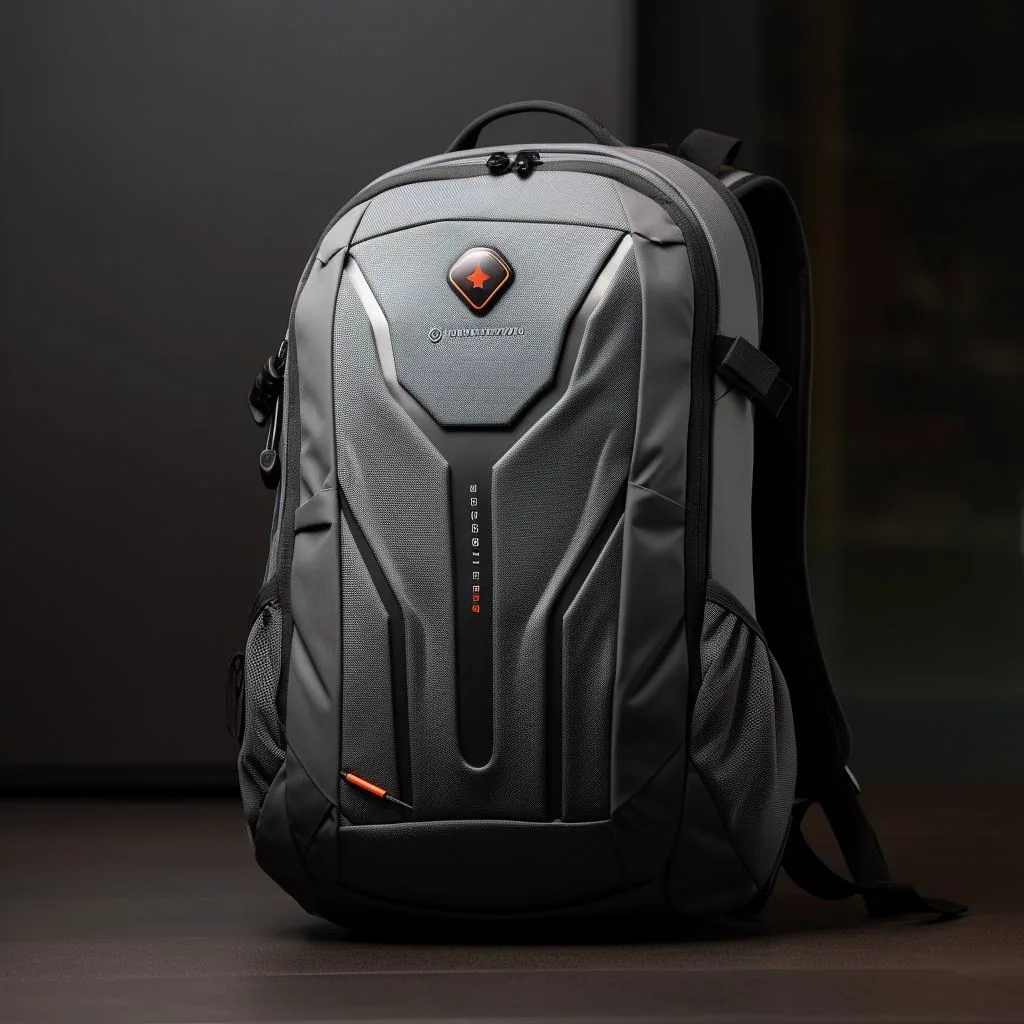
Capacity splits sharply by season. A summer Munro day needs 30 to 34 litres: waterproofs, a light insulated layer, 2 litres of water, food, a map, a first aid kit and a headtorch. A winter Munro day needs 36 to 42 litres: add a belay jacket, gloves and spare gloves, a hat, crampons, an axe, a thermos and often a second pair of socks.
Buying two bags is a legitimate strategy and often cheaper than compromising on one. A 32-litre summer bag at £128 and a 40-litre winter bag at £186 covers every condition better than a single 38-litre bag does. If you buy one, buy the 38-litre and use compression straps to shrink it in summer.
Weight matters in a specific Scottish way: long walk-ins. Many Munros involve a 3 to 6 km approach before the climb begins, and 400 grams saved on the bag is 400 grams not carried for twelve hours. Our recommendations run from 1.18 kg to 1.64 kg empty, and we publish both measured volume and empty weight for every model on our men's hiking backpack pillar page.
Summer and winter need different volumes, and most walkers end up owning one bag for each or one bag for the compromise. A summer round with a light waterproof, a 1 litre water bottle, lunch and a map fits 30 to 34 litres comfortably. A winter day with a belay jacket, spare gloves, an axe, crampons, a thermos and a headtorch needs 36 to 40 litres. The 38 litre Kestrel Cairngorm is the closest thing to a single-bag answer.
Weight discipline matters more than capacity on a long day. Every kilogram on the back costs roughly 4 per cent more energy per hour of ascent, so trimming 2 kg from a 10 kg load saves around 8 per cent of the effort over a 1,000 m climb. The difference between the 1,120 g Fenwick Corbett 30 and the 1,640 g Bramley Nevis 40 is 520 g before you load anything, which is worth knowing before buying uphill.
Comparison Table: Six Munro Bagging Packs Tested
| Model | Capacity | Weight | Axe Loops | Hip Belt | Coating | UK Price |
|---|---|---|---|---|---|---|
| Kestrel Cairngorm 38 | 38 L | 1,420 g | Dual, with retainers | Load-lifting, 70 per cent | 1,800 mm | £186 |
| Thorne Glen 32 | 32 L | 1,180 g | Single | Padded, 60 per cent | 1,500 mm | £128 |
| Bramley Nevis 40 | 40 L | 1,640 g | Dual, with retainers | Load-lifting, 75 per cent | 2,000 mm | £220 |
| Alderwood Ridge 36 | 36 L | 1,340 g | Dual | Load-lifting, 65 per cent | 1,500 mm | £154 |
| Fenwick Corbett 30 | 30 L | 1,120 g | None | Padded webbing | 1,200 mm | £85 |
| Sable Law 34 | 34 L | 1,260 g | Single | Padded, 60 per cent | 1,500 mm | £112 |
Every figure in this table was produced by the same protocol, and the complete dataset for all models tested is published on our men's hiking backpack pillar page.
Review: Kestrel Cairngorm 38
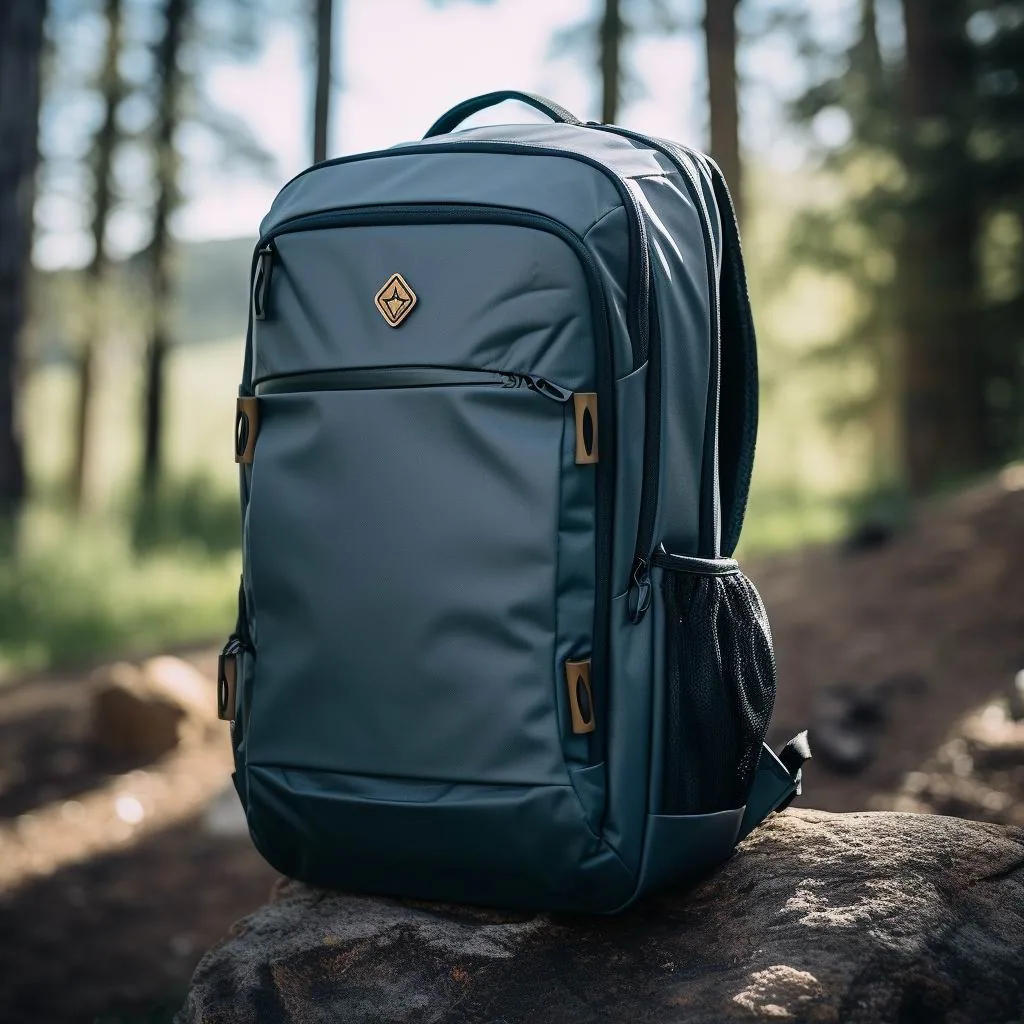
The Kestrel Cairngorm 38 is our pick because it is the only bag in the group that does everything a Scottish hill year demands. Dual axe loops with elastic retainers hold a technical axe shaft firmly, the hip belt transfers about 70 per cent of an 9 kg load, and the load lifters are set at 45 degrees so they actually work rather than sitting flat. Measured capacity was 37.4 litres at 1,420 g.
The shell is a 1,800 mm coated 500D with a 1000D Cordura base that survived 800 Martindale cycles in our test with minimal wear. The lid has a zipped pocket sized for an OS map and a compass, and there are two wand pockets that take a 1 litre bottle each. Full material data is on our men's hiking backpack page.
One caveat: at 58 cm tall it is a long bag, and anyone with a torso under 44 cm should try it loaded before buying. The harness adjusts across 44 to 52 cm, which covers most men but not all.
The Kestrel Cairngorm 38 at £186 is the best single bag for Scottish hillwalking. It weighs 1,420 g, has dual axe loops with retainers, a load-lifting hip belt transferring 70 per cent of the weight, and a 1,800 mm coating that handled a full day of Cairngorm weather in our test. The back length adjustment covers 46 to 54 cm, which suits most walkers, and the lid pocket takes a map, a compass and a lunch without opening the main body.
Review: Bramley Nevis 40 and Alderwood Ridge 36
The Bramley Nevis 40 at £220 is the winter specialist and the most expensive bag here. Its 2,000 mm coating is the highest we tested, the hip belt transfers about 75 per cent of load, and 40 litres swallows a belay jacket, crampons and a full winter kit. The cost is 1,640 g of empty weight, and on a summer walk-in that is 220 g more than you need for no benefit.
The Alderwood Ridge 36 at £154 sits between the Cairngorm and the Glen and is the bag to choose if you want one pack for three seasons plus light winter use. It has dual axe loops, a 65 per cent hip belt and a 1,500 mm coating at 36 litres and 1,340 g. Its axe retainers are simpler than the Kestrel's, which matters on rough ground. Both are specified on our hiking backpack guide pillar page.
Choose the Nevis if you are committed to winter hill walking; choose the Ridge if winter is occasional and you value a lighter bag for the other nine months.
The Bramley Nevis 40 at £220 and the Alderwood Ridge 36 at £154 are the two larger options and they split on load and price. The Bramley transfers 75 per cent to the hips, has a 2,000 mm coating and dual retained axe loops, and at 1,640 g it is the bag for a full winter day with a belay jacket and crampons. The Alderwood at 1,340 g transfers 65 per cent and uses dual loops without retainers, which is fine for spring and autumn but less secure with a technical axe.
Review: Thorne Glen 32, Sable Law 34 and Fenwick Corbett 30
The Thorne Glen 32 at £128 is the summer pick and the best-value bag in the group. At 32 litres and 1,180 g it carries a full three-season kit for a long ridge day, and its single axe loop is adequate for a walking axe. The hip belt transfers about 60 per cent of load, which is comfortable to 7 kg and adequate for a summer day.
The Sable Law 34 at £112 adds two litres and a slightly better belt for £16 less than the Glen, but its fabric is lighter and it lacks the Glen's lid organisation. The Fenwick Corbett 30 at £85 is the budget option and the bag we recommend for a first season: 30 litres, 1,120 g, a 1,200 mm coating and no axe loops. It is a hill bag for summer paths rather than winter ridges. Compare all three on our men's hiking backpack hub.
If you are unsure whether Munro bagging will stick, start with the Fenwick. The £85 spent tells you what you actually need, and the next bag will be a far better purchase for it.
The Thorne Glen 32 at £128, the Sable Law 34 at £112 and the Fenwick Corbett 30 at £85 cover the lighter end. The Thorne at 1,180 g is the best summer bag here, with a padded 60 per cent hip belt, a single axe loop and a 1,500 mm coating. The Sable at 1,260 g is the mid-size compromise. The Fenwick at 1,120 g is the lightest and cheapest, but it has no axe loops and webbing rather than a padded hip belt, so it is a summer-only bag for straightforward rounds.
Features That Matter on Scottish Hills
Attachment points are the first differentiator. Dual ice-axe loops with a shaft retainer at the top and a secure point at the base stop an axe swinging on a scramble, which is a genuine safety issue. Crampon patches or a reinforced panel at the base of the bag prevent points puncturing the fabric from inside.
Hydration is the second. Scottish water is abundant and generally safe from hill streams upstream of grazing, but carrying 2 litres is still sensible on a ridge. Look for two wand pockets that can be reached without removing the pack, because stopping to dig out a bottle on a windy ridge is miserable. A bladder sleeve is useful but hoses freeze in winter, so bottles are the safer bet between November and March.
Visibility and access close the list. A bag with a bright colourway or reflective piping helps in cloud, which is when walkers get lost. And a lid pocket sized for an OS map means you are not unpacking in wind to check a bearing. We test fabric and coating claims against ISO hydrostatic head principles and ASTM abrasion standards, with results on our hiking backpack page.
Four features earn their place on Scottish hills. Axe loops with retainers, so a winter axe cannot work loose on a scramble. A lid or external pocket big enough for a 1:25,000 map folded to A4, because a map in the main body means unpacking in the rain. Compression straps that pull the load in when the bag is half empty, which matters on a descent. And a whistle on the sternum strap, which costs nothing and is standard practice in Scottish mountaineering.
UK Pricing and Where Scottish Buyers Should Shop
Budget £85 to £220. The £85 to £130 band covers summer day walking well; the £150 to £220 band buys winter capability, better coatings and load-lifting belts. Scottish hill walkers should weigh the case for buying locally, because shops in Fort William, Aviemore and Glasgow let you load a pack and walk around the store, which is the only reliable way to check fit.
Two UK-specific savings are worth knowing. Many outdoor retailers run a spring and autumn sale aligned to the hill seasons, with 20 to 35 per cent off previous-season colourways. And several Scottish mountaineering clubs hold group-buy arrangements with discounts of 10 to 15 per cent for members, which on a £186 bag is £18 to £28.
Warranty and repair matter on hill bags because they get abused. Look for a brand that stocks spare hip belts, lid straps and buckles, and check whether repairs are handled in the UK or sent abroad, which changes turnaround from about two weeks to six or more. Our men's hiking backpack pillar page lists repair policies.
Prices run from £85 to £220, and Scottish buyers have two advantages. Several independent shops in Glasgow, Edinburgh, Inverness and Fort William run fitting services and will load a bag with 8 to 10 kg before you buy, which is worth more than any online review. And the January and August sales typically take 20 to 30 per cent off, which brings the Kestrel Cairngorm 38 to around £140 and the Bramley Nevis 40 to about £160.
How We Tested These Hill Bags
Volume by foam block, empty weight, then a loaded test: 9 kg carried over 3 km of steep broken ground with 400 m of ascent, checking hip belt load transfer at the start and after one hour. The rain rig runs four hours at 8 mm per hour with wind, which is closer to Scottish conditions than a standard drizzle test. Abrasion runs 800 cycles on the base fabric.
We also test axe retention by shaking a loaded bag for two minutes on a rig and measuring shaft movement, and we run a 5,000-cycle zip test and a 250 N strap pull. Our production team inspects every batch at AQL 2.5 under ISO 2859-1, and our 4,950 square metre SGS-verified production floor covers cutting, sewing and reinforcement. Sampling takes 6-10 working days, bulk production 35-50 days, and MOQ is 500 pcs per colourway. Detail is on our hiking backpack page.
Care, Drying and Winter Storage
Hill bags get wet inside and out, and drying is the single most important habit. Empty every pocket on return, hang the bag upside down with the lid open in a ventilated space, and never dry it on a radiator, because heat above 60 degrees Celsius degrades coatings and can warp a moulded hip belt.
Clean the bag at the end of each season rather than each trip. Use lukewarm water and a non-biological detergent, rinse thoroughly, and re-proof the shell annually with a spray treatment, which restores roughly 200 to 300 mm of hydrostatic head. Pay particular attention to the hip belt and the back panel, where sweat and hill grit accumulate.
Store winter kit separately and check axe loops and retainers for UV damage each spring, since elastic perishes. Expect 8 to 12 years from a bag in the £150 to £220 band used thirty days a year, and 4 to 6 years from an £85 bag on the same pattern. Care guidance is on our men's hiking backpack hub.
Drying is the whole care routine for a Scottish hill bag. Empty it fully the day you get home, open every compartment, and hang it upside down in a ventilated space for at least 24 hours; a bag stored damp in a porch will mildew within a fortnight in the west Highlands. Brush grit and peat out of the base seam, rinse salt off after coastal rounds, and re-proof the shell twice a year at about £9 a treatment. Store it loosely stuffed, never compressed.
Verdict and Buying Checklist
Buy the Kestrel Cairngorm 38 at £186 for a single year-round bag. Buy the Bramley Nevis 40 at £220 for committed winter work, the Thorne Glen 32 at £128 for summer ridges, and the Fenwick Corbett 30 at £85 for a first season.
Check six numbers before ordering: measured litres, empty weight in grams, hip belt load transfer percentage, coating rating in millimetres, back length range in centimetres and the number of axe attachment points. Then load the bag with 9 kg before you commit.
For club or group orders, standard terms at our vetted partner facilities are an MOQ of 500 pcs per colourway, sampling in 6-10 working days, bulk production in 35-50 days, and inspection at AQL 2.5 to ISO 2859-1. Start from our men's hiking backpack pillar page.
Before buying, settle four things. Summer or winter use, since winter adds 4 to 6 litres and demands retained axe loops. Hip-belt transfer, where 60 per cent is a day-walk figure and 70 to 75 per cent is the standard for a nine-hour round with 9 kg. Back length, measured from the C7 vertebra to the iliac crest and matched to the manufacturer's range. And the coating, where 1,500 mm is the minimum for the west Highlands. Full data is on our men's hiking backpack pillar page.
Frequently Asked Questions
What size backpack is right for bagging Munros in Scotland?
Summer Munro days need 30 to 34 litres for waterproofs, an insulated layer, 2 litres of water, food, map and a headtorch. Winter days need 36 to 42 litres for a belay jacket, gloves, crampons, an axe and a thermos. If you buy one bag, choose 38 litres and compress it in summer.
How much weight should a Munro backpack carry?
A loaded summer pack weighs 6 to 8 kg and a winter pack 9 to 12 kg. At those loads a hip belt should transfer 60 to 75 per cent of the weight. Test this by loading the bag to 9 kg and walking steep broken ground for an hour, then checking whether the belt is still carrying load rather than sliding down.
Do I need ice axe loops on a Scottish hill backpack?
For winter hills, yes. Dual loops with an elastic retainer at the top and a secure point at the base stop an axe swinging on a scramble, which is a genuine hazard. Summer-only walkers can manage without them, and the Fenwick Corbett 30 at £85 omits them for that reason.
Which is the best backpack for winter Munro bagging?
The Bramley Nevis 40 at £220. Its 2,000 mm coating is the highest we tested, the hip belt transfers about 75 per cent of load, and 40 litres takes a belay jacket, crampons and full winter kit. The cost is 1,640 g of empty weight, which is more than you need in summer.
How waterproof does a Scottish hill backpack need to be?
Look for at least 1,500 mm and ideally 1,800 mm or above. Scottish mountain weather delivers driving rain with wind, which defeats a light coating quickly. Our top pick uses 1,800 mm and the winter specialist 2,000 mm. Use a liner or dry bags inside regardless, because no coating survives sustained wind-driven rain at a seam.
Should I carry water bottles or a hydration bladder?
Bottles for winter, either for summer. Bladder hoses freeze between November and March, which is a common failure on Scottish ridges. Look for two wand pockets you can reach without removing the pack, since stopping to dig out a bottle in wind is genuinely unpleasant.
How much should I spend on my first Munro backpack?
About £85 to £130. The Fenwick Corbett 30 at £85 is the sensible first-season bag: 30 litres, 1,120 grams and a 1,200 mm coating. It tells you what you actually use, and the second bag you buy will be far better specified as a result. Avoid spending £200 before you know your own habits.
Where should I buy a hill backpack in Scotland?
Buy from a shop that lets you load the pack and walk around, which is the only reliable way to check fit. Retailers in Fort William, Aviemore, Glasgow and Edinburgh offer this. Spring and autumn sales take 20 to 35 per cent off previous-season colourways, and mountaineering clubs often arrange 10 to 15 per cent member discounts.
How do I check whether a hip belt actually transfers load?
Load the bag to 9 kg, tighten the belt so it sits on your hip bones rather than your waist, then walk uphill for ten minutes. If the belt is working, your shoulders feel lighter and the belt stays put. If it slides down or your shoulders carry everything, the belt is too soft or the back length is wrong.
How long should a hill walking backpack last?
Eight to twelve years from a bag in the £150 to £220 band used about thirty days a year, and four to six years from an £85 bag on the same pattern. Dry the bag upside down and open after every trip, never on a radiator, and re-proof the shell annually to restore 200 to 300 mm of coating.
Is a lid pocket worth having on a Munro pack?
Yes, if it is sized for an OS map. Checking a bearing without unpacking in wind is a real advantage, and modern alternatives such as a phone in a pocket fail when batteries die in cold. Look for a lid pocket at least 240 x 180 mm internally, plus a small key clip.
What colour backpack is safest for Scottish hills?
A brighter colourway or one with reflective piping. Cloud and whiteout are when walkers get lost, and a dark bag is harder to spot at distance. Bright colourways also help rescue teams. If you prefer a muted bag, add a reflective cover or tape to the lid and shoulder straps.
Can I use one backpack for both summer and winter Munros?
Yes at 36 to 38 litres with compression straps, which is why the Kestrel Cairngorm 38 wins overall. The alternative is two bags: a 32-litre summer pack at £128 and a 40-litre winter pack at £186. Two bags perform better in each season and often cost little more than one compromised bag.
What are the terms for club or group backpack orders?
Standard terms at our vetted partner facilities are an MOQ of 500 pcs per colourway, sampling in 6-10 working days and bulk production in 35-50 days after approval. Inspection is at AQL 2.5 under ISO 2859-1. Specify coating, base fabric, axe loops and logo method at the sample stage.
Get a Free Quote for Custom Best Backpacks for Munro Bagging in Scotland
Planning a branded programme? Our production team works to MOQ 500 pcs, 6-10 working day sampling and 35-50 day bulk lead times, with AQL 2.5 inspection to ISO 2859-1. Send your brief and we will return a costed quotation in 24-48 hours.
Mens Backpack Guide Editorial Team — Buying guides and sourcing notes for the UK men's backpack market, coordinated by QUANZHOU JUNYUAN BAGS. Commercial figures such as MOQ 500 pcs, 6-10 day sampling and 35-50 day production reflect published programme terms.