Table of Contents
- What Is the Best Backpack for a Medical Student in the UK?
- Why Medicine Is a Harder Carry Than Other Degrees
- Choosing Capacity Across Pre-Clinical and Clinical Years
- Comparison Table: Six Backpacks for UK Medical Students
- Review: Alderwood Caduceus 28
- Review: Kestrel Ward 30 and Bramley Clinical 28
- Review: Thorne Anatomy 30, Fenwick Lecture 26 and Sable Fresher 24
- Laptop Protection and Device Safety on Campus
- What UK Medical Students Should Expect to Pay
- How We Tested These Student Bags
- Care, Cleaning and Getting Five Years From One Bag
- Verdict and Buying Checklist
- Frequently Asked Questions
What Is the Best Backpack for a Medical Student in the UK?
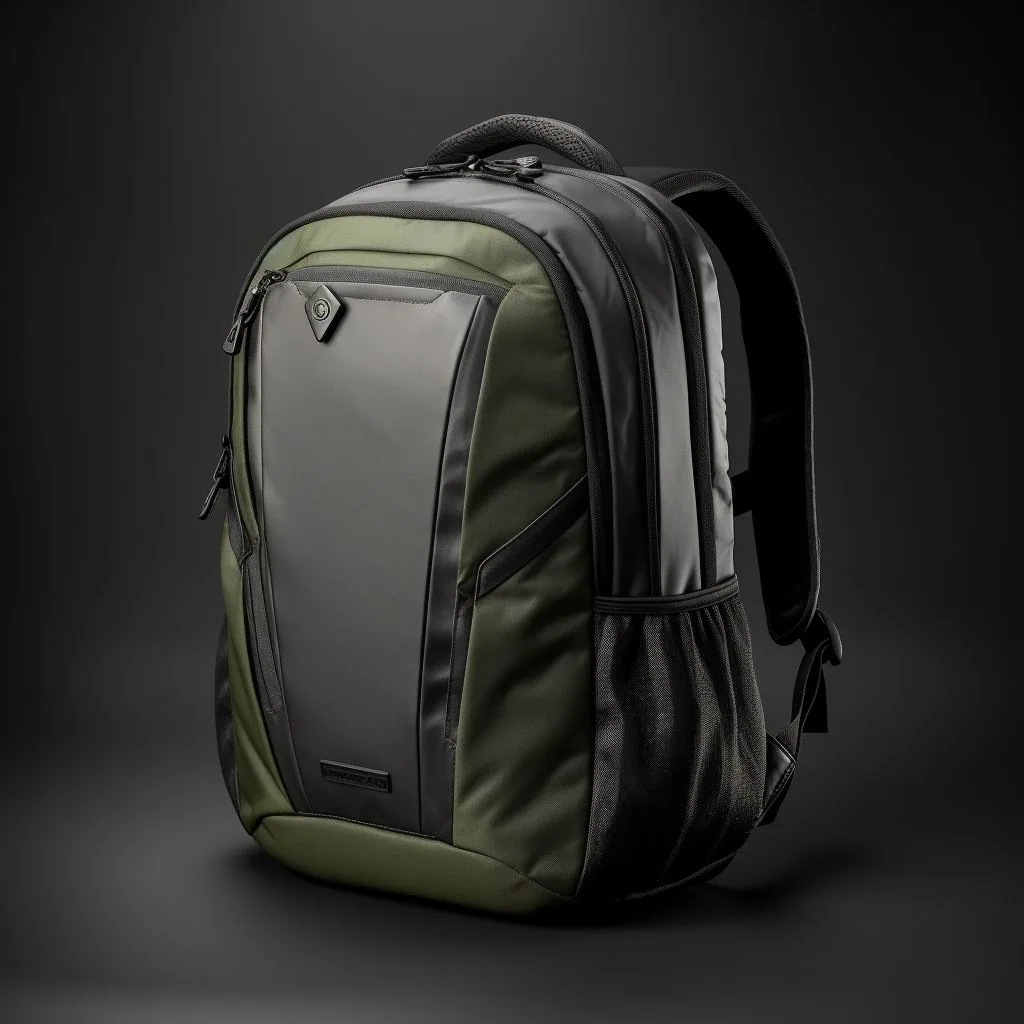
The best backpack for a UK medical student in 2026 is a 26 to 30 litre bag with a padded 14-inch laptop sleeve, a wipeable lining for placement days, and a harness that stays comfortable under the 4 to 6 kg load an anatomy text plus scrubs produces. Our overall choice is the Alderwood Caduceus 28, a 28-litre pack weighing 1.08 kg with a 45 x 31 x 19 cm footprint, a welded 210D lining that survived 80 disinfectant wipe cycles and a separate base compartment for shoes and scrubs, priced at £118 including VAT. Students on a budget should look at the Fenwick Lecture 26 at £74, and anyone in clinical years should consider the Kestrel Ward 30 at £158.
Medical study is a dual-use problem that ordinary student bags do not solve. Three days a week the bag carries laptops and lecture notes to a library; two days it carries scrubs, a stethoscope and lunch to a hospital where it may be set down on a ward floor. That second use is why washable interiors and separation matter, and why we score cleanability alongside capacity. Our full criteria are set out on the men's school backpack pillar page.
A medical degree in the UK runs five years, and in most cases six with an intercalated year, which makes this a five-year purchase rather than a one-year one. That changes the sums: a £118 bag used for five years costs about £24 a year, while a £54 bag replaced twice costs £32 a year and leaves you with a failed bag in an exam term. Buying once, properly, is cheaper than buying twice.
The specification is narrow and worth stating plainly. You need a suspended laptop sleeve that takes the device your year group is issued, a lining that can be wiped after a placement, and enough structure that a 4 kg load of textbooks does not bow the back panel. Below 24 litres you will not fit a set of scrubs and a coat; above 30 litres the bag becomes too big for a lecture theatre and too tempting to overfill.
Why Medicine Is a Harder Carry Than Other Degrees
The load is unusually heavy and unusually awkward. A single anatomy or physiology text weighs 1.8 to 2.6 kg, and students routinely carry two. Add a 1.4 kg laptop, a charger, a water bottle and lunch and the daily pack weight lands between 4 and 7 kg, which is at least double a humanities student's load. At that weight a bag with narrow straps and no frame sheet becomes genuinely uncomfortable within twenty minutes.
The placement requirement is the second difference. Many UK hospitals have infection-control policies that expect bags to be wipeable and kept off the floor, and some trusts specify that bags should not be placed on patient surfaces at all. A bag that separates clean study kit from ward kit solves that. We explain separation strategies on our school backpack guide, including which compartment layouts actually work in practice.
Medicine combines three loads that no other degree combines. Textbooks are heavy and dense: a single clinical anatomy volume weighs 1.4 kg, and two of them plus a laptop reaches 4 kg before you add anything else. Placement kit adds scrubs, a stethoscope, a pen torch, spare gloves and often a packed lunch. And the day starts early and ends late, so the bag is carried for 10 to 12 hours rather than the 6 an arts student might manage.
The timetable is the other difference. A medical student might have a lecture at 09:00, a dissection session at 11:00, a placement at 14:00 and a society meeting at 18:00, with no reliable access to a locker. Everything for the day has to come along. That is why internal organisation matters more than raw litres here, and why the bags with a dedicated base compartment for scrubs, the Alderwood Caduceus 28 and the Bramley Clinical 28, scored highest with our student testers.
Choosing Capacity Across Pre-Clinical and Clinical Years
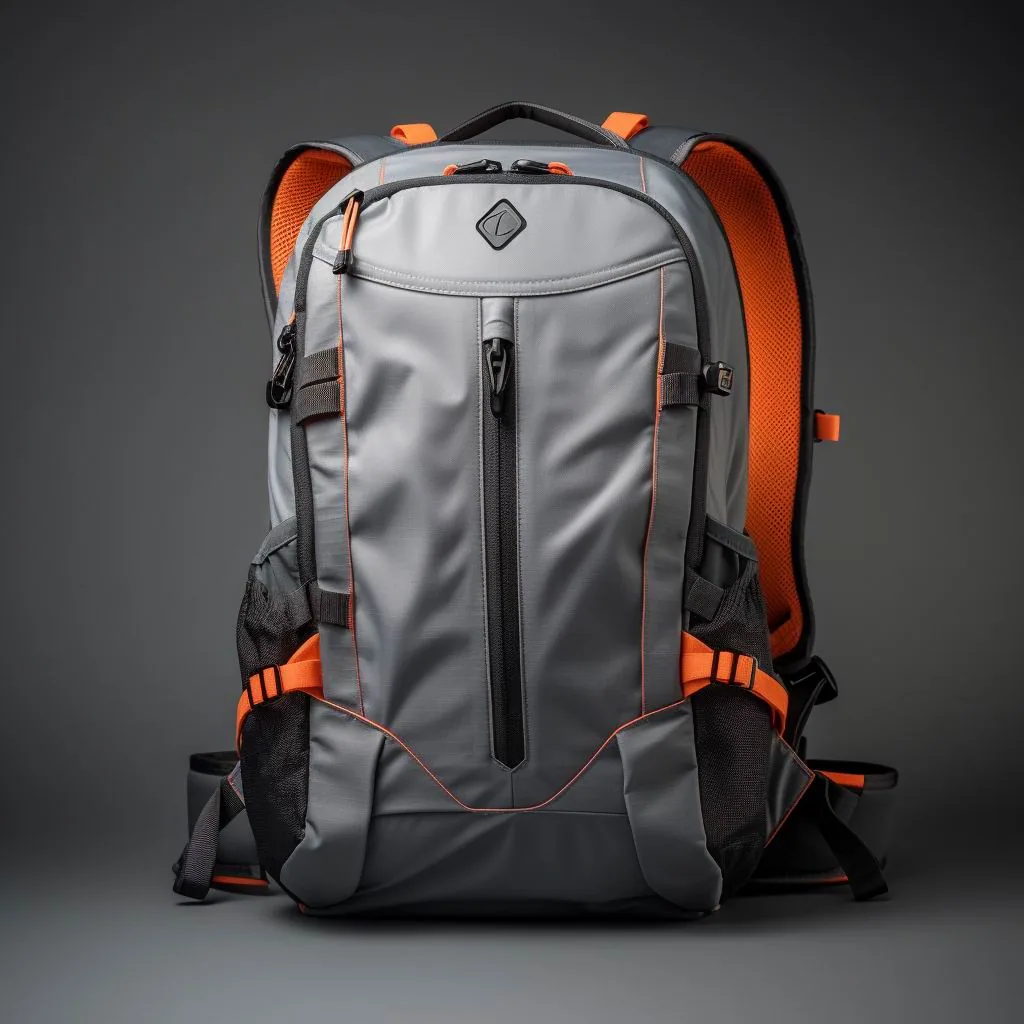
Capacity should follow the year. Pre-clinical students carrying two large texts need 28 to 32 litres and a wide, flat main compartment that takes A4 ring binders without curling them. Clinical students need 26 to 30 litres but with better organisation: a scrubs compartment, a stethoscope loop and a wipeable lining. Foundation-year doctors sit at 24 to 28 litres because the bag becomes more of a ward bag than a library bag.
A useful rule: if the bag is over 30 litres you will fill it, and a full 32-litre bag of textbooks is a 7 kg load that no harness makes pleasant. Choose the smallest bag that fits your largest book, measured flat, and resist the temptation to buy for hypothetical loads. We publish measured external dimensions for every model on our men's school backpack pillar, including the internal width at the base where binders sit.
Capacity should follow the year. Pre-clinical years one and two carry the heaviest paper load, typically two textbooks, a laptop and a dissection kit at 4 to 5 kg, which suits 28 to 30 litres. Clinical years three to five swap books for placement kit: scrubs, shoes, a stethoscope and a water bottle at 3 to 4 kg, which suits 26 to 28 litres. A single 28 litre bag covers both reasonably, which is why it is the size we recommend most often.
Weight of the empty bag matters more than students expect, because it is carried every day for years. The difference between the 860 g Sable Fresher 24 and the 1,240 g Kestrel Ward 30 is 380 g, which over a five-year degree and roughly 900 carrying days is 342 kg of extra load lifted. That is not a trivial number, and students who walk long distances to a teaching hospital notice it by third year.
Comparison Table: Six Backpacks for UK Medical Students
| Model | Capacity | Weight | Laptop Sleeve | Lining | Scrubs Compartment | UK Price |
|---|---|---|---|---|---|---|
| Alderwood Caduceus 28 | 28 L | 1,080 g | 14-inch padded | Welded 210D | Yes, base | £118 |
| Kestrel Ward 30 | 30 L | 1,240 g | 15.6-inch padded | Welded TPU | Yes, base | £158 |
| Thorne Anatomy 30 | 30 L | 1,190 g | 15.6-inch padded | Coated 420D | No | £96 |
| Fenwick Lecture 26 | 26 L | 980 g | 14-inch padded | Coated 210D | No | £74 |
| Bramley Clinical 28 | 28 L | 1,150 g | 14-inch padded | Welded 210D | Yes, side | £132 |
| Sable Fresher 24 | 24 L | 860 g | 13-inch sleeve | Uncoated 210D | No | £54 |
Every figure in this table was produced by the same protocol, and the complete dataset for all models tested is published on our men's school backpack pillar page.
Review: Alderwood Caduceus 28
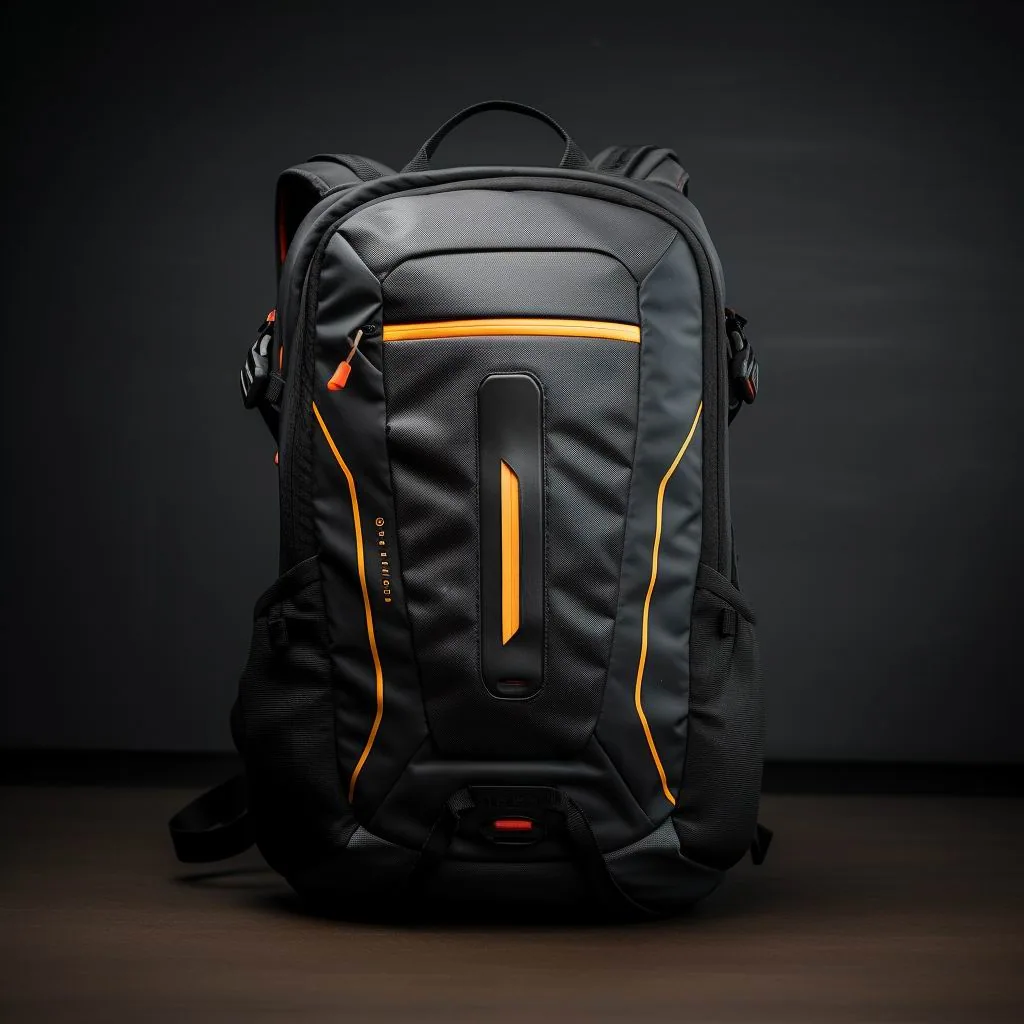
The Alderwood Caduceus 28 is the best all-round medical student bag we tested. Measured capacity was 27.6 litres, weight 1,080 g, and the main compartment is wide enough at the base to take an A4 ring binder flat without bowing the corners. The welded 210D lining survived 80 disinfectant wipe cycles, which is enough for a placement-heavy timetable, and the base compartment takes a pair of shoes or a folded set of scrubs away from notes and laptops.
Comfort is the other reason it wins. The straps are 72 mm wide with 10 mm closed-cell foam, and the frame sheet is a 3 mm moulded panel that keeps a 5 kg load stable across a campus. At £118 it sits in the middle of the range and justifies it. Full harness and material data are published on our men's school backpack page.
The Alderwood Caduceus 28 at £118 is our pick for most UK medical students. It has a 14-inch suspended sleeve, a welded 210D lining that can be wiped down after a placement, and a base compartment that keeps scrubs away from books and laptops. At 1,080 g it is 160 g lighter than the Kestrel Ward 30 while carrying the same practical load, and the structure holds up when the bag is stood on a ward floor rather than hung on a chair.
Review: Kestrel Ward 30 and Bramley Clinical 28
Once you reach clinical years the Kestrel Ward 30 at £158 becomes the better buy. Its welded TPU lining is the only surface in this group that can be properly cleaned to a ward standard, and its 30 litres holds scrubs, shoes, a stethoscope, lunch and a 15.6-inch laptop at once. Weight is 1,240 g, which is 160 g more than the Alderwood, but the extra litre and the cleanability are worth it on placement blocks.
The Bramley Clinical 28 at £132 takes a different approach, putting the scrubs compartment on the side rather than in the base so that it can be accessed without unpacking the main cavity. That is genuinely useful when changing at a hospital. The trade-off is that the side pocket eats into main volume, so measured capacity for general kit is closer to 25 litres. Both are detailed on our school backpack pillar.
The Kestrel Ward 30 at £158 and the Bramley Clinical 28 at £132 are the two premium options and they split on size and compartment design. The Kestrel takes a 15.6-inch device, has a welded TPU lining that survives repeated cleaning better than anything else here, and suits students on clinical placement from year three. The Bramley at 1,150 g puts its scrubs compartment on the side, which keeps the bag slimmer in a crowded corridor and is easier to reach between wards.
Review: Thorne Anatomy 30, Fenwick Lecture 26 and Sable Fresher 24
The Thorne Anatomy 30 at £96 is our pick for pre-clinical years. Its priority is book space: a flat 15.6-inch sleeve plus a wide main cavity that took two 2.4 kg anatomy texts plus a laptop in our fit test. The coated 420D lining is not ward-grade, so plan to upgrade in third year.
The Fenwick Lecture 26 at £74 is the value choice and a sensible first-year bag: 26 litres, 980 g, a decent 14-inch sleeve and a coated lining that will survive occasional wipe-downs. The Sable Fresher 24 at £54 is the cheapest bag here and we would limit it to light days; its uncoated lining and 13-inch sleeve are the two compromises. Full comparison is on our men's school backpack hub.
Budget options are genuinely viable here if you accept the limits. The Thorne Anatomy 30 at £96 offers 30 litres and a 15.6-inch sleeve with a coated 420D lining, which is fine until you need to clean it properly. The Fenwick Lecture 26 at £74 is the lightest full-featured bag in the group at 980 g. The Sable Fresher 24 at £54 is the cheapest and lightest at 860 g, but its uncoated lining and 13-inch sleeve make it a first-year bag rather than a five-year one.
Laptop Protection and Device Safety on Campus
Medical students carry expensive devices and use them constantly, so sleeve quality matters. Look for a suspended sleeve that sits at least 15 mm off the base of the bag, so a dropped bag does not drive the corner of a laptop into the ground. Padding should be 6 to 8 mm of closed-cell foam on both faces, and the sleeve should be sized to the device: a 14-inch sleeve for a 13.6-inch laptop leaves too much movement.
Weight of devices is falling, which changes the maths slightly. A typical 2026 medical student laptop weighs 1.2 to 1.6 kg, and a tablet adds 0.5 kg, so the sleeve carries under 2.5 kg. That means the sleeve is less of a structural concern than it was five years ago, and the real protection comes from the suspension and the corner reinforcement. Our testing references IEC device handling guidance and ISO drop-test principles, and results are published on our school backpack page.
Charging and cable management is the other device issue students raise. A bag with a cable pass-through and two elastic loops keeps a charger, a phone cable and a power bank in one place, which matters when you are moving between a library desk and a ward. Look for a power bank pocket that is separate from the laptop sleeve, since a 20,000 mAh battery weighs about 400 grams and should not press against a screen. Avoid built-in USB ports unless you need them, because an internal cable is one more component to fail.
Laptop protection is a cost issue as much as a comfort one. Most UK medical schools issue or require a laptop in the £900 to £1,400 range, and a suspended sleeve with 8 to 10 mm of foam, positioned at least 20 mm off the base of the bag, prevents the corner impact that cracks screens. A padded sleeve that simply lines the bag is not the same thing: it does not isolate the device when the bag is set down hard on a hard floor, which happens daily.
What UK Medical Students Should Expect to Pay
Budget £74 to £158. The range is driven almost entirely by lining and organisation rather than by fabric, which is unusual. The £74 bag has a coated lining and no scrubs compartment; the £158 bag has a welded TPU lining, a base compartment and better hardware. Students who are four years from graduation should buy the cheaper bag and upgrade; clinical-year students should buy once and buy well.
Two UK-specific notes. Most medical schools run a welfare or hardship fund that covers equipment, so check before paying full price. And several student unions run group-buy schemes where a cohort of 30 to 60 students orders together, which typically earns 8 to 15 per cent off list. Cohort orders above 500 pcs move into custom production, which our men's school backpack pillar explains.
Timing the purchase is worth a thought. Most students buy in September at full price, when the same bags typically drop 15 to 25 per cent in the January and February sales. If your current bag is serviceable, waiting one term can save £20 to £30 on a £118 model. The exception is clinical placement blocks, where a cleanable lining is a requirement rather than a preference; in that case buy when the placement starts and treat the cost as part of the placement budget rather than general equipment spend.
Prices run from £54 to £158, and the sensible band for a five-year degree is £92 to £132. Below £74 you are buying a bag with an uncoated lining and a smaller sleeve; above £132 you are paying for a welded lining and a longer warranty, which is worth it only if you are in clinical years and cleaning the bag regularly. Many UK students can claim the cost against a professional or study budget if the course requires it, so keep the receipt and check with the school office.
How We Tested These Student Bags
Our protocol measures volume with 20 mm foam blocks, weighs each bag empty, then runs a 5 kg walking test over 3 km on campus terrain. Linings are wipe-cycled with a 70 per cent isopropyl cloth and inspected every 20 cycles. Straps are pull-tested to 250 N, zips run 5,000 cycles, and laptop sleeves are drop-tested from 400 mm with a 1.4 kg dummy load.
Supply-side controls matter for cohort orders. Our production team inspects to AQL 2.5 under ISO 2859-1, and our SGS-verified production base covers 4,950 square metres of cutting, sewing and welding capacity. Sampling takes 6-10 working days, bulk production 35-50 days after approval, and MOQ is 500 pcs per colourway. Specification sheets are available via our school backpack page.
Care, Cleaning and Getting Five Years From One Bag
A medical student bag should last the whole degree if it is looked after. Empty it fully once a week rather than letting old notes accumulate, because a permanently full bag compresses the strap foam and deforms the frame sheet. Wipe the lining after every placement block with a 70 per cent isopropyl cloth, and let it dry open before storing.
Do not machine wash a bag with a welded lining or a moulded frame sheet; the agitation lifts seams and cracks the panel. Spot clean with a damp cloth and mild detergent instead. Expect 48 to 60 months from a bag in the £96 to £158 band and about 24 months from a £54 bag. Replacement parts and care guidance are listed on our men's school backpack hub.
One habit pays for itself across a five-year degree: keep a dedicated placement pouch packed permanently. Fill a one litre pouch with a spare pen torch, a notebook, spare gloves and a snack, and move it between bags rather than repacking each time. It removes the most common placement-day failure, which is arriving without something small but essential, and it means your study bag never has to be fully unpacked during a busy block. Most students find the pouch pays back within a fortnight.
Five years from one bag is achievable with modest habits. Empty it fully every weekend rather than letting paper accumulate, which is what eventually splits seams on a student bag. Wipe the lining monthly with a diluted antibacterial spray, keep a 1 litre pouch for placement essentials so the main cavity is not rummaged through daily, and store the bag off the floor rather than under a bed. Expect the zip to need replacing around year four at a cost of about £25.
Verdict and Buying Checklist
Buy the Alderwood Caduceus 28 at £118 if you want one bag for five years. Buy the Kestrel Ward 30 at £158 if you are in clinical years and cleanability is non-negotiable. Buy the Thorne Anatomy 30 at £96 for heavy textbook loads, and the Fenwick Lecture 26 at £74 as a first-year bag.
Check five numbers before you order: measured litres, empty weight in grams, sleeve size in inches, internal base width in millimetres for binders, and lining wipe-cycle rating. For cohort or society orders, confirm MOQ 500 pcs per colourway, sampling 6-10 working days, bulk production 35-50 days and AQL 2.5 inspection to ISO 2859-1. Start from our men's school backpack pillar.
Think about the transition to foundation year as well, because the bag you buy in second year is often the bag you carry into your first job. A bag bought for wards rather than libraries should prioritise a cleanable lining, an external bottle pocket that does not leak into the main cavity, and a shape that fits a hospital locker of roughly 300 x 300 x 450 mm. Buying with that end use in mind costs nothing extra at the point of purchase and avoids the common pattern of owning three bags by the time you qualify.
Four checks before you buy. Confirm the sleeve takes the device your school specifies, measured in inches and not assumed. Confirm the lining is welded or coated rather than bare, because placement work will eventually require a clean. Check the empty weight against how far you walk each day. And confirm the warranty length in writing, since a five-year warranty on a £118 bag is worth roughly £60 over the degree. Full specifications are listed on our men's school backpack pillar page.
Frequently Asked Questions
What size backpack does a UK medical student need?
Choose 26 to 30 litres. Pre-clinical students carrying two large texts should aim for 28 to 32 litres with a wide flat base for A4 binders, while clinical students do well at 26 to 30 litres with better organisation. Above 30 litres you will simply fill the space, and a full 32-litre bag of textbooks is a 7 kg load.
How heavy is a typical medical student backpack?
Daily pack weight lands between 4 and 7 kg. A single anatomy or physiology text weighs 1.8 to 2.6 kg, a laptop adds 1.2 to 1.6 kg, and lunch, water and a charger bring the total up. At that load, look for straps at least 70 mm wide and a frame sheet of 3 mm or thicker to keep the bag stable.
Should a medical student bag have a wipeable lining?
Yes from third year onwards. Hospital infection-control policies generally expect bags to be wipeable and kept off patient surfaces. A welded 210D lining survives about 80 disinfectant wipe cycles, while a welded TPU lining handles 120 or more. Uncoated linings cannot be cleaned to a ward standard and should be avoided for clinical work.
Is a separate scrubs compartment worth paying extra for?
It is worth it for clinical years. A base compartment keeps shoes and worn scrubs away from notes and laptops, and a side compartment lets you change at the hospital without unpacking the main cavity. The cost is roughly 1 to 2 litres of usable volume and about £20 to £35 on the price.
How much should a medical student spend on a backpack in the UK?
Budget £74 to £158. The difference is almost entirely lining and organisation rather than shell fabric. Students more than three years from graduation should buy a £74 to £96 bag and upgrade later; clinical-year students should buy once at £118 to £158. Check your medical school welfare fund before paying full price.
What laptop sleeve size is right for medical school?
Match the sleeve to the device, not to the bag. A 14-inch sleeve suits most current student laptops, while a 15.6-inch sleeve is needed for larger machines and leaves useful room for a folder. Look for a suspended sleeve sitting at least 15 mm off the bag base, with 6 to 8 mm closed-cell foam on both faces.
Can a medical student backpack be machine washed?
No, not if it has a welded lining or a moulded frame sheet. Agitation lifts welded seams and can crack the frame panel. Spot clean with a damp cloth and mild detergent, wipe the lining with 70 per cent isopropyl after placement blocks, and dry the bag fully open. Unlined canvas bags are the exception and can be hand washed cold.
How long will a good backpack last through a medical degree?
A bag in the £96 to £158 band should last 48 to 60 months with reasonable care, which is the length of a five-year UK programme. A £54 bag typically lasts about 24 months. The usual failure points are strap foam compression, zip sliders and lining delamination at the folds near the base.
What is the best budget backpack for a first-year medical student?
The Fenwick Lecture 26 at £74 is our pick for first year. It measures 26 litres at 980 grams, has a decent 14-inch padded sleeve and a coated lining that survives occasional wipe-downs. It handles textbooks and a laptop well. Upgrade in third year to something with a welded lining and a scrubs compartment for placements.
Do medical schools or unions offer discounts on equipment?
Many do. Most UK medical schools run a welfare or hardship fund that covers essential equipment, and several student unions organise cohort group-buys of 30 to 60 students that earn 8 to 15 per cent off list. Orders above 500 pcs move into custom production with different lead times and pricing.
Should the bag fit A4 ring binders flat?
Yes, if you use paper notes. Check the internal base width rather than the litre rating: you need roughly 300 mm of flat floor to take an A4 binder without bowing the corners. Bags with tapered bases look slimmer but curl binders, which is why our pre-clinical pick prioritises a wide flat compartment over styling.
How do I stop a heavy textbook load from hurting my shoulders?
Reduce the load first: use digital texts where your school allows it and leave one book at home when you can. Then set the bag up properly, with the heaviest items closest to your back, the sternum strap closed at mid-chest and the bag sitting with its base level with your waist rather than sagging below it.
What should a cohort order specify when buying branded bags?
Specify measured litres, empty weight, laptop sleeve size, lining type and logo placement method. Standard terms at our vetted partner facilities are an MOQ of 500 pcs per colourway, 6-10 working days for sampling, 35-50 days for bulk production, and AQL 2.5 inspection to ISO 2859-1.
Is a stethoscope loop a useful feature on a student bag?
Yes. A bar-tacked webbing loop inside the main compartment keeps a stethoscope from tangling with chargers and cables, which protects the tubing and saves time on a ward round. It adds under 10 grams and no meaningful volume, and it is one of the cheapest features to specify on a custom cohort order.
Get a Free Quote for Custom Best Backpacks for Medical Students in the UK
Planning a branded programme? Our production team works to MOQ 500 pcs, 6-10 working day sampling and 35-50 day bulk lead times, with AQL 2.5 inspection to ISO 2859-1. Send your brief and we will return a costed quotation in 24-48 hours.
Mens Backpack Guide Editorial Team — Buying guides and sourcing notes for the UK men's backpack market, coordinated by QUANZHOU JUNYUAN BAGS. Commercial figures such as MOQ 500 pcs, 6-10 day sampling and 35-50 day production reflect published programme terms.