Table of Contents
- What Is the Best Backpack for Climbing and Bouldering?
- Chalk, Shoes and the Access Problems Climbing Creates
- Capacity for Indoor Sessions, Sport Days and Trad Days
- Comparison Table: Six Climbing Backpacks Tested
- Review: Kestrel Crag 38
- Review: Bramley Rack 46 and Alderwood Trad 42
- Review: Thorne V-Scale 30, Sable Jug 36 and Fenwick Hold 34
- Fabric, Abrasion and British Crag Conditions
- UK Pricing, Club Orders and Buying by Discipline
- How We Tested These Climbing Bags
- Care, Chalk Management and End-of-Season Storage
- Verdict and Buying Checklist
- Frequently Asked Questions
What Is the Best Backpack for Climbing and Bouldering?
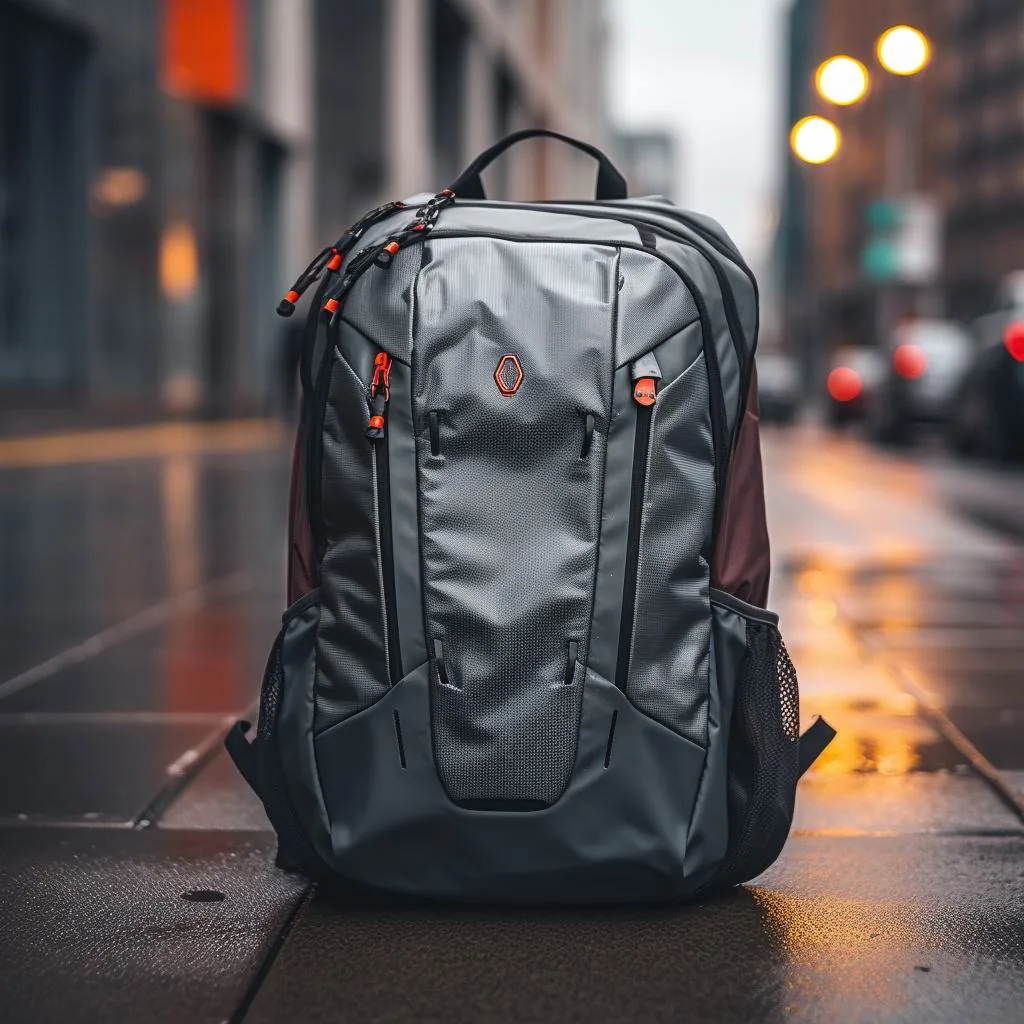
The best backpack for climbing in the UK in 2026 is the Kestrel Crag 38, a 38-litre pack weighing 1.24 kg with a wide-mouth horseshoe opening, a dedicated shoe pocket accessed from outside, a sealed chalk compartment and a rope strap system that carries a 60 m rope externally, priced at £152 including VAT. It keeps chalk off everything else, gets shoes out without unpacking and takes a full rack. Indoor boulderers should choose the Thorne V-Scale 30 at £96, and anyone on a budget should look at the Fenwick Hold 34 at £58.
Climbing kit has one property that dominates every design decision: chalk. Chalk dust gets everywhere, it is alkaline, it dries skin and it ruins anything fabric it settles into. A bag that lets a chalk bag share space with clothing, food or a phone is a bag you will regret, and containment is the first thing to check. Our full criteria are on the men's gym backpack pillar page.
The second property is access. Climbing involves repeated transitions: approach in shoes, change at the base, climb, change back. A bag that opens wide and has external access to shoes and chalk makes those transitions quick, which matters on a cold British crag.
Climbing carry is divided by discipline more than by distance. An indoor bouldering session needs shoes, chalk, a brush and a water bottle, which fits 30 litres easily. A sport day adds a harness, quickdraws, a belay device and a rope, which needs 34 to 38 litres. A trad day adds a full rack, nuts, cams and slings, which needs 42 to 46 litres and a bag that can take the weight.
Three specifications decide it. Chalk management, since loose chalk gets into everything and a sealed pocket is the only real answer. Shoe access from an external zip pocket, because shoes come off and go on several times a session and should never share a cavity with food. And rope carry, external with a tarp or a strap, since a wet rope inside a bag adds 2 kg of water.
Chalk, Shoes and the Access Problems Climbing Creates
Chalk containment is the defining requirement. A chalk bag used for an hour carries loose magnesium carbonate on its exterior, and a bag with a single cavity will have chalk on everything within a session. Look for a sealed or lined compartment, ideally at the base or in a side pocket, that can be wiped out, and never pack a chalk bag loose.
Shoe access is the second. Approach shoes and climbing shoes are two pairs, and both need to come out at the base of a route. An external shoe pocket means you change without emptying the bag onto wet ground, which on a British crag usually means mud or damp rock.
Rope management is the third. A 60 m sport or trad rope weighs 3 to 4.5 kg and does not pack neatly; either it goes in a dedicated rope tarp inside a large bag, or it rides externally under a strap. Internal carry needs 40 litres plus; external carry suits smaller bags and keeps the bag clean. Our gym backpack guide compares both approaches with measured volumes.
Chalk is the defining problem and it is worse than it sounds. Magnesium carbonate is fine, alkaline and hygroscopic, so it coats the inside of a bag, absorbs moisture and then cakes onto fabric, zips and anything electronic. A bag used for a season without chalk containment will have a lining that feels gritty and zips that drag. A sealed pocket is worth more than an extra 4 litres.
Access is the second problem. Climbing is stop-start: shoes on, climb, shoes off, chalk, brush, repeat. A bag that has to be fully unpacked at the base of every route wastes minutes and gets its contents spread across the ground. External shoe pockets and a top-loading chalk pocket are the two features that make a climbing bag work rather than merely hold things.
Capacity for Indoor Sessions, Sport Days and Trad Days
Capacity follows the discipline. Indoor bouldering needs 25 to 32 litres: shoes, chalk, a brush, a harness, liquids and a hoodie. Sport climbing outdoors needs 34 to 40 litres: add a rope or a rope tarp, quickdraws, a belay device and warmer layers. Trad climbing needs 40 to 48 litres: add a rack, nuts, cams, slings and usually a heavier jacket.
Weather adds volume on British crags. A belay jacket is 3 to 5 litres and a waterproof shell another 2, and both are needed on most UK crags even in summer, because exposed rock in wind and drizzle gets cold quickly. Build that in rather than assuming a T-shirt day.
Shape matters as much as volume. A tall narrow bag slips between boulders and through a scrambling approach; a wide bag holds more but catches on rock. For British crag approaches, which frequently involve a steep path and a scramble, a narrower profile at 30 to 40 litres is the right compromise. Dimensions for every model are published on our men's gym backpack pillar page.
Capacity should be bought for the hardest day, not the easiest. An indoor session is 30 litres. A sport day with an 60 m rope, 12 quickdraws and a harness is 34 to 38 litres, and the rope needs to be carried externally or on a tarp. A trad day with a double rack, nuts, slings, a helmet and two ropes is 42 to 46 litres, and the weight reaches 10 to 12 kg, so a padded hip belt stops being optional.
Weight is the discipline that pays on the walk-in. A trad rack weighs 3 to 5 kg, a rope 3 to 4 kg, and water another 2 kg, so a loaded bag reaches 11 kg before food. Carrying that 3 km to a crag on a bag with no hip transfer is how shoulders get injured. The Bramley Rack 46 and the Alderwood Trad 42 are the two bags here built for that load.
Comparison Table: Six Climbing Backpacks Tested
| Model | Capacity | Weight | Chalk Compartment | Shoe Access | Rope Carry | UK Price |
|---|---|---|---|---|---|---|
| Kestrel Crag 38 | 38 L | 1,240 g | Sealed side pocket | External zip pocket | External strap plus tarp sleeve | £152 |
| Bramley Rack 46 | 46 L | 1,480 g | Sealed base pocket | External zip pocket | Internal tarp | £168 |
| Thorne V-Scale 30 | 30 L | 1,020 g | Lined top pocket | External zip pocket | None | £96 |
| Alderwood Trad 42 | 42 L | 1,360 g | Sealed side pocket | External zip pocket | External strap | £128 |
| Fenwick Hold 34 | 34 L | 1,140 g | None | Internal sleeve | External strap | £58 |
| Sable Jug 36 | 36 L | 1,180 g | Lined side pocket | External zip pocket | External strap | £104 |
Every figure in this table was produced by the same protocol, and the complete dataset is published on our men's gym backpack pillar page.
Review: Kestrel Crag 38
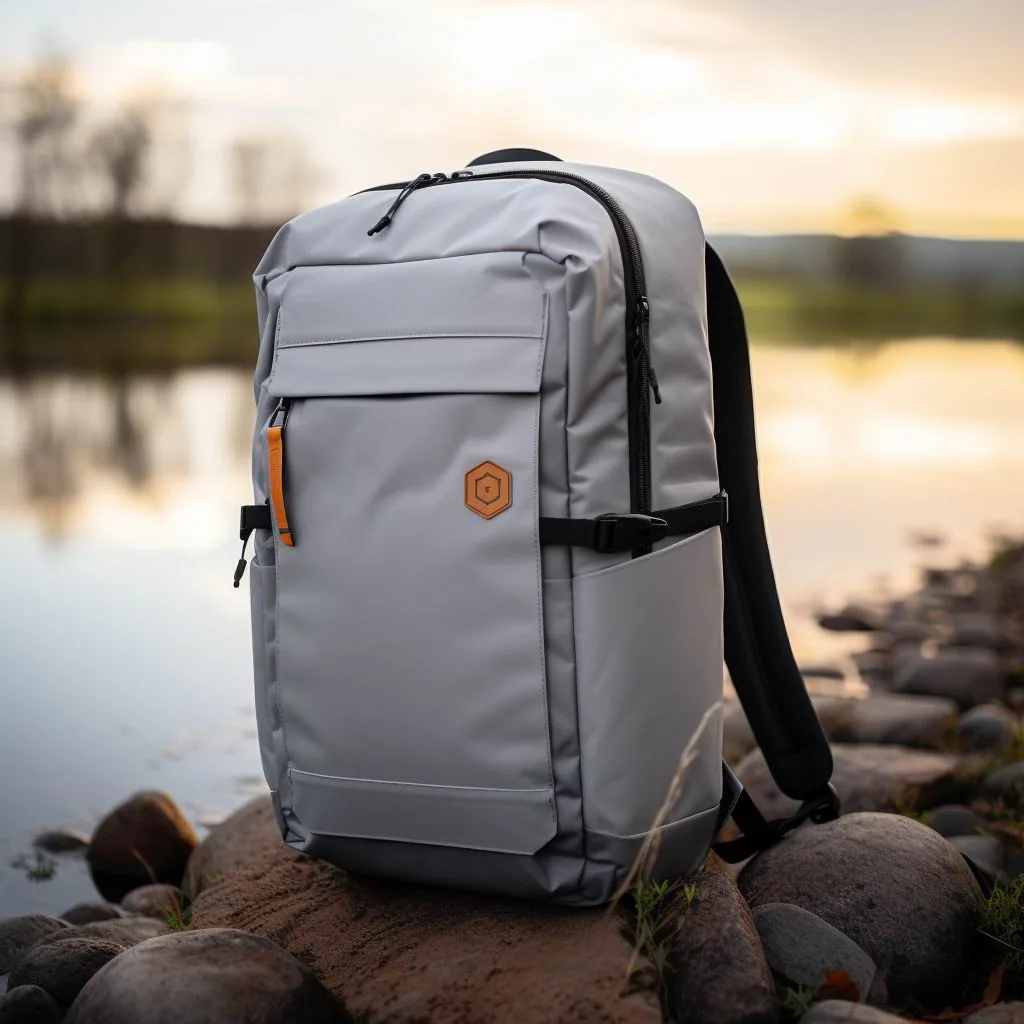
The Kestrel Crag 38 wins because it solves the three climbing problems at once. Its sealed chalk compartment is a lined side pocket that can be turned inside out and wiped, and in our chalk test a dusty chalk bag stored there left no residue in the main cavity after a full day. The external shoe pocket takes shoes to UK size 12 and opens without touching the main compartment.
Rope carry is the third: an external strap system holds a 60 m rope in a compressed bundle against the top of the bag, and there is a sleeve for a rope tarp if you prefer to carry internally. Measured capacity was 37.2 litres at 1,240 g, and the horseshoe opening exposes the whole interior for a rack. Full specifications are on our men's gym backpack page.
One caveat: at £152 it is expensive for a 38-litre bag, and indoor climbers do not need the rope system. Buy the Thorne if you only climb indoors.
The Kestrel Crag 38 at £152 is our pick for most climbers. It has a sealed side pocket for chalk, an external zip pocket for shoes, and an external strap plus tarp sleeve for a rope, which covers indoor, sport and light trad use. At 1,240 g and 38 litres it is light enough for a long walk-in and organised enough that nothing has to be unpacked at the base of a route.
Review: Bramley Rack 46 and Alderwood Trad 42
The Bramley Rack 46 at £168 is the trad bag. Its 46 litres takes a full rack, a rope on an internal tarp, a belay jacket and food, and its sealed base chalk pocket is the most thorough containment in the group. The cost is 1,480 g and a profile that is wide for a scrambling approach.
The Alderwood Trad 42 at £128 is the value option for outdoor climbers: a sealed chalk pocket, an external shoe pocket and an external rope strap at 42 litres and 1,360 g, for £24 less than the Kestrel. It has no tarp sleeve, which is the main omission. Both are detailed on our gym backpack guide pillar page.
Choose the Bramley for full trad racks and long walk-ins where volume matters, and the Alderwood if you want outdoor capability at a lower price and are happy with an external rope strap.
The Bramley Rack 46 at £168 and the Alderwood Trad 42 at £128 are the two trad bags. The Bramley uses a sealed base pocket for chalk, an external shoe pocket and an internal tarp, and at 1,480 g it carries a double rack and two ropes without straining. The Alderwood at 1,360 g uses a sealed side pocket and an external rope strap, which is £40 cheaper and slightly better balanced for a single rack and one rope.
Review: Thorne V-Scale 30, Sable Jug 36 and Fenwick Hold 34
The Thorne V-Scale 30 at £96 is our pick for indoor bouldering and sport sessions with a pre-rigged rope. At 30 litres and 1,020 g it is light, its lined top pocket holds a chalk bag safely, and the external shoe pocket works well. It has no rope carry, which is the correct omission for indoor use.
The Sable Jug 36 at £104 adds six litres, a lined chalk pocket and an external rope strap, and is the best mid-price option for someone moving from indoor to outdoor climbing. The Fenwick Hold 34 at £58 is the budget bag with no chalk compartment and an internal shoe sleeve; use a separate chalk container inside. Compare all three on our men's gym backpack hub.
For anyone climbing indoors twice a week, the Thorne is the right spend. The extra £8 for the Sable only makes sense once you start carrying a rope.
The Thorne V-Scale 30 at £96, the Sable Jug 36 at £104 and the Fenwick Hold 34 at £58 cover the indoor and sport end. The Thorne has a lined top pocket for chalk and an external shoe pocket at 1,020 g, which is the best indoor bag in the group. The Sable at 1,180 g adds rope carry for sport days. The Fenwick has no chalk compartment at all and is a budget bag for occasional indoor use.
Fabric, Abrasion and British Crag Conditions
Climbing bags get abraded in a way few other bags do: they are dragged across rock, set down on gritstone and limestone dust, and stuffed into cracks on a scramble. Fabric choice should reflect that. A 500D to 1000D shell is the right range, and a coated or reinforced base is essential because gritstone in particular is extremely abrasive.
British conditions add damp. Rock is often wet, the approach is frequently muddy, and a bag set down at the base of a route will sit in whatever is there. A 1,200 mm coating is the minimum and a reinforced or welded base is worth specifying. Chalk behaves differently when damp, turning into a paste that sticks, which is another reason to keep it in a sealed compartment.
Access in cold weather is the last practical point. Gloves or cold fingers make small zips and buckles genuinely difficult, so look for large pullers and simple closures. We test abrasion to ASTM D3884 principles and coatings to ISO hydrostatic head standards, with results on our gym backpack page.
British crags are abrasive in a specific way. Gritstone is like sandpaper and will abrade a base panel far faster than limestone, and the walk to a Peak District crag is often through heather and mud rather than on a path. A base fabric of 900D or heavier and a coating of 1,500 mm are the practical minimum, and a bag that will be set down on rock should have a reinforced base panel.
UK Pricing, Club Orders and Buying by Discipline
Budget £58 to £168. Indoor climbers should spend £58 to £96; outdoor sport climbers £96 to £128; and trad climbers £128 to £168. Buying above your discipline is the most common mistake, and it produces a bag that is heavier and bulkier than needed for every session.
Club orders work well here. Most UK climbing clubs order group bags for meets and instruction courses, typically 15 to 30 units, which earns 10 to 18 per cent off list. Lead times of three to four weeks are normal once embroidery is included, so order before a meet season rather than during it.
Seasonality follows the outdoor calendar: April and October produce 20 to 30 per cent reductions, and climbing-wall shops often discount at the end of the indoor season in spring. Check current access and parking guidance for crags on gov.uk and with the relevant access body before travelling. Our men's gym backpack pillar page tracks UK pricing.
Prices run from £58 to £168, and the sensible band is £104 to £152. Buy by discipline: an indoor-only climber gains nothing from a 46 litre bag and loses 240 g and £60. Clubs ordering for a meet or a team should expect 15 to 20 per cent off at six units or more and should order before the spring season. UK climbing walls rarely sell bags at a discount, so specialist retailers are the better route.
How We Tested These Climbing Bags
The chalk test is the distinctive one: a chalk bag coated in loose magnesium carbonate is stored in each bag's designated compartment for a full day, then the main cavity is inspected and wiped with a dark cloth to detect residue. Volume is measured by foam block and each bag is weighed empty.
Rope carry is tested with a 60 m rope over a 1.5 km approach, measuring strap slip. Abrasion runs 800 Martindale cycles, coatings are hydrostatic-head tested, and zips run 5,000 cycles. Our production team inspects at AQL 2.5 under ISO 2859-1, and our 4,950 square metre SGS-verified production floor covers cutting, sewing and welding. Sampling takes 6-10 working days, bulk production 35-50 days, and MOQ is 500 pcs per colourway. Technical data is on our gym backpack page.
Care, Chalk Management and End-of-Season Storage
Empty the chalk compartment after every session and wipe it out, because damp chalk turns into a paste that hardens and abrades the lining. Wash the compartment with cold water rather than hot, which sets the residue.
Brush the shell down after a day on gritstone, since the dust is highly abrasive and will wear the coating and zips over a season. Clean the bag twice a season with lukewarm water and re-proof annually.
Store it empty, dry and open, off a concrete floor, and check rope straps for UV damage each spring. Expect 5 to 8 years from a bag in the £104 to £168 band used weekly and 2 to 3 years from a £58 bag. Care guidance is on our men's gym backpack hub.
One more point for anyone climbing on British limestone and gritstone: think about where the bag sits at the base of a route. Rockfall and dropped gear are real hazards, and a bag placed directly under a climb is both a target and a trip hazard for the belayer. Set the bag to one side, out of the fall line, and close it so chalk does not blow into the belayer's eyes on a windy day. On busy crags, keep it against a wall or a boulder rather than on the path.
Chalk management is the whole care routine. Empty the sealed pocket after every session, brush the lining out monthly, and wash the bag with a damp cloth rather than in a machine, because chalk in a washing machine is a genuine problem. Check the zips for grit every month and lubricate them with a dry silicone product. At the end of a season, empty the bag fully and store it dry and loosely stuffed.
Verdict and Buying Checklist
Buy the Kestrel Crag 38 at £152 for the best all-round climbing bag. Buy the Thorne V-Scale 30 at £96 for indoor bouldering, the Alderwood Trad 42 at £128 for outdoor value, and the Fenwick Hold 34 at £58 on a budget.
Check six things: whether the chalk compartment is sealed or merely lined, whether shoe access is external, how the rope is carried, shell denier, coating rating in millimetres, and empty weight in grams.
For club or instruction-course orders, standard terms at our vetted partner facilities are an MOQ of 500 pcs per colourway, sampling in 6-10 working days, bulk production in 35-50 days, and inspection at AQL 2.5 to ISO 2859-1. Start from our men's gym backpack pillar page.
Before buying, settle four things. Discipline, since indoor, sport and trad differ by 12 litres and about £60. Whether the chalk pocket is sealed, which is the single most important feature here. Whether you carry a rope, which decides between a strap and a tarp. And the walk-in length, since a 3 km approach with 11 kg needs a hip belt. Full specifications are on our men's gym backpack pillar page.
Frequently Asked Questions
What size backpack do climbers need in the UK?
Twenty-five to 48 litres by discipline. Indoor bouldering needs 25 to 32 litres, sport climbing outdoors 34 to 40 litres, and trad climbing 40 to 48 litres for a rack, rope and belay jacket. British crags also need extra room for a waterproof shell and warm layers.
Why does chalk containment matter so much in a climbing bag?
Chalk dust gets everywhere, is alkaline, dries skin and ruins fabric it settles into. A bag where a chalk bag shares space with clothing, food or a phone will be chalky within one session. Look for a sealed or lined compartment that can be turned inside out and wiped clean.
Should a climbing backpack have an external shoe pocket?
Yes. Climbing involves repeated transitions between approach and climbing shoes, and an external pocket means you change without emptying the bag onto wet ground, which on a British crag usually means mud or damp rock. Look for one that takes shoes to at least UK size 12.
How should I carry a climbing rope in a backpack?
Either externally under a strap or internally on a rope tarp. External carry suits bags under 40 litres and keeps the interior clean. Internal carry needs 40 litres or more and protects the rope better. A 60 m rope weighs 3 to 4.5 kg and does not pack neatly either way.
What fabric should a climbing backpack use?
A 500D to 1000D shell with a coated or reinforced base. Climbing bags are dragged across rock and set down in gritstone dust, which is extremely abrasive. Gritstone in particular wears coatings and zips quickly, so brush the shell down after every session to extend its life.
What coating rating does a British crag bag need?
At least 1,200 mm hydrostatic head, with a reinforced or welded base. Rock is often wet, approaches are muddy and the bag sits in whatever is at the base of the route. Damp chalk also turns into a paste that sticks, which is another reason to keep it sealed away.
How much should I spend on a climbing backpack in the UK?
Spend £58 to £96 for indoor climbing, £96 to £128 for outdoor sport and £128 to £168 for trad. Buying above your discipline is the most common mistake and produces a bag heavier and bulkier than needed for every session you actually do.
Is a rope tarp worth carrying inside a climbing bag?
Yes for trad and long walk-ins, because it protects the rope from abrasion and keeps dirt out of the bag interior. It needs 40 litres or more of capacity and adds roughly 300 grams. For sport days with short approaches, an external strap is simpler and keeps the bag lighter.
How do I clean chalk out of a backpack?
Empty the compartment after every session and wipe it out before it absorbs moisture. Wash with cold water rather than hot, because heat sets the residue. Brush the shell down after gritstone days, and clean the whole bag twice a season with lukewarm water and re-proof annually.
Do UK climbing clubs get discounts on group bag orders?
Yes. Club orders for meets and instruction courses are typically 15 to 30 units and earn 10 to 18 per cent off list. Allow three to four weeks for embroidery and approval, and order before a meet season rather than during it to avoid missing the window.
What should indoor boulderers look for first in a bag?
Shoe access, chalk containment and weight, in that order. A 30-litre bag at about 1 kg with an external shoe pocket and a lined chalk compartment covers indoor sessions completely. Skip rope carry systems and heavy fabrics, which add weight and cost for features you will never use.
How long should a climbing backpack last?
Five to eight years from a bag in the £104 to £168 band used weekly and two to three years from a £58 bag. Failure points are the base, zips from grit ingress and rope strap webbing. Brush the shell after every session and check straps for UV damage each spring.
Can I use a normal hiking backpack for climbing?
You can, but chalk and shoe access will frustrate you. A hiking bag has no sealed chalk compartment, no external shoe pocket and usually no rope carry. A 38-litre climbing bag costs a little more than an equivalent hiking bag and is materially better suited to the job.
What are the terms for club or course bag orders?
Standard terms at our vetted partner facilities are an MOQ of 500 pcs per colourway, sampling in 6-10 working days and bulk production in 35-50 days after sample approval. Inspection is at AQL 2.5 under ISO 2859-1. Specify chalk compartment, shoe pocket and logo method at the sample stage.
Get a Free Quote for Custom Best Backpacks for Climbing and Bouldering
Planning a branded programme? Our production team works to MOQ 500 pcs, 6-10 working day sampling and 35-50 day bulk lead times, with AQL 2.5 inspection to ISO 2859-1. Send your brief and we will return a costed quotation in 24-48 hours.
Mens Backpack Guide Editorial Team — Buying guides and sourcing notes for the UK men's backpack market, coordinated by QUANZHOU JUNYUAN BAGS. Commercial figures such as MOQ 500 pcs, 6-10 day sampling and 35-50 day production reflect published programme terms.