Table of Contents
- UK Long-Distance Trail Pack Sizes: The Direct Answer
- Litre Bands by Trail and Resupply Interval
- Base Weight: The Number That Decides Pack Size
- Harness Fit, Torso Length and Load Transfer
- British Weather: Waterproofing and Pack Protection
- Terrain-Specific Features for UK Trails
- Food, Water and Fuel Planning by Trail Section
- Accommodation Strategy and Its Effect on Volume
- Seasonal Adjustments for British Hill Conditions
- Kit Lists Compared: Three Realistic British Load-Outs
- Group, Club and Duke of Edinburgh Orders
- Frequently Asked Questions
UK Long-Distance Trail Pack Sizes: The Direct Answer
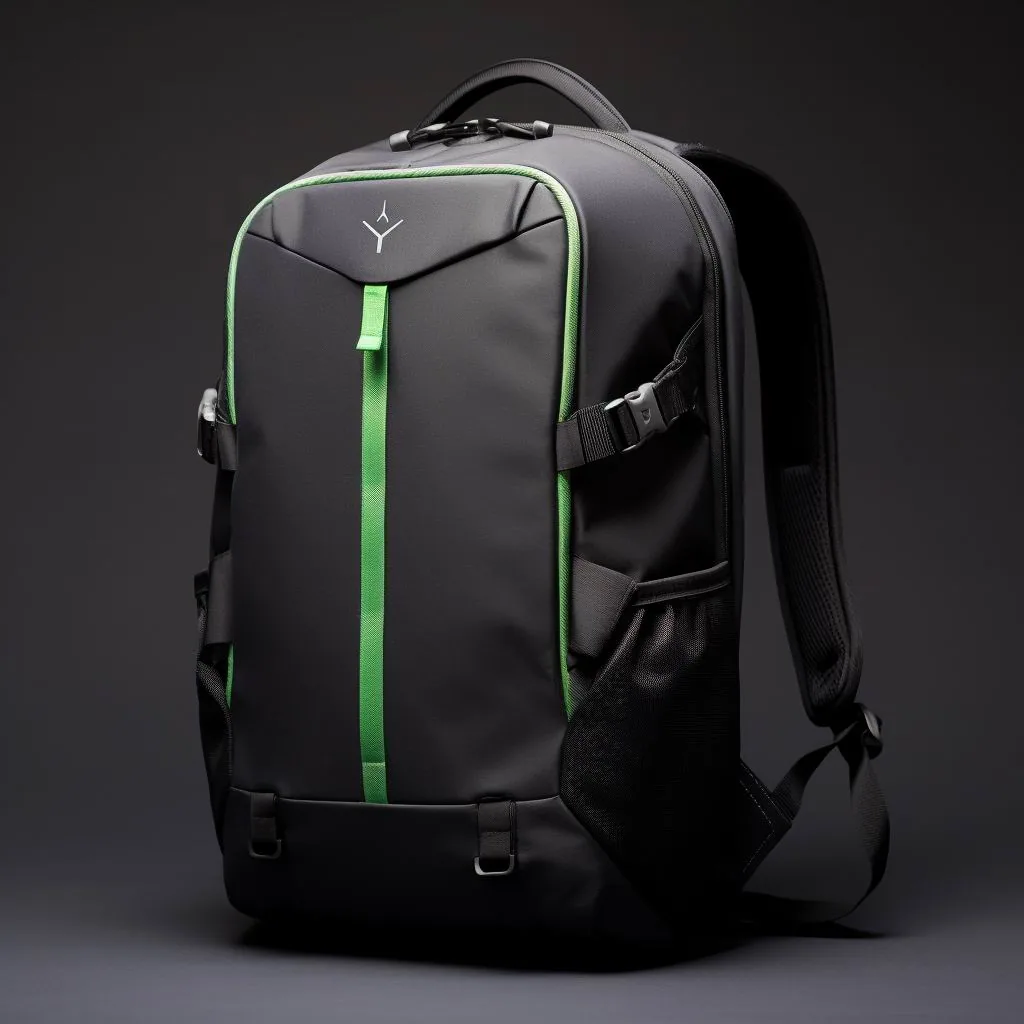
For a supported walk on the Pennine Way or Coast to Coast, a 45-55 litre pack is correct; for an unsupported Lake District or Snowdonia circuit carrying a tent, a 60-70 litre pack is correct. The deciding variable is not distance but resupply interval and shelter: a 268-mile Pennine Way walked in 16-19 days with bed-and-breakfast stops every 12-18 miles needs 45 litres, while a five-day wild camp in the Lake District with no resupply needs 65 litres to hold a 2.1 kg tent, a 1.4 kg sleeping bag and four days of food at 1.6 kg. British trails differ from Alpine or American long trails in two ways that change pack volume. First, the weather: a UK hill walker carries 1.8-2.6 kg of waterproofs and insulating layers year-round, against 0.9-1.4 kg on a dry continental trail, because the Lake District averages 2,000-3,300 mm of rainfall a year and Snowdonia up to 4,400 mm. Second, the terrain: stile-and-bog walking means wet boots and a 400-700 g dry bag of camp shoes or spare socks that never comes off your back.
The practical recommendation for a British first-timer is a 55-litre pack with a removable lid, which covers the Pennine Way, the Coast to Coast, the South West Coast Path at 630 miles, and a three-season Lake District circuit if your kit is reasonably light. Pair it with a hiking backpack whose harness is sized to your torso, because on a 19-day walk a 1 kg error in harness fit costs more comfort than a 10 litre error in volume.
Litre Bands by Trail and Resupply Interval
Match litres to the longest gap between shops, not to the total length of the trail. On the Pennine Way, shops appear every 12-18 miles between Edale and Kirk Yetholm, so a 45-50 litre pack is enough for the whole 268 miles. On the Cape Wrath Trail in the Scottish Highlands, resupply gaps reach 55 miles and there are no bridges, so 65-75 litres is standard. On the Pembrokeshire Coast Path at 186 miles, villages are frequent and 40 litres suffices.
| UK trail | Distance (miles) | Resupply gap | Recommended litres | Typical base weight (kg) |
|---|---|---|---|---|
| Pennine Way | 268 | 12-18 miles | 45-55 L | 9.5-12.5 |
| Coast to Coast | 192 | 10-16 miles | 45-55 L | 9.0-12.0 |
| South West Coast Path | 630 | 6-14 miles | 40-50 L | 8.5-11.0 |
| Lake District circuit (5-day camp) | 55-70 | 2 days | 60-70 L | 12.0-15.5 |
| Snowdonia wild camp | 40-60 | 2-3 days | 60-70 L | 12.5-16.0 |
| Cape Wrath Trail | 230 | up to 55 miles | 65-75 L | 13.5-17.0 |
| Glyndwr's Way | 135 | 15-25 miles | 50-60 L | 10.0-13.0 |
| West Highland Way | 96 | 6-12 miles | 40-50 L | 8.5-11.5 |
Notice how little the total distance matters. The West Highland Way at 96 miles and the South West Coast Path at 630 miles both suit a 40-50 litre pack, because both pass through villages daily. The Lake District circuit at 60 miles needs 20 more litres, because it does not. Choose your UK rucksack from the resupply column and you will not be wrong by more than 5 litres in either direction.
Base Weight: The Number That Decides Pack Size
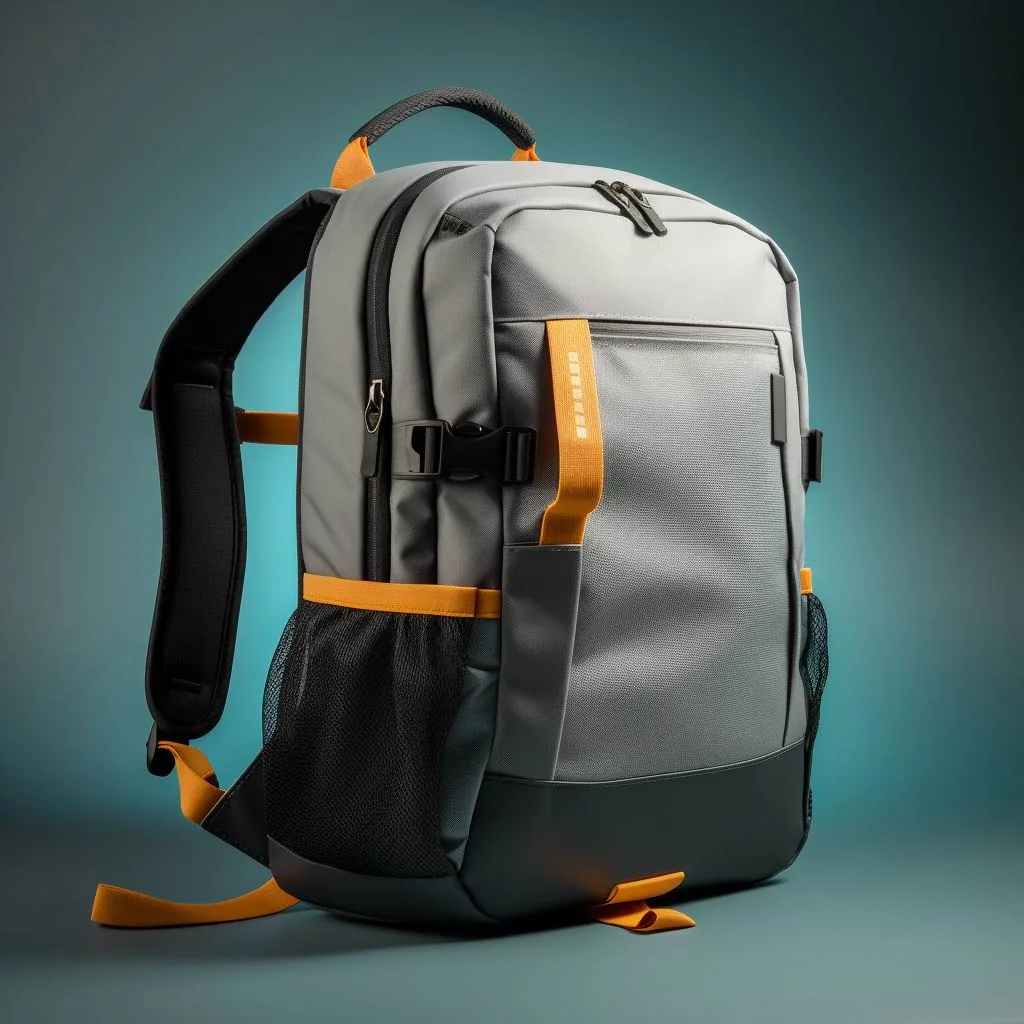
Base weight is everything except consumables: food, water and fuel. A British three-season base weight of 9-12 kg is normal, 6-8 kg is light, and under 5.5 kg is ultralight. Volume follows mass for most kit, so a 12 kg base weight needs 55-65 litres while a 7 kg base weight fits 40-45 litres. Weigh your packed kit before buying the pack; buying a 70-litre pack for a 7 kg kit list is the most common British first-timer error, and it costs 400-700 g of empty pack weight.
Water is the heaviest consumable and the most variable. On the Pennine Way, streams run every 3-6 miles in the Peak District and Yorkshire Dales sections, so carrying 1 litre is enough and a filter weighs 60-90 g. On the Cheviot section and on the South West Coast Path's bare cliffs, carries of 3-4 litres are common and a 3-litre bladder plus a 1-litre bottle adds 4 kg. A pack with two deep side pockets that accept a 1-litre bottle each is worth more on British trails than an extra 5 litres of main compartment.
Build the kit list on a spreadsheet with grams, then total it. Three items dominate most British lists: the tent at 1.4-2.6 kg, the sleeping bag at 0.9-1.8 kg and the pack itself at 1.1-2.4 kg. Together they are 3.4-6.8 kg, or 35-55% of a 12 kg base weight. Cutting 500 g from the tent and 300 g from the bag lets you drop a full 10 litres of pack volume, which in turn saves 350 g of pack weight. The compounding is why experienced hill walkers reduce volume before they reduce anything else.
Harness Fit, Torso Length and Load Transfer
Torso length, not height, decides pack size. Measure from the C7 vertebra at the base of the neck to the iliac crest at the top of the hip bones: British men typically measure 45-52 cm, and harnesses are sold in small (40-45 cm), medium (45-50 cm) and large (50-55 cm) bands. A harness 3 cm too long puts the hip belt on the waist instead of the iliac crest and transfers under 40% of the load to the hips; correctly fitted, a padded belt transfers 70-85% of a 12 kg load off the shoulders.
Load-lifter straps matter more on British terrain than on flat trails. Set at 45 degrees above the shoulder, they pull the top of the pack towards your back and stop the 2-3 kg sway that stile-hopping and bog-stepping produce. On a 45-degree Lake District descent from Scafell Pike, a pack with correctly tensioned lifters moves 15-25 mm against your back; without them it moves 60-90 mm, which over 8 hours is the difference between arriving fresh and arriving with a bruised trapezius.
Hip-belt shape is the third variable. A British winter load of 14 kg needs a belt 10-14 cm deep at the hip and 6-8 cm at the front, with enough foam to resist rolling. Women's and men's belts differ in taper angle by about 10-15 degrees, so buy the correctly gendered harness. The men's hiking pack you choose should let you slide two fingers between belt and body when fully tensioned - tighter compresses the iliac artery, looser lets the belt ride down onto the trochanter and chafe within 6 km.
British Weather: Waterproofing and Pack Protection
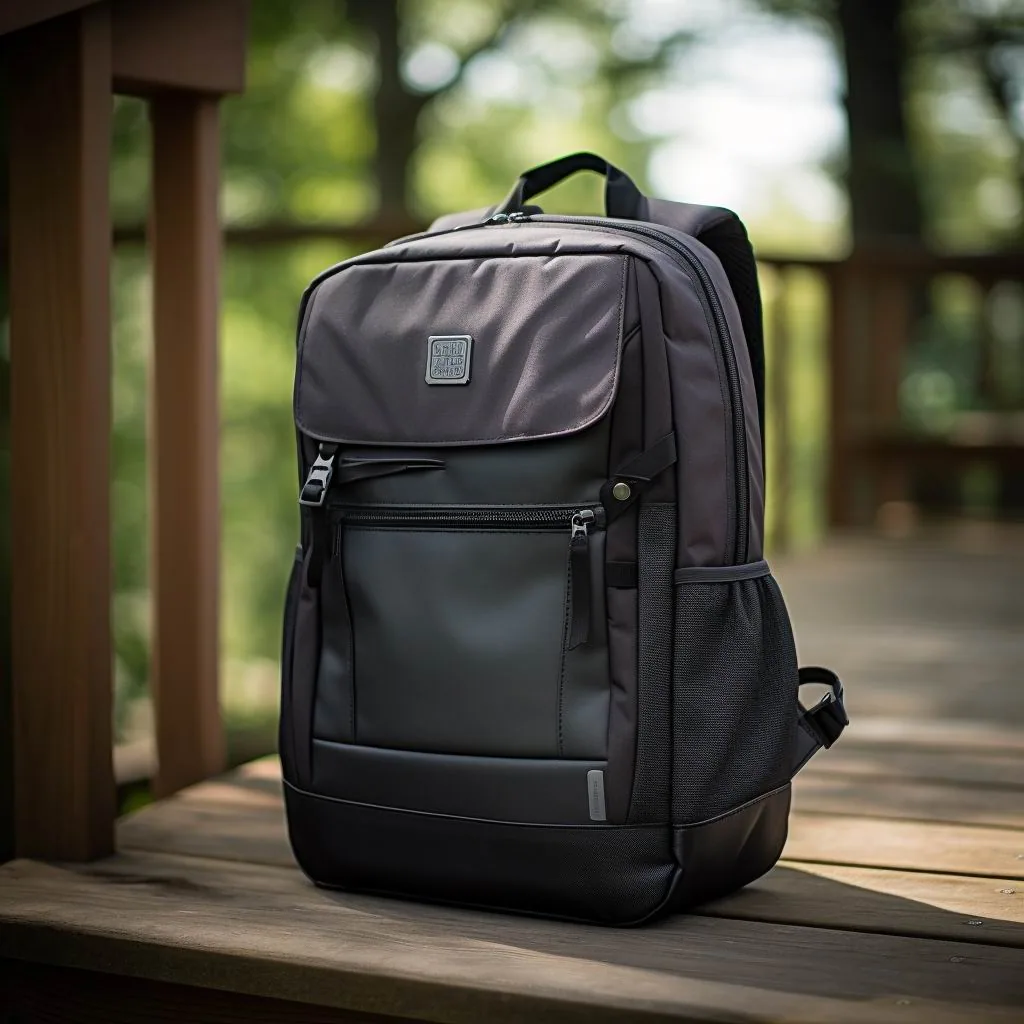
Rainfall defines British packing. The Lake District receives 2,000-3,300 mm a year, Snowdonia 3,000-4,400 mm and the Pennine Way's Peak District section 1,200-1,600 mm, against roughly 600 mm in London. Expect 150-200 wet days a year on the western trails. That means a pack liner, not a pack cover, is the primary defence: a 70-litre heavy-duty dry bag liner weighing 120-180 g keeps the load dry when the pack is set down in a bog, which a cover cannot do.
A rain cover still earns its 180-260 g. It stops the 300-700 g of water a soaked pack shell absorbs, keeps the lid pocket accessible, and adds visibility on a misty A-road walk-in. Buy the cover by litre band, not by guesswork: a 55-65 litre cover fits most British packs, and a cover two sizes too large flaps and abrades within 20 miles. Expect a coated 210-denier ripstop cover to cost GBP 18-32 and last 4-6 seasons of British use.
Hydrostatic head is the number to read on shell fabrics, and it is tested to a defined method rather than guessed. Look for 1,500-3,000 mm on a pack shell and 5,000 mm or more on any dry-bag or roll-top closure, and note that the test method and its tolerances are defined under standards from the American Association of Textile Chemists and Colorists. A shell rated at 1,500 mm will wet through in about 90 minutes of sustained Lake District rain; at 3,000 mm it holds roughly four hours, which is a realistic day on the fells. See the full hiking backpack range for harnesses sized to longer routes.
Terrain-Specific Features for UK Trails
Stiles, gates and bog are the three features British trails share and alpine trails do not. More than 6,000 stiles cross the Pennine Way alone, and each one asks you to lift a loaded pack over a 1.1-1.4 m obstacle. A pack with a low-profile harness and a grab handle rated to 25 kg makes that lift safe; a pack with a tall lid and a bulky roll-top catches on the top rail. Keep the external profile under 30 cm of depth so you can swing the pack through rather than over.
Side pockets must take a 1-litre bottle and release it one-handed. A British day on the Coast to Coast involves 20-30 gate openings, and a bottle that needs two hands and a pack removal adds 45-60 seconds each time, or 20 minutes a day. Angled, elasticated side pockets with a 14-16 cm opening are the specification to look for. Compression straps over the pocket keep a half-full bottle from ejecting when you duck under a fence rail on a long-distance rucksack.
Trekking-pole attachment is worth specifying. British descents on wet limestone and gritstone are hard on knees: carrying 12 kg down 900 m of descent from Helvellyn loads the patellofemoral joint at roughly four times body weight per step. Poles cut that by 20-30%, and a pack with two ice-axe style loops plus a bungee keeper stores them in 8 seconds without removing the load. Expect to pay GBP 35-70 for a carbon pair at 380-480 g, against GBP 18-28 for aluminium at 520-620 g.
Food, Water and Fuel Planning by Trail Section
Food weight scales linearly with the resupply gap: 1.5-1.9 kg per day for a British walker eating 3,500-4,200 kcal. On the Pennine Way's 12-18 mile gaps that is 1-2 days of food, or 1.5-3.8 kg. On the Cape Wrath Trail's 55-mile gap it is 4-5 days, or 6.0-9.5 kg, which alone explains the 20-litre jump in pack size. Freeze-dried meals at 100-130 g per portion save roughly 40% of the mass of wet food but cost GBP 5.50-8.00 a portion against GBP 1.80-3.20 for supermarket alternatives.
Fuel planning is simpler. A British summer stove run at 2,500 kcal per day uses 8-12 g of gas per 500 ml boil, so a 230 g canister lasts 8-12 days for one person boiling 1 litre a day, and a 100 g canister lasts 3-5 days. In winter, melting snow or heating water from 4 degrees raises that to 18-25 g per boil. Carry gas in the outer lid pocket, never in the main compartment, and note that a 230 g canister costs GBP 6-9 at a British outdoor shop and GBP 3-5 for a campingaz equivalent in a European supermarket.
Water carries are short on most British trails but long on a few. The Peak District and Yorkshire Dales sections of the Pennine Way need 1-1.5 litres; the Cheviots and the bare top of Kinder Scout need 2-3 litres; the South West Coast Path's cliff sections need 3 litres in July. A 3-litre reservoir weighs 3.1 kg filled and displaces roughly 3 litres of pack volume. Many British walkers now carry two 1-litre soft bottles at 35 g each plus a 28 g filter, which is 3 kg of capacity at 98 g of hardware against 190 g for a reservoir. The hiking backpack range carries the torso and load figures behind this advice.
Accommodation Strategy and Its Effect on Volume
The choice between camping, bothies and bed-and-breakfast changes pack volume by 20-25 litres. Camping adds a 1.4-2.6 kg tent, a 0.9-1.8 kg bag, a 0.4-0.9 kg mat and 0.3-0.6 kg of cook kit: 3.0-5.9 kg and 20-28 litres. Bunkhouses and bothies on the Pennine Way and in the Lake District remove the tent and the mat but keep the bag and the stove, saving 1.8-3.5 kg and 12-18 litres. Bed-and-breakfast walking removes everything and drops you to 30-38 litres and a 6-8 kg base weight.
British B&B walking has a specific requirement: a pack small enough to be carried into a bedroom without scraping wallpaper, and a wet-kit system that keeps a soaked shell out of the luggage. A 40-45 litre pack with a 3-5 litre external wet compartment or a 20-litre dry bag hung outside solves it. Many Lake District guest houses charge GBP 5-10 for drying a soaked set of kit; a 25 g microfibre towel and a dry bag remove that charge and the 30-minute wait.
Wild camping is legal in much of Scotland and tolerated with landowner permission in parts of the Lake District and Snowdonia, but the kit it demands is the heaviest option. Budget 60-70 litres and a 12-16 kg base weight, and expect to carry everything out: a 2-person tent at 1.4 kg is realistic at GBP 220-420, against 2.6 kg at GBP 90-150. A wild-camping rucksack with a roll-top closure lets the load shrink by 10 litres on the final day when the food is gone.
Seasonal Adjustments for British Hill Conditions
Winter on British hills is a different packing problem. Between November and March, a Lake District or Snowdonia day above 600 m requires a 2-3 season bag rated to -5 degrees, a 4-season tent or a bothy plan, two pairs of gloves, a 300-450 g insulated jacket and, on some routes, a 480-760 g axe and 340-480 g crampons. That is 2.5-4.2 kg of additional kit over a summer list and it pushes a 55-litre summer pack to 65 litres.
Daylight is the other winter constraint. At 54 degrees north, the Lake District sees 7 hours 50 minutes of daylight on 21 December against 16 hours 40 minutes on 21 June. Shorter days compress the walking window and raise the cost of a slow start by 2-3 miles. A headtorch at 90-180 g with 300-450 lumens and 6-10 hours of burn time is standard, at GBP 35-90, and spare cells at 45 g are worth carrying on a winter hill pack.
Summer has its own demands: midges in the Scottish Highlands from June to August, ticks in the Lake District and the South Downs, and sun exposure on the treeless Pennine plateaus. A 60 g midge net, a 25 g tick tool and 100 ml of 50+ sunscreen are 185 g and cost GBP 18-30 combined. Water carries rise in July and August when the Pennine Way's Peat District streams run low, so plan 2.5-3 litres rather than the 1-1.5 litres that suffices in April.
Kit Lists Compared: Three Realistic British Load-Outs
Three load-outs cover almost every British long-distance walk. The B&B walker on the Coast to Coast carries 38 litres and 7.4 kg base weight. The bunkhouse-and-tent walker on the Pennine Way carries 55 litres and 10.8 kg. The wild camper on a five-day Lake District circuit carries 65 litres and 14.2 kg. Each is a legitimate answer; the mistake is mixing them, which is how a 65-litre pack ends up on a B&B walk at 2.3 kg empty and 40% unused volume.
| Item | B&B (38 L) | Bunkhouse + tent (55 L) | Wild camp (65 L) |
|---|---|---|---|
| Shelter | none | 1.9 kg tent | 2.1 kg tent |
| Sleep system | none | 1.1 kg bag + 0.45 kg mat | 1.4 kg bag + 0.62 kg mat |
| Cook kit | none | 0.42 kg | 0.58 kg |
| Clothing carried | 2.2 kg | 2.8 kg | 3.3 kg |
| Waterproofs | 0.95 kg | 1.15 kg | 1.25 kg |
| Electronics | 0.62 kg | 0.78 kg | 0.95 kg |
| Base weight total | 7.4 kg | 10.8 kg | 14.2 kg |
| With 2 days food + 2 L water | 11.0 kg | 14.4 kg | 17.8 kg |
Read the last row and check it against the 15-20% bodyweight rule: a 78 kg walker should carry 11.7-15.6 kg. The wild-camp load-out at 17.8 kg exceeds it, which is why British wild-camp trips are usually run at four days rather than five, or with a mid-trip resupply at a Keswick or Ambleside shop. Plan the expedition rucksack around the base weight plus two days of consumables, then trim the food rather than the shelter.
Group, Club and Duke of Edinburgh Orders
British walking clubs, scout groups and Duke of Edinburgh expedition teams order packs in volume, and the specification logic changes. Our production team works to a MOQ 500 pcs per colourway, with sampling 6-10 working days from tech-pack sign-off and bulk production 35-50 days after approval, inspected to AQL 2.5 (ISO 2859-1) under the sampling system published by the International Organization for Standardization.
For an expedition fleet, the specifications that matter are torso adjustability, belt depth and repairability. A fixed-harness pack must be ordered in three torso bands, typically 40-45, 45-50 and 50-55 cm, in a 4:5:3 ratio for a British male cohort. An adjustable harness costs GBP 3.50-6.00 more per unit but reduces the number of sizes a club must stock from three to one. Our SGS-verified production base can stitch a reinforced 38 mm hip belt to a 220 kg straight-pull rating and verify it on 32 pieces per batch.
Budget the fleet realistically. A 55-litre expedition pack in 600-denier polyester with a padded belt, rain cover and adjustable harness costs GBP 21-38 per unit ex-works at 500 pieces, and GBP 31-52 landed once freight, duty and inspection are added. Allow 28-35 days for sea freight into Felixstowe or Southampton, or 5-8 days by air at GBP 4.20-6.80 per kilogram. Every bulk custom rucksack order ships with the UKCA declaration and REACH statement required for the Great Britain market. See the full hiking backpack range for harnesses sized to longer routes.
Frequently Asked Questions
What size backpack do I need for the Pennine Way?
A 45-55 litre pack suits most walkers on the 268-mile Pennine Way, because shops and pubs appear every 12-18 miles and resupply is rarely more than two days away. A base weight of 9.5-12.5 kg fits comfortably in 50 litres. If you are carrying a tent for the wild sections between Byrness and Kirk Yetholm, step up to 55 litres. Anything above 60 litres is unnecessary weight on a trail with this frequency of resupply.
Is a 65-litre pack too big for the Lake District?
For a day walk from a base in Keswick or Ambleside, yes: 25-35 litres is correct. For a five-day circuit carrying a tent, food and a winter sleeping bag, 65 litres is right and a 55-litre pack will force you to strap the tent outside. The Lake District averages 2,000-3,300 mm of rainfall a year, so the extra volume also carries 1.8-2.6 kg of waterproofs and dry layers that a Mediterranean trip would not require.
How heavy should my pack be for a UK long-distance trail?
Keep the total at 15-20% of body weight. A 78 kg walker should carry 11.7-15.6 kg including food and water, which means a base weight of 7.5-11.5 kg plus 2-4 kg of consumables. British walkers typically run heavier than this at 12-16 kg base because of wet-weather kit. Every 1 kg above 20% of body weight raises the perceived effort by roughly 10% and the knee impact loading by about 5% per step.
Should I use a rain cover or a pack liner in Britain?
Use both, but treat the liner as primary. A 70-litre dry bag liner at 120-180 g keeps the contents dry when the pack is set down in a bog, which a cover cannot do. The cover, at 180-260 g and GBP 18-32, stops the shell absorbing 300-700 g of water and keeps the lid pocket usable. On fell walks with 150-200 wet days a year, a liner alone is enough for most people but the cover saves 15-20 minutes of drying each evening.
What hydrostatic head do I need for a UK hiking pack?
1,500-3,000 mm on the shell fabric and 5,000 mm or more on any roll-top or dry-bag closure. A shell rated at 1,500 mm wets through in roughly 90 minutes of sustained rain; at 3,000 mm it holds about four hours, which is a realistic day on the fells. Snowdonia receives 3,000-4,400 mm a year, so the higher figure is worth the GBP 12-25 premium. Test methods and tolerances are defined by AATCC and ISO textile standards rather than by marketing copy.
How do I measure my torso for a British hiking pack?
Measure from the C7 vertebra at the base of the neck, with the head tilted forward, down the spine to the iliac crest at the top of the hip bones. British men typically measure 45-52 cm. Buy the harness band that contains your figure: small 40-45 cm, medium 45-50 cm, large 50-55 cm. A harness 3 cm too long drops the hip belt off the iliac crest and cuts load transfer to the hips from 70-85% down to under 40%.
How much tent do I need for the Coast to Coast walk?
Most walkers book accommodation for all 16-19 stages, because the 192-mile route passes through villages every 10-16 miles and carries a 40-50 litre pack. Camping removes the booking pressure and saves GBP 45-75 per night in high season but adds 3.0-4.5 kg and 15-20 litres. A hybrid approach - camping on the remote Lake District stages and booking in Kirkby Stephen and Robin Hood's Bay - is the most common compromise.
What is a realistic daily budget on a UK long trail?
GBP 45-70 a day for B&B walking, covering GBP 45-75 for a room, GBP 12-20 for an evening meal, GBP 4-8 for a packed lunch and GBP 8-15 for incidentals. Camping drops this to GBP 12-25 a day including campsite fees of GBP 6-14 and resupply. Over 19 days on the Pennine Way that is GBP 855-1,330 against GBP 228-475. Bothy and wild-camp stages are free but require carrying the full 60-70 litre load.
How much water should I carry on the Pennine Way?
1-1.5 litres in the Peak District and Yorkshire Dales, where streams run every 3-6 miles, and 2-3 litres on the Cheviot and Kinder Scout sections, where the tops are dry. A litre weighs 1 kg, so a 3-litre carry adds 3 kg and displaces 3 litres of pack volume. In July and August plan for the higher figure, and carry a 28-90 g filter rather than 1-2 kg of bottled water bought at GBP 1.20-2.50 a litre.
How good are British bothies and bunkhouses as a camping alternative?
Yes for weight, no for certainty. A bunkhouse removes the tent and mat, saving 1.8-3.5 kg and 12-18 litres, and costs GBP 12-22 a night against GBP 6-14 for a campsite. The risk is capacity: MBA bothies such as those on the Cape Wrath Trail have 4-8 spaces and cannot be booked, so British walkers carry a tent as backup on roughly half of the remote Scottish stages, which keeps the pack at 60 litres.
What pack features matter most on British stile-heavy trails?
A low external profile under 30 cm of depth, a grab handle rated to 25 kg, and side pockets that release a 1-litre bottle one-handed. The Pennine Way crosses more than 6,000 stiles at 1.1-1.4 m, and each one means lifting a loaded pack. A bottle that needs the pack removed costs 45-60 seconds per gate, or 20 minutes over a 25-gate day. Angled elasticated pockets with a 14-16 cm opening are the specification to look for.
Should I carry trekking poles on UK trails?
Yes on descents, where they cut knee loading by 20-30%. A 12 kg pack descending 900 m from Helvellyn loads the patellofemoral joint at roughly four times body weight per step. Carbon poles weigh 380-480 g and cost GBP 35-70; aluminium weighs 520-620 g at GBP 18-28. Specify a pack with two ice-axe loops and a bungee keeper so the poles stow in about 8 seconds without removing the load.
How does winter change my pack size on British hills?
Winter adds 2.5-4.2 kg and roughly 10 litres. A -5 degree bag, a 4-season tent or bothy plan, two pairs of gloves, a 300-450 g insulated jacket and, on some routes, a 480-760 g axe and 340-480 g crampons all add volume. Daylight is the other constraint: the Lake District has 7 hours 50 minutes of daylight on 21 December against 16 hours 40 minutes in June, so a 90-180 g headtorch with 300-450 lumens is standard.
What size pack for a Duke of Edinburgh expedition?
65-70 litres for a gold expedition, because DofE requires a tent, stove, sleeping system and four days of food to be carried. Expect a 14-18 kg load, which is 20-25% of body weight for a typical 16-year-old and above the 15-20% comfort guideline. Supervisors should check the harness transfers 70-85% of load to the hips and that the pack compresses by 10 litres once the food is eaten on day four.
How long does a British hiking pack last?
A 600-denier polyester pack used for 20-30 days a year lasts 8-12 years; a 210-denier ripstop ultralight pack lasts 4-6 years. The failure point is usually the hip-belt foam compressing after 250-400 days, or the main zipper slider after 4,000-15,000 cycles depending on brand. Replacement belts cost GBP 18-35 and sliders GBP 6-12 at a British repair shop, against GBP 120-260 for a replacement 55-litre pack.
What volume order should a walking club place for a fleet?
500 pieces is the usual minimum per colourway for a custom specification, with sampling 6-10 working days and bulk production 35-50 days, inspected to AQL 2.5 (ISO 2859-1). Order fixed-harness packs in a 4:5:3 ratio across the 40-45, 45-50 and 50-55 cm torso bands, or pay GBP 3.50-6.00 more per unit for an adjustable harness and stock one size. Budget GBP 21-38 ex-works and GBP 31-52 landed per 55-litre unit.
Get a Free Quote for Custom Backpack Sizes for Lake District and Pennine Way
Planning a branded programme? Our production team works to MOQ 500 pcs, 6-10 working day sampling and 35-50 day bulk lead times, with AQL 2.5 inspection to ISO 2859-1. Send your brief and we will return a costed quotation in 24-48 hours.
Mens Backpack Guide Editorial Team — Buying guides and sourcing notes for the UK men's backpack market, coordinated by QUANZHOU JUNYUAN BAGS. Commercial figures such as MOQ 500 pcs, 6-10 day sampling and 35-50 day production reflect published programme terms.