Table of Contents
- How Do You Pack a Work Backpack for Client Days?
- What Changes Compared With a Normal Commuting Day?
- How Should Paperwork Be Carried So It Arrives Flat?
- Which Technology Actually Needs to Come With You?
- What Should Be in the Emergency Kit?
- How Should Appearance and Condition Be Handled?
- How Much Weight Should You Accept on a Client Day?
- How Do You Transition From Meeting to Evening?
- How Do You Handle Two Clients in One Day?
- What Should Bulk Buyers Specify for Client-Facing Bags?
- Frequently Asked Questions
How Do You Pack a Work Backpack for Client Days?
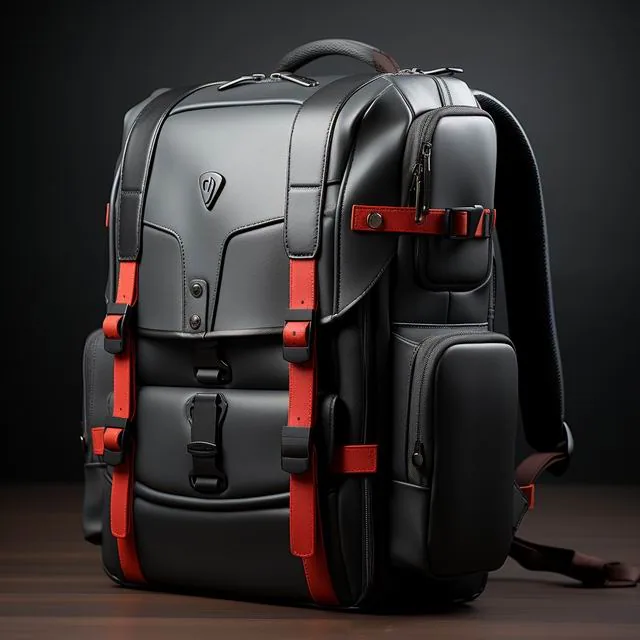
Pack in four zones with presentation material given absolute priority: documents flat in a dedicated A4 panel rather than rolled, laptop and adapter in separate padded sleeves so neither presses on the other, clothing either worn or rolled around a core, and a small emergency kit containing everything that would otherwise require a shop visit. Prepare everything the night before, because client days rarely allow a return to the office and nothing about a pitch improves when you arrive hunting for a dongle. Prepare the bag the night before rather than in the morning, checking every item against a written list, because client days leave no time to return for anything forgotten and nothing damages credibility faster than arriving unprepared. Ten minutes of preparation the previous evening removes almost every risk. Write the list down once and reuse it, because repeated decisions are what slow people down, and a checklist taped inside a locker door removes the last excuse for arriving unprepared at nine in the morning.
Volume needs fall into a narrow band. Most UK professional setups weigh 6 to 9 kg: laptop at 1.4 kg, charger around 350 g, documents 500 g to 1.2 kg, notebook 400 g, wash or gym kit up to 1.5 kg and a water bottle at 1.5 kg when full. That combination suits a 22 to 30-litre bag, and anything smaller forces compression and any larger encourages carrying things you will never use.
Then there is appearance, which differentiates a client day from every other commute. The bag itself is part of the impression: scuffed corners, a chalky lining or a faint smell of gym kit all register before you say anything. Wipe down the exterior the night before, empty every pocket of receipts and wrappers, and make sure nothing rattles when you set it down on their reception desk. That standard is assumed throughout professional work backpack reviews.
What Changes Compared With a Normal Commuting Day?
Three things change: fragility, redundancy and appearance. Documents cannot be creased, so they need structure rather than space; technology cannot fail, so critical cables and adapters need duplicates or at least verification; and the bag cannot look tired, which rules out anything you have been dragging round building sites for a year.
Timing also compresses. A normal commute allows retrieval from wherever items have drifted; a client day means taking something out while standing in a reception area or a meeting room with people watching. That pushes you towards a bag with dedicated slots rather than one large cavern, and towards putting everything in the same place every single time rather than improvising.
Finally, there is the possibility of not going home. Many UK client meetings are followed immediately by travel — a train from Leeds then a night in Manchester, for example — so the same bag has to handle work kit plus an overnight layer. Planning for twelve hours rather than nine is the difference between comfortable and improvised, and the load lists used for business travel work backpacks reflect precisely that assumption.
How Should Paperwork Be Carried So It Arrives Flat?
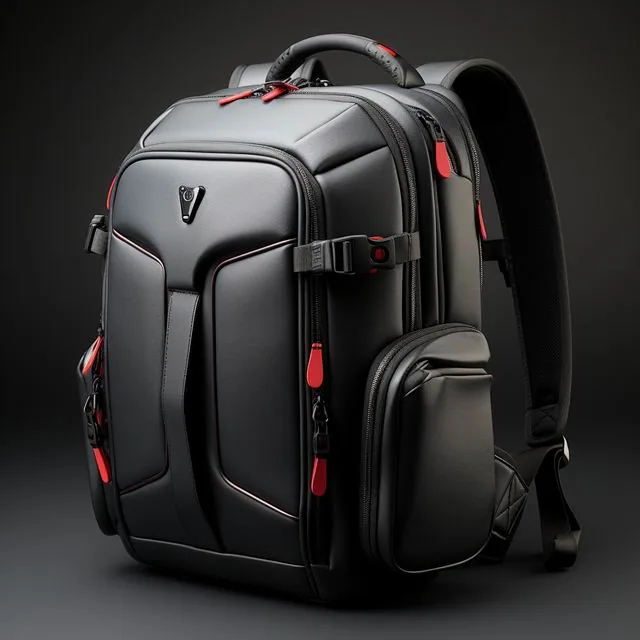
Use a rigid panel or a document folder, never loose sheets. A4 paper measures 210 x 297 mm, so any compartment must exceed 230 x 320 mm to avoid corner damage, and it must keep its shape under load. A reinforced folder with a 400 gsm card insert costing £8 protects a twenty-page deck far better than any amount of careful packing.
Position matters more than you might expect. Documents belong flat against the back panel of the bag where they cannot bend, ideally with the laptop sleeve in front of them rather than the reverse. Putting a presentation between the machine and your spine guarantees creasing at the fold line, since any compression acting on the laptop travels straight through.
Limit how much you carry. A 12 mm stack of paper weighs around 700 g and creates real bulk; ask yourself whether every handout is genuinely needed or whether sending the deck digitally beforehand would serve better. Most client conversations require five printed copies rather than twenty, and anything beyond that can be emailed from your phone within ninety seconds of someone asking. Flat storage is the single habit that separates tidy arrivals from creased ones across every work backpack we test.
| Item | Typical weight | Fragility | Where it belongs |
|---|---|---|---|
| Laptop, 14-inch | 1.4 kg | High | Dedicated sleeve against back panel |
| Charger and cables | 350 g | Low | Separate accessory pocket |
| Printed deck, A4 | 500 g to 1.2 kg | Very high | Rigid document panel |
| Notebook and pen | 400 g | Medium | Internal slip pocket |
| Wash or gym kit | Up to 1.5 kg | Low | Base compartment, sealed |
| Water bottle, 750 ml | 750 g to 1.5 kg | Leaks | External pocket with retention strap |
| Emergency kit | 300 g | Medium | Lid pocket, always accessible |
Which Technology Actually Needs to Come With You?
Three rules keep this manageable: nothing duplicated unnecessarily, everything verifiable, and every cable working. Check the night before that the laptop charges from the adapter you are carrying, that the presentation displays correctly on a second screen, and that any dongle required for HDMI or VGA travel is in the bag rather than plugged into your desk monitor at home.
Redundancy is cheap insurance for anything that would end a meeting. Carry a second presentation clicker if you rely on one, plus a single spare cable for each function used — typically HDMI at £9 and USB-C at £12. Anything that could wholesale stop the meeting deserves one backup; anything merely annoying does not, or you will be carrying 3 kg of electronic insurance every day.
Power is the usual failure. A full day at a client site with two hours of presenting typically consumes 60% to 80% of a well-maintained battery, so carry a power bank rated around 20,000 mAh at roughly 74 Wh, which is legal on UK aircraft without approval. Keep cables short: a 300 mm lead rather than a 2-metre one saves space and avoids the tangle that makes everything take longer. Test every adapter the night before, using the checklist supplied with professional work backpacks.
What Should Be in the Emergency Kit?
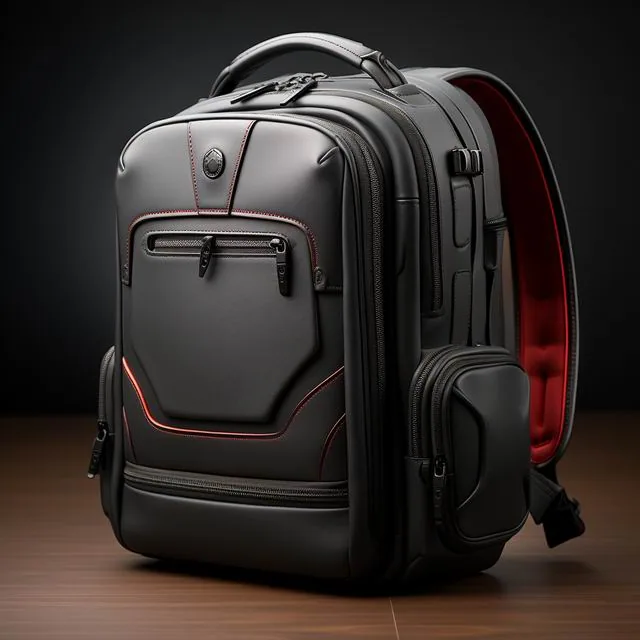
Build one kit weighing about 300 g and stop thinking about it again. Contents: a compact travel adapter or universal plug costing £12, two spare presentation cables, a 20,000 mAh power bank, a small microfibre cloth for screen cleaning, a stain pen at £4, four plasters, two paracetamol sachets, a folded £20 note for car parks that still take cash, and a paperclip or SIM tool for phone trays. It fits into any lid pocket measuring 200 x 120 mm.
Two additions make outsized differences. A collapsible phone stand weighing 40 g lets you present from your own device when everything else fails, and a small notebook with a pen — because writing down an action immediately is more reliable than promising to email later, and reliability is the whole point of turning up in person.
Keep it permanently packed. The value of an emergency kit collapses the moment you start borrowing things from it, so restock everything the same evening after any use rather than dealing with it next time. Anything that expires — medication, mints, spare AA cells at around 3% monthly self-discharge — gets checked quarterly, ideally on the first Monday of the quarter. Restock it the same evening it is used, never at the start of the next trip. Check expiry dates quarterly, since AA cells lose roughly 3% charge monthly while sitting unused in a warm bag. Every item listed here appears in the packing checklists published across work backpack equipment guides.
How Should Appearance and Condition Be Handled?
Cleanliness is the first impression you make before speaking. Wipe the exterior with a damp microfibre cloth the night before, paying particular attention to the base panel where pavement grime collects, using pH-neutral cleaner at 5 g per litre rather than anything solvent-based that might dull the finish. Ten minutes is enough and it visibly changes how a £150 bag reads.
Smell matters more than most people believe. A bag that has carried gym kit will hold faint odour for weeks because synthetic fibres retain the compounds responsible, and in a warm meeting room that becomes obvious. Keep wet kit in a sealed 5-litre dry bag costing £9, use bicarbonate sachets monthly, and never mix work and gym loading in the same bag unless there is a genuinely sealed compartment.
Finally, tidy the hardware. Straps hanging longer than 120 mm look untidy and catch on chair arms; excess webbing should be rolled and secured with the elastic loops every decent bag supplies. Check that zips run cleanly, that buckles are not chalky and that nothing rattles. There is a small but real professional premium attached to equipment that looks considered, covered further in professional work backpack care.
How Much Weight Should You Accept on a Client Day?
Keep total load between 6 and 9 kg, and below 8 kg if the day involves appreciable walking. Human factors research consistently shows that loads above roughly 10% of body weight change gait measurably: for an 80 kg man that is 8 kg, beyond which you arrive with tension in the shoulders and noticeably less patience, neither of which helps anybody.
Distribute it properly. Heaviest items closest to your spine, nothing dense more than 100 mm from your back, and nothing rigid where it can press against documents. Use both shoulder straps always, adjust the sternum strap to around 25 to 40 mm below the collarbone so the load pulls backwards into your body, and tighten load lifters last at roughly 30 to 45 degrees.
Plan around actual route conditions. A client day that involves twenty minutes on the London Underground at rush hour, ten minutes walking and three flights of stairs is mechanically different from driving and parking. Cycle commuters should subtract 1 kg from comfort thresholds because steering balance shifts; walkers can tolerate more, provided the hip belt shares load correctly. Route planning features throughout UK commuter work backpack advice.
How Do You Transition From Meeting to Evening?
Structure the day around one transition point where the bag reorganises: usually immediately after the meeting, in a café or station lounge. Documents go from the flat panel to wherever they will be protected; the bag sheds anything used during the pitch such as handouts or clickers; and anything you purchased or were given gets put somewhere sensible rather than pushed into whatever pocket is nearest.
Then decide what stays and what goes. If dinner follows, gym kit can often be left at a hotel desk reception or your own office if the route permits; removing 1.5 kg for the evening makes a real difference. Conversely, add anything needed for the next morning early rather than in a rush — phone charger, wash bag, a clean shirt folded around a 400 mm core.
Finish with a reset so tomorrow starts clean. Before bed, remove everything perishable, wipe any spills immediately, hang the bag open for twenty minutes and check tomorrow's list against its actual contents. Professionals who follow that reset start every day organised; those who do not spend their mornings looking for things, which is precisely why every guide in work backpack organisation recommends it.
How Do You Handle Two Clients in One Day?
Back-to-back client days are where systems genuinely get tested, because you leave one site with handouts, coffee cups and a charger that is not yours, and arrive at the next with a bag you do not recognise. Build in one reset: five minutes in a café between meetings where you remove everything added, restore the four zones and throw away anything disposable. It takes discipline, not equipment.
Prepare differently for the second meeting rather than relying on leftovers. Refresh water, wipe the document panel where fingerprints have accumulated, and check that nothing from the morning has creased the afternoon's material. Two decks in one bag need separation: keep the second flat against the back panel and the first in a folder, never both loose in the same compartment where corners catch.
Finally, plan the return load honestly. Anything you will not need again that day — sample products, printed excess, bulky samples — should go back to the car, the office or a locker rather than travelling with you. Every 500 g saved between meetings is felt by the end of the day, and the discipline of carrying only what is needed is what separates professionals who finish fresh from those who arrive home with aching shoulders, a point repeated across work backpack routines.
What Should Bulk Buyers Specify for Client-Facing Bags?
Appearance drives the specification. Ask for a minimum 230 x 320 mm rigid document panel, an internal structure that holds its shape when empty — nothing looks worse than a collapsed bag on a client's table — plus scuff-resistant base fabric at 600D or heavier and matte hardware rather than glossy, which shows fingerprints within days. All four clauses typically add £1.80 to £3.20 per unit.
Then lock down the commercial terms in writing. Our standard position is MOQ 500 pcs per colourway, sampling in 6-10 working days including a physical review panel rather than photographs alone, bulk production 35-50 days, and inspection to AQL 2.5 (ISO 2859-1) under tables published by ISO 2859-1. Colour and crocking fastness should additionally be verified against methods in the AATCC test methods, since dark linings transferring onto light documents has sunk more than one corporate order.
Finally, plan presentation and spares together. Every unit should ship in an individual dust cover rather than polythene, with a £6 fold-flat shoe bag or wet kit bag where the specification includes one; UK landed costs for this level of finish typically run £24 to £48 per unit. Our vetted partner facilities hold replacement strap sets and identical dye lots for eighteen months afterwards, so a team can be re-kitted without visible mismatch — a detail fleet managers specifically ask for when ordering through corporate work backpack supply.
Frequently Asked Questions
What should you actually take to a client meeting?
Laptop with verified charger, any presentation dongle required, five to ten printed copies rather than twenty, notebook and pen, business cards, water and a compact emergency kit of around 300 g. Total load should land between 6 and 9 kg. Check that everything works the night before, including whether the deck displays correctly on a second screen. Keep everything under 9 kg or the walk becomes genuinely uncomfortable.
How do you stop printed documents creasing in a backpack?
Carry them in a rigid panel exceeding 230 x 320 mm, positioned flat against the back panel with the laptop sleeve in front rather than behind them. A reinforced folder with 400 gsm card costing £8 protects far better than careful packing. Print fewer copies — around five — and email anything else within ninety seconds if asked. A 20-page deck weighs about 700 g, so print selectively.
How heavy is too heavy for a professional client-day bag?
Around 8 kg for an 80 kg man, which is roughly 10% of body weight; gait and posture change measurably beyond that. Loads of 6 to 9 kg are typical for UK professional setups. Cycle commuters should subtract about 1 kg because steering balance shifts, and anyone walking twenty minutes needs the hip belt sharing load. An 80 kg man should treat 8 kg as the practical ceiling.
Should gym kit share a bag with work documents?
Only inside a genuinely sealed wet compartment or a separate 5-litre dry bag costing £9. Synthetic fibres retain odour compounds for weeks, which is noticeable in a warm meeting room, and damp wicking linings introduce moisture near paper. Sealed isolation or a second bag are the only acceptable answers for client-facing work. Sealed dry bags of 5 litres cost about £9 and solve the problem.
What goes in a work backpack emergency kit?
Around 300 g total: universal adapter at £12, spare HDMI and USB-C cables at £9 and £12, a 20,000 mAh power bank, microfibre cloth, £4 stain pen, plasters, paracetamol sachets, £20 cash, paperclip and a 40 g collapsible phone stand. It fits any lid pocket of about 200 x 120 mm and should be restocked the same evening it is used.
How can I check my bag looks presentable enough?
Wipe it down with a damp cloth the night before, particularly the base where grime collects, using pH-neutral cleaner at 5 g per litre. Roll excess strap webbing and secure it, check zips run smoothly, ensure nothing rattles and verify there is no residual odour. Ten minutes of attention visibly changes how even a £150 bag reads. Roll excess webbing and secure it with the supplied elastic loops.
How many printed handouts should I carry to a meeting?
Usually fewer than people assume. Five printed copies handle almost every meeting, roughly 700 g per 12 mm stack, and additional sets can be emailed instantly. Printing twenty copies adds 1 kg of bulk and creates a temptation to over-distribute, which is increasingly considered poor form in UK professional circles anyway. Five copies usually cover it, at roughly 700 g per 12 mm stack.
What size work backpack best suits client days?
Around 22 to 30 litres. Smaller forces compression that creases documents and stresses zips; larger encourages carrying equipment nobody uses. The deciding dimension is internal: require at least 230 x 320 mm of flat document space plus a suspended laptop sleeve, both of which matter more than the headline litre figure. Look for 230 x 320 mm of flat document space as the deciding dimension.
How do I carry a spare shirt for evening plans?
Fold it around a rolled core roughly 80 mm across, using three t-shirts or a microfibre towel, then pack flat against the back panel away from anything rigid. Button the top button and every second one below for neater lines, and hang it in a steamy bathroom for fifteen minutes when you change. Roll it around an 80 mm core and hang it for 15 minutes later.
Is a backpack acceptable in formal UK business settings?
Yes, widely so now, provided it looks deliberate: structured rather than collapsed, muted colour, matte hardware and no dangling straps. Executive-level meetings in London, Edinburgh and Manchester see them routinely. The exceptions are genuinely conservative institutions where a briefcase still reads better, so judge the specific client rather than assuming. Yes in most sectors, though 3 conservative institutions still prefer briefcases.
How should laptop and charger be separated in the bag?
Keep them in different pockets, because a UK three-pin plug measuring roughly 40 x 40 x 20 mm concentrates force at around 40 kPa when compressed, which damages screens and chassis alike. Use the bag's accessory pocket or a pouch costing £5, and coil every cable with Velcro ties at £2 for ten. UK plugs exert roughly 40 kPa when compressed against a lid.
What is the best way to reorganise during the day?
Use one deliberate transition point, usually straight after the meeting, taking five minutes in a café or station lounge. Move documents to protected storage, shed anything used during the pitch, secure purchases and add tomorrow's essentials early. Take 5 minutes in a café between meetings and restore all four zones properly. Remove anything handed to you, restore all four zones and bin disposables before leaving for the next site.
How often should a work backpack be cleaned properly?
Quarterly at minimum, weekly externally for City commuters wiping down shell fabric. Empty every pocket, vacuum corners with a 6 mm nozzle, clean seams with pH-neutral solution and air dry flat for twenty-four hours. Check whether any load lifter or buckle shows chalking, since those failures precede strap problems within weeks. Weekly exterior wipes and a quarterly deep clean suits most UK commuters.
What should bulk buyers specify for client-facing work backpacks?
Require a rigid 230 x 320 mm document panel, self-supporting empty structure, scuff-resistant base fabric above 600D and matte rather than glossy hardware — typically £1.80 to £3.20 per unit. Ship in dust covers and retain dye lots for eighteen months. Terms are MOQ 500 pcs, sampling in 6-10 working days, bulk production 35-50 days, AQL 2.5 inspection. Four presentation clauses add roughly £1.80 to £3.20 per unit at volume.
Get a Free Quote for Custom How to Pack a Work Backpack for Client Days
Planning a branded programme? Our production team works to MOQ 500 pcs, 6-10 working day sampling and 35-50 day bulk lead times, with AQL 2.5 inspection to ISO 2859-1. Send your brief and we will return a costed quotation in 24-48 hours.
Mens Backpack Guide Editorial Team — Buying guides and sourcing notes for the UK men's backpack market, coordinated by QUANZHOU JUNYUAN BAGS. Commercial figures such as MOQ 500 pcs, 6-10 day sampling and 35-50 day production reflect published programme terms.