Table of Contents
- How Do You Pack a Backpack for a UK Festival?
- How Much Can You Realistically Carry From the Car Park?
- What Should Go on a Three-Day Festival Kit List?
- How Do You Keep Everything Dry in a Field?
- How Do You Organise a Small Festival Camp Efficiently?
- What Security and Valuables Rules Should You Plan For?
- How Do You Pack for the Walk From Gate to Campsite?
- How Do You Pack for the Journey Home?
- How Do You Manage Food and Cooking in a Festival Field?
- What Should UK Buyers Specify for Festival-Ready Backpacks?
- Frequently Asked Questions
How Do You Pack a Backpack for a UK Festival?
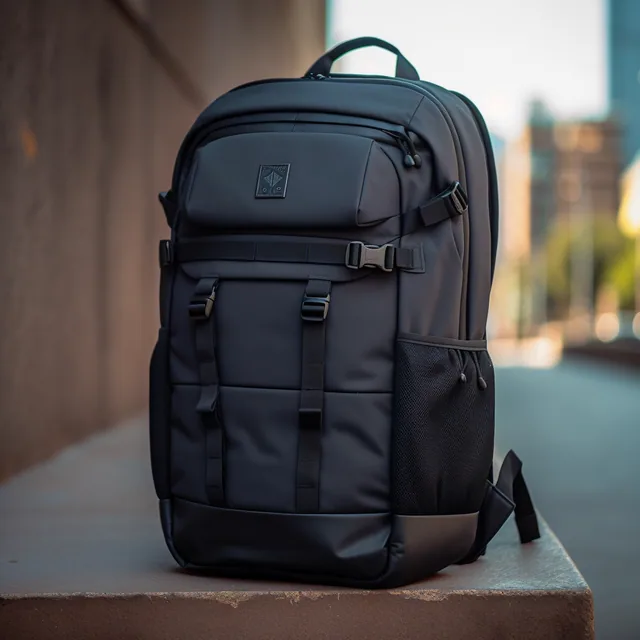
Pack for two trips from the car and three days in a field: tent and sleeping system in the largest bag, clothing and wash kit in a second, and everything that must stay dry individually bagged before it leaves the house. British festivals are defined by mud and queues rather than by weather forecasts, so the two rules that matter are waterproofing every category separately and keeping the load under roughly 15 kg per trip, which is what most people can carry 400 m to 1.5 km across grass without injuring themselves. Check the event's prohibited-items list first, since most UK festivals ban glass, umbrellas, camping chairs over a stated size, disposable barbecues and anything with an open flame, and being turned back at the gate with a full pack is the single worst start available to anybody. Print the list and tick it off at home rather than in the queue.
Then decide what actually earns its weight. Three days needs a tent, a sleeping bag rated to about 5°C comfort, a mat, two changes of clothes, one warm layer, waterproofs, a torch, wash kit, medication and food that does not need cooking. Everything beyond that list — camp furniture, extra footwear, decorative lighting, a second jacket, a speaker — is what turns a manageable 12 kg into an unmanageable 22 kg, and it is usually abandoned in the field on the last morning anyway.
Finally, pack in the order you will need things. Tent and waterproofs at the top of the biggest bag because they come out first; sleeping bag compressed and dry-bagged in the base; food and wash kit in the middle; and a small "gate pocket" holding your ticket, ID, cash and phone charger where you can reach them in a queue without unpacking anything. Site safety expectations for events are published in The Event Safety Guide, and the carrying advice in travel backpack festival guides is built around the same one-trip principle.
How Much Can You Realistically Carry From the Car Park?
Around 12 to 15 kg for a fit adult walking 400 m to 1.5 km on grass, and less if the route is uphill or genuinely muddy. Festival car parks are rarely adjacent to campsites; the walk is the first physical test of the weekend and it happens before you have eaten, hydrated or slept well. Anything above about 15 kg should be split into two trips rather than carried in one heroic effort.
Weight adds up faster than people expect. A two-person tent weighs 3 to 4.5 kg, a sleeping bag 1.2 to 1.8 kg, a mat 400 to 800 g, a warm layer 600 g, waterproofs 700 g, three days of clothing 2 to 3 kg, food 2 to 3 kg, water 3 kg and wash kit 500 g — which totals roughly 14 to 18 kg before a single optional item goes in. That arithmetic is why experienced festival-goers deliberately choose a heavier tent shared between friends over lighter individual kit.
Then consider the return journey, which is always worse. Everything is wet, muddy and heavier than when it arrived: a tent that weighed 3.5 kg dry can weigh 5 kg after two nights of British rain. Plan for the return load by bringing a sturdy rubble sack or a dry bag large enough to hold wet kit separately from clean clothing in the car, and pack the car with that separation in mind from the start, as recommended throughout travel backpack load planning.
What Should Go on a Three-Day Festival Kit List?
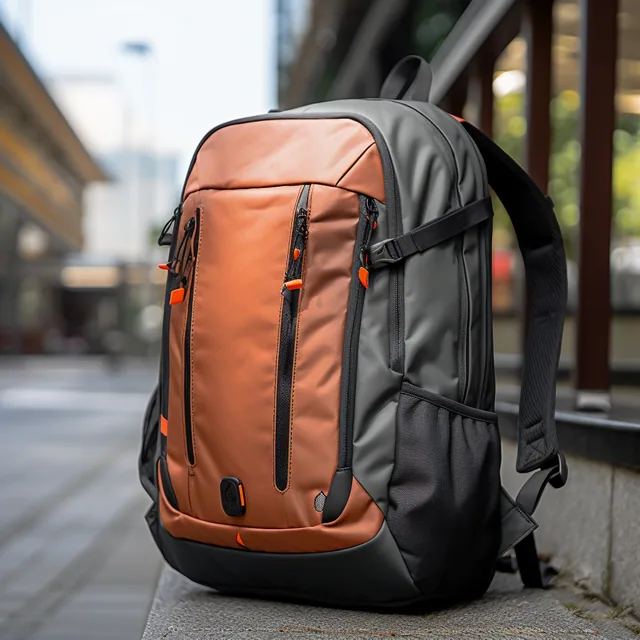
Start with shelter and sleep. A tent with a hydrostatic head of at least 1,500 mm and a sewn-in groundsheet, a sleeping bag rated to about 5°C comfort rather than its limit rating, and a closed-cell or self-inflating mat with an R-value above 2.0 for camping on cold ground. Those three items decide whether you sleep, and everything else is secondary.
Then clothing, in layers rather than in bulk. One worn outfit, one spare, one insulated midlayer, waterproof jacket and trousers, two pairs of socks per day, a hat and gloves even in July, and footwear you are willing to ruin. A British summer night in a field drops to 6°C or lower regularly, and people who pack for the daytime temperature spend the night shivering.
Finish with the small items that get forgotten. A head torch at 90 g, a power bank of 10,000 mAh, earplugs, wet wipes, hand sanitiser, sunscreen, any medication, a reusable bottle and a small first aid kit with blister plasters and painkillers. Those ten items together weigh under 1.5 kg and they are what separate a comfortable weekend from a miserable one, which is why every kit list in travel backpack camping checklists includes them.
| Kit category | Typical weight | Bag it goes in | Priority on arrival |
|---|---|---|---|
| Tent, poles and groundsheet | 3 to 4.5 kg | Largest bag, top | First, before rain |
| Sleeping bag and mat | 1.6 to 2.6 kg | Largest bag, base | Second, before dark |
| Waterproof jacket and trousers | 700 g | External strap or lid | Always accessible |
| Clothing for three days | 2 to 3 kg | Second bag | After shelter is up |
| Food and snacks | 2 to 3 kg | Second bag, top | Immediate access |
| Water, 3 litres | 3 kg | Balanced across both bags | Immediate access |
| Wash kit and medication | 500 g | Lid pocket | Immediate access |
| Torch, power bank, earplugs | 600 g | Lid pocket | Before first evening |
How Do You Keep Everything Dry in a Field?
Bag by category, not by bag. One 20-litre dry bag for the sleeping bag and sleep clothing, one 10-litre for day clothing, one 5-litre for electronics and documents, and a pack liner inside the rucksack itself. A rucksack with a rain cover still lets water in through the back panel, around the straps and through the lid seam, which is why individual bagging is the only method that survives sustained rain.
Then think about the ground rather than the sky. Fields hold water, and a tent pitched in a slight hollow will have water under the groundsheet within hours regardless of how good the flysheet is. Pitch on the highest ground available, dig a small channel uphill of the tent if the site allows it, and keep everything inside the inner tent rather than in the porch, where condensation and driven rain reach it easily.
Manage wet kit deliberately once it exists. Bring one heavy-duty sack for muddy clothing and boots, keep it outside the sleeping area, and change into dry base layers before getting into the sleeping bag rather than after. Wet clothing against skin removes heat roughly twenty-five times faster than dry still air, and that is the mechanism behind most uncomfortable nights in British fields, as set out in travel backpack wet weather advice.
How Do You Organise a Small Festival Camp Efficiently?
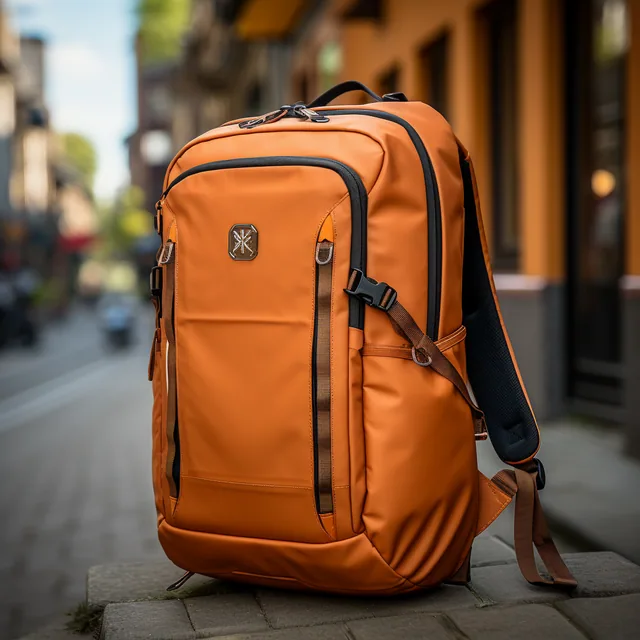
Pitch in a line facing a single entrance, with the tent door downhill of any water run and the cooking or food area at least 3 m from the sleeping area. Keep one dry zone inside the tent where bags stay closed, and one wet zone in the porch or under a tarp where boots and muddy layers live. That separation is the whole system, and it takes ninety seconds to establish.
Then give everything a fixed place for the whole weekend. Torch in the same corner, water bottle at the same tent entrance, wash kit in the same pocket, medication in the same pouch. A camp where three people each know where the torch is loses far less time than one where everybody searches a 2 m square of tent every evening at dusk.
Pack the bag differently once the camp is up. The rucksack becomes a day bag: waterproofs, water, snacks, power bank, ticket and sun protection, and nothing else. Leaving the tent empty of valuables during the day and carrying a light day pack into the arena is the arrangement recommended across travel backpack camping guides.
What Security and Valuables Rules Should You Plan For?
Assume the tent is not secure. Tents are opened in seconds and a festival campsite has no meaningful perimeter security, so valuables travel with you rather than staying in the tent. Keep your phone, wallet, ticket and keys in zipped pockets on your person, and use a money belt or an internal zipped pocket if you are carrying more than £60 in cash.
Use the lockers if the event provides them. Most large UK festivals offer phone charging lockers costing £10 to £25 for the weekend, which solves both security and battery life at once, and they are worth booking in advance because they sell out. Where lockers are unavailable, split cash and cards between two locations on your person rather than keeping everything in one wallet.
Check the prohibited list before packing, because it varies by event. Glass bottles, umbrellas, disposable barbecues, flares, drones, professional cameras and camping chairs above a stated size appear on most UK festival banned lists, and each one found at the gate is either surrendered or requires a walk back to the car. The safety expectations behind those lists are set out in The Event Safety Guide, and the practical interpretation is published with every kit list in travel backpack festival checklists.
How Do You Pack for the Walk From Gate to Campsite?
Two trips, heaviest first. Take the tent and sleeping system on the first walk, since those are what you need before dark and before the weather turns, and leave food and clothing by the gate with someone you trust if you are not travelling alone. Mud is the variable: a 400 m walk on dry grass takes six minutes, and the same distance in deep mud through a crowded thoroughfare can take twenty-five.
Wear the right footwear for the walk rather than for the campsite. Boots or old trainers with grip, since grass slopes and temporary trackway are slippery when wet, and a 15 kg pack changes your balance enough that a twisted ankle is a realistic outcome. Carry water in both hands rather than inside the bag if the queue is long, because you will want it before you finish pitching.
Strap bulky items outside the bag rather than forcing them inside. A rolled mat or a folded tarp on the lower external straps is easier to carry than a distorted overfilled pack, provided nothing dangles below hip level where it catches on other people. Keep both hands partially free, keep the load close to your spine, and re-check the harness after the first 200 m, as advised in travel backpack carrying technique.
How Do You Pack for the Journey Home?
Separate wet from dry before anything goes in the car. Muddy tent, boots and wet clothing go into heavy-duty sacks or a dedicated boot liner; clean clothing, sleeping bag and electronics stay separate. Mixing the two means washing everything within twenty-four hours or accepting that the muddy items will contaminate the rest before you get home.
Then plan for the extra weight honestly. A dry tent at 3.5 kg can weigh 5 kg or more after two nights of rain, and clothing absorbs several hundred grams as well. Shake out what you can, roll rather than fold, and accept two trips rather than attempting one overloaded carry across a muddy field, which is when most festival injuries happen.
Finish with a deliberate check of the pitch before leaving. Walk the area for litter, tent pegs and anything borrowed, since most UK festival sites now charge deposits or expect leave-no-trace camping, and a bag of pegs left behind is both a loss and a problem for the next person. The departure checklist used in travel backpack camping guides takes under five minutes and prevents the most common last-morning mistakes.
How Do You Manage Food and Cooking in a Festival Field?
Choose food that needs no cooking for the first two days. Most people arrive tired, the queues are long, and a stove that seemed essential at home is used once. Sandwiches, wraps, pork pies, nuts, dried fruit, cereal bars and chocolate cover three days at roughly 700 to 900 g of food per day and remove the need for fuel, pans and washing-up entirely.
If you do bring a stove, keep it minimal and check the rules. Many UK sites ban disposable barbecues and restrict camping-gas canisters to a single 230 g cartridge per person, and some prohibit stoves inside tented areas altogether. Cooking should happen at least 3 m from any tent, on a stable surface, and never inside a porch, because that is how most festival tent fires start.
Water deserves more planning than food. Allow 3 litres per person per day for drinking and washing, and carry a reusable bottle rather than buying single-use plastic at £2.50 a time. Most sites run free water points, so arrive with 2 litres and a plan to refill rather than hauling 9 kg from the car, and treat the bottle as part of your day pack from the first morning. The kit weights recommended in travel backpack festival food guides assume exactly that pattern.
What Should UK Buyers Specify for Festival-Ready Backpacks?
Specify for mud and abrasion first. Require a base panel in 900D or heavier fabric with a wipe-clean coating, bar-tacked external strap attachment points rated above 150 N, and zips with covered garages that keep grit out, since field dust and mud destroy sliders faster than rain does. A supplied rain cover rated to 1,500 mm should be standard rather than optional on anything sold into the UK festival market.
Then agree the commercial terms before tooling. Standard practice is MOQ 500 pcs per colourway, sampling in 6-10 working days including a loaded 15 kg carry test over 1 km of uneven ground, bulk production 35-50 days, and inspection to AQL 2.5 (ISO 2859-1) using the tables published by ISO 2859-1. Abrasion resistance should additionally be verified against methods in the ASTM standards library, because festival use is closer to worksite abuse than to normal travel.
Finish with what makes the product genuinely useful. Include external mat straps, a whistle on the sternum strap, reflective panels for walking back to camp after dark, and a printed kit card with weight targets in kilograms. Our 4,950 m² SGS-verified production floor abrasion-tests every festival line rather than relying on generic fabric data, and our vetted partner facilities retain dye lots for eighteen months so reorders match existing stock, which matters to any retailer ordering through travel backpack supply.
Frequently Asked Questions
How heavy should a festival backpack be for the walk in?
Around 12 to 15 kg per trip for a fit adult walking 400 m to 1.5 km on grass. A two-person tent alone weighs 3 to 4.5 kg, so splitting shelter from clothing into two trips is usually the safer plan in mud. Mud can turn a 6 minute walk into 25 minutes, so test the loaded bag at home before committing to one trip.
What size backpack suits a three-day UK festival?
Around 55 to 70 litres for the main bag plus a 20 to 30 litre day pack. That carries a tent share, sleeping bag rated to about 5°C comfort, three days of clothing and food without forcing everything into external straps. Around 60 litres handles a tent share and sleeping system, while the 25 litre day pack carries water and waterproofs.
How do you keep a sleeping bag dry at a muddy festival?
Keep it in a 20-litre dry bag inside a pack liner, pitch on the highest ground available, and never let it touch the porch floor. Change into dry base layers before getting in, since damp clothing against skin removes heat about 25 times faster. Air it for 30 minutes each morning if the weather allows, then re-compress it into the same dry bag.
What items are banned at most UK music festivals?
Glass bottles, umbrellas, disposable barbecues, flares, drones, professional cameras and oversized camping chairs appear on most prohibited lists. Check the specific event list before packing, because surrendering an item at the gate often means a long walk back to the car. Expect bag searches lasting 2 to 5 minutes, so keep pockets organised and avoid anything that needs explaining at the gate.
Should valuables be left in a tent at a festival?
No. Tents are opened in seconds and campsites have no meaningful security. Carry phone, wallet, ticket and keys in zipped pockets on your person, or use on-site lockers costing £10 to £25 for the weekend where the event provides them. Choose lockers where offered, and split cash across two pockets on your person so one loss never empties you completely.
How much water should you carry to a festival campsite?
Around 3 litres per person per day, which weighs 3 kg, plus extra for hot weather. Most UK sites provide free water points, so carry a reusable bottle and refill rather than hauling three days of water from the car park on arrival. Arrive with 2 litres and refill on site, then treat the bottle as fixed day-pack kit from the first morning.
What sleeping bag rating suits a British summer festival?
Around 5°C comfort rating, not the limit rating, because grass in a British field regularly drops to 6°C overnight even in July. Pair it with a mat rated above R-value 2.0, since cold ground draws heat out from underneath far faster than expected. A 5°C comfort bag weighs about 1.4 kg, which is a fair trade for sleeping properly on cold grass.
How do you pack wet and muddy kit for the journey home?
Use heavy-duty sacks or a boot liner and keep wet items entirely separate from clean clothing and the sleeping bag. A dry 3.5 kg tent can weigh 5 kg after two nights of rain, so plan for two trips across the field rather than one. Shake out everything you can at the pitch, which typically removes 300 to 500 g from a wet tent.
Is a rain cover enough to keep a festival rucksack dry?
No. Covers leave the back panel, strap roots and lid seam exposed, and sustained rain finds all three. Use a pack liner inside plus individual dry bags for the sleeping bag at 20 litres, clothing at 10 litres and electronics at 5 litres. Add a pack liner costing £8 to £16 and three dry bags, and the contents stay dry through sustained rain.
How should a camp be laid out to stay organised?
Pitch with the door away from any water run, keep cooking at least 3 m from the sleeping area, and separate a dry zone inside the tent from a wet zone in the porch. Give the torch, water and medication each a fixed place for the weekend. Allow 3 m between cooking and sleeping areas, and take 90 seconds to set the layout up on arrival.
What footwear works best for a muddy festival field?
Old boots or trainers with real grip that you are willing to throw away. Grass slopes and temporary trackway become slippery when wet, and carrying 15 kg changes balance enough that a twisted ankle is a realistic risk on the walk in. Take two pairs so one can dry while you wear the other, which is the cheapest comfort upgrade available.
How much cash should you take to a UK festival?
Around £60 to £120 for a weekend, since many sites are now card-only but phone signal is unreliable. Split it between two locations on your person rather than one wallet, and treat anything left in the tent as already gone. Around £80 covers three days of incidentals where card machines fail, which happens surprisingly often in rural fields with poor signal.
Should you bring a camping chair to a music festival?
Only if the event permits it and you can carry it, since many sites restrict chair size or ban them in the arena. A folding stool weighing under 1 kg is often a better compromise than a full chair at 3 to 4 kg. A folding stool under 1 kg is far easier than a 4 kg chair on a 1 km walk from the car park.
What should UK buyers specify for festival-ready travel backpacks?
Require 900D base fabric with a wipe-clean coating, bar-tacked strap points rated above 150 N, zips with covered garages and a supplied rain cover at 1,500 mm. Terms are MOQ 500 pcs, sampling in 6-10 working days, bulk production 35-50 days and AQL 2.5 inspection. Add external mat straps, a sternum whistle and a 2% spares allowance in GBP-priced wholesale quotes.
Get a Free Quote for Custom How to Pack a Backpack for a UK Festival
Planning a branded programme? Our production team works to MOQ 500 pcs, 6-10 working day sampling and 35-50 day bulk lead times, with AQL 2.5 inspection to ISO 2859-1. Send your brief and we will return a costed quotation in 24-48 hours.
Mens Backpack Guide Editorial Team — Buying guides and sourcing notes for the UK men's backpack market, coordinated by QUANZHOU JUNYUAN BAGS. Commercial figures such as MOQ 500 pcs, 6-10 day sampling and 35-50 day production reflect published programme terms.