Table of Contents
- How Do You Carry a Backpack Safely on a Bike Commute?
- How Much Weight Is Safe to Carry on Your Back While Cycling?
- How Should the Pack Be Positioned on Your Back?
- How Do You Stop a Pack Sliding While Riding?
- What Visibility and Lighting Rules Apply to UK Cyclists?
- How Do You Protect a Laptop When Cycling?
- What Changes in Wet and Winter Conditions?
- Should You Use Panniers Instead of a Backpack?
- What Should UK Buyers and Fleet Managers Specify?
- Frequently Asked Questions
How Do You Carry a Backpack Safely on a Bike Commute?
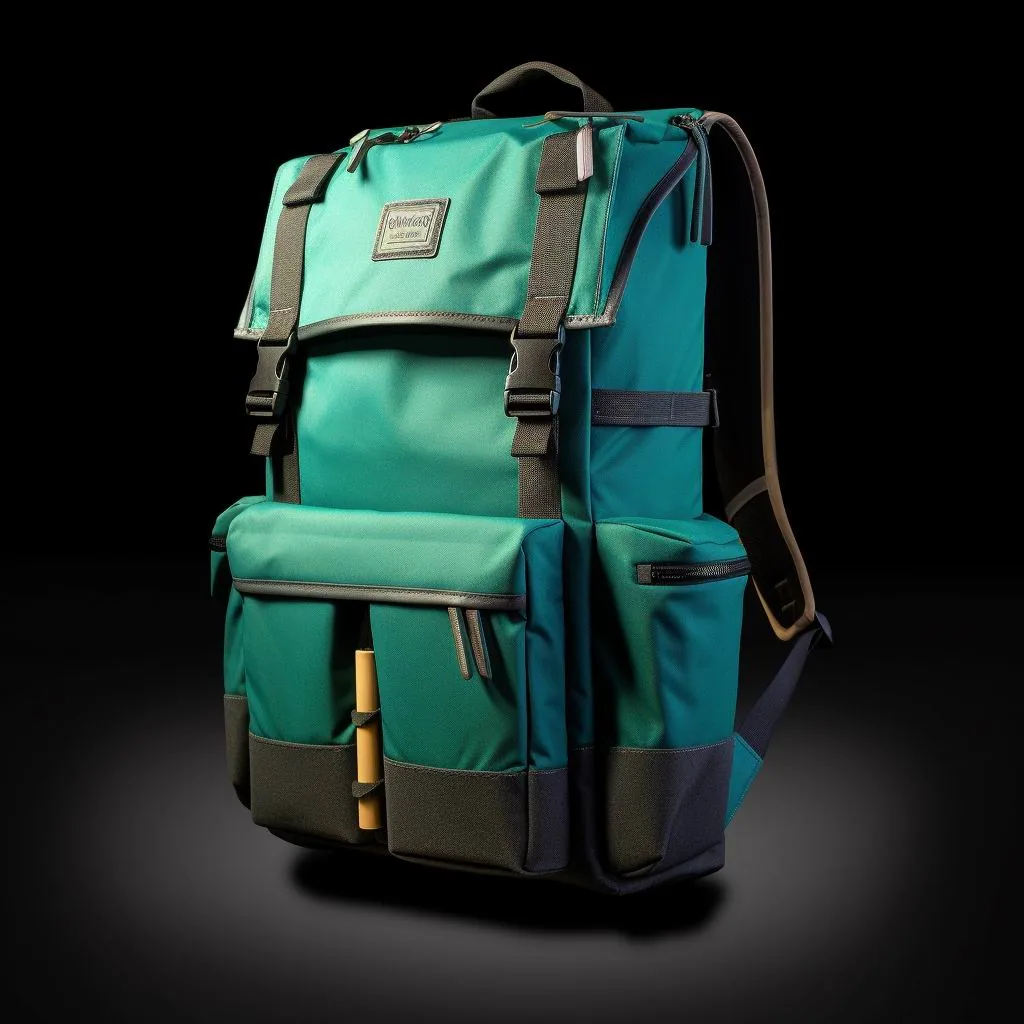
Keep the load under 5 kg, sit the pack high and central between your shoulder blades rather than low on your lumbar spine, tighten the shoulder straps and sternum strap so nothing moves when you stand on the pedals, and get the weight off your back entirely above about 8 kg by using panniers. On a bike, a pack is not simply carried weight: it raises your centre of mass by 200 to 300 mm compared with panniers, which slows steering response and makes the bike noticeably harder to control in an emergency stop. Fit reflective panels and a rear light to the bag itself, because a loaded pack easily obscures a lamp mounted on the seatpost. Set the pack before you set off, not at the first junction — shoulder straps pulled until the pack sits between the shoulder blades with no gap at the back, hip belt closed first so the load cannot swing, and sternum strap at mid-chest so the straps cannot slide outward on your shoulders.
Then distribute weight deliberately inside the bag. Heavy and dense items — laptop, lock, tools, water bottle — go closest to your back and as high as the compartment allows, while soft light items fill the outer half of the bag. A 2 kg laptop carried 250 mm behind your spine applies noticeably more leverage in a corner than the same laptop carried 100 mm behind it, and that leverage is what makes loaded bikes feel vague and slow to turn.
Check three things in the first kilometre and you will avoid almost every problem: can you look over your shoulder without the pack rotating, does the bag stay put when you stand up out of the saddle, and are the straps clear of your helmet strap and your peripheral vision. If any of those three fail, stop and re-adjust rather than continuing, because a pack that shifts at 25 km/h in traffic is a genuine hazard rather than a nuisance, and the same three checks open every commuting checklist inside work backpack cycling guides. Spend the two minutes before every ride rather than discovering the problem in a roundabout. The commuting checks routinely published in The Highway Code are worth reading alongside any load you carry on two wheels in the UK.
How Much Weight Is Safe to Carry on Your Back While Cycling?
Under 5 kg is comfortable for most riders on a normal commute, 5 to 8 kg is workable with a properly fitted pack and a short route, and above 8 kg you should be using panniers. The limit is not about strength; it is about where the mass sits relative to the bike's steering axis. A pack raises the combined rider-and-load centre of mass by roughly 200 to 300 mm, and that directly increases the effort needed to correct a swerve.
Weight also transfers differently on a bike than on foot. Walking loads your skeleton; cycling loads your wrists, your lower back and your neck, all of which are already working to hold a riding position. An extra 3 kg on your back typically adds measurable wrist pressure within twenty minutes, and it increases the load through the lumbar spine every time the road surface jars — which is why riders with a pannier rack report less fatigue on identical routes.
Then there is the arithmetic of what people actually carry. A 14-inch laptop at 1.5 kg, a charger at 350 g, a D-lock at 1.1 kg, a change of clothes at 900 g, a 750 ml bottle at 750 g and a packed lunch at 700 g totals about 5.3 kg before anything else goes in. That is already at the top of the comfortable band, which is why the lightest possible D-lock and a decanted lunch matter more than most riders expect, and why the load figures in work backpack commuting guides are worth checking before buying.
How Should the Pack Be Positioned on Your Back?
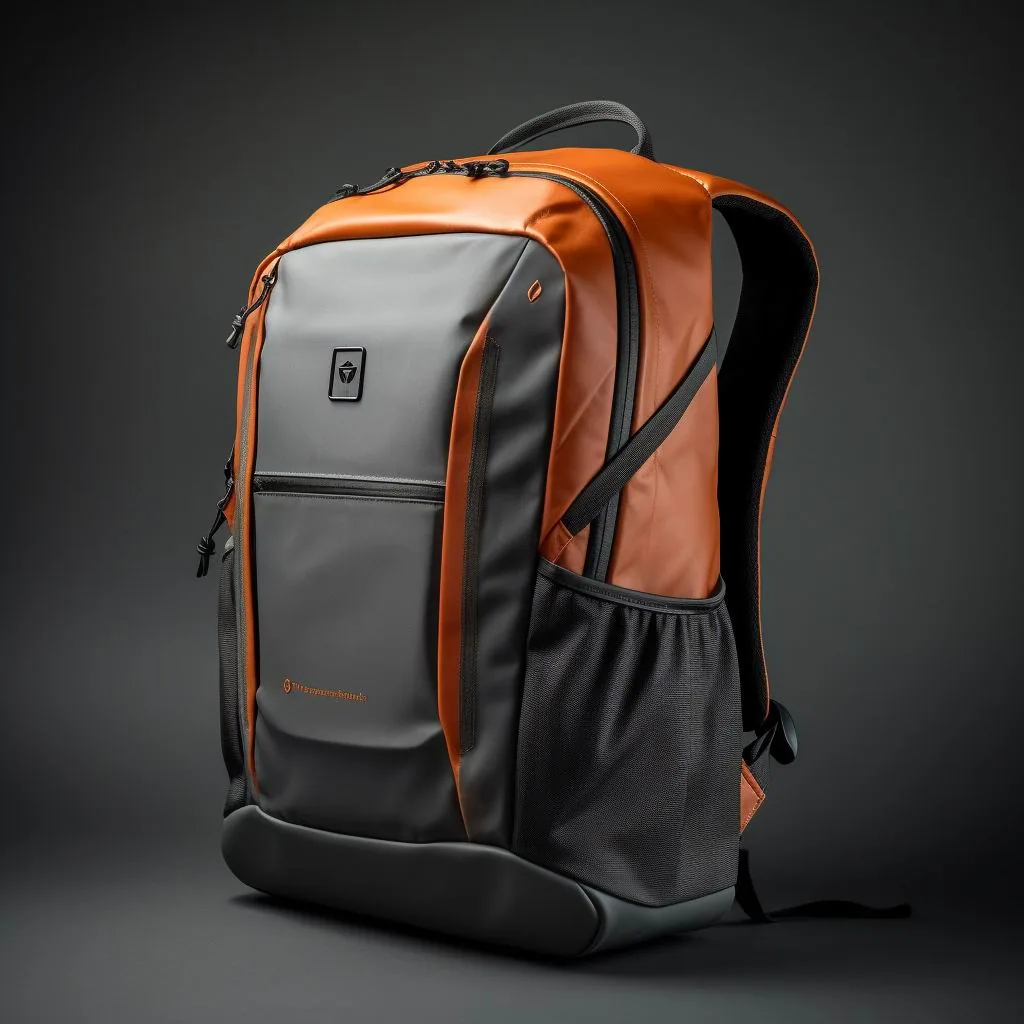
High and central, with the top of the pack roughly level with the top of your shoulders and the bulk sitting between the shoulder blades. A pack that rides low, sagging onto the lumbar spine, is the single most common fault among cycling commuters: it pulls the shoulders back, forces a more upright and less efficient position, and makes every pothole transfer straight into the lower back.
Then set the straps in the right order. Hip belt or waist stabiliser first, closed moderately snug so the pack cannot swing laterally; shoulder straps next, pulled down and back until there is no gap between pack and back; sternum strap at mid-chest, roughly 40 to 60 mm below the collarbone, tightened enough that the straps cannot migrate outward; and load lifters last, taken up so the pack top pulls in toward your neck rather than away from it.
Finish with a movement test before you ride. Stand on the pedals out of the saddle, twist your torso to check over your right shoulder, and lean the bike into a slow tight turn in a quiet spot. The pack should behave as though it is part of your torso in all three. Any independent movement means the harness is too loose, and notes on setting it up for cycling are set out in work backpack cycling setups.
| Total load | Recommended carry method | Handling effect | Typical commute length |
|---|---|---|---|
| Under 3 kg, laptop only | Backpack, high and central | Minimal, steering unaffected | Any distance |
| 3 to 5 kg, laptop plus clothes | Backpack with hip belt | Slight, acceptable in traffic | Up to 40 minutes |
| 5 to 8 kg, laptop plus lock | Backpack plus rack, or panniers | Noticeable, slower corrections | Under 30 minutes |
| 8 to 12 kg, full office kit | Panniers, split both sides | Significant if worn on the back | Any distance, use panniers |
| Over 12 kg, samples or tools | Panniers or a trailer only | Unsafe on the back in traffic | Not recommended on the back |
How Do You Stop a Pack Sliding While Riding?
Fit first, then friction. Most sliding is simply a loose harness: shoulder straps that have stretched with age, a sternum strap left undone, or a hip belt that was never fastened at all. Tighten in the order given above and most bags stop moving immediately, without any accessory.
Then look at the fabric and the contact patch. A smooth shell against a smooth jacket slides far more than a textured one, especially in rain when a waterproof becomes genuinely slippery. A pack with a raised or mesh back panel grips noticeably better, and if yours does not, a slim webbing waist stabiliser costing £8 makes more difference than any other single accessory, because it stops lateral movement at the source.
Compression straps are the final tool. Take up the side compression straps so the load is a firm block rather than a soft sack, since a compact load cannot shift its own mass from side to side in a corner. Do not overtighten to the point of distorting the bag, but a pack that can be squeezed no further than about 20 mm by hand is about right, and this is the setting recommended throughout work backpack stability advice.
What Visibility and Lighting Rules Apply to UK Cyclists?
Lights and reflectives are a legal requirement after dark, and a backpack affects both. UK law requires a white front light, a red rear light, a red rear reflector and amber pedal reflectors when cycling between sunset and sunrise; both lights must be steady or flashing to a recognised standard, and a flashing rear light is legal alongside a steady one. A large dark backpack can obscure a rear light or a rear reflector mounted on the seatpost, which is a real and commonly overlooked problem.
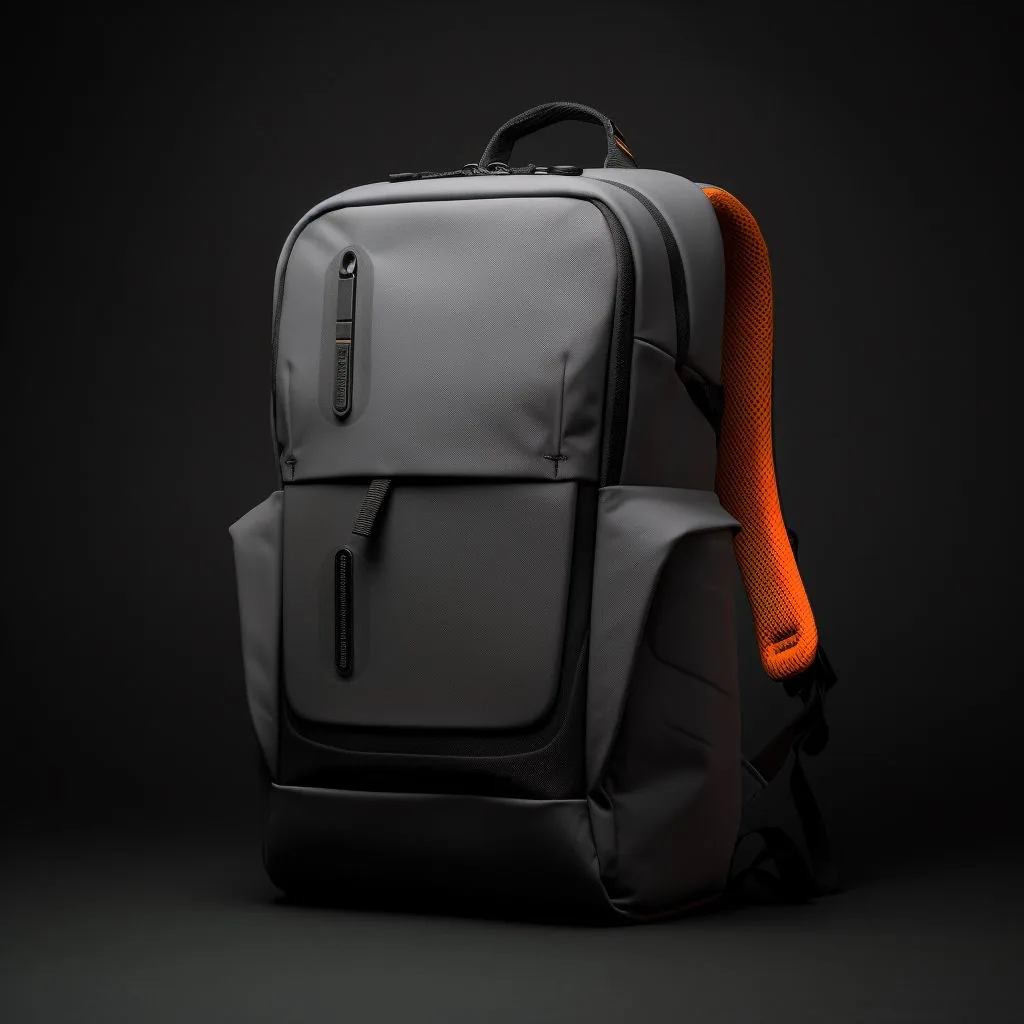
So put visibility on the bag itself. Reflective panels on the back of the pack, ideally covering at least 200 cm² across three faces, plus a rear-facing light clipped to the bag rather than the bike, keep you visible even if the bike-mounted light is blocked. Many commuting packs now include a light loop for exactly this reason, and a clip-on rear light costs £12 to £30.
High-visibility clothing is worth adding in winter and is cheap insurance. Rules for cyclists, including lighting requirements, are published by The Highway Code, and the practical interpretation for commuters is straightforward: assume you are invisible to a driver who is not looking, and dress accordingly. Reflective detail on the bag is also standard across work backpack commuter ranges.
How Do You Protect a Laptop When Cycling?
Suspension beats padding. A laptop in a suspended sleeve floating 10 mm above the base of the pack survives road buzz and the occasional pothole far better than one sitting directly on the bottom panel, because the sleeve isolates it from sharp impacts instead of merely cushioning them. Check that your sleeve actually floats rather than being a padded pocket sewn to the base.
Then consider the failure mode that matters on a bike: a sideways fall. In a low-speed drop, load transfers through the pack to whatever is closest to the ground, so the laptop should sit close to your back and high, never in an outer pocket where it becomes the point of impact. Hard-shell sleeves rated for 1.2 m drops cost £22 to £45 and are worth it if you commute daily through traffic.
Water is the other risk, and it is the one people underestimate. British commuting rain arrives horizontally at times, and a pack that survives a shower upright on your back will often wet through in an hour of riding. Use either a genuinely waterproof shell rated to 1,500 mm or a rain cover costing £12 to £28, and put the laptop in a dry bag inside the sleeve on the wettest days. The device protection notes in work backpack laptop protection cover this in detail.
What Changes in Wet and Winter Conditions?
Grip and visibility change first. Wet roads roughly double stopping distances, so the margin you give yourself while carrying a load should widen accordingly: leave an extra metre of following distance and brake earlier than feels necessary. A pack makes the bike slower to respond, and wet surfaces make that slower response matter much more than it does on a dry morning.
Cold changes the load itself. Winter commuting adds 800 g to 1.2 kg of extra kit — gloves, hat, a warmer layer, a flask — which pushes many riders from the comfortable band into the 6 to 8 kg range without them noticing. Weigh the bag once in January rather than assuming it is the same as in June, and consider moving the D-lock to a frame mount, which removes 1.1 kg from your back for about £9.
Then there is the bag's own behaviour. Coatings stiffen below about 5°C, zips become harder to work with cold fingers, and a wet pack against a waterproof jacket slides more than a dry one. Look for glove-friendly zip pulls at least 25 mm long, re-check the harness after ten minutes once clothing has compressed, and dry the bag fully each evening to prevent the damp that leads to mould. Winter commuting guidance across work backpack winter commuting repeats all three.
Should You Use Panniers Instead of a Backpack?
Above 8 kg, yes almost always. Panniers lower the centre of mass by 200 to 300 mm, remove load from your spine entirely, and leave your shoulders free to steer. A single 20-litre pannier costs £40 to £90 and carries a full office load comfortably; a pair allows you to split weight evenly left and right, which matters more than total capacity for handling.
Backpacks win on three things: security, portability and stairs. A pack stays with you when you lock the bike, walks into a meeting without comment, and does not need a rack. For riders covering the last 800 m on foot, or carrying a laptop they will not leave with the bike, a well-fitted pack under 5 kg remains the better tool despite the handling penalty.
The hybrid answer is best for most commuters. Keep a light pack for the laptop, documents and anything you will not leave behind, and put bulk — clothes, lunch, lock, shoes — in a pannier. That splits roughly 3 kg on the back and 3 kg on the rack, which keeps steering response close to unloaded while retaining all the practical advantages of carrying a bag. The comparison is laid out in work backpack versus pannier guides.
What Should UK Buyers and Fleet Managers Specify?
Specify for the riding position first. Require a harness that holds the pack between the shoulder blades with at least 60 mm of torso travel, a webbing waist stabiliser as standard rather than an accessory, and compression straps on both sides so any load can be made compact. Add a light loop positioned at least 150 mm above the base of the pack, since anything lower is obscured by the rider's own body.
Then agree the commercial terms before tooling. Standard practice is MOQ 500 pcs per colourway, sampling in 6-10 working days including a loaded 6 km road test on a commuter bike, bulk production 35-50 days, and inspection to AQL 2.5 (ISO 2859-1) using the tables published by ISO 2859-1. Reflective materials should additionally be verified against performance standards listed by BSI's British Standards catalogue, because night visibility is a safety claim rather than a styling one.
Finish with what riders actually value. Reflective coverage of at least 200 cm² across three faces, a rain cover rated to 1,500 mm supplied with every unit, and a suspended laptop sleeve with 10 mm of clearance from the base. Our 4,950 m² SGS-verified production floor road-tests commuting prototypes rather than relying on bench checks alone, and our vetted partner facilities retain dye lots for eighteen months so corporate reorders match existing stock, which matters to any fleet manager ordering through work backpack bulk supply.
Frequently Asked Questions
How much weight can you safely carry on a bike in a backpack?
Under 5 kg is comfortable for most commuters, 5 to 8 kg is workable on short routes with a fitted pack, and above 8 kg you should use panniers. Weight matters less than height: a pack raises your centre of mass by 200 to 300 mm compared with rack-mounted bags. A 6 kg load on the back typically adds noticeable wrist pressure within twenty minutes of continuous riding.
Is a backpack or a pannier better for cycling to work in the UK?
A backpack under 5 kg wins on security, stairs and portability; panniers win above 8 kg on handling and comfort. The best answer is often both: roughly 3 kg of laptop and documents on your back, with clothes, lunch and the lock on a rack. A single 20-litre pannier costs £40 to £90 and handles a full office load without any spinal penalty.
How should a backpack sit on your back when cycling?
High and central, with the top of the pack level with your shoulders and the bulk between the shoulder blades. Never let it sag onto the lumbar spine, which pulls the shoulders back and puts every pothole straight into your lower back. Set the harness so the pack top sits roughly level with your shoulders, about 40 to 50 mm below the C7 vertebra.
How do you stop a backpack sliding around while riding?
Tighten in order: hip belt first, shoulder straps until there is no gap, sternum strap 40 to 60 mm below the collarbone, then load lifters. Take up the side compression straps so the load is a firm block that cannot shift its own mass in a corner. A slim webbing stabiliser costing £8 stops lateral movement at source, and compression straps keep the load a firm block.
What lights and reflectives does UK law require for cyclists?
Between sunset and sunrise you need a white front light, a red rear light, a red rear reflector and amber pedal reflectors. A large dark pack can block a seatpost-mounted light, so add reflective panels of at least 200 cm² and a rear light clipped to the bag itself. A clip-on rear light costs £12 to £30 and solves the obscuring problem completely in winter commuting traffic.
Can a backpack block a bicycle rear light or reflector?
Yes, and it happens more often than riders realise. Any pack wider than the rider's shoulders can obscure a seatpost-mounted light from directly behind. Fix it by clipping a second rear light to the bag and choosing a pack with reflective panels on three faces. Test it by having someone stand 20 m behind you at dusk while you ride; if they cannot see the light, neither can a driver.
How do you protect a laptop when cycling over rough roads?
Use a suspended sleeve floating 10 mm above the pack base, carry the laptop high and close to your back rather than in an outer pocket, and add a hard-shell case rated for 1.2 m drops. Keep it in a dry bag on genuinely wet days. Hard-shell cases rated for 1.2 m drops cost £22 to £45 and are worthwhile for anyone riding daily through traffic.
Should a D-lock be carried in a backpack or mounted on the frame?
Mounted on the frame, almost always. A D-lock weighs around 1.1 kg, which is 20% or more of a comfortable backpack load, and a frame mount costs about £9. That single change often moves a commute back under the 5 kg threshold. Frame mounts fit most standard tubes and remove roughly 20% of a comfortable total backpack load in one change.
What waterproof rating does a cycling backpack need in Britain?
Aim for a shell rated to 1,500 mm hydrostatic head, or a rain cover at the same rating costing £12 to £28. Riding rain arrives horizontally and wets out a bag that would survive the same shower while you are standing at a bus stop. Covers rated to 1,500 mm cost between £12 and £28 and fold into a lid pocket when the rain stops.
How does winter change what you carry on a bike commute?
Cold adds 800 g to 1.2 kg of gloves, hat, warmer layers and a flask, pushing many riders from a comfortable load into the 6 to 8 kg band. Weigh the bag in January, and move the lock to a frame mount to claw back 1.1 kg. Weigh the loaded bag once in January and again in June, since the difference often surprises riders by more than 1 kg.
How tight should the sternum strap be when cycling?
Set it 40 to 60 mm below the collarbone and tighten until the shoulder straps cannot migrate outward off your shoulders. It should not restrict breathing: you should be able to take a full deep breath and speak a sentence comfortably while riding uphill. Position it 40 to 60 mm below the collarbone, which is higher than the walking setting most people are used to.
What size backpack suits a cycling commute to an office?
Around 18 to 25 litres for a laptop, documents and a light layer, which keeps the load under 5 kg. Anything above 30 litres encourages carrying bulk that belongs on a rack, and the extra volume also catches more wind at speed. About 18 to 25 litres keeps a laptop, documents and a light layer under the 5 kg comfort threshold on most routes.
How do you keep a backpack dry on a wet bike commute?
Use a rain cover rated to 1,500 mm, keep electronics in a dry bag inside the sleeve, and dry the bag fully each evening with compartments open. A pack dried within six hours will not grow mould, while one left sealed overnight often does. Dry compartments open within six hours of getting home and the lining will not grow mould at typical UK humidity.
What should UK fleet buyers specify for cycling commuter backpacks?
Require 60 mm of torso travel, a standard webbing waist stabiliser, compression straps both sides, a light loop 150 mm above the base and reflective coverage of at least 200 cm². Terms are MOQ 500 pcs, sampling in 6-10 working days, bulk production 35-50 days and AQL 2.5 inspection. Ask for a 6 km loaded road test during sampling plus a 2% spares allowance in GBP-priced corporate quotes.
Get a Free Quote for Custom How to Carry a Backpack Safely on a Bike
Planning a branded programme? Our production team works to MOQ 500 pcs, 6-10 working day sampling and 35-50 day bulk lead times, with AQL 2.5 inspection to ISO 2859-1. Send your brief and we will return a costed quotation in 24-48 hours.
Mens Backpack Guide Editorial Team — Buying guides and sourcing notes for the UK men's backpack market, coordinated by QUANZHOU JUNYUAN BAGS. Commercial figures such as MOQ 500 pcs, 6-10 day sampling and 35-50 day production reflect published programme terms.