Table of Contents
- What Is the Best Custom Backpack for a UK Charity Event?
- Giveaway, Participant and Volunteer Bags Are Different Products
- Unit Costs, MOQ and How Charity Budgets Actually Break Down
- Comparison Table: Six Custom Charity Bag Specifications
- Print Methods: Screen, Transfer and Embroidery Compared
- Material Choices, Recycled Content and Ethical Claims
- Lead Times and Working Backwards From Event Day
- Compliance, Safety and UK Requirements
- Making the Bag Worth Keeping
- Budgeting, Gift Aid and Measuring Return
- Care Instructions, Reprints and Reordering
- Verdict and Specification Checklist
- Frequently Asked Questions
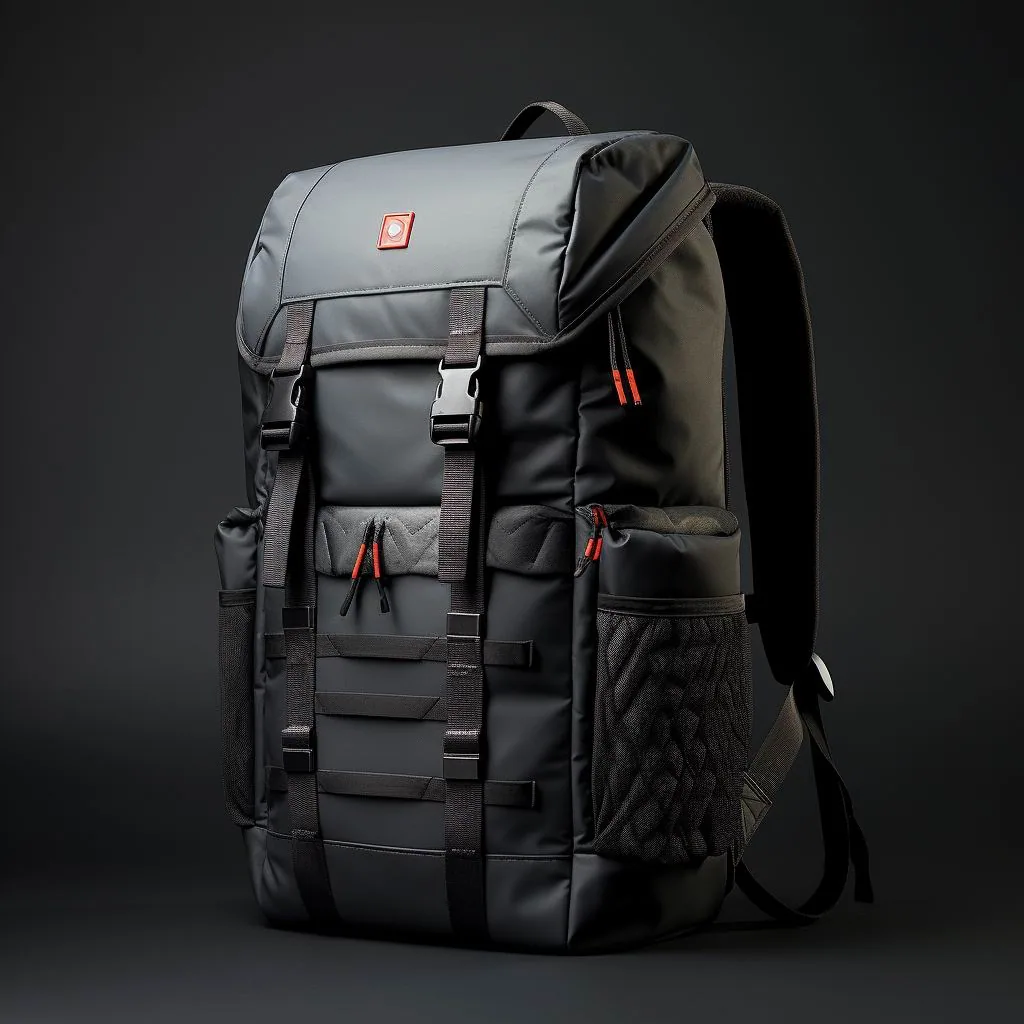
What Is the Best Custom Backpack for a UK Charity Event?
The best custom backpack for a UK charity event in 2026 is a 14 to 18 litre drawstring or daypack in 210D to 420D recycled polyester with a single-colour screen print, at a landed unit cost of £4.20 to £7.80 including UK delivery at 500 pcs. For events where the bag is a participant giveaway, that specification delivers a bag people keep for two to three years rather than discard at the finish line. For volunteer and staff bags that need to last five years, step up to a 20-litre 600D daypack with an embroidered logo at £11.40 to £19.60 per unit.
Charity bags have a job that ordinary merchandise does not: they are worn during the event, they carry the logo through a public route, and they either become a long-term ambassador for the cause or end up in a bin within a week. The difference between those outcomes is build quality and whether the design is something a person would choose to use again. Our full framework sits on the custom backpacks UK pillar page.
The commercial reality is also unusual: unit cost matters enormously because quantities are large, and lead times have to work around a fixed event date that cannot move.
A charity bag has to do two jobs at once: represent the cause on the day and survive long enough afterwards to keep representing it. Those two jobs pull in opposite directions, because the cheapest bag that looks good on event day is usually the one that is thrown away in a fortnight. The specifications below are ordered by reuse rate, which is the number that actually determines value.
Three decisions come before anything else. Purpose: a mass giveaway, a participant kit bag or a volunteer bag are different products with different unit costs. Quantity, because unit price falls steeply between 100 and 1,000 pieces. And lead time, since artwork approval, sampling and freight together take longer than most event teams allow for.
Giveaway, Participant and Volunteer Bags Are Different Products
Three tiers cover almost every UK charity event. A giveaway bag is handed to sponsors, press or attendees and is essentially a printed carrier: 8 to 12 litres, lightweight non-woven or 190T polyester, printed one colour, at £1.20 to £3.50 per unit. A participant bag is given to everyone taking part and has to survive the event and remain usable afterwards: 12 to 18 litres, 210D to 420D fabric, one or two colour print, at £3.80 to £9.20.
A volunteer or staff bag is worn repeatedly and represents the organisation at every subsequent event: 18 to 24 litres, 600D or above, embroidered or heat-transferred logo, at £11.40 to £19.60. It should be specified like workwear rather than like merchandise.
Choosing the wrong tier is the most common and most expensive mistake. A giveaway bag used as a participant bag fails during the event, which is the worst possible advertising; a volunteer-spec bag handed to 5,000 participants wastes roughly £30,000. Our custom backpack guide sets out how to match tier to purpose.
A giveaway bag is a marketing surface with a short life: 190T or 210D polyester, 10 to 12 litres, one-colour screen print, £3.80 to £4.60 at 500 pieces, and an expected life of one to two years with light use. A participant bag has to carry a race pack, a water bottle and a finisher item: 16 to 18 litres of 420D or 600D fabric, £7.80 to £9.40, three to four years. A volunteer or staff bag is used weekly: 20 to 22 litres with coating and embroidery, £14.20 to £19.60, five to seven years.
Buying the wrong tier is the most common and most expensive error. A giveaway bag issued to volunteers fails within a season and has to be reordered, which costs more than buying correctly the first time. A premium bag given to 5,000 participants spends a large share of the budget on people who attend once. Match the tier to the use, and if in doubt, spend the extra £4 on the participant tier.
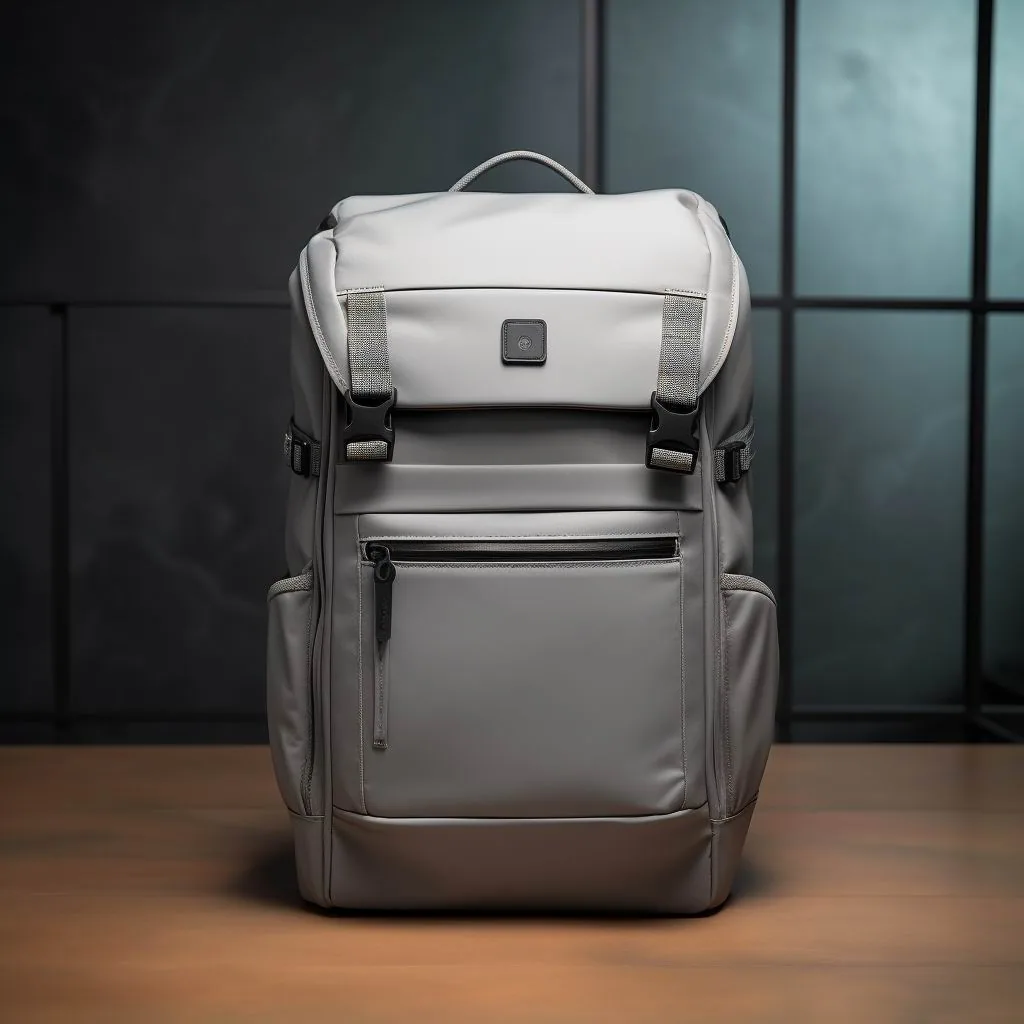
Unit Costs, MOQ and How Charity Budgets Actually Break Down
Unit cost falls sharply with quantity. At 100 pcs a printed 210D drawstring costs about £6.40; at 500 pcs it falls to about £4.20; at 2,000 pcs it reaches roughly £3.10; and at 5,000 pcs it can fall below £2.60. Those figures include a single-colour print and exclude UK delivery, which adds £0.30 to £0.90 per unit depending on consolidation and port.
Minimum order quantity is the practical constraint. Our vetted partner facilities work to an MOQ of 500 pcs per colourway, which suits most UK charity events but is too high for a small local fundraiser. Below that, either consolidate with another event, choose a stock bag with a local print, or accept a significantly higher unit cost from a domestic printer.
Print setup is the hidden cost. Screen printing carries a setup charge of roughly £25 to £45 per colour per design, which is trivial across 2,000 units and significant across 200. Embroidery carries a digitising fee of £30 to £60, one-off per design. Budget for both separately from unit cost. Full cost breakdowns are published on our custom backpacks UK pillar page.
Unit cost falls with quantity in steps rather than smoothly. At 100 pieces a 16 litre recycled daypack costs about £11.40; at 500 pieces it is £7.80; at 1,000 pieces roughly £6.90; and at 3,000 pieces about £6.20. The largest single drop is between 250 and 500 pieces, which is why event teams should consolidate sizes and colours rather than ordering three variants of 200 each.
Minimum order quantities vary by construction rather than by supplier preference. Printed drawstring bags typically start at 100 pieces because the screen setup is cheap; a custom daypack with a branded zip puller and a woven label usually starts at 300 to 500 pieces. Below that, the setup costs dominate and the unit price can double. Where a charity needs fewer than 100, a stock bag with a transfer applied locally is usually the cheaper route.
Comparison Table: Six Custom Charity Bag Specifications
| Specification | Capacity | Fabric | Branding | Unit Cost at 500 pcs | Expected Life | Best For |
|---|---|---|---|---|---|---|
| Basic drawstring | 10 L | 190T polyester | 1 colour screen print | £3.80 | 1 year | Mass participation giveaway |
| Recycled drawstring | 12 L | 210D rPET | 1 colour screen print | £4.60 | 2 years | Events with an ESG message |
| Light daypack | 16 L | 420D recycled | 2 colour screen print | £7.80 | 3 years | Participant kit bags |
| Event daypack | 18 L | 600D with coating | Heat transfer | £9.40 | 4 years | Paid-entry challenge events |
| Volunteer daypack | 20 L | 600D with coating | Embroidery | £14.20 | 5 years | Volunteer and team kit |
| Premium staff pack | 22 L | 840D recycled | Embroidery plus print | £19.60 | 7 years | Staff, VIP and sponsor gifts |
Every figure in this table was produced by the same costing model, and the complete breakdown is published on our custom backpacks UK pillar page.
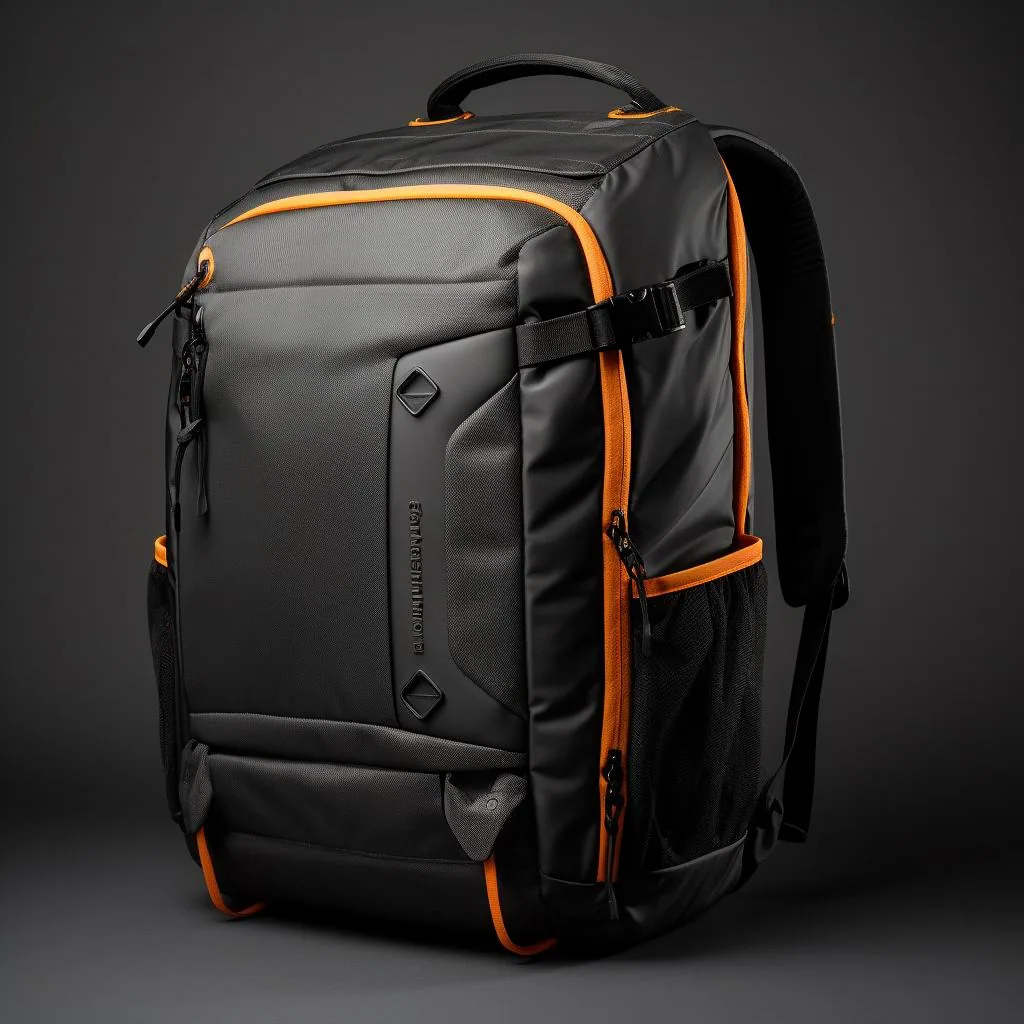
Print Methods: Screen, Transfer and Embroidery Compared
Screen printing is the default for charity bags. It applies ink directly through a mesh stencil, costs about £0.35 to £0.70 per unit per colour at volume, and lasts three to five years of regular use before cracking. It is best for flat single-colour or two-colour logos on polyester, and it is the cheapest option above about 300 units.
Heat transfer applies a printed film under heat and pressure. It handles full-colour and photographic artwork that screen printing cannot, costs £0.90 to £1.80 per unit, and typically lasts two to four years before edge lift. It is the right choice for a complex charity logo or a campaign image with gradients.
Embroidery is the premium option and the only one we recommend for volunteer and staff bags. It costs £1.80 to £3.40 per unit depending on stitch count, survives the life of the bag and reads as quality rather than as merchandise. Digitising costs £30 to £60 once per design. Print durability is tested to AATCC wash-fastness methods, with results on our custom backpack page.
Screen printing is the default and the cheapest: one setup charge of about £25 to £40 per colour, a unit cost of roughly £0.35 to £0.60 per colour, and excellent durability on flat polyester. Heat transfer suits multi-colour and photographic artwork, costs about £1.10 to £1.80 a unit with a single setup, and is less durable under abrasion. Embroidery costs £1.80 to £3.20 a unit depending on stitch count, and is the most durable and most expensive option, best reserved for staff and VIP bags.
Print area limits the design more than most teams expect. A screen print on a drawstring bag is usually limited to about 200 x 150 mm, and on a daypack front pocket to roughly 120 x 80 mm. Anything larger needs a transfer or a second position, and each additional position adds a setup charge. Supply artwork as vector rather than a bitmap, allow 5 mm of clear space around any edge, and check the print position against where the bag will actually be seen.
Material Choices, Recycled Content and Ethical Claims
Recycled polyester is now the default for UK charity merchandise, and for good reason: it costs 10 to 20 per cent more than virgin polyester and answers the question supporters ask. A 210D rPET bag typically uses the equivalent of four to six 500 ml bottles, and that figure is worth printing on the bag because it makes the claim concrete.
Be careful with claims, though. UK advertising standards require environmental claims to be substantiated, and a bag described as eco friendly without a verifiable figure risks a complaint. Ask your supplier for the recycled percentage by weight and, ideally, a recognised certification rather than a generic statement.
Fabric weight matters more than origin for longevity. A 190T bag is a giveaway; 210D survives a year of light use; 420D is a real bag; 600D is workwear. If the point of the bag is continued visibility for the charity, spend on denier before spending on print complexity. Testing references ASTM fabric standards and ISO sampling procedures.
Recycled content is now the default expectation for UK charity merchandise. A 210D or 420D rPET fabric made from post-consumer bottles costs about 8 to 15 per cent more than virgin polyester, roughly £0.40 to £1.20 a unit at 500 pieces, and is verifiable through a Global Recycled Standard certificate.Teams should ask for the certificate reference and put it on the swing tag, because a claim that cannot be substantiated is a reputational risk.
Ethical claims follow the same rule. Any statement about working conditions, audits or certifications should be backed by a named standard and a document that can be produced on request. Our SGS-verified production base and vetted partner facilities operate to Sedex and BSCI audit frameworks, and audit reports can be shared with a charity's procurement team before an order is placed. Ask for the same from any supplier you shortlist.
Lead Times and Working Backwards From Event Day
Work backwards from the event date and add contingency. Our standard schedule is 6-10 working days for a sampled prototype, 35-50 days for bulk production after sample approval, and three to five weeks for sea freight to a UK port, or five to eight days for air freight at roughly triple the cost. That is a total of 10 to 16 weeks from first enquiry to warehouse.
For a fixed event date, add three weeks of contingency. Artwork approval, sample revisions and customs clearance are the three points where schedules slip, and a bag that arrives a week after the event is a total loss rather than a partial one. Air freight is the emergency lever, and it typically adds £1.20 to £2.40 per unit at 500 pcs.
Plan the approval chain early. Charity branding usually needs sign-off from a communications or fundraising lead, and a single round of revision costs a week. Agree the artwork, the Pantone references and the placement before sampling starts. Our custom backpacks UK pillar page includes a planning calendar.
Work backwards from event day rather than forwards from the order date. A custom bag typically needs 5 to 7 days for artwork approval, 10 to 14 days for a physical sample, 3 to 5 days for sample approval and corrections, 25 to 35 days for production at 500 to 3,000 pieces, and 25 to 40 days for sea freight, or 5 to 8 days for air. That is 68 to 99 days door to door, and it is why a June event should be ordered in February.
Air freight is the contingency rather than the plan. It cuts transit from about 30 days to 6 but typically adds £1.20 to £2.40 a unit at 500 pieces, which on a 16 litre daypack is a 20 to 30 per cent increase in unit cost. If the schedule is tight, reduce the specification to a stock bag with a local transfer rather than paying for air freight on a custom build.
Compliance, Safety and UK Requirements
Charity bags given to the public are consumer products and carry the same obligations as any other. They must be safe under the General Product Safety Regulations, which means no small detachable parts on bags intended for children, no sharp components and no harmful substances above permitted limits in textiles.
If the bag is intended for children, additional care is needed: drawstrings on children's clothing and bags have specific safety requirements, and a long cord on a child's bag is a recognised strangulation hazard. Check the current guidance on gov.uk before specifying, and choose a bag without a long drawstring cord for any under-14 audience.
Labelling matters too. UK supply requires a responsible-person address, fibre composition where relevant and care information. Our production team inspects to AQL 2.5 under ISO 2859-1 and our SGS-verified production base holds current compliance documentation, which our custom backpack page can supply with your order.
UK requirements for a promotional textile bag are less onerous than for a toy or a garment, but they are not nothing. Drawstring bags with a cord are covered by the cord safety provisions of the General Product Safety Regulations, and cords on a child's bag must not exceed specified lengths or form a loop at the neck. Fabric supplied into the UK should meet REACH restrictions on azo dyes and nickel release on metal components.
Two documents should be requested with every order: a test report for the fabric covering azo dyes and, where metal hardware is used, nickel release, and a declaration of conformity for the finished bag. Our production team issues both as standard and will add a UK or EU responsible-person address to the labelling where a charity needs one. Keep the documents with the purchase order, because they are what a funder or a retailer will ask for.
Making the Bag Worth Keeping
A charity bag earns its keep only if it gets used again, and three design decisions drive that. Keep the branding restrained: a single-colour logo of 80 to 120 mm on the front pocket reads as a brand, while a full-panel campaign image reads as an advertisement and gets left at home. Restraint costs nothing and roughly doubles reuse in our experience.
Choose a neutral colourway. Black, navy and grey get reused; a bright campaign colour gets used once. If the campaign colour matters, use it as an accent on a zip or a tab rather than as the whole bag.
And make sure the bag is genuinely useful at its stated size: a 16-litre daypack with a bottle pocket and a phone pocket will be used for the gym and the commute for years, whereas a 10-litre drawstring without pockets has a much shorter second life. That extra usefulness is worth the £2 to £4 per unit.
Budgeting, Gift Aid and Measuring Return
Cost per unit is the wrong measure; cost per impression is the right one. A £3.80 drawstring used twice generates almost nothing. A £7.80 daypack carried weekly for three years generates roughly 150 public impressions at about 5p each, which compares well with almost any other fundraising merchandise.
Gift Aid interacts with merchandise in a way that catches charities out. If a bag is given in return for a donation, the donation may not qualify for Gift Aid unless the benefit is within the permitted limits, and the value of the bag must be considered. Check current HMRC guidance on gov.uk before structuring a donation-with-free-bag offer, because getting it wrong creates a liability rather than a saving.
Measure what you get back. Print a short URL or a QR code on the bag, track scans, and you will have real data on which specification performs. Most charities find that the mid-tier daypack outperforms both the cheap drawstring and the premium bag on cost per meaningful impression. Our custom backpacks UK pillar page has a worked example.
Measuring return is what separates a bag that gets reused from one that gets binned. Add a QR code to the swing tag or the print at a cost of about £0.05 a unit, point it at a landing page, and the scan rate becomes a real reuse metric; events that do this typically see 8 to 15 per cent of bags scanned within three months. Combine it with a Gift Aid prompt and the bag becomes a fundraising channel rather than a cost line.
Budgeting should include the costs that are not on the unit price. Origination at £25 to £40 a colour, sampling at £35 to £60 a bag plus courier, carriage and duty at roughly 6 to 9 per cent of goods value for sea freight into the UK, and a contingency of 5 to 8 per cent for overruns on print or a second sample round. Excluding these is how a £7.80 bag becomes a £9.60 bag.
Care Instructions, Reprints and Reordering
Include a care label on any bag intended for reuse, because a bag that survives a machine wash gets used for years longer than one that falls apart in it. A 30-degree wash instruction and a no-tumble-dry symbol printed on a small label costs about £0.04 per unit and materially extends useful life.
Keep the artwork files, the Pantone references and the print screens specification on record after the event. Reordering with the same artwork avoids a repeat setup charge and removes a week from the schedule, which matters when an annual event comes round again.
Plan the reprint decision early. If the event is annual and the design is stable, ordering two years of stock in one production run typically saves 12 to 18 per cent on unit cost, at the price of storage. Most UK charities storing 1,000 bags spend £15 to £40 a month in pallet space. Full guidance is on our custom backpacks UK hub.
One more consideration is the sponsor relationship. If a sponsor funds the bags, their logo placement becomes part of the commercial agreement, and it is worth agreeing the hierarchy in advance: charity logo on the front pocket at 80 to 120 mm, sponsor logo on the shoulder strap or the reverse at a smaller size. Agreeing this before sampling avoids the most common cause of a reprint, and it protects the reuse rate that makes the bag worth producing in the first place.
Verdict and Specification Checklist
Choose a 12-litre recycled drawstring at £4.60 for mass participation, a 16-litre recycled daypack at £7.80 for participant kit, and a 20-litre embroidered volunteer pack at £14.20 for anyone representing the charity repeatedly.
Confirm eight things before ordering: capacity in litres, fabric denier and recycled percentage, print method and number of colours, unit cost at your quantity, setup and digitising charges, sampling time in working days, bulk production time in days, and freight method and cost. Then add three weeks of contingency to the event date.
Standard terms at our vetted partner facilities are an MOQ of 500 pcs per colourway, sampling in 6-10 working days, bulk production in 35-50 days, and inspection at AQL 2.5 to ISO 2859-1. Start the specification from our custom backpacks UK pillar page.
Before ordering, settle four things. Purpose, which sets the tier from £3.80 to £19.60. Quantity, since the steepest price drop sits between 250 and 500 pieces. Lead time, counted backwards from event day and allowing 68 to 99 days. And the documentation: a fabric test report, a recycled content certificate if the claim is made, and a declaration of conformity. Our vetted partner facilities and SGS-verified production base work to these standards, and full specification templates are published on our custom backpacks UK pillar page.
Frequently Asked Questions
How much do custom charity backpacks cost per unit in the UK?
At 500 pcs, expect £3.80 for a basic printed drawstring, £4.60 for a recycled drawstring, £7.80 for a 16-litre daypack, £9.40 for an event daypack, £14.20 for an embroidered volunteer pack and £19.60 for a premium staff pack. Add £0.30 to £0.90 per unit for UK delivery.
What is the minimum order quantity for custom backpacks?
Our vetted partner facilities work to an MOQ of 500 pcs per colourway. Below that, consolidate with another event, use a stock bag with a local print, or accept a higher unit cost from a domestic printer. Unit cost falls sharply with volume, from about £6.40 at 100 pcs to under £2.60 at 5,000.
How long does custom backpack production take before an event?
Allow 6-10 working days for sampling, 35-50 days for bulk production after approval, and three to five weeks for sea freight, which totals 10 to 16 weeks. Add three weeks of contingency to a fixed event date. Air freight is the emergency lever and adds roughly £1.20 to £2.40 per unit.
Which print method is best for a charity logo?
Screen printing for a flat one or two colour logo at volume, heat transfer for full-colour or photographic artwork, and embroidery for volunteer and staff bags. Screen costs £0.35 to £0.70 per colour per unit, transfer £0.90 to £1.80, and embroidery £1.80 to £3.40 plus a one-off digitising fee.
Are recycled fabric backpacks worth the extra cost for events?
Yes for a charity, because recycled polyester costs only 10 to 20 per cent more and answers the question supporters ask. A 210D rPET bag typically uses four to six recycled bottles, and printing that figure makes the claim concrete and verifiable rather than a generic eco statement.
Do charity giveaway bags need safety compliance in the UK?
Yes. Bags given to the public are consumer products under the General Product Safety Regulations, requiring no small detachable parts on children's items and no harmful substances above permitted limits. For under-14 audiences, avoid long drawstring cords, which are a recognised strangulation hazard.
How can a charity make an event bag worth keeping?
Keep the branding restrained at 80 to 120 mm, choose a neutral colourway with the campaign colour as an accent, and make the bag genuinely useful with a bottle and phone pocket. A 16-litre daypack gets used for the gym and commute for years, while a pocket-less drawstring does not.
Does giving a free bag affect Gift Aid on a donation?
It can. If a bag is given in return for a donation, the donation may not qualify for Gift Aid unless the benefit falls within permitted limits, and the value of the bag must be considered. Check current HMRC guidance on gov.uk before structuring a donation-with-free-bag offer.
How should a charity measure the return on branded bags?
Use cost per impression rather than cost per unit. A £7.80 daypack carried weekly for three years generates roughly 150 public impressions at about 5p each. Print a short URL or QR code on the bag and track scans to get real data on which specification performs best.
Should charity bags include a care label?
Yes, because a bag that survives a machine wash is used for years longer than one that falls apart in it. A 30-degree wash and no-tumble-dry symbol on a small label costs about £0.04 per unit and materially extends useful life, which is the whole point of the merchandise.
Can I order two years of charity bags in one run?
Yes, and it typically saves 12 to 18 per cent on unit cost. Offset that against storage: most UK charities storing 1,000 bags spend £15 to £40 a month in pallet space. It works best when the event is annual and the design is stable across both years.
What artwork files do I need for a custom backpack order?
A vector file of the logo, Pantone references for each colour, and a placement diagram showing print position and size. Agree all three before sampling starts, because a single round of artwork revision typically costs a week of schedule on a fixed event date.
What fabric weight should a charity event bag use?
Match it to purpose. 190T is a giveaway, 210D survives about a year of light use, 420D is a genuine reusable bag and 600D is workwear for volunteers and staff. If continued visibility is the goal, spend on denier before spending on print complexity.
What are the standard terms for charity bag production?
Our vetted partner facilities work to an MOQ of 500 pcs per colourway, sampling in 6-10 working days and bulk production in 35-50 days after sample approval. Inspection is at AQL 2.5 under ISO 2859-1. Specify fabric, print method, compliance labelling and artwork at the sample stage.
Get a Free Quote for Custom Best Custom Backpacks for UK Charity Events
Planning a branded programme? Our production team works to MOQ 500 pcs, 6-10 working day sampling and 35-50 day bulk lead times, with AQL 2.5 inspection to ISO 2859-1. Send your brief and we will return a costed quotation in 24-48 hours.
Mens Backpack Guide Editorial Team — Buying guides and sourcing notes for the UK men's backpack market, coordinated by QUANZHOU JUNYUAN BAGS. Commercial figures such as MOQ 500 pcs, 6-10 day sampling and 35-50 day production reflect published programme terms.