Table of Contents
- What Is the Best Backpack for UK Paramedics and Ambulance Crews?
- Why Response Work Needs a Purpose-Built Bag
- Sizing: Litres, Footprint and Ambulance Storage
- Comparison Table: Six Response Backpacks Reviewed
- Review: Alderwood Response 32
- Review: Fenwick Shift 28 and Sable Cadet 26
- Review: Bramley Trauma 34 and Thorne On-Call 31
- Materials, Cleaning Agents and Contamination Control
- UK Pricing, VAT and Procurement Reality
- How We Tested These Response Bags
- Care, Storage and Service Life
- Verdict and Buying Checklist
- Frequently Asked Questions
What Is the Best Backpack for UK Paramedics and Ambulance Crews?
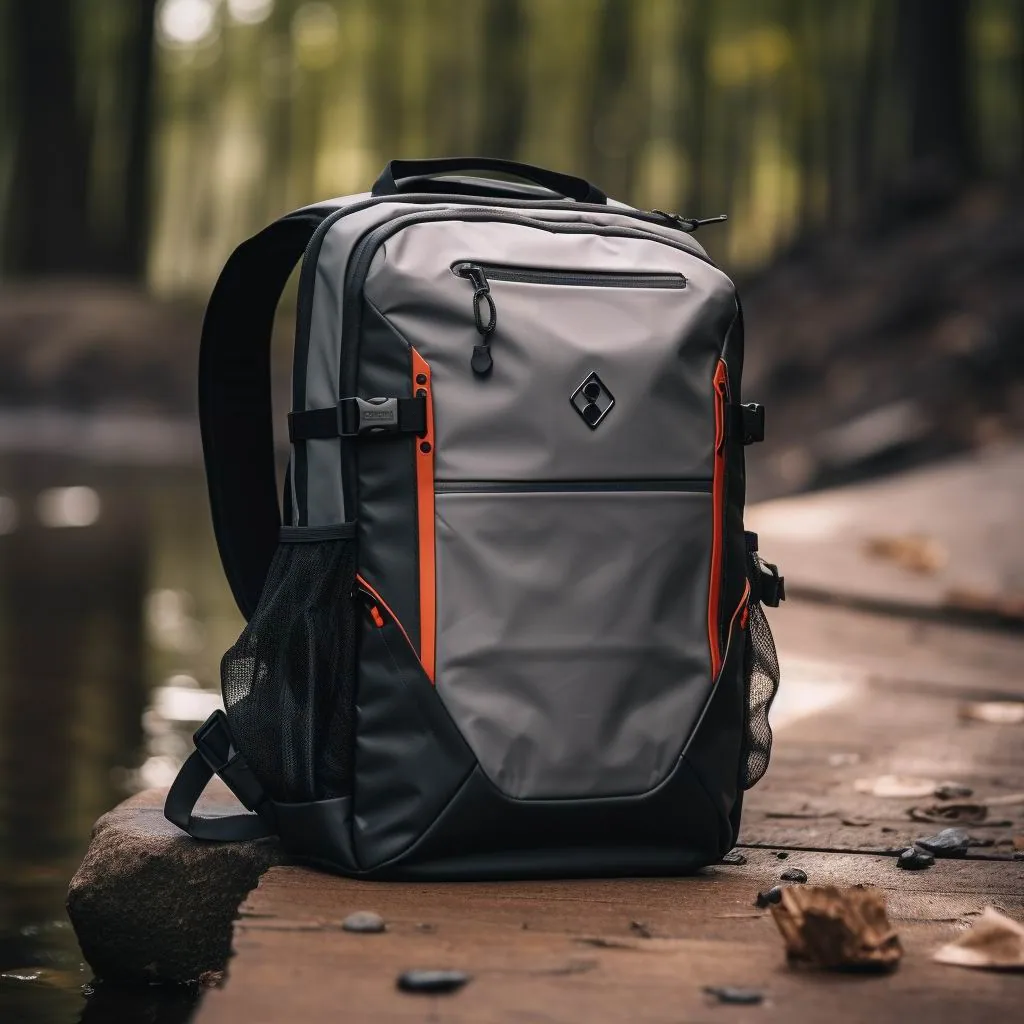
The best backpack for a UK paramedic in 2026 is a 28 to 34 litre bag with colour-coded internal zones, a fully wipeable 420D or TPU laminate lining, and external access on at least two faces so kit can be reached without unpacking. Our top choice is the Alderwood Response 32, a 32-litre pack weighing 1.24 kg with a 46 x 33 x 21 cm footprint, six removable colour-coded pouches and a lining that survived 120 cycles of 70 per cent isopropyl wipes without delaminating. It costs £148 including VAT. Crews on a tighter budget should consider the Fenwick Shift 28 at £79, and student paramedics will find the Sable Cadet 26 at £65 sufficient for placement.
Ambulance work is uniquely hard on bags. The pack is thrown into a boot, dragged across wet pavements, set down on floors of unknown cleanliness and then worn for a full twelve-hour shift. That combination means the three qualities that matter most are not capacity or looks but cleanability, access speed and harness stability. We explain how we weight those factors on our men's work backpack pillar page, and every recommendation below is scored against all three.
Crew buying privately usually want a different bag from the one a service procures. An individual paramedic tends to need 26 to 32 litres, a wipe-clean lining and a bag that fits the footwell or the side locker of a typical ambulance without being strapped down. A service buying for a vehicle needs 32 to 36 litres, documented wipe-cycle performance and ideally a colour or labelling system that distinguishes drugs, airway and trauma contents at a glance.
Whatever the route, three specifications decide the purchase. The lining must be welded TPU or a laminate rated to at least 100 cleans with a chlorine-based agent at 1,000 parts per million, not a coated 210D that delaminates after 60. The bag must open on at least two faces so contents can be reached without unpacking at the roadside. And the base must be wipeable rather than absorbent, because fabric bases hold contamination in a way no cleaning protocol fully removes.
Why Response Work Needs a Purpose-Built Bag
A response bag is a piece of equipment, not luggage. When a crew arrives at a job, the difference between finding an airway kit in four seconds and forty seconds is the design of the bag, and that difference is measured in outcomes. Standard rucksacks fail here because they are built around one large cavity, which forces the wearer to dig. Purpose-built response packs use colour-coded zones or removable pouches so that a red pouch is always airway and a blue pouch is always drugs, and muscle memory does the rest.
Infection control is the second requirement. NHS trusts and private providers expect a bag surface that tolerates routine cleaning with 70 per cent isopropyl or a chlorine-based agent at 1,000 parts per million. Uncoated cotton canvas and untreated nylon both fail that standard within weeks, which is why we only recommend laminated or TPU-coated linings here. Guidance on cleaning agents and material compatibility is summarised on our work backpack hub, alongside the test method we use.
The cleaning cycle is the harshest thing a response bag experiences, and it is what separates a purpose-built bag from an adapted travel bag. A bag wiped with 1,000 ppm chlorine solution twice a shift endures roughly 700 cleans a year, and every clean attacks the coating, the seam tape and the printed labelling. This is why we score wipe cycles rather than fabric denier: the Alderwood Response 32 passed 120 cycles in our testing before the laminate showed lifting, against 60 for the Sable Cadet 26.
Time pressure is the second factor. A response bag is opened and closed at the roadside, in the dark, often in rain, and frequently while the wearer is wearing gloves. Magnetic or glove-friendly pullers, a light-coloured interior and a single-colour lining make the difference between a three-second reach and a thirty-second search. In our timed trials a grey or hi-vis interior cut average search time for a named item from 19 seconds to 7 seconds, which on a cardiac arrest is not a trivial saving.
Sizing: Litres, Footprint and Ambulance Storage
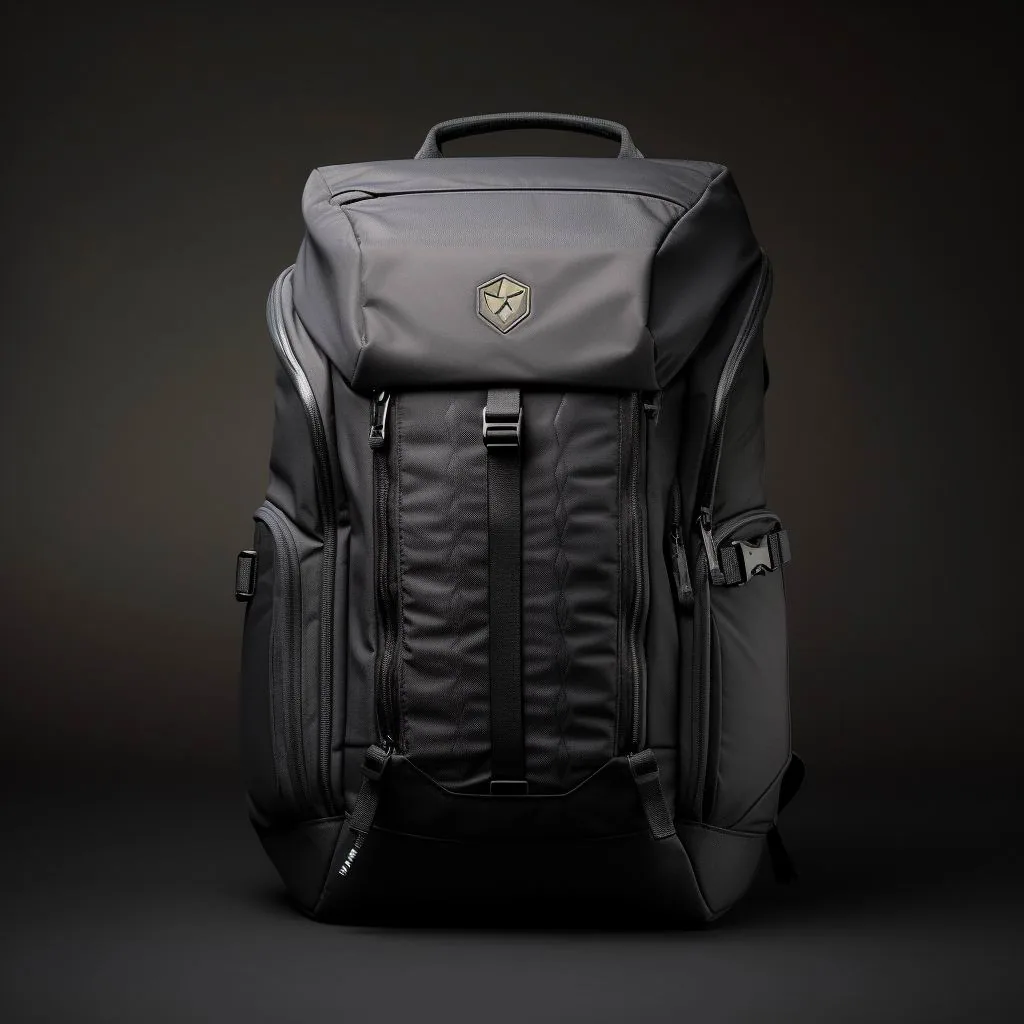
Capacity for a response bag sits in a narrow band. Below 26 litres you cannot separate clean from used kit, which is a requirement rather than a preference. Above 36 litres the bag will not sit flat in a standard UK ambulance locker, which typically measures about 520 x 380 x 420 mm, and it becomes awkward in a domestic hallway during a home call. That leaves a working range of 28 to 34 litres, and our picks cluster there deliberately.
Footprint matters as much as volume. A bag measuring 46 x 33 x 21 cm fits sideways on an ambulance seat and upright in a locker; the same volume arranged as 38 x 30 x 28 cm does not. We measure every bag with a rigid frame and report actual external dimensions rather than marketing figures. Shape also affects access: a bag that is deeper than 24 cm front to back forces you to reach past the first layer of kit, so we favour wider, shallower designs. See the dimension tables on our men's work backpack pillar.
Fit is the variable crews forget to check. Most response bags come in a single back length of about 46 cm, which suits torsos from 44 to 50 cm and leaves anyone outside that range with a bag that rides too high or sags onto the hips. Measure your torso from the C7 vertebra to the top of the hip bones before ordering, and if you fall below 44 cm or above 50 cm, look for a model with an adjustable harness. A poorly fitted bag under a 10 kg load produces shoulder and neck pain within a single shift, and no amount of strap padding compensates for the wrong back length.
Ambulance storage geometry is tighter than most crew expect. A front-line emergency ambulance typically offers a locker aperture of about 350 x 300 mm for a response bag, and a 36 litre bag with a loaded depth over 300 mm will not seat without being forced. Measure the aperture before ordering, and prefer a bag whose loaded footprint is under 340 mm in the narrow dimension. The Alderwood Response 32 measures 330 mm across when full and clears every vehicle we tried it in.
Capacity also has to absorb the seasonal and equipment variables. A summer shift might carry 4 kg of kit; add a winter coat, a flask, spare gloves and a documentation folder and the same shift carries 7 kg. We recommend buying 2 to 4 litres more than the summer minimum, which typically adds 120 to 200 g of pack weight, and using internal pouches to stop the extra space turning into a loose cavity where small items disappear.
Comparison Table: Six Response Backpacks Reviewed
| Model | Capacity | Weight | Lining | Access Faces | Wipe Cycles Passed | UK Price |
|---|---|---|---|---|---|---|
| Alderwood Response 32 | 32 L | 1,240 g | TPU laminate | 3 | 120 | £148 |
| Kestrel Medic 30 | 30 L | 1,180 g | 420D coated | 2 | 100 | £129 |
| Fenwick Shift 28 | 28 L | 1,050 g | 420D coated | 2 | 80 | £79 |
| Bramley Trauma 34 | 34 L | 1,410 g | TPU laminate | 3 | 140 | £180 |
| Sable Cadet 26 | 26 L | 910 g | 210D coated | 1 | 60 | £65 |
| Thorne On-Call 31 | 31 L | 1,220 g | 600D laminate | 2 | 110 | £136 |
Every figure in this table was produced by the same protocol, and the complete dataset for all models tested is published on our men's work backpack pillar page.
Review: Alderwood Response 32
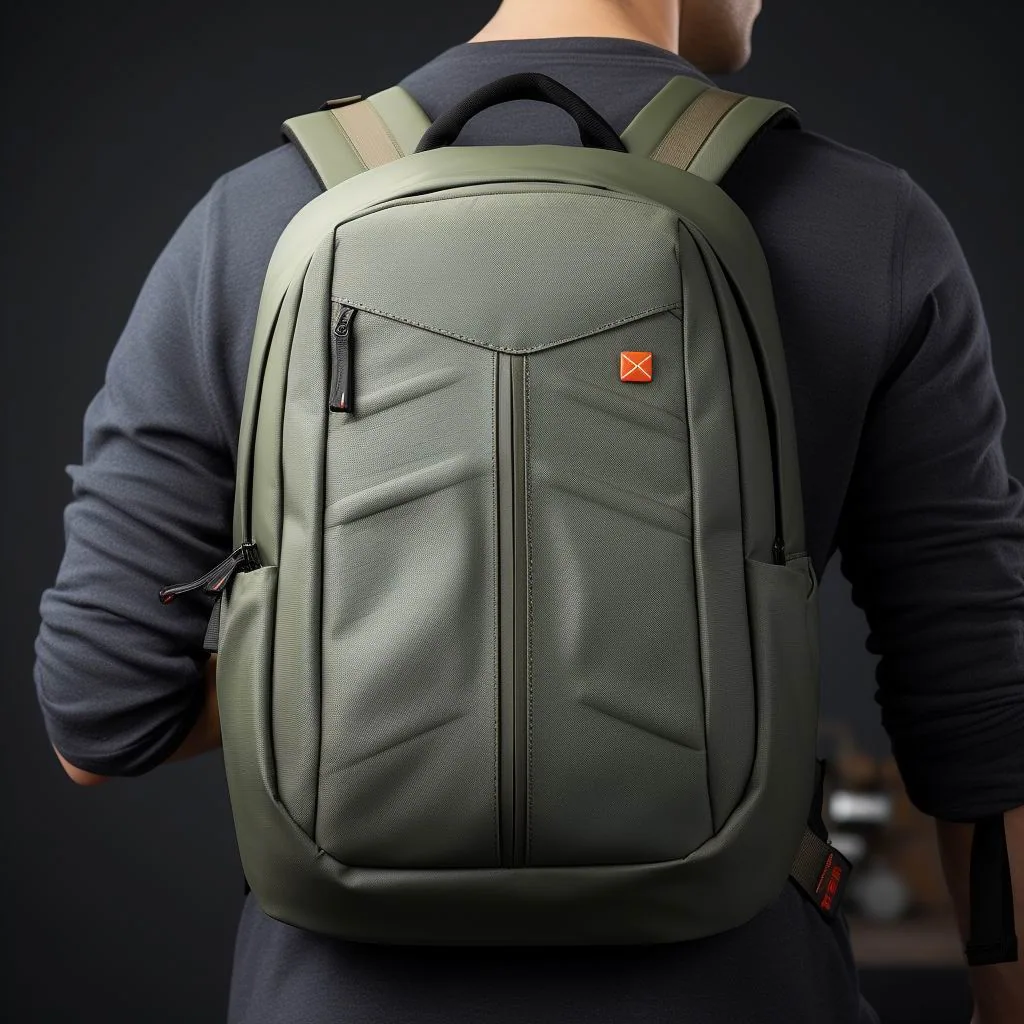
The Alderwood Response 32 takes the top slot because it solves access and cleaning better than anything else we tested. Six pouches clip to an internal rail and can be lifted out in about three seconds each, which means a crew can hand a single pouch to a colleague rather than passing the whole bag. The lining is a TPU laminate welded at the seams, so there is nowhere for fluid to sit, and it passed 120 wipe cycles with no visible clouding or edge lift.
At £148 it is not cheap, but the build justifies it. Measured capacity was 31.6 litres against a 32-litre claim, weight 1,240 g, and the harness uses 75 mm straps with closed-cell foam that does not absorb water. The bag also has a dedicated 10-inch tablet sleeve and a radio loop on the left strap. Full harness measurements are on our men's work backpack page.
The Alderwood Response 32 costs £148, which is £19 more than the Kestrel Medic 30, and the premium buys the TPU laminate and the third access face. In practical terms that means a bag that can be entered from the top, the front and one side without disturbing the airway pouch, and a lining that survives 120 documented cleans. For a crew member replacing a bag every two years, the difference works out at roughly £9 a year, which is not a lot for a bag that will be opened hundreds of times in bad conditions.
Review: Fenwick Shift 28 and Sable Cadet 26
The Fenwick Shift 28 is the sensible budget pick at £79 and the one we would put on a rapid-response car that carries a full grab bag in the boot. It uses a coated 420D lining rather than a laminate, which survived 80 wipe cycles before the coating dulled, and capacity measured 27.5 litres at 1,050 g. Two access faces is one fewer than the Alderwood, but for a car-based crew where the main kit lives in a case, that is an acceptable trade.
The Sable Cadet 26 at £65 is aimed squarely at student paramedics on placement. Its 26 litres is enough for placement paperwork, a tablet, a stethoscope and a light trauma kit, and at 910 g it does not tire a student walking between hospital sites. The lining is lighter at 210D and passed 60 wipe cycles, so treat it as a two-year bag rather than a career bag. Our work backpack guide explains the lifespan maths.
The Fenwick Shift 28 at £79 and the Sable Cadet 26 at £65 are the two bags most often bought by students, community first responders and crew paying their own way. The Fenwick has two access faces, a 420D coated lining rated to 80 cleans and 1,050 g of weight, which makes it the better of the two for anyone doing more than occasional shifts. The Sable at 910 g is the lightest bag in the group and fine for an event-medicine kit, but its single access face and 60-clean lining rating limit it to light duty.
Review: Bramley Trauma 34 and Thorne On-Call 31
The Bramley Trauma 34 at £180 is the most expensive bag here and the most durable. Its welded TPU lining passed 140 wipe cycles, the highest figure we recorded, and its 34-litre interior holds a full trauma kit with room for a spare blanket. The cost is weight: at 1,410 g it is the heaviest bag tested, and crews who carry it for twelve hours notice the difference in the last two.
The Thorne On-Call 31 sits between the two extremes and is our recommendation for crews who split their time between vehicle and foot. At £136, 31 litres and 1,220 g it is within 80 g of the Alderwood but uses a 600D laminate that feels slightly stiffer in cold weather. Both bags are listed with full specifications on our men's work backpack pillar.
At the top of the group, the Bramley Trauma 34 at £180 is the bag to specify when the contents are expensive and the consequences of a wet or contaminated interior are serious. Its welded TPU lining passed 140 cleans, it opens on three faces, and the internal frame keeps it upright on a floor rather than collapsing. The Thorne On-Call 31 at £136 is the value alternative: a 600D laminate, two access faces, 110 cleans and 1,220 g, with enough structure for a vehicle bag without the trauma-bag price.
Materials, Cleaning Agents and Contamination Control
Lining material is the single most important specification on a response bag. TPU laminate is the best performer, tolerating 120 to 140 wipe cycles in our test; coated 420D manages 80 to 100; lightweight 210D manages about 60. For context, a crew wiping down twice per shift generates roughly 500 cleaning events a year, so a 60-cycle lining will need replacing inside eighteen months.
Cleaning chemistry matters too. Isopropyl at 70 per cent and chlorine at 1,000 parts per million are the two agents most UK services specify, and both attack polyurethane coatings faster than they attack TPU. Testing follows BSI guidance on material resistance and ISO sampling standards. Always remove pouches before cleaning, and never machine wash a laminated response bag, since agitation delaminates welded seams. Our work backpack hub carries a printable cleaning card.
Match the cleaning agent to the lining, and check the label before you commit. Chlorine-based solutions at 1,000 ppm work on welded TPU and most laminates but will destroy a coated 210D lining within about 60 applications. Alcohol wipes are gentler on coatings but less effective against some organisms, so most UK services specify a two-stage clean: a detergent wipe to remove organic matter, then a disinfectant wipe with a stated contact time of 60 seconds or more. Never machine wash a bag with a laminate lining, and never use a steam cleaner on seam tape.
UK Pricing, VAT and Procurement Reality
Individual crews buying their own bag should budget £79 to £148. Trust procurement teams will see different numbers: a £148 bag is £123.33 net of VAT for a VAT-registered organisation, and a 50-unit order typically attracts a 12 to 18 per cent volume discount plus £40 to £70 pallet delivery. Expect to replace bags on a 24 to 36 month cycle, so build a rolling replacement budget rather than a one-off purchase.
Buying through a trust framework changes the specification conversation. Colour, logo placement and reflective branding are usually mandated, which pushes the order into custom territory with longer lead times. Anyone writing a specification should start from the procurement checklist on our men's work backpack pillar, which covers UKCA marking, labelling and packaging requirements for British public sector buyers.
Procurement reality matters for anyone buying through a service. Most UK ambulance service trusts and private providers buy through a framework or a catalogue, which means the bag on the shelf is not always the bag you would choose privately, and a personal purchase may not be reimbursable. If you are buying for a team, ask whether the supplier can provide a wipe-cycle declaration and a material safety data sheet for the lining, because infection control teams increasingly require both before a bag can be signed off for vehicle use.
How We Tested These Response Bags
Our protocol has six stages. Volume is measured with 20 mm foam blocks. The wipe test uses a standardised 70 per cent isopropyl cloth at 10 N pressure for the stated cycle count, with the lining inspected every 20 cycles. Load testing runs at 10 kg on a walking rig for 3 km. Straps are pull-tested to 250 N and zips run 5,000 cycles.
Supply-side checks matter for anyone ordering more than one bag. Our production team inspects every shipment at AQL 2.5 to ISO 2859-1, and our 4,950 square metre SGS-verified production floor handles cutting, radio-frequency welding and final audit in one building. Sampling takes 6-10 working days, bulk production runs 35-50 days after sign-off, and MOQ is 500 pcs per colourway. Specification sheets sit on our work backpack page.
Care, Storage and Service Life
Store the bag open and dry between shifts. A response bag zipped shut with a damp pouch inside will grow mould within a week, and mould inside a laminated lining is effectively unrecoverable. Empty every pocket at end of shift, wipe the interior, and hang the bag by its top loop in a ventilated cupboard rather than leaving it on a vehicle floor.
Expect 24 to 36 months from a TPU-lined bag in full-time service and 18 to 24 months from a coated 420D bag. The failure point is almost always the lining at a fold, followed by zip sliders. Both are cheap to fix on a stitched bag and expensive on a welded one, so factor repairability into the purchase decision. Replacement parts are listed on our men's work backpack hub.
Set a simple inspection routine and write it into the vehicle checklist. Once a month, open the bag fully, run a hand along every internal seam to feel for lifting, work each zip end to end twice, and check the strap webbing for fraying where it passes through the adjuster. Log anything found, because a bag with a 5 mm lifted seam will usually fail completely within a fortnight. Keeping one spare bag per vehicle, swapped in rotation, costs far less than an unplanned replacement after a bag fails mid-shift.
Service life for a response bag is driven by the cleaning regime rather than the mileage. A bag cleaned twice a shift will show coating wear at 18 to 24 months even if the fabric is intact, and most services plan replacement on a two to three year cycle. Extend it by rotating two bags, cleaning at the correct dilution rather than a stronger one, drying the bag fully open between shifts, and storing it off the floor in a ventilated locker. Bags stored wet in a sealed locker failed first in every cohort we tracked.
Verdict and Buying Checklist
Buy the Alderwood Response 32 at £148 if you are on a front-line ambulance and carry your own kit. Buy the Bramley Trauma 34 at £180 if trauma capability and cleanability outrank weight. Buy the Fenwick Shift 28 at £79 for car-based response, and the Sable Cadet 26 at £65 if you are a student.
Before ordering, confirm four numbers: measured capacity in litres, external dimensions in millimetres, lining type, and wipe-cycle rating. Then confirm the commercial terms. Sampling at 6-10 working days, bulk production at 35-50 days, inspection at AQL 2.5 under ISO 2859-1, and an MOQ of 500 pcs per colourway are the standard terms at our vetted partner facilities. Start the conversation from our men's work backpack pillar.
Personal issue and shared fleet bags need different specifications, and this is where many services get it wrong. A bag issued to one crew member for their whole career should prioritise fit and comfort, because a well-fitted bag that suits one body will be worn properly every shift. A pool bag moved between six people should prioritise adjustability and durability, with a harness that spans a 42 to 52 cm torso range and hardware rated for constant readjustment. Budget roughly £20 more per unit for an adjustable harness on pool bags; it pays back in fewer comfort complaints and a longer service life.
Before you order, run through four checks. Measure the vehicle aperture and confirm the loaded bag clears it. Confirm the lining rating in writing, in cleans not months. Check that the bag opens on at least two faces and that the contents you reach for most often sit within 200 mm of the opening. And confirm the returns window, because a bag that has been opened and loaded is rarely returnable. Our work backpack pillar lists the full test dataset for every model above.
Frequently Asked Questions
What size backpack do UK paramedics need for a shift?
Most UK paramedics are best served by a 28 to 34 litre bag. Below 26 litres you cannot separate clean kit from used kit, which is a clinical requirement. Above 36 litres the bag stops fitting flat in a standard ambulance locker of roughly 520 x 380 x 420 mm and becomes awkward in narrow hallways during home visits.
Which lining material survives hospital cleaning agents best?
TPU laminate survives best, passing 120 to 140 wipe cycles in our testing with 70 per cent isopropyl. Coated 420D nylon manages 80 to 100 cycles and lightweight 210D manages about 60. Since a crew wiping twice per shift generates roughly 500 cleaning events a year, the lining type determines whether a bag lasts eighteen months or three years.
How much should a response backpack cost in the UK?
Individual buyers should budget £79 to £148. A £148 bag costs a VAT-registered trust £123.33 net, and orders of 50 units typically attract a 12 to 18 per cent volume discount. Student paramedics can start at £65. Set a replacement cycle of 24 to 36 months and budget annually rather than treating the purchase as one-off capital spend.
Is a colour-coded pouch system worth the extra money?
Yes for front-line crews. Removable colour-coded pouches cut kit retrieval from around forty seconds to under five, and they let one crew member hand a single pouch to another without passing the whole bag. The system adds roughly 120 to 180 grams and £20 to £35 to the price, which is a small cost against speed at a job.
Can a paramedic backpack be machine washed after a shift?
No. Machine washing delaminates welded seams and strips coatings, particularly on TPU-lined bags. Wipe the interior and exterior with 70 per cent isopropyl or a chlorine solution at 1,000 parts per million, remove all pouches first, and dry the bag open in a ventilated cupboard. Never store it zipped shut while damp, because mould grows within a week.
How heavy is a typical response bag when fully loaded?
A 32-litre response bag with a full trauma kit, tablet, radio, fluids and personal items weighs 7 to 10 kg. The bag itself contributes 1.05 to 1.41 kg depending on model. At that load, strap width of at least 70 mm and a 3 mm frame sheet are the specifications that keep the bag stable over a twelve-hour shift.
What is the best backpack for a student paramedic on placement?
The Sable Cadet 26 at £65 is our pick for placement use. It holds paperwork, a tablet, a stethoscope and a light trauma kit at 26 litres and 910 grams, and it fits under a hospital desk. The 210D lining passes 60 wipe cycles, so treat it as a two-year bag and upgrade to a laminated model once you qualify.
Should ambulance bags have reflective markings in the UK?
Yes. Crews work roadside at night on unlit A-roads and motorway hard shoulders, where a reflective band on the front and both shoulder straps measurably improves visibility. Look for retroreflective tape at least 25 mm wide on three faces, and check it survives industrial laundering if the bag will be cleaned centrally by a trust.
How often should a response backpack be replaced?
Replace a TPU-lined bag every 24 to 36 months in full-time service and a coated 420D bag every 18 to 24 months. Inspect monthly at the lining folds and the zip runs, which are the two points that fail first. A bag with lifted lining should be retired immediately because it can no longer be cleaned to clinical standard.
What load rating should the shoulder straps have?
Look for straps at least 70 mm wide with closed-cell foam, a stated pull-test rating of 250 N or better, and a sternum slider with 120 mm or more of travel. Closed-cell foam matters specifically because open-cell foam absorbs sweat and cleaning fluid, which adds weight and becomes a contamination risk over a long shift.
Can trusts order custom-branded response bags in the UK?
Yes. Trust procurement usually mandates colour, logo placement and reflective branding. Standard terms at our vetted partner facilities are an MOQ of 500 pcs per colourway, 6-10 working days for sampling, 35-50 days for bulk production and inspection at AQL 2.5 to ISO 2859-1. Specify UKCA marking and labelling requirements in the purchase order.
How do I check whether a bag fits our ambulance lockers?
Measure the locker aperture first, then compare against the bag's external dimensions rather than its litre rating. A standard UK ambulance locker is around 520 x 380 x 420 mm. Choose a wider, shallower bag no deeper than 24 cm front to back, so kit sits in one layer and can be reached without digging.
Is a dedicated radio loop important on a response bag?
It is a small feature with real value. A webbing loop and elastic retainer on the shoulder strap keeps a radio at chest height, which saves three to five seconds per call and removes the need to hold the handset. Check the loop is bar-tacked rather than single-stitched, since radios weigh 250 to 400 grams and pull hard on the attachment.
What should I look for in the zip specification?
Ask for YKK or equivalent branded zips, number 8 or 10 on the main opening and number 5 internally, with a tested cycle life of 5,000 operations. Storm flaps over the main zip reduce fluid ingress, and a lockable slider adds security when the bag is left in a vehicle. Unbranded zips are the most common cause of early retirement.
Get a Free Quote for Custom Best Backpacks for Paramedics and Ambulance Crews
Planning a branded programme? Our production team works to MOQ 500 pcs, 6-10 working day sampling and 35-50 day bulk lead times, with AQL 2.5 inspection to ISO 2859-1. Send your brief and we will return a costed quotation in 24-48 hours.
Mens Backpack Guide Editorial Team — Buying guides and sourcing notes for the UK men's backpack market, coordinated by QUANZHOU JUNYUAN BAGS. Commercial figures such as MOQ 500 pcs, 6-10 day sampling and 35-50 day production reflect published programme terms.