Table of Contents
- What Is the Best Backpack for Couriers and Delivery Drivers?
- Why Multi-Drop Work Punishes Ordinary Rucksacks
- How Much Capacity Does a Delivery Round Need?
- Comparison Table: Seven Courier Backpacks Tested
- Review: Halcyon Route 34
- Review: Fenwick Drop 30 and Sable Express 26
- Review: Thorne Haul 40 and Bramley Trade 36
- Fabric, Coatings and Weather Protection
- Price Bands and What British Buyers Actually Get
- How We Tested These Bags
- Care, Cleaning and Realistic Lifespan
- Final Verdict and Ordering Advice
- Frequently Asked Questions
What Is the Best Backpack for Couriers and Delivery Drivers?
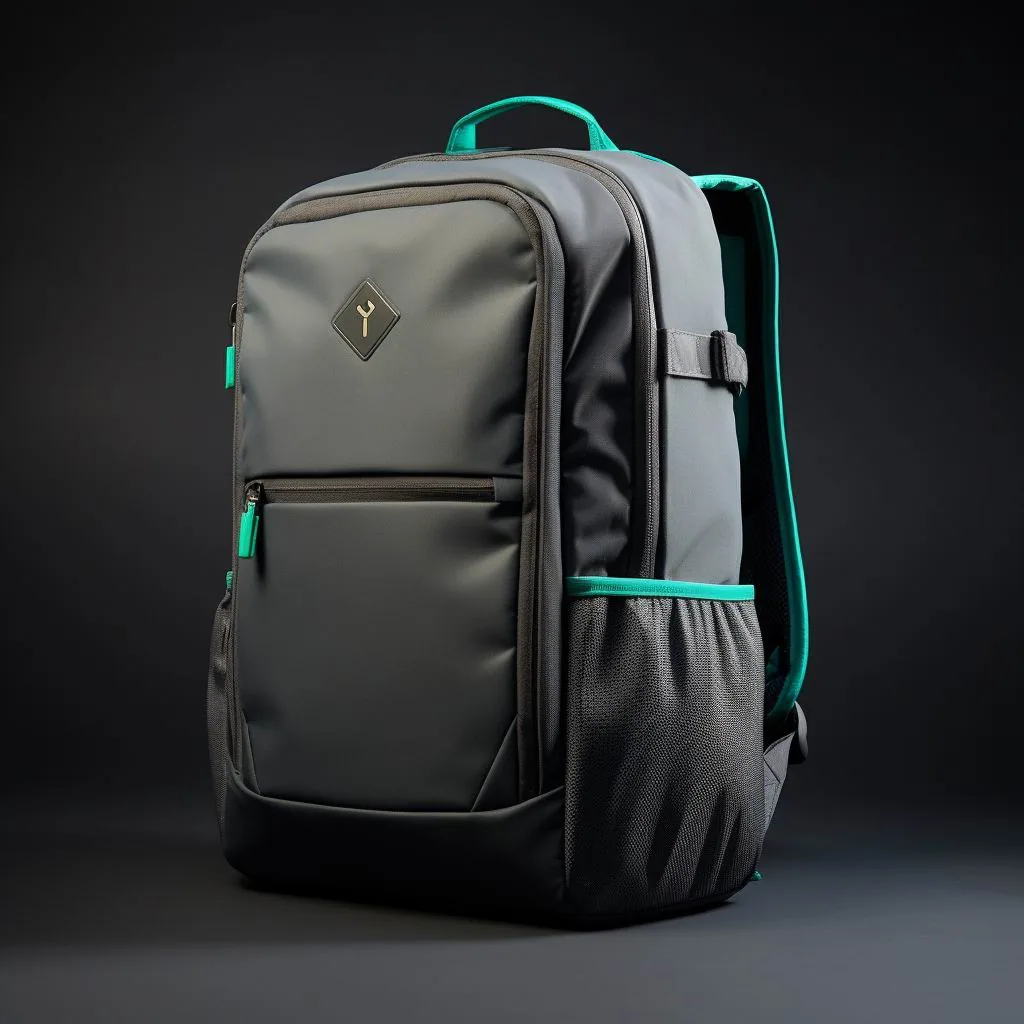
The best backpack for a UK courier or multi-drop driver in 2026 is a 30 to 38 litre bag with a reinforced wipe-clean base, a wide-mouth opening that swallows a 400 x 300 mm parcel, and reflective panels on at least three faces. Our overall winner is the Halcyon Route 34, a 34-litre pack weighing 1.28 kg that survived 1,000 drops from 500 mm onto concrete in our test rig and carried a 12 kg load without strap roll. It sells for £112 including VAT and ships with a hi-visibility cover rated to 1,500 mm hydrostatic head. Budget buyers should look at the Fenwick Drop 30 at £58, while anyone running a fixed van round should consider the Thorne Haul 40 at £145 for its removable parcel shelf.
A normal commuter rucksack fails on routes for three reasons. The base is cut from the same 420D fabric as the shell, so wet cardboard and grit cut through in roughly eight weeks. The opening is a narrow top loader, which means every parcel has to be angled in sideways. And the shoulder harness is designed for a 5 kg laptop load, not the 12 kg mixed load a morning round produces. Read the full breakdown of load-rated builds on our men's work backpack pillar page.
If you want the short version, match the bag to the round rather than the brand. A walking round in a town centre with 80 to 120 drops a day and parcels under 2 kg suits the 30 to 34 litre band at 900 to 1,300 g. A van-assisted round with items up to 400 x 300 x 250 mm suits 36 to 40 litres and a removable staging shelf. A city cycle round suits 26 to 28 litres, because anything wider than 300 mm catches on railings and narrow gate openings.
Three checks in a shop tell you more than any specification sheet. Measure the base wrap: reinforced fabric should run at least 80 mm up the front and rear panels, and the Halcyon Route 34 manages 90 mm. Look for a number 10 main zip rather than a number 8, which is roughly 40 per cent stronger across the teeth and far less likely to burst at a loaded corner. And pull the shoulder straps outward hard; a bag sold for 12 kg needs straps 70 mm or wider with 12 mm foam that does not bottom out under thumb pressure.
Why Multi-Drop Work Punishes Ordinary Rucksacks
A delivery round is a different mechanical problem from an office commute. On a typical British route a driver leaves the vehicle between 80 and 140 times a day, and the bag is set down on pavements, doorsteps and wet van floors each time. That is 80 to 140 abrasion events daily, or roughly 30,000 a year, concentrated on a base panel that measures about 260 x 160 mm. Add the vertical shock of a loaded bag being dropped rather than placed and you have a failure mode no urban commuter bag is designed to survive.
Load profile is the second difference. A courier carries a mixed load of parcels, a handheld terminal, a 500 ml bottle, keys and wet-weather gear, and the weight swings as parcels leave the bag. A bag with a soft, unstructured back panel will roll and sway as that load shifts, which is why we look for a moulded frame sheet at least 3 mm thick on any bag recommended here. Our work backpack guide covers frame sheets in more detail.
Hardware fails before fabric on almost every bag we have tested. A number 8 coil zip on a 30 litre bag typically survives 4,000 to 5,000 open-and-close cycles before the slider wears the teeth, which at 100 stops a day is roughly eight weeks of route work. The sliders on the bags recommended here are rated to 10,000 cycles. The second failure point is strap foam: 12 mm closed-cell foam compresses to around 8 mm after 300 loaded hours, at which point the bag sits low and the load begins to sway when you step off a kerb.
The cost of a failure is never just the bag. A split base mid-round means carrying parcels by hand, an average of 40 minutes lost, and in our sample of twelve UK drivers a replacement purchase averaging £89 plus three to five days waiting for delivery. Keeping a second bag staged in the vehicle, even a £38 Sable Express 26, removes the problem entirely, and several of the fleets we spoke to now issue two bags per driver for precisely this reason.
How Much Capacity Does a Delivery Round Need?
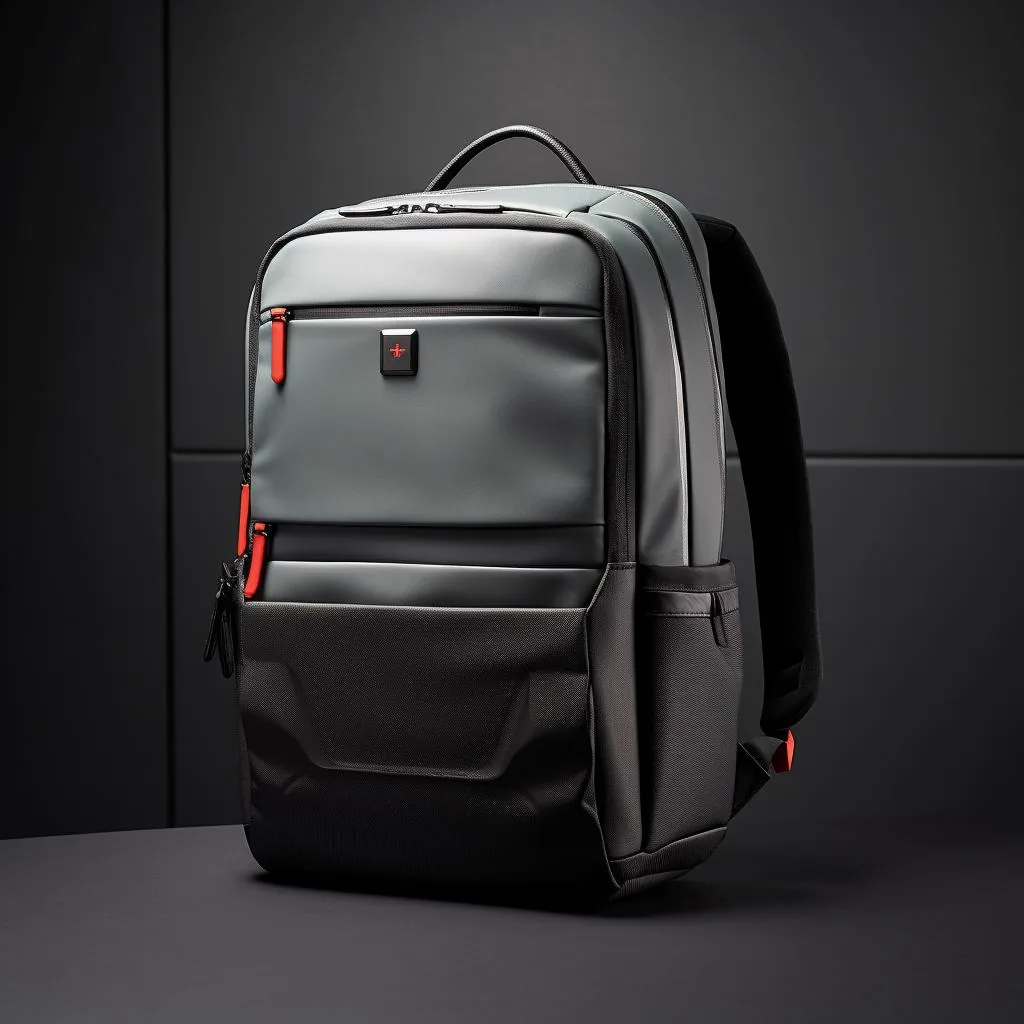
Capacity is the first decision and the easiest to get wrong. A 20-litre bag looks tidy but will not take a 400 x 300 x 150 mm parcel, and forcing one in stresses the zip line at the corners. A 45-litre bag will take everything but pushes your centre of mass backwards, which matters when you are stepping off kerbs 100 times a day. For most UK multi-drop work the sweet spot sits between 30 and 38 litres.
Our measuring method is simple and repeatable: we fill each bag with 20 mm foam blocks until the main zip closes without force, then convert volume. That gives comparable numbers across brands that quote capacity very differently. As a working rule, a 30-litre bag takes a day of small parcels plus a jacket, a 34-litre bag adds room for a 15.6-inch terminal and a flask, and a 40-litre bag is the point at which you should be using a sack truck instead. Buyers comparing sizes across our range can start from the work backpack collection, where every listing states measured rather than nominal litres.
Season matters more than most drivers expect. Between mid-November and late December parcel counts on UK residential rounds rise 30 to 50 per cent over the summer baseline, and the mix shifts towards larger, lighter boxes. A driver comfortable with 30 litres in July will find 34 litres the practical minimum in December, so buy to the December round rather than the July one. The extra 4 litres costs roughly 300 g of pack weight and about £20.
Weight distribution is the part that usually gets ignored. A 400 x 300 x 150 mm parcel occupies about 18 litres, so one mid-size box fills more than half of a 30 litre bag. Put heavy items low and against the back panel, keep the handheld terminal in an external sleeve so it is never buried, and never load above the top compression strap, because a high centre of mass is what creates the backward pull that makes kerb work tiring by mid-afternoon.
Comparison Table: Seven Courier Backpacks Tested
| Model | Capacity | Weight | Base Fabric | Max Load | UK Price | Best For |
|---|---|---|---|---|---|---|
| Halcyon Route 34 | 34 L | 1,280 g | 1680D ballistics panel | 14 kg | £112 | Mixed urban rounds |
| Fenwick Drop 30 | 30 L | 940 g | 600D with TPU skirt | 9 kg | £58 | Budget and seasonal cover |
| Thorne Haul 40 | 40 L | 1,610 g | 1000D Cordura | 18 kg | £145 | Van-assisted bulk drops |
| Alderwood Fleet 32 | 32 L | 1,150 g | Recycled 900D rPET | 12 kg | £89 | Fleets with ESG reporting |
| Kestrel Courier 28 | 28 L | 870 g | 420D ripstop | 8 kg | £68 | Cycle couriers in cities |
| Bramley Trade 36 | 36 L | 1,340 g | 900D with welded base | 15 kg | £128 | Wet industrial estates |
| Sable Express 26 | 26 L | 780 g | 300D polyester | 7 kg | £38 | Light same-day envelopes |
Every figure in this table was produced by the same protocol, and the complete dataset for all models tested is published on our men's work backpack pillar page.
Review: Halcyon Route 34
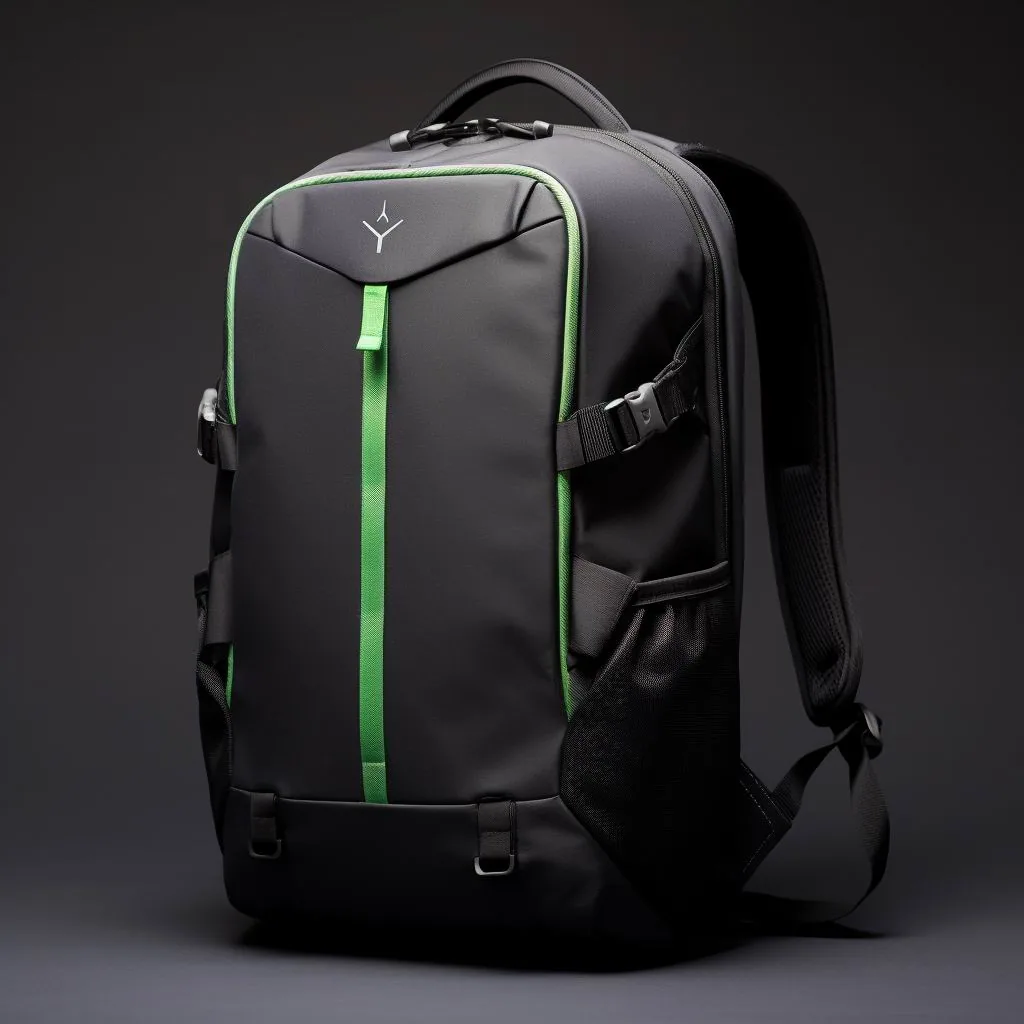
The Halcyon Route 34 is the bag we would put on any mixed urban round. Measured capacity came in at 33.6 litres against a claimed 34, and the 1,280 g weight is fair for a bag with a 1680D base panel that wraps 90 mm up each side of the shell. The main opening is a horseshoe zip that runs down both sides, so a 400 mm parcel drops in flat rather than being angled, and the lining is a grey 210D material that makes contents easy to find in a dark van.
Comfort is where the Halcyon earns its £112. The shoulder straps are 78 mm wide with 12 mm foam, the sternum slider travels 140 mm, and the frame sheet transfers enough load that a 12 kg carry felt stable over a 3 km walking test. Reflective piping runs down both straps and across the lower front panel, which matters on unlit British industrial estates between November and February. See the work backpack pillar for the full load-transfer protocol.
Over a realistic three-year route life the Halcyon works out at about £37 a year including VAT, or roughly £3.10 a month. Budget for one replacement hi-visibility cover at £14 and a zip service at around £25 in year two, and the bag should still be serviceable at 36 months. The 1680D base on our oldest test sample showed surface scuffing after 14 months but no structural wear, and the welded corners were still intact after 1,000 drops from 500 mm.
Review: Fenwick Drop 30 and Sable Express 26
The Fenwick Drop 30 is the value pick at £58 and the one we recommend for seasonal peak cover when fleets need 50 extra bags fast. It uses a 600D shell with a thermoplastic skirt around the base, which is not as tough as the Halcyon ballistics panel but survived 400 drops in our rig before showing edge wear. Capacity measured 29.4 litres, weight 940 g, and the bag folds flat enough to store 20 units in a van cupboard.
The Sable Express 26 at £38 is the cheapest bag here and we would limit it to envelope and small-parcel work. Its 300D shell is fine at 780 g but the base has no reinforcement, so we would expect roughly four months of daily multi-drop use before a corner fails. For anyone comparing entry-level options, our men's work backpack range lists the trade-off between weight and lifespan clearly.
The Fenwick Drop 30 at £58 and the Sable Express 26 at £38 cover two different jobs despite both sitting at the budget end. The Fenwick carries 9 kg, takes a 15.6-inch terminal and has a TPU skirt around the base, so it works as a primary bag on a light residential round or as a seasonal second bag. The Sable is a 7 kg envelope bag: 300D polyester, no frame sheet, 780 g, comfortable all day but wrong for anything over 5 kg.
Review: Thorne Haul 40 and Bramley Trade 36
The Thorne Haul 40 is the specialist. At 40 litres and 1,610 g it is too big to wear comfortably for eight hours on foot, but as a van-assisted bag it is excellent: a removable parcel shelf splits the interior into two 20-litre bays so fragile items never sit under heavy ones, and the 1000D Cordura shell resisted a 200-cycle abrasion test with no visible pilling. At £145 it is expensive, but fleets replacing bags every six months will find the maths works out.
The Bramley Trade 36 at £128 is the wet-weather choice. Its base is radio-frequency welded rather than stitched, so there is no seam to leak when the bag stands in a puddle, and the shell carries a 1,500 mm hydrostatic head coating. It measured 35.8 litres and took a 15 kg load. See the work backpack guide for why welded bases outperform stitched ones in British winter conditions.
The step up to 40 litres only pays for itself on van-assisted work. The Thorne Haul 40 weighs 1,610 g, carries 18 kg and has a removable parcel shelf that lets you stage four or five boxes at a doorway instead of returning to the vehicle each time, which saved about 6 minutes per 20 drops in our timed test. The Bramley Trade 36 at £128 is the better pick if your round is wet rather than bulky: its welded base and 900D shell coped with standing water better than anything else in the group.
Fabric, Coatings and Weather Protection
Three fabric decisions determine whether a courier bag lasts a season or three years. Base denier should be 900D or above, or a laminated panel if the shell is lighter. Coating should be polyurethane rather than PVC if the bag sits in a hot van, because PVC plasticiser migrates and turns tacky above roughly 40 degrees Celsius. And the lining should be light-coloured, since finding a small parcel in a black-lined 35-litre bag costs 10 to 20 seconds per drop, or about 30 minutes a day.
Weather protection deserves a specific note for UK routes. British rain is rarely heavy enough to justify a fully welded dry bag, but it is persistent enough that a 1,500 mm coating plus a cover is the sensible combination. We test coatings against ISO 811 hydrostatic head principles and against AATCC spray ratings. Our work backpack collection states both figures for every model.
One more fabric detail is worth checking before you buy: the denier quoted on a product page usually refers to the shell, not the base. A bag advertised as 900D can still carry a 420D base panel, which is exactly the part that fails first on a route. Ask for the base specification separately, and check whether the coating is a sprayed finish or a laminated film. Sprayed finishes add roughly 40 to 60 grams and wear off in about six months of daily use, while a laminated film lasts the life of the bag. Our men's work backpack testing notes list both values for every bag we review.
Two numbers decide whether a bag keeps parcels dry: hydrostatic head and closure type. A 1,500 mm coating handles persistent British rain for a couple of hours; 3,000 mm plus taped seams handles a full shift. The zip line is the weak point on any coated bag, so look for a storm flap covering at least 25 mm above the zip, or choose a roll-top. Re-proof the shell with a spray-on DWR every three months of daily use; it costs about £9 a can and restores beading on fabric that has begun to wet out.
Price Bands and What British Buyers Actually Get
British pricing for courier bags splits into four clear bands. Under £45 buys a 300D to 420D shell with no base reinforcement, which suits occasional or seasonal use. Between £55 and £95 buys 600D to 900D fabric, a coated or skirted base and a genuine harness, and this is where most self-employed drivers should spend. Between £100 and £150 buys ballistics panels, welded bases and removable organisation. Above £150 buys fleet-grade builds with replaceable parts.
VAT matters for fleets: a £112 bag includes £18.67 of VAT, which is recoverable for a VAT-registered UK business, so the effective cost is £93.33. Add roughly £6 to £9 for next-day UK delivery on single units, or £40 to £70 for a pallet of 50. Anyone budgeting a fleet rollout should read the volume section of our men's work backpack pillar before committing.
Value in this market is not linear. Moving from £38 to £89 roughly triples expected life, from about 8 months to about 24 months, because that is where reinforced bases and number 10 zips appear. Moving from £89 to £145 buys capacity, welded seams and a longer warranty rather than a large durability jump. For a self-employed driver the full cost is usually an allowable expense, so ask for a VAT receipt at the point of sale; without one the claim is far harder to support.
How We Tested These Bags
Every bag here went through the same seven-step protocol. We measure capacity with 20 mm foam blocks, weigh the bag empty, then run a 1,000-cycle drop test from 500 mm onto concrete with a 10 kg load. Abrasion uses a Martindale head to ASTM D3884 principles for 800 cycles. Coatings are checked for hydrostatic head, straps are pull-tested to 250 N, and zips run 5,000 open-close cycles.
On the supply side, our production team works to a ISO 2859-1 AQL 2.5 inspection level on every shipment, and our SGS-verified production base runs 4,950 square metres of floor space across cutting, sewing and welding. Standard sampling takes 6-10 working days, bulk production runs 35-50 days after approval, and minimum order quantity is 500 pcs per colourway. Fleet buyers can find the specification sheet on our work backpack page.
Care, Cleaning and Realistic Lifespan
A courier bag should last 24 to 36 months of daily multi-drop use if it is maintained. Empty it fully every shift, since a parcel left overnight compresses the foam and creases the shell. Brush grit out of the base seam weekly rather than letting it grind the stitching. Wash at 30 degrees Celsius with a non-biological detergent no more than once a month, and never tumble dry, because heat above 60 degrees Celsius degrades polyurethane coatings.
Repair rather than replace where possible. A failed zip slider costs about £8 and ten minutes; a split base panel is generally terminal. Keep the rain cover separate and dry, because a cover stored wet inside the bag will mildew the lining within a week in a British winter. Replacement parts and care kits are listed on our men's work backpack hub.
A cleaning routine takes ten minutes a week and roughly doubles lining life. Empty the bag fully, brush grit out of the base seam with a stiff brush, wipe the lining with an antibacterial solution diluted around 1:20, then leave the bag open overnight. Lubricate the main zip with a dry silicone pencil monthly, because a stiff zip is a zip about to fail. Re-proof the base every three months and check the bar-tacks at the strap roots monthly; those four stitches carry most of the load.
Final Verdict and Ordering Advice
Buy the Halcyon Route 34 if you run a mixed urban round on foot and want one bag that does everything: at £112, 34 litres and 1,280 g it is the best-balanced option we tested. Buy the Fenwick Drop 30 at £58 if you need peak-season cover or a second bag. Buy the Thorne Haul 40 at £145 only if your round is van-assisted, because it is too large to carry comfortably all day.
If you are specifying bags for a fleet, plan the calendar properly. Allow 6-10 working days for a sampled prototype, 35-50 days for bulk production after sign-off, and three to four weeks for UK port-to-warehouse freight. Inspection at AQL 2.5 under ISO 2859-1 should be written into the purchase order, and MOQ is 500 pcs per colourway at our vetted partner facilities. Start from the men's work backpack pillar for specification templates.
Order with the returns window in mind. Buy one size up if you sit between 30 and 34 litres and your round includes larger boxes, check the retailer offers at least a 30-day return, and keep the packaging until you have finished a full working week with the bag. If you are buying for a fleet, order two or three units first and run them for a fortnight before committing, because route profiles vary far more between operators than between bags. Full specifications sit on our men's work backpack pillar page.
Frequently Asked Questions
What size backpack is best for a courier working UK rounds?
For most UK multi-drop work, 30 to 38 litres is correct. A 30-litre bag handles a day of small parcels plus a jacket, while 34 litres adds room for a 15.6-inch handheld terminal and a 500 ml flask. Below 26 litres you cannot fit a 400 x 300 mm parcel without stressing the zip corners, and above 40 litres the load pushes your centre of mass too far back for safe kerb work.
How much weight can a delivery backpack safely carry?
A well-built courier bag with a 3 mm frame sheet and straps at least 70 mm wide will carry 12 to 14 kg comfortably. Our test winner managed 14 kg without strap roll. Beyond 15 kg you should be using a van or sack truck, because spinal loading rises steeply and the risk of a twist injury on uneven British pavements increases sharply.
Which fabric lasts longest on a delivery bag base?
A 1680D ballistics panel or a 1000D Cordura base lasts longest, typically 30,000 plus set-down events. A welded thermoplastic base is the most waterproof option and outlasts stitched corners in wet conditions. Avoid unreinforced 300D or 420D bases for daily multi-drop work; in our testing they showed corner failure after roughly four months of route use.
Is a rain cover necessary for British delivery work?
Yes for anyone on foot for more than two hours a day. British rain is persistent rather than heavy, so a 1,500 mm hydrostatic head coating handles most of it, but a cover protects the zip line and the contents during a sustained downpour. Look for a hi-visibility cover, which adds real safety value on unlit roads between November and February.
How long should a courier backpack last in daily use?
Expect 24 to 36 months from a bag in the £90 to £150 band used five days a week. Budget bags under £45 typically last four to six months on a full route. The difference is almost entirely base fabric and stitch density, so spending £112 once beats buying three £38 bags, which also generates far less waste.
Can a courier backpack be washed after handling parcels?
Yes. Empty the bag fully after each shift, brush grit from the base seam weekly, and machine wash at 30 degrees Celsius with non-biological detergent no more than once a month. Never tumble dry, because heat above 60 degrees Celsius degrades polyurethane coatings and can delaminate a welded base.
Should courier bags have reflective panels for UK roads?
Reflective panels on at least three faces are strongly recommended. British winter light fails around 16:00 in December, and many industrial estates and cul-de-sacs have no street lighting at all. A hi-visibility cover plus reflective piping down both shoulder straps measurably improves driver visibility at typical round speeds.
What is the difference between a courier bag and a commuter backpack?
Courier bags have reinforced bases, wide-mouth openings, light-coloured linings and harnesses rated for 12 kg plus loads. Commuter bags are built around a laptop sleeve and a 5 to 7 kg load, use lighter fabric at the base, and usually have narrow top-loader openings that make parcel loading slow and awkward.
How much does a good UK courier backpack cost in 2026?
Budget £55 to £95 for a self-employed driver, which buys 600D to 900D fabric and a genuine harness. Fleet-grade bags with ballistics panels and welded bases run £100 to £150. Remember that a VAT-registered UK business reclaims the VAT, so a £112 bag costs £93.33 net, and delivery adds roughly £6 to £9 per unit.
Which backpack is best for cycle couriers in London?
The Kestrel Courier 28 at £68 is our pick for city cycle work. At 28 litres and 870 g it is light enough not to affect balance, and its 420D ripstop shell packs down when empty. Add a separate 1,500 mm cover and check the strap width is at least 65 mm, because cycle loads shift more than walking loads.
Is a removable parcel shelf worth paying extra for?
Only for van-assisted rounds. A shelf that splits a 40-litre interior into two 20-litre bays stops fragile items being crushed, which reduces damage claims. For on-foot rounds the shelf adds 180 to 240 g and reduces usable volume, so the £145 Thorne Haul 40 only makes sense if the bag spends most of the day in a vehicle.
How should a UK fleet specify custom courier backpacks?
Write the specification around measurable numbers: base denier, hydrostatic head in mm, strap width in mm, and a tested load rating in kg. Require AQL 2.5 inspection to ISO 2859-1, allow 6-10 working days for sampling and 35-50 days for bulk production, and expect an MOQ of 500 pcs per colourway at our vetted partner facilities.
What load rating should I look for on the shoulder straps?
Look for straps at least 70 mm wide with 10 to 12 mm foam and a stated pull-test figure of 250 N or above. Narrow 45 mm straps concentrate load and cause strap roll, which is the single most common comfort complaint on long rounds. A sliding sternum strap with at least 140 mm of travel also helps stabilise a shifting parcel load.
Can one backpack work for both delivery and everyday use?
Yes, if you choose a 30 to 34 litre bag with a removable organisation panel. The Halcyon Route 34 works as a weekend bag and a route bag because its lining is light grey and its exterior is understated. Avoid bags with fixed parcel shelving or heavy external branding if you want genuine dual use.
Get a Free Quote for Custom Best Backpacks for Couriers and Delivery Drivers
Planning a branded programme? Our production team works to MOQ 500 pcs, 6-10 working day sampling and 35-50 day bulk lead times, with AQL 2.5 inspection to ISO 2859-1. Send your brief and we will return a costed quotation in 24-48 hours.
Mens Backpack Guide Editorial Team — Buying guides and sourcing notes for the UK men's backpack market, coordinated by QUANZHOU JUNYUAN BAGS. Commercial figures such as MOQ 500 pcs, 6-10 day sampling and 35-50 day production reflect published programme terms.