Table of Contents
- Backpack Sampling Process: The Direct Answer
- Gate One: The Tech Pack and What It Must Contain
- Gate Two: The First Sample in 6-10 Working Days
- Gate Three: The Sample Evaluation Checklist
- Gate Four: Revision, Golden Sample and Sign-Off
- What Sampling Costs and Why It Is Not Negotiable
- Common Sampling Mistakes British Buyers Make
- Sampling for Complex Specifications
- From Approval to Bulk: The Handover
- Sampling Records and the Second Order
- Frequently Asked Questions
Backpack Sampling Process: The Direct Answer
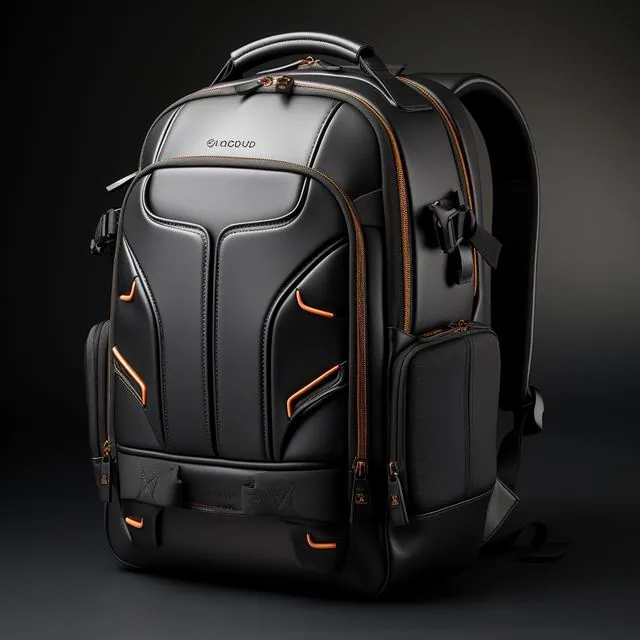
The sampling process is four gates: tech-pack sign-off, first sample in 6-10 working days, one or two revision rounds, and golden-sample approval that authorises bulk production of 35-50 days. In total it takes 20-30 working days, or four to six calendar weeks, before bulk can start. A British buyer working back from a September back-to-school delivery should therefore sign the tech pack by early March, not early July. The first sample is correct on fabric, colour and construction in roughly 60-70% of cases, so budget two rounds. Round one confirms the platform: shell fabric, colour, capacity, compartment layout and harness. Round two corrects the details: zipper gauge, stitch density, print registration, sleeve clearance and seam treatment. Each round is 6-10 working days plus 5-9 days of courier transit, so two rounds is 22-38 calendar days before the bulk production clock starts. The output that matters is the golden sample. It is the physical reference, photographed, measured and tested, against which the 500-piece bulk run is inspected to AQL 2.5 (ISO 2859-1). Reference its number in the purchase order, keep three copies, and re-approve a new golden sample whenever fabric, trim or print method changes.
Without it, 'as discussed' is the only specification you have, and it is not enforceable at the final inspection.
Gate One: The Tech Pack and What It Must Contain
A tech pack is a manufacturing instruction with numbers, not a sketch with notes. It must specify fabric composition and denier, coating type and hydrostatic head with its test method, lining specification, webbing widths and minimum breaking strain, zipper brand and gauge, buckle material and size, foam density and thickness, sleeve internal dimensions in millimetres, thread specification, stitch density per 30 mm, seam treatment, print or embroidery method with placement, and tolerances. Twelve unspecified lines produce a 60-120% price spread between bidders.
Add the test requirements to the same document. Specify the zipper cycle test at 200 cycles on the sample and 12,000-15,000 cycles on bulk, the 30-minute base water test if any water rating is claimed, the strap attachment pull test at 180-220 kg, the colour tolerance at Delta E 1.5 or less under D65 lighting, and the dimensional tolerance at plus or minus 5 mm. Tests specified at tech-pack stage are performed; tests specified after the sample arrives are quoted as extras at GBP 60-240 each.
Include the compliance requirements too, because restricted-substance screening should run during the sampling window rather than after bulk. The Great Britain market requires a UKCA declaration and a REACH statement; the UKCA guidance is published at gov.uk. Screening a full material set costs GBP 380-1,200 per colourway and takes 7-15 working days, so commission it in week one of sampling on the approved materials and the results arrive before bulk starts.
Gate Two: The First Sample in 6-10 Working Days
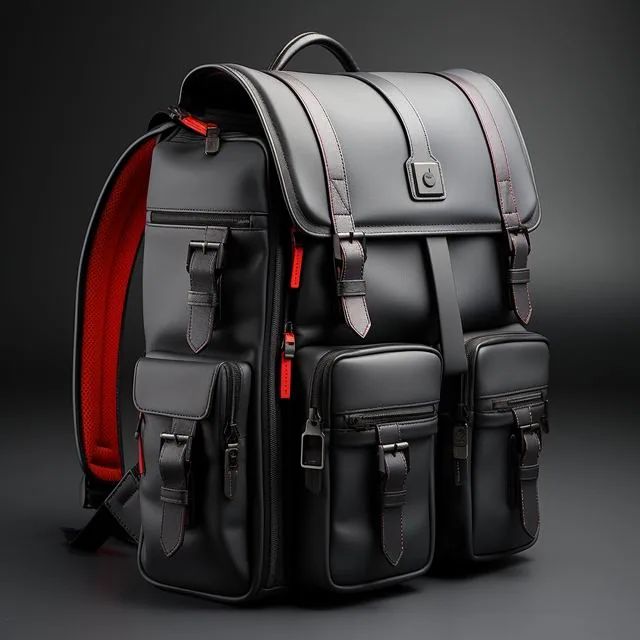
Sampling 6-10 working days is the standard for a backpack on a stock fabric with standard trim, measured from tech-pack sign-off rather than from first contact. The breakdown is 1-2 days for pattern making and grading, 1-2 days to source or cut fabric and trim, 2-4 days for sewing and assembly, and 1-2 days for internal quality checks and photography. A custom-dyed fabric adds 18-28 days and a new moulded buckle adds 12-22 days, either of which pushes the sample beyond 30 working days.
Cost is GBP 45-140 per sample plus GBP 25-60 courier, and it is not the place to economise. Order two samples: one to test destructively and one to keep as the golden reference. A single sample that you cut open to check seam construction leaves you with no reference for the inspector. Two samples cost GBP 90-280 and GBP 50-120 in courier, which is 1.1-3.3% of a GBP 8,200-9,600 first order.
Courier transit to a British address is 5-9 days by express and 12-22 days by economy. Pay for express on the first sample: GBP 35-60 against GBP 18-32 saves 7-13 days, which at a British retail margin is worth far more than GBP 17-28. Track the parcel, photograph it on arrival before opening, and record the arrival date, because the approval date drives the bulk production start and therefore the delivery date.
| Sample test | Method | Pass criterion | Cost (GBP) |
|---|---|---|---|
| Weight check | Digital scale, 1 g | Within plus or minus 4% | 0 |
| Dimensional check | Steel rule, loaded with 4 kg | Within plus or minus 5 mm | 0 |
| Zipper cycle | 200 cycles per opening | No roughness, under 1.4 kg pull | 0-40 |
| Seam water test | 40 mm water, 30 minutes | No damp ring on a dry towel | 0 |
| Strap pull | 25 kg for 60 seconds | Bar-tack shows no movement | 30-90 |
| Colour check | D65 light box, Delta E | 1.5 or less against reference | 20-60 |
| Restricted substances | Accredited laboratory | Within UK REACH limits | 380-1,200 |
Gate Three: The Sample Evaluation Checklist
Evaluate against a written checklist with a pass or fail on each line, not by eye. Weigh the empty pack to the gram and compare with the tech pack, allowing plus or minus 4%. Measure external dimensions empty and loaded with 4 kg, recording height, width and depth to the millimetre. Measure the sleeve internal clearance and check a 355 x 250 mm device slides in and out five times without catching. Count the stitches in 30 mm and compare with the specified density.
Then run the five functional tests. Zip every opening 200 times and listen for a change in the slider feel. Fill the base with 40 mm of water and stand the pack on a dry towel for 30 minutes; any damp ring is a failed seam. Hang 25 kg from each shoulder strap for 60 seconds and inspect the bar-tack for movement. Open the pack in a shower at 8-12 mm an hour for 20 minutes if a water rating is claimed. Flex the back panel 100 times and check for delamination at the foam bond.
Record everything in a sample evaluation report with photographs and send it as a numbered list of required changes. 'The zip feels rough' produces an argument; 'zipper #5 coil at 200 cycles shows 0.4 mm of slider wear and requires 2.1 kg of pull force against a specified 1.4 kg' produces a change. A structured report resolves round two in one pass about 85% of the time, against 50-60% for an unstructured sample comment.
Gate Four: Revision, Golden Sample and Sign-Off
Revision is a second 6-10 working day cycle, plus 5-9 days of transit, so budget 11-19 calendar days for round two. Put the changes in writing with measurements and, where the change affects fit or construction, ask for photographs of the revised area before the sample ships. Roughly 90-95% of second samples are approved. If a third round is needed, stop and reassess the specification, because three rounds usually means the tech pack was ambiguous rather than the factory incompetent.
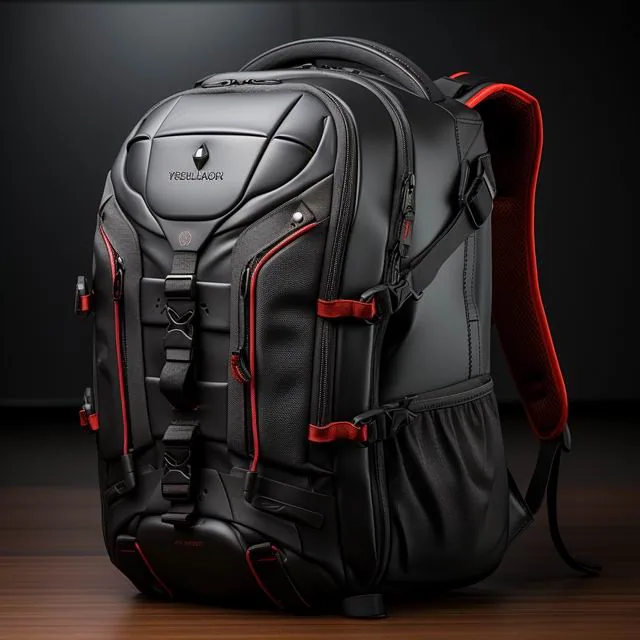
Golden-sample approval is a document as much as an object. It records the sample number, the date, the photographs, the measurements, the test results, the approved fabric and trim references, and the compliance test report numbers. Three physical copies are kept: one on the factory floor, one with the third-party inspector and one with the buyer. Reference the golden sample number in the purchase order next to the specification and the quantity.
Sign-off authorises bulk production of 35-50 days. The clock starts the working day after written approval, not the day the sample arrives and not the day you say it looks fine. Confirm the bulk start date and the estimated completion date in writing, then book the third-party inspection for two days before completion. Our production team issues a sample record with every approval and runs bulk against it, inspected to AQL 2.5 (ISO 2859-1) under the sampling system published by the International Organization for Standardization. See the custom backpack programme page for volume terms.
What Sampling Costs and Why It Is Not Negotiable
Sampling costs GBP 45-140 per unit plus GBP 25-60 courier, GBP 180-320 for a third-party pre-production check if you want one, and GBP 380-1,200 for restricted-substance screening per colourway. Total for a two-round programme is GBP 700-1,860, which is 7-22% of a GBP 8,200-9,600 first order. Buyers who skip it to save GBP 700 risk a 500-piece run of the wrong product at GBP 8,200-9,600, which is a 4-14 times worse outcome.
The cost of a skipped test is asymmetric. A 30-minute base water test costs nothing and catches a seam construction failure that would otherwise appear as a 6-12% return rate in a British winter. A 200-cycle zip test catches a slider specification error that costs GBP 2.50-6.00 per unit to rework at bulk, or GBP 1,250-3,000 on a 500-piece run. A colour check under D65 lighting catches a Delta E above 2.5 that a British retailer will reject at the door.
| Gate | Duration | Cost (GBP) | Output | Failure cost if skipped |
|---|---|---|---|---|
| Tech pack sign-off | 2-5 days | 0-400 (design) | Numbered specification | 60-120% quote spread |
| First sample | 6-10 working days | 45-140 + 25-60 | Physical prototype | Wrong platform, GBP 8,200+ |
| Evaluation + tests | 1-3 days | 0-320 | Numbered change list | 6-12% field returns |
| Revision sample | 6-10 working days | 45-140 + 25-60 | Corrected prototype | GBP 1,250-3,000 rework |
| Compliance screening | 7-15 working days | 380-1,200 | REACH test report | Seizure, rework at GBP 2.50-7.00/unit |
| Golden sample approval | 1-2 days | 0-320 | Enforceable reference | No basis for rejection |
Common Sampling Mistakes British Buyers Make
The first mistake is starting late. A British buyer who signs a tech pack in July for a September back-to-school delivery is 8-12 weeks short: sampling 6-10 working days, approval 2-4 days, bulk production 35-50 days and sea freight 28-35 days is 16-22 weeks. Sign in February or March. The second mistake is approving by photograph, which cannot show seam construction, foam density or zipper feel and is the cause of most round-three surprises.
The third mistake is changing the specification after golden-sample approval. A fabric change after approval invalidates the compliance test report, restarts the dye lot at 18-28 days and pushes bulk back by 20-35 days. A trim change invalidates the tooling. Freeze the specification at approval and put changes into the second order. The fourth mistake is approving a sample that has not been tested loaded: a pack that fits beautifully empty can be 40 mm deeper with 4 kg in it, which changes both fit and cabin compliance.
The fifth mistake is accepting a sample made from 'similar' fabric. A sample built in a substitute 420-denier shell because the specified 600-denier roll was not open will not behave like the bulk product: it will be 250-350 g lighter, 20-30% less abrasion-resistant and 8-12 mm slimmer when packed. Insist that the sample is made from the exact bulk fabric and trim, with the mill references recorded on the sample record. Our production team records fabric mill and trim supplier references on every sample we issue.
Sampling for Complex Specifications
Welded, laminated and moulded specifications need a longer cycle. A radio-frequency welded pack needs a tooling trial at 8-15 working days before the first sample, because the weld jaws are cut to the pattern and the first trial sets the 130-160 degree temperature and 2.5-3.5 bar pressure parameters. A moulded back panel needs a tool at 15-30 days. An integrated electronics module needs a safety test at 10-20 working days and adds GBP 400-1,400 of compliance cost.
Multi-component programmes need staged sampling. A pack plus a matching wash bag plus a luggage tag is three samples, and the correct approach is to sample the pack first, approve it, then sample the accessories against the approved pack so the fabric dye lot and trim references match. Sampling all three together costs GBP 135-420 in samples instead of GBP 45-140 but risks three revision rounds instead of one if the platform is wrong.
Print and embroidery need their own approval. A screen print is approved on a strike-off at 2-4 working days and GBP 15-45; an embroidery is approved on a sewn-out at 3-6 working days and GBP 20-60, with stitch counts of 4,000-9,000 for a crest and GBP 1.20-2.60 per unit at 500 pieces. Approve the mark on the actual bulk fabric, not on a paper swatch, because a print that registers at 1 mm on paper can move 2-3 mm on a coated 600-denier shell.
From Approval to Bulk: The Handover
The handover from sampling to bulk is where schedules slip. Four things must happen in the first five working days after approval: the golden sample must be signed and returned or retained on the floor; the fabric and trim must be booked against mill lead times of 3-7 days for stock and 18-28 for custom-dyed; the production slot must be reserved; and the inspection must be booked for two days before completion. Miss any one and the 35-50 day clock restarts.
Confirm the bulk start date in writing and ask for a weekly production photograph from day 10. Photographs of cut panels at day 10-14, of assembled shells at day 18-25 and of finished goods at day 30-40 cost nothing and let you intervene while a defect is still correctable. A defect found at day 35 costs a full rework; the same defect found at day 14 costs a setting change and 200 metres of fabric.
Book the inspection before bulk completes, not after. A third-party inspector needs 5-10 working days of notice, charges GBP 180-320 per man-day, and works to AQL 2.5 (ISO 2859-1) with the sample size fixed by lot size: 50 pieces for 500 under general level II. Give the inspector the golden sample, the specification with tolerances, the defect dictionary and the compliance test report numbers. Inspection booked after completion adds 7-14 days of storage at GBP 40-120 per week and delays the vessel.
Sampling Records and the Second Order
Keep the sample record as a permanent file. It should contain the tech pack with revision history, the first and second sample evaluation reports with photographs, the golden sample measurements, the compliance test reports with their numbers and dates, and the approved fabric and trim mill references. The file is 20-40 pages and it makes the second order a two-week process rather than a six-week one, because nothing needs to be re-specified or re-tested.
Re-order sampling is shorter. With an unchanged specification and the same fabric mill reference, a re-order sample is a confirmation sample at 3-6 working days and GBP 30-90, checked against the existing golden sample for colour drift and trim consistency. Dye-lot variation between orders is real: a second lot of the same nominal colour can differ by Delta E 0.8-2.0, so specify a shade band and a reference swatch rather than a Pantone number alone.
Re-test on a schedule. Restricted-substance screening should be refreshed every 12-24 months or whenever a material supplier changes, at GBP 220-600 per colourway. Physical testing - zipper cycles, strap pull, seam leakage - should be refreshed on one bulk lot per year at GBP 180-420. British retailers and marketplaces increasingly ask for a test report dated within 24 months, and a report older than that is treated as no report at all on a repeat bulk order. Production terms on the same specification start at MOQ 500 pcs per colourway.
Frequently Asked Questions
How long does the backpack sampling process take in working days?
Six to ten working days for a first sample on stock fabric with standard trim, measured from tech-pack sign-off. Add 5-9 days of express courier transit to a British address, 2-4 days for your evaluation and, if a revision is needed, a second cycle of 6-10 working days plus transit. Two rounds is 22-38 calendar days before bulk production of 35-50 days can start.
How much does a backpack sample cost including courier charges?
GBP 45-140 per sample plus GBP 25-60 courier. Order two: one to test destructively and one to keep as the golden reference, for GBP 90-280 plus GBP 50-120 freight. Add GBP 380-1,200 per colourway for restricted-substance screening and GBP 180-320 for an optional third-party pre-production check. Total for a two-round programme is GBP 700-1,860, or 7-22% of a GBP 8,200-9,600 first order.
What is a golden sample and do I need one?
A golden sample is the approved physical reference, photographed, measured and tested, against which bulk is inspected to AQL 2.5 (ISO 2859-1). You need one, and you need its number in the purchase order, because 'as approved sample number X' is enforceable while 'as discussed' is not. Keep three copies: one on the factory floor, one with the inspector and one with you.
How many sampling rounds should I budget for?
Two. The first sample is correct on fabric, colour and construction in roughly 60-70% of cases and the second in 90-95%. Three rounds usually indicate an ambiguous tech pack rather than a factory problem, and is the point to stop and rewrite the specification. Budget 22-38 calendar days for two rounds including transit before the bulk production clock starts. Bulk production of 35-50 days starts only after the golden sample is signed off.
What tests should I run on a backpack sample?
Weigh it to the gram, measure dimensions empty and loaded with 4 kg, count stitches per 30 mm, cycle every zip 200 times, fill the base with 40 mm of water for 30 minutes to check seam leakage, hang 25 kg from each shoulder strap for 60 seconds, and shower-test at 8-12 mm an hour for 20 minutes if a water rating is claimed. Each takes under 30 minutes and each catches a defect class that costs 10-50 times more at bulk.
Can I approve a backpack sample from photographs alone?
No. Photographs cannot show seam construction, foam density, zipper pull force or stitch density, and approving by photograph is the main cause of round-three surprises. If you cannot inspect in person, commission a third-party pre-production check at GBP 180-320, which returns measurements, photographs and test results within a 1-2 day visit, or ask for a recorded video walk-through with a steel rule on screen.
What causes a sample to be made from different fabric than bulk?
Usually because the specified roll was not open when the sample was cut. Insist that samples are made from the exact bulk fabric and trim, with mill references recorded on the sample record. A sample in a substitute 420-denier shell will be 250-350 g lighter, 20-30% less abrasion-resistant and 8-12 mm slimmer packed than the 600-denier bulk product you approved.
How much does sampling delay the bulk production start date?
It sets it. Bulk production of 35-50 days starts the working day after written golden-sample approval, so every day spent in sampling moves the delivery by a day. Sign the tech pack in February or March for a September British back-to-school delivery: sampling 6-10 working days, approval 2-4 days, bulk 35-50 days and sea freight 28-35 days is 16-22 weeks in total.
What if I need to change the specification after approval?
Freeze the specification at approval and put changes into the second order. A fabric change invalidates the compliance test report, restarts the dye lot at 18-28 days and pushes bulk back 20-35 days. A trim change invalidates tooling at GBP 180-650. If a change is unavoidable, re-issue a new golden sample and re-run restricted-substance screening at GBP 380-1,200. Expect 18-28 days for a new dye lot and 10-15 working days for a revised sample.
How do I check colour consistency between sample and bulk?
Specify a colour tolerance of Delta E 1.5 or less under D65 lighting and keep a signed reference swatch from the golden sample. Dye-lot variation between orders is real: a second lot of the same nominal colour can differ by Delta E 0.8-2.0. Specify a shade band rather than a Pantone number alone, and ask for a lab dip at 3-6 working days and GBP 20-60 on any custom-dyed colour.
Which packs need longer sampling, welded or moulded ones?
Yes. A radio-frequency welded pack needs a tooling trial of 8-15 working days before the first sample, because weld jaws are cut to the pattern and the first trial sets the 130-160 degree temperature and 2.5-3.5 bar pressure parameters. A moulded back panel needs a tool at 15-30 days. An integrated electronics module needs a safety test at 10-20 working days and GBP 400-1,400.
Should I sample accessories at the same time as the pack?
Sample the pack first, approve it, then sample matching accessories against the approved pack so fabric dye lots and trim references match. Sampling a pack, wash bag and tag together costs GBP 135-420 in samples against GBP 45-140, but risks three revision rounds instead of one if the platform itself needs changing. Staged sampling is cheaper and safer on a first programme.
What is the difference between a strike-off and a sewn-out?
A strike-off is a print approval sample on the actual bulk fabric, at 2-4 working days and GBP 15-45. A sewn-out is an embroidery approval sample, at 3-6 working days and GBP 20-60, typically 4,000-9,000 stitches for a crest. Approve both on the real fabric rather than a paper swatch, because a print that registers at 1 mm on paper can move 2-3 mm on a coated 600-denier shell.
How do I hand over from sampling to bulk without losing weeks?
In the first five working days after approval: sign and return or retain the golden sample, book fabric and trim against mill lead times of 3-7 days stock or 18-28 custom, reserve the production slot and book third-party inspection for two days before completion. Miss any one and the 35-50 day clock restarts. Ask for production photographs at days 10, 20 and 35.
How far ahead should I book the AQL 2.5 inspection?
Before bulk completes, giving 5-10 working days of notice at GBP 180-320 per man-day. Work to AQL 2.5 (ISO 2859-1) with the sample size fixed by lot size: 50 pieces for a 500-piece lot under general level II. Give the inspector the golden sample, the specification with tolerances, the written defect dictionary and the compliance test report numbers. Booking after completion adds 7-14 days of storage at GBP 40-120 per week.
What records should I keep for the second order?
The tech pack with revision history, both sample evaluation reports with photographs, the golden sample measurements, the compliance test reports with numbers and dates, and the approved fabric and trim mill references. That 20-40 page file makes the reorder a two-week process instead of six weeks. Refresh restricted-substance screening every 12-24 months at GBP 220-600 and physical testing on one bulk lot a year at GBP 180-420.
Get a Free Quote for Custom Backpack Sampling Process
Planning a branded programme? Our production team works to MOQ 500 pcs, 6-10 working day sampling and 35-50 day bulk lead times, with AQL 2.5 inspection to ISO 2859-1. Send your brief and we will return a costed quotation in 24-48 hours.
Mens Backpack Guide Editorial Team — Buying guides and sourcing notes for the UK men's backpack market, coordinated by QUANZHOU JUNYUAN BAGS. Commercial figures such as MOQ 500 pcs, 6-10 day sampling and 35-50 day production reflect published programme terms.