Table of Contents
- Backpack Lifespan: Quick Overview
- Lifespan by Material
- Nylon Backpacks
- Polyester Backpacks
- Cordura and High-Denier Nylon
- Canvas Backpacks
- Leather Backpacks
- Factors That Affect Longevity
- Signs It Is Time to Replace
- Complete Lifespan Comparison Table
- How to Extend Your Backpack's Life
- Frequently Asked Questions
How long should a backpack last? It is one of the most common questions people ask before making a purchase, and for good reason. A backpack is not a disposable accessory. It carries your laptop, your work essentials, your travel gear, and sometimes your entire professional life on its shoulders. Understanding how long backpacks last helps you make smarter purchasing decisions, set realistic expectations, and know when maintenance is needed versus when replacement is the better investment.
The honest answer is that backpack lifespan varies enormously. A budget polyester rucksack used for daily commuting might show serious wear in three years, while a well-maintained leather backpack could still be going strong after two decades. The difference comes down to three variables: material, usage patterns, and care routine. This guide breaks down each factor in detail, giving you specific lifespan expectations for every major backpack material and practical advice on maximising the years you get from your bag.
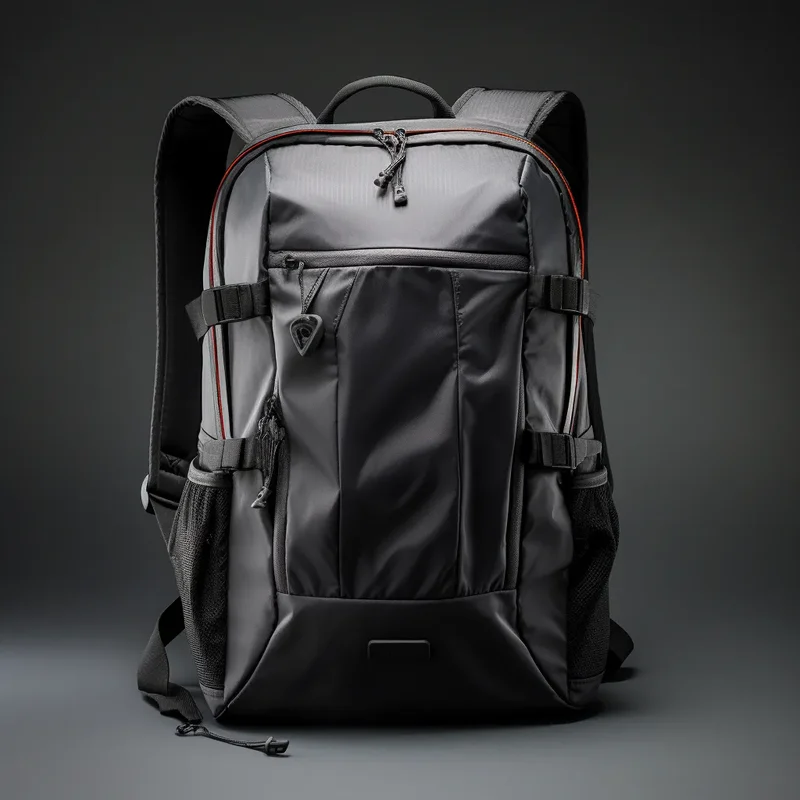
Backpack Lifespan: Quick Overview
Before diving into the details, here is a summary of expected backpack lifespans. These figures assume average daily use (five days per week) with moderate loads and reasonable care. Lighter or heavier use will shift these numbers accordingly.
Lifespan Summary at a Glance
- Budget polyester: 3 to 5 years
- Standard nylon (210D-420D): 5 to 8 years
- Premium nylon (600D-1000D / Cordura): 10 to 15+ years
- Waxed canvas: 10 to 20 years
- Full-grain leather: 20+ years
These numbers represent the functional lifespan, meaning the period during which the backpack serves its intended purpose reliably. A backpack does not suddenly expire at the end of its lifespan. Instead, it gradually accumulates wear that eventually compromises functionality, comfort, or appearance to the point where replacement becomes the practical choice.
Lifespan by Material: Detailed Breakdown
Nylon Backpacks (5 to 8 Years)
Nylon is the workhorse of backpack materials, used in everything from budget daypacks to premium technical bags. Its lifespan varies significantly based on the denier count and construction quality.
Lightweight Nylon (210D to 300D)
Lightweight nylon is found in packable backpacks, budget daypacks, and ultralight hiking bags. At 210D, the individual threads are thin and the fabric is susceptible to abrasion, punctures, and UV degradation. Expect two to four years of daily use before significant wear appears. At 300D, you gain roughly fifty per cent more durability, pushing the expected lifespan to three to five years.
Standard Nylon (420D to 600D)
This is the sweet spot for most commuter and travel backpacks. Brands like The North Face, Herschel, and Eastpak commonly use 420D to 600D nylon. These fabrics resist abrasion well, handle daily commuting loads without stress, and maintain their structural integrity for five to eight years with regular use. The primary failure points at this weight are zippers and strap padding rather than the main fabric itself.
What Shortens Nylon Lifespan
- UV exposure: Prolonged sunlight degrades nylon fibres, causing fading and weakening. Backpacks left in direct sunlight regularly lose about twenty per cent of their tensile strength within three years.
- Abrasion: Dragging the backpack on rough surfaces, friction against concrete walls, and packedpublic transport commuting wear the fabric at contact points.
- Overloading: Consistently carrying loads beyond the backpack's design capacity stretches seams and stresses attachment points, leading to premature failure.
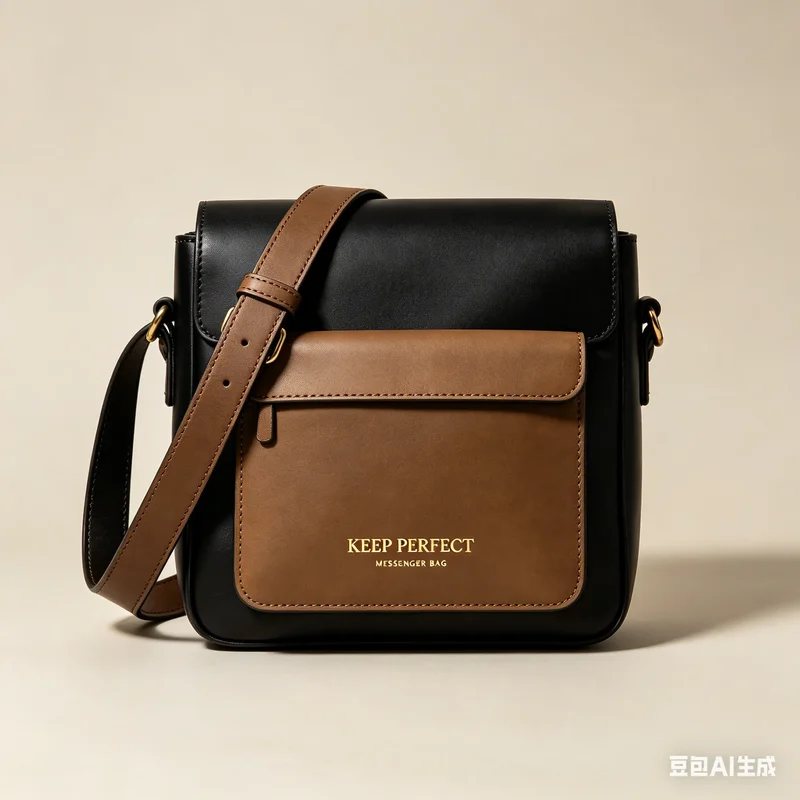
Polyester Backpacks (3 to 7 Years)
Polyester is the most common material in budget and mid-range backpacks. It is cheaper to produce than nylon, holds colour well, and resists UV degradation better. However, it is generally less abrasion-resistant than nylon of the same denier, which affects its lifespan under heavy daily use.
Budget Polyester (150D to 300D)
Most backpacks priced under forty pounds use lightweight polyester. These bags are perfectly adequate for school, light commuting, or occasional use, but they show wear quickly under daily heavy use. Expect three to four years before zippers fail, fabric thins at stress points, or straps begin to separate. The stitching quality on budget polyester backpacks is often the limiting factor rather than the fabric itself.
Mid-Range Polyester (400D to 600D)
Higher-denier polyester backpacks from established brands offer better construction alongside the more durable fabric. With reinforced stitching at stress points, quality YKK zippers, and adequate padding, these backpacks last five to seven years of daily use. The polyester fabric itself often outlasts the other components. Zippers and buckles typically need attention before the main fabric shows significant wear.
Polyester vs. Nylon Longevity
In direct comparison, nylon typically outlasts polyester of the same denier by roughly twenty to thirty per cent in terms of abrasion resistance. However, polyester has better UV resistance and is less prone to water absorption, which can make it last longer in specific environments. For outdoor use with constant sun exposure, polyester may actually outperform nylon.
Cordura and High-Denier Nylon (10 to 15+ Years)
Cordura is a brand of high-tenacity nylon fabric manufactured by Invista (formerly DuPont). It is the gold standard for durable backpack materials, used in military, tactical, and premium outdoor packs. Cordura comes in several weights, but 500D and 1000D are most common in backpacks.
500D Cordura
The balance choice between durability and weight. 500D Cordura offers exceptional abrasion resistance while remaining lighter than 1000D. Premium brands like Goruck, Mystery Ranch, and Maxpedition use 500D extensively. Expect ten to twelve years of heavy daily use or fifteen plus years of moderate use before the fabric itself shows significant degradation. Components like zippers and buckles will likely need replacement before the fabric fails.
1000D Cordura
The heavyweight champion of backpack fabrics. 1000D Cordura is virtually immune to normal abrasion and handles extreme conditions without significant wear. Military-spec backpacks in 1000D Cordura routinely last fifteen to twenty years in service. For civilian use, these backpacks can effectively last a lifetime, with component replacement being the only maintenance needed. The fabric itself will likely outlast every other part of the bag.
Why Cordura Lasts So Long
Cordura fibres are texturised during manufacturing, creating a fuzzy surface that interlocks with the yarn structure. This makes the fabric dramatically more resistant to abrasion than standard nylon of the same weight. The fibres also have higher tensile strength, meaning they resist stretching and tearing under load. When combined with quality construction including bartacked stress points, double-stitched seams, and YKK zippers, Cordura backpacks represent the best longevity investment in the backpack market.
Canvas Backpacks (10 to 20 Years)
Canvas, made from cotton or a cotton-blend, has been used for bags and packs for centuries. It offers a unique combination of durability, character development, and repairability that synthetic materials cannot match. Canvas backpacks develop a patina with age that many find attractive rather than unsightly.
Standard Cotton Canvas (10oz to 14oz)
Medium-weight canvas backpacks from brands like Fjallraven, Filson, and numerous heritage brands offer a lifespan of ten to fifteen years with regular use. The cotton fibres are strong and become more comfortable with age as they soften and mould to use patterns. Canvas is susceptible to mildew if stored damp and to staining from organic materials, but these issues affect appearance rather than structural integrity.
Heavy Waxed Canvas (18oz to 24oz)
At the top end of canvas weight, waxed canvas backpacks are virtually indestructible in normal use. The wax treatment provides water resistance, and the thick cotton weave resists abrasion and puncture. These backpacks routinely last fifteen to twenty years and often longer. The wax treatment needs reapplication every few years, but this maintenance step is straightforward and extends the bag's life significantly. Many waxed canvas backpacks are still functional and attractive after decades of use, developing a unique character that improves with age.
Leather Backpacks (20+ Years)
Full-grain leather is the most durable backpack material available, period. A well-made leather backpack from quality hides is a lifetime investment that can be passed down to the next generation. The key distinction is full-grain leather, which retains the entire thickness of the hide including the dense outer grain layer.
Full-Grain Leather
Full-grain leather backpacks from quality makers last twenty to fifty years or more. The leather actually improves with age, developing a rich patina that tells the story of its use. The natural oils in the leather provide ongoing conditioning, and the material becomes more supple and comfortable over time. The primary maintenance requirement is periodic conditioning every three to six months to prevent the leather from drying out and cracking. With consistent conditioning, a full-grain leather backpack can outlast virtually any synthetic alternative.
Top-Grain Leather
Top-grain leather has the outer surface sanded and refinished, making it thinner and less durable than full-grain. It still offers excellent longevity at fifteen to twenty-five years, but it does not develop the same depth of patina and is more susceptible to surface scratching. Top-grain leather is common in fashion-oriented leather backpacks where aesthetics take priority over maximum durability.
Genuine Leather (Avoid This Term)
Beware of backpacks labelled simply as "genuine leather." In the leather industry, this term often indicates the lowest quality split leather that has been heavily processed and coated. These backpacks may last three to seven years, significantly less than full-grain or top-grain options. Always look for specific grade designations.
What Limits Leather Lifespan
Leather itself rarely fails as the primary material. The limiting factors in leather backpack longevity are stitching (which can be repaired), hardware (which can be replaced), and lining materials (which wear faster than the leather exterior). A leather backpack with failed lining can be professionally re-lined, extending its life by decades. The leather shell essentially lasts indefinitely with proper conditioning.
Factors That Affect Backpack Longevity
Beyond the base material, several usage and environmental factors dramatically influence how long your backpack actually lasts in practice.
Frequency of Use
This is the most significant variable. A backpack carried five days per week endures roughly 260 days of use annually. The same backpack carried only on weekends endures just 104 days. The daily-use backpack will reach its wear-out point two and a half times sooner than the weekend-only bag. Rotating between two backpacks effectively doubles the lifespan of each.
Load Weight
The weight you carry directly affects wear on every component. Heavier loads stretch seams, compress padding, stress zippers, and accelerate fabric abrasion at stress points. A backpack carrying a constant ten kilograms of laptop and books will show wear significantly faster than the same backpack carrying five kilograms. Staying within the manufacturer's recommended capacity and distributing weight evenly across the back panel and hip belt (if present) reduces stress on individual components.
Weather and Environmental Exposure
- Rain and moisture: Constant exposure to water degrades most materials over time. Nylon and polyester absorb minimal water but their coatings degrade with repeated wet-dry cycles. Canvas and leather require protective treatments to handle moisture. Always dry your backpack thoroughly after rain exposure.
- UV radiation: Sunlight degrades synthetic fabrics, fades colours, and weakens fibres. Backpacks used primarily outdoors in sunny climates experience faster material degradation than those used in cooler, overcast environments.
- Temperature extremes: Very hot or very cold conditions can affect adhesive bonds in seam tape, coating integrity, and foam padding. Extreme cold makes plastic components brittle and more prone to cracking under stress.
- Salt exposure: Coastal environments and winter road salt accelerate corrosion of metal zippers and hardware. Rinse with fresh water after exposure to salt.
Care and Maintenance
The difference between a well-maintained backpack and a neglected one can be two to three times the expected lifespan. Regular cleaning prevents dirt from degrading fibres, conditioning prevents leather from cracking, lubrication keeps zippers functioning, and timely repair of minor damage prevents it from escalating into catastrophic failure. The backpack owners who get the longest lifespans treat their bags as equipment requiring maintenance, not as disposable accessories.
Construction Quality
Two backpacks made from identical fabric can have vastly different lifespans based on construction. Key quality indicators include:
- Stitching: Double-stitched or bartacked seams at stress points dramatically outlast single stitching. Look for tight, even stitches with no loose threads. Stitch density (stitches per inch) should be at least eight for durability.
- Zippers: YKK zippers are the industry standard for quality. They last significantly longer than unbranded alternatives and are available as replacement parts when they eventually wear out.
- Hardware: Metal buckles and D-rings outlast plastic equivalents. Quality hardware is made from stainless steel or anodised aluminium that resists corrosion.
- Reinforcement: Extra layers of fabric or leather at high-wear areas (bottom panel, strap attachment points, zipper ends) indicate a manufacturer who has thought about longevity.
Signs It Is Time to Replace Your Backpack
Knowing when to repair and when to replace saves money in the long run. These are the indicators that your backpack has reached the end of its functional life.
Definitely Replace
- Structural seam failure: When the main body seams split and the fabric frays around the stitch holes, repair is usually not viable. The fabric has lost too much integrity around the stitch line.
- Delaminated waterproof coating: When the interior polyurethane coating starts bubbling, peeling, or turning into a sticky residue, the coating has chemically broken down. It cannot be reapplied effectively and the sticky residue attracts dirt and transfers to clothing.
- Collapsed or crumbled foam padding: When shoulder strap or back panel foam compresses permanently, crumbles when touched, or disintegrates, the structural comfort of the backpack is gone. Re-padding is possible but often not cost-effective.
- Strap attachment failure: When shoulder straps begin to separate from the bag body at the attachment points, the structural integrity is compromised. This type of repair requires extensive re-sewing through multiple layers and is rarely as strong as the original construction.
Repair Instead of Replace
- Zipper failure: Most zipper problems are fixable as covered in our zipper repair guide. A broken zipper does not mean the backpack is finished.
- Buckle replacement: Broken buckles can be replaced easily. Many backpack manufacturers sell replacement buckle kits.
- Small fabric tears: Holes smaller than five centimetres in non-critical areas can be patched effectively with fabric repair tape or sewn patches.
- Loose stitching: Re-stitching loose seams extends the backpack's life at minimal cost. Many tailors offer this service cheaply.
Still Going Strong (Cosmetic Wear Only)
- Fading or colour loss from UV exposure
- Surface scuffs and minor abrasion marks
- Slight stretching of fabric in loaded areas
- Minor fraying of strap edges
- Worn zipper pull tabs (easily replaced)
Cosmetic wear does not affect functionality. If your backpack looks well-used but still carries your gear securely and comfortably, there is no reason to replace it. Many people consider this character an asset rather than a flaw.
Complete Lifespan Comparison Table
| Material | Daily Use (5 days/week) | Moderate Use (2-3 days/week) | Light Use (weekends only) | Key Failure Points |
|---|---|---|---|---|
| Budget polyester (150-300D) | 3-4 years | 5-7 years | 7-10 years | Stitching, zippers, strap padding |
| Standard polyester (400-600D) | 4-6 years | 7-10 years | 10-15 years | Zippers, buckles, strap padding |
| Light nylon (210-300D) | 3-5 years | 5-8 years | 8-12 years | Fabric abrasion, zippers |
| Standard nylon (420-600D) | 5-8 years | 8-12 years | 12-18 years | Zippers, strap padding, coating |
| 500D Cordura | 10-12 years | 15-20 years | 20+ years | Zippers, buckles (fabric rarely fails) |
| 1000D Cordura | 12-15+ years | 20+ years | Lifetime | Zippers, stitching (fabric essentially permanent) |
| Standard canvas (10-14oz) | 8-12 years | 12-18 years | 18-25 years | Mildew (if stored damp), stitching |
| Waxed canvas (18-24oz) | 12-18 years | 18-25 years | 25+ years | Wax depletion (repairable), stitching |
| Top-grain leather | 15-20 years | 20-30 years | 30+ years | Lining, stitching, hardware |
| Full-grain leather | 20-30+ years | 30+ years | 50+ years | Lining, stitching, hardware (leather lasts indefinitely) |
How to Extend Your Backpack's Life
Regardless of material, these maintenance practices maximise the years you get from your backpack.
- Clean regularly. Dirt is the enemy of longevity. Embedded grit acts as an abrasive that weakens fibres with every movement. Clean your backpack according to the material-specific guidelines in our care articles every two to four weeks for daily-use bags.
- Avoid overloading. Stay within the manufacturer's rated capacity. Overloading stresses every component simultaneously and accelerates wear on seams, zippers, padding, and fabric.
- Dry after wet exposure. Never store a damp backpack. After rain exposure or heavy sweating, open all compartments and air-dry completely. This single habit prevents mould, mildew, coating degradation, and metal corrosion.
- Lubricate zippers monthly. A quick pass with a graphite pencil or wax stick keeps zippers operating smoothly and prevents the stress and damage caused by forcing stuck zippers.
- Re-treat waterproofing. When DWR stops beading water, reapply a treatment spray. This prevents water from soaking into the fabric, which accelerates wear and promotes mildew growth.
- Rotate between bags. If you use a backpack daily, consider rotating between two bags. This effectively doubles the lifespan of each and gives each bag time to air out and recover between uses.
- Address minor damage immediately. A small loose thread re-stitched now prevents a seam failure later. A tiny tear patched today avoids a large rip that requires full panel replacement. Early intervention is always cheaper and more effective.
- Store properly. When not in use, store your backpack in a cool, dry place away from direct sunlight. Leave zippers partially open to relieve tension on the slider. Stuff the bag lightly with paper or a towel to help it maintain its shape.
The Maintenance Multiplier
Backpack owners who follow a consistent maintenance routine routinely get two to three times the expected lifespan from their bags compared to those who do not. A standard nylon backpack that might last five years with neglect can easily reach ten to fifteen years with regular cleaning, proper storage, timely repairs, and sensible loading. The time investment is minimal: fifteen minutes of cleaning per week and basic care habits cost almost nothing but pay enormous dividends in longevity.
Make Your Backpack Last Longer
Knowledge is the first step. Our complete care guides give you the practical skills to maximise every backpack's lifespan.
Frequently Asked Questions
How long does a typical backpack last?
A typical backpack lasts between three and ten years depending on material, usage, and care. Budget polyester lasts three to five years. Quality nylon lasts five to eight years. Premium Cordura or leather with maintenance can last ten to twenty years or more.
What type of backpack material lasts the longest?
Full-grain leather lasts the longest, often twenty years or more. Among synthetics, 1000D Cordura nylon offers ten to fifteen years plus. Waxed canvas also excels at ten to twenty years with proper wax maintenance.
When should I replace my backpack?
Replace when you see structural seam failure, broken zippers that cannot be fixed, collapsed foam padding, fabric tears at stress points, or delaminated waterproof coating. Cosmetic wear like fading does not require replacement if the bag still functions.
Does carrying heavy loads shorten a backpack's lifespan?
Yes. Consistently carrying loads near or above the rated capacity stresses seams, strains zippers, compresses foam, and accelerates fabric wear. A heavily loaded backpack typically lasts half as long as a lightly loaded one.
How can I make my backpack last longer?
Clean regularly, avoid overloading, dry after rain exposure, lubricate zippers monthly, reapply DWR when needed, rotate between bags if used daily, and address minor repairs immediately. Maintenance can double or triple a backpack's lifespan.
Do expensive backpacks last longer than cheap ones?
Generally yes, due to higher-denier fabrics, better zippers, stronger stitching, and more durable hardware. The best value lies in the mid-range price bracket of 60-150 pounds where quality improves substantially over budget options.
Can a backpack last 20 years?
Yes. Full-grain leather, heavy waxed canvas, and premium 1000D Cordura backpacks all can exceed twenty years with proper maintenance and moderate use. The key requirements are quality construction, consistent care, and timely repair of minor damage.
What causes backpack straps to fail?
UV degradation, constant heavy loads, sweat degrading foam padding, friction against clothing, and poor-quality stitching at attachment points. Straps are among the first components to fail on heavily used backpacks.