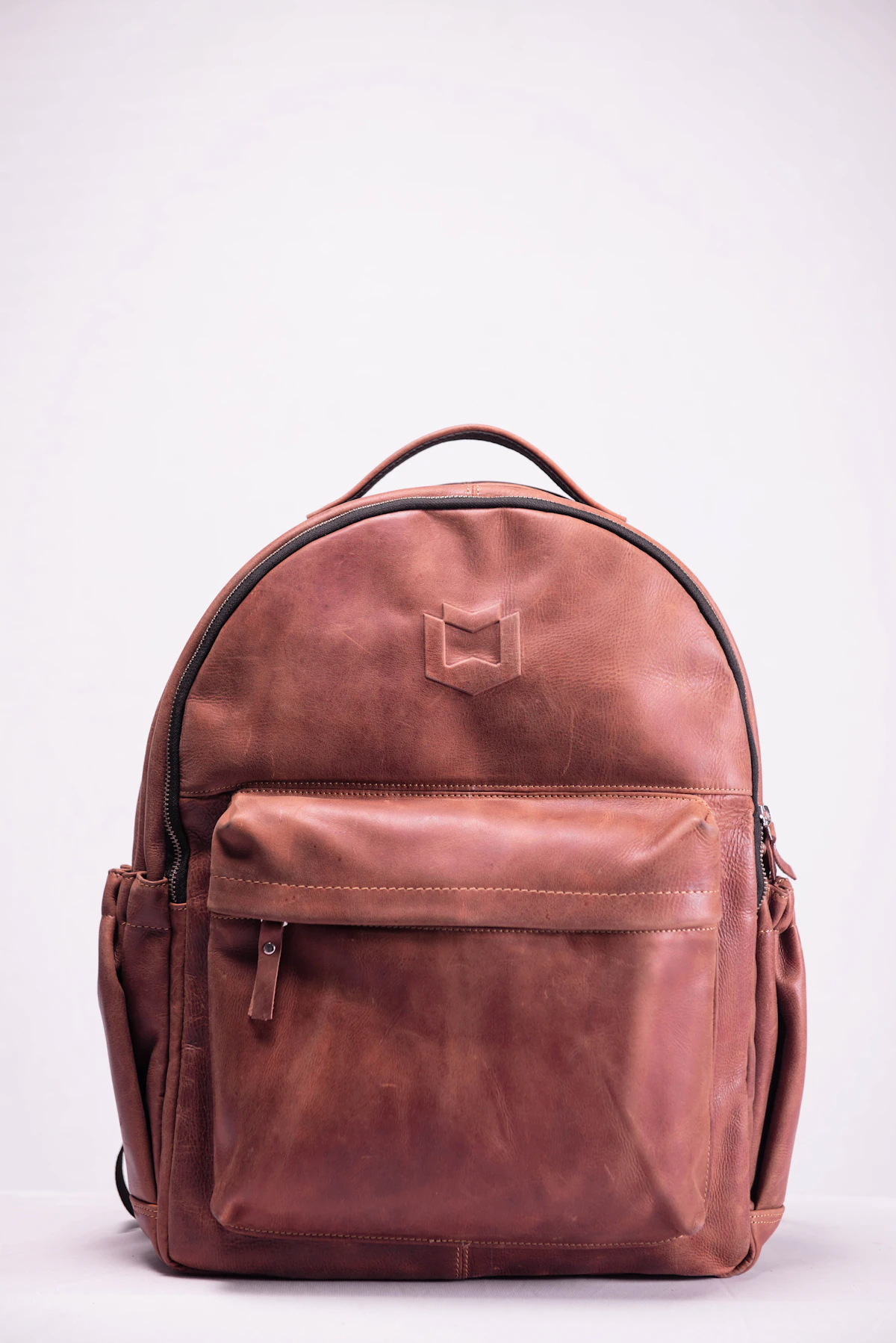
Backpack IP Protection: Design Ownership and Intellectual Property in Manufacturing
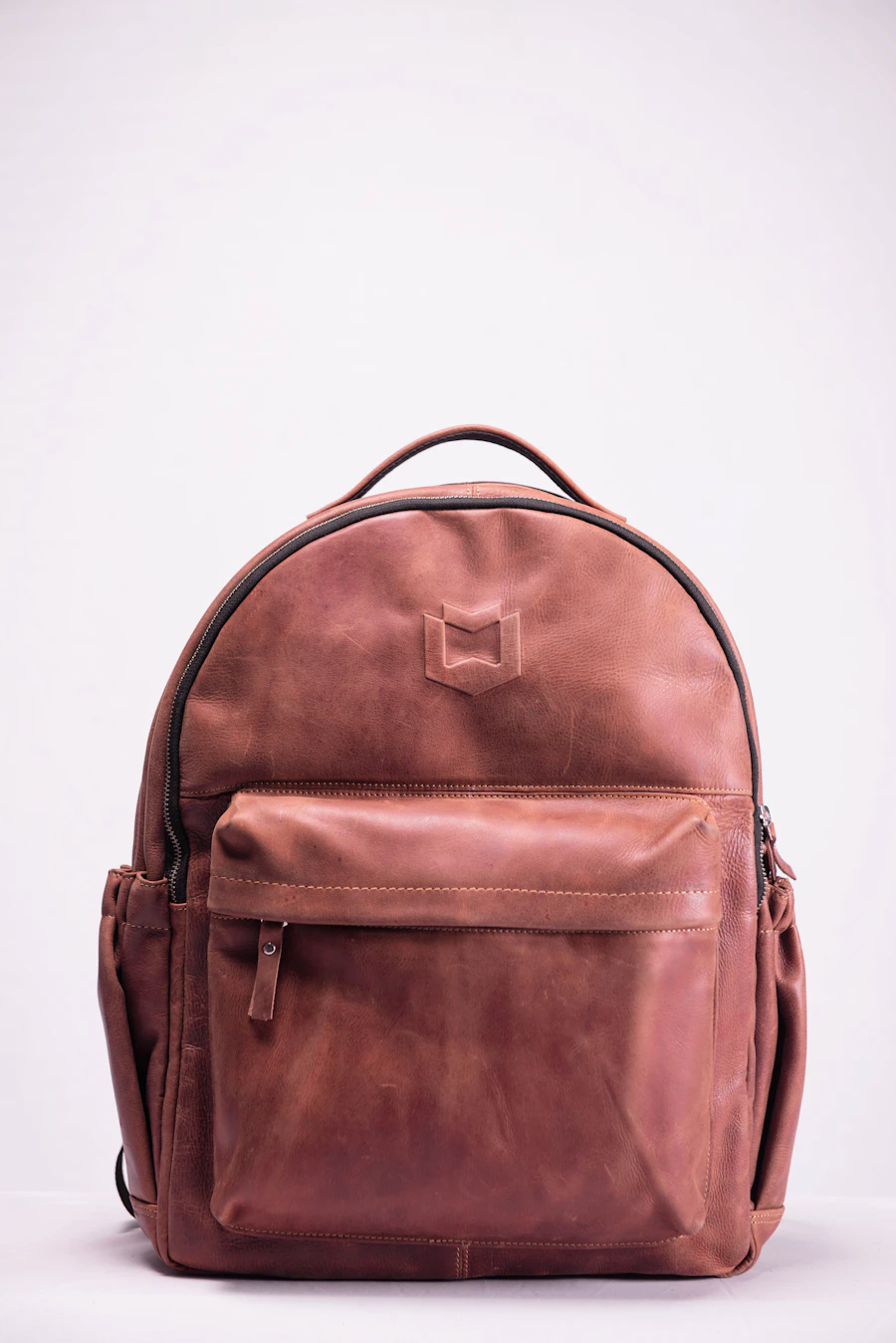
Backpack IP Protection: Design Ownership and Intellectual Property in Manufacturing
Intellectual property protection forms the foundation of brand differentiation in the competitive backpack manufacturing industry. When you invest in creating unique backpack designs, developing proprietary materials specifications, and building distinctive brand elements, protecting these assets from unauthorized use becomes essential for maintaining competitive advantage and brand value. Understanding the landscape of IP protection in international backpack manufacturing empowers you to implement comprehensive safeguards across your supply chain.
At Junyuan Bags, we recognize that our clients' designs represent their most valuable business assets. Our ISO 9001:2015 certified quality management system includes rigorous document control and confidentiality protocols that protect client intellectual property throughout the production process. With over twenty years of experience serving international brands, we have developed comprehensive IP protection frameworks that give our clients confidence their innovations remain exclusively theirs.
Understanding Intellectual Property Types in Backpack Design
Backpack designs encompass multiple categories of intellectual property, each requiring different protection strategies. Design patents protect the ornamental appearance of a backpack, including its shape, configuration, and surface decoration. Utility patents protect functional innovations such as unique closure mechanisms, load distribution systems, or modular attachment systems. Trademarks protect brand names, logos, and distinctive trade dress that identifies your products in the marketplace.
Copyright protection automatically applies to original graphic designs, artwork, and printed patterns used on backpacks. While registration is not required for copyright protection, registering your designs with relevant copyright offices provides stronger legal remedies in infringement cases. For backpack manufacturers working with luxury backpack designs, copyright protection extends to unique textile patterns, decorative elements, and artistic prints that distinguish premium products.
Trade dress protection covers the overall visual appearance of your backpack line, including distinctive colour combinations, material textures, and design elements that create brand recognition even without visible logos. This protection becomes increasingly valuable as your brand matures and customers recognize your products through visual cues alone. Building a consistent design language across your business backpack and casual backpack ranges creates protectable trade dress that strengthens market position.
Non-Disclosure Agreements: Your First Line of Defence
Before sharing any proprietary designs, specifications, or business information with a potential manufacturing partner, executing a comprehensive non-disclosure agreement is essential. The NDA should be signed before the first design meeting, creating a legal framework that governs all subsequent information exchange. A robust NDA for backpack manufacturing covers technical drawings, material specifications, pricing structures, customer lists, marketing plans, and future product development roadmaps.
Key elements of an effective manufacturing NDA include clear definition of confidential information, specifying that all designs, samples, specifications, and business data shared during the relationship qualify as confidential. The agreement should establish the duration of confidentiality obligations, typically three to five years after the business relationship ends. Remedies for breach should include both monetary damages and injunctive relief, enabling rapid court action to prevent further disclosure or unauthorized production.
Mutual NDAs protect both parties and demonstrate good faith in the business relationship. When Junyuan Bags signs mutual NDAs with clients, we commit to the same confidentiality standards we expect from our partners. This reciprocal approach builds trust and facilitates the open technical discussions necessary for optimising fabric technology specifications and production methods without either party fearing information misuse.
For international backpack manufacturing relationships, ensure your NDA specifies governing law and dispute resolution mechanisms. An NDA governed by English law with London arbitration provides enforceable protection across jurisdictions. Include language specifying that the manufacturer cannot use your confidential information to produce similar products for competitors, even if the products are not identical copies of your designs. This broader protection prevents manufacturers from creating derivative products that capture the essence of your innovations.
Design Patent Registration Strategies
Design patents provide the strongest legal protection for backpack appearance and ornamental features. The registration process typically takes 12 to 24 months, though expedited examination options exist in most jurisdictions. For backpack designs with significant aesthetic innovation, design patent protection delivers substantial competitive advantage by preventing competitors from creating confusingly similar products.
The Hague System for International Design Registration offers cost-effective multi-country protection through a single application filed with WIPO. This system covers over 90 member countries including the United States, European Union, United Kingdom, China, and Japan. For backpack brands selling in multiple markets, Hague registration provides comprehensive protection without the expense and complexity of filing separate applications in each jurisdiction.
Timing matters significantly in design patent strategy. File applications before publicly disclosing your designs at trade shows, on websites, or through retail channels. Public disclosure before filing can eliminate patent rights in many jurisdictions. Junyuan Bags supports clients by maintaining strict confidentiality during product development and outdoor backpack sampling, ensuring design patent applications can be filed before any public exposure occurs.
Design patent claims should be drafted strategically to cover both the specific design and variations that competitors might create to circumvent protection. Working with experienced intellectual property attorneys who understand backpack design ensures your patent claims capture the distinctive elements that define your brand identity while maintaining sufficient breadth to prevent design-around attempts.
Manufacturing Contract IP Clauses
Beyond NDAs, manufacturing contracts should contain comprehensive IP provisions that clearly define ownership rights, usage restrictions, and remedies for infringement. These clauses form the contractual foundation of your IP protection strategy and should be negotiated before production begins rather than addressed after disputes arise.
IP ownership clauses must explicitly state that all custom designs, tooling, patterns, and molds created for your order remain your exclusive property. This includes development samples, rejected production pieces, and any digital files such as CAD drawings and pattern files. Without explicit contractual language, manufacturers may claim ownership of tooling and patterns they physically create, even when designed to your specifications.
Non-compete clauses prevent your manufacturer from producing similar designs for competing brands within specified timeframes and geographic markets. While broad non-compete clauses may face legal challenges in some jurisdictions, narrowly drafted restrictions on producing identical or substantially similar designs for direct competitors are generally enforceable and commercially reasonable in the backpack manufacturing industry.
Quality control provisions also serve IP protection purposes by ensuring your brand reputation remains intact. At Junyuan Bags, our defect rate below 0.3 percent across all eight production lines means your branded products maintain consistent quality that protects brand value. Our business backpack manufacturing process includes multiple inspection stages that verify both quality standards and IP compliance, ensuring your proprietary elements are correctly implemented without unauthorized variations.
Trademark Protection for Backpack Brands
Trademark registration protects the brand identifiers that distinguish your backpacks in the marketplace. Register your brand name, logo, and any distinctive slogans in every market where you sell or plan to sell products. Trademark protection prevents competitors from using confusingly similar marks that could divert customers or dilute your brand equity.
For backpack brands using distinctive hardware elements, woven labels, or embossed logos, these visual identifiers may qualify for trademark protection as trade dress. Documenting consistent use of these elements across your product range strengthens trade dress claims and creates additional layers of protection beyond traditional trademark registration. Our custom manufacturing process supports precise reproduction of branded elements across all production runs, maintaining the consistency necessary for strong trade dress protection.
Practical Steps for Comprehensive IP Protection
Implementing a comprehensive IP protection programme requires systematic documentation, legal registration, and ongoing monitoring. Begin by cataloguing all protectable elements of your backpack designs, including shape configurations, material combinations, hardware designs, closure systems, and decorative elements. Create detailed design portfolios with dated entries that establish creation timelines useful in priority disputes.
Regular factory audits verify that your manufacturer maintains appropriate security measures for protecting your IP. Junyuan Bags welcomes client audits at our 15,000 square metre Quanzhou facility, where we demonstrate our document control systems, restricted access production areas, and secure sample storage facilities. Our BSCI certification includes social compliance elements that extend to ethical business practices including respect for client intellectual property.
Online monitoring services can detect unauthorized use of your designs on e-commerce platforms and marketplaces. Setting up automated alerts for your distinctive design elements helps identify potential infringement early, enabling rapid enforcement action before counterfeit products gain significant market traction. Working with customs authorities to register your trademarks and design rights enables border seizure of infringing imports, providing another enforcement layer protecting your backpack brand.
Contact our team to discuss how Junyuan Bags can support your IP protection requirements while delivering exceptional custom backpack manufacturing services that bring your protected designs to market with confidence.
Enforcing IP Rights Across International Borders
International IP enforcement presents unique challenges because patent and design rights are territorial, meaning protection in one country does not automatically extend to others. A backpack design patented in the United States receives no protection in China unless separately registered there. This territorial nature of IP rights requires proactive registration in every market where you sell products or where your manufacturers operate.
China has significantly strengthened IP enforcement over the past decade, establishing specialized IP courts in Beijing, Shanghai, and Guangzhou that handle patent infringement cases with increasing sophistication. For backpack manufacturers operating in Quanzhou and surrounding areas, local IP protection offices handle design patent disputes efficiently, often resolving cases within six to twelve months. Junyuan Bags operates within this strengthened enforcement framework, maintaining full compliance with all IP regulations and welcoming clients to verify our commitment to intellectual property respect through our ISO 9001:2015 certified management systems.
Customs recordal represents one of the most cost-effective IP enforcement tools available. By registering your trademarks and design rights with customs authorities in key import countries, you enable border officials to detain suspected counterfeit goods before they enter the market. In the United States, recording trademarks with Customs and Border Protection costs approximately 190 dollars per class and remains active for twenty years. For backpack brands facing counterfeiting risks, customs recordal provides front-line protection that prevents infringing products from reaching consumers.
Open Source and Collaborative Design Approaches
Not all backpack innovation requires strict IP protection. Some brands deliberately adopt open design approaches for functional elements, sharing technical specifications that advance industry-wide improvements in sustainability, safety, or accessibility. This collaborative approach works particularly well for non-differentiating functional features where industry standardization benefits all participants, including sustainable fabric innovations and universal safety standards.
The key distinction lies between design elements that create brand differentiation, which deserve strong IP protection, and functional improvements that benefit from industry adoption. A unique closure system that becomes an industry standard for outdoor backpack safety might be intentionally left unprotected to encourage widespread adoption, while the distinctive visual design language that customers associate with your brand receives comprehensive patent and trade dress protection.
Collaborative development partnerships with manufacturers like Junyuan Bags create shared innovation that requires clear IP agreements from the outset. When co-developing new features such as integrated waterproof technologies or ergonomic support systems, the contract must specify who owns resulting improvements, whether licensing arrangements apply, and how each party can use the developed technology. Clear agreements prevent disputes and enable both brand owners and manufacturers to benefit from collaborative innovation.
Digital Asset Protection in the E-Commerce Era
The rise of e-commerce has created new IP challenges for backpack brands. Product photography, 3D renderings, marketing copy, and website design all constitute protectable intellectual property that can be misappropriated by competitors or counterfeit sellers on online marketplaces. Maintaining original product photography with metadata timestamps, registering website content with copyright offices, and monitoring marketplace listings for stolen images form essential components of modern IP protection strategies.
Platform-specific brand registry programmes such as Amazon Brand Registry provide powerful tools for enforcing IP rights against counterfeit sellers. Registration requires a valid trademark and enables automated monitoring, streamlined takedown procedures, and enhanced brand presence on marketplace platforms. For backpack brands selling through multiple online channels, comprehensive brand registry across major platforms creates a protective network that safeguards both revenue and reputation.
Working with your manufacturing partner to control product imagery ensures consistent brand representation across all sales channels. Junyuan Bags supports clients with professionally photographed product images that serve as authoritative references for marketplace listings, preventing unauthorized sellers from using misleading or inferior imagery that damages brand perception. Our custom manufacturing expertise extends to supporting comprehensive brand protection strategies across physical and digital channels.
Contact our team today to learn how Junyuan Bags protects your intellectual property while delivering world-class backpack manufacturing services from our 15,000 square metre Quanzhou facility.
Sample Development and IP Security Protocols
The sample development phase represents a particularly vulnerable period for IP exposure, as detailed design information including patterns, material specifications, and construction techniques must be shared with manufacturers before contractual protections are fully established. Establishing IP security protocols before engaging in sample development ensures your innovations remain protected from the earliest stages of the manufacturing relationship.
Best practice dictates executing comprehensive non-disclosure and manufacturing agreements before sharing initial design concepts, even in preliminary form. Many IP disputes arise from informal early-stage discussions where designs are shared verbally or through sketch exchanges before formal agreements are signed. These informal exchanges can create ambiguity about ownership rights that proves difficult to resolve if the business relationship deteriorates. Junyuan Bags requires signed confidentiality agreements before any design discussion begins, protecting both parties from the outset.
During sample production, control physical samples carefully. Number and track all samples provided to manufacturers, maintain photographic records of each sample iteration, and request return or destruction of rejected samples. While manufacturers naturally retain reference samples for quality control, limiting the number of physical samples in circulation reduces unauthorized reproduction risk. Our sampling team at Junyuan Bags maintains strict chain-of-custody documentation for all client samples across our eight production lines, ensuring accountability from initial concept through production approval.
Watermarking digital design files before sharing with manufacturers provides traceability if designs are misappropriated. Embedding subtle identifiers in CAD files, technical drawings, and specification documents creates forensic evidence that links unauthorized products back to specific information transfers. This technical protection measure complements legal protections by providing concrete evidence of unauthorized use in litigation scenarios involving custom business backpack designs or proprietary tech backpack innovations.
Creating a Comprehensive IP Protection Checklist
Systematic IP protection requires following a consistent checklist for every new backpack design and every new manufacturing relationship. Before sharing any design information, confirm that a signed NDA is in place. Before beginning production, verify that design patent applications have been filed in all relevant jurisdictions. Before shipping products, ensure trademark registrations are active in destination markets. This disciplined approach eliminates the gaps where IP exposure occurs and builds a comprehensive protection portfolio over time.
Regular IP audits every twelve months ensure your protection portfolio remains current and comprehensive. Review registered designs for renewal deadlines, assess whether new product variations require separate registrations, and evaluate enforcement actions from the previous year to identify recurring threats. Working with intellectual property counsel who understand the backpack industry ensures your protection strategy evolves alongside your product range and market expansion plans. Junyuan Bags supports client IP programmes by maintaining strict confidentiality across all product categories, from luxury backpack lines to casual backpack ranges, ensuring your designs remain exclusively yours throughout our two-decade partnership tradition.
Protecting intellectual property in backpack manufacturing is not a one-time effort but an ongoing programme that strengthens your competitive position with each new design and market entry. The investment in comprehensive IP protection pays dividends through brand exclusivity, premium pricing power, and customer loyalty that competitors cannot replicate through imitation. Start building your IP protection framework today and secure the foundation for long-term brand success in the global backpack market.
Our dedicated legal compliance team at Junyuan Bags stands ready to support your intellectual property protection requirements, ensuring every custom design produced in our Quanzhou factory remains exclusively yours from concept through delivery to your warehouse.
Frequently Asked Questions
Who owns the design when I commission custom backpack manufacturing?
Design ownership depends on the contractual agreement between buyer and manufacturer. In most OEM arrangements, the buyer retains full ownership of custom designs, patterns, and specifications created specifically for their brand. However, without a written agreement explicitly transferring or confirming IP rights, ownership disputes can arise. Always include IP ownership clauses in your manufacturing contracts to eliminate ambiguity.
How can I protect my backpack designs from being copied by manufacturers?
A multi-layered protection strategy works best. Start with comprehensive non-disclosure agreements before sharing designs. Register design patents or industrial design rights in key markets. Include confidentiality and non-compete clauses in manufacturing contracts. Work only with certified manufacturers who have established IP protection protocols. Junyuan Bags maintains strict confidentiality agreements with all clients and holds ISO 9001:2015 certification ensuring documented quality processes.
What is a non-disclosure agreement and why is it important for backpack manufacturing?
An NDA is a legal contract that prevents the manufacturer from sharing your proprietary designs, specifications, and business information with third parties. In backpack manufacturing, NDAs protect unique design elements, material specifications, pricing structures, and customer information. A well-drafted NDA specifies the scope of confidential information, duration of obligations typically three to five years, and remedies for breach including injunctive relief and damages.
Can a backpack manufacturer legally sell my designs to other buyers?
Without explicit contractual prohibition, manufacturers may argue they retain rights to produce similar products for other clients. This is why exclusive manufacturing agreements and IP assignment clauses are essential. A properly drafted contract specifies that custom designs created for your brand cannot be reproduced for other clients, and that tooling, patterns, and molds developed for your order remain your property.
How do I register design patents for backpacks internationally?
Design patent protection requires registration in each country where you seek protection. In the US, file with the USPTO for design patent protection lasting 15 years. In the EU, register with EUIPO for community design protection. In China, file with CNIPA for design patent protection. The Hague System allows international design registration through WIPO covering multiple countries with a single application, offering cost-effective multi-jurisdiction protection for your backpack designs.
Ready to Start Your Custom Backpack Project?
Contact Junyuan Bags for OEM/ODM manufacturing solutions.
📱 WhatsApp: +86 177 5002 0688