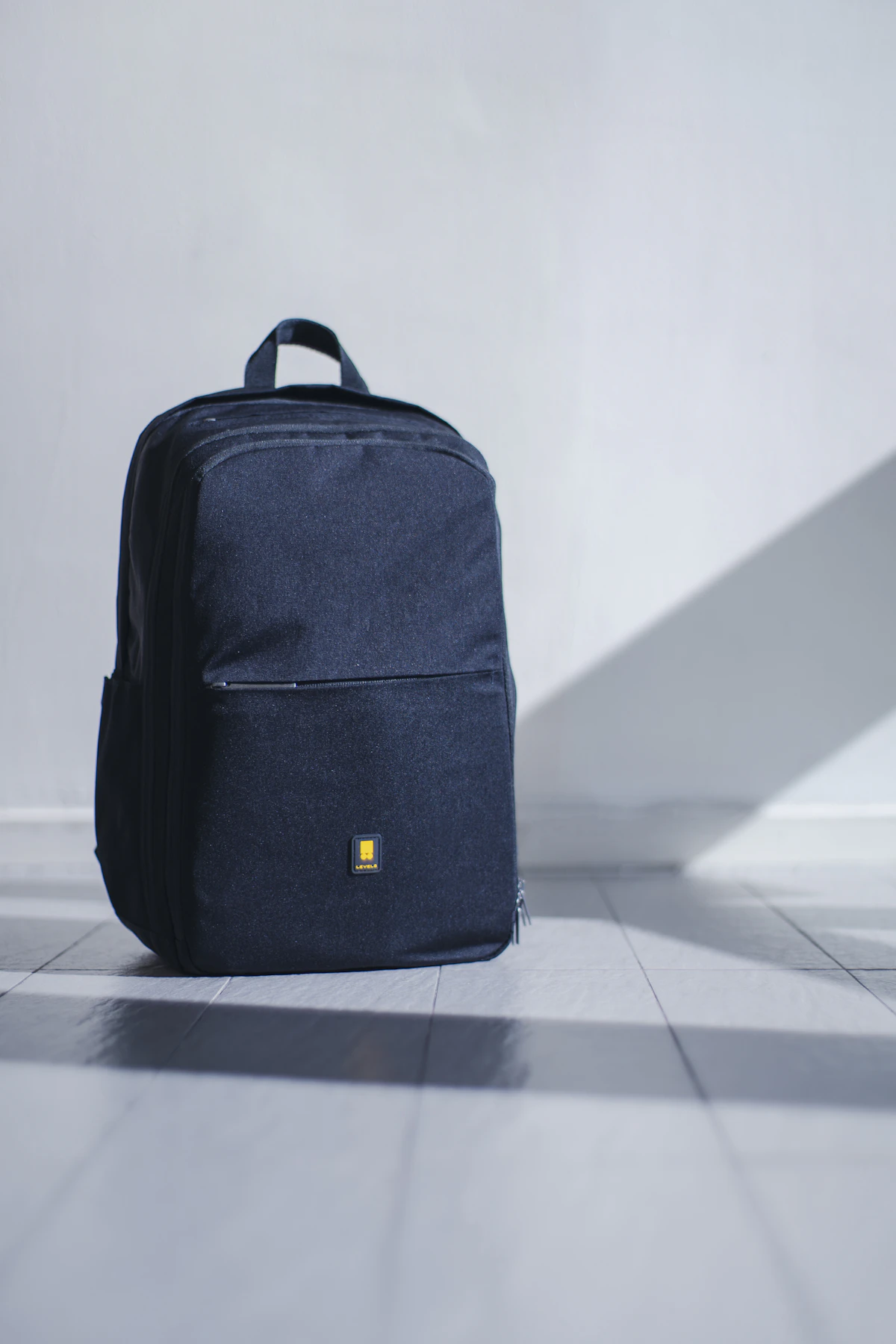
The business backpack market has experienced remarkable transformation over the past decade. What was once dominated by simple nylon carry cases has evolved into a sophisticated product category demanding premium materials, ergonomic engineering, and technology integration. For B2B buyers, wholesalers, and brand owners entering this space, understanding the manufacturing landscape is essential to making informed sourcing decisions and building competitive product lines.
As remote and hybrid work models continue to reshape professional environments, the business backpack has become the primary carry solution for millions of working professionals worldwide. The global business bag market is projected to exceed 30 billion USD by 2027, with backpack-style products capturing an increasingly dominant share. This growth trajectory creates significant opportunities for manufacturers who can deliver quality at scale.
This comprehensive guide covers every aspect of business backpack manufacturing, from material selection and design engineering to quality control and customization options. Whether you are launching a new brand, expanding your product range, or seeking a reliable OEM partner, this article provides the knowledge framework needed to navigate the complex world of B2B backpack manufacturing.
Understanding the Business Backpack Market Landscape
The business backpack segment represents one of the fastest-growing categories within the broader bags and luggage industry. Several macroeconomic and behavioral trends are driving this growth, creating both opportunities and challenges for manufacturers and buyers alike.
Market Size and Growth Projections
The global business bag market has demonstrated consistent growth, with the backpack subcategory expanding at a compound annual growth rate of approximately 7.2 percent since 2020. Key growth drivers include the normalization of hybrid work arrangements, increased daily commuting with technology devices, and a cultural shift toward more casual professional dress codes that favor backpacks over traditional briefcases.
Regional demand patterns vary significantly. North America and Europe remain the largest consumption markets, but Asia-Pacific is emerging as the fastest-growing region. This shift has important implications for manufacturers, as it influences design preferences, price sensitivity, and feature expectations across different markets.
Consumer Segmentation and Buying Patterns
Business backpack consumers can be segmented into several distinct groups, each with different priorities and willingness to pay:
- Corporate Professionals (35-55): Prioritize laptop protection, professional aesthetics, and organizational features. Average price point 80 to 200 USD.
- Tech Workers (25-40): Focus on device compatibility, cable management, and modern design. Often willing to pay premium for innovative features.
- Consultants and Frequent Travelers: Need maximum organization, comfort for extended wear, and professional appearance that transitions between environments.
- Students Transitioning to Work (18-25): Price-sensitive but style-conscious. Value versatility and brand reputation.
Understanding these segments helps B2B buyers make strategic decisions about which products to source and how to position them in their respective markets. A well-designed product line should address at least two to three of these segments with differentiated offerings.
Competitive Landscape
The business backpack market features competition from established luggage brands, technology accessory companies, and emerging direct-to-consumer startups. This competitive environment rewards manufacturers who can deliver innovation, quality, and value simultaneously. The most successful products combine thoughtful design with durable construction at accessible price points.

Essential Materials for Business Backpack Manufacturing
Material selection is arguably the most critical decision in business backpack manufacturing. The chosen materials determine durability, appearance, weight, water resistance, and ultimately the perceived value of the finished product. B2B buyers must understand material options to make informed specification decisions.
Exterior Fabric Options
The exterior fabric sets the tone for the entire product. For business backpacks, the fabric must balance professional aesthetics with practical durability. The most commonly specified materials include:
| Material | Denier Range | Key Properties | Best For |
|---|---|---|---|
| Ballistic Nylon | 1050D-1680D | Exceptional abrasion resistance, professional appearance | Premium business lines |
| Cordura Nylon | 500D-1000D | Lightweight, excellent tear resistance, colorfast | Mid-range to premium |
| Polyester 600D | 600D | Cost-effective, good durability, versatile finishing | Volume production |
| Recycled PET | 300D-600D | Sustainable, comparable performance to virgin polyester | Eco-conscious brands |
| Ripstop Nylon | 200D-400D | Lightweight, tear-resistant grid pattern | Ultralight business models |
Each material offers distinct advantages. For high-end business backpacks targeting corporate buyers, ballistic nylon at 1050D or higher remains the gold standard. Its tight weave creates a refined surface that resists scuffing and maintains its appearance through years of daily use. For more competitive price points, 600D polyester with a polyurethane coating provides excellent value while still delivering professional quality.
Interior Lining and Padding
The interior of a business backpack requires careful attention to both protective padding and lining materials. Laptop compartments typically feature closed-cell foam padding ranging from 8mm to 15mm in thickness, wrapped in soft-touch tricot or microfiber lining to prevent device scratching. The main compartment lining is commonly 210D or 420D nylon, chosen for its smooth surface and resistance to snagging.
For premium products, manufacturers may specify additional features such as anti-static lining in electronics pockets, antimicrobial-treated interior surfaces, and high-visibility lining colors that improve content visibility. These details add perceived value and differentiate products in a competitive market.
Hardware and Fittings
Zippers, buckles, D-rings, and other hardware components significantly impact both functionality and perceived quality. YKK zippers remain the industry benchmark, with options ranging from standard RC (reverse coil) to waterproof Aquaguard varieties. Self-repairing coil zippers in size 5 or 8 are specified for main compartments, while smaller size 3 zippers suit accessory pockets.
Shoulder strap adjusters, sternum strap clips, and compression buckles should be sourced from reputable suppliers who can provide consistent quality across large production runs. Metal hardware in brushed nickel or gunmetal finishes adds premium appeal, while molded plastic components reduce weight and cost for more accessible product lines.
Design Engineering and Ergonomic Considerations
Modern business backpack design represents a sophisticated intersection of ergonomic science, material engineering, and aesthetic sensibility. The best-selling products in this category share common design principles that prioritize user comfort, device protection, and organizational efficiency.
Ergonomic Back Panel Design
The back panel is the primary contact point between the backpack and the user, making its design critical for comfort during extended wear. Modern business backpacks employ several back panel technologies:
- Channel Ventilation Systems: Moulded foam panels with air channels that reduce heat buildup and promote airflow against the back. These are essential for products marketed to commuters who may walk or cycle to work.
- Contoured Lumbar Support: Curved foam panels that follow the natural curvature of the spine, distributing weight more evenly and reducing lower back fatigue.
- Memory Foam Padding: Temperature-responsive foam that adapts to the user body shape for personalized comfort. Increasingly specified in premium product lines.
Laptop Compartment Engineering
With laptops remaining the most valuable and commonly carried electronic device, the laptop compartment deserves special design attention. Key engineering considerations include:
- Suspended Design: The laptop sleeve should be suspended above the base of the backpack, creating a buffer zone that protects the device if the bag is set down forcefully.
- Size Compatibility: Design for 13-inch, 14-inch, 15.6-inch, and 16-inch laptop form factors. Consider offering size-specific variants rather than a one-size-fits-all approach.
- Tablet Integration: A secondary sleeve or shared compartment for tablets adds versatility and appeals to users who carry multiple devices.
- Edge Protection: Reinforced edges and corner bumpers protect devices from impact damage during transit.
Organizational Architecture
Effective internal organization is a key differentiator in the business backpack category. The most successful designs balance accessibility with security, providing dedicated spaces for everything from laptops and tablets to pens, business cards, and charging cables. A well-designed organizational layout should include a dedicated electronics zone, a document management area, quick-access pockets for frequently used items, concealed security pockets for valuables, and external attachment points for water bottles or umbrellas.

Manufacturing Processes and Quality Control
Manufacturing a business backpack to B2B standards requires a systematic approach that encompasses pattern development, material cutting, sewing assembly, hardware attachment, finishing, and rigorous quality inspection. Understanding these processes helps buyers set realistic expectations and communicate effectively with manufacturing partners.
Pattern Development and Prototyping
The manufacturing process begins with pattern development, where designers translate concept sketches into precise templates that guide fabric cutting. This stage is critical because even minor pattern inaccuracies can compound into visible defects in the finished product. Computer-aided design software enables precise pattern creation and efficient material utilization, reducing waste and ensuring consistency across production runs.
Prototype development typically involves two to three iterations. The first prototype validates the overall design concept and proportions. The second prototype tests materials and construction methods. The final prototype serves as the production sample, approved by both the manufacturer and the buyer before mass production begins.
Production Line Configuration
Efficient business backpack manufacturing requires properly configured production lines that balance specialization with flexibility. A typical setup includes dedicated cutting stations using computer-controlled or manual die-cutting systems, sewing stations organized by component (back panel, front panel, straps, interior), assembly lines where components are joined into the finished product, and finishing stations for hardware attachment, thread trimming, and final inspection.
At Junyuan Bags, our 15,000 square meter facility in Quanzhou operates eight dedicated production lines staffed by over 200 skilled craftspeople. This configuration enables an annual production capacity exceeding two million backpacks while maintaining the quality standards expected by B2B clients. Our BSCI and ISO 9001:2015 certifications provide additional assurance of manufacturing excellence.
Quality Control Framework
Quality control in backpack manufacturing must address multiple dimensions: structural integrity, dimensional accuracy, material consistency, hardware functionality, and aesthetic standards. A comprehensive QC program includes inline inspections during production, pre-shipment inspections using AQL sampling standards, and specific tests for zipper endurance, strap pull strength, fabric abrasion resistance, and colorfastness.
Industry-leading manufacturers maintain defect rates below 0.3 percent across all production runs. Achieving this level of quality requires investment in skilled labor, proper equipment, and systematic quality processes. B2B buyers should request quality documentation and inspection reports as part of their supplier evaluation process.
Customization Options for B2B Buyers
Customization is a key differentiator in the B2B backpack market. Buyers increasingly seek products that reflect their brand identity, meet specific market requirements, and offer features that distinguish them from competitors. Manufacturers who can deliver flexible customization while maintaining quality and cost efficiency hold a significant competitive advantage.
Branding and Logo Application
Multiple branding methods are available for business backpacks, each with distinct visual and cost characteristics:
- Embroidery: Provides a premium, textured finish ideal for logos on fabric surfaces. Best for simple to moderate complexity designs.
- Debossing/Embossing: Creates elegant impressions on leather or synthetic leather surfaces. Conveys sophistication and subtlety.
- Silkscreen Printing: Cost-effective for larger designs or multi-color graphics. Works well on nylon and polyester surfaces.
- Woven Labels and Patches: Offers precise logo reproduction with excellent durability. Can be sewn, heat-sealed, or Velcro-attached.
- Metal Badges: Premium branding option using cast or stamped metal pieces for luxury positioning.
Material and Color Customization
B2B buyers can specify custom fabric selections, colorways, and material combinations to create distinctive products. Most manufacturers offer access to extensive fabric libraries and can source specific materials to match Pantone color references. Custom prints, jacquard weaves, and proprietary fabric treatments are available for larger minimum orders.
Feature Customization and Private Mold Development
Beyond aesthetics, buyers can customize functional features such as compartment layouts, strap configurations, and specialized pockets. For brands seeking truly unique products, private mold development allows creation of proprietary hardware, custom zipper pulls, and exclusive buckle designs. While mold development involves upfront investment, it creates a defensible product differentiator that competitors cannot easily replicate.
Sustainability in Business Backpack Manufacturing
Sustainability has transitioned from a marketing differentiator to a manufacturing requirement. Business backpack buyers increasingly demand products that meet environmental standards, use responsible materials, and demonstrate supply chain transparency. Manufacturers must adapt their processes and material sourcing to meet these expectations.
Recycled and Sustainable Materials
The availability and quality of recycled materials for backpack manufacturing have improved dramatically. Recycled polyester derived from post-consumer plastic bottles now matches virgin polyester in performance characteristics while reducing carbon footprint by approximately 59 percent. Recycled nylon, organic cotton blends, and bio-based materials such as corn-derived polyurethane coatings offer additional sustainable options.
Manufacturing Process Improvements
Sustainable manufacturing extends beyond materials to encompass production processes. Leading manufacturers implement water recycling systems for fabric dyeing and treatment, energy-efficient equipment and lighting in production facilities, waste reduction programs that recycle fabric offcuts and defective components, and chemical management programs that ensure compliance with restricted substances lists including REACH and California Proposition 65.
Certifications and Compliance
Relevant sustainability certifications for business backpack manufacturing include Global Recycled Standard for recycled content verification, OEKO-TEX Standard 100 for chemical safety, BSCI for social compliance in the supply chain, and ISO 14001 for environmental management systems. B2B buyers should specify which certifications are required and verify them through audit reports and certificates.

Pricing Structures and MOQ Considerations
Understanding pricing dynamics is essential for B2B buyers entering the business backpack manufacturing space. Pricing is influenced by material costs, order quantities, customization complexity, and seasonal demand fluctuations.
Cost Breakdown Components
A typical business backpack cost structure allocates approximately 35 to 45 percent to materials, 30 to 40 percent to labor, 10 to 15 percent to overhead and factory margin, and 5 to 10 percent to packaging and logistics. Understanding this breakdown helps buyers evaluate pricing proposals and identify areas where cost optimization is possible without compromising quality.
MOQ and Price Tiers
Minimum order quantities for business backpacks typically range from 300 to 500 pieces per design per color. At Junyuan Bags, our minimum order is set at 300 pieces per design, balancing accessibility for emerging brands with efficient production planning. Price tiers generally follow this pattern:
| Order Quantity | Price Reduction | Customization Level |
|---|---|---|
| 300-500 pieces | Standard pricing | Full customization available |
| 500-1,000 pieces | 5-10 percent reduction | Full customization plus private molds |
| 1,000-3,000 pieces | 10-18 percent reduction | All custom options plus priority scheduling |
| 3,000+ pieces | 18-25 percent reduction | Complete partnership pricing |
Testing Standards and Compliance Requirements
Business backpacks sold in major markets must meet various testing standards and regulatory requirements. B2B buyers should understand these requirements and ensure their manufacturing partner can demonstrate compliance.
Physical Performance Testing
Standard testing protocols for business backpacks include strap pull testing to 50 lbs or greater, zipper cycle testing for 1,000 or more cycles, fabric abrasion resistance using Martindale or Taber methods, colorfastness testing for light, water, and rubbing exposure, and buckle and attachment point strength testing.
Chemical Compliance
Depending on the target market, chemical compliance may be required under REACH regulation in Europe, California Proposition 65 in the United States, CPSIA requirements for products that may be marketed near children, and various restricted substances lists maintained by major retail brands. Testing should be conducted by accredited third-party laboratories such as SGS, Intertek, or Bureau Veritas.
Sourcing Strategy: Selecting the Right Manufacturing Partner
Choosing a manufacturing partner is one of the most important decisions a B2B buyer will make. The right partner ensures consistent quality, reliable delivery, and effective communication throughout the product development and production process.
Evaluation Criteria
Key factors to evaluate when selecting a business backpack manufacturer include production capacity and scalability, quality management systems and certifications, communication capabilities and language proficiency, product development and design support, financial stability and business longevity, and geographic location and logistics accessibility. Visiting potential manufacturing partners in person provides invaluable insight into their operations, culture, and capabilities.
Building a Successful Partnership
The most productive B2B manufacturing relationships are built on transparency, clear communication, and mutual respect. Successful buyers provide detailed specifications, maintain regular communication, visit production facilities periodically, pay deposits and balances according to agreed terms, and collaborate on problem-solving rather than assigning blame when challenges arise.
FAQ: Business Backpack Manufacturing
What is the typical lead time for business backpack manufacturing?
Standard lead time ranges from 45 to 60 days after sample approval and deposit receipt. Rush orders may be accommodated with 30 to 40 day timelines for simpler designs or during lower production seasons. Custom designs requiring private molds or specialty materials may require an additional 15 to 20 days for development.
What is the minimum order quantity for custom business backpacks?
Most established manufacturers set minimum order quantities at 300 to 500 pieces per design per color. At Junyuan Bags, our MOQ is 300 pieces per design, making it accessible for both established brands and emerging companies to launch custom business backpack lines.
Can I request custom packaging and labeling for my business backpack order?
Yes, custom packaging is a standard offering in B2B backpack manufacturing. Options include custom poly bags, branded hang tags, care instruction labels, retail-ready packaging boxes, and shipping carton markings. Most manufacturers can accommodate custom packaging requests at no additional charge for standard options.
What quality certifications should I look for in a backpack manufacturer?
Essential certifications include ISO 9001:2015 for quality management systems, BSCI or Sedex for social compliance, and OEKO-TEX for chemical safety. Additional certifications such as ISO 14001 for environmental management and GRS for recycled content verification demonstrate a manufacturer commitment to comprehensive quality standards.
How do I ensure the business backpack samples match the mass production quality?
Request a pre-production sample made with actual production materials and methods. Approve this sample formally and retain it as a reference standard. Conduct inline inspections during production and pre-shipment inspections using AQL standards. Maintain clear communication with your manufacturing partner about quality expectations and tolerance levels throughout the production process.
Related Resources: Learn more about business backpack solutions, our full product range, waterproof fabric technology, ballistic nylon vs Cordura, and custom backpack manufacturing. Visit our about page to learn more about our factory capabilities or contact us for a consultation.
Ready to Start Your Custom Backpack Project?
Contact Junyuan Bags for OEM/ODM manufacturing solutions.
Email: service@junyuanbags.com
WhatsApp: +86 177 5002 0688