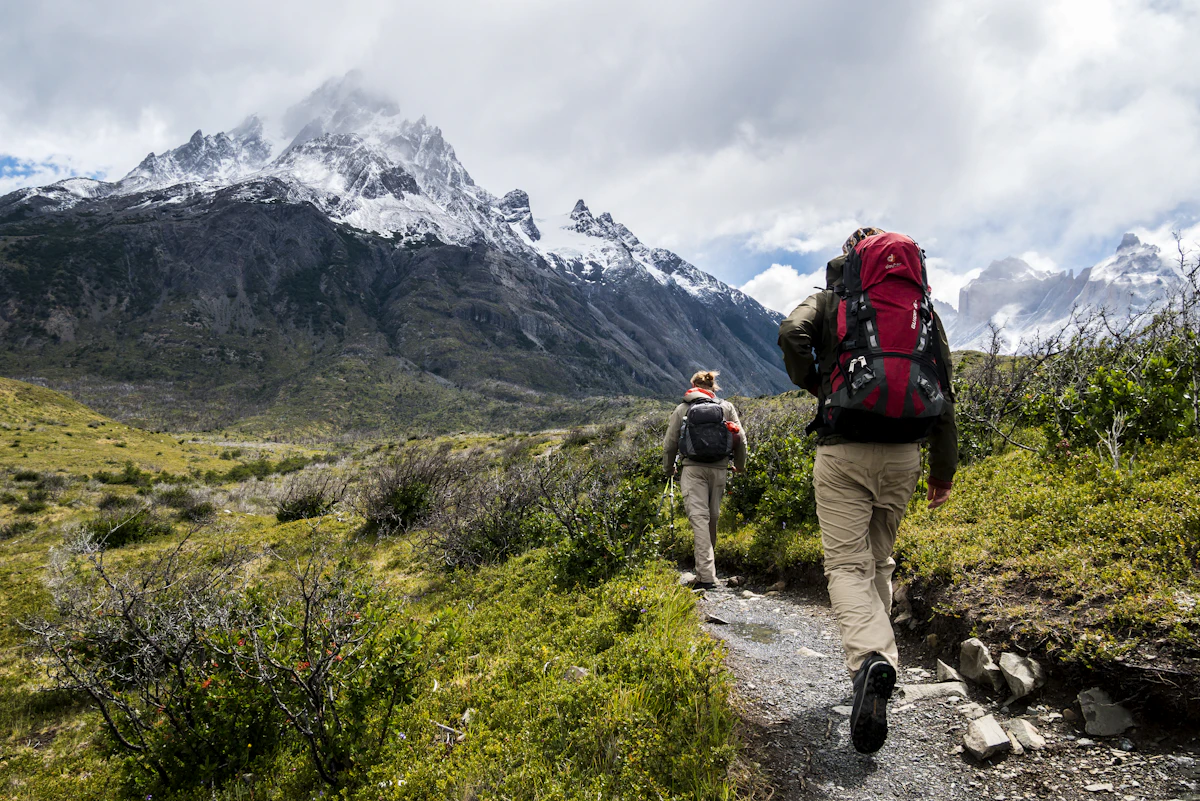
Outdoor backpack manufacturing represents one of the most technically demanding categories in the bags and luggage industry. Unlike casual or fashion-oriented backpacks, outdoor products must perform reliably in environments that range from extreme cold and wet conditions to abrasive desert landscapes and high-altitude mountain terrain. The engineering precision required to create outdoor backpacks that protect gear, distribute weight effectively, and withstand punishing use over many seasons separates successful manufacturers from those who cannot meet the performance expectations of serious outdoor enthusiasts and the brands that serve them.
The outdoor backpack market has experienced steady growth driven by increasing participation in hiking, mountaineering, backpacking, and trail running activities worldwide. Global participation in outdoor recreation has grown by over 20 percent since 2020, creating expanding demand for high-performance carry solutions that address diverse activity requirements. For B2B buyers and brand owners, the outdoor category offers strong margins, loyal customer bases, and opportunities for meaningful product differentiation through technical innovation.
This comprehensive technical guide covers every critical aspect of outdoor backpack manufacturing, from material science and frame engineering to load distribution systems, weatherproofing technologies, and quality testing protocols. Whether you are developing a new ultralight thru-hiking pack or a heavy-duty expedition backpack, this guide provides the technical foundation needed to create products that perform at the highest levels while meeting the commercial requirements of successful product lines.
Market Overview: The Outdoor Backpack Segment
The outdoor backpack market encompasses several distinct subcategories, each with unique technical requirements, price expectations, and manufacturing considerations. Understanding these subcategories is essential for developing products that meet specific performance needs while remaining commercially viable.
Activity-Based Segmentation
Outdoor backpacks are primarily segmented by the activities they serve, with each activity imposing distinct design requirements that drive material selection, construction methods, and feature configurations. Day hiking packs ranging from 20 to 35 liters prioritize lightweight construction and accessibility. Multi-day backpacking packs in the 40 to 65 liter range balance capacity, comfort, and weight for extended wilderness travel. Mountaineering and alpine packs emphasize durability, attachment systems for technical equipment, and compatibility with helmet and harness use. Ultralight packs target gram-conscious thru-hikers willing to sacrifice comfort features for weight savings. Approach packs serve climbers needing durable construction with technical gear attachment options.
Price Architecture and Manufacturing Cost
Outdoor backpacks span a broad price range reflecting diverse quality levels and feature sets. Entry-level packs priced from 50 to 100 USD serve casual outdoor participants with basic performance expectations. Mid-range products from 100 to 200 USD offer enhanced materials, improved suspension systems, and greater feature integration. Premium packs from 200 to 400 USD incorporate advanced materials, sophisticated load transfer systems, and technical features for demanding applications. Professional-grade expedition packs exceeding 400 USD represent the pinnacle of outdoor pack engineering with specialized features for extreme environments. Understanding these price tiers helps manufacturers allocate cost appropriately across materials, labor, and features for each product position.
Technical Materials for Outdoor Backpack Manufacturing
Material selection for outdoor backpacks demands a rigorous balance between weight, durability, water resistance, and cost. The technical performance of materials directly determines product capability in real-world conditions and defines the price positioning achievable in the market.
High-Performance Nylon Fabrics
The exterior shell of outdoor backpacks is constructed from technical nylon fabrics selected for their specific performance characteristics. Ripstop nylon in 100D to 300D denier weights provides excellent tear resistance at minimal weight, making it the preferred choice for ultralight and lightweight pack categories. Higher denier fabrics in the 420D to 840D range offer enhanced abrasion resistance for packs designed for rough use in alpine and brush-heavy environments. Specialty fabrics including Dyneema composite fabric, formerly known as Cuben Fiber, provide exceptional strength-to-weight ratios for premium ultralight applications, though at significantly higher material costs that position finished products in premium price tiers.
| Fabric Type | Weight (oz/sq yd) | Key Properties | Best Application |
|---|---|---|---|
| Ripstop Nylon 70D | 1.1-1.5 | Lightweight, good tear resistance | Ultralight packs |
| Ripstop Nylon 210D | 2.5-3.5 | Balanced weight and durability | Lightweight day packs |
| Cordura 500D | 5.0-6.5 | Excellent abrasion resistance | Multi-day packs |
| Cordura 1000D | 9.0-11 | Maximum durability | Expedition packs |
| Dyneema Composite | 0.5-1.8 | Exceptional strength-to-weight | Premium ultralight |
Waterproof and Water-Resistant Technologies
Weather protection in outdoor backpacks is achieved through multiple complementary technologies rather than a single solution. Durable water repellent treatments applied to exterior fabrics cause water to bead and roll off the surface, providing first-line protection during light precipitation. Polyurethane or silicone coatings applied to fabric interiors create waterproof barriers that prevent moisture penetration even during sustained rain exposure. Seam sealing using tape or liquid sealants addresses the vulnerability created by needle holes during sewing. Waterproof zippers with protective flaps or aquaguard designs prevent water entry through closure systems. Many manufacturers combine multiple approaches to achieve the weather protection levels that outdoor consumers expect.

Frame Systems and Load Transfer Engineering
The frame system is the engineering heart of any outdoor backpack, responsible for transferring load weight from the shoulder straps to the hip belt where the body strongest muscles can support it effectively. Frame design decisions have the greatest impact on carrying comfort, especially under heavy loads exceeding 15 kilograms.
Internal Frame Technologies
Modern outdoor backpacks predominantly use internal frame designs that keep the load close to the wearer center of gravity for improved balance on technical terrain. Internal frames employ several construction approaches. Aluminum stays in flat or V-shaped configurations provide rigid load transfer while allowing some flexibility for natural body movement. Framesheet designs using molded polyethylene or carbon fiber distribute load across a broader back panel area, reducing pressure points. Twin aluminum stay systems with adjustable curvature allow personalized fit tuning for different body types. The choice of frame technology depends on target load range, intended use, weight targets, and price positioning of the product.
Hip Belt Engineering
The hip belt serves as the primary load-bearing interface in outdoor backpacks, transferring 60 to 80 percent of pack weight to the skeletal structure of the pelvis. Effective hip belt design requires careful attention to padding geometry, structural rigidity, and adjustability. Multi-density foam constructions use firm foam for load transfer and soft foam for comfort against the body. Molded hip belts with integrated framesheet connections provide efficient load transfer while maintaining flexibility for comfortable movement. Adjustable hip belt angle systems accommodate different torso-to-hip proportions, ensuring effective load transfer across diverse body types.
Back Panel Ventilation Design
Back panel ventilation has become a critical comfort feature in outdoor backpack design, addressing the heat and moisture buildup that causes discomfort during sustained aerobic activity. Tensioned mesh back panels create an air space between the pack and wearer back, enabling convective cooling that significantly reduces heat buildup. Channel-cut foam designs create airflow paths while maintaining direct back contact for improved load stability. Hybrid designs combine mesh ventilation zones with direct-contact foam areas to balance cooling performance with load transfer efficiency.
Manufacturing Processes for Technical Outdoor Packs
Manufacturing outdoor backpacks to technical performance standards requires precision construction methods that differ significantly from casual or fashion backpack production. The demands of outdoor use leave no room for construction shortcuts that might compromise structural integrity or weather resistance.
Seam Construction and Sealing
Seam construction in outdoor backpacks requires specialized techniques that ensure both structural integrity and weather protection. Bar-tack reinforcement at stress points including strap attachment points, compression strap anchors, and load lifter connections prevents failure under heavy loads. Seam sealing using heat-activated tape applied to interior seams prevents water penetration through needle holes. Double and triple needle construction on load-bearing seams provides redundancy that prevents catastrophic failure if individual stitches are compromised. These techniques require skilled operators and quality inspection protocols that verify every critical seam meets specifications.
Production Facility Capabilities
Technical outdoor backpack manufacturing requires specialized equipment and facility capabilities. Computer-controlled cutting systems ensure precise pattern pieces that assemble into dimensionally accurate products. Heavy-duty sewing machines capable of handling multiple layers of technical fabric and webbing are essential for structural seam construction. Ultrasonic welding equipment enables seam joining without needle holes for waterproof applications. Quality testing equipment including tensile testers, hydrostatic pressure testers, and zipper cycle machines support in-process quality verification. Our 15,000 square meter facility in Quanzhou maintains comprehensive outdoor pack manufacturing capabilities across eight production lines staffed by over 200 skilled operators.

Quality Testing and Performance Standards
Outdoor backpacks must meet rigorous performance standards to deliver reliable function in demanding environments. Quality testing protocols verify that products meet specifications for durability, weather resistance, and structural integrity before reaching consumers.
Load Testing and Durability Verification
Structural load testing verifies that backpack components withstand forces encountered during real-world use. Strap pull tests apply loads of 50 to 100 pounds to shoulder straps and hip belts, verifying attachment security without distortion or failure. Dynamic drop tests simulate the forces generated when loaded packs are set down forcefully, testing frame integrity and attachment point security. Abrasion testing using standardized methods evaluates fabric and webbing resistance to wear from rough surfaces and repeated contact. These tests are conducted on production samples at regular intervals to ensure consistent quality across manufacturing runs.
Weather Resistance Testing
Weather resistance testing evaluates the effectiveness of waterproofing systems under controlled conditions. Hydrostatic pressure testing measures the water column height that coated fabrics can withstand before moisture penetrates. Rain room testing exposes finished packs to simulated rainfall while monitoring interior moisture levels. Zipper function testing after water exposure verifies that waterproof zippers maintain sealing effectiveness. These protocols ensure that outdoor backpacks deliver the weather protection that consumers depend on in challenging conditions.
Customization and OEM Manufacturing Options
Outdoor backpack brands require manufacturing partners who can deliver both technical performance and distinctive product identity. Customization options for outdoor packs span material selection, frame design, feature configuration, and brand integration.
Technical Feature Customization
Outdoor backpacks offer extensive customization opportunities across feature sets that differentiate products within competitive markets. Custom pocket configurations tailored to specific activities such as hydration sleeve integration, avalanche tool pockets, or rope carrying systems create activity-specific products. Compression system designs ranging from simple side straps to complex load-adjustable configurations provide product differentiation. Attachment options including ice axe loops, trekking pole holders, helmet carriers, and gear loops can be configured in unlimited combinations to create distinctive product offerings.
Material Specification Flexibility
Outdoor backpack material specifications can be tailored to balance performance requirements with cost targets across product line tiers. Brand partners can specify different fabric deniers, waterproofing treatments, and foam densities to create good-better-best product hierarchies that serve multiple market segments. Our supply chain relationships with leading technical fabric suppliers enable sourcing of materials from Invista, Toray, and specialty mills worldwide, ensuring access to the latest fabric technologies regardless of order volume.
Sustainability in Outdoor Pack Manufacturing
The outdoor industry has been a leader in sustainability adoption, with consumers who spend time in natural environments showing strong preference for environmentally responsible products. Manufacturers serving this market must demonstrate genuine sustainability commitments supported by verifiable actions.
Recycled Material Integration
Recycled materials have achieved mainstream adoption in outdoor backpack manufacturing, with recycled nylon and polyester now available in technical specifications that match virgin material performance. Solution-dyed recycled fabrics reduce water consumption and chemical use during production. Recycled foam from manufacturing scrap finds application in non-critical padding applications. These recycled material options enable brands to deliver authentic sustainability stories without compromising technical performance.
PFC-Free Water Repellent Treatments
The outdoor industry is actively transitioning from perfluorinated chemical-based water repellent treatments to PFC-free alternatives that eliminate persistent environmental contaminants. Plant-based and silicone-based DWR treatments now achieve water repellency performance approaching traditional PFC treatments while eliminating the environmental persistence concerns that have driven regulatory action and consumer concern.
Pocket Architecture and Gear Organization Systems
The organizational design of outdoor backpacks directly impacts user experience in wilderness environments where access to specific gear items can be critical for safety and efficiency. Pocket architecture must balance the competing demands of secure storage, accessible organization, and weight minimization while accommodating the diverse gear requirements of outdoor activities. Effective organizational design requires understanding how users interact with their equipment in real-world conditions, from the frequency of access needed for different items to the environmental conditions that influence access requirements.
Compartment Configuration Strategies
Outdoor backpack compartment design follows several established patterns, each with distinct advantages for different use scenarios. Top-loading designs with single main compartments minimize weight and maximize packing flexibility, favored by ultralight enthusiasts who value simplicity. Panel-loading designs with full-length front zippers provide complete access to main compartment contents without unpacking from the top, preferred by backpackers who carry diverse gear and need organized access. Hybrid designs combine top-loading access for frequently used items with panel access for complete pack contents. Bottom compartments with sleeping bag access via external zippers separate bulky items from the main compartment while providing dedicated access without disturbing the main pack organization.
Specialized Feature Integration
Modern outdoor backpacks incorporate numerous specialized features that address specific gear carrying needs while adding product differentiation. Hydration compatibility including internal sleeve design, tube routing ports, and magnetic bite valve attachments has become standard for packs above 20 liters. Trekking pole attachment systems ranging from simple elastic keepers to dedicated shock cord and hook systems provide secure external storage. Ice axe loops, compression straps configured for gear carry, and helmet attachment systems address technical activity requirements. Each added feature increases manufacturing complexity and cost, requiring manufacturers to balance feature integration with price positioning targets across product line tiers.
Ergonomic Design Principles for Extended Carry Comfort
Ergonomic design in outdoor backpacks extends beyond basic shoulder strap comfort to encompass the complete interaction between pack and body during sustained physical activity. The best outdoor backpack designs account for body biomechanics, heat management, and movement patterns that vary across different activities and individual body types.
Shoulder Strap Design and Load Lifter Integration
Shoulder strap design directly affects comfort during extended carrying periods. Contoured straps that follow the shoulder curvature distribute pressure across a broader area, reducing fatigue during long carrying sessions. Multi-density foam constructions use firm foam near the attachment points for load support and softer foam against the body for comfort. Load lifter straps connecting the top of shoulder straps to the frame at approximately 45-degree angles pull the pack close to the upper back, improving load transfer and reducing shoulder pressure. Sternum straps with adjustable height positioning stabilize shoulder straps and prevent lateral movement during dynamic activities such as scrambling or trail running.
Torso Length Adjustment Systems
One-size-fits-all approaches to torso length fail to accommodate the significant variation in human body proportions that affects pack fit and comfort. Adjustable torso length systems using hook-and-loop attachments, sliding ladders, or interchangeable harness components enable single-pack designs to fit torso lengths ranging from 16 to 22 inches effectively. Size-specific harness systems offering small, medium, and large options provide more precise fit but increase inventory complexity and manufacturing requirements. The optimal approach depends on product positioning, with premium products typically offering size-specific options and mid-range products providing adjustable systems that balance fit precision with inventory efficiency.
Innovation Trends Shaping Future Outdoor Backpack Design
The outdoor backpack manufacturing industry continues to evolve through material innovation, manufacturing technology advancement, and evolving consumer requirements. Understanding emerging trends helps manufacturers and brand partners anticipate market shifts and invest in capabilities that position them for future success.
Weight Reduction Through Advanced Materials
Weight reduction remains the primary innovation driver in outdoor backpack design, with manufacturers continuously seeking materials and construction methods that reduce pack weight without compromising durability. Ultra-high-molecular-weight polyethylene fabrics offer exceptional strength at minimal weight, enabling pack bodies that weigh 50 percent less than conventional nylon alternatives. Carbon fiber frame components provide rigid load transfer at weights significantly below traditional aluminum stays. Laser-cut construction techniques eliminate seam overlap material while maintaining structural integrity. These innovations create performance advantages that justify premium pricing while pushing the boundaries of what is achievable in outdoor pack design.
Smart Integration and Electronic Features
Technology integration in outdoor backpacks is expanding beyond simple charging ports to encompass navigation assistance, safety features, and environmental monitoring. Integrated GPS modules, emergency beacons, and solar charging panels address safety needs for backcountry users. Weight sensors that connect to smartphone applications provide real-time load monitoring for thru-hikers managing base weight targets. While still emerging, these smart features represent opportunities for meaningful product differentiation in competitive outdoor backpack markets.
FAQ: Outdoor Backpack Manufacturing
What materials are best for outdoor backpack manufacturing?
The best materials depend on the specific application. Ripstop nylon from 70D to 210D suits ultralight and lightweight packs. Cordura nylon from 500D to 1000D provides maximum durability for expedition use. Dyneema composite fabric offers the best strength-to-weight ratio for premium ultralight applications. The optimal choice balances weight targets, durability requirements, and price positioning.
How important is frame design in outdoor backpack performance?
Frame design is the single most important engineering factor in outdoor backpack performance. The frame system determines how effectively load weight transfers from shoulders to hips, directly impacting comfort under heavy loads. Internal frames using aluminum stays or molded framesheets are standard for packs carrying loads above 10 kilograms, with design choices balancing load transfer efficiency, flexibility, and weight.
What testing standards apply to outdoor backpack manufacturing?
Key testing standards include strap pull testing to 50-100 pounds, zipper cycle testing for 1000+ cycles, fabric abrasion resistance testing, hydrostatic pressure testing for waterproof fabrics, and dynamic load testing for frame systems. Third-party testing laboratories such as SGS, Intertek, and Bureau Veritas provide accredited testing services for outdoor pack manufacturers.
What is the minimum order quantity for custom outdoor backpacks?
Standard MOQs for custom outdoor backpacks range from 300 to 500 pieces per design per color. Junyuan Bags maintains a 300-piece minimum per design, accommodating both emerging outdoor brands establishing their product lines and established manufacturers expanding their ranges with new designs.
How do sustainable materials compare in performance for outdoor packs?
Modern recycled materials match virgin material performance in most technical applications. Recycled nylon and polyester achieve equivalent tensile strength, abrasion resistance, and water repellency when processed to technical specifications. PFC-free water repellent treatments now approach the performance of traditional PFC-based treatments while eliminating environmental persistence concerns.
Related Resources: Explore luxury backpack collection, outdoor backpack solutions, business backpack solutions, casual backpack range, full product range, waterproof fabric technology, ballistic nylon vs Cordura, custom backpack manufacturing, travel backpack range, tech backpack solutions. Visit about us, contact us, or request a quote.
Ready to Start Your Custom Backpack Project?
Contact Junyuan Bags for OEM/ODM manufacturing solutions.
Email: service@junyuanbags.com
WhatsApp: +86 177 5002 0688