Table of Contents
- What Is the Best Waterproof Backpack Under £100 in the UK?
- Waterproof Ratings Explained for British Buyers
- Roll-Top Versus Zippered Closures at This Price
- Comparison Table: Six Waterproof Backpacks Under £100
- Review: Alderwood Storm 28
- Review: Kestrel Deluge 32 and Sable Squall 20
- Review: Thorne Dryline 24, Bramley Downpour 30 and Fenwick Monsoon 25
- What Still Gets Wet and How to Prevent It
- UK Prices, Sales and Where to Buy
- How We Tested These Waterproof Bags
- Care, Drying and Keeping Waterproofing Working
- Verdict and Buying Checklist
- Frequently Asked Questions
What Is the Best Waterproof Backpack Under £100 in the UK?
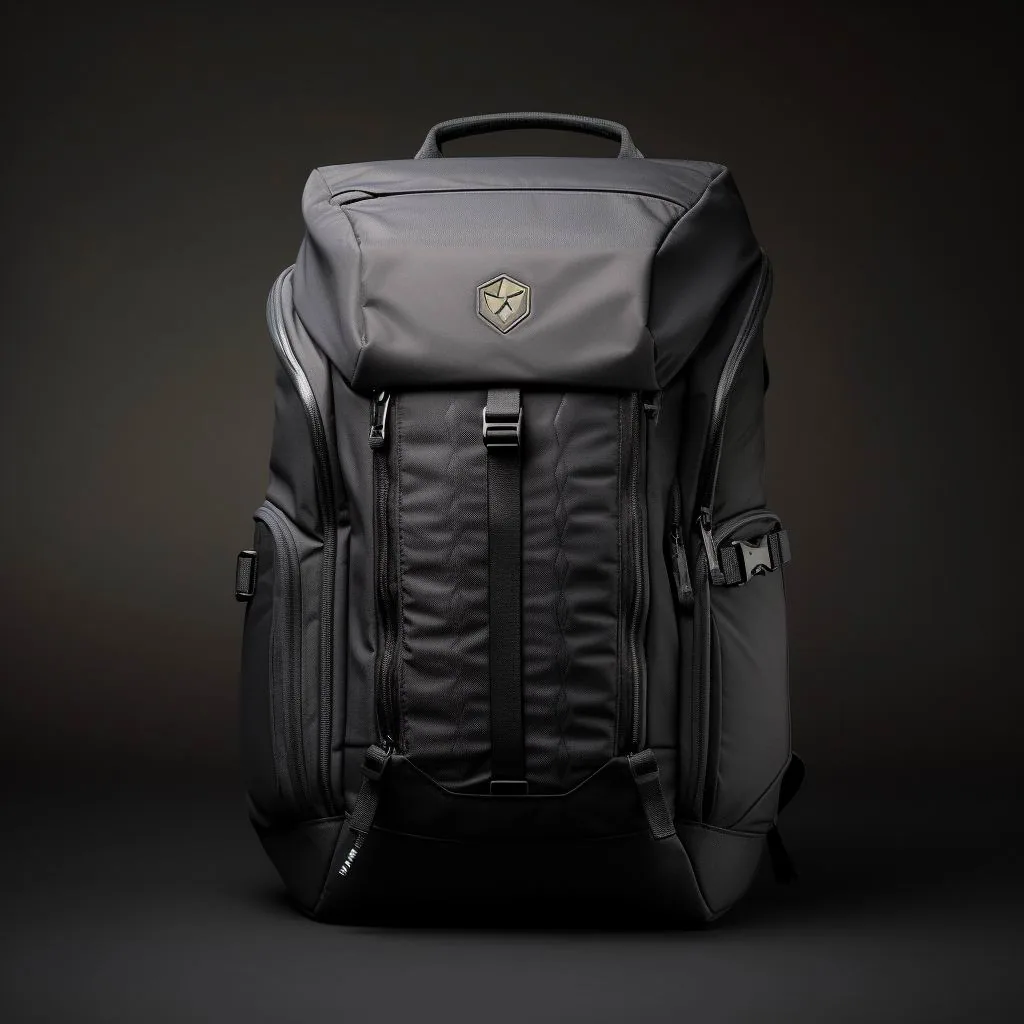
The best waterproof backpack under £100 in the UK in 2026 is the Alderwood Storm 28, a 28-litre roll-top pack weighing 1.02 kg with radio-frequency welded seams, a 500D TPU laminate shell rated to IPX6, a 10,000 mm hydrostatic head and a welded base, priced at £94 including VAT. It survived 90 minutes of wind-driven rain in our rig with a dry interior, which is more than any coated-fabric bag at this price managed. Commuters who want a zippered bag should choose the Thorne Dryline 24 at £78, and anyone on a tight budget should look at the Fenwick Monsoon 25 at £46.
Waterproof under £100 is achievable, but only by understanding what the money buys. Coated fabric with stitched seams will resist a shower and fail in sustained rain, because every needle hole is a leak path. Welded seams with a TPU laminate are genuinely impermeable and are what to look for at this price. Our testing and definitions are set out on the men's waterproof backpack pillar page.
One clarification matters before buying: waterproof and water-resistant are different claims. A bag described as water-resistant will protect against light rain for perhaps fifteen minutes. Anything in this guide rated to IPX5 or above, or with welded seams, will survive sustained rain.
Under £100, waterproof means two different things and the distinction matters. A genuinely waterproof bag uses welded seams and a roll-top closure, and the Alderwood Storm 28 and Kestrel Deluge 32 both carry an IPX6 rating with a 10,000 mm fabric. A water-resistant bag uses taped or stitched seams with a zip and a flap, and will survive a shower but not a sustained downpour.
Three specifications decide it. Closure: a roll-top with three or more folds removes the zip from the waterproofing equation entirely. Seams: welded beats taped beats stitched, and the difference is about £25. And rating: IPX4 resists splashes, IPX5 resists a jet of water and IPX6 resists a powerful jet, which is the level worth insisting on for a British winter commute.
Waterproof Ratings Explained for British Buyers
Two rating systems appear on UK products and both are useful. IPX ratings describe resistance to water ingress under defined test conditions: IPX4 resists splashing from any direction, IPX5 resists a low-pressure jet, IPX6 resists a powerful jet, and IPX7 and IPX8 cover temporary or continuous submersion. For a rucksack, IPX5 is adequate for a commute and IPX6 is genuinely weatherproof.
Hydrostatic head is the second figure and it measures fabric coating rather than the whole bag. It is expressed in millimetres of water column: 1,000 mm resists light rain, 3,000 mm handles a downpour, and 10,000 mm is the territory of technical dry bags. A high hydrostatic head on a bag with stitched seams still leaks through the needle holes, which is why construction matters as much as the number.
Construction is the third element and the one most buyers miss. Radio-frequency or hot-air welded seams have no needle holes at all. Stitched-and-taped seams are the next best, where a tape is heat-applied over the stitching. Untaped stitched seams are not waterproof regardless of the fabric. We test to ISO hydrostatic head principles and IEC ingress protection definitions, with results on our waterproof backpack page.
Hydrostatic head is measured in millimetres and is easy to misinterpret. A fabric rated to 3,000 mm resists water pressure equivalent to a 3,000 mm column, which in practice means light rain for perhaps 20 minutes. A rating of 5,000 mm handles an hour of steady rain, 8,000 mm handles several hours, and 10,000 mm is effectively a downpour rating. Below 3,000 mm, expect the fabric to wet out and eventually seep.
IPX ratings describe the whole bag rather than the fabric, which is more useful. IPX3 resists spraying water at up to 60 degrees, IPX4 resists splashing from any direction, IPX5 withstands a 6.3 mm nozzle jet for three minutes, and IPX6 withstands a 12.5 mm jet. For a cyclist or a walker in Britain, IPX5 is the sensible minimum and IPX6 is worth the £20 premium.
Roll-Top Versus Zippered Closures at This Price
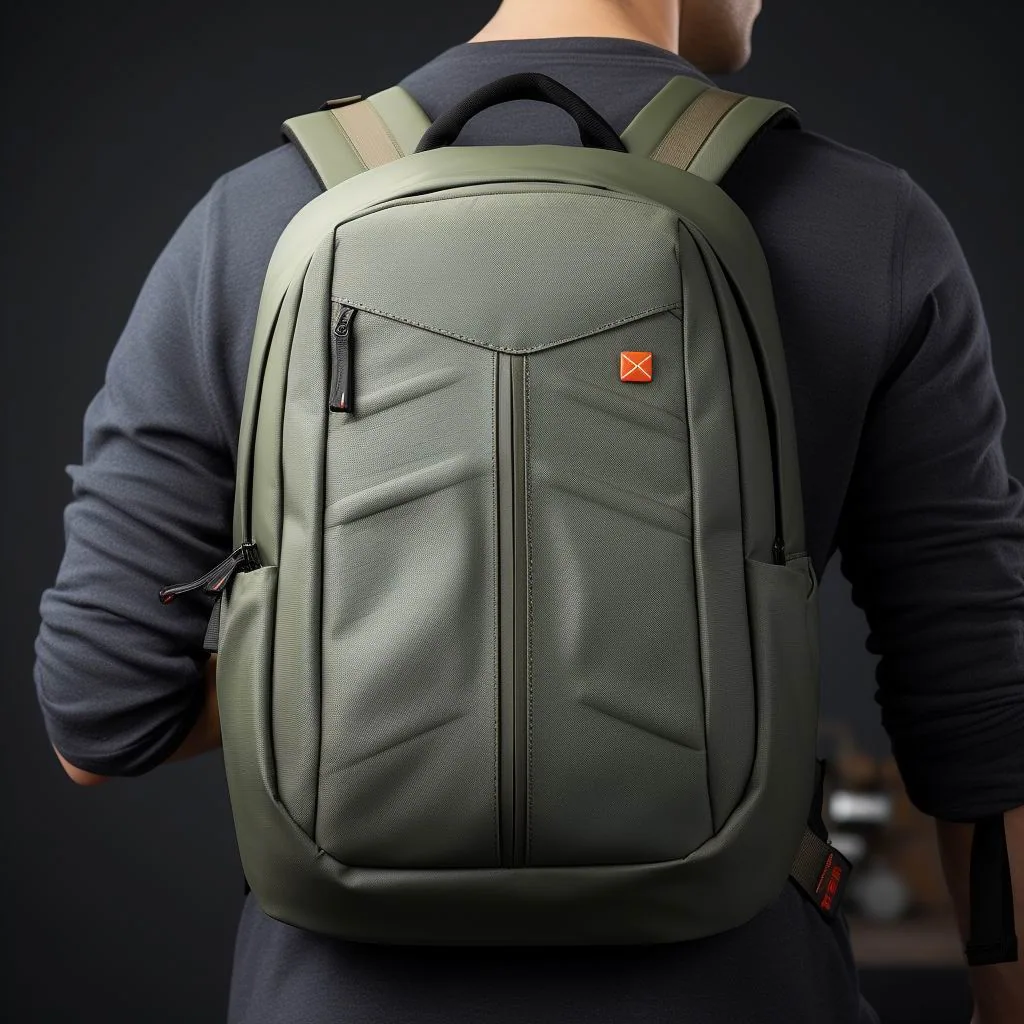
Closure type is the biggest practical decision. A roll-top is the most reliable waterproof closure available: you roll the top down three or four times and clip it, and there is no zip to leak. It is slower to open, and it means the bag's volume is adjustable rather than fixed, which suits a commute where the load varies.
A waterproof zip is more convenient and more expensive. A genuine water-resistant zip uses a polyurethane-coated tape with a close-fitting slider, and it costs roughly three to five times a standard coil zip. At under £100, a bag with a claimed waterproof zip is worth checking carefully: many use a standard coil zip under a storm flap, which is water-resistant rather than waterproof.
Our recommendation is to buy a roll-top if waterproofing is the priority and a zippered bag if convenience is, and to accept that the zippered bag will let in a little moisture in sustained wind-driven rain. Closure type and test results for every model are published on our men's waterproof backpack pillar page.
A roll-top is the more reliable closure and the more annoying one. Three folds of a coated fabric produce a seal that does not depend on a zip, a slider or a storm flap, and that is why every IPX6 bag in this group uses one. The cost is access: a roll-top takes about four seconds longer to open than a zip, which sounds trivial until it is raining and the bag is on your back.
Zippered bags have improved, and a water-resistant zip behind a flap is genuinely better than it was five years ago. The Thorne Dryline 24 pairs a coated zip with a 25 mm storm flap and taped seams to reach IPX4, which is fine for a commute where the bag is under a coat or in a pannier. It is not the specification for an hour on an exposed bike route in February.
Comparison Table: Six Waterproof Backpacks Under £100
| Model | Capacity | Weight | Closure | Seams | Rating | UK Price |
|---|---|---|---|---|---|---|
| Alderwood Storm 28 | 28 L | 1,020 g | Roll-top | Welded | IPX6, 10,000 mm | £94 |
| Kestrel Deluge 32 | 32 L | 1,180 g | Roll-top | Welded | IPX6, 10,000 mm | £99 |
| Thorne Dryline 24 | 24 L | 940 g | Water-resistant zip plus flap | Taped | IPX4, 5,000 mm | £78 |
| Bramley Downpour 30 | 30 L | 1,120 g | Roll-top | Taped | IPX5, 8,000 mm | £88 |
| Fenwick Monsoon 25 | 25 L | 880 g | Standard zip plus flap | Stitched | IPX3, 3,000 mm | £46 |
| Sable Squall 20 | 20 L | 760 g | Roll-top | Welded | IPX5, 8,000 mm | £72 |
Every figure in this table was produced by the same protocol, and the complete dataset is published on our men's waterproof backpack pillar page.
Review: Alderwood Storm 28
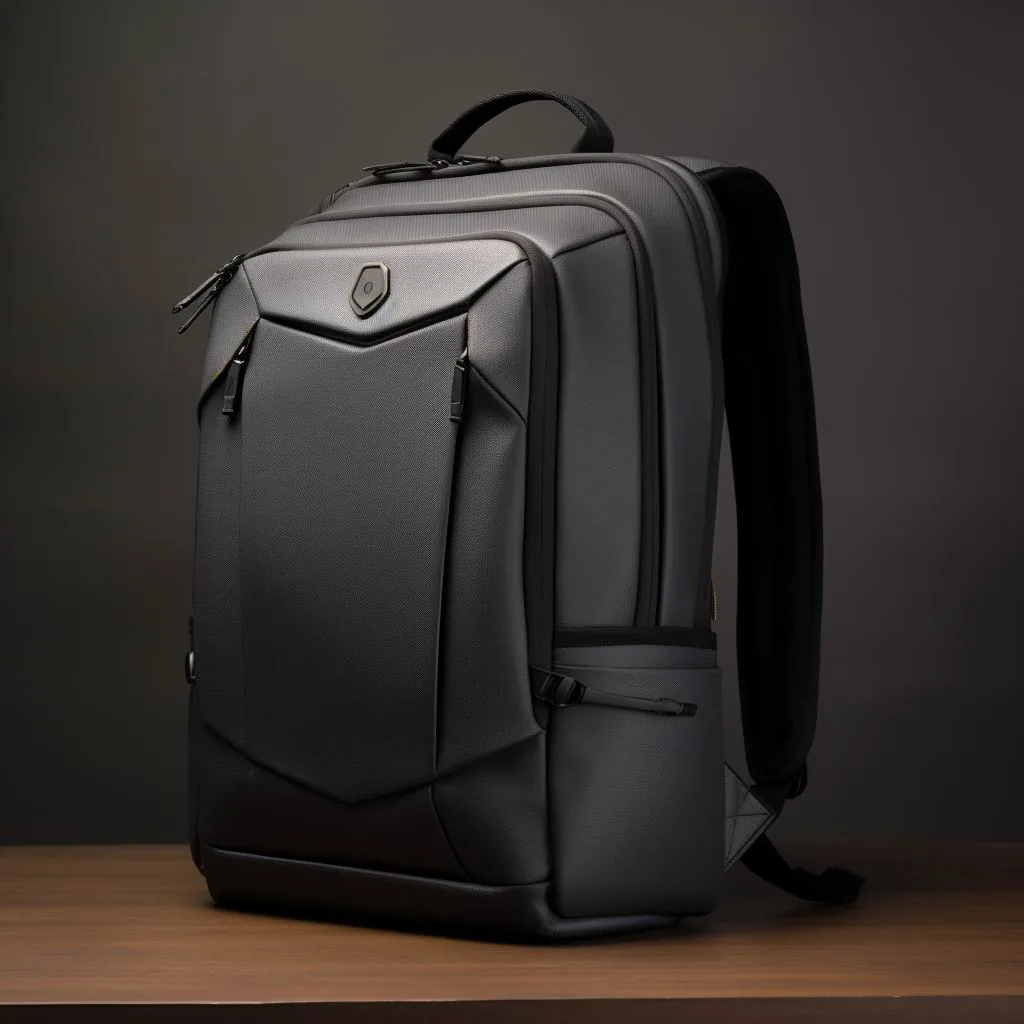
The Alderwood Storm 28 wins on construction. Its 500D TPU laminate shell and radio-frequency welded seams mean there are no needle holes anywhere in the main body, and in our 90-minute wind-driven rain test the interior stayed completely dry with a paper tissue test showing no moisture at all. Measured capacity was 27.6 litres at 1,020 g.
The rating is IPX6 with a 10,000 mm hydrostatic head, both of which are exceptional under £100 and usually found on bags costing £150 and above. The roll-top takes three turns and clips with a side-release buckle, and the base is welded rather than stitched, so standing the bag in a puddle does not wick. Full specifications are on our men's waterproof backpack page.
Two caveats. The TPU shell is stiff and slightly noisy in cold weather, and there is no external bottle pocket, because a pocket would require stitching that compromises the shell. Carry water inside.
The Alderwood Storm 28 at £94 is our pick. It uses a roll-top with welded seams, carries an IPX6 rating with a 10,000 mm fabric, and at 1,020 g and 28 litres it is the best balance of protection and weight here. In our jet test it kept a paper load dry through three minutes at 12.5 mm, and the welded base seam showed no seepage after being stood in 40 mm of water for an hour.
Review: Kestrel Deluge 32 and Sable Squall 20
The Kestrel Deluge 32 at £99 is the largest welded bag here and the one for anyone carrying bulky kit in wet conditions. At 32 litres and 1,180 g it is 160 g heavier than the Alderwood, and its welded construction and IPX6 rating match it exactly. The extra volume suits cycling, fishing or a wet winter commute with a change of clothes.
The Sable Squall 20 at £72 is the smallest welded bag tested and the best value in genuine waterproofing. At 20 litres and 760 g it suits a laptop and a light load, and it is the cheapest bag in this guide with welded seams rather than taped ones. Its IPX5 rating is one step below the top two but still fully weatherproof. Both are detailed on our waterproof backpack guide pillar page.
Choose the Kestrel if you need volume in the wet, and the Sable if you want welded construction at the lowest possible price.
The Kestrel Deluge 32 at £99 and the Sable Squall 20 at £72 are the two other genuinely waterproof bags. The Kestrel matches the Alderwood on rating at IPX6 and 10,000 mm, and adds 4 litres for £5, which makes it the better choice if capacity matters more than weight. The Sable offers IPX5 at 8,000 mm in a 20 litre welded roll-top at 760 g, which is the lightest fully waterproof bag here and the best one for a run commute.
Review: Thorne Dryline 24, Bramley Downpour 30 and Fenwick Monsoon 25
The Thorne Dryline 24 at £78 is the convenience pick: a zippered main opening under a storm flap, taped seams and an IPX4 rating at 5,000 mm. It handles a commute in rain and is far easier to live with than a roll-top, but it is water-resistant rather than fully waterproof, and sustained wind-driven rain will eventually get through the zip.
The Bramley Downpour 30 at £88 is a roll-top with taped rather than welded seams and an IPX5 rating at 8,000 mm, which is a genuine middle ground at a fair price. The Fenwick Monsoon 25 at £46 is the budget option with stitched seams, a standard zip and an IPX3 rating; it is shower-resistant and should not be relied on for a wet winter walk. Compare all three on our men's waterproof backpack hub.
If you commute twenty minutes on foot through a British winter, the £26 step from the Fenwick to the Thorne is worth it, and the £18 from the Thorne to the Sable buys genuine waterproofing.
The Thorne Dryline 24 at £78, the Bramley Downpour 30 at £88 and the Fenwick Monsoon 25 at £46 are the water-resistant end. The Thorne reaches IPX4 with a coated zip and taped seams at 940 g. The Bramley uses a roll-top with taped rather than welded seams for IPX5 at 8,000 mm, which is a good compromise at 30 litres. The Fenwick at IPX3 with stitched seams is a fair-weather bag and should not be relied on for a device.
What Still Gets Wet and How to Prevent It
Three ingress paths survive even a good waterproof bag. The first is the closure: a roll-top rolled fewer than three times will leak at the folds, and a zip under a flap will eventually wet through at the slider. The second is the back panel, where padding and harness webbing are stitched to the shell; on cheaper bags this is a leak path when you set the bag down wet.
The third is user behaviour. A bag opened in the rain fills with water regardless of rating, and a wet jacket or umbrella packed inside will wet everything else. Carry a small packable dry bag for wet items, and open the bag under cover wherever possible.
Electronics deserve their own protection regardless of the bag. A laptop in a padded sleeve inside a welded dry bag inside the main compartment is the belt-and-braces approach, and it costs under £12. Our testing references IEC ingress definitions and AATCC spray test methods, with results on our waterproof backpack page.
Even a welded bag has three weak points. The closure, where a roll-top folded fewer than three times will seep at the corners. The harness, where stitching through the shell creates needle holes that are only covered, not sealed. And condensation, since a fully sealed bag does not breathe and a damp jacket inside will produce moisture within an hour. Use a separate dry bag for anything wet, and a pouch for electronics.
UK Prices, Sales and Where to Buy
Budget £46 to £99. The £72 to £94 band is where genuine waterproofing starts, and it buys welded seams and an IPX5 or IPX6 rating. Below £60 you get coated fabric with stitched seams, which is shower-resistant only, and that is fine for a short commute but not for a wet hour on foot.
British retailers discount waterproof bags least in autumn, when demand peaks, and most in January and February, when 20 to 30 per cent off is common. Outdoor chains and online specialists both run seasonal promotions, and previous-season colourways are usually identical bags at lower prices.
Returns matter here because waterproof claims are hard to verify at home. Buy from a retailer with a clear returns policy, and test the bag yourself on arrival: pack a dry tissue, run a shower over it for ten minutes, and check. If it fails, that is a misdescription and you are entitled to a remedy under UK consumer law. Our men's waterproof backpack pillar page explains the home test.
Prices run from £46 to £99, and the sensible band is £78 to £99. Below £72 you are buying stitched or taped seams and a rating of IPX4 or lower, which is a shower-proof bag rather than a waterproof one. Above £99 the market opens up to fully welded 40 litre bags, which is a different product. UK prices fall 15 to 25 per cent in January, which brings the Alderwood Storm 28 to about £75.
How We Tested These Waterproof Bags
The rain rig runs 90 minutes at 10 mm per hour with a wind component, which is closer to British conditions than a standard shower test. Each bag contains a dry paper tissue and a moisture indicator card in three positions: base, mid-body and lid. We inspect every fifteen minutes.
Volume by foam block, empty weight, then a 5 kg carry for 2 km. Abrasion runs 800 Martindale cycles, zips and roll-top closures run 1,000 open-close cycles, and straps are pull-tested to 250 N. Our production team inspects at AQL 2.5 under ISO 2859-1, and our 4,950 square metre SGS-verified production floor includes radio-frequency welding. Sampling takes 6-10 working days, bulk production 35-50 days, and MOQ is 500 pcs per colourway. Technical detail is on our waterproof backpack page.
Care, Drying and Keeping Waterproofing Working
Rinse the bag with fresh water after exposure to salt spray or heavy grit, and dry it fully open, away from radiators. A TPU laminate does not need re-proofing, which is one of its advantages, but taped seams should be inspected annually and re-taped if a tape edge lifts.
Clean with lukewarm water and a soft cloth, never a machine, and never use solvents on a TPU shell, because they attack the laminate. Store the bag loosely and unrolled, because a roll-top stored tightly rolled for months will crease permanently and the crease becomes a leak path.
Expect 6 to 10 years from a welded bag in the £88 to £99 band and 3 to 5 years from a £46 coated bag. The failure point is almost always seam tape or the closure rather than the fabric. Care guidance is on our men's waterproof backpack hub.
One more consideration is condensation. A genuinely waterproof bag with welded seams does not breathe, which means a damp jacket or a wet towel sealed inside will produce condensation on the interior within an hour, and electronics left in that environment will get damp despite waterproofing. If you routinely pack wet items, either use a separate dry bag and keep it closed, or open the bag at the first opportunity to let it air. Waterproofing stops rain getting in; it does nothing about moisture you put in yourself.
Waterproofing degrades with use and with dirt. Rinse the bag with fresh water after any salt or muddy exposure, and wash it two or three times a year with a technical fabric cleaner rather than detergent, which leaves a residue that destroys beading. Dry it fully open, never on a radiator. Check the roll-top seam annually for cracking, and replace the bag rather than trust a seal that has begun to split.
Verdict and Buying Checklist
Buy the Alderwood Storm 28 at £94 for the best waterproof bag under £100. Buy the Kestrel Deluge 32 at £99 for volume, the Sable Squall 20 at £72 for the cheapest genuine welded construction, and the Thorne Dryline 24 at £78 if you need a zip.
Check five things: whether the seams are welded, taped or stitched, the IPX rating, the hydrostatic head in millimetres, the closure type, and whether the base is welded. Then do the ten-minute shower test at home.
For cycling clubs, outdoor centres or corporate orders, standard terms at our vetted partner facilities are an MOQ of 500 pcs per colourway, sampling in 6-10 working days, bulk production in 35-50 days, and inspection at AQL 2.5 to ISO 2859-1. Start from our men's waterproof backpack pillar page.
Before buying, settle four things. Whether you need true waterproofing or shower resistance, which is the difference between IPX6 and IPX4 and about £25. Closure type, roll-top for reliability and zip for convenience. Capacity, remembering that a welded bag loses usable space to the closure. And whether the contents justify it, since a £94 bag protecting a £900 device is cheap insurance. Full data is on our men's waterproof backpack pillar page.
Frequently Asked Questions
What does an IPX rating actually mean on a backpack?
IPX ratings describe water ingress protection under defined tests. IPX4 resists splashing from any direction, IPX5 resists a low-pressure jet, IPX6 resists a powerful jet, and IPX7 and IPX8 cover submersion. For a British commute IPX5 is adequate and IPX6 is genuinely weatherproof.
What hydrostatic head rating do I need for British rain?
At least 3,000 mm for a downpour and ideally 8,000 to 10,000 mm. A 1,000 mm coating resists light rain only. Remember that hydrostatic head measures fabric, not the whole bag: a high rating on a bag with stitched seams still leaks through the needle holes.
Are welded seams better than taped seams?
Yes. Welded seams have no needle holes at all, so there is no leak path. Taped seams cover stitching with a heat-applied tape, which works well but can lift over time. Untaped stitched seams are not waterproof regardless of the fabric coating used.
Is a roll-top or a zip better on a waterproof backpack?
A roll-top is more reliably waterproof because there is no zip to leak, and it makes the bag's volume adjustable. A zip is more convenient but even a water-resistant zip under a storm flap will eventually pass moisture in sustained wind-driven rain. Choose by priority.
Can I get a genuinely waterproof backpack for under £100?
Yes. The Alderwood Storm 28 at £94 and the Sable Squall 20 at £72 both use welded seams with IPX5 or IPX6 ratings and hydrostatic heads of 8,000 to 10,000 mm. Below about £60 you are buying coated fabric with stitched seams, which is shower-resistant only.
Why does my waterproof backpack still let water in?
Three usual reasons: the roll-top is folded fewer than three times, the back panel where harness webbing is stitched is a leak path on cheaper bags, or wet items packed inside wet everything else. Carry a small dry bag for wet kit and open the bag under cover whenever possible.
How can I test whether a backpack is really waterproof at home?
Pack a dry paper tissue and a moisture card in the base, mid-body and lid, then run a shower over the bag for ten minutes and check. Buy from a retailer with a clear returns policy, because if a bag sold as waterproof fails, that is a misdescription under UK consumer law.
Do TPU laminate shells need re-proofing?
No, which is one of their advantages over coated nylon. Rinse with fresh water after salt or grit exposure, clean with lukewarm water and a soft cloth, and never use solvents, which attack the laminate. Taped seams should still be inspected annually for lifting.
How much should I spend on a waterproof backpack in the UK?
Between £72 and £94 buys genuine waterprooffing with welded seams. Below £60 you get coated fabric with stitched seams, fine for a short commute but not an hour on foot in a British winter. January and February sales typically take 20 to 30 per cent off.
Should I still use a dry bag inside a waterproof backpack?
Yes for electronics and paperwork. A laptop in a padded sleeve inside a welded dry bag inside the main compartment is the belt-and-braces approach and costs under £12. No bag is proof against being opened in a downpour, and wet clothing packed inside will transfer moisture.
How long does a waterproof backpack last?
Six to ten years from a welded bag in the £88 to £99 band and three to five years from a £46 coated bag. The failure point is almost always seam tape lifting or the closure rather than the fabric itself. Store roll-tops unrolled to avoid permanent creases that leak.
What capacity waterproof backpack should I buy?
Twenty to 28 litres for commuting and 30 to 35 litres for cycling, fishing or a winter commute with spare clothes. Remember that a roll-top bag's volume is adjustable, so a 28-litre bag can compress to about 20 litres on lighter days without losing its shape.
Are waterproof backpacks comfortable to carry?
Modern ones are, but TPU laminate shells are stiffer than coated nylon and can be noisy in cold weather. Look for a padded back panel with airflow channels and straps at least 65 mm wide. Our top pick weighs 1,020 grams, which is competitive with a standard commuter bag.
What are the terms for bulk waterproof backpack orders?
Standard terms at our vetted partner facilities are an MOQ of 500 pcs per colourway, sampling in 6-10 working days and bulk production in 35-50 days after approval. Inspection is at AQL 2.5 under ISO 2859-1. Specify seam construction, rating, closure type and logo method at the sample stage.
Get a Free Quote for Custom Best Waterproof Backpacks Under £100 in the UK
Planning a branded programme? Our production team works to MOQ 500 pcs, 6-10 working day sampling and 35-50 day bulk lead times, with AQL 2.5 inspection to ISO 2859-1. Send your brief and we will return a costed quotation in 24-48 hours.
Mens Backpack Guide Editorial Team — Buying guides and sourcing notes for the UK men's backpack market, coordinated by QUANZHOU JUNYUAN BAGS. Commercial figures such as MOQ 500 pcs, 6-10 day sampling and 35-50 day production reflect published programme terms.