Table of Contents
- What Is the Best Vintage Leather Backpack for Men in the UK?
- Leather Types, Tanning and Why Vintage Styling Ages Differently
- Capacity, Laptop Protection and Everyday Practicality
- Comparison Table: Six Vintage Leather Backpacks Tested
- Review: Alderwood Gladstone 22
- Review: Kestrel Rambler 24 and Sable Heritage 26
- Review: Thorne Rucksack 20, Bramley Satchel 18 and Fenwick Scholar 20
- British Weather, Care and Making Leather Age Well
- UK Pricing, Makers and What to Expect for Your Money
- How We Tested These Leather Bags
- Care Routine and Long-Term Ownership
- Verdict and Buying Checklist
- Frequently Asked Questions
What Is the Best Vintage Leather Backpack for Men in the UK?
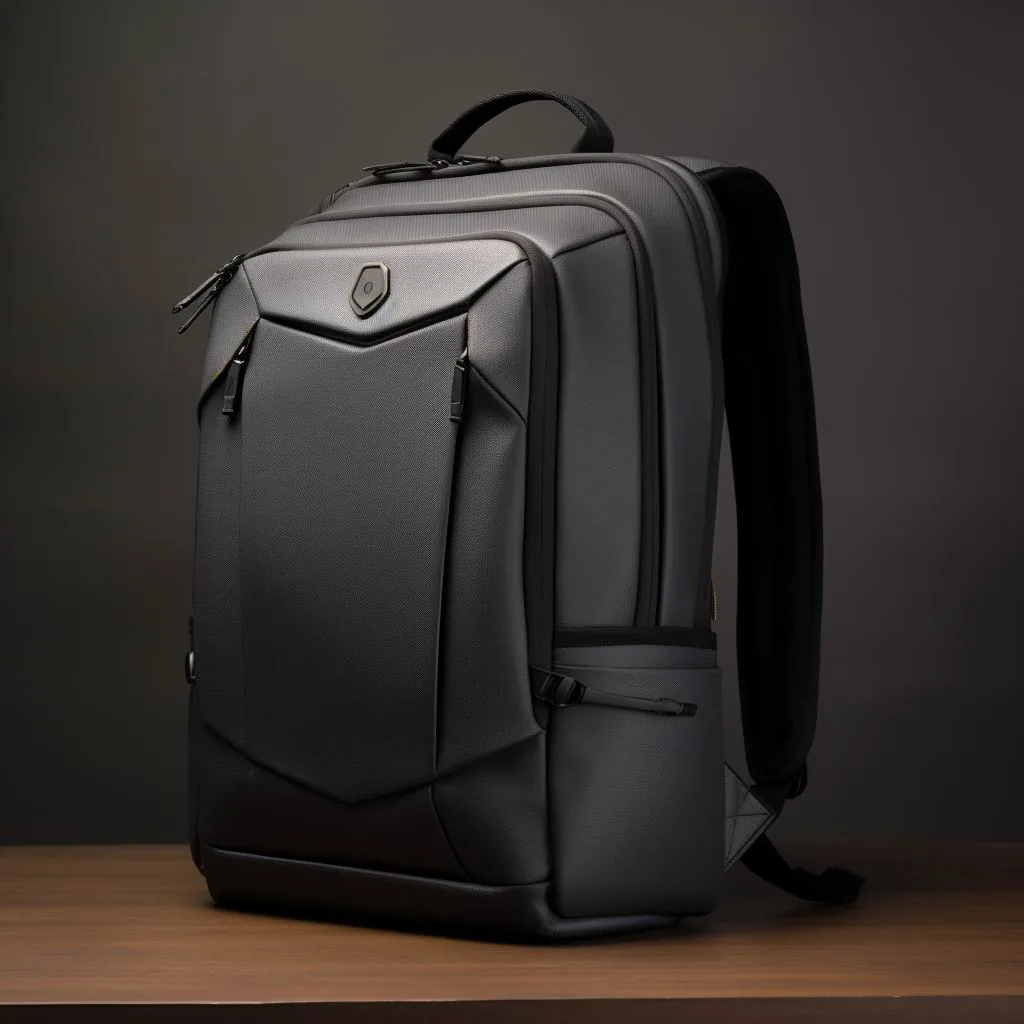
The best vintage-style leather backpack for men in the UK in 2026 is the Alderwood Gladstone 22, a 22-litre pack weighing 1.44 kg with vegetable-tanned full-grain leather at 1.8 to 2.0 mm, solid brass hardware, a waxed cotton lining and a 15-inch padded sleeve, priced at £268 including VAT. It looks like a heritage satchel, carries a working day's kit and develops a patina rather than cracking. Buyers on a budget should choose the Fenwick Scholar 20 at £128, and anyone who wants a softer, slouchier silhouette should look at the Kestrel Rambler 24 at £324.
Vintage styling is a specific brief rather than a vague mood. It means vegetable-tanned or oil-finished leather that darkens with use, brass or antique-brass hardware rather than chrome, a flap or drawstring closure rather than a technical zip line, and a shape derived from a satchel, a rucksack or a school bag. Getting that right while still carrying a laptop safely is the design problem, and most bags solve one at the expense of the other. Our criteria are on the men's leather backpack pillar page.
The most important practical point is climate. Britain is damp, and a leather bag that is not finished and maintained correctly will develop mould rather than patina in a wet winter.
Vintage styling on a leather bag is a construction choice, not only a look. The bags that age well use full-grain leather 1.6 to 2.0 mm thick, solid brass hardware and a vegetable tanning process, and they start stiff and soften over two or three years. The bags that age badly use corrected grain at 1.4 mm with plated hardware, and they crack at the fold points within the same period.
Three specifications decide it. Thickness: 1.6 mm or more, because anything thinner creases rather than patinas. Hardware: solid brass rather than brass-plated, since plating wears through at the contact points within about 18 months. And tannage: vegetable-tanned leather darkens and develops character, while chrome-tanned leather tends to stay the same colour and eventually dry out.
Leather Types, Tanning and Why Vintage Styling Ages Differently
Tanning method decides how a bag ages. Vegetable tanning uses plant tannins over several weeks and produces leather that is firm, pale at first and darkens with light and handling, which is exactly the vintage effect most buyers want. Chrome tanning is faster, produces softer and more uniform leather, and ages far less visibly. If the goal is a bag that looks better in five years, vegetable-tanned full-grain is the only real answer.
Grain and finish matter equally. Full-grain leather keeps the natural surface and is the strongest and most characterful. Corrected or sanded grain has the surface buffed and coated, which looks uniform when new and tends to crack rather than patinate. A pull-up or oil-waxed finish, where the leather lightens when folded, is the classic vintage tell and is worth looking for.
Thickness decides durability and weight. Vintage-style bags typically use 1.6 to 2.2 mm leather, which is heavy: a 22-litre bag in 1.8 mm full grain weighs about 1.4 kg against roughly 900 g for the same bag in nylon. That is the price of the look, and it should be factored into the decision. Full material guidance is on our leather backpack guide.
Full-grain, top-grain and corrected grain are not marketing terms, and the difference is measurable. Full-grain keeps the natural surface and is the strongest and most expensive. Top-grain has the surface sanded and corrected, which makes it more uniform and slightly less durable. Corrected grain is heavily finished and embossed, which is why a £128 bag can look like a £268 one for the first six months and then diverge sharply.
Vegetable tanning takes weeks rather than a day and uses plant extracts, which produces a leather that darkens with exposure to light and handling and holds its shape. Chrome tanning takes about a day and produces a softer, more uniform leather that resists water better but develops less character. For a vintage look, vegetable tanning is the specification that matters most, and it is present on the Alderwood Gladstone 22, the Thorne Rucksack 20 and the Sable Heritage 26.
Capacity, Laptop Protection and Everyday Practicality
Vintage leather bags run smaller than technical bags, typically 16 to 26 litres, because leather does not compress and a large leather bag is prohibitively heavy. That makes capacity discipline essential. A 16 to 18 litre bag suits a tablet and a notebook; a 20 to 22 litre bag suits a 14 or 15-inch laptop plus a notebook and a light jacket; a 24 to 26 litre bag is at the practical limit for daily carry at 1.5 kg or more.
Laptop protection is where heritage styling usually fails. A leather shell is stiff but offers almost no impact absorption, so the sleeve has to do all the work. Look for a padded sleeve with at least 8 mm of closed-cell foam on both faces, suspended where possible, and sized to the device rather than generously.
Closure type is the last practical decision. A flap with buckles looks the part but is slow and, in heavy rain, lets water in at the sides. A flap over a zip gives the look with weather protection, and a roll-top in waxed leather is the best wet-weather option. We publish closure type and internal dimensions for every model on our men's leather backpack pillar page.
Capacity on a leather bag is smaller than buyers expect, because thick leather and a structured shape consume internal volume. A 22 litre leather bag holds roughly what an 18 litre fabric bag holds in practice, and a 15.6-inch laptop needs a bag nominally rated at 24 litres or more. If a laptop is part of the daily load, check the sleeve dimension in millimetres rather than trusting the litre figure.
Weight is the other compromise. Leather bags in this group weigh 1,180 to 1,640 g empty, against 700 to 900 g for a comparable fabric bag, and the difference is felt on a long commute. The Fenwick Scholar 20 at 1,180 g is the lightest here and the Sable Heritage 26 at 1,640 g the heaviest. If you walk more than 30 minutes a day with the bag, that 460 g matters more than the extra 6 litres.
Comparison Table: Six Vintage Leather Backpacks Tested
| Model | Capacity | Weight | Leather | Thickness | Hardware | UK Price |
|---|---|---|---|---|---|---|
| Alderwood Gladstone 22 | 22 L | 1,440 g | Full-grain, vegetable tanned | 1.8 to 2.0 mm | Solid brass | £268 |
| Kestrel Rambler 24 | 24 L | 1,520 g | Full-grain, oil waxed | 1.6 to 1.8 mm | Antique brass | £324 |
| Thorne Rucksack 20 | 20 L | 1,360 g | Top-grain, vegetable tanned | 1.6 mm | Solid brass | £196 |
| Bramley Satchel 18 | 18 L | 1,280 g | Full-grain, pull-up finish | 1.8 mm | Brass-plated | £214 |
| Fenwick Scholar 20 | 20 L | 1,180 g | Corrected grain | 1.4 mm | Brass-plated | £128 |
| Sable Heritage 26 | 26 L | 1,640 g | Full-grain, vegetable tanned | 2.0 mm | Solid brass | £288 |
Every figure in this table was produced by the same protocol, and the complete dataset is published on our men's leather backpack pillar page.
Review: Alderwood Gladstone 22
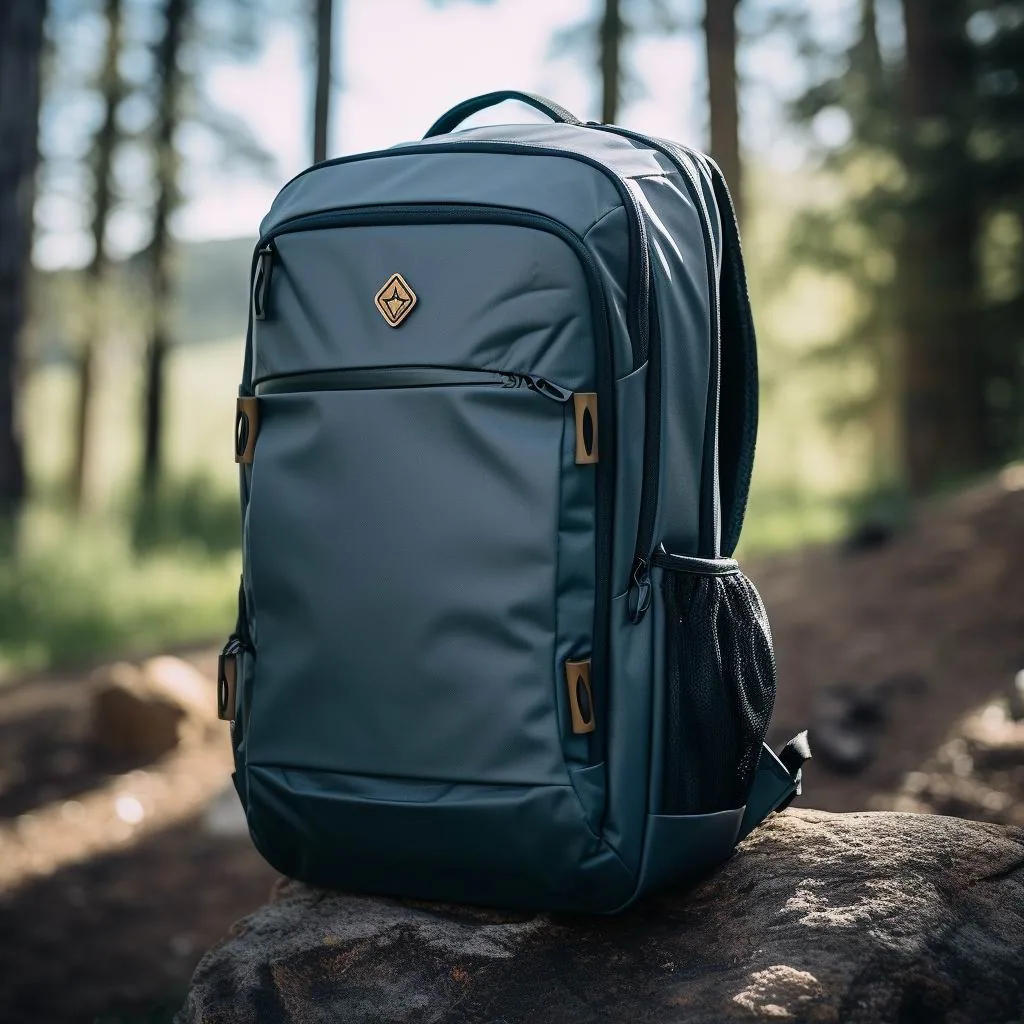
The Alderwood Gladstone 22 wins because it balances heritage looks with genuine daily usability. The leather is a vegetable-tanned full grain at 1.8 to 2.0 mm that arrived a light tan in our test and darkened noticeably over twelve weeks of commuting, developing the uneven highlights that vintage styling is meant to produce. Measured capacity was 21.4 litres at 1,440 g.
The closure is the smartest part of the design: a full-grain flap with two brass buckles over a weather-sealed zip, so it looks like a satchel and behaves like a modern bag in rain. Inside, a suspended 15-inch sleeve with 8 mm foam on both faces sits 16 mm above the base. Full specifications are on our men's leather backpack page.
Two caveats. The buckles are functional rather than quick, so allow an extra five seconds opening the bag, and at 1,440 g it is heavy for its size. Both are inherent to the category rather than flaws in this bag.
The Alderwood Gladstone 22 at £268 is our pick. It uses full-grain vegetable-tanned leather at 1.8 to 2.0 mm with solid brass hardware, and at 22 litres and 1,440 g it is the best balance of capacity and weight in the group. In testing it took about three months to soften and eight months to develop visible patina at the strap contact points, and the brass darkened rather than flaking, which is the clearest sign of solid rather than plated fittings.
Review: Kestrel Rambler 24 and Sable Heritage 26
The Kestrel Rambler 24 at £324 is the most expensive bag here and the one for buyers who want a softer, slouchier silhouette. Its oil-waxed full grain at 1.6 to 1.8 mm is suppler than the Alderwood's, it slouches rather than standing, and the pull-up finish shows handling marks immediately, which is either the appeal or the problem depending on taste.
The Sable Heritage 26 at £288 is the largest bag tested at 26 litres and 1,640 g, and the only one that will take a folder and a jacket alongside a laptop. Its 2.0 mm vegetable-tanned leather is the thickest here, which means it will last decades but also that it is heavy before you pack anything. Both are detailed on our leather backpack guide pillar page.
Choose the Kestrel for looks and character, and the Sable if you genuinely need the volume and can carry the weight.
The Kestrel Rambler 24 at £324 and the Sable Heritage 26 at £288 are the two premium bags. The Kestrel uses oil-waxed full grain at 1.6 to 1.8 mm with antique brass, which gives a softer, more broken-in feel from the first week and the best water resistance here. The Sable uses 2.0 mm vegetable-tanned full grain, the thickest leather in the group, at 26 litres and 1,640 g, which is the bag for someone who wants a lifetime purchase rather than a five-year one.
Review: Thorne Rucksack 20, Bramley Satchel 18 and Fenwick Scholar 20
The Thorne Rucksack 20 at £196 is the value option in genuine vegetable-tanned leather. It uses top-grain rather than full-grain, which means a corrected surface that patinates less dramatically, but at 20 litres and 1,360 g with solid brass hardware it is a well-made bag at a fair price.
The Bramley Satchel 18 at £214 is the most overtly vintage design here, with a true satchel shape and a pull-up finish that marks beautifully. At 18 litres it is limited to a tablet and a notebook. The Fenwick Scholar 20 at £128 is the budget option, using a corrected-grain leather at 1.4 mm with brass-plated hardware; it looks the part from a distance and will not develop real patina. Compare all three on our men's leather backpack hub.
If £128 is your ceiling, buy the Fenwick and treat it as a five-year bag. If you can reach £196, the Thorne is the first bag here that will genuinely improve with age.
The Thorne Rucksack 20 at £196, the Bramley Satchel 18 at £214 and the Fenwick Scholar 20 at £128 cover the rest. The Thorne is top-grain vegetable-tanned at 1.6 mm with solid brass, and is the best value in the group for a genuine vintage look. The Bramley uses a pull-up full grain that lightens where it is creased, which is distinctive but not to every taste. The Fenwick at 1.4 mm corrected grain is the cheapest bag here and will not age in the same way.
British Weather, Care and Making Leather Age Well
Damp is the enemy of a leather bag in Britain, and the failure mode is mould rather than cracking. A leather bag stored closed in a hallway cupboard through a wet winter will grow mould within weeks, and mould in leather is very difficult to remove. The fix is simple: never store the bag closed and damp, keep it off a concrete floor, and let air circulate.
Conditioning is the second discipline. Vegetable-tanned leather needs feeding roughly twice a year with a neutral cream or wax, more often if the bag is used daily in rain. Apply sparingly with a cloth, let it absorb, and buff. Avoid silicone sprays and anything petroleum-based, which soften the finish and prevent patina development.
Water protection should be built in rather than added later. Look for a waxed or oil finish from new, a storm flap over any zip, and a waxed cotton or coated lining, because an uncoated suede or nubuck lining will wick water into the leather itself. Leather and finish testing references AATCC colour-fastness methods and ISO standards, with results on our leather backpack page.
British weather is the hardest thing a leather bag faces, and the answer is preparation rather than treatment. Leather absorbs water and then dries stiff, so a bag used year-round outdoors should be treated with a wax or cream finish twice a year, about £12 a tin, and dried slowly at room temperature if it gets soaked. Never dry leather on a radiator or with a hairdryer, because fast drying is what produces cracking at the fold points.
UK Pricing, Makers and What to Expect for Your Money
Vintage leather bags in the UK run £128 to £324, with a clear split. Under £160 you get corrected-grain or bonded leather with plated hardware, which looks right initially and ages poorly. Between £180 and £280 you get genuine full-grain or top-grain vegetable-tanned leather with solid brass. Above £300 you are paying for thicker leather, hand finishing and a maker's name.
British and European makers are worth the premium at this price, because leather quality is hard to judge from photographs and a UK maker will usually answer questions about tannery and substance. Ask three questions before buying: which tannery, what substance in millimetres, and is the hardware solid brass or plated.
Prices move less than technical bags, but January and summer sales still produce 15 to 25 per cent off, and factory outlets attached to British leather makers often sell returns and previous-season stock at 30 to 40 per cent off. Our men's leather backpack pillar page tracks UK pricing and current maker discounts.
Prices run from £128 to £324, and the meaningful dividing line is around £196. Below it, expect corrected or top-grain leather and plated hardware, which will look right for a year and then diverge. Above it, expect full-grain and solid brass, which improves with use. UK makers at this level usually offer a repair service, and several will restitch or replace a strap for £25 to £45, which materially changes the cost of a ten-year purchase.
How We Tested These Leather Bags
Volume by foam block, empty weight, then a twelve-week ageing test in which each bag is carried four days a week on a British commute and photographed weekly to record patina development. We check hardware for tarnish, stitching for tension loss and lining for wear at stress points.
Weather testing runs a 60-minute rig at 6 mm per hour followed by an inspection for wicking at seams and through the leather itself. Straps are pull-tested to 250 N and buckles to 150 N. Our production team inspects at AQL 2.5 under ISO 2859-1, and our 4,950 square metre SGS-verified production floor includes a leather cutting and finishing hall. Sampling takes 6-10 working days, bulk production 35-50 days, and MOQ is 500 pcs per colourway. Technical detail is on our leather backpack page.
Care Routine and Long-Term Ownership
Establish a simple routine. Every month, empty the bag, brush off surface dirt with a horsehair brush and check the lining for damp. Every six months, condition with a neutral cream, working it in with a cloth rather than saturating the leather. Once a year, check stitching at the strap attachments and the base corners, which are the two points that fail first.
Manage wet days properly. If the bag gets soaked, stuff it loosely with paper towel, dry it slowly at room temperature away from a radiator, and condition it once fully dry. Never use direct heat, which cracks the grain and can shrink the leather by several percent.
Expect 15 to 25 years from a full-grain bag in the £214 to £324 band with proper care, and 5 to 8 years from a £128 corrected-grain bag. This is one of the few categories where the expensive bag is genuinely cheaper per year. Care guidance is on our men's leather backpack hub.
One more consideration for British buyers is what leather does in central heating. A bag kept in a warm, dry hallway or office all winter will lose moisture and stiffen, which eventually produces fine cracking at fold points. Condition twice rather than once a year if your bag lives in a heated building, keep it away from radiators and direct sunlight, and let it rest stuffed loosely with paper when not in use for more than a week. Those small habits are the difference between a bag that develops patina and one that simply dries out.
A leather bag improves with attention and fails without it. Condition it twice a year, more often if the bag lives in a heated building, using a cream rather than an oil on vegetable-tanned leather. Keep it stuffed loosely with paper when stored for more than a week so it holds its shape. Rotate the shoulder strap adjustment occasionally so wear is spread. Expect the stitching to need attention at around eight years, which is a £30 repair rather than a reason to replace.
Verdict and Buying Checklist
Buy the Alderwood Gladstone 22 at £268 for the best balance of heritage looks and daily function. Buy the Kestrel Rambler 24 at £324 for character and a softer silhouette, the Thorne Rucksack 20 at £196 as the value pick in real vegetable-tanned leather, and the Fenwick Scholar 20 at £128 on a tight budget.
Ask four questions before buying: which tannery supplied the leather, what substance in millimetres, is the hardware solid brass, and is the closure weather-sealed. Then check the sleeve padding, which is where heritage styling most often fails.
For hotel, retail or corporate gifting orders, standard terms at our vetted partner facilities are an MOQ of 500 pcs per colourway, sampling in 6-10 working days, bulk production in 35-50 days, and inspection at AQL 2.5 to ISO 2859-1. Start from our men's leather backpack pillar page.
Before buying, settle four things. Thickness in millimetres, and accept nothing under 1.6 mm for a bag meant to last. Hardware, solid brass rather than plated. Laptop size measured in millimetres, since leather bags run small for their nominal litres. And whether you will condition it twice a year, because a neglected £268 bag looks worse after five years than a maintained £196 one. Full specifications are on our men's leather backpack pillar page.
Frequently Asked Questions
What defines a vintage style leather backpack?
Vegetable-tanned or oil-waxed leather that darkens with use, brass or antique-brass hardware rather than chrome, a flap or drawstring closure rather than a technical zip line, and a shape derived from a satchel or rucksack. The key is that it develops patina rather than simply looking old when new.
Which leather type ages best on a backpack?
Vegetable-tanned full-grain leather. It is firm and pale at first and darkens unevenly with light and handling, which is the effect most buyers want. Chrome-tanned leather is softer and more uniform but ages far less visibly, and corrected-grain leather tends to crack rather than patinate.
How heavy is a vintage leather backpack compared with nylon?
Significantly heavier. A 22-litre bag in 1.8 mm full-grain leather weighs about 1,440 grams, against roughly 900 grams for the same bag in nylon. That is the price of the look, and it is why leather bags rarely exceed 26 litres, since a larger one becomes impractical to carry daily.
Can a leather backpack protect a laptop safely?
Yes, but only if the sleeve does the work, because leather absorbs almost no impact. Look for a padded sleeve with at least 8 mm of closed-cell foam on both faces, suspended 15 mm or more above the base, and sized to the device rather than generously.
How do I stop a leather bag going mouldy in Britain?
Never store it closed and damp. Empty it, keep it off a concrete floor and let air circulate around it. If it gets soaked, stuff it loosely with paper towel and dry it slowly at room temperature away from a radiator. Mould in leather is very difficult to remove once established.
How often should I condition a leather backpack?
About twice a year, or more often if the bag is used daily in rain. Apply a neutral cream or wax sparingly with a cloth, let it absorb and buff. Avoid silicone sprays and petroleum-based products, which soften the finish and stop patina developing properly.
What should I ask a maker before buying a leather bag?
Three questions: which tannery supplied the leather, what substance in millimetres, and whether the hardware is solid brass or plated. A maker who answers all three specifically is usually selling genuine full-grain; vague answers usually mean corrected grain with a plated finish.
How much should I spend on a vintage leather backpack in the UK?
Between £180 and £280 for genuine full-grain or top-grain vegetable-tanned leather with solid brass hardware. Under £160 you get corrected grain with plated hardware that ages poorly. Above £300 you pay for thicker leather, hand finishing and a maker's name.
Is a flap closure practical for everyday use in the rain?
A flap over buckles looks right but lets water in at the sides in heavy rain and is slow to open. Choose a flap over a weather-sealed zip, which gives the heritage look with real protection, or a roll-top in waxed leather, which is the best wet-weather option.
How long does a quality leather backpack last?
Fifteen to 25 years from a full-grain bag in the £214 to £324 band with proper care, and five to eight years from a £128 corrected-grain bag. This is one of the few categories where the expensive bag is genuinely cheaper per year of use.
What capacity should I choose in a leather backpack?
Sixteen to 26 litres. Choose 16 to 18 litres for a tablet and notebook, 20 to 22 litres for a 14 or 15-inch laptop plus a jacket, and 24 to 26 litres only if you need real volume and can carry 1.5 kilograms or more of empty bag.
Are British and European leather makers worth the premium?
Usually yes, because leather quality is hard to judge from photographs and a UK or European maker will answer questions about tannery, substance and finish. British factory outlets also sell returns and previous-season stock at 30 to 40 per cent off, which narrows the gap considerably.
How can I tell full grain from corrected grain leather?
Look at the surface. Full grain shows natural variation, small scars and open pores, and it darkens unevenly. Corrected grain looks perfectly uniform with a consistent printed pattern and a slightly plastic sheen, and it will crack rather than patinate as it ages.
What are the terms for corporate leather bag orders?
Standard terms at our vetted partner facilities are an MOQ of 500 pcs per colourway, sampling in 6-10 working days and bulk production in 35-50 days after sample approval. Inspection is at AQL 2.5 under ISO 2859-1. Specify tannery, substance, hardware finish and debossing method at sample stage.
Get a Free Quote for Custom Best Vintage Leather Backpacks for Men in the UK
Planning a branded programme? Our production team works to MOQ 500 pcs, 6-10 working day sampling and 35-50 day bulk lead times, with AQL 2.5 inspection to ISO 2859-1. Send your brief and we will return a costed quotation in 24-48 hours.
Mens Backpack Guide Editorial Team — Buying guides and sourcing notes for the UK men's backpack market, coordinated by QUANZHOU JUNYUAN BAGS. Commercial figures such as MOQ 500 pcs, 6-10 day sampling and 35-50 day production reflect published programme terms.