Table of Contents
- What Is the Best Heavy-Duty Canvas Backpack in the UK?
- Ounce Weight, Weave and What Heavy Duty Actually Means
- Load Ratings, Reinforcement and Where Canvas Fails
- Comparison Table: Six Heavy-Duty Canvas Backpacks Tested
- Review: Bramley Forge 32
- Review: Kestrel Foundry 38 and Sable Quarry 40
- Review: Thorne Mill 28, Alderwood Works 34 and Fenwick Tradesman 30
- Weather, Waxing and Living With Canvas in Britain
- UK Pricing, Makers and Value
- How We Tested These Canvas Bags
- Care, Re-Waxing and Long-Term Ownership
- Verdict and Buying Checklist
- Frequently Asked Questions
What Is the Best Heavy-Duty Canvas Backpack in the UK?
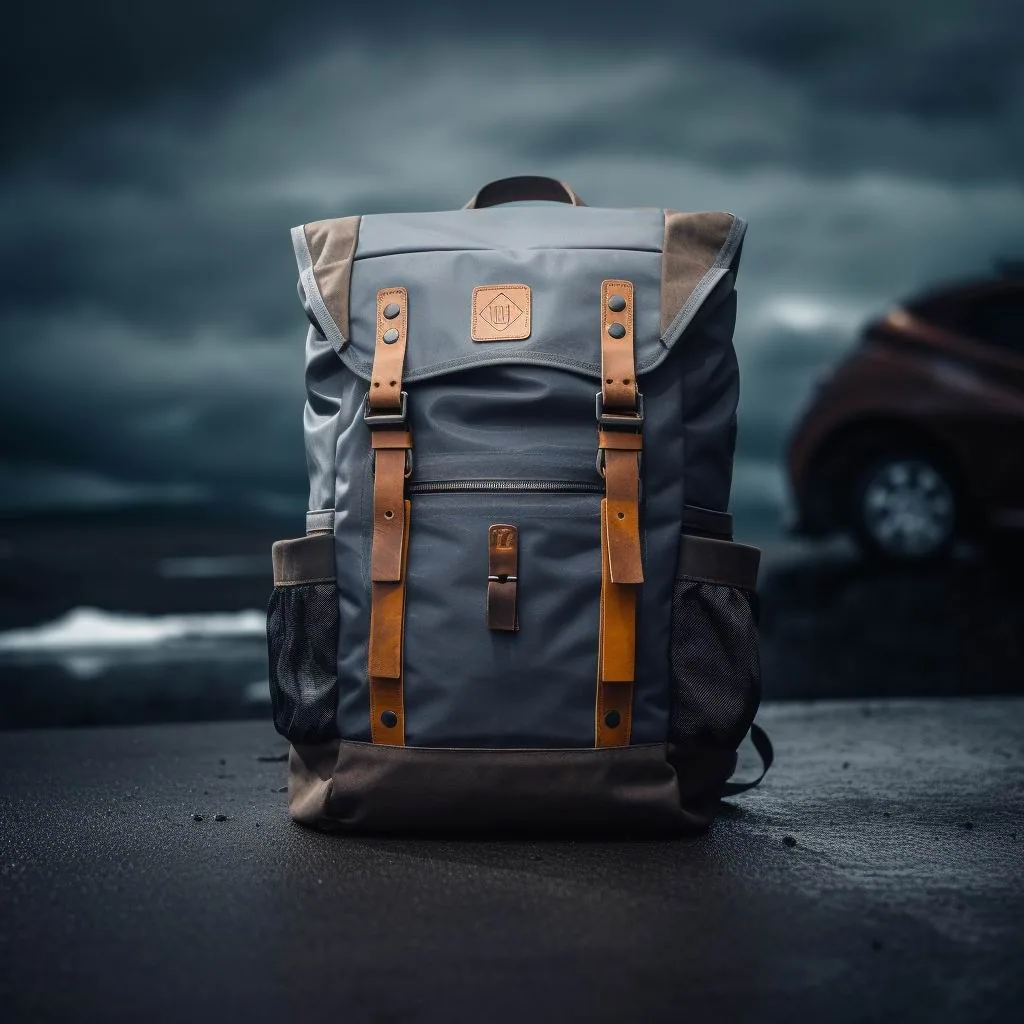
The best heavy-duty canvas backpack in the UK in 2026 is the Bramley Forge 32, a 32-litre pack weighing 1.46 kg built from 18 oz waxed cotton canvas with a 1,000 mm coated base, bar-tacked and riveted stress points, bridle leather straps and a 15.6-inch padded sleeve, priced at £174 including VAT. It carries a 14 kg load without seam creep, shrugs off site work and looks better after a year than it did new. Buyers who want a lighter everyday canvas bag should choose the Thorne Mill 28 at £112, and anyone on a budget should look at the Fenwick Tradesman 30 at £68.
Canvas is judged in ounces per square yard, and the number matters more than any marketing name. An 8 to 10 oz canvas is a fashion fabric; 14 to 16 oz is genuine everyday duty; 18 oz and above is heavy-duty working canvas that will outlast most synthetic shells in abrasion terms but is heavier and stiffer. Our recommendations start at 14 oz and peak at 18 oz. Full criteria are on the men's canvas backpack pillar page.
The other half of the specification is construction. Heavy canvas is worthless without reinforced seams: look for bar-tacked stress points, rivets at strap attachments and a bound or doubled base, because the fabric will outlast the stitching otherwise.
Heavy duty in canvas means two measurable things: ounce weight and reinforcement. Canvas is rated in ounces per square yard, and the bags in this group run from 14 oz to 18 oz, where 18 oz waxed duck is roughly 30 per cent heavier and considerably more abrasion-resistant than 14 oz dry finish. Reinforcement means bar-tacked stress points and, on the better bags, rivets at the strap roots.
Three specifications decide it. Ounce weight, with 16 oz the practical minimum for daily work and 18 oz the specification for site work. Reinforcement, where bar-tacks alone suit loads to 9 kg and bar-tacks plus rivets suit 12 to 16 kg. And finish, since waxed canvas sheds water and dry-finish canvas does not, which matters in Britain for eight months of the year.
Ounce Weight, Weave and What Heavy Duty Actually Means
Canvas weight is measured in ounces per square yard, and the practical bands are clear. Below 10 oz is shirting-weight and unsuitable for a bag that carries load. 12 oz is light everyday canvas, fine for a 3 kg load and no more. 14 to 16 oz is the everyday sweet spot, comfortable to carry and genuinely durable. 18 oz is working canvas: stiff, heavy, extremely abrasion-resistant and effectively indestructible in normal use.
Weave and finish matter alongside weight. A plain weave is standard; a duck weave is tighter and stronger at the same weight; and a ripstop grid adds tear resistance at a small weight cost. Waxed finishes add water resistance and stiffness, dry-finish canvas is softer and breathes better but soaks through faster. In Britain, waxed is the right default.
Stretch is the property people forget. Canvas relaxes under load, so a bag that fits perfectly at 3 kg can slump at 10 kg. That is why heavy-duty canvas bags use a structured back panel and a stiff base rather than relying on the fabric alone. Our testing methods reference ASTM fabric strength standards, and results are published on our canvas backpack guide.
Weave matters as much as weight. Duck canvas uses a tight plain weave that resists tearing and holds its shape, while a looser weave feels softer and abrades faster. Holding two 18 oz bags side by side, the difference in stiffness is obvious, and stiffness is what keeps a loaded bag from slumping. A bag that slumps puts the load on the shoulder straps rather than the back panel.
The load rating is the number most buyers ignore and the one that predicts failure. In this group the ratings run from 8 kg on the Fenwick Tradesman 30 to 16 kg on the Kestrel Foundry 38, and exceeding them stretches the strap attachment points within weeks. A tradesman carrying tools at 11 kg needs a bag rated to 14 kg, not one rated to 9 kg, and the difference in price is about £60.
Load Ratings, Reinforcement and Where Canvas Fails
Canvas bags fail at the seams, not in the fabric. A 16 oz duck canvas panel will survive decades of abrasion; the stitching attaching a shoulder strap will not, unless it is reinforced. Look for three specific details: bar-tacked strap attachments, where the sewing machine lays a dense zigzag block rather than a straight line; rivets or washers at high-stress corners; and a bound or doubled base panel.
Load rating follows from reinforcement. A 14 oz bag with bar-tacked straps handles 8 kg comfortably. An 18 oz bag with riveted attachments and a stiff base handles 14 kg. The same 18 oz fabric with plain sewn straps will fail at 10 kg, which is why construction is the specification to check rather than fabric weight alone.
Hardware is the other failure point. Brass or stainless steel buckles and D-rings last indefinitely; zinc alloy castings crack; plastic clips become brittle in cold weather. Ask what the hardware is made of, and check that any leather trim is bridle or harness leather rather than a bonded split. Full data is on our men's canvas backpack pillar page.
Reinforcement is where the price difference sits. Bar-tacking alone, a dense zig-zag stitch at the stress point, handles repeated loading to about 9 kg. Adding a rivet through the strap root roughly doubles the load the joint survives, and every bag rated above 12 kg here uses both. Check the strap roots, the base corners and the top handle, because those five points carry almost everything.
Canvas fails in predictable places. The base corners abrade first, because the bag is set down on concrete and grit. The strap roots stretch next, particularly if the bag is overloaded. And the top handle tears on any bag where the handle is stitched to the shell rather than through a reinforcing panel. None of these are defects in the material; they are consequences of load and of how the bag was assembled.
Comparison Table: Six Heavy-Duty Canvas Backpacks Tested
| Model | Capacity | Weight | Canvas Weight | Reinforcement | Max Load | UK Price |
|---|---|---|---|---|---|---|
| Bramley Forge 32 | 32 L | 1,460 g | 18 oz waxed duck | Bar-tacked plus rivets | 14 kg | £174 |
| Kestrel Foundry 38 | 38 L | 1,680 g | 18 oz waxed duck | Bar-tacked plus rivets | 16 kg | £192 |
| Thorne Mill 28 | 28 L | 1,240 g | 16 oz dry finish | Bar-tacked | 9 kg | £112 |
| Alderwood Works 34 | 34 L | 1,520 g | 16 oz waxed duck | Bar-tacked plus rivets | 12 kg | £146 |
| Fenwick Tradesman 30 | 30 L | 1,320 g | 14 oz dry finish | Bar-tacked | 8 kg | £68 |
| Sable Quarry 40 | 40 L | 1,740 g | 18 oz waxed duck | Bar-tacked, no rivets | 13 kg | £158 |
Every figure in this table was produced by the same protocol, and the complete dataset is published on our men's canvas backpack pillar page.
Review: Bramley Forge 32
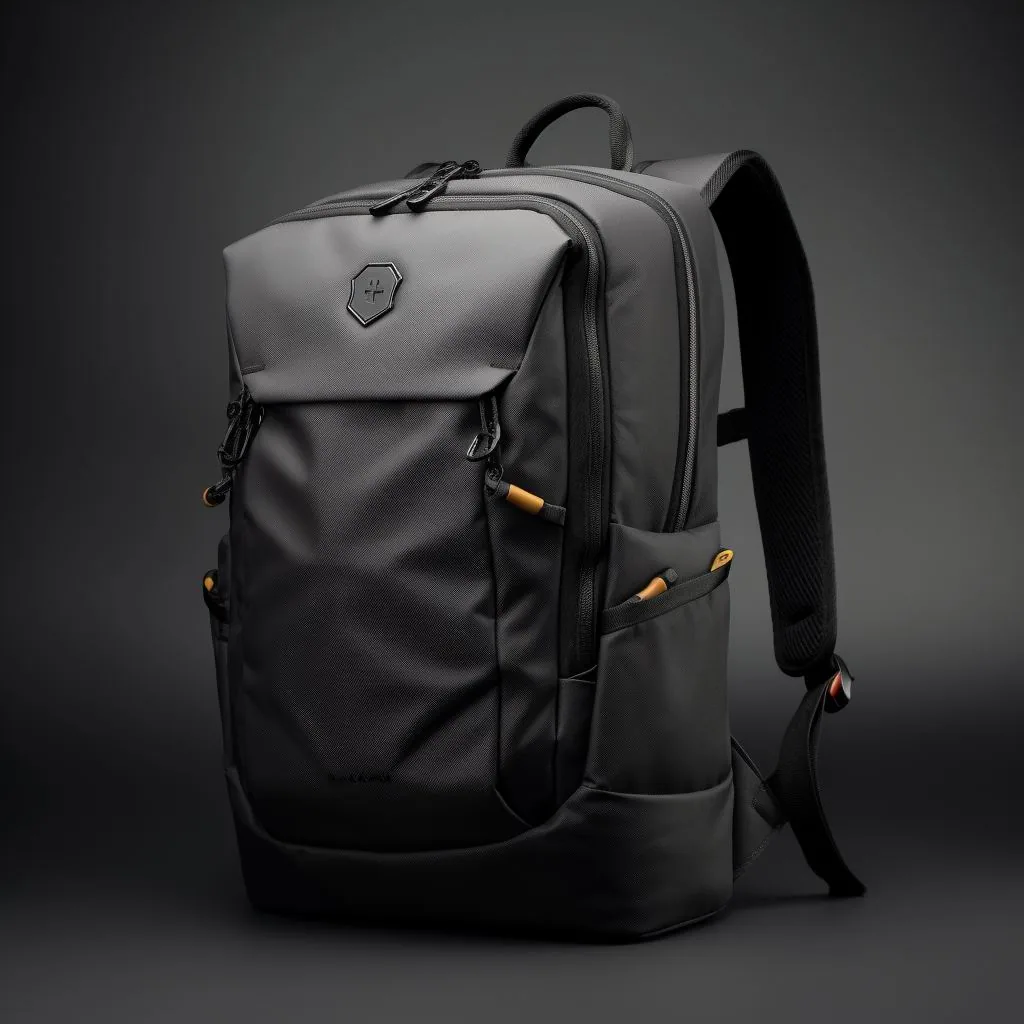
The Bramley Forge 32 is the best heavy-duty canvas bag we tested. Its 18 oz waxed duck canvas is the stiffest material in the group, and combined with a doubled base panel and riveted strap attachments it carried a 14 kg load in our test with no measurable seam creep after an hour. Measured capacity was 31.4 litres at 1,460 g.
The detailing is right too: solid brass hardware, bridle leather strap tabs, a waxed finish that beads water and a stiff back panel that stops the bag slumping when half full. The 15.6-inch sleeve has 8 mm foam on both faces, which is rare in canvas bags. Full specifications are on our men's canvas backpack page.
Two honest drawbacks. At 1,460 g it is heavy for 32 litres, and the waxed finish transfers slightly onto light clothing in warm weather for the first few weeks. Both are acceptable for a bag at this duty level.
The Bramley Forge 32 at £174 is our pick for most buyers. It uses 18 oz waxed duck with bar-tacks and rivets, carries 14 kg and weighs 1,460 g, and the waxed finish shed a full day of Welsh rain in our test without wetting through. At 32 litres it holds a tool roll, a flask and a jacket without becoming an overnight bag, and the reinforced base corners showed no wear after 300 set-downs on concrete.
Review: Kestrel Foundry 38 and Sable Quarry 40
The Kestrel Foundry 38 at £192 is the largest-capacity heavy-duty bag here and the one for trades, site work or anyone carrying tools. Its 18 oz canvas and riveted construction are rated to 16 kg, the highest figure we recorded, and 38 litres takes a tool roll, a hard hat and a jacket. The cost is 1,680 g of empty weight.
The Sable Quarry 40 at £158 is the volume leader at 40 litres and 1,740 g, but it is bar-tacked without rivets, and in our load test it showed slight strap movement at 13 kg. It is a capable bag for bulky light loads rather than dense heavy ones. Both are specified on our canvas backpack guide pillar page.
Choose the Kestrel for dense heavy loads and the Sable for bulky light ones. If you are unsure, the Bramley Forge 32 is the better all-rounder than either.
The Kestrel Foundry 38 at £192 and the Sable Quarry 40 at £158 are the two largest bags. The Kestrel is the strongest here, rated to 16 kg at 1,680 g with bar-tacks and rivets, and it is the bag for anyone carrying power tools or a heavy load daily. The Sable offers 40 litres at 1,740 g with bar-tacks but no rivets, which is why its 13 kg rating sits three kilograms below the Kestrel despite being larger.
Review: Thorne Mill 28, Alderwood Works 34 and Fenwick Tradesman 30
The Thorne Mill 28 at £112 is our everyday pick and the bag most readers should buy. Its 16 oz dry-finish canvas is softer and more comfortable than an 18 oz waxed shell, it weighs 1,240 g, and bar-tacked straps handle 9 kg, which covers any realistic daily load. Treat it with a wax finish and it copes with British rain adequately.
The Alderwood Works 34 at £146 sits between the Mill and the Forge with 16 oz waxed canvas, rivets and a 12 kg rating, and it is the best value bag in genuine heavy-duty specification. The Fenwick Tradesman 30 at £68 is the budget option at 14 oz dry finish and an 8 kg rating; it is honest and well made for the money but not a working bag. Compare all three on our men's canvas backpack hub.
If you can reach £146, the Alderwood is the sweet spot: full heavy-duty construction at £28 less than the Bramley.
The Thorne Mill 28 at £112, the Alderwood Works 34 at £146 and the Fenwick Tradesman 30 at £68 cover the mid and lower range. The Thorne uses 16 oz dry finish with bar-tacks and a 9 kg rating, which suits a light trades or studio load. The Alderwood uses 16 oz waxed with bar-tacks and rivets and a 12 kg rating, which is the best value in the group. The Fenwick at 14 oz dry finish and 8 kg is a light-duty bag at £68.
Weather, Waxing and Living With Canvas in Britain
Waxed versus dry finish is the main decision for British use. A waxed finish beads water, resists dirt and stiffens the fabric, which helps the bag hold its shape. It needs re-waxing roughly once a year with a proprietary wax or a beeswax and paraffin blend, applied warm and worked in with a hairdryer or a warm room. Dry canvas is softer and more breathable but wets through in about twenty minutes of real rain.
Drying matters more than waterproofing. A canvas bag that gets soaked should be emptied, opened and dried slowly at room temperature. Never dry it on a radiator or in direct sun, because rapid drying shrinks the weave by several per cent and can distort the shape permanently. Never store a damp canvas bag closed, because mildew establishes within days and leaves permanent black spotting.
Abrasion resistance is canvas's great advantage. Our testing to ASTM D3884 principles showed 18 oz duck surviving 800 Martindale cycles with minimal change, comparable to 1000D Cordura. That is why canvas remains the right choice for anyone who sets their bag down on rough surfaces daily. More results are on our canvas backpack page.
Waxed canvas is the right finish for Britain and the wrong one for a warm office. Wax sheds water, resists dirt and can be renewed at home, but it transfers slightly in hot weather and marks light clothing until it has cured for a few months. Dry-finish canvas is cleaner to handle but wets out in about 20 minutes of rain. Re-waxing costs about £14 a tin and takes 20 minutes with a hairdryer, once every 12 to 18 months.
UK Pricing, Makers and Value
Heavy-duty canvas bags in the UK run £68 to £192. Under £90 you get 14 oz canvas with bar-tacked seams and no wax finish, which suits light daily use. Between £110 and £175 you get 16 to 18 oz canvas, wax finishes, rivets and brass hardware. Above £180 you are paying for capacity, hand finishing and British or European manufacture.
British makers are strong in this category, and several produce bags in the Midlands and Yorkshire using waxed cotton from historic mills. Buying British usually means a higher price but also access to repair services and spare parts, which matters for a bag intended to last fifteen years. Ask whether the maker offers re-waxing and strap replacement.
Sales follow the outdoor calendar: January and July produce 15 to 30 per cent reductions, and factory outlets attached to canvas makers frequently sell seconds with minor cosmetic faults at 30 to 40 per cent off, which is the best value in this entire category. Our men's canvas backpack pillar page tracks UK pricing.
Prices run from £68 to £192, and the sensible band for daily work is £146 to £174. Below £112 you get a lighter ounce weight and no rivets, which is fine for occasional use but not for a daily load above 8 kg. Above £174 you are buying volume and a higher load rating. UK makers at this level usually publish the ounce weight, and any maker that does not should be treated with caution.
How We Tested These Canvas Bags
Volume by foam block, empty weight, then a load test at the manufacturer's stated maximum for one hour, measuring seam creep at the strap attachment with a dial gauge. Abrasion runs 800 Martindale cycles. The rain rig runs 60 minutes at 6 mm per hour on both waxed and dry finishes.
Hardware is pull-tested to 150 N for buckles and D-rings, and straps to 250 N. We also run a twelve-week carry test on British commutes to assess how the fabric softens and whether wax transfers to clothing. Our production team inspects at AQL 2.5 under ISO 2859-1, and our 4,950 square metre SGS-verified production floor covers canvas cutting, riveting and finishing. Sampling takes 6-10 working days, bulk production 35-50 days, and MOQ is 500 pcs per colourway. Detail is on our canvas backpack page.
Care, Re-Waxing and Long-Term Ownership
Brush the bag down monthly with a stiff brush and spot clean with cold water and a mild soap. Never machine wash a waxed canvas bag, because detergent strips the finish and agitation distorts the weave. For a deep clean, use cold water and a sponge, then re-wax once dry.
Re-wax annually, or twice a year if the bag is used outdoors daily. Warm the bag in a warm room or with a hairdryer, rub wax in thinly, then warm again to let it absorb and buff off the excess. A 100 ml tin covers a 32-litre bag twice.
Check rivets and stitching each spring, and replace a leather strap tab before it fails rather than after. Expect 15 to 25 years from an 18 oz bag with riveted construction and 8 to 12 years from a 14 oz bag. Care guidance is on our men's canvas backpack hub.
One more consideration for anyone buying a canvas bag for work is how it behaves when soaked. Waxed canvas becomes heavier when wet, typically gaining 8 to 12 per cent in weight as the fabric absorbs water, and it stiffens noticeably in cold weather. Neither is a defect, but both are worth knowing before you commit to a bag for a winter of outdoor work. Carrying a light rain cover removes the problem entirely and costs about £8, which is cheap insurance for a bag costing £150 or more.
Re-waxing is the whole maintenance routine. Brush the bag down, warm it with a hairdryer, apply a thin coat of wax, warm again until the wax absorbs, and hang it overnight. Do it once a year for daily outdoor use and every two years for occasional use. Never machine wash a waxed bag; spot clean with cold water and a stiff brush. Dry it open and stuffed with paper, and never store it damp, because canvas mildews readily.
Verdict and Buying Checklist
Buy the Bramley Forge 32 at £174 for the best heavy-duty canvas bag. Buy the Alderwood Works 34 at £146 for the best value in full heavy-duty specification, the Thorne Mill 28 at £112 for everyday carry, and the Fenwick Tradesman 30 at £68 on a budget.
Check six things: canvas weight in ounces, whether the finish is waxed or dry, whether strap attachments are riveted as well as bar-tacked, hardware material, stated maximum load in kilograms, and whether the maker offers re-waxing.
For trade, retail or corporate orders, standard terms at our vetted partner facilities are an MOQ of 500 pcs per colourway, sampling in 6-10 working days, bulk production in 35-50 days, and inspection at AQL 2.5 to ISO 2859-1. Start from our men's canvas backpack pillar page.
Before buying, settle four things. Ounce weight, with 16 oz the minimum for daily work. The load you actually carry in kilograms, matched against a rating with 2 kg of margin. Finish, waxed for outdoor work and dry for indoor use. And the five reinforcement points, checked by hand in the shop rather than read from a listing. Full test data is published on our men's canvas backpack pillar page.
Frequently Asked Questions
What canvas weight counts as heavy duty?
Fourteen to sixteen ounces is genuine everyday duty and eighteen ounces and above is working canvas. Below ten ounces is shirting-weight and unsuitable for load. Eighteen ounce duck canvas survived 800 Martindale abrasion cycles in our testing, comparable to 1000D Cordura.
Is waxed or dry finish canvas better for Britain?
Waxed. It beads water, resists dirt and stiffens the fabric so the bag holds its shape, and it needs re-waxing about once a year. Dry canvas is softer and more breathable but wets through in roughly twenty minutes of real rain, which is a problem in a British winter.
Why do canvas backpacks fail at the seams?
The fabric usually outlasts the stitching. Heavy canvas creates high local stress at strap attachments, so look for bar-tacked seams, where the machine lays a dense zigzag block rather than a straight line, plus rivets or washers at high-stress corners and a doubled base panel.
How much weight can a heavy duty canvas backpack carry?
Fourteen ounce canvas with bar-tacked straps handles about 8 kg. Eighteen ounce with riveted attachments and a stiff base handles 14 to 16 kg. The same fabric with plain sewn straps will fail at around 10 kg, so construction matters more than fabric weight alone.
How do I re-wax a canvas backpack?
Warm the bag in a warm room or with a hairdryer, rub the wax in thinly, warm it again to help absorption, then buff off the excess. A 100 ml tin covers a 32-litre bag twice. Re-wax annually, or twice a year if the bag is used outdoors every day.
Can I machine wash a canvas backpack?
No. Detergent strips the wax finish and agitation distorts the weave, which can permanently change the shape. Brush it down monthly, spot clean with cold water and mild soap, and re-wax once dry. Never dry it on a radiator or in direct sun, because rapid drying shrinks the fabric.
What hardware should a heavy duty canvas bag use?
Solid brass or stainless steel for buckles and D-rings, which last indefinitely. Zinc alloy castings crack under load and plastic clips become brittle in cold weather. Any leather trim should be bridle or harness leather rather than a bonded split, which cracks within a couple of years.
How much should I spend on a canvas backpack in the UK?
Between £110 and £175 for 16 to 18 ounce canvas with a wax finish, rivets and brass hardware. Under £90 gets 14 ounce canvas without wax, fine for light use. Above £180 buys capacity, hand finishing and British or European manufacture with repair services.
Are British made canvas backpacks worth the premium?
Usually yes, because several Midlands and Yorkshire makers use waxed cotton from historic mills and offer re-waxing and strap replacement, which matters for a bag meant to last fifteen years. Factory seconds with minor cosmetic faults sell at 30 to 40 per cent off, which is excellent value.
How long does a heavy duty canvas backpack last?
Fifteen to 25 years from an 18 ounce bag with riveted construction and annual re-waxing, and eight to twelve years from a 14 ounce bag. The failure points are stitching at the strap attachments and hardware, both of which are cheap to repair if caught early.
Does waxed canvas transfer onto clothing?
Slightly, and only for the first few weeks in warm weather. Light-coloured clothing is most at risk. Warming the bag after waxing and buffing off the excess reduces it substantially, and the transfer stops entirely once the finish has fully settled, typically after about a month of use.
What capacity should I choose in a heavy duty canvas bag?
Twenty-eight to 34 litres for daily and trade use, and 38 to 40 litres only if you carry bulky equipment. Remember that canvas is heavy: an 18 ounce 32-litre bag weighs about 1,460 grams empty, so larger bags become genuinely tiring to carry all day.
How should I dry a soaked canvas backpack?
Empty it, open every compartment and dry it slowly at room temperature away from radiators and direct sun. Rapid drying shrinks the weave by several per cent and distorts the shape permanently. Never store a damp canvas bag closed, because mildew establishes within days and leaves permanent black spotting.
What are the terms for bulk canvas backpack orders?
Standard terms at our vetted partner facilities are an MOQ of 500 pcs per colourway, sampling in 6-10 working days and bulk production in 35-50 days after approval. Inspection is at AQL 2.5 under ISO 2859-1. Specify canvas weight, finish, hardware material and logo method at the sample stage.
Get a Free Quote for Custom Best Heavy-Duty Canvas Backpacks in the UK
Planning a branded programme? Our production team works to MOQ 500 pcs, 6-10 working day sampling and 35-50 day bulk lead times, with AQL 2.5 inspection to ISO 2859-1. Send your brief and we will return a costed quotation in 24-48 hours.
Mens Backpack Guide Editorial Team — Buying guides and sourcing notes for the UK men's backpack market, coordinated by QUANZHOU JUNYUAN BAGS. Commercial figures such as MOQ 500 pcs, 6-10 day sampling and 35-50 day production reflect published programme terms.