Best Backpacks for Yorkshire Dales Trails: Width, Volume and Limestone Kit
A Yorkshire Dales pack is decided less by mountains than by stiles, mud and stage lengths. Aim for a slim-profile 24-30 litre bag no deeper than 220 mm at the back, with clean external flanks and quick-draining side pockets, or a 32-36 litre model if you are walking Dales Way stages self-supported. Nothing should dangle: the narrowest squeezer stiles on the limestone routes will catch anything loose.
Everything below follows from three Dales-specific constraints - the squeezer stile test, limestone abrasion and alkaline dust, and the shift from day rings to accommodated multi-stage walking. The closing section sets out the same specification as an own-brand brief, including the 500 pcs order floor, 6-10 working day sampling window and AQL 2.5 inspection used by QUANZHOU JUNYUAN BAGS.
Two Very Different Dales Walkers
The Dales carry two audiences whose packs should not be the same. The day-ring walker does 10-16 km from a single car park - Malham Cove and Gordale, Ingleborough from Clapham, the Ingleton falls circuit - and needs little more than waterproofs, food, water and navigation kit. The stage walker covers The Dales Way over six to eight days, typically 15-25 km per stage between Ilkley and Windermere, and may either use a baggage-transfer service or carry everything themselves between B&Bs. Decide which of the two you are before spending money, because the correct volumes differ by roughly ten litres.
Those groups diverge on one number: how much clothing lives permanently in the bag. A day-ring list fits comfortably in 22-26 litres. A self-supported stage walking list, with a change of base layer, wash kit, sleepwear and a second pair of socks every day plus the same weather kit, lands between 32 and 36 litres. Choosing between them is the single biggest lever on comfort, because a stage pack carried on a 12 km day ring is simply too big to sit still on muddy ground. A simple test helps: fill the pack with newspaper and set it on wet grass, because a bag that rolls off its own base suits neither purpose.
- Day ring, 10-16 km from one car park: 22-26 litres is ample.
- Dales Way stage with baggage transfer: 26-30 litres plus a small overnight duffel.
- Self-supported stage carrying between accommodation: 32-36 litres.
- Winter version of any of the above: add 4-6 litres to the same list.
The Squeezer Stile Test: Width Beats Volume
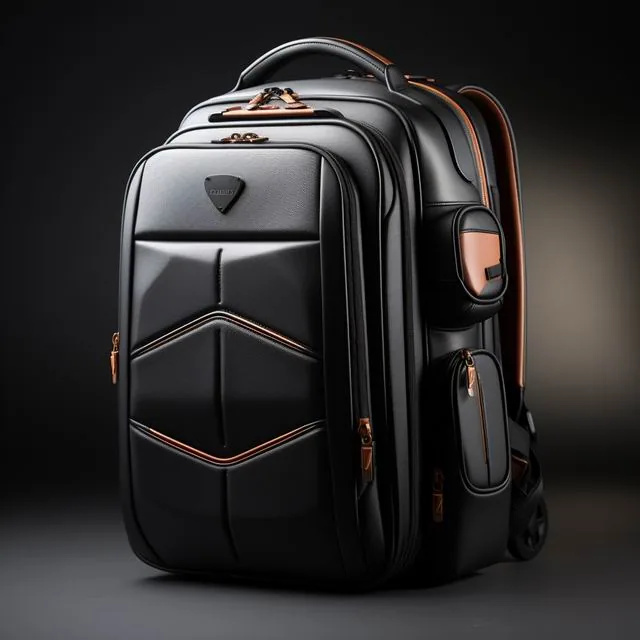
Limestone walls are crossed by two types of gap, and both are tighter than any rucksack specification ever mentions. Step-through stiles leave a squared opening, usually around 400-450 mm wide, while the narrow vertical squeezer stiles common above Malham and around Littondale leave a slot that some walkers already find snug. A pack with external axe loops, dangling compression straps, a rear shovel pocket or a pair of 1 litre bottles sticking out sideways will jam hard at exactly the moment you are off balance on wet rock. Measure your own pack at its widest loaded point rather than guessing, since most walkers underestimate that figure by 30-40 mm.
Build to a simple envelope instead: total width at the widest point no more than 300 mm, depth no more than 220 mm, and nothing hanging below the base panel. That profile clears the great majority of Dales stiles while still leaving room for a 30 litre load, and it has the side benefit of stopping the pack from swinging when you turn sideways through a gap. Before buying, load it to capacity at home and push it through a 320 mm doorway gap - if it catches there, it will catch at a stile. Treat those two dimensions as design limits rather than suggestions when weighing up two otherwise similar models.
- Maximum overall width at the widest point: 300 mm.
- Maximum depth measured from the back panel forward: 220 mm.
- No external pockets below the base line and no dangling webbing loops.
- Side compression straps must lie flat, not belayed out around bottle volume.
Limestone: Abrasion, Sharp Edges and Alkaline Dust
Limestone pavement around Malham Cove and above Conistone wears fabric differently from slate or gritstone. Weathered clints present broad, flat surfaces that abrade rather than cut, but the gaps between them - the grykes - have sharp, fluted edges that both tear cloth and trap grit against anything dragged along them. Because walkers set packs down constantly on this ground for photographs and snack stops, the base panel and lower flanks take more contact per kilometre in the Dales than they do on most mountain routes. Counting how often the pack is set down is surprisingly instructive on these routes; twenty times before lunch is ordinary.
The dust matters too. Limestone powder is alkaline and holds moisture, and once it is ground into a base fabric it accelerates coating breakdown and leaves pale blooms across dark colourways. Rinse the lower panels with clean water after every limestone day rather than letting dust sit in the weave over winter, and avoid brushing dry panels indoors. In specification terms the answer is the same as for any abrasive rock: double-layered base, seam lifted clear of the wear line, and no exposed foam at the corners. The lower side panels deserve equal attention, because those are what gryke edges scrape when a pack is dragged sideways through a narrow gap.
Hose or wipe the lower panels with clean water while the pack is still damp, paying attention to the seam channels where grit collects. Dry it open and upside down so the drawcord is lowest. Left untreated through a wet winter, alkaline dust plus salt from muddy lanes visibly degrades polyurethane backings before the outer cloth shows any wear at all.
Mud, Standing Water and Lane Walking
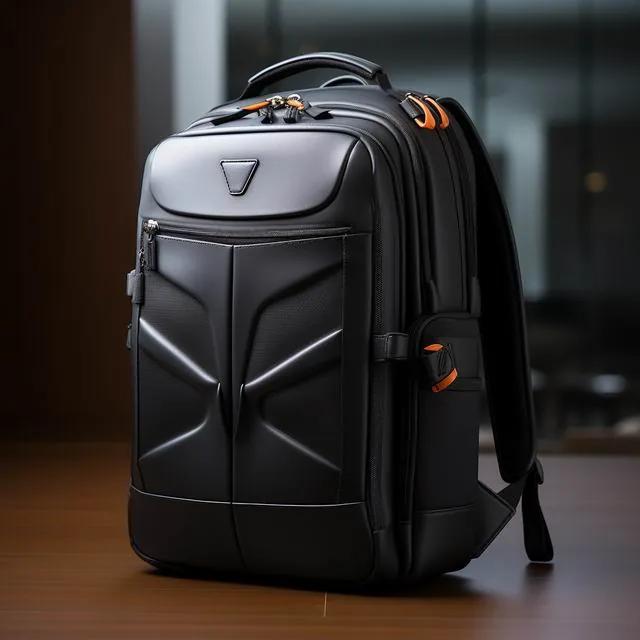
Dales routes include long stretches of wet pasture where there is no line worth choosing and simply no dry ground. Every time the pack is put down in that environment, the base and hip belt become the contact points, so coated cloth pays off twice here: it keeps water out of the contents and is far easier to wipe clean than a woven face fabric. Investigate whether the hip belt padding is closed-cell, because open foam wicks water and then stays wet for the rest of the day against your clothing. Webbing adjusters suffer in the same conditions: grit in a ladder-lock eventually lets the strap creep under load, usually late in the afternoon.
Side pockets deserve more thought on these routes than anywhere else. Open mesh drains well but lets mud in from every hedge gap and gate; solid fabric keeps contents cleaner but fills with water in heavy rain unless there is a drainage eyelet at the base. The compromise worth specifying is a solid lower panel of 150-200 mm with a mesh upper, plus a grommet at the base. Route those pockets behind the hip belt rather than in front of it to avoid catching on gate furniture. Bungee retainers over each pocket are worth specifying too, since they stop bottles being knocked clear when you climb through wet wire.
- Closed-cell foam in hip belt and lumbar pad rather than absorbent open foam.
- Side pockets with a drainage grommet and solid lower section.
- Coated base panel that can be wiped clean rather than laundered.
- A low-mounted rain cover clipped to the body, not stored loose inside.
Volume by Dales Route
Because carrying requirement is driven by weather exposure rather than distance, these figures move less with distance than newcomers expect. What genuinely changes the number is how far you are from shelter at the halfway point. Malham keeps you close to a village for most of the loop; the Three Peaks puts you 8-10 km from either Horton or Chapel-le-Dale for most of the morning, which obliges a fuller emergency layer and larger food and water carry. Plan against distance from shelter rather than total distance walked, because that figure decides both clothing and water volume. Shelter distance is therefore the figure written next to every volume target.
| Route | Distance | Ascent | Suggested volume |
|---|---|---|---|
| Malham Cove, Gordale Scar and Janet's Foss | 11 km | 380 m | 20-24 L |
| Ingleton Waterfalls Trail | 13 km | 300 m | 20-24 L |
| Ingleborough from Clapham | 13 km | 480 m | 24-28 L |
| Pen-y-ghent from Horton | 10 km | 450 m | 24-26 L |
| Yorkshire Three Peaks route | 39 km | 1,585 m | 28-32 L |
| Dales Way stage, typical | 18-23 km | 250 m | 30-36 L |
Note how small the day-ring numbers are. Many walkers arrive in the Dales with a 40 litre pack bought for a hostelling holiday and spend every stile fighting it. Selling the 24 litre option honestly is the better advice: it covers nine out of ten Dales days, and anyone doing the Three Peaks or a Dales Way stage will want a second bag anyway rather than one over-large compromise. Buying two correctly sized packs costs less in the end than replacing one badly chosen compromise, a lesson many walkers absorb on their second visit. Staff can usually arrange that comparison in minutes if you bring both sizes into the shop together.
Twelve-Hour Load Economy on the Three Peaks
The Yorkshire Three Peaks route is 39 km with a cumulative ascent of about 1,585 m over Pen-y-ghent, Whernside and Ingleborough, and most parties take between nine and twelve hours. That duration changes the load question entirely: what matters is not the starting weight but how consistent it stays. Water is the largest single variable, and there are reliable refill points around Horton, Ribblehead and Chapel-le-Dale, so carrying 1 litre plus a filter or tablets is kinder on the harness than starting with 3 litres. A small filter and a few tablets add about 120 g and remove the uncertainty about livestock grazing upstream of every stream crossing.
Harness fit decides the last four hours. Over a twelve-hour day a well-fitted hip belt should still be carrying 20-30% of the load at Ribblehead rather than having slipped onto the shoulders, which means the belt must be adjustable enough to sit above the iliac crest over just a base layer in July and over fleece plus shell in April. Here, as anywhere, total carried weight should be kept within sensible bounds; the Health and Safety Executive publishes general guidance on musculoskeletal risks from carrying loads that is worth reading before planning weight for a long challenge day.
- Set off with 1 litre of water and refill at the three crossing points rather than carrying three litres up Pen-y-ghent.
- Check hip belt position at every summit: it should sit on the crest, not ride up into the waist.
- Eat every 45 minutes from the second hour; twelve hours without regular intake costs more than any gram saved on food.
- Swap to a warm layer on Whernside even in summer - the plateau is exposed and groups stop there longest.
Heat, Shade and Water Intake on Open Karst
Karst landscape has almost no shade and reflects strongly. In July the limestone around Malham and Whernside can hold surface temperatures well above the ambient reading, which is why heat illness appears among walkers who planned for a gentle 11 km. Occupational guidance on working in hot conditions from the United States National Institute for Occupational Safety and Health applies the same logic to hill walking: schedule rests in shade, drink before thirst arrives, and watch for the early signs of heat strain in the group rather than the end stage. Group size matters here: on a challenge day the slowest walker sets the pace while the fastest usually loses the most fluid.
Pack design helps here more than people expect. A suspended mesh back panel lets air move behind the lumbar area on the gentle gradients of the Wharfe valley sections, but it pushes the load 30-40 mm further from the spine, which you will feel on the steep pull up Ingleborough. A compromise suits the Dales better than either extreme: a shallow ventilated channel in a primarily load-bearing panel, plus side pockets that hold two bottles within easy reach so drinking actually happens. Pocket geometry matters as much as volume, and two sleeves each taking a 750 ml bottle beat one oversized pouch that everything rattles around inside.
Rights of Way, Livestock and Field Etiquette
Unlike much of the upland national parks, most Dales walking happens along public rights of way crossing working farmland, so the governing rules concern paths, gates and livestock rather than open mountain access. The current statutory framework derives from the Countryside and Rights of Way Act, and the practical expectations are summarised in the government's Countryside Code, which covers field margins, gates and dogs around farm animals. Expect to open and close a gate every few hundred metres on many sections. Closing gates is not ceremonial, since stock losses are how access disputes typically begin between walkers and tenant farmers.
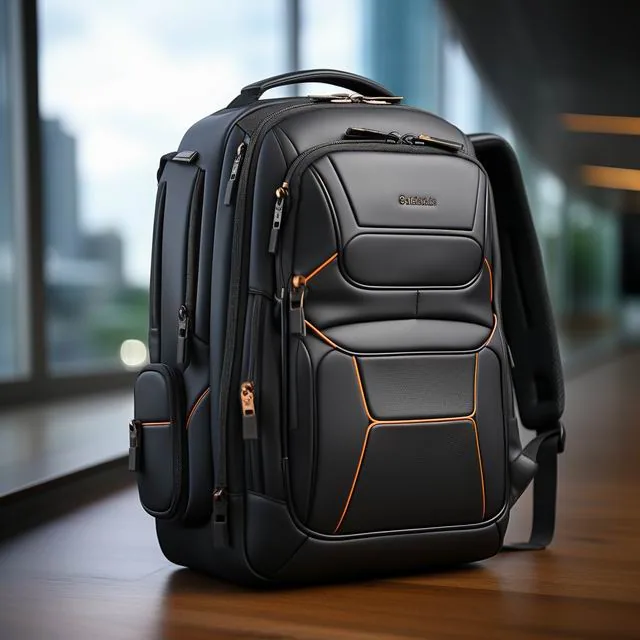
That frequency has a direct pack consequence. Every gate, stile andqueezer costs time when hooks, straps and bright-colour webbing catch on gate furniture or hang-ups, and it also costs wrist load when you are passing the pack over a wall single-handed. A pack with a single grab handle sewn to two panels rather than one handles those transfers; one with a soft, unstructured grab loop is awkward to pass overhead. Keep handles central so the pack hangs level while being lifted over a five-bar gate. A compact loop near the lid also earns its place, letting the pack hang from a gate hook instead of being dropped into mud.
Spec Sheet for a Dales Pack
Written down, the Dales brief is unusually specific because the limiting dimensions come from walls rather than hills. The following parameters can all be checked with a tape measure and kitchen scales before you buy, and they separate the packs that will pass a squeezer stile cleanly from those that will not. Where a number conflicts with what a retailer has on the shelf, prefer the narrower option: you can always add volume with a lid collar, but you cannot remove width. Two minutes with a tape measure on the shop floor settles most comparisons more reliably than any written review.
| Parameter | Target for Dales walking |
|---|---|
| Width at widest point | 300 mm or less |
| Depth from back panel | 220 mm or less |
| Day-ring volume | 22-26 L; stage volume 32-36 L |
| Empty weight | 0.9-1.2 kg for the day size |
| Side pockets | Drainage grommet plus 150-200 mm solid lower panel |
| Grab handle | Centred, stitched across two panels |
| Base fabric | 500D-600D coated, double layer at contact points |
| Harness | Adjustable hip belt usable over a fleece and shell |
Two items should be struck from shortlists immediately. Packs with a full wrap-around mesh back panel look appealing for summer but push your load too far from the spine for the steep pulls off Ingleborough and Pen-y-ghent. And anything with a rear shovel pocket or daisy chain hanging below the base will foul on the first stile, however useful it looks in the shop. A third exclusion is less obvious: avoid very wide padded hip fins, which add 40-60 mm of overall width and are frequently what catches as you twist sideways through a gap. A narrow external helmet carrier is a reasonable exception, provided it folds flat when empty.
Building a Dales Catalogue Line
Retail brands often read this list as two SKUs rather than one: a slim 24 litre day pack and a 34 litre stage pack sharing the same colour story and trim. On the commercial side, ordering starts at 500 pcs per style and colourway, which is enough to cover both sizes in a single launch palette if the fabric and hardware set are shared between them. First samples arrive in 6-10 working days; constructions involving moulded back panels or bespoke hardware take 12-15 working days. Sharing one hardware and webbing set between both sizes also holds unit cost down and simplifies spare parts later.
Lead times and payment then settle around the same frame as any mid-capacity build: bulk production runs 35-50 days from gold-seal approval, quoted FOB Xiamen with T/T 30/70 payment terms. Pre-shipment inspection follows AQL 2.5 to ISO 2859-1, with added attention to exactly the details the Dales punish - base seam placement, drainage eyelets and hip belt adjusters. QUANZHOU JUNYUAN BAGS has managed this type of seasonal programme since 2014 across 4,950 m2 of SGS-verified production floor space, 137 colleagues and 7 production lines. Retailers generally prefer a two-season lead time, with samples signed off early so that spring merchandising can be planned with margin intact.
Frequently Asked Questions
What size backpack do I need for the Yorkshire Dales?
For most day walks - Malham, Ingleton, Ingleborough from Clapham - 22-26 litres is right. Dales Way stages run to 30-36 litres if you are carrying everything between B&Bs, or 26-30 litres if a baggage transfer is handling your overnight kit. Width matters more than volume here, so keep the pack to 300 mm across whatever capacity you choose. Stage walkers should size for the heaviest single day rather than the average one across the trip.
Will my rucksack fit through a squeezer stile?
Many do not, because the limiting factor is width and loose webbing rather than litres. Measure the widest point of your loaded pack and compare it against roughly 400 mm of clear gap; leave margin for the loops, stitching and bottle pockets that sit outside that measurement. Packs with rear utility pockets or dangling compression straps jam most often, and they jam while you are balanced on one leg.
Is a hip belt needed for Dales day walking?
It helps more than walkers expect, mostly by stopping lateral sway on muddy, cambered field paths rather than by saving your shoulders. A slim padded belt on a 24 litre pack adds a few grams and gives you somewhere to carry a phone and snacks. A decorative webbing belt with a single click buckle does almost nothing, so check that the belt is padded and sewn into the body rather than clipped on.
How much water should I carry on the Yorkshire Three Peaks?
Start with 1 to 1.5 litres and plan to refill at Horton, Ribblehead and Chapel-le-Dale, which most groups pass within reach. Carrying three litres up the first climb costs 3 kg of avoidable weight over 39 km. In hot weather add electrolyte tablets and drink to schedule rather than to thirst; the Whernside plateau offers no shade and very little for most of the summer.
What causes white marks on dark packs after limestone walking?
It is usually alkaline limestone dust ground into the face fabric and held there by moisture, sometimes combined with early breakdown of the polyurethane backing. Rinse the lower panels with clean water while the pack is still damp and dry it open and inverted. Avoid scrubbing dry powder deeper into the weave, and never store the pack dirty through a wet winter.
Are side pockets useful or just snagging hazards in the Dales?
Solid pockets with a drainage grommet are genuinely useful; loose open mesh is not. Mesh lets hedge clippings, mud and burrs reach whatever you have stored, and it catches on gate hooks. Look for a solid lower panel of about 150-200 mm with mesh above, positioned behind the hip belt so it does not foul gate furniture when you turn sideways through a gap.
Do I need a waterproof rucksack for Dales walking?
Water resistance is more useful than absolute waterproofing, because lane walking, walls and gates abrade any fully waterproof construction. A coated 500D-600D body with bound internal seams handles Dales rain well, with a rain cover carried for sustained downpours. Prioritise a coated base that can be wiped clean and a hip belt made of closed-cell foam that will not absorb standing water.
What should I carry for a winter day in the Dales?
Same volume plus four to six litres, because gloves, hat, spare base layer and a head torch come aboard every time between November and March. Route visibility is the real risk: mist sits on the tops at 300-400 m, so add a compass and downloaded route to the standard kit. Allow for shorter daylight and plan the route around the river crossings rather than distance.
Can I use one bag for both the Dales Way and day walks?
A 26-30 litre pack covers both if you are using a baggage-transfer service, which is how most stage walkers operate. Self-supported walkers carrying a full overnight change need 32-36 litres, and that size is too bulky for a Malham day ring. If you only buy one, choose the 28 litre size and accept that you will need a second bag for full self-supported stages.
How do I stop my pack catching on gates and stiles?
Keep everything wound tight: compression straps pulled flat against the body, no bottles poking out sideways, and grab handles tucked rather than flapping. When crossing a wall, pass the pack over with a handle sewn across two panels so it hangs level. Practise loading at home and pushing through a narrow gap - most catches are predictable before you reach the field.
What weight should a Dales day pack be empty?
Around 0.9 to 1.2 kg for a 24-26 litre bag is reasonable; below about 700 g you are usually giving up hip belt padding or panel structure that matters on twelve-hour days. Remember the empty weight is the one figure you carry regardless of season. Checking it on kitchen scales takes seconds and often settles the choice between two otherwise similar models.
What is the order minimum for a custom Dales walking range?
Development starts at 500 pcs per style and colourway, so a launch palette of four colourways across two sizes is easily accommodated. Sampling takes 6-10 working days for a standard construction and 12-15 working days where moulded panels or bespoke hardware are involved. Bulk then runs 35-50 days from approval, FOB Xiamen with T/T 30/70 and inspection to AQL 2.5 under ISO 2859-1.
Develop a Dales Line Against Real Dimensions
A Dales range succeeds on dimensions rather than marketing: 300 mm across, 220 mm deep, nothing dangling, drainage where it counts. Send the routes your customers actually walk and the price band you need to hit, and the two-size story - a slim day pack plus a stage pack - can be costed against shared fabric and trim.
QUANZHOU JUNYUAN BAGS coordinates the development from tech pack to gold seal, sampling standard builds in 6-10 working days and complex ones in 12-15, from 500 pcs per style and colourway, with bulk shipping in 35-50 days FOB Xiamen and inspection to AQL 2.5.
Email: service@junyuanbags.com
WhatsApp: +86 177 5002 0688