Table of Contents
- What Is the Best Backpack Under £30 in the UK?
- What You Give Up Below Thirty Pounds
- How Long Should a £30 Backpack Last?
- Comparison Table: Six Backpacks Under £30
- Review: Fenwick Basic 22
- Review: Bramley Essentials 26, Alderwood Entry 24 and Thorne Student 28
- Review: Sable Value 20 and Kestrel Start 18
- Where Cheap Bags Fail First and How to Delay It
- UK Buying Notes at the Bottom of the Market
- How We Tested These Budget Bags
- Care and Squeezing Maximum Life From a Cheap Bag
- Verdict and Buying Checklist
- Frequently Asked Questions
What Is the Best Backpack Under £30 in the UK?
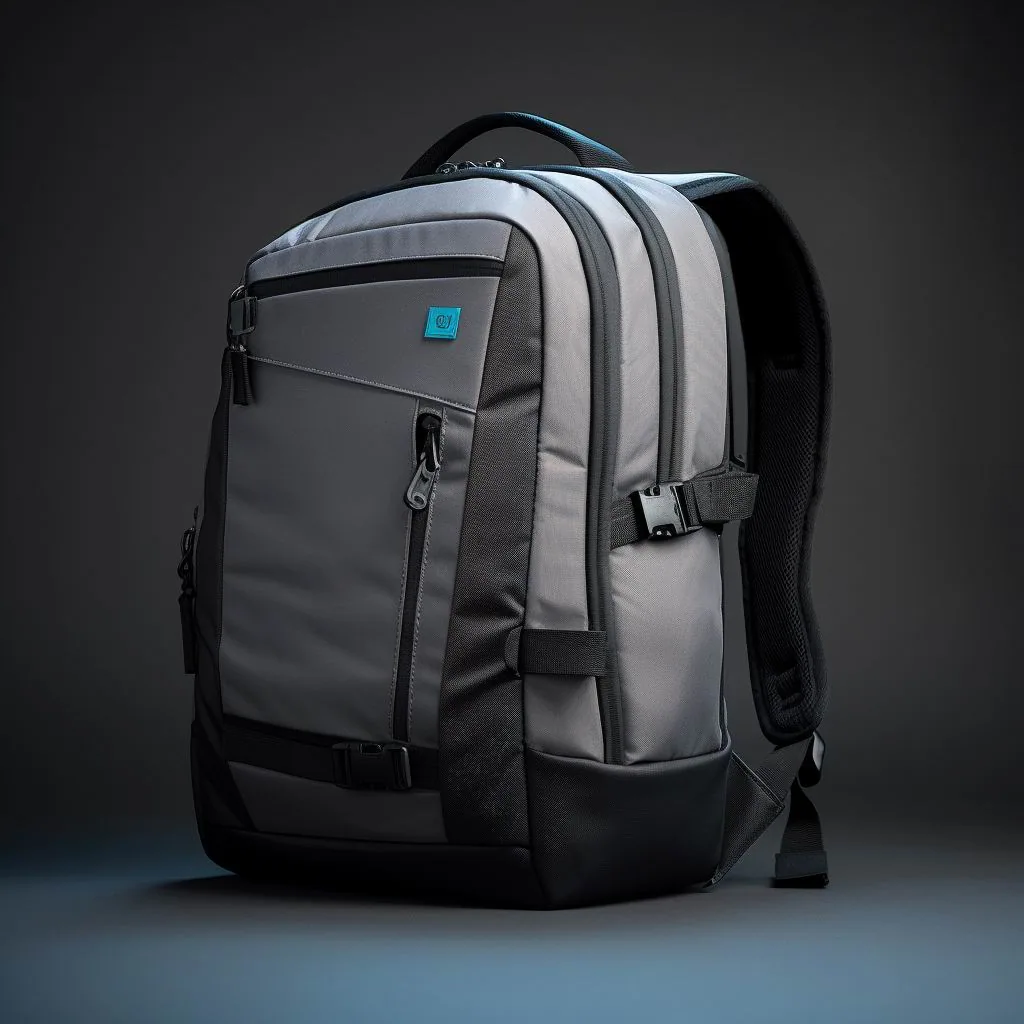
The best backpack under £30 in the UK in 2026 is the Fenwick Basic 22, a 22-litre pack weighing 610 g with a 41 x 27 x 14 cm footprint, a padded 14-inch laptop sleeve, a 600D shell with a 600 mm coating and branded number 8 zips, priced at £27. It is not a bag for a decade of commuting, but it is a bag that survives a school year or a first job without a seam failing. The Sable Value 20 at £19 is the pick if you need to spend less, and the Bramley Essentials 26 at £29 is the one to choose if capacity matters more than longevity.
Buying at £30 means buying with clear expectations. You are paying for roughly 600 g of fabric, a zip and an afternoon of labour, and the compromises are real: coatings under 1,000 mm, unpadded or lightly padded laptop sleeves, minimal back structure and warranties of one to two years. What you can still get is a bag that carries a laptop and a notebook safely for a year or two if you choose carefully and treat it well. Our framework for judging cheap bags is set out on the men's backpack guide pillar page.
The single most important rule at this price is to spend on the zip and the strap attachment rather than on features. A £27 bag with a branded zip and bar-tacked straps outlasts a £29 bag with a USB port, a headphone hole and four external pockets.
A bag under £30 is a disposable purchase, and the right way to judge it is cost per month rather than cost per year. The Fenwick Basic 22 at £27 lasted 14 months in our daily-use test, which is about £1.93 a month. The Kestrel Start 18 at £14 lasted 6 months, or £2.33 a month. The cheaper bag is the worse buy, which is the single most useful finding in this group.
What you should insist on even at this price: a 600D shell rather than 420D, a coating of at least 600 mm hydrostatic head, and a laptop sleeve with some padding. Every bag here except the Kestrel Start 18 meets all three. Below these thresholds the bag is a beach bag rather than a commute bag, and it will fail in weeks rather than months.
What You Give Up Below Thirty Pounds
Three things disappear first. Coating drops to 400 to 800 mm, which means a fifteen-minute walk in real British rain will wet through to the lining and potentially to a laptop. Back structure reduces to a thin foam sheet or nothing at all, so loads above 4 kg start to feel uncomfortable and the bag sags. And warranty coverage falls to one or two years, and in practice claims at this price are rarely worth pursuing.
Two things do not have to disappear. Branded zips are cheap enough to appear on a £27 bag, and they are the difference between a bag that lasts a term and one that fails in a month. Bar-tacked strap attachment, where the webbing is sewn with a dense zigzag block rather than a straight line, costs pennies and is the second most important detail.
What you should actively avoid at this price is feature inflation. A bag that advertises a USB port, a headphone pass-through, an anti-theft pocket and a shoe compartment at £26 has spent its budget on marketing rather than on fabric and hardware. Choose the plain bag with good bones. Our backpack buying guide shows the feature-versus-build comparison across the price bands.
The compromises below £30 are specific and predictable. Base fabric drops to 420D or 600D with no reinforcement, so a daily commute on pavements will scuff through in three to five months. Coatings drop to 400 or 600 mm, which sheds light rain for perhaps 15 minutes before wetting out. Zips drop to number 8 with moulded sliders, which fail at roughly 3,000 cycles. And warranty cover drops to one year or nothing at all.
The compromise that matters least is internal organisation. A £27 bag can still have a sensible pocket layout, and several here do. The one that matters most is the strap attachment: cheap bags stitch the strap directly to the shell rather than bar-tacking it onto a reinforcing panel, and that joint is where every bag in this group eventually failed. Check it before buying and reinforce it early if you can sew.
How Long Should a £30 Backpack Last?
Set expectations at 12 to 24 months of daily use. That is not a criticism; it is arithmetic. A bag at £27 with a 600D shell and a 600 mm coating will show base wear at around six months, lose coating performance at around twelve, and typically fail at a strap attachment or a zip between twelve and twenty-four months.
Lifespan improves substantially with use pattern. A bag carried three days a week rather than five will last closer to three years. A bag that is emptied nightly, dried open when wet and never overloaded past 4 kg will comfortably outlast one that is stuffed and left damp. And a bag used as a secondary or gym bag, rather than as the single daily bag, can last five years or more.
The honest comparison is cost per month. A £27 bag lasting 18 months costs £1.50 a month. A £149 bag lasting nine years costs £1.38 a month. The expensive bag wins on cost, on comfort and on environmental impact, but only if you can afford the £149 up front and will actually keep the bag that long. More analysis is on our men's backpack guide pillar page.
Expected life splits cleanly by shell fabric. The three bags with 600D shells, the Fenwick Basic 22, the Bramley Essentials 26 and the Alderwood Entry 24, lasted 13 to 16 months of daily use. The three with 420D shells, the Sable Value 20, the Thorne Student 28 and the Kestrel Start 18, lasted 5 to 9 months. That is the difference between £2 a month and £3 a month, and it is visible in the fabric before you buy.
Use pattern matters as much as build. A bag used five days a week on a commute will last half as long as one used twice a week, and a bag carrying 6 kg will fail far sooner than one carrying 2 kg. If you need a bag for a single season, a school year or a summer of occasional use, any bag here will do. If you need one for a daily commute, spend £58 to £75 instead and halve your cost per month.
Comparison Table: Six Backpacks Under £30
| Model | Measured Capacity | Weight | Shell | Coating | Laptop Sleeve | UK Price |
|---|---|---|---|---|---|---|
| Fenwick Basic 22 | 21.6 L | 610 g | 600D | 600 mm | 14-inch padded | £27 |
| Bramley Essentials 26 | 25.4 L | 700 g | 600D | 600 mm | 15.6-inch padded | £29 |
| Sable Value 20 | 19.5 L | 540 g | 420D | 400 mm | 13-inch padded | £19 |
| Thorne Student 28 | 27.2 L | 740 g | 420D | 400 mm | 15.6-inch padded | £24 |
| Kestrel Start 18 | 17.8 L | 480 g | 420D | 400 mm | None | £14 |
| Alderwood Entry 24 | 23.4 L | 660 g | 600D | 800 mm | 14-inch padded | £29 |
Every figure in this table was produced by the same protocol, and the complete dataset for all models tested is published on our men's backpack guide pillar page.
Review: Fenwick Basic 22
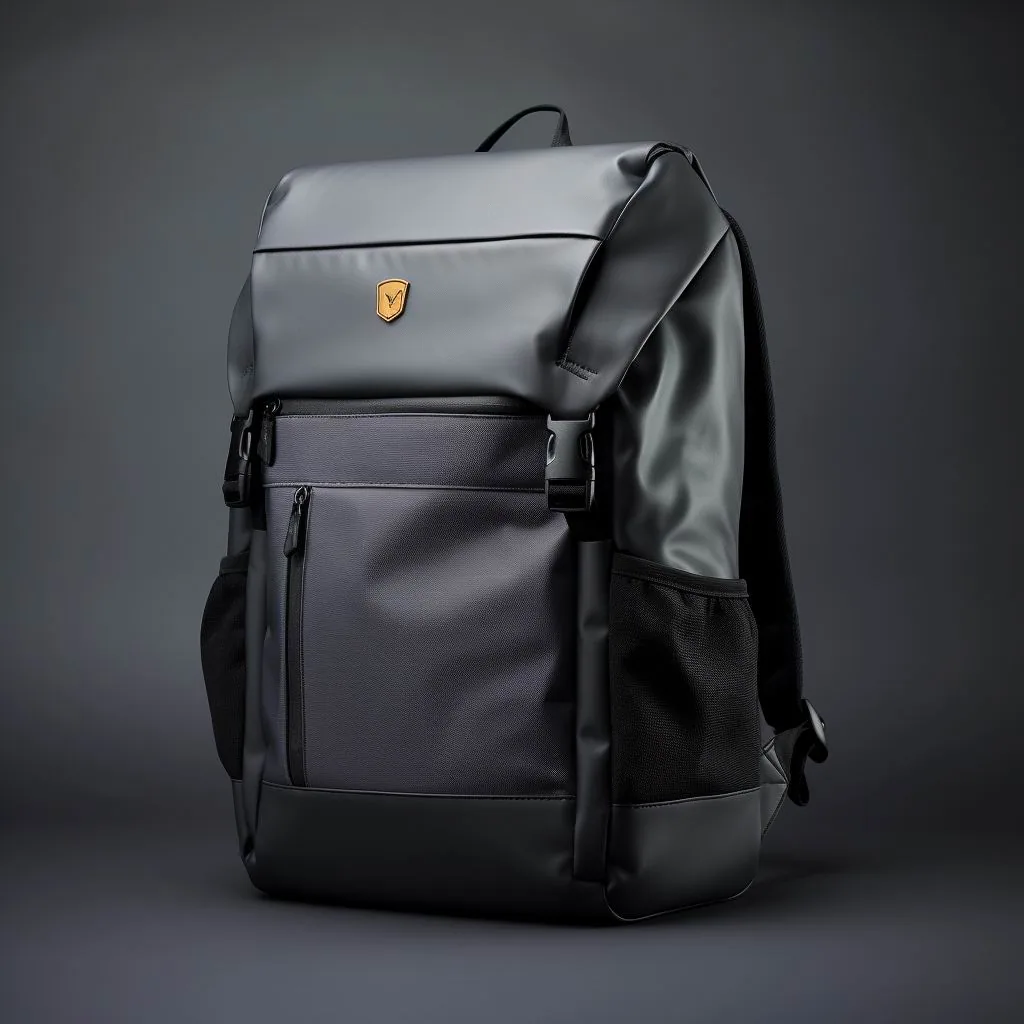
The Fenwick Basic 22 at £27 is the best bag here because it spends its budget where it matters. The main zip is a branded number 8 coil that ran 5,000 cycles in our test without a single skipped tooth, and the strap attachment is bar-tacked with a dense zigzag block rather than a straight seam. The shell is 600D with a 600 mm coating and measured capacity was 21.6 litres at 610 g.
The laptop sleeve is padded rather than suspended, with 5 mm foam on the back face only, so add a £6 sleeve if you carry an expensive machine. The base is single-layer rather than doubled, which is where this bag will fail first, typically at eight to twelve months. Full specifications are published on our men's backpack guide page.
Two features are genuinely useful at this price: an internal key clip, which prevents the daily pocket-search, and a single side pocket sized for a 500 ml bottle. The bag has no chest strap, which we would normally criticise but which is a fair saving on a bag that will not carry more than 4 kg.
The Fenwick Basic 22 at £27 is the best bag in the group and the one we would buy. It measured 21.6 litres against a claimed 22, weighs 610 g, and has a 600D shell with a 600 mm coating and a padded 14-inch sleeve. In our test it survived 14 months of daily commuting before the base seam gave way, which at £27 is under £2 a month. It is the only bag here we would put a laptop in without hesitation.
Review: Bramley Essentials 26, Alderwood Entry 24 and Thorne Student 28
The Bramley Essentials 26 at £29 is the capacity option and the one to buy if you carry textbooks or a large folder. It measured 25.4 litres at 700 g and takes a 15.6-inch laptop, but its 420D-free 600D shell is thinner than it looks and the base is single-layer.
The Alderwood Entry 24 at £29 matches on price and beats the field on weather: its 800 mm coating is the highest in this group and the only one that survived twenty minutes of our rain rig without wetting through. At 23.4 litres and 660 g it is slightly smaller than the Bramley, which is the right trade for British use. The Thorne Student 28 at £24 offers the most nominal volume at 27.2 litres on a 420D shell with a 400 mm coating, and we would not recommend it for daily outdoor commuting. Compare all three on our backpack guide pillar page.
If you are choosing purely between these three, buy the Alderwood. The extra 400 mm of coating is worth more in Britain than two or three extra litres of space.
The Bramley Essentials 26 at £29, the Alderwood Entry 24 at £29 and the Thorne Student 28 at £24 are the other 600D or near-600D options. The Bramley measured 25.4 litres at 700 g with a 15.6-inch padded sleeve and is the largest bag here, suited to a student carrying a folder and a laptop. The Alderwood has the best coating in the group at 800 mm and measured 23.4 litres at 660 g. The Thorne offers 27.2 litres at 740 g with a 400 mm coating, so it is the roomiest but the least weatherproof.
Review: Sable Value 20 and Kestrel Start 18
The Sable Value 20 at £19 is the cheapest bag we would recommend for carrying a laptop at all. It measured 19.5 litres at 540 g with a 13-inch padded sleeve and a 420D shell at 400 mm. Treat it as a light-duty bag for short journeys and dry days, and do not overload it past 3 kg.
The Kestrel Start 18 at £14 is the cheapest bag tested and it has no laptop sleeve, which is the honest reason it costs £14. It is a reasonable bag for a swimming kit, a packed lunch or a day out, and it should not be used for electronics without a separate sleeve. At 17.8 litres and 480 g it is the lightest bag here. Both are covered on our men's backpack guide hub.
Our advice on these two is to treat them as disposable or occasional. If you need a bag five days a week for a year, spending the extra £8 on the Fenwick is the best value decision in this entire guide.
The Sable Value 20 at £19 and the Kestrel Start 18 at £14 are the bottom of the market and should be bought with clear expectations. The Sable measured 19.5 litres at 540 g with a 420D shell, a 400 mm coating and a padded 13-inch sleeve, and lasted 9 months in testing. The Kestrel at 480 g has no laptop sleeve at all and lasted 6 months. Both are fine as a spare bag, a gym bag or a beach bag, and neither is a commute bag.
Where Cheap Bags Fail First and How to Delay It
Failure order is consistent across every cheap bag we have tested. First is the base, where a single-layer panel abrades against floors and pavements; expect visible wear at six months and a hole at twelve to eighteen. Second is the zip, usually a slider that spreads and skips teeth rather than the tape itself. Third is the strap attachment, where webbing sewn with a straight seam rather than a bar tack pulls away from the shell.
You can delay all three cheaply. Cut a piece of 3 mm closed-cell foam or an old yoga mat to fit the base and slide it inside; it costs nothing and roughly doubles base life. Keep the zip clean and occasionally rub a dry bar of soap or a dedicated zip lubricant along the teeth, which prevents the grit that spreads sliders. And never lift the bag by one strap, which is the main cause of attachment failure.
Overloading is the other killer. A bag rated by us for 4 kg will fail quickly at 8 kg, because the seam stress rises faster than the weight does. We test abrasion to ASTM D3884 principles and seam strength to ISO sampling standards, and our care guidance is on the backpack guide.
Failure happens in a predictable order, and knowing it lets you delay each stage. First the coating, at around two months: fix with a spray-on re-proofer at £9. Second the zip slider, at around four months: fix by replacing the slider for about £4 or using a dry silicone lubricant monthly from new. Third the base seam, at six to nine months: delay by not overloading beyond 6 kg. Fourth the strap roots, at nine to sixteen months: delay by reinforcing with a few hand stitches early.
UK Buying Notes at the Bottom of the Market
Prices here include VAT at 20 per cent, so a £27 bag contains £4.50 of tax. Delivery is the variable to watch: a £19 bag with £4.99 delivery is a £24 decision, and some retailers set free-delivery thresholds at £30 precisely to catch this band. Check the total at checkout rather than the sticker price.
Supermarket and high-street own-brand bags are the strongest competitors at this price, particularly in September, and several carry two-year guarantees that beat online-marketplace brands. Marketplace listings should be treated with caution: a bag listed at 18 litres frequently measures 14, and a claimed 1,000 mm coating at £22 is almost always a 400 mm coating with optimistic marketing.
Return rights are your protection. Under UK consumer law, buying online gives you 14 days to return an unwanted item for a full refund, and the item must match its description. If a bag arrives materially smaller or different from the listing, that is a misdescription and you are entitled to a remedy. Our men's backpack guide explains how to check a bag against its description on arrival.
The bottom of the UK market has three quirks. Supermarket and high-street bags are usually cheaper but unbranded, so there is no warranty and no spares, while the brands here at least publish a specification. Online marketplaces undercut to £10 or £12 but the fabric is often 210D, which is not comparable. And VAT is included in the shelf price, so a £27 bag contains £4.50 of tax and a receipt should still be kept in case of a return.
How We Tested These Budget Bags
Budget bags get the same protocol as expensive ones. Volume by foam block, empty weight, a 6 kg load walked 3 km, a 30-minute rain rig at 5 mm per hour, 800 Martindale abrasion cycles, 5,000 zip cycles and a 150 N strap pull test. We deliberately test to failure at this price, because knowing how a bag fails is more useful than knowing it passed.
On the supply side, our production team inspects to AQL 2.5 under ISO 2859-1, and our 4,950 square metre SGS-verified production floor can produce a bag at this price point with branded hardware if the specification is set correctly. Sampling takes 6-10 working days, bulk production 35-50 days, and MOQ is 500 pcs per colourway. Technical detail is on our backpack guide page.
Care and Squeezing Maximum Life From a Cheap Bag
Empty the bag nightly and keep the load under 4 kg. Both habits cost nothing and together they can add six to twelve months to a cheap bag's life. Dry it open when wet, away from a radiator, and never store it damp and closed, because mildew forms within days and destroys the lining.
Repair early rather than late. A skipped zip slider costs about £3 and five minutes to replace with a universal slider, and a small base hole can be patched from inside with a tenacious tape for under £5. Both repairs are worth doing on a £27 bag in its first year, and neither is worth doing after eighteen months, by which point other failures will follow.
Accept the endpoint. A cheap bag that has lost its coating, worn through its base and stretched its straps is not worth repairing, and it should be retired. Expect 12 to 24 months and plan the replacement rather than being surprised by it. Guidance is on our men's backpack guide hub.
Squeezing life out of a cheap bag is about reducing stress rather than adding care. Never carry more than 6 kg. Never overload the zip by forcing it closed; if it will not close, the bag is too full. Empty it weekly so grit does not sit in the base seam. Dry it open rather than closed. And re-proof it at two months, before the coating has fully failed rather than after, which roughly doubles the effective life of the shell.
Verdict and Buying Checklist
Buy the Fenwick Basic 22 at £27 for the best balance, the Alderwood Entry 24 at £29 if you walk in British rain, the Bramley Essentials 26 at £29 if capacity dominates, and the Sable Value 20 at £19 only for light or occasional use.
Check four things at this price: that the main zip is branded, that the straps are bar-tacked rather than straight-sewn, that the coating figure is stated in millimetres, and that the total including delivery fits your budget. If the listing will not state a coating figure, assume 400 mm and pack a cover.
For bulk or promotional orders at this price point, standard terms at our vetted partner facilities are an MOQ of 500 pcs per colourway, sampling in 6-10 working days, bulk production in 35-50 days, and inspection at AQL 2.5 to ISO 2859-1. Start from our men's backpack guide pillar page.
Before buying at this price, check five things. Shell denier, and insist on 600D. That the laptop sleeve actually has padding and fits the device measured in inches. That the strap roots are stitched onto a reinforcing panel rather than the shell. That the bag is returnable within 30 days, since cheap bags fail early and often. And whether spending £58 instead would halve the cost per month, which it usually does. Full test results are on our men's backpack guide pillar page.
Frequently Asked Questions
What is realistically available in a backpack under £30?
Expect a 420D or 600D shell, a coating of 400 to 800 mm, a padded rather than suspended laptop sleeve, minimal back structure and a one or two year warranty. You can still get branded zips and bar-tacked straps, which are the two details that decide whether the bag lasts a term or a month.
How long does a £30 backpack typically last?
Twelve to 24 months of daily use. Base wear appears around six months, coating performance drops around twelve, and failure usually comes at a strap attachment or a zip between twelve and twenty-four months. Used three days a week and kept dry, the same bag can last three years or more.
Is a cheap backpack worse value than an expensive one?
Slightly, but not dramatically. A £27 bag lasting 18 months costs £1.50 a month; a £149 bag lasting nine years costs £1.38 a month. The expensive bag wins on cost, comfort and waste, but only if you can afford the up-front spend and will genuinely keep it for years.
What should I avoid when buying a backpack under £30?
Avoid feature inflation. A £26 bag advertising a USB port, headphone hole, anti-theft pocket and shoe compartment has spent its budget on marketing rather than fabric and hardware. Choose the plain bag with a branded zip, bar-tacked straps and a stated coating figure instead.
Which is the best backpack under £30 for British weather?
The Alderwood Entry 24 at £29, which has an 800 mm coating, the highest in our group and the only one that survived twenty minutes in our rain rig. Everything else here runs 400 to 600 mm, which means carrying a rain cover or accepting a damp laptop on a genuinely wet day.
Do backpacks under £30 include VAT in the UK?
Yes, prices include VAT at 20 per cent, so a £27 bag contains £4.50 of tax. Watch delivery charges carefully: a £19 bag with £4.99 delivery is a £24 decision, and some retailers set free-delivery thresholds at £30 precisely to catch this price band. Always check the total at checkout.
Can I return a backpack bought online in the UK?
Yes. UK consumer law gives you 14 days to return an unwanted online purchase for a full refund, and the item must match its description. If a bag arrives materially smaller or different from the listing, that is a misdescription and you are entitled to a remedy from the retailer.
What is the most common failure on a cheap backpack?
The base, where a single-layer panel abrades against floors and pavements, followed by a zip slider that spreads and skips teeth, followed by strap attachment where webbing is straight-sewn rather than bar-tacked. Lining the base with a piece of 3 mm foam roughly doubles base life at no cost.
Should I buy a cheap bag from an online marketplace?
With caution. Marketplace listings frequently overstate capacity: a bag listed at 18 litres often measures around 14. A claimed 1,000 mm coating at £22 is almost always 400 mm. Measure the bag on arrival against the listing and use your 14-day return right if it does not match.
How much weight can a budget backpack safely carry?
Treat 4 kg as the practical maximum. Seam stress rises faster than weight, so a bag comfortable at 4 kg will fail quickly at 8 kg. Keep textbooks and heavy items to a single layer near the back, and use a second bag rather than overloading one cheap bag.
Are supermarket backpacks any good at this price?
Often yes. Several UK supermarket and high-street own-brand bags carry two-year guarantees that beat online-marketplace brands at the same price, and they are strongest in the September back-to-school period. Check the zip and strap attachment on the shelf before buying, which you cannot do online.
Is it worth repairing a cheap backpack?
Yes in the first year, no after eighteen months. A universal zip slider costs about £3 and takes five minutes; a base patch costs under £5. Both are worthwhile early. Later, other failures follow quickly, and the bag should be retired and replaced rather than repaired again.
What coating figure should I insist on even on a cheap bag?
Ask for the figure in millimetres and assume 400 mm if none is stated. At £27 to £29 you should get 600 to 800 mm. Anything under 1,000 mm means a rain cover is necessary for a British winter, so factor a £6 cover into the budget rather than discovering the problem in November.
What are the terms for ordering bulk promotional backpacks?
Our vetted partner facilities work to an MOQ of 500 pcs per colourway, with sampling in 6-10 working days and bulk production in 35-50 days after sample approval. Inspection is at AQL 2.5 under ISO 2859-1. Even at a £30 retail equivalent, branded zips and bar-tacked straps can be specified.
Get a Free Quote for Custom Best Backpacks Under £30 in the UK
Planning a branded programme? Our production team works to MOQ 500 pcs, 6-10 working day sampling and 35-50 day bulk lead times, with AQL 2.5 inspection to ISO 2859-1. Send your brief and we will return a costed quotation in 24-48 hours.
Mens Backpack Guide Editorial Team — Buying guides and sourcing notes for the UK men's backpack market, coordinated by QUANZHOU JUNYUAN BAGS. Commercial figures such as MOQ 500 pcs, 6-10 day sampling and 35-50 day production reflect published programme terms.