Table of Contents
- What Is the Best Backpack Under £150 in the UK?
- What £150 Actually Buys Compared With £75
- Choosing the Right Size in the £150 Band
- Comparison Table: Seven Backpacks Under £150
- Review: Alderwood Meridian 30
- Review: Kestrel Venture 34 and Thorne Urban 24
- Review: Bramley Commute 28, Fenwick Metro 26 and Sable Day 28
- Materials and Hardware to Expect at This Price
- British Buying Notes: VAT, Sales and Warranty Claims
- How We Tested These Bags
- Care and Protecting Your Investment
- Verdict and Buying Checklist
- Frequently Asked Questions
What Is the Best Backpack Under £150 in the UK?
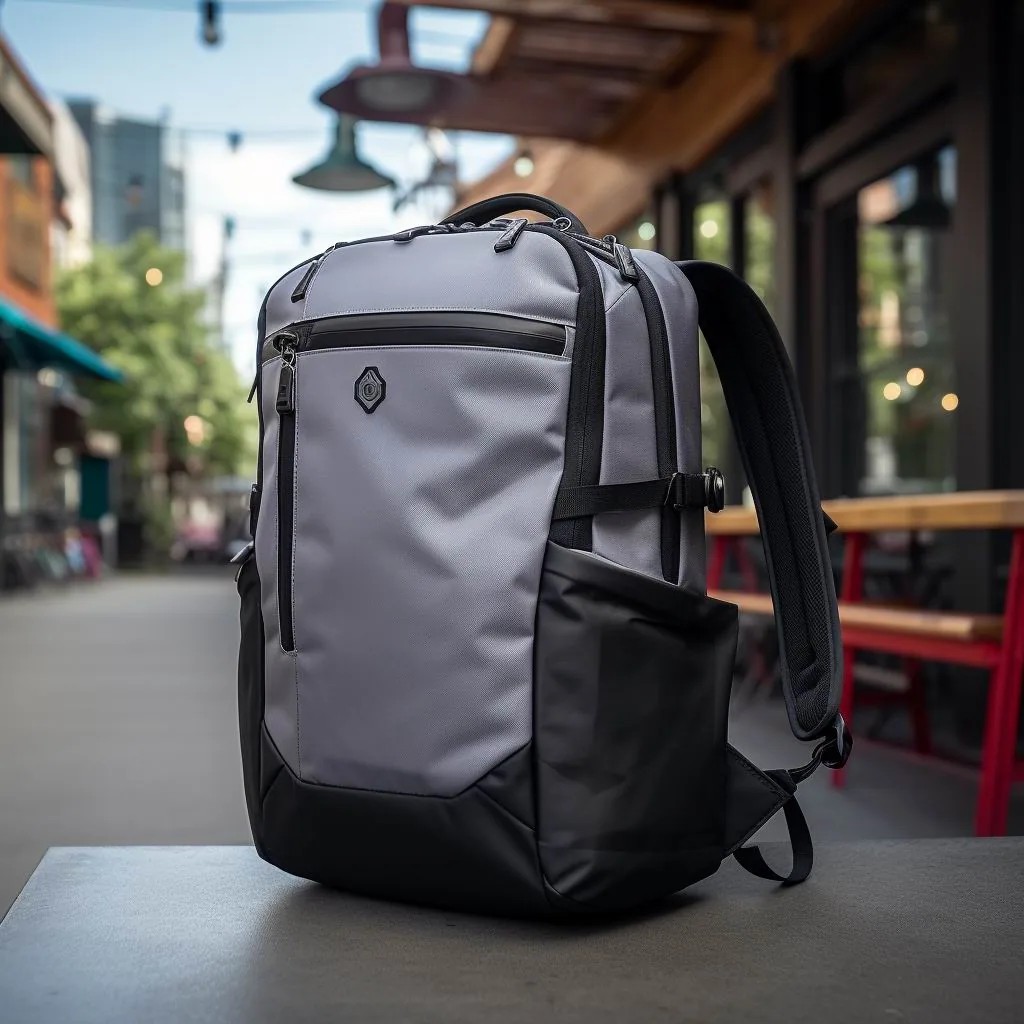
The best backpack under £150 in the UK in 2026 is the Alderwood Meridian 30, a 30-litre pack weighing 1.24 kg with a 46 x 32 x 19 cm footprint, an 840D recycled shell rated to 1,500 mm, a suspended 15.6-inch sleeve and a 10-year warranty, priced at £149 including VAT. It delivers fabric, hardware and coverage that cost £220 or more from a fashion-led brand. Commuters who want something smaller should choose the Thorne Urban 24 at £118, and travellers should look at the Kestrel Venture 34 at £142.
One hundred and fifty pounds is the most interesting price point in British backpack retail. Below it you compromise on fabric, coating or hardware; above it you increasingly pay for brand positioning rather than construction. The bags in this band routinely use recycled 840D or 1000D shells, branded zips, suspended laptop sleeves and moulded back panels, and several carry warranties of 10 years or longer. Our testing framework is explained on the men's backpack guide pillar page.
The practical advice is simple: if your budget is flexible, spend £120 to £150 rather than £60 to £90. Over a five-year life the difference is roughly £12 a year, and you get a bag that does not need replacing halfway through.
The £150 band is the point at which a British buyer stops compromising on the three things that actually determine how long a bag lasts: base fabric, zip gauge and warranty length. Every bag here uses 600D or heavier shell fabric, a coating of at least 1,200 mm hydrostatic head and a warranty of three years or more. Below £75 you give up two of those three, and below £40 you give up all three.
Choosing within the band is easier than it looks. Decide the size first: 22 to 24 litres for a commute with a laptop, 26 to 30 litres for a mixed work and weekend bag, 34 litres if the bag will double as hand luggage. Then spend the remainder on warranty rather than features, because a 10-year warranty on the Alderwood Meridian 30 is worth more over a decade than an extra organiser pocket.
What £150 Actually Buys Compared With £75
The step from £75 to £150 is not cosmetic. At £75 you typically get a 600D shell with a 1,000 mm coating, a padded rather than suspended laptop sleeve, unbranded or entry-level zips and a two-year warranty. At £150 you get an 840D or 1000D shell at 1,500 mm or above, a suspended sleeve with 8 mm foam, branded number 10 zips, a moulded frame sheet and a 10-year warranty.
Those differences map to real lifespan. In our abrasion testing, 600D fabric shows visible pilling after roughly 400 Martindale cycles while 840D recycled fabric passes 800 with minimal change. A suspended sleeve halves the shock transmitted to a laptop when the bag is dropped from 600 mm. And a 10-year warranty against manufacturing defects converts a £149 purchase into roughly £15 a year of covered use, which beats buying two £75 bags over the same period.
What you do not get at £150 is prestige materials: full-grain leather, waxed cotton canvas from a heritage mill or titanium hardware. Those start at £200 and above, and they are a styling choice as much as a durability one. Our backpack buying guide sets out where the value thresholds sit across all price bands.
The £75 to £150 step buys measurable things. Shell fabric moves from 300D or 420D to 600D, 840D or 1000D, which roughly triples abrasion resistance. Coatings move from 600 mm to 1,200 mm or 1,800 mm hydrostatic head, which is the difference between shedding a shower and staying dry through an hour of rain. And warranties move from one year to five, eight, ten or twelve years, which is the clearest signal a maker gives about expected life.
What it does not buy is capacity or clever features. A £75 bag and a £149 bag offer similar litres and similar pocket counts, and the cheaper one often has more pockets. The money goes into materials, hardware and the willingness to honour a long warranty. If you replace a bag every three years, £96 is a rational spend; if you want one bag for a decade, £142 and a twelve-year warranty is better value per year.
Choosing the Right Size in the £150 Band
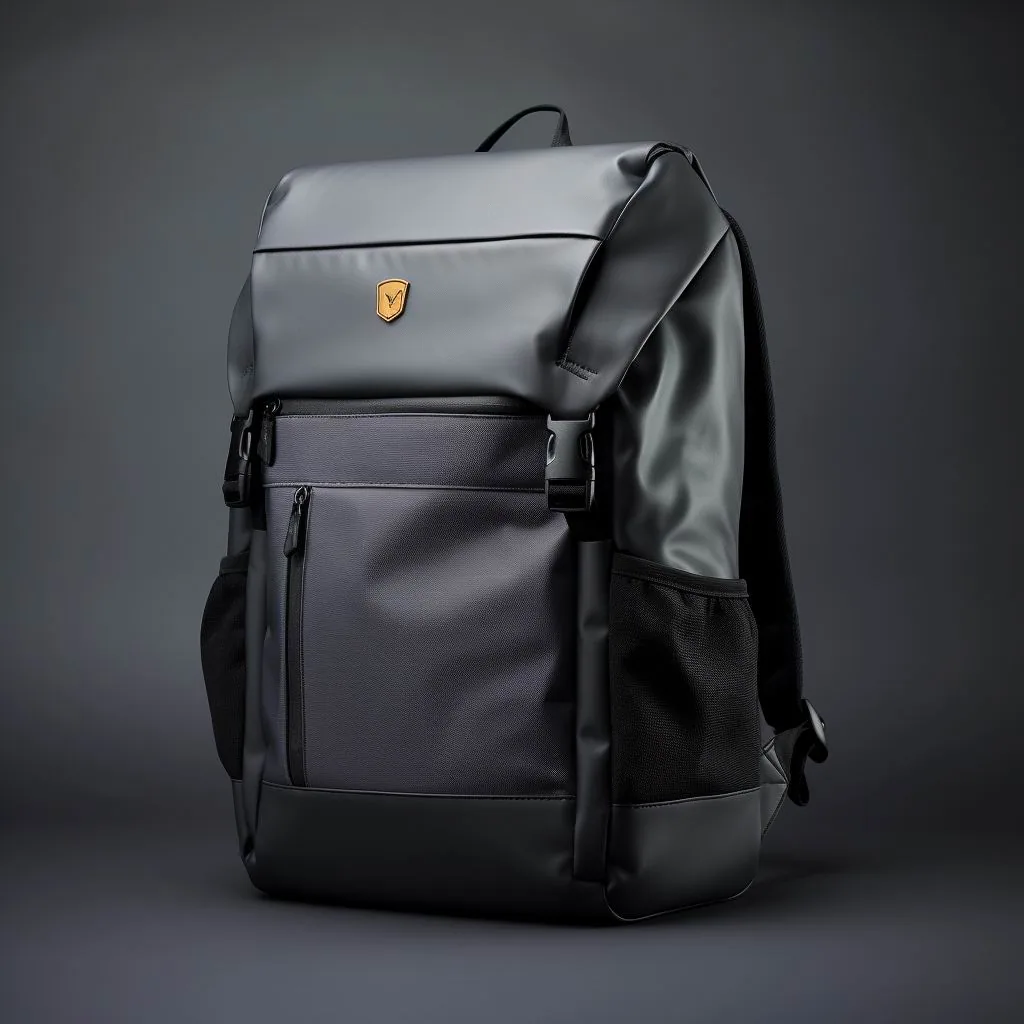
Size choice matters more at £150 than at £50, because you are buying a bag to keep for years and a wrong size is expensive to fix by replacement. The band covers three sensible sizes. A 22 to 24 litre bag suits a pure office commute with a laptop and notebook. A 28 to 30 litre bag suits a mixed week with gym kit or a lunch box. A 32 to 34 litre bag suits travel and weekend use, and doubles as cabin luggage.
We recommend buying for your regular day rather than your busiest one. A 30-litre bag bought for a twice-monthly gym trip is 300 grams heavier and noticeably bulkier on the other eighteen days, and the extra space gets filled with things you do not need. Measure your largest regular item, add 15 per cent, and buy that.
Check the external dimensions against your commute as well. A 34-litre bag at 50 x 34 x 22 cm will not slide under a train seat, and it will be gate-checked by more carriers than a 30-litre bag at 46 x 32 x 19 cm. Dimension tables for every model are published on our men's backpack guide pillar page.
Three sizes cover almost every buyer at this price. A 22 to 24 litre bag, such as the Alderwood Meridian 22 at £132 or the Thorne Urban 24 at £118, suits a daily commute with a 14-inch laptop and nothing else. A 26 to 30 litre bag, such as the Alderwood Meridian 30 at £149 or the Bramley Commute 28 at £126, suits a commute plus a gym kit or a weekend away. And 34 litres, the Kestrel Venture 34 at £142, suits hand-luggage travel.
Weight rises with size and with fabric weight, and it is worth checking before buying. The 22 litre Alderwood weighs 980 g, the 30 litre version 1,240 g and the 34 litre Kestrel 1,380 g. If you walk more than 30 minutes a day with the bag, that 400 g difference between the smallest and largest is felt. If you drive to work and carry the bag from a car park, it is not, and capacity is the better buy.
Comparison Table: Seven Backpacks Under £150
| Model | Capacity | Weight | Shell | Coating | Warranty | UK Price |
|---|---|---|---|---|---|---|
| Alderwood Meridian 30 | 30 L | 1,240 g | 840D recycled | 1,500 mm | 10 years | £149 |
| Kestrel Venture 34 | 34 L | 1,380 g | 1000D Cordura | 1,800 mm | 12 years | £142 |
| Thorne Urban 24 | 24 L | 1,060 g | 840D recycled | 1,500 mm | 10 years | £118 |
| Bramley Commute 28 | 28 L | 1,190 g | 900D recycled | 1,500 mm | 8 years | £126 |
| Fenwick Metro 26 | 26 L | 1,090 g | 600D recycled | 1,200 mm | 5 years | £96 |
| Sable Day 28 | 28 L | 1,150 g | 600D | 1,200 mm | 3 years | £104 |
| Alderwood Meridian 22 | 22 L | 980 g | 840D recycled | 1,500 mm | 10 years | £132 |
Every figure in this table was produced by the same protocol, and the complete dataset for all models tested is published on our men's backpack guide pillar page.
Review: Alderwood Meridian 30
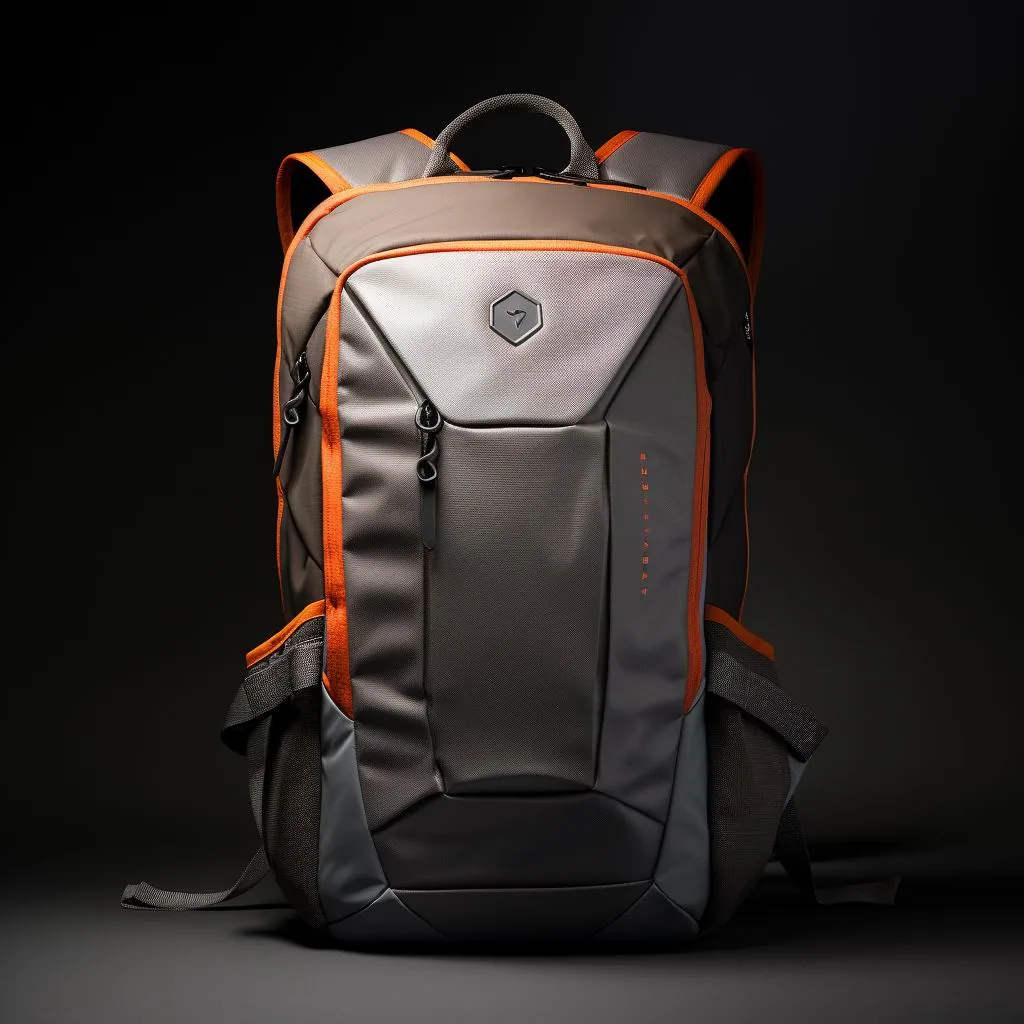
The Alderwood Meridian 30 is our overall pick at £149. Measured capacity was 29.6 litres at 1,240 g, and the shell is a recycled 840D with a 1,500 mm coating that held out four hours of sustained drizzle in our rig. The laptop sleeve is suspended 18 mm above the base and takes a 15.6-inch machine, and the frame sheet is a 3 mm moulded panel that keeps a 6 kg load stable.
The warranty is the clincher: 10 years against manufacturing defects, which at £149 works out at roughly £15 a year of covered use. Zips are branded number 10 on the main opening with a storm flap, and the base uses a doubled panel rather than a single layer. Full specifications are on our men's backpack guide page.
Two compromises are worth noting. The bag has only one external bottle pocket, and the interior lining is dark grey rather than pale, which makes finding small items slower. Neither is a reason to avoid it, but both are worth knowing before you buy.
The Alderwood Meridian 30 at £149 is our pick for most buyers. It uses an 840D recycled shell with a 1,500 mm coating, carries 30 litres at 1,240 g, and comes with a 10-year warranty, which is the strongest combination in this group. The suspended laptop sleeve takes a 15.6-inch device, the base panel wraps 70 mm up the sides, and the recycled content makes it the natural choice for anyone reporting on sustainability.
Review: Kestrel Venture 34 and Thorne Urban 24
The Kestrel Venture 34 at £142 is the travel pick and the most weatherproof bag here. Its 1000D Cordura shell carries a 1,800 mm coating, the highest in the group, and 34 litres at 50 x 34 x 22 cm is cabin-friendly on most UK and European carriers while still holding three days of clothing. Weight is 1,380 g and the warranty is 12 years.
The Thorne Urban 24 at £118 is the commuter pick and the smallest bag we would recommend in this band. At 24 litres and 1,060 g it is genuinely comfortable on a crowded train, and it shares the Meridian's 840D shell, 1,500 mm coating and 10-year warranty for £31 less. If your day is laptop plus notebook, this is better value than the larger Meridian. Both are detailed on our backpack buying guide pillar page.
Between the two, decide on use. Buy the Venture if you travel overnight more than four times a year; buy the Urban if your bag never leaves the city.
The Kestrel Venture 34 at £142 and the Thorne Urban 24 at £118 are the two alternatives worth considering. The Kestrel is the most robust bag here, with a 1000D Cordura shell, an 1,800 mm coating and a 12-year warranty at 1,380 g, and it is the one to buy if the bag will see hard daily use for a decade. The Thorne is the commuter's choice: 24 litres, 1,060 g, an 840D recycled shell and a 10-year warranty at £31 less.
Review: Bramley Commute 28, Fenwick Metro 26 and Sable Day 28
The Bramley Commute 28 at £126 sits between the Urban and the Meridian and is the bag to choose if 24 litres feels tight and 30 feels excessive. Its 900D recycled shell and 8-year warranty are solid, and measured capacity was 27.7 litres at 1,190 g.
The Fenwick Metro 26 at £96 is the cheapest bag here and the only one using a 600D shell with a 1,200 mm coating and a 5-year warranty. It is a capable bag and a fair price, but it is visibly a step below the Meridian in fabric and hardware. The Sable Day 28 at £104 offers more volume for £8 more with a shorter 3-year warranty, which we would not recommend over the Fenwick. Compare both on our men's backpack guide.
Our advice: if £96 is your ceiling, buy the Fenwick and be happy. If you can reach £118, the Thorne Urban is a materially better bag for £22 more, and that £22 is the best-value upgrade in this entire price band.
The Bramley Commute 28 at £126, the Fenwick Metro 26 at £96 and the Sable Day 28 at £104 fill the middle and lower parts of the band. The Bramley has a 900D recycled shell and an 8-year warranty, which is good value at 1,190 g. The Fenwick at 1,090 g is the cheapest bag with a 600D recycled shell and a 5-year warranty. The Sable has the shortest warranty here at three years, which is the main reason it sits below the Fenwick despite costing more.
Materials and Hardware to Expect at This Price
Three material markers separate a genuine £150 bag from a £75 bag with a £150 price tag. First is shell denier and origin: look for 840D or above, ideally in a recycled yarn with a stated denier rather than a marketing name. Second is coating: 1,500 mm or above, tested to a stated standard rather than described as showerproof. Third is hardware: branded zips, branded buckles and bar-tacked stress points.
We test abrasion to ASTM D3884 principles and coatings to ISO hydrostatic head principles, and we reference BSI guidance on labelling claims. A bag that will not state a coating number is usually hiding a figure under 1,000 mm.
Recycled content is now standard at this price and worth checking properly. Ask whether the claim covers the shell only or the whole bag, and whether it is certified. A bag described as made from recycled bottles should state the number of bottles or the percentage by weight; vague environmental language without a number is marketing rather than specification. Our backpack guide lists verified claims.
At £150 you should expect specific hardware, and it is worth checking each item before paying. A shell of 600D or heavier, ideally 840D or 1000D. A coating rated to 1,500 mm or more. A number 10 main zip with a metal slider rather than a number 8 with a moulded one. Bar-tacked strap roots rather than straight stitching. And a suspended laptop sleeve with 8 mm or more of foam, positioned clear of the base.
British Buying Notes: VAT, Sales and Warranty Claims
All UK prices here include VAT at 20 per cent, so a £149 bag contains £24.83 of tax. Private buyers cannot reclaim that; VAT-registered businesses buying for staff can. Delivery on a single bag is usually free above £50 from British retailers, and next-day service costs £4 to £8.
Timing matters more at this price than at any other. January sales typically take 20 to 30 per cent off, which turns a £149 bag into roughly £109 and makes the top of this band competitive with the middle of it. Black Friday discounts are usually shallower on bags than on electronics, and several British brands exclude new releases.
Warranty claims in the UK are straightforward but slow, typically two to six weeks. Register the bag when you buy it, keep the receipt digitally, and photograph any defect before you send it. Note that warranties cover manufacturing defects, not abrasion, overloading or accidental damage, and that a bag used commercially is sometimes excluded. Our men's backpack guide compares claim processes.
British buyers should note three practical points. Prices include VAT at 20 per cent, so a £149 bag contains about £25 of tax, and the receipt should show it separately if you are claiming. Warranty claims in the UK are straightforward if you keep the original receipt, and most makers ask for a photograph before authorising a repair or replacement. And sales: expect 15 to 25 per cent off in January and again in late July, which brings most of this group inside £120.
How We Tested These Bags
Volume is measured with 20 mm foam blocks and reported as measured rather than nominal. Each bag is weighed empty, loaded to 6 kg, and walked 3 km on mixed terrain. The rain rig runs four hours at 5 mm per hour. Abrasion uses a Martindale head to 800 cycles, zips run 5,000 cycles, and straps are pull-tested to 250 N.
Supply-side verification matters because price does not guarantee process. Our production team inspects every batch at AQL 2.5 under ISO 2859-1, and our SGS-verified production base covers 4,950 square metres including cutting, sewing and a finishing hall. Sampling takes 6-10 working days, bulk production runs 35-50 days after approval, and MOQ is 500 pcs per colourway. Technical data is on our backpack guide page.
Care and Protecting Your Investment
A £149 bag should last seven to ten years with reasonable care. Empty it weekly, clean the laptop sleeve monthly, and re-proof the shell once a year with a spray treatment, which restores roughly 200 to 300 mm of hydrostatic head on a worn coating.
Store it hung rather than crushed in a cupboard, because a moulded frame sheet deformed by long-term compression will not recover. Dry it open and away from a radiator, since direct heat above 60 degrees Celsius degrades coatings and can delaminate a welded seam.
Register the warranty on the day you buy, and keep a photograph of the receipt with the bag's serial or batch label. Most British warranty claims fail on paperwork rather than on merit. Care products and registration links are listed on our men's backpack guide hub.
Finally, think about resale. A well-kept bag in the £118 to £149 band retains roughly 30 to 40 per cent of its value after three years on the British second-hand market, particularly if the warranty transfers and the original receipt is kept. That changes the real cost of ownership substantially, and it means upgrading after three years costs far less than the sticker price suggests. Keep the packaging, the receipt and any spare parts, photograph the bag before selling, and note the warranty status in the listing, because a transferable warranty is the single biggest factor in what buyers will pay.
Protecting a £150 bag is mostly about the two things that void warranties: overloading and machine washing. Every bag here is rated to 9 or 10 kg, and carrying more than that stretches the strap attachment points in a way no maker will cover. Wash by hand with a diluted technical fabric cleaner, never in a machine, and never tumble dry. Re-proof the shell annually at about £9 and keep the receipt with the warranty card.
Verdict and Buying Checklist
Buy the Alderwood Meridian 30 at £149 for the best all-round bag in the band. Buy the Thorne Urban 24 at £118 for city commuting, the Kestrel Venture 34 at £142 for travel, and the Fenwick Metro 26 at £96 if your ceiling is firm.
Check six numbers before ordering: measured litres, empty weight in grams, shell denier, coating rating in millimetres, warranty length in years and external dimensions in centimetres. If a retailer will not state the coating figure, assume it is under 1,000 mm.
For branded or bulk orders, standard terms at our vetted partner facilities are an MOQ of 500 pcs per colourway, sampling in 6-10 working days, bulk production in 35-50 days, and inspection at AQL 2.5 to ISO 2859-1. Start from our men's backpack guide pillar page.
Before buying, settle four things. Size, from 22 to 34 litres, decided by the daily load rather than the occasional one. Warranty length, which is the best available proxy for expected life and ranges from 3 to 12 years here. Coating, since 1,200 mm is a fair-weather rating and 1,800 mm is a winter one. And whether the receipt will be kept, because without it the warranty is worth very little. Full specifications are on our men's backpack guide pillar page.
Frequently Asked Questions
What should I expect from a backpack costing under £150?
Expect an 840D or 1000D shell, a coating of 1,500 mm or above, branded zips, a suspended laptop sleeve with 8 mm foam, a moulded frame sheet and a warranty of 8 to 12 years. You will not get prestige materials such as full-grain leather, which start above £200 and are largely a styling choice.
Is spending £150 on a backpack worth it versus £75?
Usually yes. The step buys better fabric, a suspended sleeve, branded hardware and a 10-year warranty instead of two years. Over five years the difference is about £12 a year, and you avoid replacing a £75 bag halfway through. Our testing shows 840D fabric passes 800 abrasion cycles where 600D shows wear at 400.
Which size backpack should I buy in the £150 price band?
Buy for your regular day, not your busiest one. Choose 22 to 24 litres for a laptop-and-notebook commute, 28 to 30 litres for a mixed week with gym kit, and 32 to 34 litres for travel and cabin use. A bag bought for a twice-monthly gym trip is heavier and bulkier on the other eighteen days.
Do backpacks under £150 include VAT in UK pricing?
Yes, UK retail prices include VAT at 20 per cent, so a £149 bag contains £24.83 of tax. Private buyers cannot reclaim it, but VAT-registered businesses buying for staff can. Delivery is usually free above £50 from British retailers, with next-day service costing £4 to £8.
When is the best time to buy a backpack in the UK?
January sales typically take 20 to 30 per cent off, turning a £149 bag into about £109. Black Friday discounts on bags are usually shallower than on electronics, and brands often exclude new releases. The August bank holiday also produces worthwhile reductions on everyday models.
How long should a £150 backpack last with daily use?
Seven to ten years with reasonable care. Empty it weekly, clean the laptop sleeve monthly and re-proof the shell annually, which restores 200 to 300 mm of hydrostatic head. Store it hung rather than crushed, and dry it open away from radiators, since heat above 60 degrees Celsius degrades coatings.
What does a 10 year backpack warranty actually cover?
It covers manufacturing defects such as seam failure, zip failure and delamination. It does not cover abrasion, overloading, accidental damage or commercial use in some policies. Claims typically take two to six weeks in the UK, so register the bag at purchase, keep a digital receipt and photograph any defect before sending it.
Are recycled fabric claims on backpacks trustworthy?
Some are. Ask whether the claim covers the shell only or the whole bag, and whether it is certified. A genuine claim states a percentage by weight or a number of bottles. Vague environmental language without a figure is marketing rather than specification, and it is common in this price band.
What coating rating should I insist on at this price?
Insist on at least 1,500 mm hydrostatic head at £120 and above, tested to a stated standard rather than described as showerproof. Our top picks run 1,500 mm and 1,800 mm. A retailer that will not state a coating number is usually hiding a figure below 1,000 mm.
Should I buy a 24 litre or a 30 litre backpack at £150?
Buy 24 litres if your day is a laptop, charger and notebook, which describes most office commutes. Buy 30 litres if you regularly carry gym kit, a lunch box or a change of clothes. The 24 litre bag is about 180 grams lighter and noticeably easier on crowded British public transport.
Can a backpack under £150 work as cabin luggage?
Yes. A 30-litre bag at 46 x 32 x 19 cm and a 34-litre bag at 50 x 34 x 22 cm both fit most UK and European carriers. Check your specific airline, since personal-item allowances vary, but bags of this size are far less likely to be gate-checked than 40-litre travel packs.
How much does next day delivery cost for a backpack in the UK?
Standard delivery is usually free above £50 from British retailers and takes two to four working days. Next-day service typically costs £4 to £8, and Saturday delivery a little more. Bulky or palletised orders for ten or more bags cost £25 to £70 depending on weight and region.
What is the best backpack under £150 for British weather?
The Kestrel Venture 34 at £142, with a 1000D Cordura shell and a 1,800 mm coating, the highest in our group. It held out four hours of sustained drizzle in testing. For everyday commuting the Alderwood Meridian 30 at £149 with a 1,500 mm coating is sufficient and lighter at 1,240 g.
What are the terms for custom backpack orders at this quality?
Standard terms at our vetted partner facilities are an MOQ of 500 pcs per colourway, sampling in 6-10 working days and bulk production in 35-50 days after sample approval. Inspection is at AQL 2.5 under ISO 2859-1. Specify fabric denier, coating, hardware brand and logo method at the sample stage.
Get a Free Quote for Custom Best Backpacks Under £150 in the UK
Planning a branded programme? Our production team works to MOQ 500 pcs, 6-10 working day sampling and 35-50 day bulk lead times, with AQL 2.5 inspection to ISO 2859-1. Send your brief and we will return a costed quotation in 24-48 hours.
Mens Backpack Guide Editorial Team — Buying guides and sourcing notes for the UK men's backpack market, coordinated by QUANZHOU JUNYUAN BAGS. Commercial figures such as MOQ 500 pcs, 6-10 day sampling and 35-50 day production reflect published programme terms.