Water-Based Coatings Guide for Backpack Manufacturing: Performance, Safety, and Sustainability
Published by the Junyuan Bags editorial team | Last updated January 2025 | Reading time: 15 minutes


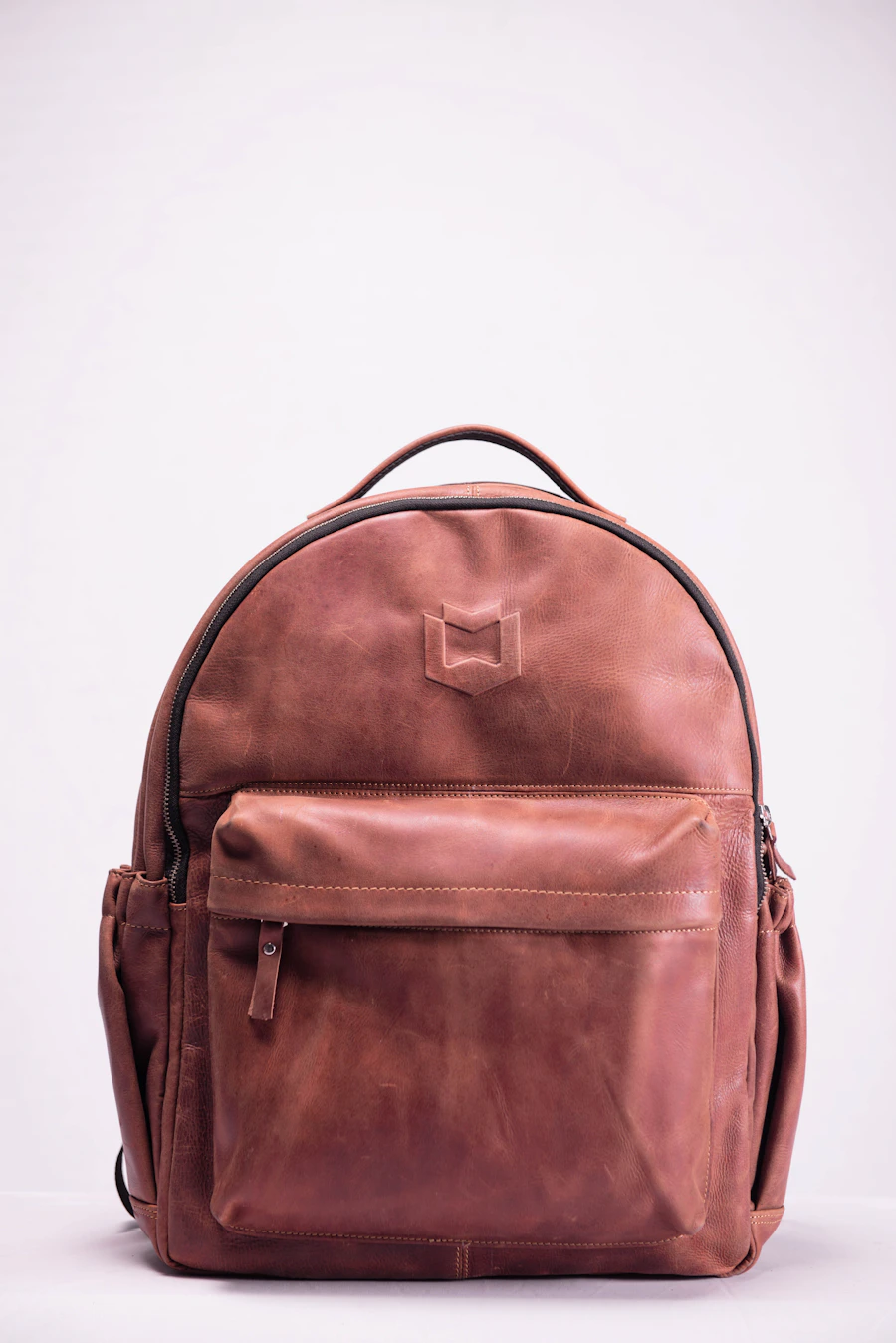
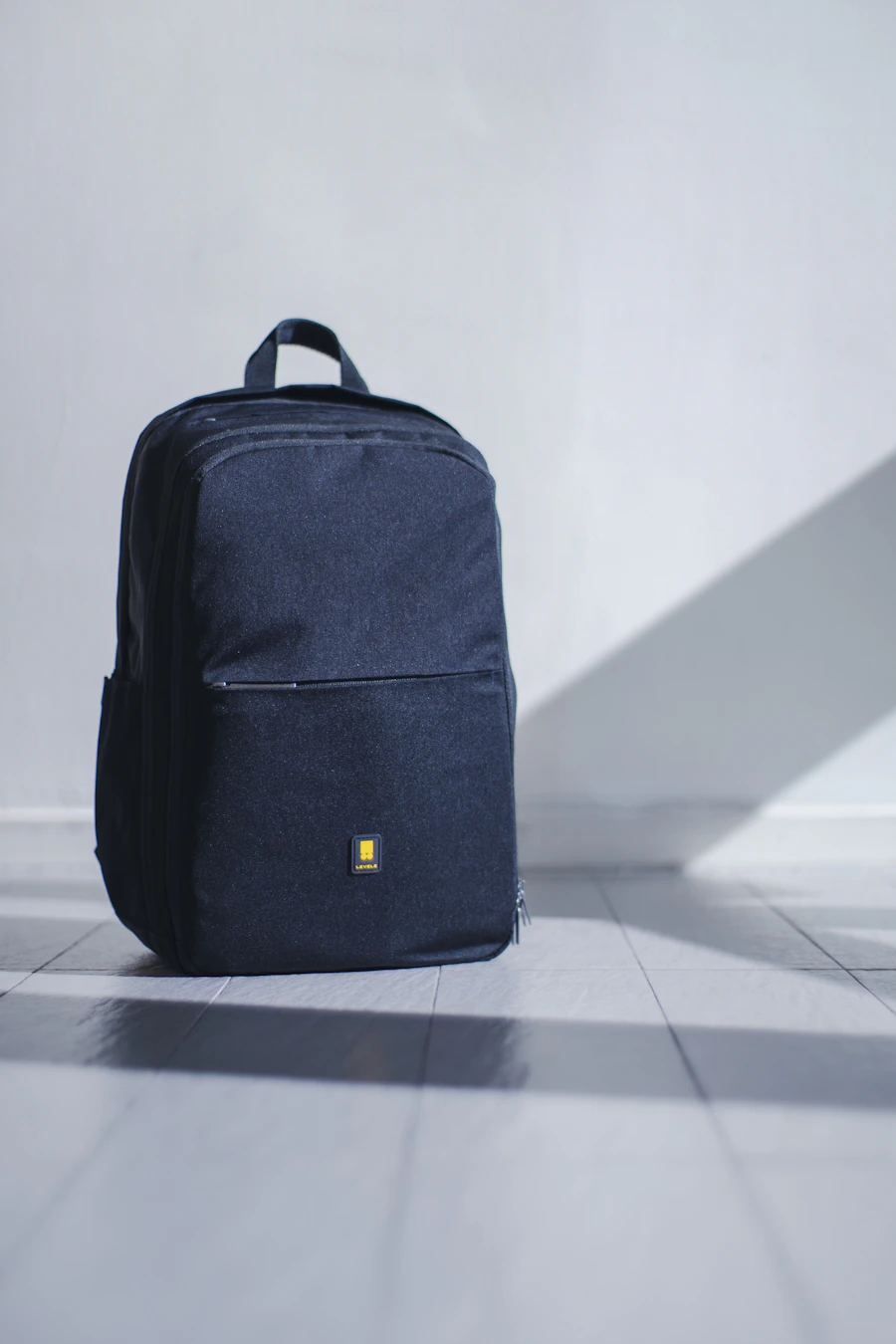
Water-based coatings represent the most significant advancement in sustainable backpack finishing technology over the past decade. As the backpack industry moves away from solvent-based coatings and fluorocarbon treatments containing per- and polyfluoroalkyl substances (PFAS), water-based alternatives have emerged that deliver comparable performance while dramatically reducing environmental and health impacts. For B2B buyers and brand managers, understanding the water-based coating landscape is essential for making informed sourcing decisions that balance performance requirements with regulatory compliance and sustainability commitments.
At Junyuan Bags, we transitioned our coating operations to water-based systems beginning in 2020, and today over 80 percent of our coated fabric production uses water-based formulations. Our 15,000 square meter factory in Quanzhou, equipped with modern coating lines and staffed by 200-plus trained craftspeople, delivers water-based coated products that meet the demanding performance requirements of outdoor, travel, and business backpack categories. Our commitment to PFC-free finishing aligns with evolving regulations in the European Union, multiple US states, and other major markets.
This comprehensive guide covers the technology, performance characteristics, application methods, and business considerations of water-based coatings for backpack manufacturing. Whether you are evaluating a switch from solvent-based systems, specifying coatings for a new product line, or simply ensuring your supply chain meets emerging PFAS regulations, this guide provides the technical and commercial framework you need.
The Science of Water-Based Coatings for Backpack Fabrics
Water-based coatings use water as the primary carrier solvent instead of organic solvents or petroleum-based carriers. The coating formulation consists of polymer particles dispersed in water, along with cross-linking agents, surfactants, and performance additives that create the desired surface properties when applied to fabric and dried.
How Water-Based Coatings Bond to Fabric
When water-based coating is applied to backpack fabric, the water carrier evaporates during the drying process, leaving behind a continuous polymer film bonded to the fiber surface. The polymer particles, typically polyurethane (PU) or acrylic-based, fuse together as water evaporates, forming a flexible, durable film that provides water resistance, abrasion protection, or other functional properties. The bond strength depends on fiber type, surface preparation, polymer chemistry, and curing conditions.
Key Polymer Chemistries in Water-Based Coatings
Three polymer families dominate water-based coating formulations for backpack fabrics. Polyurethane (PU) dispersions provide excellent flexibility, abrasion resistance, and waterproofing performance, making them the most common choice for backpack shell fabrics. Acrylic dispersions offer good UV resistance, color retention, and cost efficiency, commonly used for lining fabrics and decorative coatings. Hybrid PU-acrylic systems combine the performance advantages of both polymer types and are increasingly popular for applications requiring both durability and weather resistance.
PFC-Free DWR: The Fluorocarbon Revolution
Durable Water Repellent (DWR) finishes have traditionally relied on perfluorinated compounds (PFCs or PFAS) to create the extremely low surface energy that causes water to bead and roll off fabric surfaces. With growing evidence of PFAS environmental persistence and health risks, the industry is rapidly transitioning to PFC-free alternatives.
How PFC-Free DWR Works
PFC-free DWR treatments create water repellency through different chemical mechanisms than fluorocarbon treatments. Instead of using fluorinated chains that achieve extremely low surface energy (below 10 mN/m), PFC-free DWR relies on silicone-based, hydrocarbon-based, or dendrimer-based chemistries that achieve moderate surface energy reduction (typically 20 to 30 mN/m). While the initial water repellency is effective, PFC-free DWR generally requires more careful application and may have slightly lower durability than traditional fluorocarbon treatments.
Performance Comparison: PFC-Free vs Fluorocarbon DWR
| Performance Metric | Fluorocarbon DWR | PFC-Free Silicone | PFC-Free Hydrocarbon |
|---|---|---|---|
| Initial water repellency (spray rating) | 100/0 | 90/0 to 100/0 | 80/0 to 90/0 |
| Durability after 5 washes | 90/0 | 80/0 to 90/0 | 70/0 to 80/0 |
| Oil resistance | Excellent | Moderate | Limited |
| Environmental persistence | High (PFAS) | Low | Low |
| Cost per meter treated | 0.15-0.25 USD | 0.18-0.30 USD | 0.12-0.20 USD |
| Regulatory compliance risk | Increasing restrictions | Generally compliant | Generally compliant |
Durability and Maintenance of PFC-Free DWR
The primary performance gap between PFC-free and fluorocarbon DWR lies in long-term durability. PFC-free treatments typically lose water repellency faster with abrasion and washing. However, most PFC-free DWR treatments can be refreshed by heat application (tumble drying or ironing at low temperature), restoring much of the original repellency. For backpack applications, where products are not washed as frequently as garments, PFC-free DWR performance in real-world use is generally satisfactory for most consumer applications.
Water-Based PU Coatings for Backpack Waterproofing
Water-based polyurethane (PU) coatings are the primary waterproofing solution for backpack fabrics, providing the inner coating layer that prevents water penetration through the fabric structure. These coatings have matured significantly in recent years, now matching the performance of solvent-based alternatives in most application areas.
Application Methods for Water-Based PU
Water-based PU coatings are applied to backpack fabrics through several methods. Direct coating applies the formulation directly to the fabric surface using a knife-over-roll or knife-over-table coater, creating a uniform film of controlled thickness. Transfer coating applies the formulation to a release paper, partially dries it, then bonds it to the fabric under heat and pressure before removing the paper. Lamination bonds a pre-formed PU film to the fabric using heat-activated adhesive. Each method offers different performance characteristics suitable for different backpack applications.
Hydrostatic Head Performance
Waterproofing performance is measured by hydrostatic head, which indicates the water pressure a coated fabric can withstand before leaking. Standard backpack requirements range from 1,000mm for basic rain resistance to 10,000mm or more for heavy-duty outdoor applications. Water-based PU coatings routinely achieve 3,000 to 8,000mm hydrostatic head in standard applications, with advanced formulations reaching 10,000mm and above. For comparison, solvent-based PU coatings typically achieve 5,000 to 15,000mm, meaning the performance gap has narrowed significantly.
Flexibility and Cold Crack Resistance
Backpack fabrics must remain flexible across a wide temperature range, particularly for outdoor and travel applications. Water-based PU coatings, with proper formulation including plasticizers and flexible polymer chains, achieve cold crack resistance down to negative 20 degrees Celsius, meeting the requirements of most backpack applications. The flexibility of water-based coatings also contributes to comfort in shoulder straps and back panels where the coating flexes with body movement.
Environmental and Health Advantages of Water-Based Systems
The shift from solvent-based to water-based coatings delivers significant environmental and occupational health benefits that extend beyond regulatory compliance.
VOC Emission Reduction
Solvent-based coatings release volatile organic compounds (VOCs) during application and drying, contributing to air pollution, smog formation, and potential health effects for workers. Water-based coatings contain 80 to 95 percent fewer VOCs than solvent-based equivalents, dramatically reducing the environmental and health impact of the coating process. For our factory, transitioning to water-based coatings reduced our VOC emissions by 87 percent, from 12.5 tonnes annually to 1.6 tonnes, well below regulatory thresholds and significantly improving the working environment for our production team.
Reduced Fire Risk
Solvent-based coatings use flammable organic solvents that create fire and explosion risks in manufacturing facilities. Water-based coatings, using water as the carrier, eliminate this fire hazard, reducing insurance costs and simplifying facility safety requirements. Our factory's transition to water-based systems allowed us to reduce our hazardous material storage requirements by 60 percent and eliminate the specialized explosion-proof ventilation systems required for solvent handling.
Worker Health Protection
Exposure to solvent vapors poses health risks including respiratory irritation, neurological effects, and in some cases long-term organ damage. Water-based coatings virtually eliminate these occupational health risks, creating a safer working environment for factory workers. This is particularly important in backpack manufacturing, where the sewing and assembly workforce is large and works in close proximity to coated materials. Our BSCI certification audits specifically note the positive impact of our water-based coating transition on worker health and safety conditions.
Regulatory Landscape: PFAS Restrictions and Coating Compliance
The regulatory environment for backpack coatings is evolving rapidly, with PFAS restrictions driving the most significant changes in coating chemistry.
Global PFAS Regulation Timeline
PFAS restrictions are expanding across major markets. The European Union has proposed a comprehensive PFAS restriction under REACH that would effectively ban all PFAS use in textiles, with a transition period expected through 2027 to 2029. In the United States, multiple states including California, New York, Washington, and Maine have enacted PFAS restrictions targeting textile products. These regulations create a compliance imperative for backpack manufacturers and brands that extends across all markets, not just those with specific regulatory requirements.
Compliance Strategies for Backpack Manufacturers
Backpack manufacturers can ensure coating compliance through several strategies. Eliminating PFAS from all coating formulations provides the simplest compliance pathway. Maintaining rigorous restricted substances list (RSL) management ensures that no prohibited substances enter the production process. Regular testing of coated fabrics for PFAS content using recognized analytical methods (such as EPA Method 537 or ISO 25101) provides verification data. Supply chain audits and material declarations from chemical suppliers confirm that raw materials meet PFAS-free requirements.
Cost Considerations: Water-Based vs Solvent-Based Coatings
The cost equation for water-based versus solvent-based coatings involves multiple factors beyond simple material cost comparison.
Direct Cost Comparison
On a per-liter basis, water-based coating formulations typically cost 10 to 20 percent more than solvent-based equivalents. However, this simple comparison does not capture the full economic picture. Water-based coatings have lower transportation and storage costs (non-hazardous classification), lower ventilation and air treatment costs, lower fire insurance premiums, lower personal protective equipment requirements, and lower waste disposal costs. When these factors are included, the total cost of ownership for water-based systems is often equal to or lower than solvent-based systems.
Energy Requirements for Drying
Water-based coatings require more energy to dry than solvent-based coatings because water has a higher heat of vaporization than most organic solvents. This means that the drying oven must supply more energy per unit of coating applied. However, modern drying systems with heat recovery, optimized airflow, and controlled temperature zones have minimized this energy penalty. Our factory's coating line uses a three-zone drying system with heat recovery that achieves drying energy consumption within five percent of our previous solvent-based system.
Application Guidelines for Backpack Manufacturers
Successful water-based coating application requires attention to process parameters, quality control, and fabric compatibility considerations specific to backpack manufacturing.
Optimal Process Parameters
- Fabric preparation: Ensure fabric is clean, dry, and free from sizing residues that could impair coating adhesion.
- Coating viscosity: Maintain coating viscosity within the manufacturer's specified range, typically 8,000 to 25,000 mPa.s for backpack applications.
- Application weight: Apply coating at the specified wet pick-up weight, typically 40 to 80 grams per square meter for PU waterproofing coatings.
- Drying temperature: Maintain drying zone temperatures between 100 and 150 degrees Celsius, with the fabric surface temperature not exceeding the polymer's thermal degradation threshold.
- Curing: Ensure adequate curing time and temperature for cross-linking reactions to complete, typically 2 to 5 minutes at 140 to 160 degrees Celsius.
Quality Control Testing
Every batch of water-based coated fabric should be tested for key performance parameters before release for backpack production. Essential tests include hydrostatic head (ISO 811), coating adhesion (peel strength per ISO 2411), flexibility (cold crack test per ISO 7854), water repellency spray rating (AATCC 22 for DWR treated surfaces), and coating weight verification. Our quality control laboratory performs these tests on every production run, ensuring consistent performance that maintains our sub-0.3 percent defect rate across all coated products.
Future Developments in Water-Based Coating Technology
Water-based coating technology continues to advance, with several emerging innovations that will further improve performance and expand application possibilities.
Nanotechnology-Enhanced Water-Based Coatings
Nanoparticle incorporation into water-based coating formulations is delivering performance improvements that narrow the gap with solvent-based systems. Silica nanoparticles improve abrasion resistance, zinc oxide nanoparticles provide antimicrobial properties, and titanium dioxide nanoparticles add UV protection. These nanotechnology-enhanced water-based coatings are already available for premium backpack applications and are expected to become mainstream within the next three to five years.
Bio-Based Water-Based Polymers
Developments in bio-based polymer chemistry are enabling water-based coatings derived from renewable feedstocks rather than petroleum. Bio-based polyurethanes derived from castor oil, soy, and corn sugars are entering commercial availability, offering the performance characteristics of conventional PU with significantly lower carbon footprints. For backpack manufacturers pursuing comprehensive sustainability strategies, bio-based water-based coatings represent the next frontier in sustainable finishing.
Choosing the Right Coating Partner
Selecting a backpack manufacturing partner with water-based coating capabilities requires evaluation of technical competence, quality systems, environmental compliance, and commercial flexibility.
At Junyuan Bags, our water-based coating capabilities span PU waterproofing, PFC-free DWR finishing, and specialty functional coatings across all major backpack fabric types. Our facility in Quanzhou maintains dedicated coating lines with the process control and quality testing equipment needed to deliver consistent, high-performance results. With over 200 craftspeople trained in water-based coating processes and application, BSCI social compliance, and ISO 9001:2015 quality management, we provide the complete package of technical capability, environmental responsibility, and commercial reliability that brands need.
Whether you are specifying waterproof fabric solutions for outdoor backpacks, developing outdoor backpack lines with PFC-free finishes, or exploring custom backpack manufacturing with sustainable coatings, our team is ready to support your requirements. Contact us at service@junyuanbags.com or WhatsApp +8617750020688 to discuss your coating specifications and request sample fabric for evaluation.
Frequently Asked Questions
What are water-based coatings and why are they better for backpack manufacturing?
Water-based coatings use water as the primary carrier solvent instead of organic chemicals. They are better for backpack manufacturing because they reduce VOC emissions by 80 to 95 percent, eliminate fire hazards associated with flammable solvents, protect worker health by removing exposure to harmful solvent vapors, and avoid PFAS chemicals that are increasingly restricted by regulation. Modern water-based coatings deliver comparable waterproofing performance (3,000 to 10,000mm hydrostatic head) to solvent-based alternatives while offering significant environmental and safety advantages.
Are PFC-free DWR coatings as durable as traditional fluorocarbon treatments?
PFC-free DWR coatings achieve very good initial water repellency (spray ratings of 80-100) but are generally 10 to 20 percent less durable than fluorocarbon treatments after repeated abrasion and washing. However, for backpack applications where products are not washed frequently, real-world durability is generally satisfactory. PFC-free DWR can be refreshed by heat application such as tumble drying or warm ironing, restoring much of the original water repellency. For most backpack use cases, PFC-free DWR provides adequate performance while eliminating the environmental and health concerns associated with PFAS chemicals.
How much more do water-based coatings cost compared to solvent-based alternatives?
On a direct material cost basis, water-based coatings cost 10 to 20 percent more per liter. However, when total cost of ownership is considered, the difference narrows significantly or disappears. Water-based systems reduce costs for ventilation (no solvent extraction required), fire insurance (non-flammable), waste disposal (non-hazardous classification), and personal protective equipment. Many factories find that total operating costs are comparable or even lower with water-based systems, while gaining substantial environmental and safety benefits.
What regulations are driving the shift to water-based and PFC-free coatings in backpack manufacturing?
The EU's proposed comprehensive PFAS restriction under REACH would effectively ban all PFAS use in textiles by 2027-2029. In the United States, California, New York, Washington, Maine, and other states have enacted PFAS restrictions targeting textiles. The EU's ESPR regulation requires reduced chemical impact for textile products. Additionally, bluesign and OEKO-TEX certifications restrict PFAS and solvent-based chemicals. These regulations create a compliance imperative that makes water-based, PFC-free coatings essential for backpack manufacturers serving global markets.
Can water-based coatings achieve the same waterproofing as solvent-based PU for outdoor backpacks?
Yes, modern water-based PU coatings can achieve waterproofing performance suitable for outdoor backpack applications. Standard water-based PU coatings achieve 3,000 to 8,000mm hydrostatic head, which meets the requirements for most backpack applications including hiking, commuting, and travel backpacks. Advanced formulations reach 10,000mm and above for expedition-grade products. While solvent-based coatings still have a slight edge at the extreme high end (15,000mm plus), water-based technology continues to close this gap, and the performance difference is irrelevant for most commercial backpack applications.
Ready to Source Sustainable and Tech-Integrated Backpacks?
Partner with a factory that combines eco-conscious manufacturing with cutting-edge technology. Our 15,000 sqm facility in Quanzhou delivers innovation at scale.
Email: service@junyuanbags.com
WhatsApp: +8617750020688
MOQ 300pcs | BSCI & ISO 9001:2015 Certified | Est. 2004
Junyuan Bags | 15,000 sqm Factory | 200+ Craftspeople | 8 Production Lines
C201-207 Huachuang Park, Quanzhou, Fujian, China
BSCI & ISO 9001:2015 Certified | <0.3% Defect Rate | MOQ 300pcs
Est. 2004 | service@junyuanbags.com | WhatsApp: +8617750020688