Backpack Temperature Regulation Fabrics: Phase Change Materials and Cooling Technologies
Published by the Junyuan Bags editorial team | Last updated January 2025 | Reading time: 15 minutes

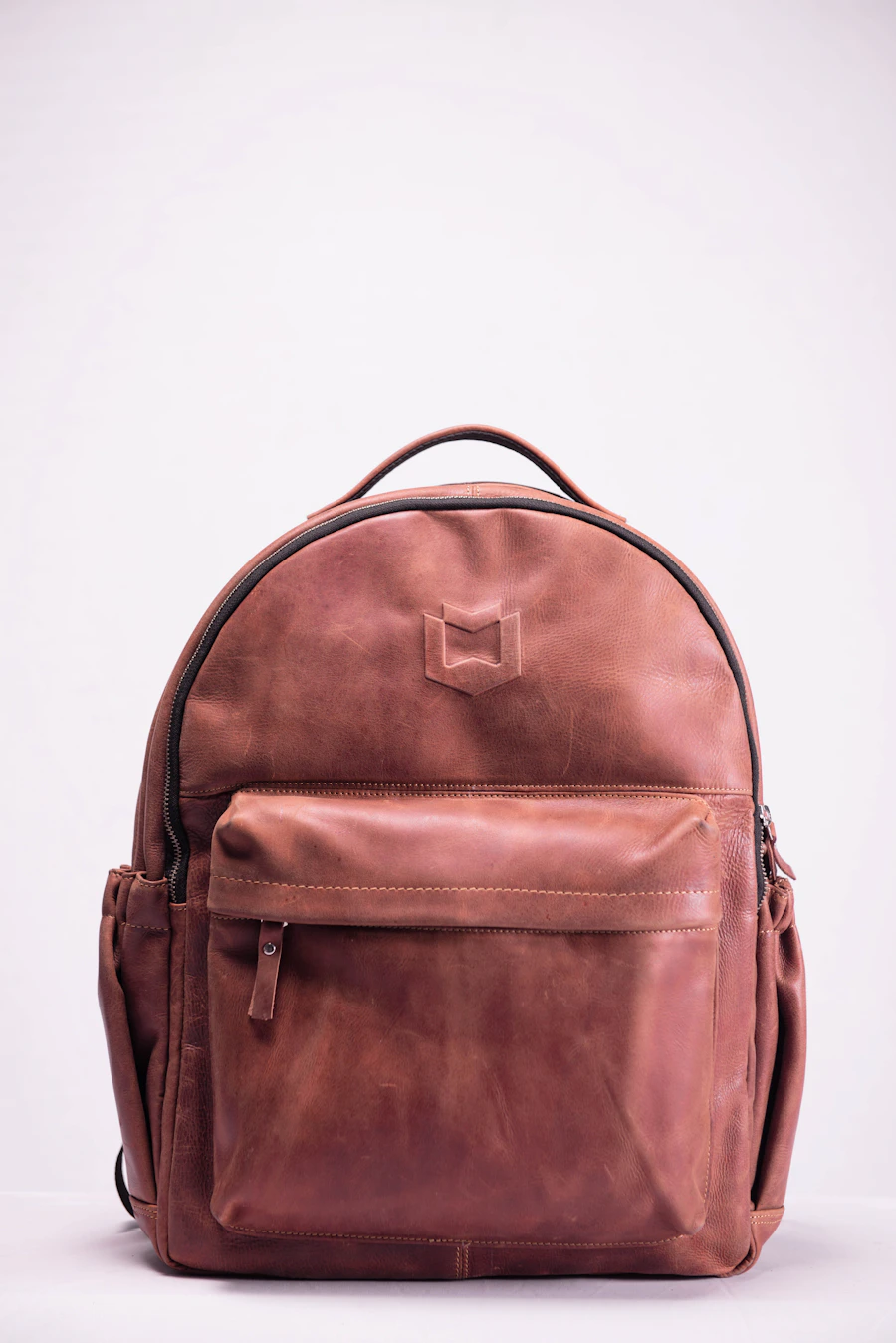


Temperature regulation fabrics represent one of the most significant advancements in backpack comfort technology, addressing the universal challenge of back sweat and heat buildup that occurs during extended backpack use. From phase change materials (PCMs) that absorb and release heat to maintain comfortable temperatures to advanced aerogel insulation that provides cooling through air-gap technology, temperature regulation fabrics transform the carrying experience by actively managing the microclimate between the backpack and the wearer's back. For backpack manufacturers and brands, temperature regulation technology offers a compelling product differentiation that addresses a genuine comfort problem while justifying premium pricing.
At Junyuan Bags, we integrate multiple temperature regulation technologies into our backpack products, including Outex phase change material panels, aerogel insulation layers, and moisture-wicking ventilation systems. Our 15,000 square meter factory in Quanzhou has developed specialized procedures for handling and integrating these advanced materials into backpack construction without compromising their thermal performance. Our 200-plus craftspeople across eight production lines understand the specific handling requirements of temperature regulation materials, from avoiding compression damage to ensuring proper air circulation paths. Combined with BSCI certification and ISO 9001:2015 quality management, we deliver temperature-regulated backpacks that perform reliably in real-world use conditions.
Phase Change Materials in Backpack Technology
Phase change materials represent the most sophisticated approach to temperature regulation, using the physics of phase transitions to provide active thermal management.
How Phase Change Materials Work
PCMs store and release thermal energy during phase transitions, typically between solid and liquid states. When the surrounding temperature rises, the PCM absorbs heat as it melts, keeping the surface temperature near the PCM's melting point. When the temperature drops, the PCM releases stored heat as it solidifies, providing warming effect. The melting point of the PCM determines the temperature at which regulation occurs, with typical backpack PCMs designed to operate in the 28 to 35 degree Celsius range that corresponds to human skin temperature comfort zones. PCM-containing backpacks can reduce peak back-panel temperatures by 5 to 15 degrees Celsius compared to conventional foam padding.
PCM Integration Methods
PCMs are integrated into backpacks through three primary methods. Microencapsulated PCMs are incorporated into foam padding during the foam manufacturing process, creating PCM-enhanced foam that provides thermal regulation while serving as cushioning. PCM panels consisting of PCM encapsulated in polymer shells are integrated as discrete back-panel elements that can be removed for washing or replacement. PCM fabrics with PCM microcapsules bonded to textile fibers create cooling fabric that can be used for back-panel facing materials. Each integration method has distinct performance characteristics, cost profiles, and manufacturing requirements.
Outex and Commercial PCM Technologies
Outex, developed by Ministry of Supply, represents one of the most effective commercial PCM technologies for apparel and backpack applications. Outex uses a proprietary PCM formulation encapsulated in a flexible polymer matrix that maintains performance through over 10,000 thermal cycles. The material is integrated into back panels and shoulder straps where direct body contact maximizes the thermal regulation effect. Multiple suppliers now offer PCM technologies with varying melting points, thermal capacities, and durability ratings, enabling manufacturers to select PCM systems optimized for specific temperature environments and use conditions.
Aerogel and Advanced Insulation Technologies
Aerogel insulation, derived from silica gel with the liquid replaced by air, provides exceptional thermal resistance in extremely thin profiles that are ideal for backpack applications where bulk must be minimized.
Aerogel Properties and Performance
Aerogel possesses the lowest thermal conductivity of any solid material at approximately 0.013 W/mK, roughly three times better than down feather insulation. In backpack applications, aerogel is typically used in thin layers (1 to 5mm) between the outer shell and back panel to create an insulating barrier that reduces heat transfer from the body to the external environment. The result is a cooler back surface even in warm conditions, combined with reduced cold penetration in cold environments. Aerogel's primary limitation is brittleness, which requires careful integration into flexible backpack structures.
Composite Aerogel Solutions
Commercial aerogel products for backpack applications are typically composite materials that address the brittleness limitation. Aerogel laminated between flexible fabric layers creates panels that maintain aerogel's thermal properties while gaining the flexibility needed for backpack construction. Aerogel composite boards can be die-cut to complex shapes, sewn into pockets, and integrated into back panels without cracking. These composites maintain 80 to 90 percent of pure aerogel's thermal resistance while providing the durability and flexibility needed for practical backpack integration.
Moisture-Wicking and Ventilation Systems
Beyond advanced materials, temperature regulation in backpacks also relies on moisture management and ventilation design that work with the body's natural cooling mechanisms.
Moisture-Wicking Fabric Technologies
Moisture-wicking fabrics transport sweat away from the skin surface through capillary action, accelerating evaporation and enhancing evaporative cooling. Synthetic fabrics using polyester or nylon with specialized fiber cross-sections create channels that pull moisture away from the body. In backpack back panels, moisture-wicking facing materials combined with open-cell foam substrates create paths for moisture transport and evaporation. These systems provide effective cooling in moderate temperature conditions where evaporative cooling is the primary mechanism of temperature regulation.
Channel and Channel Ventilation Systems
Physical channel systems create air gaps between the backpack back panel and the wearer's back, enabling air circulation that removes heat and moisture. Corrugated foam channels, raised foam ridges, and mesh suspension systems all create air channels that promote airflow. The most effective designs combine channel ventilation with moisture-wicking facing materials and strategic vent openings that allow fresh air intake at the bottom and warm air exhaust at the top of the back panel. These passive ventilation systems can reduce back-panel temperatures by 3 to 8 degrees Celsius compared to solid foam padding.
Manufacturing Temperature-Regulated Backpacks
Integrating temperature regulation materials into backpack manufacturing requires specific processes and quality controls to maintain thermal performance.
Material Handling and Storage
PCM materials require specific handling procedures to maintain performance. PCM microcapsules can be damaged by excessive heat, compression, or chemical exposure during manufacturing. Aerogel composites require careful handling to prevent cracking or delamination. Our factory maintains temperature-controlled material storage areas and handling procedures that protect temperature regulation materials throughout the production process. Material inspection upon receipt verifies that PCM content and aerogel integrity meet specification before integration into production.
Integration Quality Control
Quality control for temperature-regulated backpacks includes thermal performance verification testing, which measures the temperature regulation effect using standardized hot-plate testing that simulates body heat exposure. Samples from each production lot undergo thermal conductivity measurement and PCM melting point verification. Physical durability testing ensures that temperature regulation materials maintain performance after simulated use conditions including compression, flexing, and washing cycles.
Market Applications and Consumer Benefits
Temperature regulation backpacks serve multiple market segments with distinct needs and price sensitivities.
Commuter and Business Segment
Daily commuters carrying backpacks in warm climates prioritize comfort for extended wear during urban transit. Products feature PCM or aerogel back panels combined with moisture-wicking facing and ventilation channels, addressing heat buildup during 30 to 90 minute commutes. Price points range from 80 to 200 USD, with temperature regulation justifying premium positioning over conventional backpacks.
Outdoor and Athletic Segment
Outdoor enthusiasts and athletes prioritize temperature regulation for high-output activities including hiking, running, and cycling. Products feature advanced PCM panels with enhanced cooling capacity, moisture-wicking ventilation systems, and lightweight construction. Price points range from 100 to 300 USD, with temperature regulation as a core functional feature rather than a premium add-on.
Partnering for Temperature-Regulated Backpack Manufacturing
At Junyuan Bags, our temperature regulation capabilities span phase change materials, aerogel insulation, and advanced ventilation systems across our 15,000 square meter factory in Quanzhou. Our 200-plus craftspeople understand the specific handling requirements of temperature regulation materials, and our quality systems include thermal performance verification testing for every temperature-regulated production run.
Whether you need outdoor backpacks with PCM cooling, business backpacks with aerogel comfort panels, or custom temperature-regulated products for your brand, our expertise delivers reliable thermal performance. Contact us at service@junyuanbags.com or WhatsApp +8617750020688 to discuss your temperature regulation requirements.
Industry Insights & Future Outlook
Temperature regulation technology in backpack fabrics is emerging as one of the most significant innovation areas in outdoor and commuter gear. The global phase-change material market for textiles, currently valued at approximately 650 million USD, is projected to reach 1.8 billion USD by 2030, growing at a CAGR of 12.3 percent. This expansion reflects both technological maturation and increasing consumer willingness to pay premiums for comfort-enhancing features in backpacks, particularly in markets with extreme seasonal temperature variation such as East Asia, Northern Europe, and the Middle East.
Advances in active thermoregulation are moving the technology beyond passive phase-change materials into dynamically responsive systems. Electroactive polymers that can be electrically stimulated to increase or decrease their thermal conductivity are being integrated into backpack shoulder straps and back panels, allowing wearers to actively control heat transfer between their body and the pack. Prototype systems from research labs at MIT and KAIST have demonstrated temperature regulation ranges of 15 to 20 degrees Celsius with power consumption under 2 watts, compatible with standard USB power bank operation. These active systems represent a paradigm shift from passive comfort enhancement to genuine climate control in wearable gear.
Integration of temperature regulation with energy harvesting creates compelling product synergies. Thermoelectric generators embedded in the contact surface between a wearer's back and the backpack can convert body heat into electricity, simultaneously cooling the wearer and charging devices. While current thermoelectric conversion efficiencies of 3 to 5 percent limit practical power output to approximately 1 to 3 watts, ongoing improvements in thermoelectric materials suggest that 10 to 15 watts of harvesting could be achievable within five years, sufficient to power integrated LED systems, charge phones, or operate active cooling systems without external batteries.
The sustainability narrative for temperature regulation fabrics is strengthening as manufacturers develop bio-based phase-change materials derived from plant oils rather than petroleum. These bio-PCMs achieve comparable thermal storage densities while reducing the carbon footprint of the raw materials by 60 to 70 percent. Combined with the product longevity benefits of reduced thermal stress on fabrics and the elimination of separate insulated layers, temperature-regulating backpacks offer a compelling environmental story that resonates with sustainability-focused brands and consumers.
Market analysts project that temperature regulation will become a defining feature differentiator in the premium backpack segment within three years, with adoption cascading to mid-range products by 2029. Manufacturers building expertise in thermal management fabric integration, testing protocols, and supply chain management are positioning themselves at the forefront of a technology wave that will redefine consumer expectations for backpack comfort and performance.
Frequently Asked Questions
How do phase change materials regulate temperature in backpacks?
Phase change materials (PCMs) regulate temperature by absorbing heat as they melt and releasing heat as they solidify, maintaining near-constant temperature during the phase transition. In backpack applications, PCMs are designed with melting points in the 28-35 degree Celsius range matching human skin temperature comfort zones. When body heat raises the back-panel temperature above the melting point, the PCM absorbs excess heat and melts, keeping the surface cooler. When conditions cool, the PCM solidifies and releases stored heat, providing gentle warming. PCM-containing back panels can reduce peak temperatures by 5-15 degrees Celsius compared to conventional foam padding.
What is aerogel and how is it used in backpacks?
Aerogel is a synthetic porous solid derived from silica gel, consisting of approximately 95 percent air trapped in a silica structure, giving it the lowest thermal conductivity of any solid material. In backpacks, aerogel is used as an extremely thin (1-5mm) insulation layer between the outer shell and back panel to reduce heat transfer. Despite its thin profile, aerogel provides insulation equivalent to much thicker conventional materials. Commercial aerogel products for backpacks are flexible composites that maintain thermal properties while gaining the durability needed for backpack integration. Aerogel reduces back-panel temperatures by 3-8 degrees Celsius compared to uninsulated designs.
What is the manufacturing cost of temperature regulation in backpacks?
Temperature regulation adds 3 to 25 USD to backpack manufacturing cost depending on technology. Basic moisture-wicking facing materials with ventilation channels add 3-6 USD. PCM-enhanced foam back panels add 6-12 USD. Aerogel composite insulation layers add 10-18 USD. Premium systems combining PCM, aerogel, and active ventilation add 18-25 USD. These costs enable retail price premiums of 20-40 percent, with temperature regulation serving as a strong differentiator that justifies premium positioning in competitive markets.
How durable are temperature regulation materials in backpacks?
PCM materials maintain thermal performance through 10,000+ thermal cycles under normal use conditions, which at typical backpack use patterns translates to 5-10 years of effective performance. Aerogel composites maintain thermal properties through the lifetime of the backpack when properly integrated with protective layers. Our factory tests temperature regulation materials for durability under simulated use conditions including compression, flexing, and temperature cycling. Physical inspection verifies that PCM content remains encapsulated and aerogel composites maintain structural integrity after durability testing.
Are temperature regulation backpacks effective in all climates?
Temperature regulation effectiveness varies by climate. PCM back panels are most effective in warm conditions (25-35 degrees Celsius ambient) where heat absorption provides noticeable cooling. Aerogel insulation is most effective in variable conditions, providing cooling in warmth and warmth retention in cool conditions. Moisture-wicking ventilation works best in dry climates where evaporation is effective. In very humid conditions (above 80 percent relative humidity), evaporative cooling is limited and physical insulation (aerogel) provides the most reliable temperature regulation. Our factory can specify the optimal technology combination for your target climate conditions.
Ready to Source Sustainable and Tech-Integrated Backpacks?
Partner with a factory that combines eco-conscious manufacturing with cutting-edge technology. Our 15,000 sqm facility in Quanzhou delivers innovation at scale.
Email: service@junyuanbags.com
WhatsApp: +8617750020688
MOQ 300pcs | BSCI & ISO 9001:2015 Certified | Est. 2004
Junyuan Bags | 15,000 sqm Factory | 200+ Craftspeople | 8 Production Lines
C201-207 Huachuang Park, Quanzhou, Fujian, China
BSCI & ISO 9001:2015 Certified | <0.3% Defect Rate | MOQ 300pcs
Est. 2004 | service@junyuanbags.com | WhatsApp: +8617750020688